


mach dein Gewächshaus winterfest und nutze es das ganze Jahr über!
Winterproofing a Greenhouse: Complete Guide
Warum ein Gewächshaus winterfest gemacht werden sollte
Gewächshaus im Herbst vorbereiten: Reinigung und Kontrolle
Gewächshaus isolieren: die besten Methoden für die kalte Jahreszeit
Frostschutz und Gewächshausheizung für den Winter
Pflanzen im Gewächshaus überwintern: so geht es richtig
Gewächshaus im Winter nutzen: Gemüse und mehr anbauen
Gewächshaus winterfest selber bauen: Tipps für Heimwerker
Smarte Technik für ein isolierendes Gewächshaus im Winter
Fehler vermeiden beim Gewächshaus winterfest machen
Fazit: Gewächshaus überwintern und gut durch den Winter kommen
Winterproofing a greenhouse properly is essential if you want to keep gardening successfully through the colder months. Whether you have a polytunnel, a mobile greenhouse or a small greenhouse, every model needs the right measures to protect the structure and the plants from frost. If you keep your greenhouse frost-free, you can even use the winter months in the greenhouse actively for growing, bringing delicate plants safely through the season. It makes no difference whether you want to use your greenhouse to grow vegetables or whether it also doubles up as a garden shed. A heated greenhouse offers particularly many possibilities, while an unheated model with good insulation can also work reliably. Even when you're putting your greenhouse up, it's worth thinking ahead to the cold season, so that using your greenhouse in winter brings long-term enjoyment.
Why you should winterproof your greenhouse
A winterproofed greenhouse protects not only the structure but also your plants from the effects of the cold season. As soon as the first night frosts threaten in late autumn, it's time to prepare the greenhouse for winter. Many delicate plants, such as container plants or Mediterranean plants like oleander, need special protection.
What's more, proper preparation extends the usable life of your greenhouse. Instead of only using it from spring to autumn, you can also use the greenhouse in winter and make your gardening year almost year-round. With a well thought-out approach to insulation, heating and light, the greenhouse in your garden becomes a safe place for overwintering delicate species.
Preparing your greenhouse in autumn: cleaning and checks
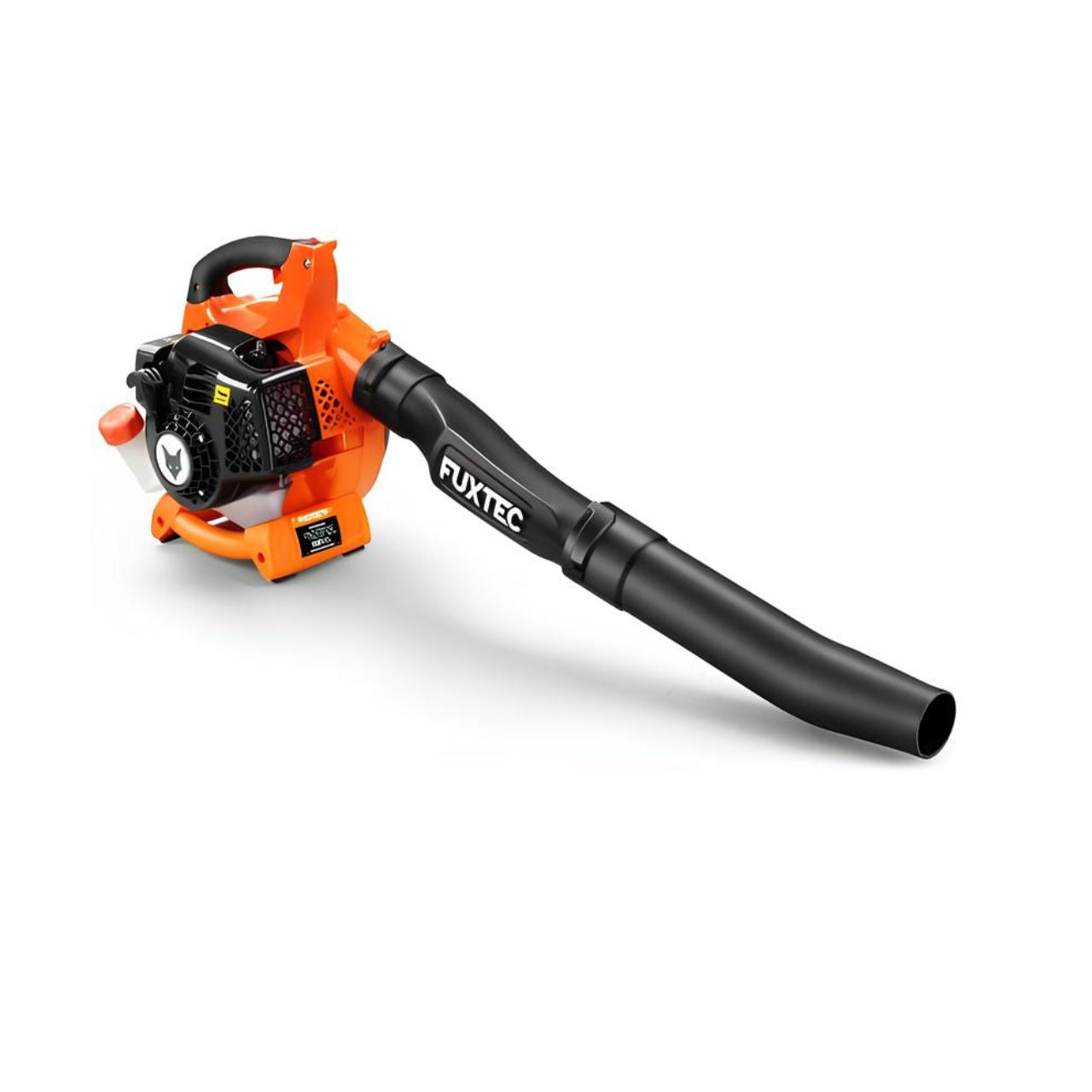
The first step towards winterproofing starts with a thorough clean. Remove any remaining plant debris, old soil and, above all, pest nests, so that no diseases or vermin overwinter. Pay particular attention to joints, frames and gaps, as insects or fungi like to hide there. A leaf blower or leaf vacuum is ideal for clearing away all the debris.

Next, check the seals. Even small gaps can let draughts inside and worsen the climate in the greenhouse. For polytunnels, it's worth checking the plastic film for tears and replacing it if necessary. Twin-wall polycarbonate panels, on the other hand, naturally offer good insulation but should be checked for cracks and loose screws.
Insulating your greenhouse: the best methods for the cold season
Good insulation is essential for protecting your greenhouse effectively over winter. Bubble wrap is a tried-and-tested solution: it's fixed to the inside of the walls and acts as an extra protective layer. Thanks to the trapped air pockets, it improves warmth retention in the greenhouse and reduces heating costs.
Besides bubble wrap, twin-wall polycarbonate panels are another excellent option. They are sturdy, insulating, and help keep the climate in the greenhouse as stable as possible. Make sure enough light still gets through the insulation so plants don't suffer from a lack of light in winter.
Another important point is avoiding waterlogging. Add a light covering of gravel or sand to the ground to drain off excess water and protect delicate plants from cold and rot.
Frost protection and greenhouse heating for winter
At low temperatures, even good insulation often isn't enough to reliably protect delicate plants. Exotic plants, Mediterranean species or container plants spending winter in storage especially need a stable heat source. This is where FUXTEC heaters come in: they ensure the temperature in the greenhouse stays constant and the plants don't freeze.

FUXTEC heaters and their features
-
Gas heater FX-GH10 With an output of 10 kW, this model is the right choice for smaller greenhouses or garden sheds. Its compact design makes it easy to transport and use flexibly. Running on propane/butane, the FX-GH10 provides quick, even heating even without a mains power connection. It's particularly handy for hobby gardeners who want to keep individual container plants or small planting areas frost-free.
-
Gas heater FX-GH33
The FX-GH33, at 33 kW, is suited to medium to larger greenhouses. It impresses with its robust build, high heating output and built-in safety features such as overheat protection. With its power, it manages to maintain stable conditions in winter storage even in very low outdoor temperatures. Ideal when several delicate plants need protecting at once, or when the greenhouse covers a larger area. -
Gas heater FX-GH51
This professional unit is the most powerful model in the range: with 51 kW of heating output, the FX-GH51 is designed for very large greenhouses, outbuildings or extensive plant collections. It delivers enormous heating power that keeps temperatures stable even during long cold spells. Thanks to its size, it's especially suited to gardeners with professional requirements or very large setups, where reliability and staying power are top priorities.
Electric fan heaters
These models are particularly handy for greenhouses with a mains power connection. They produce heat instantly and can be controlled with a thermostat, so the temperature in the greenhouse is kept steady between 5 and 10°C. This is ideal for overwintering delicate plants.
If you don't have a fixed power connection in the garden, you can also use FUXTEC power generators. These keep electric heaters or lamps running and make you independent of the mains supply from the house. This is particularly useful for running heat sources reliably in unheated greenhouses.
Tips for economical heating
-
Use a thermostat to automatically regulate the temperature in the greenhouse.
-
Make sure you have good insulation with bubble wrap or twin-wall polycarbonate panels to cut heating costs.
-
Make sure no draughts can get in, as this causes a lot of heat loss.
This is how you can winterproof your greenhouse and provide stable conditions even in the cold months for plants that aren't hardy.
Overwintering plants in the greenhouse: how to do it right
The greenhouse is an ideal place to overwinter plants. Container plants in particular overwinter safely here, as they stay frost-free yet still get enough light. Oleander, exotic plants and many Mediterranean species are classic examples that benefit from sheltered overwintering.
Important: don't place plants too close together, so air can circulate. A well-ventilated space prevents mould and pests. Before overwintering, clear old leaves from container plants and consider repotting them into fresh compost.
Using your greenhouse in winter: growing vegetables and more
The big advantage of a heated greenhouse: you can use the greenhouse in winter to grow vegetables such as lamb's lettuce or spinach. These crops even grow reliably in an unheated greenhouse.
Using an unheated greenhouse in winter means choosing hardy plants that can cope with low temperatures. If you keep it frost-free, you can use the greenhouse all year round and even grow more delicate species.
Using the greenhouse over winter also means regularly checking the climate inside. Temperature, humidity and light all need to be in balance. Be sure to ventilate regularly, too, to avoid draughts and prevent harming plant growth.
Winterproofing your greenhouse yourself: tips for DIYers
If you want to winterproof your greenhouse yourself, you can achieve a lot with simple measures. One of the most effective steps is using bubble wrap. Fitted to the inside of the glazing, it retains warmth in the greenhouse and significantly cuts heating costs. Make sure the film is pulled taut so no cold bridges form.
Seals are just as important: check that doors and windows close tightly, and replace worn rubber seals in good time. Even tiny gaps can let draughts into the greenhouse and greatly reduce the warmth inside.
Polytunnels in particular need extra attention. Stretch the plastic film tight and secure it on all sides so it doesn't flap or tear in the wind. During longer cold spells, you can also add a second layer of film, which significantly improves insulation.
For small garden sheds or mobile greenhouses, a few simple steps are often enough: a careful cover with fleece or film, checking that anchors are secure, and windbreaks in the form of hedges or boards. This way, you make sure your greenhouse stays stable in winter and the plants inside are reliably protected.
Smart technology for a well-insulated greenhouse in winter
The cold months are easier to get through if you use modern technology. FUXTEC heaters with a thermostat keep the temperature constant, while power generators mean you stay independent even without a mains connection.
LED grow lights ensure there's enough light when days are especially short. Good insulation with bubble wrap or twin-wall polycarbonate panels also helps keep the climate in the greenhouse stable.
This way, you can use the greenhouse all year round and successfully grow plants from early autumn right through to the following spring.
Mistakes to avoid when winterproofing your greenhouse
A few typical mistakes crop up again and again:
-
Not enough insulation: without bubble wrap or twin-wall polycarbonate panels, warmth escapes the greenhouse too quickly.
-
Incorrect temperature control: if the greenhouse is heated too much, heating costs rise unnecessarily. If temperatures are too low, delicate plants freeze.
-
Not enough light: plants need sufficient light, even in winter. Make sure the insulation doesn't block out too much light.
-
Draughts: even small gaps can worsen the climate in the greenhouse. Check regularly for draughty spots.
Conclusion: overwintering your greenhouse and getting through winter well
A winterproofed greenhouse is the best way to bring delicate plants safely through the cold months while also growing vegetables such as lamb's lettuce or spinach in the greenhouse. With good insulation, bubble wrap, the right ventilation and extra warmth, you'll reliably protect container plants, exotic plants and Mediterranean species.
Overwintering works best when the climate inside stays as constant as possible and you cut heating costs through clever insulation. With the right FUXTEC heaters and power generators, you can make sure your greenhouse keeps working reliably through winter too.
This way, you can use the greenhouse in your garden all year round, protect plants from the cold, and still enjoy fresh vegetables even in the cold season.
Discover our range of garden tools
What insulation materials work best for a greenhouse in winter?
Bubble wrap and twin-wall polycarbonate panels are the most effective options. Bubble wrap is affordable and easy to install on the inside of walls, while twin-wall polycarbonate offers sturdy, natural insulation. Both help retain warmth and reduce heating costs whilst allowing enough light through for plant growth.
Do I need a heater to keep my greenhouse frost-free?
Good insulation alone often isn't enough for delicate plants in very cold temperatures. A heater such as a gas heater or electric fan heater combined with proper insulation will reliably keep temperatures stable and protect plants from freezing.
How should I prepare my greenhouse for winter in autumn?
Start with a thorough clean to remove plant debris, old soil and pest nests. Check all seals and gaps for draughts, inspect polytunnel plastic for tears, and examine twin-wall panels for cracks. Finally, add gravel or sand to the ground to prevent waterlogging around plants.
What plants can I overwinter successfully in a greenhouse?
Container plants, Mediterranean species like oleander, and exotic plants are ideal for overwintering in a frost-free greenhouse. Space them out to allow air circulation and prevent mould. Hardy vegetables such as lamb's lettuce and spinach will grow even in an unheated greenhouse.
How can I reduce heating costs for my winter greenhouse?
Use a thermostat to automatically regulate temperature, ensure good insulation with bubble wrap or twin-wall panels, and check regularly for draughts. Proper sealing and insulation will significantly cut the energy needed to maintain stable conditions.
Can I winterproof a polytunnel differently than a glass greenhouse?
Yes, polytunnels need extra attention to the plastic film, which should be checked for tears and replaced if necessary. Stretch the film tightly and secure it on all sides. In severe weather, you can add a second layer of film for improved insulation.
More articles about autumn in the garden

Cutting a Hedge in October: What's Allowed & How To
October is a good time to take a closer look at your hedge again. That's because, in the UK, cutting hedges is generally permitted throughout the year, provided you take care to avoid disturbing n...
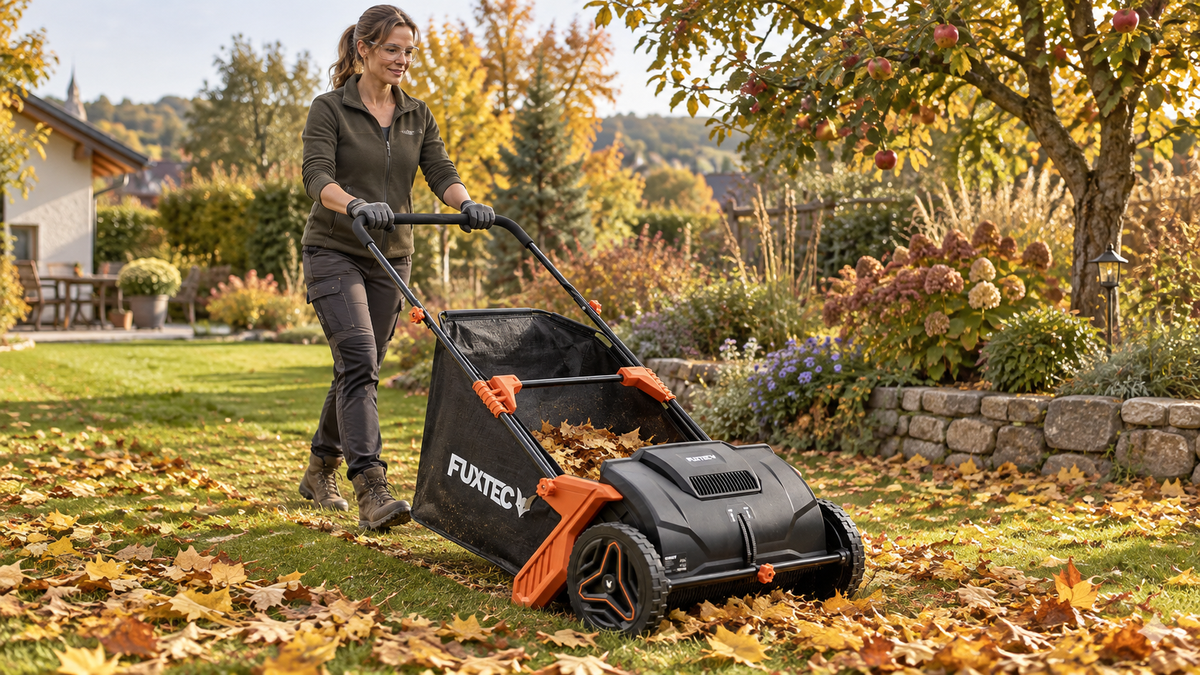
Leaf Collector: How to Use It and Autumn Tips
The apple tree is wearing its autumn colours, the borders are glowing one last time – and the lawn is already covered in another layer of fallen leaves. Lovely to look at, sure. Just not something...

October Garden Jobs: Lawn & Garden Care Checklist
October is one of the most varied months in the gardening year. While the last vegetable crops are still being harvested, preparations for frost, wet weather and winter dormancy are already underw...


