
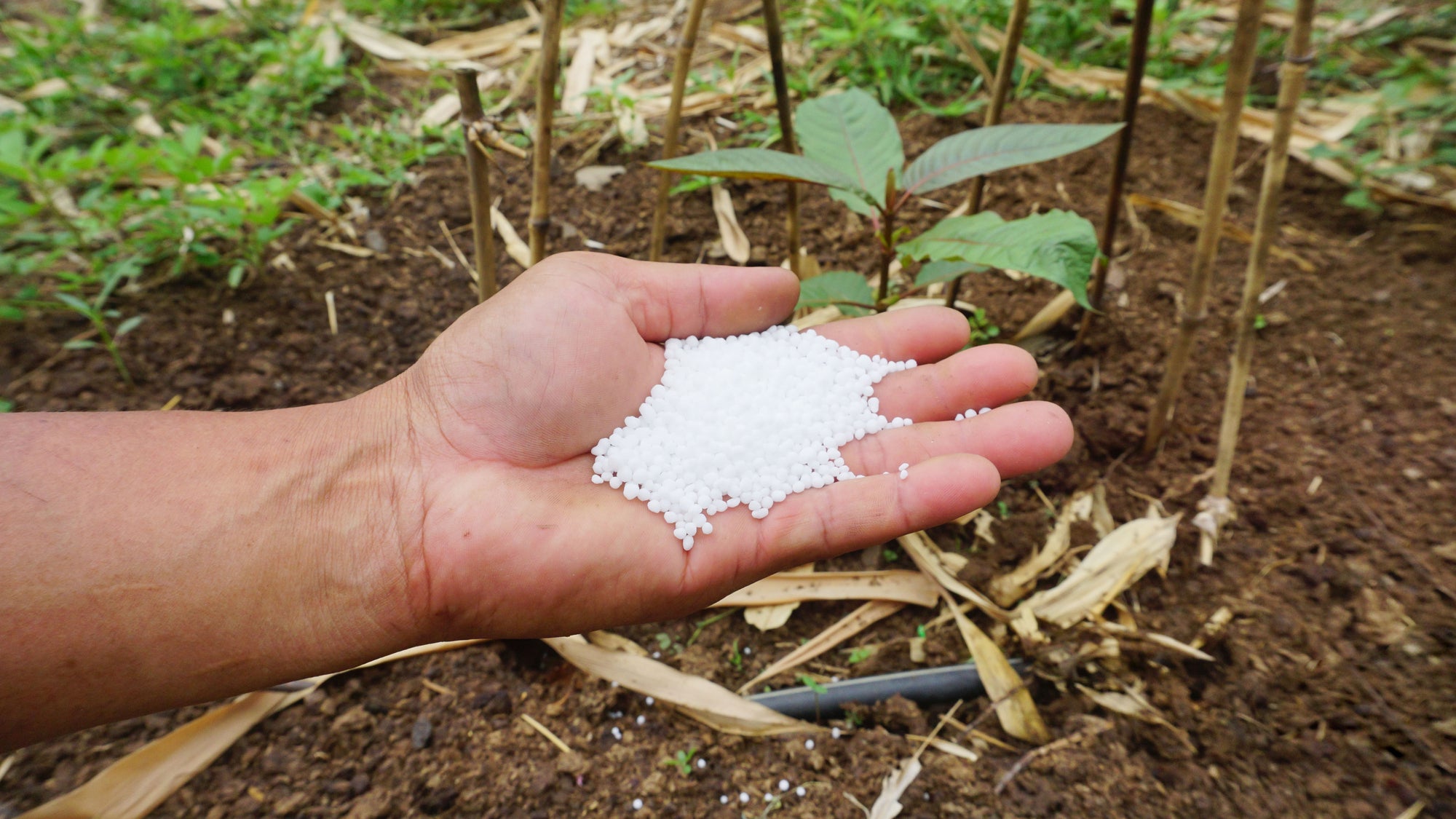
Düngen im Garten Titelbild
How to Fertilise Your Garden: The Complete Guide
- Warum Düngen im Garten so wichtig ist
- Bodenanalyse: Grundlage für die richtige Düngung
- Organische vs. mineralische Dünger: Was ist besser?
- Kompost, Hornspäne & Co.: Organische Dünger richtig anwenden
- Flüssigdünger und Volldünger – schnell und effizient
- Der richtige Zeitpunkt zum Düngen
- Typische Mangelerscheinungen erkennen und beheben
- Pflanzen im Garten richtig düngen – Tipps für Stauden, Gemüse & Co.
- Garten düngen leicht gemacht – mit Planung zum Erfolg
- So wird dein Garten fit!
- FAQ

A beautiful garden doesn't happen by chance – it's the result of good planning, regular care, and one very important thing: fertilising. Sounds straightforward enough, doesn't it?
A bit of fertiliser here, some compost there – job done. But it's not quite that simple.
If you want to give your garden plants exactly what they need, it's worth getting to grips with the topic of garden fertilising in more depth. After all, every soil, every plant, and every season brings its own requirements.
To help your garden grow not just green, but healthy and lush, we – FUXTEC – are here to give you everything you need to know about fertilising correctly.
Whether organic, mineral, liquid or granular, for perennials or heavy feeders – we'll walk you through step by step how to give your green haven the best possible nutrition!
Why Fertilising Your Garden Matters

Fertilising is more than just routine. Soil alone cannot sustain the nutrient supply your plants need over time – especially if you regularly harvest, plant, or dig. Garden soils continuously lose nutrients through these processes.
The result: Your plants grow weaker or fail to flower properly.
With the right fertilising approach, you help your garden get exactly what it needs – no more, no less. Organic fertilisers are particularly valuable here, as they simultaneously improve soil structure and encourage microorganisms that support a healthy soil ecosystem.
Put simply: fertiliser isn't an optional extra – it's the cornerstone of a thriving garden.
And don't worry: getting fertilising right isn't as complicated as it sounds. With a little knowledge and the right tools, you'll soon master it with ease.
Soil Testing: The Foundation of Effective Fertilising
Before you start fertilising blindly, it's worth taking a closer look at what lies beneath your feet. A soil test is the only way to find out which nutrients your soil is lacking – and where there may already be an excess.
The pH level of your soil plays a particularly important role: if it's too acidic or too alkaline, plants simply cannot absorb key nutrients properly.
A soil test will tell you:
- the levels of key nutrients such as nitrogen, phosphorus, potassium, and magnesium
- the pH level and humus content of your garden soil
- any surpluses or deficiencies
For this analysis, you can send a soil sample to a professional laboratory or simply use a home testing kit. This allows you to fertilise with precision – and saves you unnecessary trial and error.
Our tip: Carry out a soil test every two to three years. This ensures targeted fertilising and helps protect groundwater from contamination.
Organic vs. Mineral Fertilisers: Which Is Better?

Whether organic fertilisers such as compost and horn meal, or mineral fertilisers such as general-purpose granules – both options have their pros and cons.
Organic fertilisers work over the long term and improve soil structure – all without synthetic chemicals. Mineral fertilisers, on the other hand, contain nitrogen (N), phosphorus (P), and potassium (K) and can quickly address nutrient deficiencies.
Fertilising organically means:
- Long-lasting effect through natural decomposition
- Encourages soil life and biodiversity
- No risk of over-fertilising when used correctly
Fertilising with minerals means:
- Immediately available nutrients
- Ideal for acute nutrient deficiencies
- Precise dosing possible – especially important for container plants
FUXTEC tip: You can also use combined organic-mineral fertilisers. These hybrid products bring together the best of both worlds – ideal for anyone wanting to feed their plants according to their exact needs.
Table: Comparison of Organic vs. Mineral Fertilisers
| Property | Organic | Mineral |
|---|---|---|
| Onset of action | slow | fast |
| Sustainability | high | low |
| Risk of over-fertilising | low (with correct amounts) | high |
| Effect on soil life | beneficial | neutral to negative |
| Effort/dosing | less precise | precise dosing possible |
Compost, Horn Meal & More: How to Use Organic Fertilisers Correctly

Compost is probably the classic among organic fertilisers – and rightly so. It contains a wide range of nutrients and, over time, improves the humus content of your garden soil.
Important: compost should be well rotted before use, otherwise it will initially draw nitrogen from the soil rather than supplying it.
Other popular organic fertilisers include:
- Horn meal and horn shavings: Release nitrogen gradually and are ideal for perennials and shrubs.
- Horse manure: Rich in potassium and ideal for heavy feeders such as courgette or squash.
- Green manure: Plants such as lupins or mustard are dug back into the soil to improve structure and nutrient content.
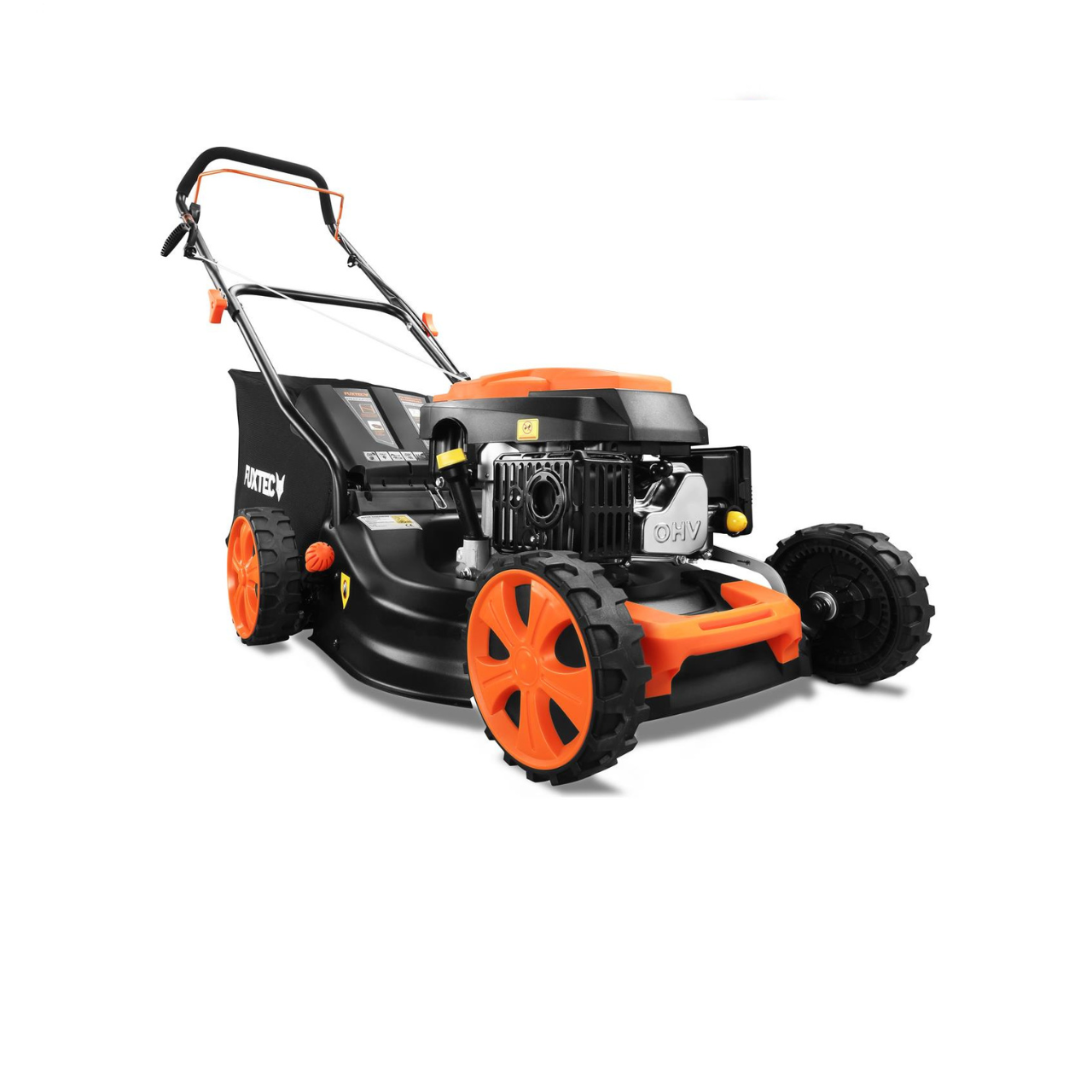
If you want to fertilise your lawn, you can also make your own fertiliser simply by mowing with a mulching mower. It's a great way to kill two birds with one stone!
Liquid Fertilisers and Complete Fertilisers – Fast and Effective
When your plants need a quick boost, liquid fertilisers are the first port of call. They act particularly quickly, as they are delivered directly to the roots via the water.
Liquid fertiliser makes perfect sense for container plants or acute deficiencies such as iron or nitrogen deficiency. However, do pay attention to the dosage – too much at once can do more harm than good.
Complete fertilisers contain all the main nutrients – that is, nitrogen, phosphorus, and potassium – in a single product. Ideal for anyone who doesn't want the hassle of complicated mixing, or who simply wants to feed the entire garden in one go.
For borders, perennial beds, or the vegetable garden, a complete fertiliser is often the simplest solution. The key is knowing what your soil actually needs beforehand.
The Right Time to Fertilise
It's not just about the "what" – the "when" is equally important when it comes to fertilising correctly. Spring is the main fertilising season – from around March, as plants begin to emerge from their winter dormancy.
That's when they need energy for growth. A second application can be beneficial in early summer – especially for heavy feeders.
In late summer and autumn, avoid nitrogen-rich fertilisers, as these can encourage soft, sappy growth that is vulnerable to frost. Instead, switch to potassium-rich fertilisers to boost plant resilience heading into winter.
A typical fertilising calendar looks like this:
- Spring (from March): Complete fertiliser or compost for perennials and borders
- Early summer (May/June): Second application for heavy feeders such as tomatoes or squash
- Autumn (from August): Potassium fertiliser to strengthen plants before winter
Tip: When fertilising your lawn, mow it first – this allows the fertiliser to penetrate more easily down to the soil and work far more effectively.
Recognising and Addressing Nutrient Deficiencies
Yellow leaves, stunted growth, or reddish leaf veins – these symptoms often point to nutrient deficiencies. But which nutrient is missing?
Here's a quick overview:
- Nitrogen deficiency: Leaves turn pale green to yellow, particularly older ones
- Phosphorus deficiency: Shoots remain short, leaves appear dark green or reddish
- Potassium deficiency: Leaf tips turn brown and die back
- Magnesium deficiency: Yellowing between leaf veins (chlorosis)
If you spot these signs early, you can take targeted action – using the appropriate specialist or liquid fertiliser.
Do also keep an eye on the soil pH, as incorrect pH levels can lock out nutrients even when they are physically present in the soil.
Fertilising Garden Plants Correctly – Tips for Perennials, Vegetables & More

Not every plant needs the same care. While heavy feeders such as squash, tomatoes, or cabbages consume large quantities of nutrients, so-called light feeders like herbs or lamb's lettuce need considerably less.
Applying a blanket approach risks over-fertilising, poor growth, or even plant damage.
Perennials and shrubs benefit from organic fertilisers such as horn meal, which you work into the soil in spring.
For vegetable plants, a combination of compost and mineral complete fertiliser is recommended – ideally applied before planting and as a top-up feed during the growing season.
To ensure everything grows as it should, keep these tips in mind when fertilising plants:
- Light feeders (e.g. herbs): a little compost, no mineral fertilisers
- Medium feeders (e.g. carrots, spinach): some compost plus an organic slow-release fertiliser
- Heavy feeders (e.g. tomatoes, squash): complete fertiliser plus regular liquid feeding
By the way: Your hedges also benefit from targeted nutrition – find out when and how to go about it in our separate guide on fertilising hedges.
Easy Garden Fertilising – Success Through Planning
Fertilising regularly – that might sound like extra work at first. But once you follow a few simple rules and keep an eye on your garden, it quickly becomes second nature.
The most important foundation is a healthy garden soil that can store nutrients and release them to your plants. Without regular fertilising, it becomes depleted – and all your hard work planting goes to waste.
What to keep in mind when fertilising your garden:
- Carry out a soil test every two to three years.
- Choose the fertiliser to suit the plant and its needs.
- Apply with care – less is often more.
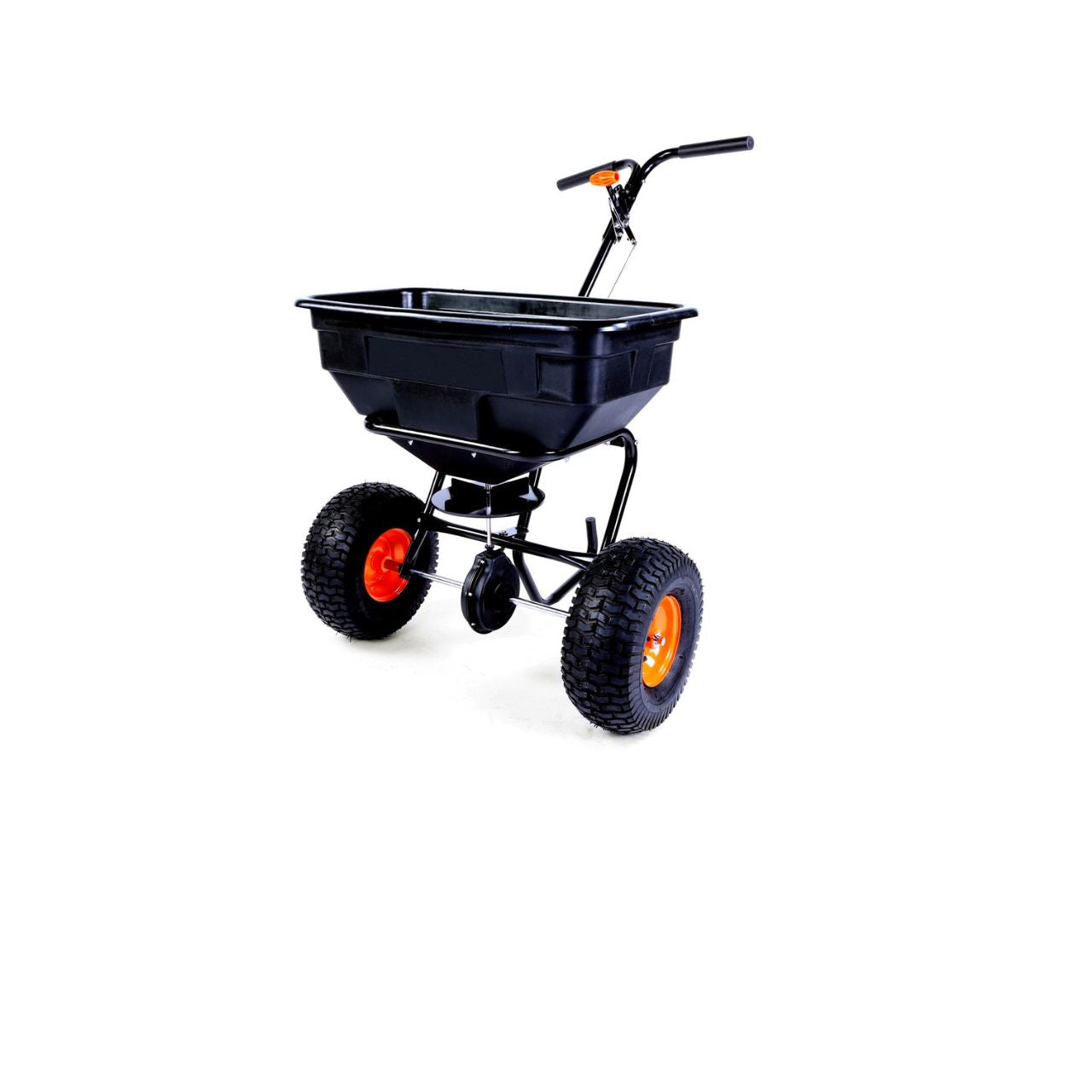
- Use tools such as the FUXTEC spreader for even distribution.
- Ideally, apply fertiliser before rain or follow up with watering.
Balance is everything: targeted fertilising in the garden not only benefits your plants but also helps protect groundwater from nitrate pollution – and saves you unnecessary costs from over-fertilising.
Get Your Garden in Top Shape!
A healthy garden is no great mystery – you just need the right combination of know-how, care, and a few clever tools.
With the right plant fertilising, an eye on the soil pH, and an individual strategy for each plant, you'll have your garden blooming beautifully.
Whether compost, horn meal, liquid fertiliser, or complete fertiliser – what matters most is that you understand your garden's needs and tailor your fertilising accordingly.
That way, your garden will stay not just beautiful, but healthy and nutrient-rich for the long term. So: gloves on, spreader out, and let's get fertilising!
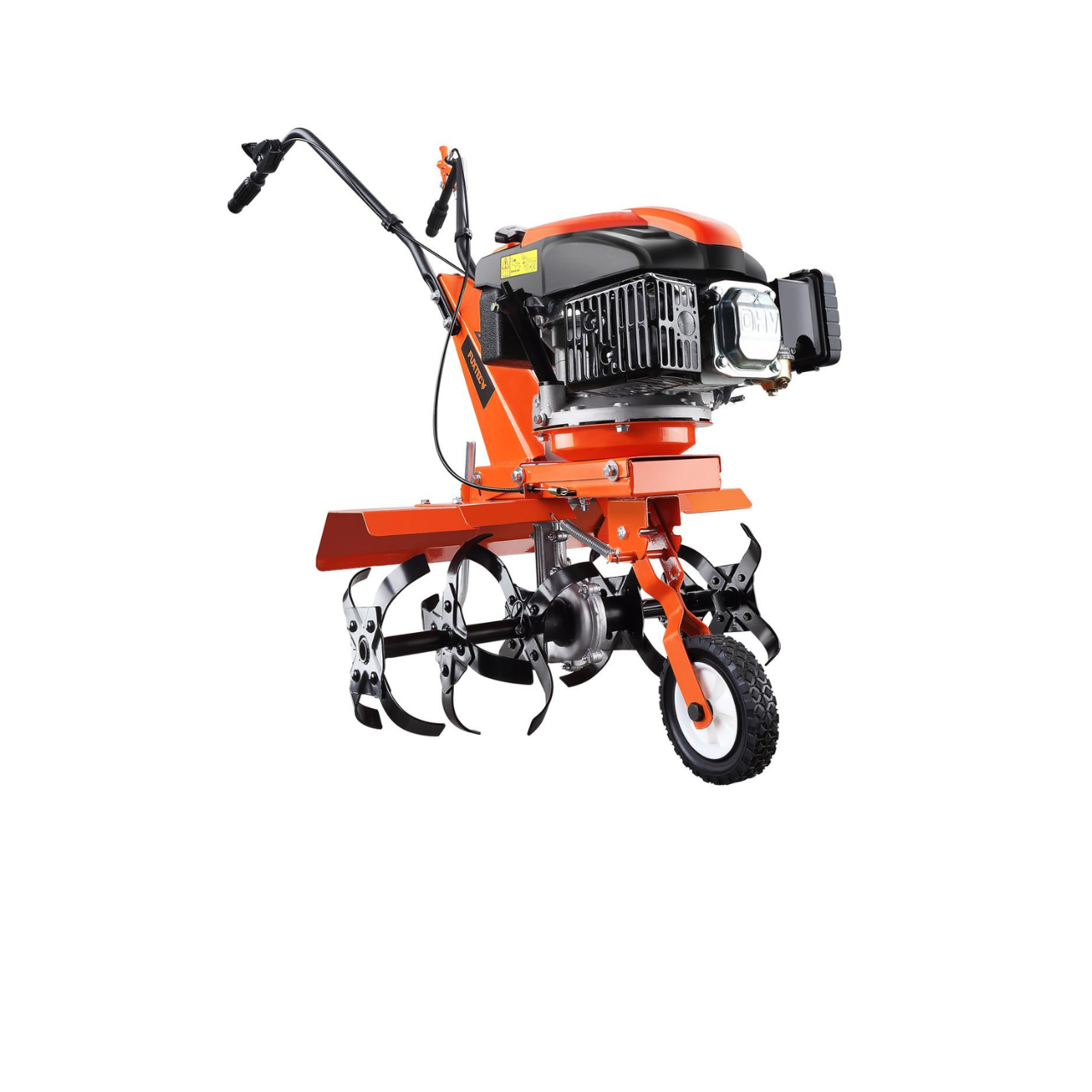
Discover our range of garden tools
When should I fertilise my garden?
Spring from March is the main fertilising season when plants emerge from dormancy. Apply a second dose in early summer for heavy feeders like tomatoes, and switch to potassium-rich fertilisers from August onwards to strengthen plants before winter.
What's the difference between organic and mineral fertilisers?
Organic fertilisers like compost work slowly, improve soil structure, and carry low over-fertilising risk. Mineral fertilisers provide immediately available nutrients and allow precise dosing, making them ideal for acute deficiencies but with higher over-fertilising risk.
Do I really need a soil test before fertilising?
Yes, a soil test reveals which nutrients your soil lacks and its pH level, allowing you to fertilise with precision and avoid unnecessary trial and error. It's recommended every two to three years and helps protect groundwater from contamination.
How do I know if my plants have nutrient deficiencies?
Yellow leaves indicate nitrogen deficiency, dark reddish leaves suggest phosphorus deficiency, brown leaf tips point to potassium deficiency, and yellowing between veins suggests magnesium deficiency. Early detection allows you to apply targeted fertiliser solutions.
Should I fertilise all my plants the same way?
No, different plants have different needs. Heavy feeders like tomatoes need complete fertiliser plus regular liquid feeding, medium feeders need some compost plus slow-release fertiliser, and light feeders like herbs need only a little compost without mineral fertilisers.
What's the best organic fertiliser to use?
Compost is the classic choice, containing a wide range of nutrients and improving soil humus content over time. Other excellent options include horn meal for perennials, horse manure for heavy feeders, and green manure crops dug back into the soil.
Can I use both organic and mineral fertilisers together?
Yes, combined organic-mineral fertilisers are available and bring together the best of both worlds. This hybrid approach lets you feed your plants according to their exact needs without the hassle of complicated mixing.
More articles about garden care
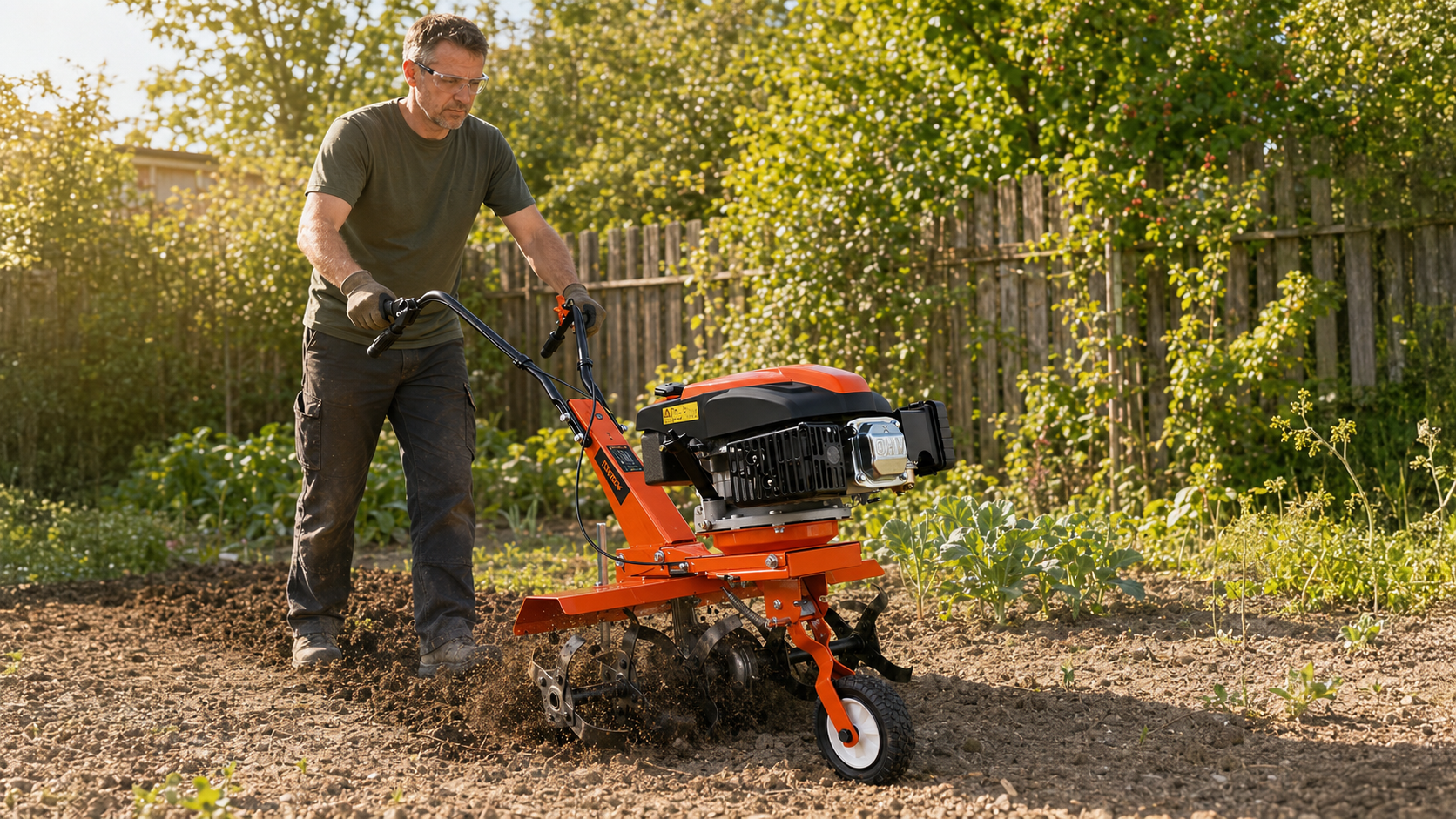
Trockenheit im Garten: Boden lockern, richtig gießen und mit Mulch Wasser sparen
Du gießt das Beet, doch das Wasser bleibt auf der harten Erdoberfläche stehen oder läuft zur Seite ab. Schon nach kurzer Zeit wirkt der Boden wieder trocken, obwohl Du gerade erst zur Gießkanne g...
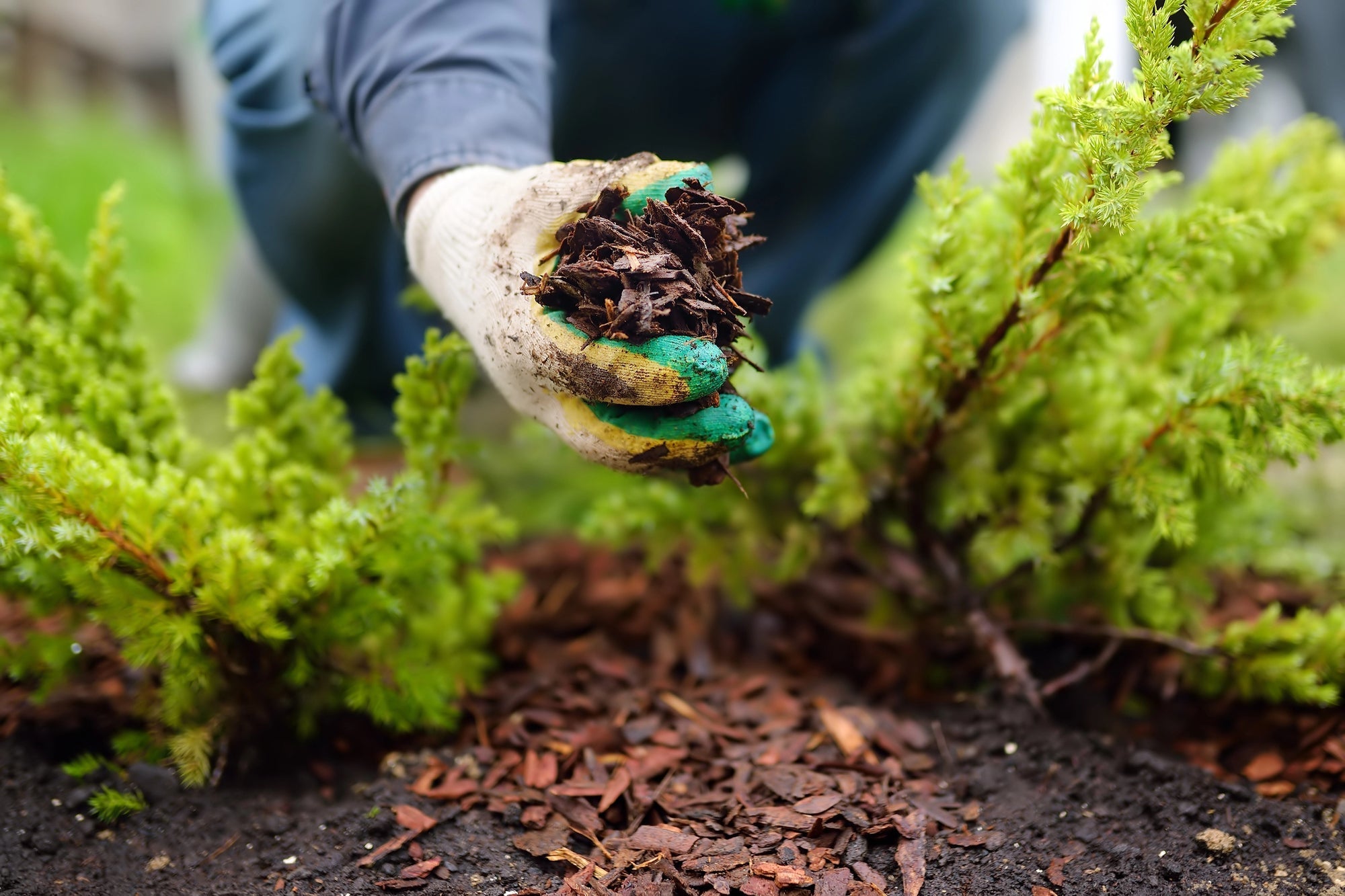
Pine Bark Mulch: The Complete Gardening Guide
Mulching with pine bark is one of the most effective methods in modern gardening and sustainable horticulture. A layer of mulch material is applied to the soil surface to protect and improve the so...
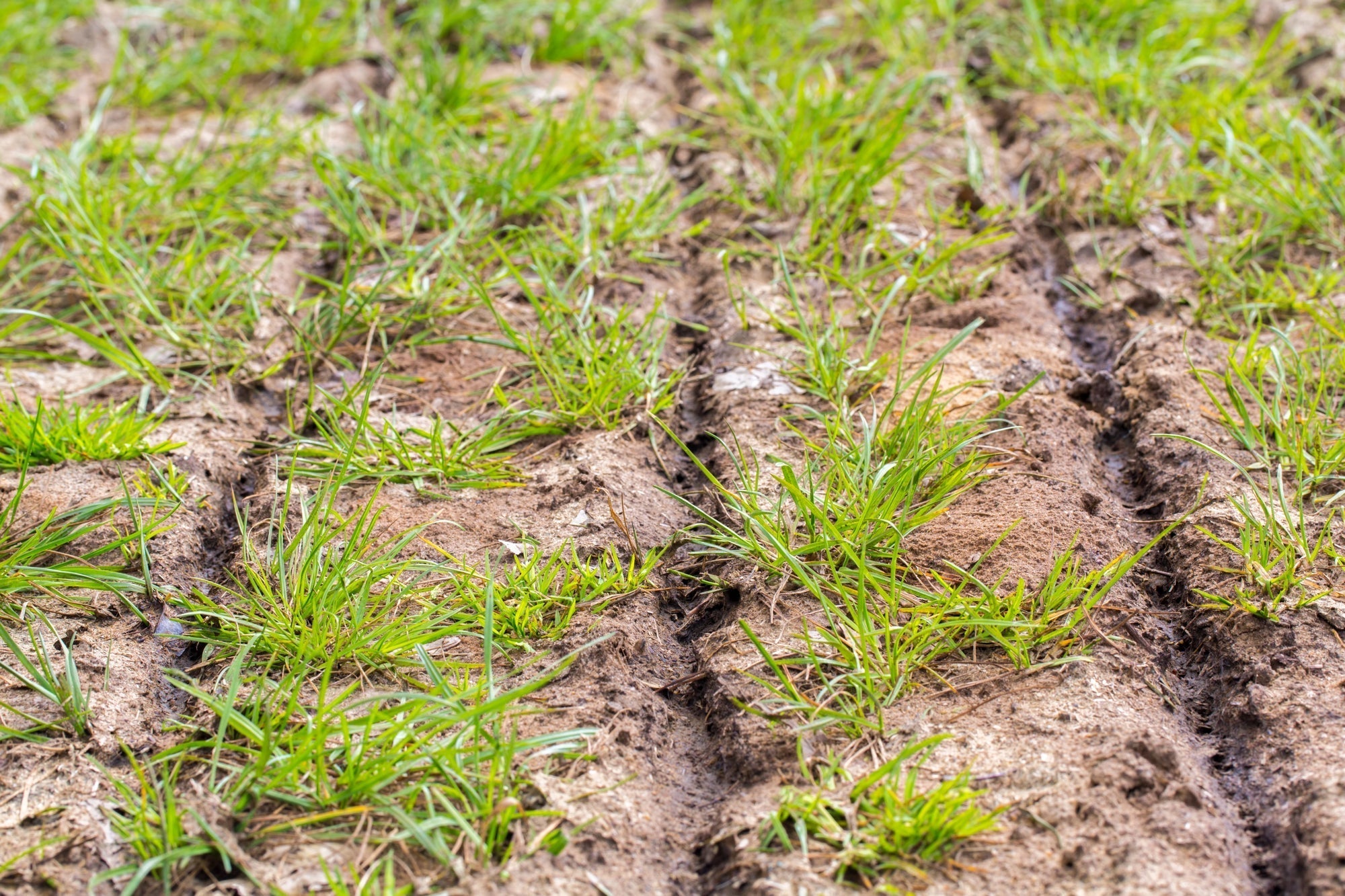
Spring Soil Improvement: Prepare Your Garden Soil
Inhaltsverzeichnis Warum Bodenverbesserung im Garten im Frühjahr so wichtig für einen gesunden Gartenboden ist Gartenboden nach dem Winter prüfen: Bodenstruktur, Verdichtung und Bodenart erke...


