




Richtig vorberietet in die neue Gartensaison starten!
Garden Guide: Seasonal Pruning, Sowing & Care Tips
Preparing your garden properly means far more than simply removing a few dry leaves or watering occasionally. Mindful gardening requires planning, an understanding of natural cycles, and targeted action at the right time. Whether you're tending fruit trees, shaping a hedge, sowing in spring, or managing irrigation in summer – every task has its own rules and time windows.
In this FUXTEC garden guide you'll find practical instructions, technical tips, and seasonal recommendations to keep your garden healthy, productive, and visually appealing throughout the year.
Why seasonal planning is essential
Gardening doesn't work on impulse. Each season brings clear tasks that must be carried out at the right time. Acting too late or too early can weaken your plants or reduce your harvest.
In spring you sow and feed; in summer you manage irrigation and tackle weeds; in autumn you prepare everything for the colder months; and in winter you carry out structural pruning.
The most important rule is simple: always work ahead of time. By the time problems become visible, it is often already too late. A garden calendar helps you plan and carry out all tasks sensibly. Particularly with fruit trees, even a small delay can have an impact on the entire season.
Pruning fruit trees: when and how to intervene
Pruning is one of the most demanding gardening tasks. Pruning fruit trees correctly encourages new shoots, improves light distribution within the canopy, and removes weak or diseased branches.
The classic winter pruning season runs from December to February. During this period the trees are dormant, allowing you to make more significant structural changes.
Summer pruning
There is also summer pruning, carried out between June and August. This involves removing fresh shoots, reducing the density of the canopy, and improving airflow.
Apple, pear, and peach trees in particular show a clear benefit in terms of fruit quality and plant stability.
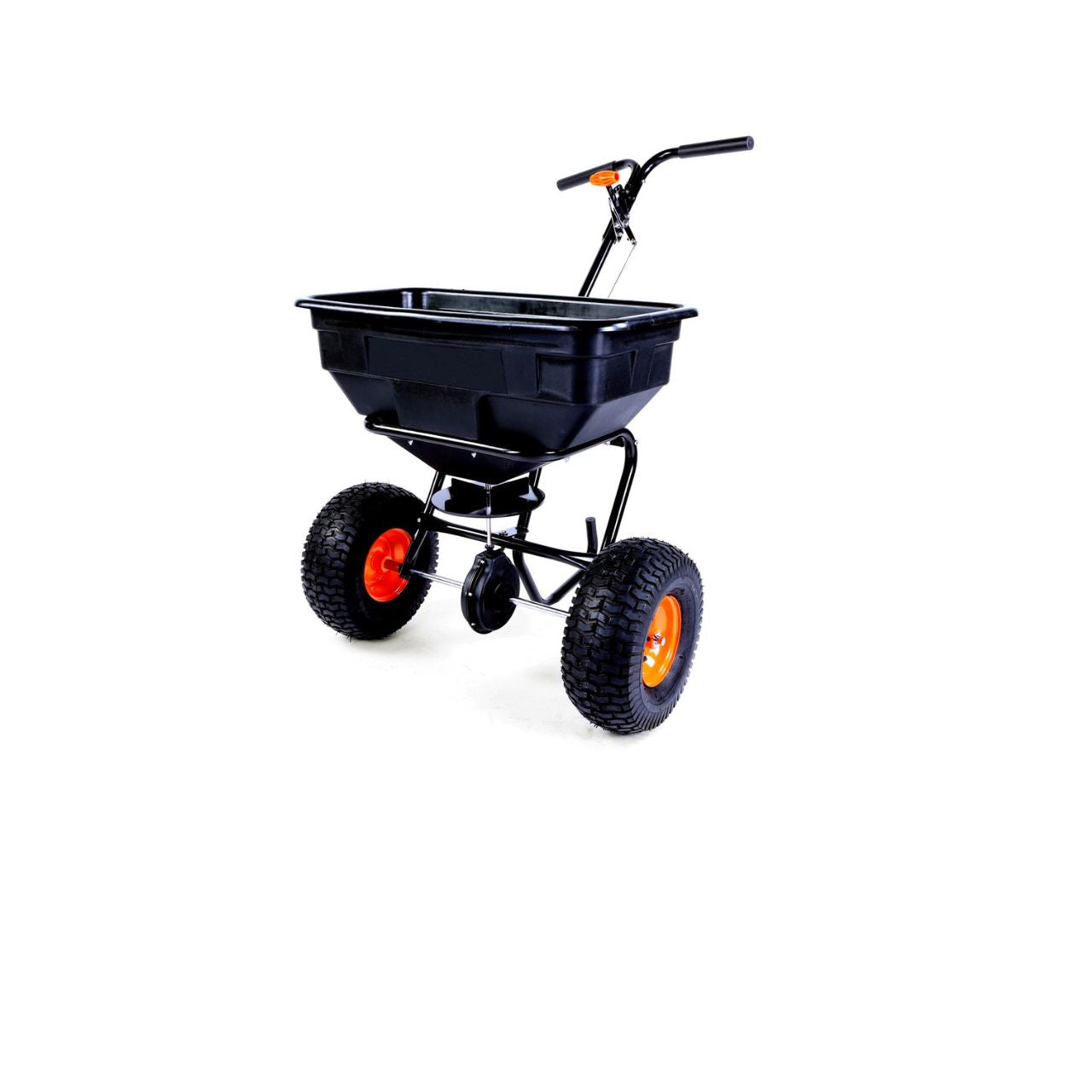
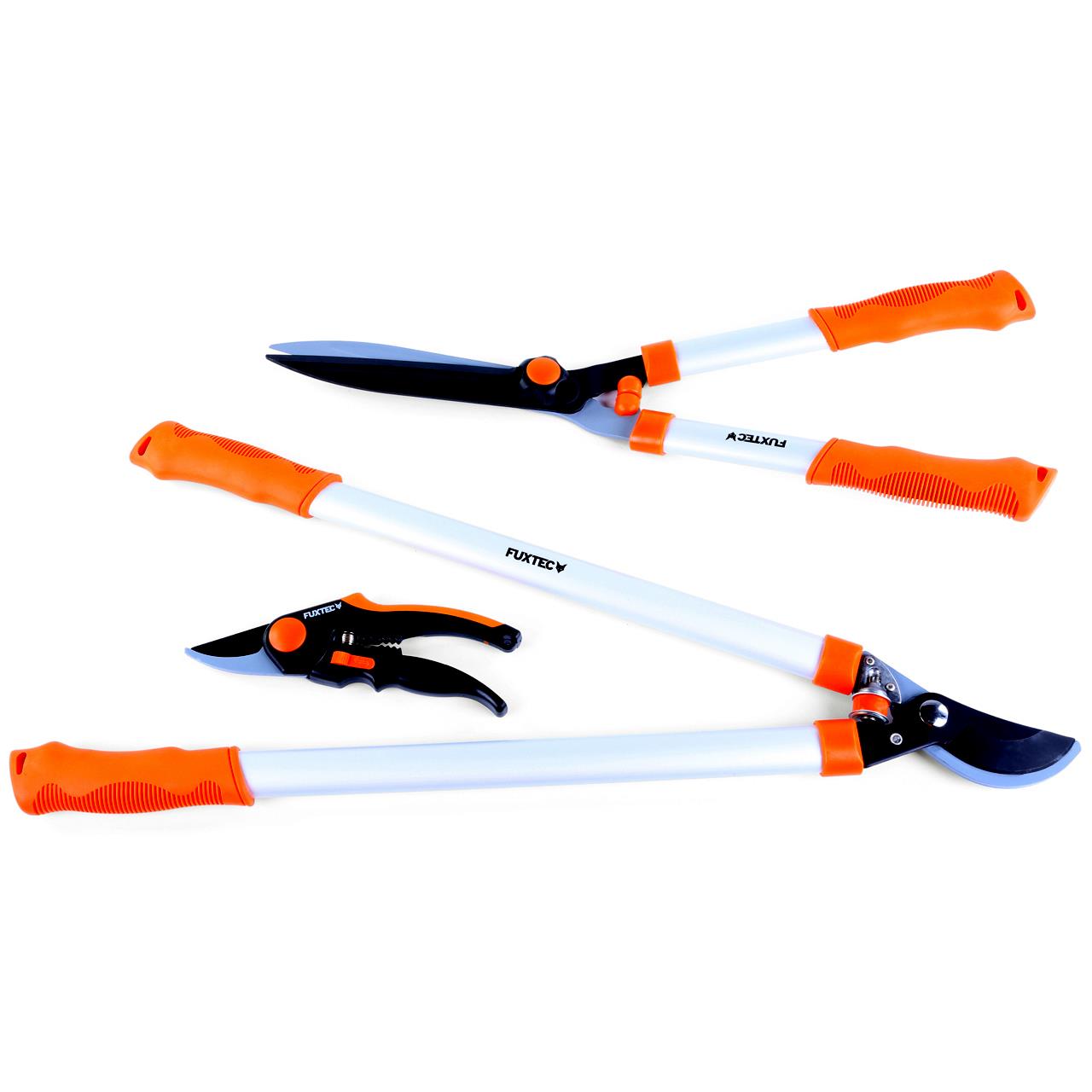
Using sharp, disinfected secateurs, cut back branches that are growing inwards or crossing one another. This creates a stable, balanced canopy structure.
Hedge care: pruning, feeding, and renovation
A well-maintained hedge serves several purposes at once. It structures your garden, provides shelter from wind, offers habitat for wildlife, and enhances the overall appearance of the space.
The most important times for cutting are in late winter and late summer. You should ensure that the hedge remains wider at the base than at the top. This allows light to reach the lower sections and keeps the plant dense.
After cutting, feeding with a slow-release fertiliser is recommended. This supports the plants' recovery.
Here at FUXTEC, we have found that particularly robust hedging plants such as privet or box benefit from a balanced supply of nutrients in spring and autumn. You can find out how best to go about this in our FUXTEC garden guide "Feeding Hedges – Our Tips for Lush Growth and Vibrant Colour".
Sowing: from the vegetable plot to the lawn
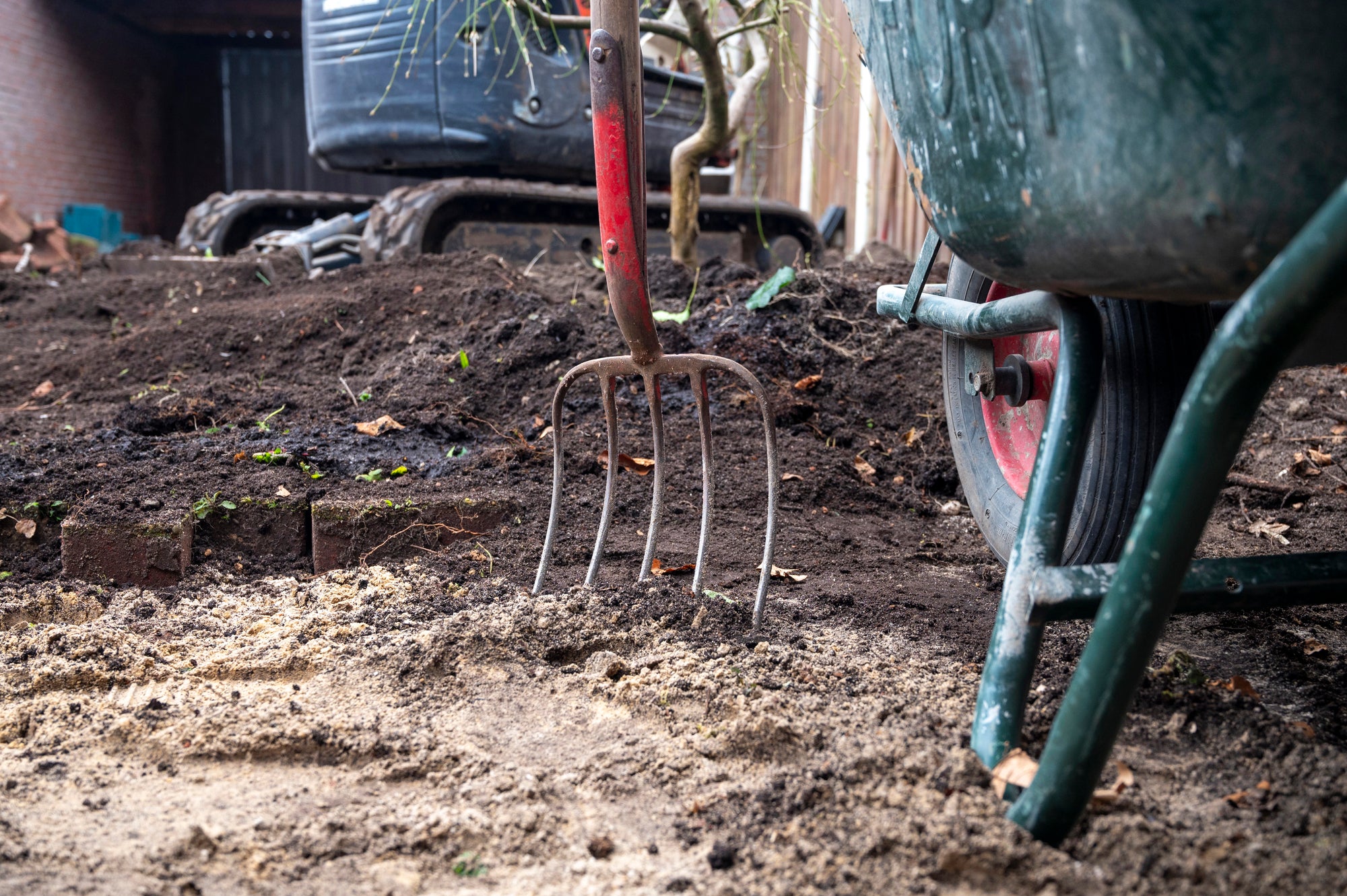
Sowing is one of the most direct ways to actively shape your garden. To ensure seeds germinate reliably, you need to prepare the soil carefully.
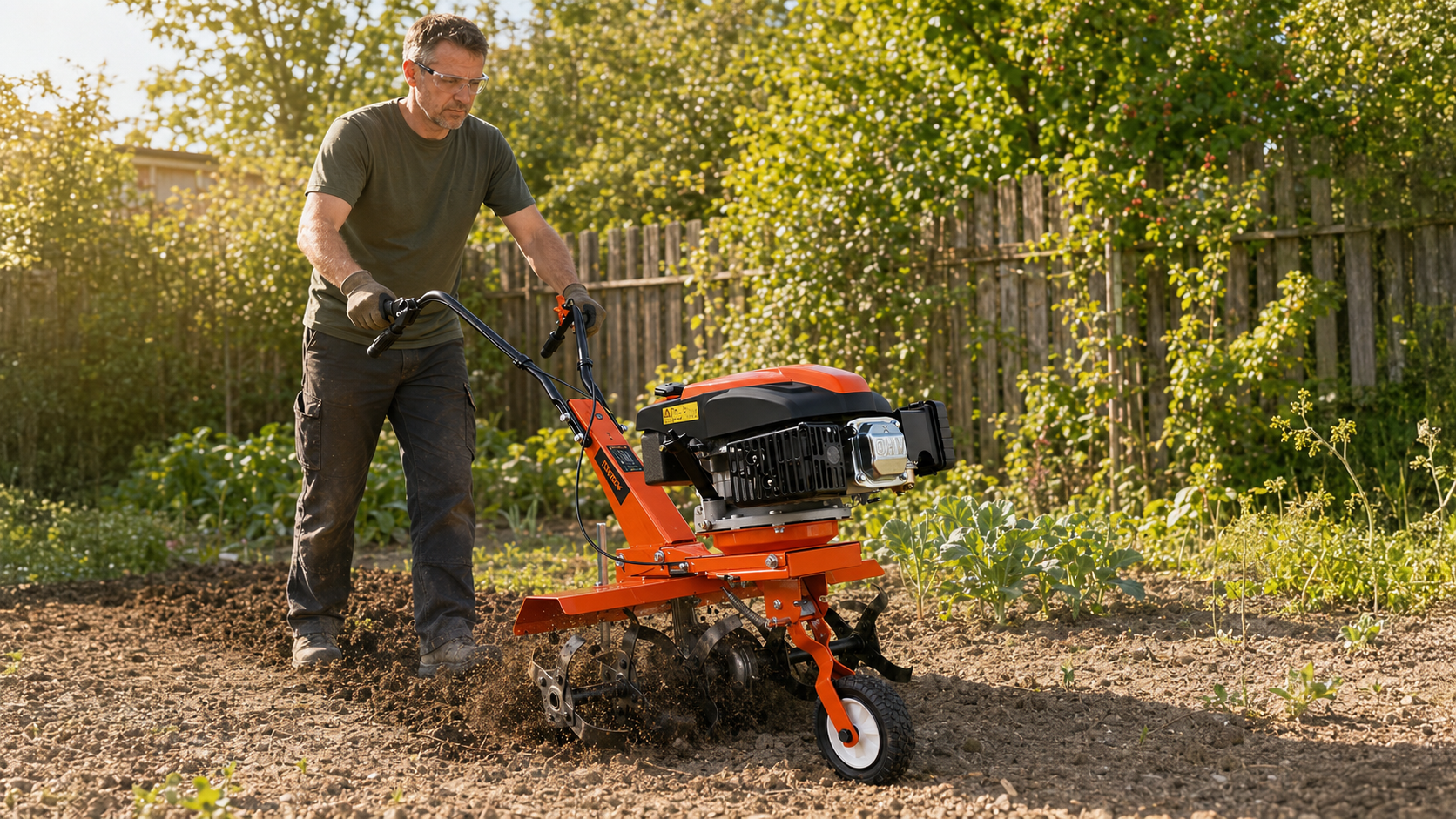
Loosen the soil to a depth of around 20 to 30 cm and work in organic matter. Compost at a rate of 3 to 5 kg per square metre is a solid guideline.
Compost improves soil structure, increases water retention, and provides plants with nutrients over the long term.
Vegetables such as tomatoes, courgettes, and aubergines can be started indoors from February or March. Planting out takes place after the last frosts, typically in May or early June.
Hardy perennial flowering plants are often sown in summer so that they grow vigorously and flower in the following year.
Everything for your garden

When should I prune fruit trees?
Winter pruning from December to February is ideal when trees are dormant and you can make significant structural changes. Summer pruning between June and August can also improve fruit quality by removing fresh shoots and improving airflow.
What's the best time to cut a hedge?
The most important cutting times are late winter and late summer. Keep the hedge wider at the base than at the top so light reaches the lower sections and the plant stays dense.
How do I prepare soil for sowing vegetables?
Loosen the soil to 20–30 cm depth and work in 3–5 kg of compost per square metre to improve structure, water retention, and nutrient supply. This preparation ensures reliable germination and strong plant growth.
When should I sow tomatoes and courgettes?
Start these warm-season vegetables indoors from February or March, then plant them out after the last frosts, typically in May or early June. This timing ensures they establish well in the garden.
Why is seasonal planning important in gardening?
Acting at the right time prevents weakened plants and reduced harvests. Working ahead of schedule is crucial because by the time problems become visible, it's often too late to correct them effectively.
Should I feed my hedge after cutting?
Yes, apply a slow-release fertiliser after cutting to support recovery. Spring and autumn feeding with balanced nutrients is particularly beneficial for robust plants like privet and box.
More articles about garden care
Trockenheit im Garten: Boden lockern, richtig gießen und mit Mulch Wasser sparen
Du gießt das Beet, doch das Wasser bleibt auf der harten Erdoberfläche stehen oder läuft zur Seite ab. Schon nach kurzer Zeit wirkt der Boden wieder trocken, obwohl Du gerade erst zur Gießkanne g...
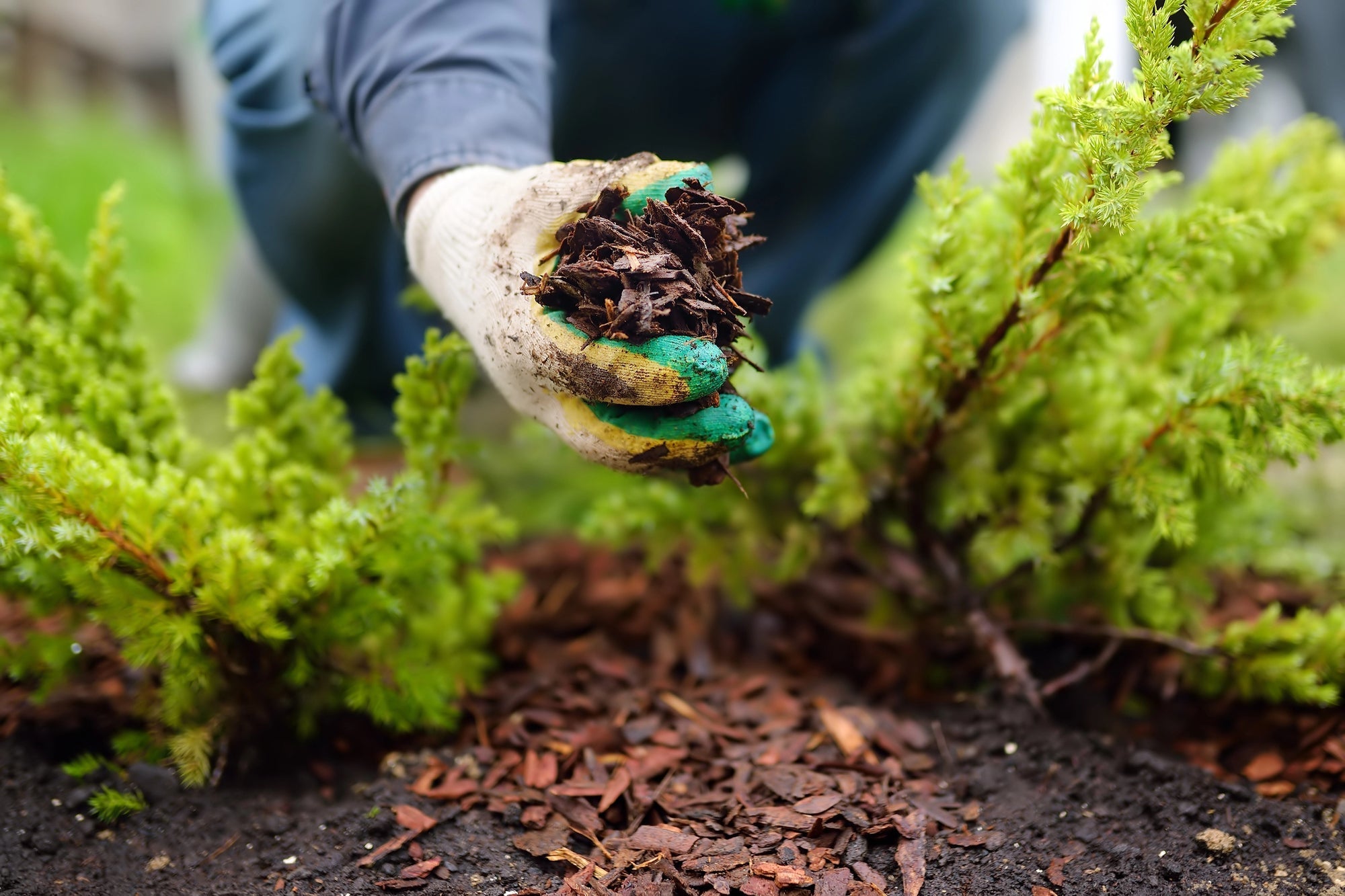
Pine Bark Mulch: The Complete Gardening Guide
Mulching with pine bark is one of the most effective methods in modern gardening and sustainable horticulture. A layer of mulch material is applied to the soil surface to protect and improve the so...
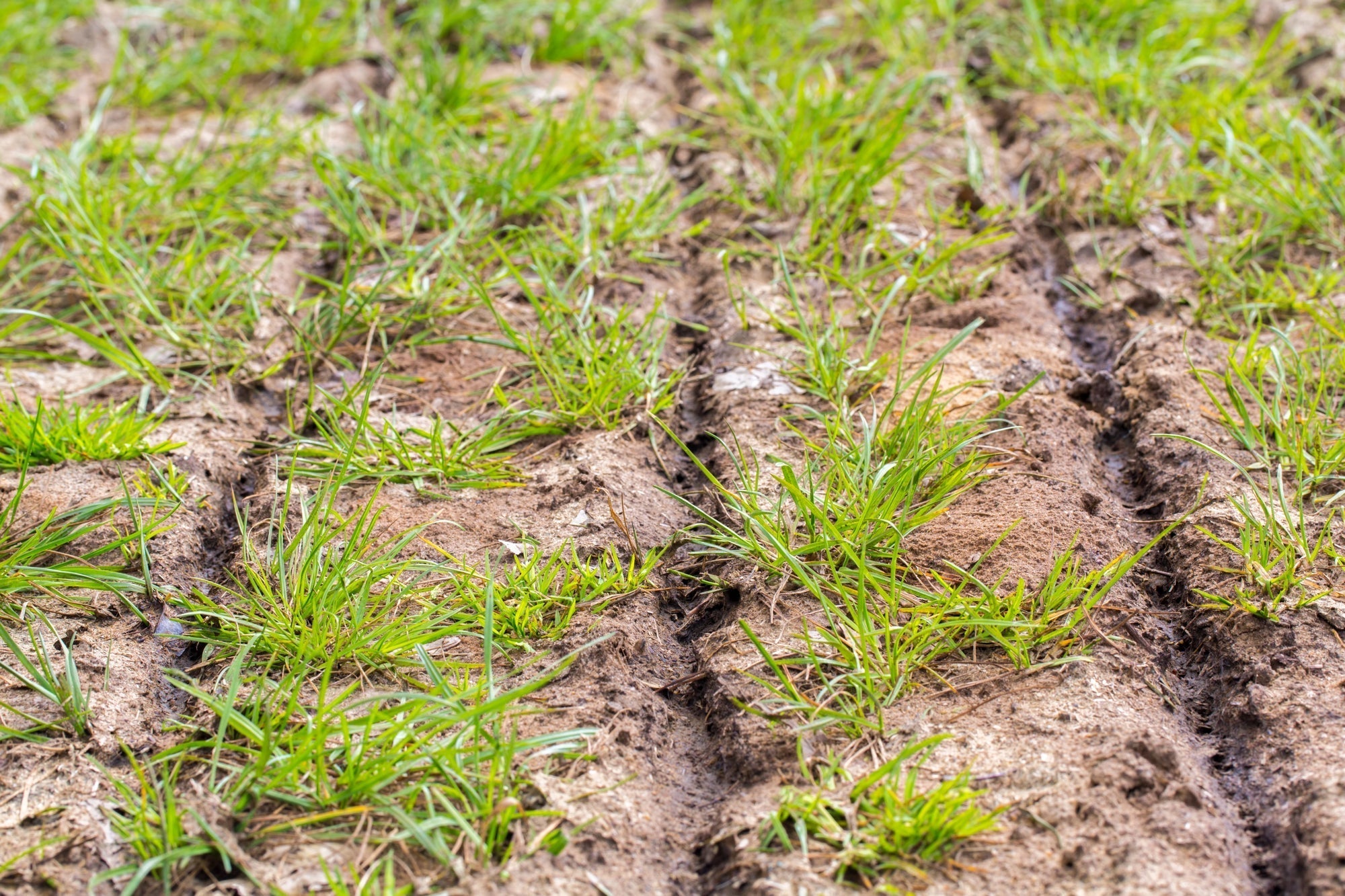
Spring Soil Improvement: Prepare Your Garden Soil
Inhaltsverzeichnis Warum Bodenverbesserung im Garten im Frühjahr so wichtig für einen gesunden Gartenboden ist Gartenboden nach dem Winter prüfen: Bodenstruktur, Verdichtung und Bodenart erke...


