
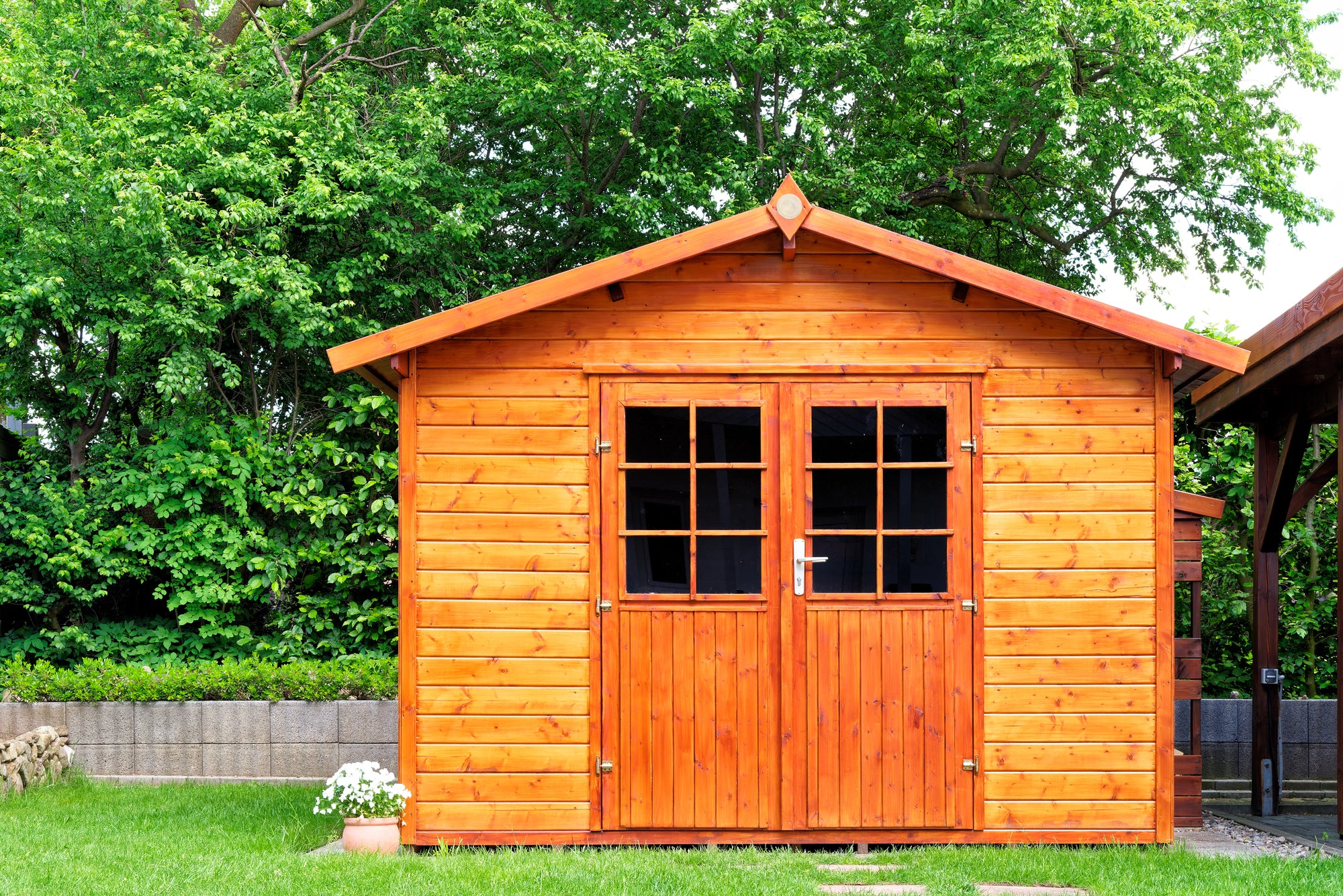
Gartenhaus bauen Titelbild
Build Your Own Garden Shed: Step-by-Step Guide
- Die Planung: Von der Idee bis zum Bauplan
- Baugenehmigung und gesetzliche Vorgaben für Gartenhäuser
- Das Fundament: Die Basis für Dein stabiles Gartenhaus
- Das Grundgerüst und die Montage der Wände
- Dach, Dacheindeckung und Dachbegrünung fürs Gartenhaus
- Boden, Türen und Fenster einbauen
- Gartenhaus selber bauen: Kosten im Überblick und Spartipps
- Pflege, Anstrich und langfristige Nutzung
- Fazit: So gelingt Dein Gartenhaus-Projekt
- FAQ
A garden shed is more than just a practical storage space – it can become your very own personal retreat in the great outdoors.
Whether you want to store garden tools, set up a small workshop, or simply create a cosy spot to unwind: if you want to build your own garden shed, you need a clear plan of action.
In this guide, you'll find not only valuable tips on how to avoid common mistakes, but also practical advice on tools and materials from our FUXTEC shop that will make the job easier and save you time.
Planning: From Idea to Blueprint

Before you start building, you should think carefully about what you want to use your garden shed for.
Should it be a classic tool store, a small garden office, or perhaps a rustic timber cabin for sociable evenings?
The answer to this question will largely determine the size, construction method, and fittings.
The choice of material is also crucial: a wooden garden shed looks natural and blends harmoniously into your garden. At the same time, it requires regular maintenance to keep it looking its best over the years. Alternative materials such as metal or plastic require less upkeep, but often have less charm.
A building plan is essential before you set the first posts. You can either use a ready-made kit or create your own design.
A clear plan helps you calculate the materials needed precisely – and prevents you from ending up short of roof battens or floorboards later on.
You can also decide early on whether you want to include extras such as a green roof, an electricity supply, or particular window styles.
- Tip: If you want to build a garden shed on a budget, compare prices in advance and keep an eye out for seasonal deals and sales.
- Extra: Consider planning in a weather-resistant coat of paint in your chosen colour from the outset.
Planning Permission and Legal Requirements for Garden Sheds
Permitted development rules vary across England, Scotland, Wales, and Northern Ireland. In many cases, small garden sheds can be erected without planning permission under permitted development rights, but size, height, and proximity to boundaries all affect whether consent is required.
Always check with your local planning authority beforehand to avoid any problems further down the line.
Also pay attention to boundary distances from neighbouring properties and any rules that apply to allotment sites. Even if your planned structure is small, planning conditions such as maximum ridge height or roof pitch may still be relevant.
If you want to build your own garden shed, it's important to be aware of all the details. This includes any requirements for the foundation, such as a frost-resistant base or specific ground anchoring.
In some areas, you may also need to notify your local authority even if full planning permission is not required – for example, if you live in a conservation area or if your property is listed.
The Foundation: The Basis for a Stable Garden Shed

Without a solid foundation, your garden shed won't stand the test of time. It protects against ground moisture, provides stability, and prevents the timber from warping. The choice of foundation depends on size, intended use, and budget.
For a small garden shed, pad or strip foundations are often sufficient. Larger or heavier sheds benefit from a full concrete slab.
As a rule: always make the foundation slightly larger than the actual footprint to keep splashback away and create a neat edge.
A frost-resistant foundation is particularly important if your garden shed is going to be used during winter. You should excavate to a depth of at least 80 cm to prevent frost damage.
When laying the foundation, a FUXTEC cordless hammer drill is ideal for bolting timber frames together or fixing angle brackets.
Examples of foundation types and their advantages:
| Foundation Type | Advantages | Disadvantages |
|---|---|---|
| Pad foundation | cost-effective, quick and easy to install | less stable for larger structures |
| Strip foundation | good stability, suitable for mid-sized builds | more labour-intensive |
| Concrete slab | maximum stability, excellent moisture protection | more expensive, greater material use |
The Frame and Fitting the Walls
Once your foundation is complete and has cured, the exciting part begins: erecting the frame.
Start with the corner posts and cross beams, which carry the entire structure. These must be perfectly plumb – a spirit level is essential here. Make sure the posts are exactly at right angles to one another and that all measurements follow your building plan.
If you're assembling a shed from a kit, follow the instructions carefully. For a self-build, the rule is: secure the frame firmly before you begin fitting the walls. Using metal brackets to fix the four corner posts and the door post provides additional stability.
Walls are commonly made from tongue-and-groove boards. These slot together easily and provide good protection against draughts and damp.
When building your own garden shed, screwing the individual elements together is a key step – a FUXTEC cordless angle grinder is handy for tidying up rough edges or cutting metal components to size.
- When assembling, make sure to notch out half the beam thickness for corner joints.
- Start with the bottom frame and work your way upwards.
- Check every course with a spirit level to avoid wonky walls later on.
Roof, Roofing Materials, and Green Roofs for Your Garden Shed

The roof is not just a visual feature – it also serves as the main protection for the entire shed. Depending on your taste and construction method, you can choose between a flat roof, apex roof, or even a modern green roof.
A flat roof is simpler to fit, but offers less protection against heavy rainfall. An apex roof, on the other hand, allows water and snow to run off easily and typically has a longer lifespan.
For roofing, you can use roofing felt, corrugated sheets, or shingles. Roofing felt is affordable and quick to lay, but will need replacing after a number of years.
Shingles look attractive and are more durable, but require a little more time to install. Corrugated sheets are robust and lightweight, though they don't suit every shed style. When cutting roof battens, a chainsaw from our FUXTEC chainsaw range is an ideal solution for precise, efficient work.
If you opt for a green roof, you must ensure the frame can support the additional weight. A green roof also acts as insulation against heat, improves the microclimate inside the shed, and blends beautifully into the natural surroundings.
Fitting the Floor, Doors, and Windows
The floor of your garden shed should not only be sturdy but also protected against moisture. Tongue-and-groove floorboards are ideal here, as they fit tightly together and provide a level, robust finish.
Make sure the top surface of the boards sits slightly above the foundation to prevent rising damp.
When fitting doors and windows, precision is key. A poor fit leads to heat loss and draughts in the shed. Window openings should be cut exactly as specified in the building plan.
Use long screws at the corner posts when fastening to increase stability. For clean, accurate cut-outs, a FUXTEC wood drill bit can be enormously helpful.
Building Your Own Garden Shed: Cost Overview and Money-Saving Tips
Building your own garden shed can be considerably cheaper than buying one ready-made – but it's still worth keeping a close eye on costs. Depending on size, materials, and fittings, costs can vary greatly.
For a small timber shed, you should budget at least £500–£1,000, while larger models can quickly cost £3,000 or more. On top of this come additional costs such as screws, roofing materials, paint, and any foundation work.
Those wanting to build a garden shed on a budget should look out for seasonal offers and take on as much of the work themselves as possible to keep costs down.
A kit can be a good, cost-effective solution if you have little experience with designing and cutting materials. Also consider whether it's worth investing in good-quality, long-lasting tools such as a chainsaw or cordless hammer drill – the investment pays off on future projects.
Particularly with materials like timber, you can save money by choosing local suppliers and keeping an eye out for offcuts and end-of-line stock.
Example cost breakdown:
| Item | Price Range |
|---|---|
| Foundation | £100–£800 |
| Wall materials | £300–£1,500 |
| Roofing materials | £100–£600 |
| Doors & windows | £100–£500 |
| Tools & accessories | £50–£400 |
| Paint & maintenance | £50–£200 |
Maintenance, Painting, and Long-Term Use

A garden shed is an investment that will only bring lasting enjoyment if you maintain it regularly. A wooden garden shed in particular will need a fresh coat of paint every few years to protect it from the elements.
Use high-quality wood preservatives or paints that protect against both UV rays and moisture. This not only preserves the structure but also lets you keep your shed looking great in whatever colour you choose.
Also carry out regular checks of the roof and roofing materials. Loose shingles, damaged roofing felt, or leaks should be repaired straight away.
The foundation also deserves attention – with paving slab or flagstone bases, it may be necessary to re-level individual slabs to prevent subsidence.
Make versatile use of your garden shed: as a workshop, hobby room, storage space, or simply as a retreat. With thoughtful planning, you can use it all year round – with insulation, an electricity supply, and perhaps even a small heater.
Conclusion: How to Make Your Garden Shed Project a Success
Building a garden shed is a project that brings not only a fantastic end result, but also a great deal of satisfaction along the way. With careful planning, the right foundation, and thorough execution, you'll create a space you'll enjoy for many years to come.
If you want to build your own garden shed, allow plenty of time and work through it step by step – from obtaining planning permission through to the frame and the very last roof batten.
Invest in high-quality tools such as our FUXTEC chainsaws or sawing accessories to work precisely and efficiently.
And don't forget: maintaining your shed after it's built is just as important as the build itself, to ensure you get years of enjoyment from your project.
Related articles: If you're looking for inspiration for other garden projects, take a look at our guides on building your own compost bin or constructing a garden pergola.
Discover our range of garden tools
Do I need planning permission to build a garden shed?
In the UK, planning permission requirements vary by region and depend on the shed's size, height, and location. Many small sheds are permitted development under permitted development rights, but you should always check with your local planning authority beforehand, especially if you live in a conservation area or have a listed property.
What's the cheapest foundation for a garden shed?
A pad foundation is the most cost-effective option, as it's quick, easy to install, and affordable. However, for larger or heavier sheds, a strip foundation or concrete slab may provide better stability and value in the long term.
How much does it cost to build a garden shed from scratch?
A small timber shed typically costs between £500 and £1,000, whilst larger models can exceed £3,000. Costs depend on size, materials, and fittings, with additional expenses for foundation work, roofing, and paint.
What's the best material for garden shed walls?
Tongue-and-groove boards are ideal for garden sheds as they slot together easily, provide excellent protection against draughts and damp, and create a neat finish. However, alternative materials like metal or plastic require less maintenance, though they may lack the natural charm of timber.
Should I choose a flat roof or apex roof for my garden shed?
An apex roof is generally better as it allows water and snow to run off easily and typically lasts longer, whilst a flat roof is simpler to fit but offers less protection against heavy rainfall. Your choice should depend on your climate, budget, and aesthetic preferences.
How do I prevent moisture damage in my garden shed?
A solid, frost-resistant foundation is essential—excavate to at least 80 cm depth to prevent frost damage. Use tongue-and-groove floorboards that sit slightly above the foundation to prevent rising damp, and apply high-quality wood preservatives or paints regularly to protect against UV rays and moisture.
More articles about garden care
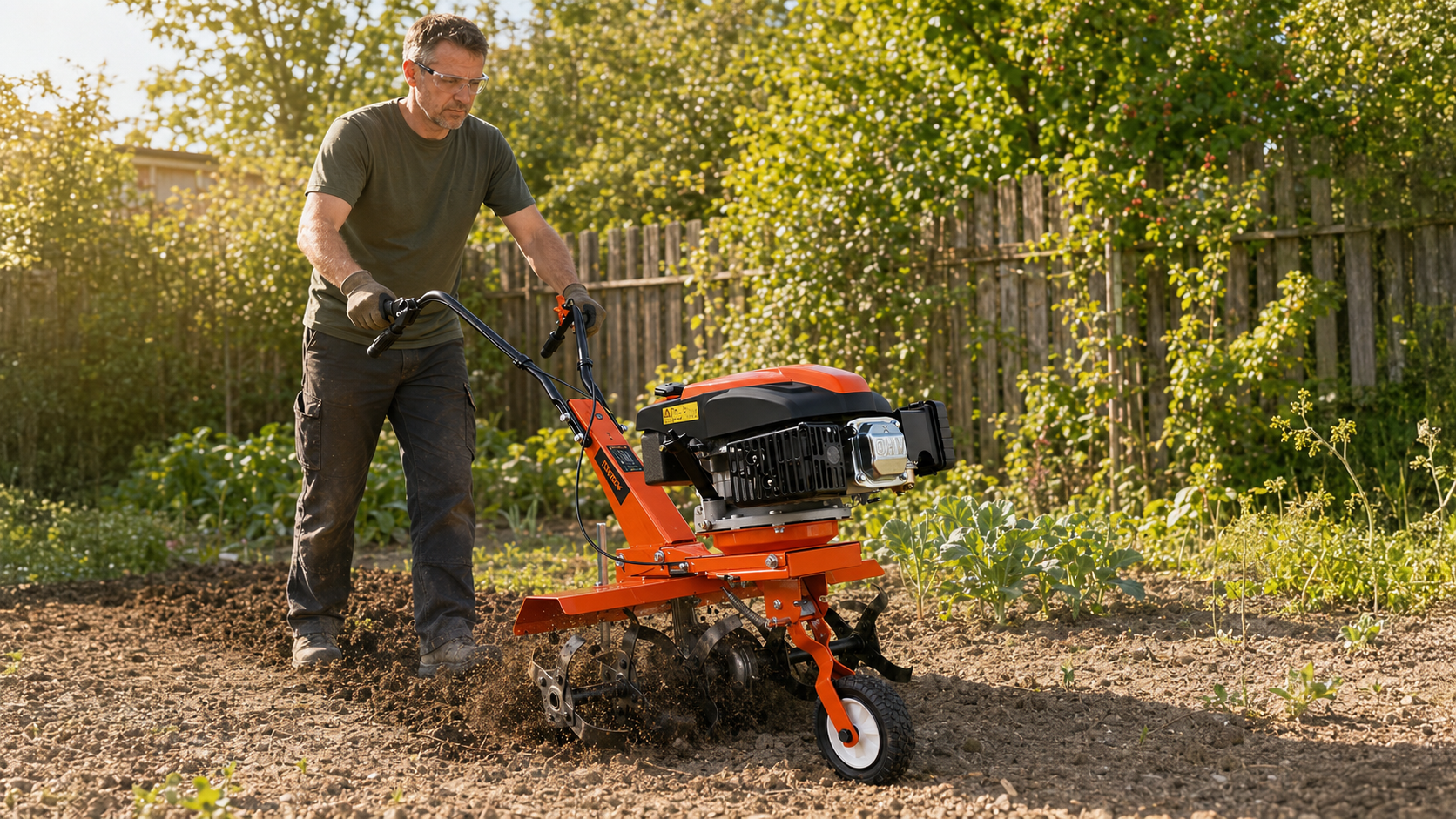
Trockenheit im Garten: Boden lockern, richtig gießen und mit Mulch Wasser sparen
Du gießt das Beet, doch das Wasser bleibt auf der harten Erdoberfläche stehen oder läuft zur Seite ab. Schon nach kurzer Zeit wirkt der Boden wieder trocken, obwohl Du gerade erst zur Gießkanne g...
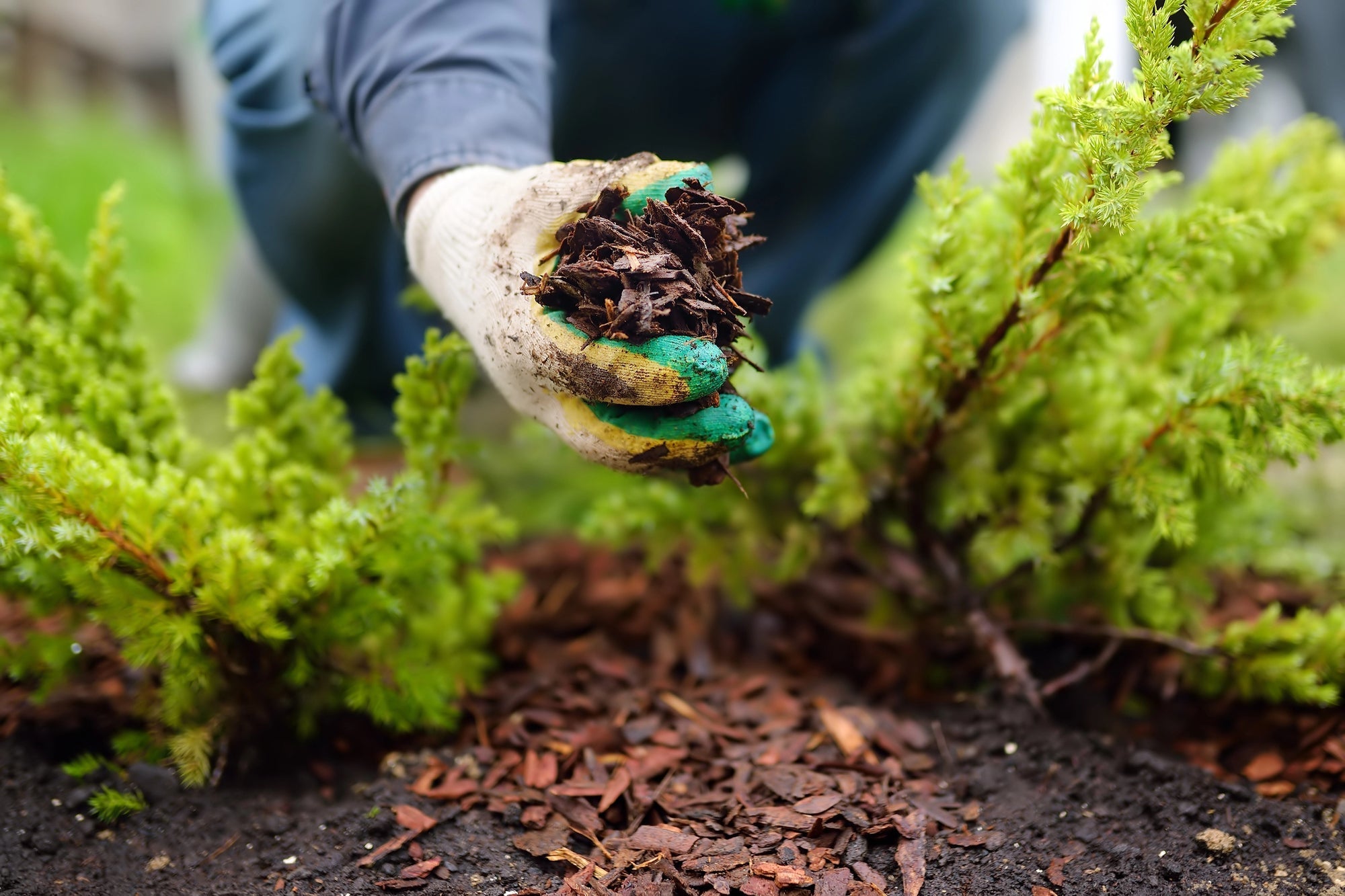
Pine Bark Mulch: The Complete Gardening Guide
Mulching with pine bark is one of the most effective methods in modern gardening and sustainable horticulture. A layer of mulch material is applied to the soil surface to protect and improve the so...
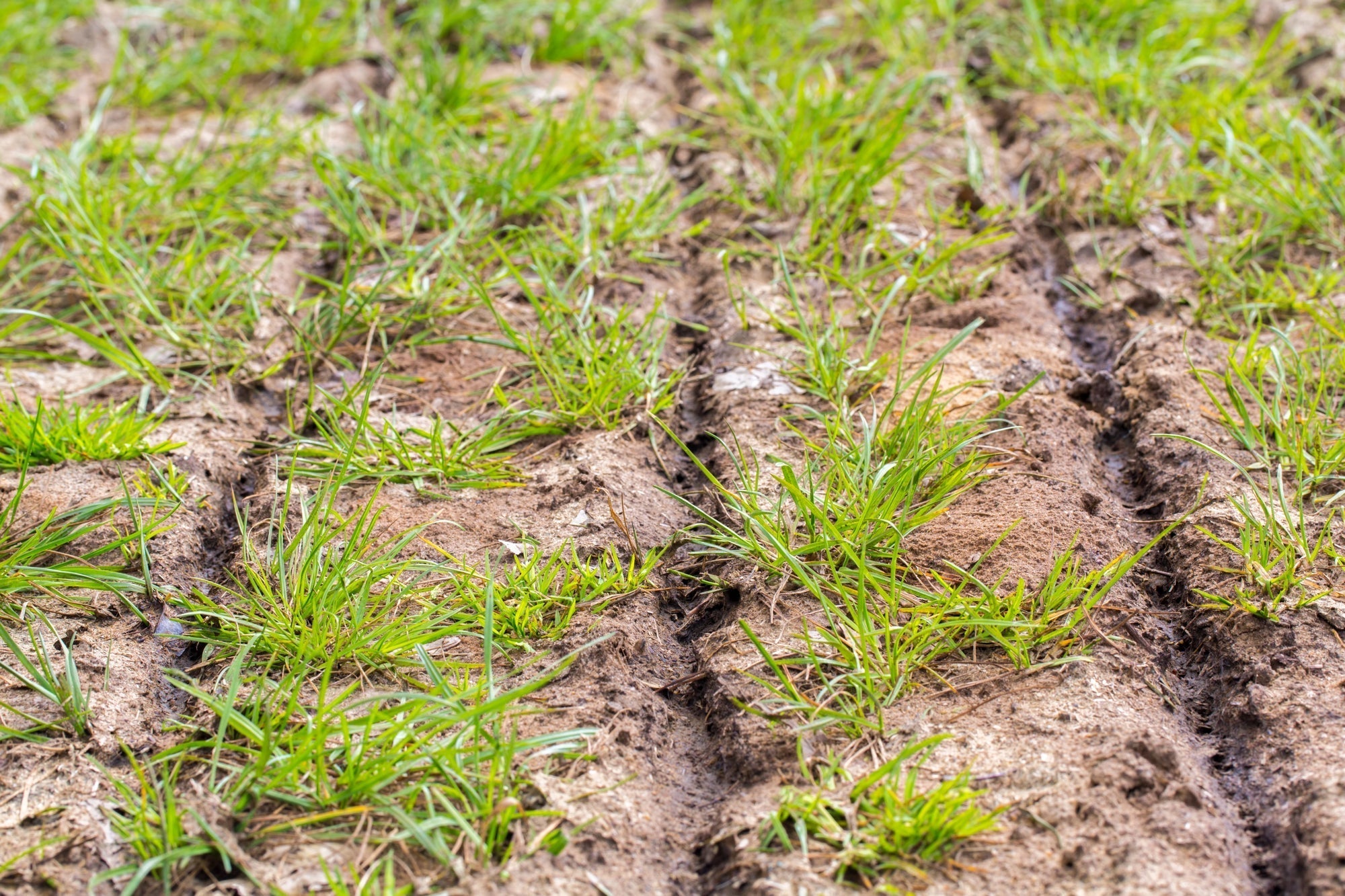
Spring Soil Improvement: Prepare Your Garden Soil
Inhaltsverzeichnis Warum Bodenverbesserung im Garten im Frühjahr so wichtig für einen gesunden Gartenboden ist Gartenboden nach dem Winter prüfen: Bodenstruktur, Verdichtung und Bodenart erke...


