




Garten im Herbst
Harvesting & Storing Turnips and Beetroot: Complete Guide
-
Steckrüben richtig anbauen: von der Aussaat bis zur Knollenbildung
-
Rübenernte im Garten: der richtige Erntezeitpunkt
-
Schonende Ernte der Knolle: so bleibt die Rübe lange frisch
-
Rübensorten im Überblick: welche bringen den besten Ertrag?
-
Steckrüben lagern: wie Rüben lange haltbar bleiben
-
Nährstoffbedarf und Pflege: damit die Rübe bis zur Ernte kräftig wächst
-
Steckrübe und Schädlingsbefall: Pflanzen im Garten wirksam schützen
-
Fazit: Rüben erfolgreich ernten, lagern und genießen
Turnips and beetroot belong to the brassica family and are among the most versatile root vegetables you can grow in your own garden. They deliver a reliable yield, are hardy, and can be stored for a long time, provided they are harvested at the optimal time and stored correctly. These root vegetables thrive best in deep, loose soil that doesn't restrict root growth. Variety choice also plays a role: some types grow faster, while others develop firmer roots that store better.
In this FUXTEC guide, you'll learn the best time to harvest all types of turnips and beetroot, which varieties can survive the winter, and how to store them properly.
Growing swede the right way: from sowing to root formation
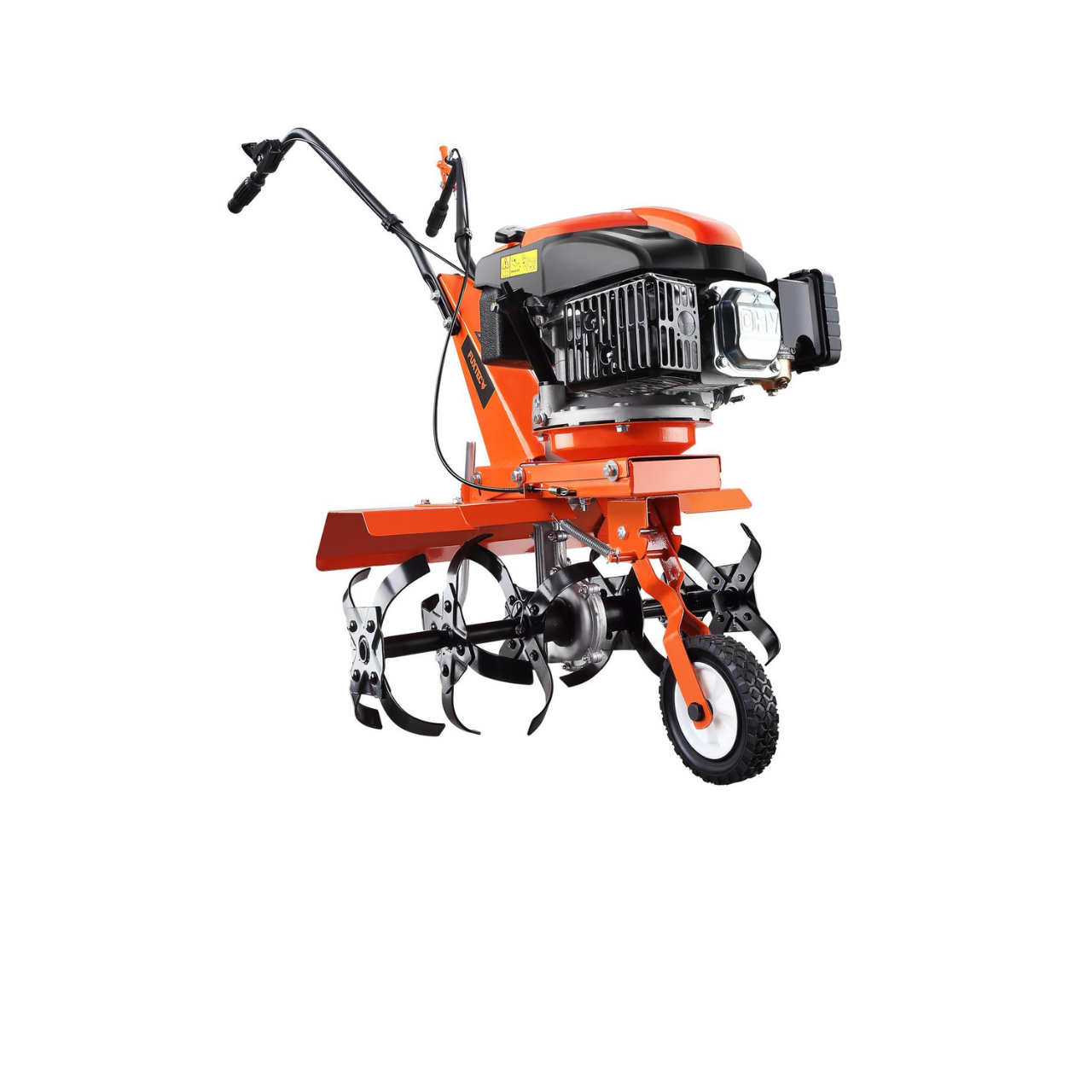
The foundations for a good harvest are laid right from planting. When growing swede, the soil needs to be loose and deep enough to let the roots grow unhindered. The time from sowing to harvest takes several weeks, depending on the variety; the exact harvest window also varies according to the size of the root. When loosening the soil, take care not to work in fresh green manure residue, as this can cause rot. For preparing the soil, a powerful FUXTEC garden tiller is a great investment, loosening the ground perfectly ahead of sowing.
If you're still unsure which variety to choose, you'll find plenty of helpful variety guides online. Our FUXTEC guide to autumn and winter vegetables also offers useful tips on sowing distances and cultivating different varieties.
Harvesting turnips in the garden: finding the right moment
The right time to harvest depends heavily on the variety and varies according to climate, soil and growing conditions. The harvest season typically begins in late summer and runs into late autumn and early winter. An earlier harvest is a good idea if you prefer small, tender roots, as these tend to be more aromatic and noticeably milder. As a general rule: the plants are ready to harvest once the leaves start to wilt slightly or the roots become visible above the soil.

Weather conditions are also crucial. Harvest at the latest just before winter sets in, ideally before the first hard frosts, so the cell structure of the roots isn't damaged. Repeated frost exposure can cause a loss of flavour and significantly reduce storage life. If you're growing several varieties in the same bed, check each row individually, as ripeness can vary depending on size and location.
Sugar beet and beetroot: key differences at harvest time
Sugar beet converts starch into sugar during the growing phase, which is what gives it its characteristic sweetness. Beetroot, on the other hand, is prized for its high levels of vitamin C and folic acid. Both are easy to care for, but they differ in harvest timing: sugar beet is usually harvested somewhat later than beetroot.
Beetroot is popular raw or pickled, while sugar beet is mainly used for juices or processed further in salads and similar dishes.
Harvesting beetroot properly: handle with care
Take care when lifting the roots so you don't damage the skin. Even small nicks can lead to rot. For this reason, beetroot should never be pulled straight out of the ground but loosened first with a digging fork. Leave around 2–3 cm of the stalk attached when harvesting to avoid damage and reduce "bleeding" of the roots.

Because beetroot is particularly sensitive to pressure, the roots should be moved as little as possible after lifting. Gentle handling during transport prevents bruising, which would otherwise shorten storage life later on.
Gentle harvesting technique: how to keep your roots fresh for longer
To avoid damaging the roots, lift them carefully with a second digging fork. Remove the foliage on the spot and, if healthy, add it to the compost heap. If the soil is very wet, it's best to delay harvesting by a few days, as damp soil greatly reduces storage life and leads to roots that spoil more quickly later on.
If you're clearing several beds at once, you can make life easier for yourself: a sturdy FUXTEC wheelbarrow is ideal for transporting your harvested roots and easily copes with heavily loaded crates. This helps avoid bruising, which could otherwise lead to rot later on.
Varieties at a glance: which ones give the best yield?
There's a wide choice of varieties:
– Beetroot is aromatic and rich in vitamins.
– White turnips grow quickly and have a mild flavour.
– Swedes, such as the Wilhelmsburger, are especially hardy in winter.
– Sugar beet gives a high yield and stands out for its sweetness.
All of these varieties are well suited both to delicious recipes and to long-term storage. They'll keep for several months as long as they're harvested carefully and stored at a constant temperature.
Harvesting and storage: how to keep turnips and beetroot fresh for longer
Before storing, the roots need to be completely dry. Only undamaged specimens should go into storage, as this is what allows them to keep for a particularly long time. Store roots in a cool, well-ventilated spot to prevent rot from developing.
Under optimal conditions, they'll stay in good condition for three to four months. If you store your roots in a root cellar, the classic "potato cellar", or a similarly cool space, good air circulation will help stop the roots from drying out.
Roots lose moisture over time, so a consistent temperature is key to keeping them fresh for as long as possible.
Storing turnips and beetroot: tried-and-tested methods for the best shelf life
Keeping your roots dry during storage significantly extends how long they'll last. Cool rooms with high humidity are ideal for storage, allowing the roots to stay fresh without drying out. They'll keep well in damp sand, straw and soil, or a slightly moist substrate. Storing roots in wooden crates also works particularly well for long-term keeping.
Baskets or crates, with the roots sorted and layered on top of one another, are another useful option. Under the right conditions, they'll keep for several months without losing their flavour. If the roots are handled too roughly or get damaged beforehand, this will noticeably shorten their storage life.
Freezing roots: how to keep beetroot enjoyable for longer
Turnips and beetroot are easy to freeze: simply boil them first, then cut into cubes or slices. Bottling is another good option, and works particularly well with beetroot, which is well suited to preserving in jars.
Frozen roots keep their flavour well and can be used flexibly in soups, stews or salads. It's important to let them cool completely before freezing to avoid freezer burn.
Nutrient needs and care: keeping your crop growing strong until harvest

These root vegetables need a steady supply of nutrients to form strong roots. A well-balanced soil helps ensure the roots retain valuable nutrients such as vitamin C and folic acid. Too much nitrogen encourages leaf growth but gets in the way of forming strong, well-developed roots.
Pest problems with swede: how to protect your plants in the garden
Pests such as root flies or slugs tend to target young plants in particular. Mesh covers, crop rotation and keeping the bed clean and tidy all help protect your crops. You can also spray your plants with a natural pest control treatment. Affected roots should not be stored, to avoid damaging other roots that are being kept together.
Conclusion: harvesting, storing and enjoying your turnips and beetroot
With the right approach, from growing to harvesting to storage, your home-grown roots will stay fresh for a long time, ready to be used in delicious autumn vegetable soups and other dishes.
If you'd like to know what to do with your garden tools over winter, take a look at the FUXTEC guide to winterising garden equipment for some helpful tips.
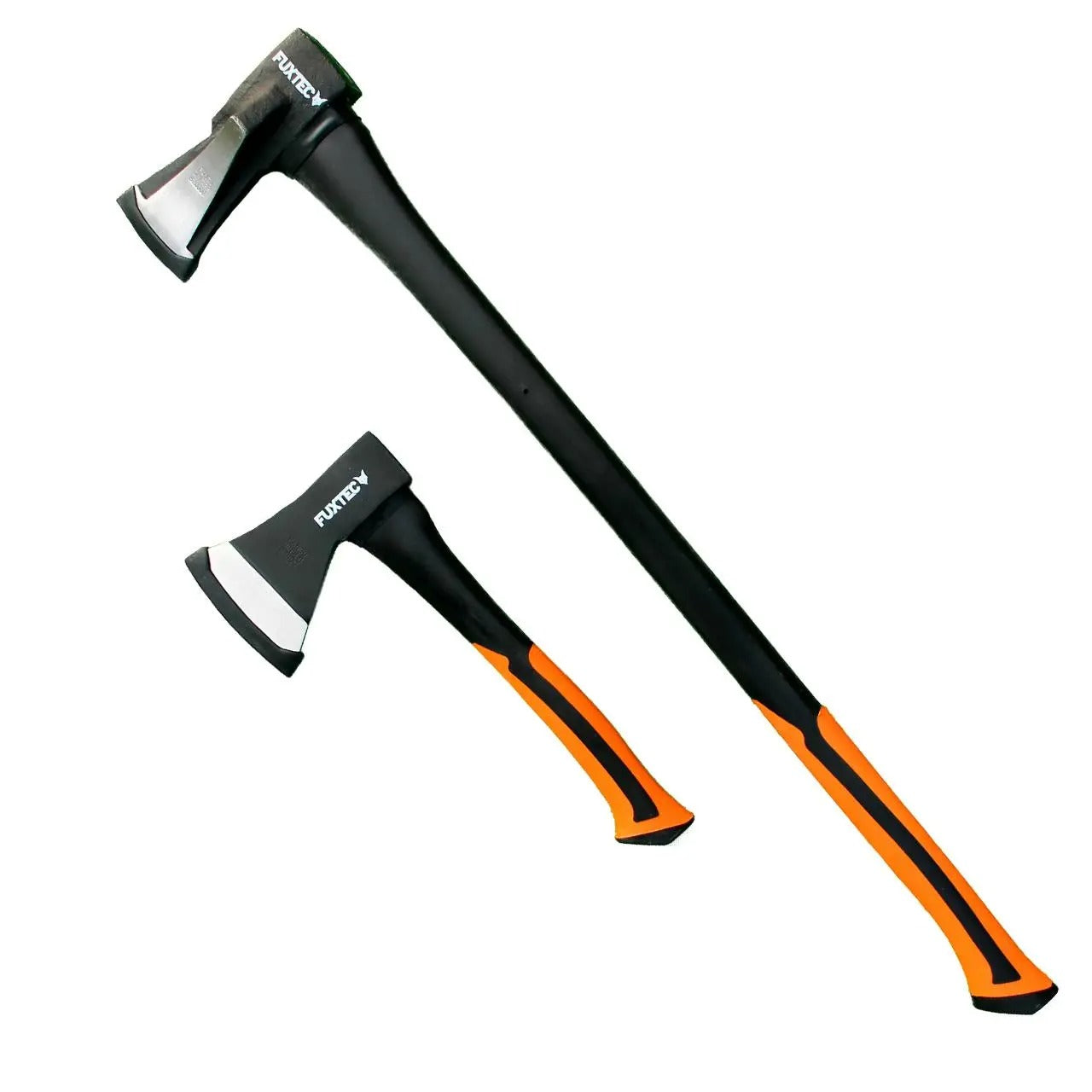
Discover our range of garden tools
When is the best time to harvest turnips and beetroot?
The harvest season typically begins in late summer and runs into late autumn and early winter. You should harvest just before the first hard frosts, ideally when the leaves start to wilt slightly or the roots become visible above the soil, to prevent damage to the cell structure.
How do I know if my beetroot is ready to pick?
Beetroot is ready when the roots become visible above the soil surface or the leaves start to show signs of wilting. For the best flavour and tenderness, an earlier harvest of smaller roots is recommended, as these are more aromatic and milder than larger ones.
What's the correct way to harvest beetroot without damaging it?
Loosen the roots first with a digging fork rather than pulling them straight out of the ground. Leave around 2–3 cm of stalk attached to avoid damage and reduce bleeding, and handle the roots as little as possible during transport to prevent bruising.
How long can you store turnips and beetroot?
Under optimal conditions in a cool, well-ventilated space, turnips and beetroot will keep for three to four months. Storing them in damp sand, straw or wooden crates with good air circulation helps prevent rot and keeps them fresh longer.
What conditions do I need for storing roots at home?
Store roots in a cool room with high humidity and good air circulation, such as a root cellar or similar space. The roots should be completely dry before storage, and only undamaged specimens should be kept, as even small nicks can lead to rot.
Can I freeze turnips and beetroot for later use?
Yes, both vegetables are easy to freeze. Simply boil them first, then cut into cubes or slices and let them cool completely before freezing to avoid freezer burn. Frozen roots keep their flavour well and work flexibly in soups, stews and salads.
Should I harvest before or after rain?
If the soil is very wet, it's best to delay harvesting by a few days, as damp soil greatly reduces storage life and leads to roots that spoil more quickly. Wait until the soil has dried out a bit for the best results.
More articles about autumn in the garden
Cutting a Hedge in October: What's Allowed & How To
October is a good time to take a closer look at your hedge again. That's because, in the UK, cutting hedges is generally permitted throughout the year, provided you take care to avoid disturbing n...
Leaf Collector: How to Use It and Autumn Tips
The apple tree is wearing its autumn colours, the borders are glowing one last time – and the lawn is already covered in another layer of fallen leaves. Lovely to look at, sure. Just not something...
October Garden Jobs: Lawn & Garden Care Checklist
October is one of the most varied months in the gardening year. While the last vegetable crops are still being harvested, preparations for frost, wet weather and winter dormancy are already underw...


