

Autumn Leaves: Remove or Leave Them? Garden Guide
Remove Leaves or Leave Them – Our Complete Guide!
Every year in autumn, garden owners face the same challenge: how and when to remove leaves that fall from trees or hedges into the garden?
Borders and lawns suffer under a thick layer of leaves, as they get too little "room to breathe". Plants, vegetables, flowers and grass cannot absorb sufficient nutrients. They depend on your help to be freed from the burden of fallen leaves.
We've put together the most important tips to help you tackle this challenge.
Disposing of Autumn Leaves from Hedges and Fruit Trees
There are various ways to properly dispose of the leaves that accumulate in autumn. There are a few key things to bear in mind.
Leaves are characterised by a high carbon and low nitrogen content. This slows their decomposition considerably compared to grass clippings or garden waste.
If you have the time, it's worth storing leaves separately in a purpose-built leaf bin. All you need to make one is four wooden posts and a little wire mesh. Make sure you wear protective gloves to avoid injury. Although leaves decompose more slowly on their own than mixed compost, there is a real benefit: after about a year, you'll have a partly decomposed, nutrient-poor and largely lime-free leaf mould. This can be used to improve your soil or even to make your own potting compost. It's perfect as a mulch or feed for acid-loving and lime-sensitive shrubs and plants (e.g. rhododendrons or strawberries).
Autumn Leaves as Winter Protection for Soil and Borders
To protect your borders and garden soil from frost, a layer of leaves provides reliable insulation. The leaf layer keeps the cold away from the soil and retains ground warmth beneath the leaves, helping both soil and borders come through winter in good shape.
Leaves as Winter Shelter for Hedgehogs & Other Wildlife

The piles of leaves that accumulate in autumn can do more than act as a natural fertiliser – they also offer garden visitors such as hedgehogs and other small creatures (e.g. toads and slow worms) a welcome refuge for the colder months. Hedgehogs in particular will reward you in spring and summer, as they're a gardener's best friend. Slugs and other pests are on their menu, meaning your plants can grow undisturbed. A sheltered, wind-protected spot in your garden is ideal for piling up leaves for wildlife.
What to Do with Leaves When All Other Options Are Exhausted?
If you have no use for your leaves, the green bin (garden waste collection) is the most suitable disposal option. Bear in mind that it fills up quickly, and additional collections or a larger bin may incur extra charges. Check with your local council for details of green waste collection services and any associated costs. Many councils also offer garden waste recycling centres where you can drop off larger quantities.
Leaves should not go in your general waste or recycling bin. Disposing of garden waste incorrectly can result in a fixed penalty notice or fine.
Burning leaves is also prohibited or heavily restricted in most areas of the UK. Due to their high moisture content, leaves produce thick, smelly smoke that also releases harmful particulates. Fines may apply for unauthorised burning of garden waste.
Leaves as Autumn Decoration
Before you dispose of the leaves, consider whether your autumn and winter decorations are complete. The colourful foliage is particularly well suited for this and brings a welcome splash of colour during the dull autumn and winter days.
Crafting with autumn leaves, conkers, pine cones and more is also a wonderful activity for children and a great way to make the most of the season.
Useful Garden Tools for Clearing Leaves from the Garden and Pavement
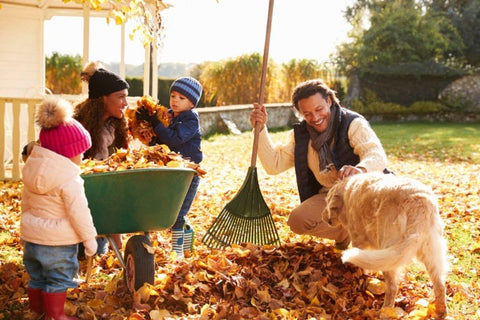
Here's a summary of the most useful tools for clearing leaves:
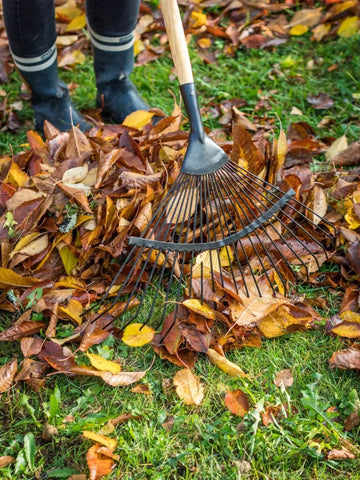
- Leaf rake – the most cost-effective option, though your muscles may well remind you the next day
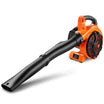
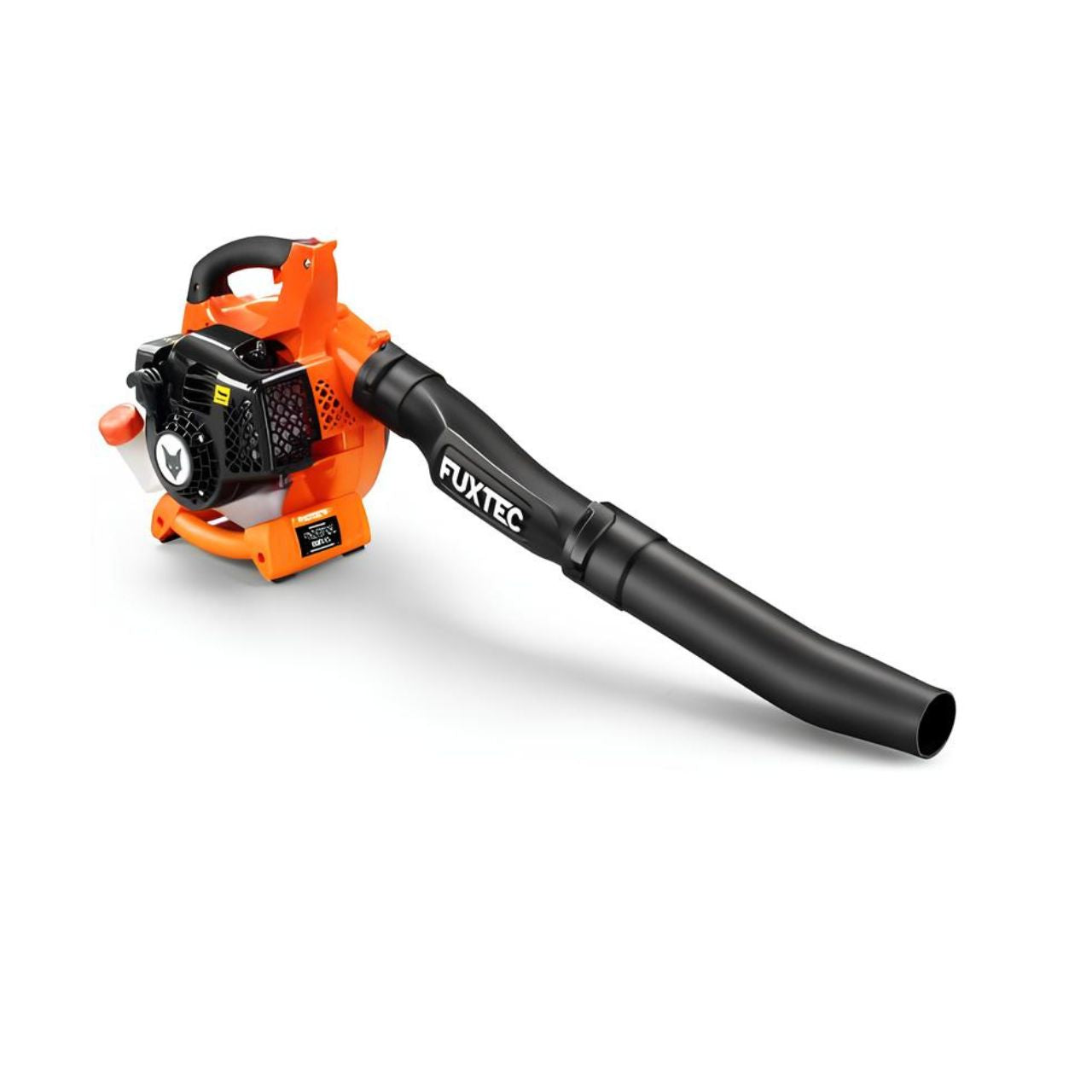
- Leaf blower – easy on your back and more thorough than a broom; tip: always work in the direction of the wind – in the UK, that's generally from west to east
- Leaf vacuum – back-friendly, shreds the leaves and collects them directly in the bag, ready to go straight on the compost
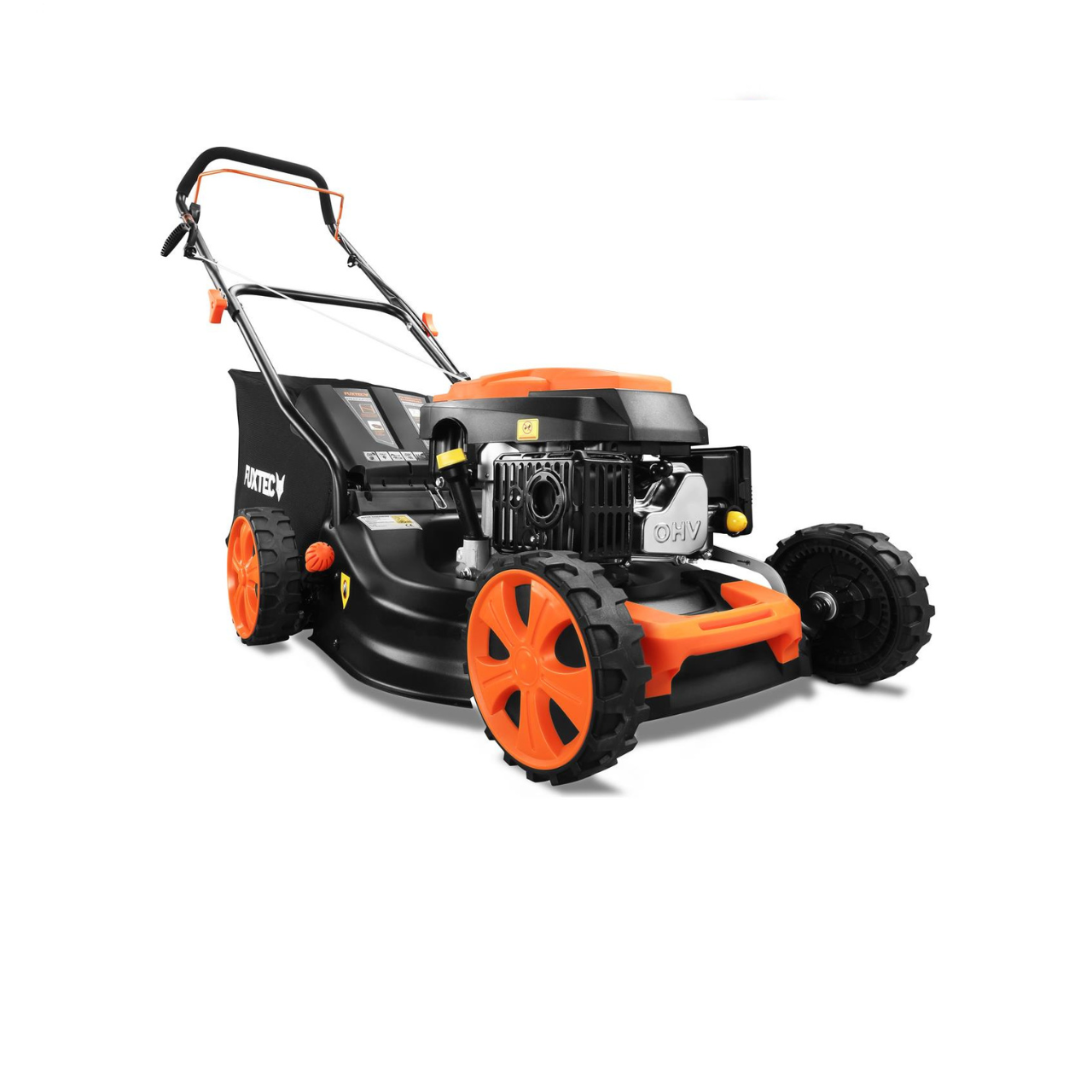
- Lawn mower – quieter than a leaf blower or vacuum, shreds both grass and leaves and collects the clippings in the box – kills two birds with one stone; the mix of leaf and grass clippings is the ideal blend for the compost heap
To avoid disturbing your neighbours when using a leaf blower, be mindful of recommended quiet hours. In the UK, there is no single national law specifying exact hours, but local council noise guidelines generally advise avoiding use of noisy garden machinery before 8am or after 8pm on weekdays, and before 9am or after 7pm on Sundays and Bank Holidays. Battery-powered cordless tools are a sensible and equally effective alternative to petrol machines (which can generate 85–110 decibels – hearing protection strongly recommended!).
Legal Notes
As a tenant, your responsibilities for clearing leaves may be set out in your tenancy agreement. It's important to fulfil these obligations to avoid any disputes or penalties.
As a homeowner, you should always ensure that the pavement outside your property is kept clear to avoid liability for accidents and falls. Since wet leaves are extremely slippery for pedestrians and drivers alike, you should never sweep leaves into the road.
Leaves that fall from a neighbour's property onto your land are generally your responsibility to clear up. In the UK, taking legal action against a neighbour over fallen leaves is rarely successful, as courts tend to view it as a natural occurrence that must be tolerated – particularly in leafy or rural areas.
 The general principle in English law is that a neighbour is not liable for leaves falling naturally from their trees onto your property. Unless a tree is diseased or otherwise a nuisance, you are expected to deal with fallen leaves yourself. The most neighbourly approach is always to come to a mutually agreeable arrangement.
Always check and comply with your local council's rules on garden waste disposal. Most councils ask that garden waste is taken to a household waste recycling centre or put in the green garden waste bin. Dumping leaves in woodland or public spaces is not permitted and can result in a fixed penalty notice. Many councils provide garden waste collection bags or bins for this purpose.
Once you've ticked off all the important tasks, you can sit back, relax, and look forward to spring.
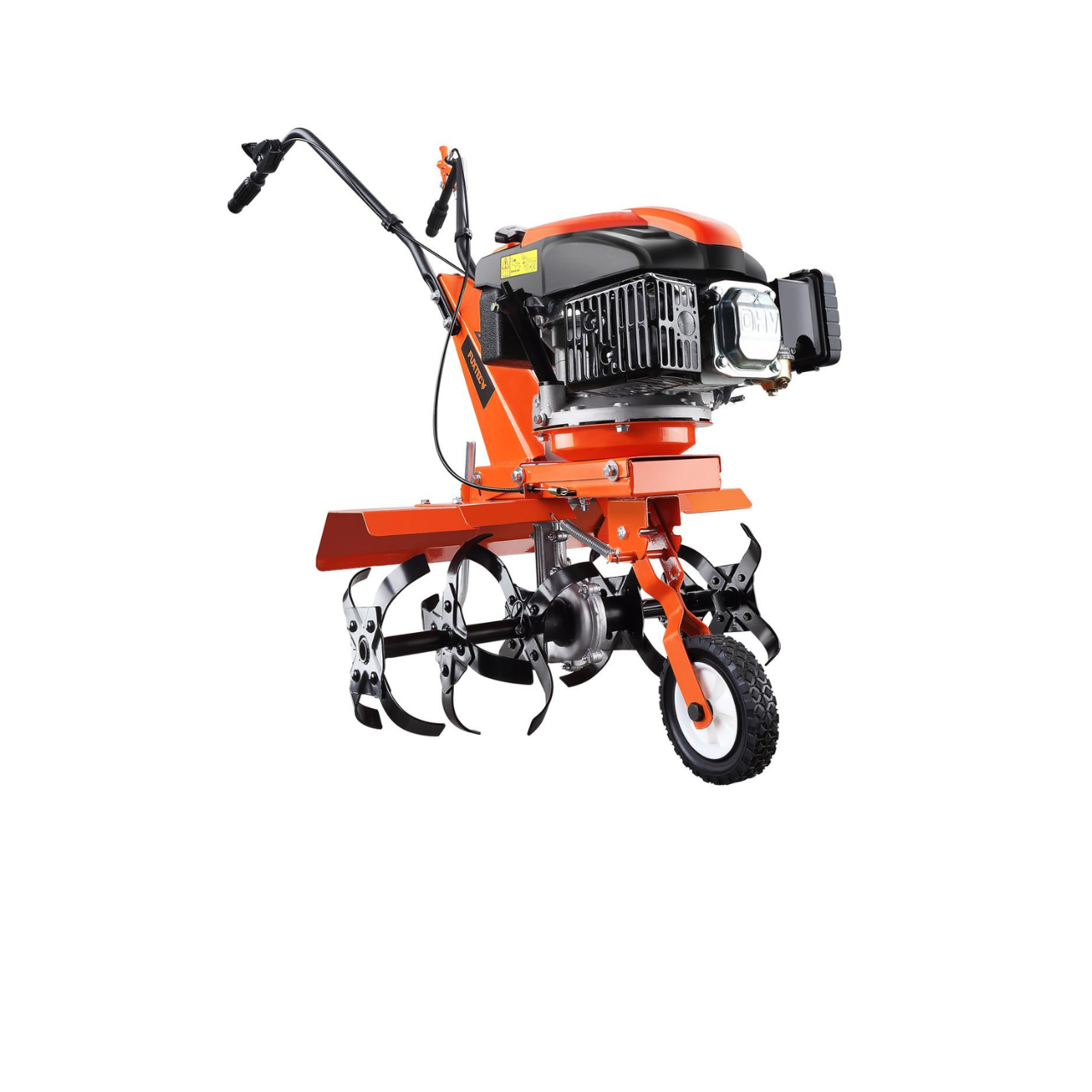
Discover our range of garden tools
More articles about autumn in the garden
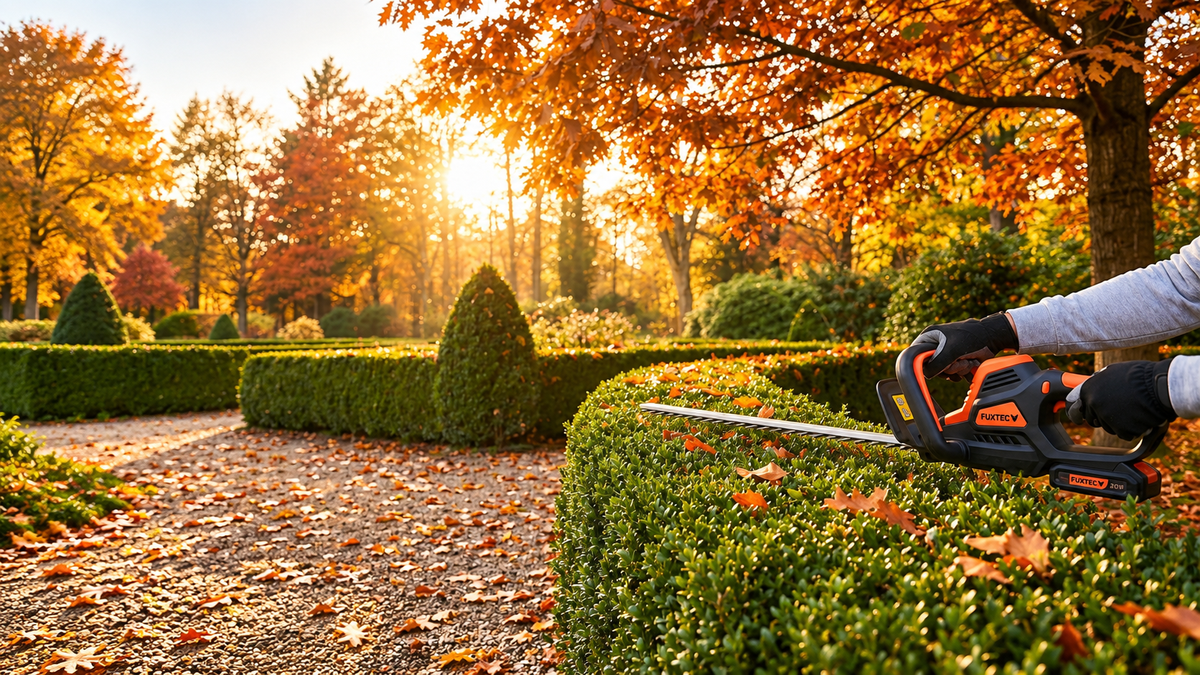
Cutting a Hedge in October: What's Allowed & How To
October is a good time to take a closer look at your hedge again. That's because, in the UK, cutting hedges is generally permitted throughout the year, provided you take care to avoid disturbing n...
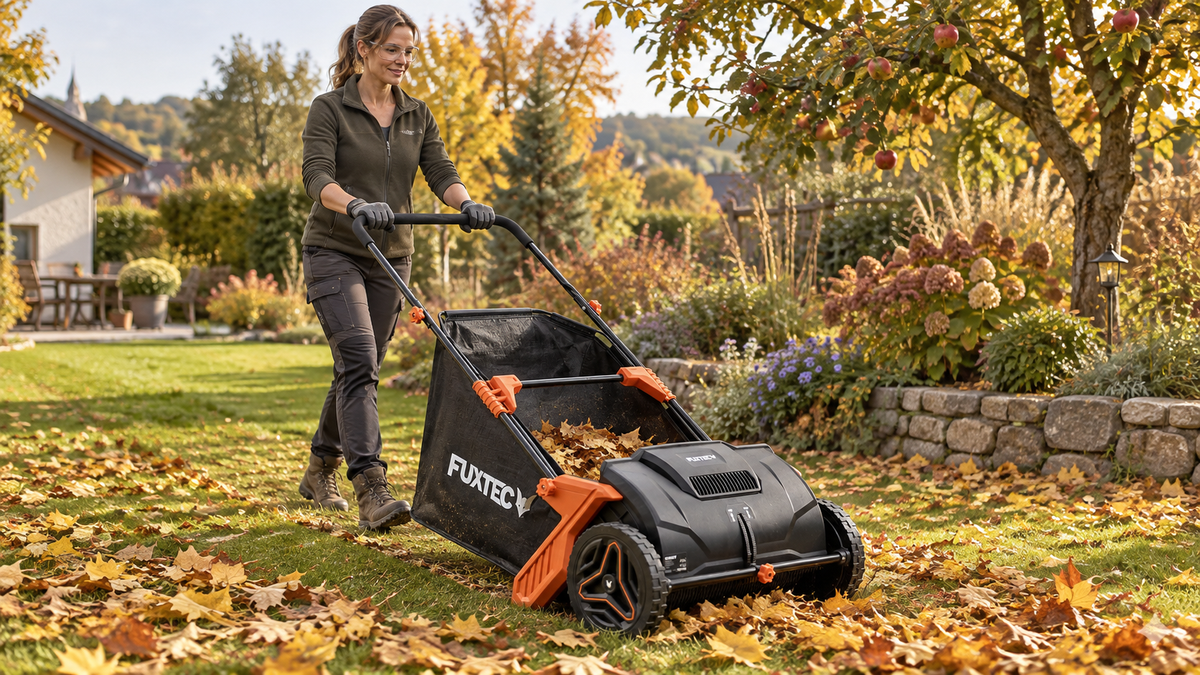
Leaf Collector: How to Use It and Autumn Tips
The apple tree is wearing its autumn colours, the borders are glowing one last time – and the lawn is already covered in another layer of fallen leaves. Lovely to look at, sure. Just not something...
October Garden Jobs: Lawn & Garden Care Checklist
October is one of the most varied months in the gardening year. While the last vegetable crops are still being harvested, preparations for frost, wet weather and winter dormancy are already underw...


