






Gründüngung Titelbild
Green Manure: Improve Your Garden Soil Naturally
- Was ist Gründüngung und wie funktioniert sie eigentlich?
- Vorteile der Gründüngung im Garten
- Welche Pflanzen sich für die Gründüngung eignen
- So säst Du Gründünger richtig aus – Tipps zur Praxis
- Wie Du Gründüngung optimal in den Boden einarbeitest
- Warum die Gründüngung im Herbst optimal ist
- Was Du beim Thema Fruchtfolge und Gründüngung beachten solltest
- Die wichtigsten Produkte zur Gründüngung aus unserem Sortiment
- Fazit: Wie Gründüngung Deinen Garten nachhaltig verbessert
- FAQ
Green manure might sound like something reserved for farms and tractors, but don't worry – it's an absolute game changer for your home garden too.
Whether you want looser soil, nutrient-rich beds, or a natural defence against weeds – the right green manure will help you get so much more from your garden.
In this guide, you'll learn how green manure works, which plants are best suited for it, and why autumn is the perfect time to sow.
What is green manure and how does it actually work?
Green manure isn't a fertiliser in the traditional sense – it's not something you sprinkle or pour. Instead, it refers to specific plants that you sow deliberately to improve your garden soil.
These so-called green manure plants grow for one season but are never harvested. Instead, you cut them down or leave them to be killed off by frost – and then dig them back into the soil.
Once in the ground, the plant material breaks down and returns valuable nutrients to the soil. Soil structure is also improved, which is a real blessing in heavily used vegetable gardens.
How does green manure work in detail?
The plants develop roots that aerate and loosen the soil – this not only helps prevent waterlogging, but also improves root penetration for subsequent crops.
At the same time, they protect bare earth from erosion, heat, and nutrient leaching.
Particularly impressive: Some plants, such as lupins or clover, can actually fix nitrogen from the air using nodule bacteria and store it in the soil.
This way, you prepare your beds entirely organically for the next season – a genuine win-win!
Benefits of green manure in the garden
Green manure is more than just a trick for eco enthusiasts. It's a clever, sustainable system that combines several benefits at once. One of the biggest advantages: green manure protects your soil from erosion, weeds, and the loss of valuable nutrients.
So if you don't leave your beds bare after the harvest, but instead give them a purposeful green cover, you're doing your garden a real favour.
Here are the key benefits at a glance:
- Improved soil structure: Roots dig deep and create more air and water channels in the soil.
- More nutrients: Plants like lupins or clover fix nitrogen that your vegetables can use later.
- Weed suppression: Dense plant cover lets very little light through – giving weeds no chance to establish.
- Better soil life: Microorganisms and earthworms thrive in soil enriched with green manure.
And the best part: you don't need to be an expert to use green manure. With a few simple rules, it works perfectly even in a small terraced garden.
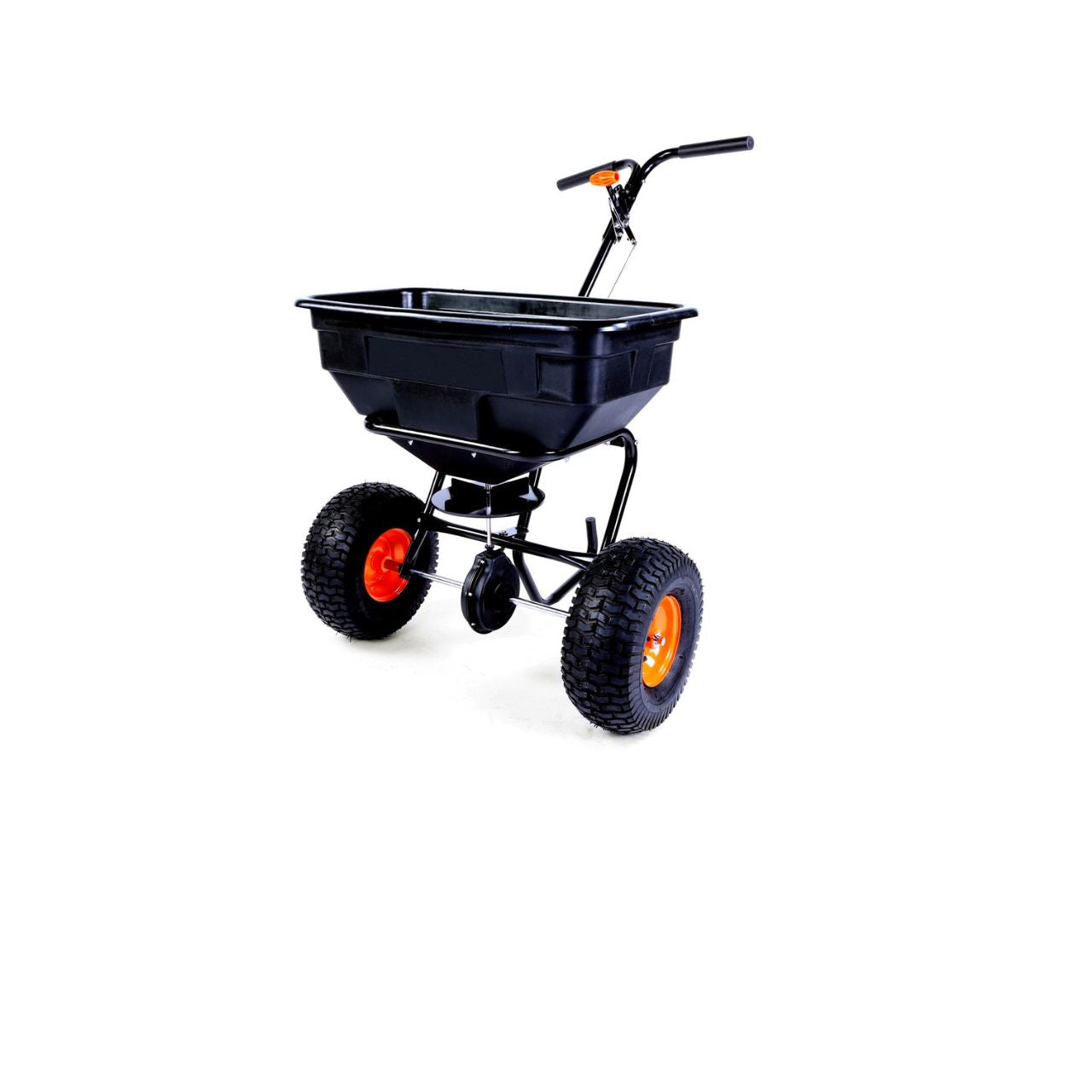
For larger areas, we recommend our FUXTEC Spreader FX-US270, which lets you distribute seed evenly and efficiently.
Which plants are suitable for green manure

Not every plant is suitable for green manuring. The choice depends on what you want to achieve. More nitrogen? Protection against nematodes? Soil loosening?
Fortunately, there are many different green manure plants to choose from. Here's a short selection:
| Plant | Key feature | Best used for |
|---|---|---|
| Phacelia | Very free-flowering, ideal as a bee-friendly plant | All soil types, also as a catch crop |
| Lupins | Deep-rooting, fixes nitrogen | Compacted soils, nutrient-poor ground |
| Mustard | Fast-growing, good ground cover | Autumn sowing, short-term soil cover |
| Clover/Vetches | Fix nitrogen, improve humus formation | Before brassica crops such as cabbage |
| Oilseed radish | Breaks through compacted soils, effective against nematodes | Where root problems exist in the soil |
| Buckwheat | Fast-growing, suppresses weeds | Summer sowing, quick soil improvement |
In particular, annual green manure plants like phacelia or mustard are ideal if you want to grow vegetables again the following year. They die off in winter, are easy to incorporate into the soil, and still enrich it with important nutrients.
When buying seed, always make sure you choose quality varieties – look for certified organic or heritage seed suppliers available online.
How to sow green manure correctly – practical tips

Sowing green manure sounds more complicated than it actually is. You don't need a degree in agronomy or mountains of equipment – a little preparation, good seed, and the right timing are all you need.
The best sowing window is from March through to October. Autumn green manuring is particularly popular, as many beds become free after harvest and shouldn't be left bare. Here's how to go about it:
- Before you start, prepare the soil: loosen it lightly with a rake or a cultivator, remove any coarse weeds, and make sure no hard crusts remain.
- Then distribute the seed evenly – depending on the plant, either by hand or with a tool such as the FUXTEC Spreader FX-US270, which is ideal for larger areas too.
- Afterwards, rake in lightly (no deeper than 1–2 cm) and water well if conditions are dry. Keep the area moist for the first few days to ensure good germination. Our FUXTEC Garden Watering Can FX-VRG1 is perfect for gentle, targeted watering.
A tip for better organisation: Divide your beds into sections mentally. This lets you try different green manure plants and discover what works best in your garden.
How to incorporate green manure into the soil effectively
Once your green manure plants have done their job, it's time for the next step: incorporating them into the soil. Timing is key here. Many plants can be cut down after around 8 to 10 weeks – ideally before they flower or start to become woody.
Plants sown in autumn, such as phacelia or mustard, will often simply be killed off by winter frost – which is particularly convenient, as you only need to work the remains into the soil come spring.
For incorporating the material in smaller gardens, a spade or garden fork is perfectly adequate. The key is to chop the plant material as finely as possible – this speeds up decomposition.
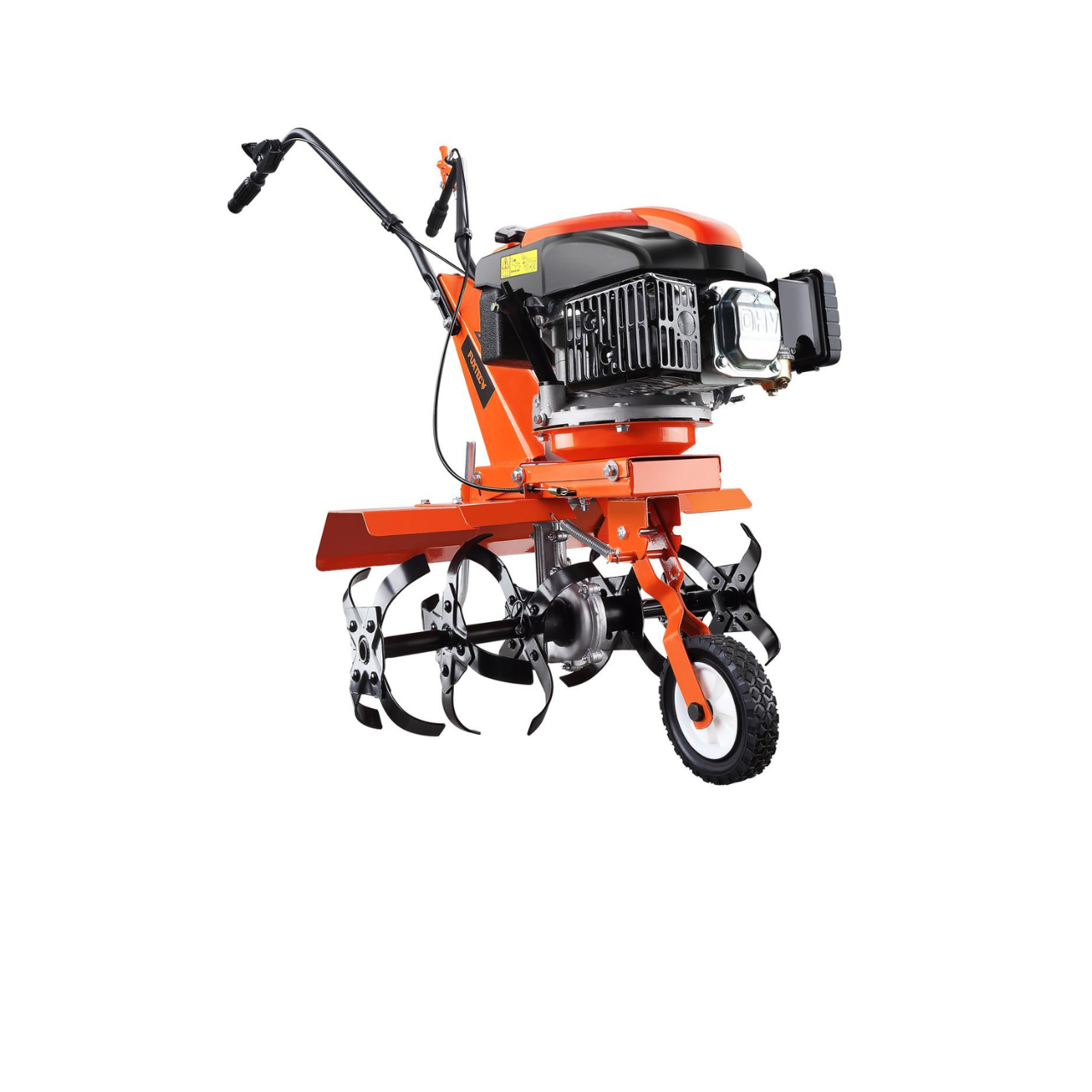
Larger areas can also be treated with a shredder or turned shallowly with a rotary cultivator. After that, simply wait a few weeks before planting vegetables – this gives soil organisms enough time to fully break down the green manure.
Why autumn is the ideal time for green manure

Green manure in autumn is particularly effective because your beds are often empty after summer – and bare soil faces several risks: nutrients get washed away by rain, wind and rain cause erosion, and the soil can become compacted.
A well-timed sowing in late summer or autumn protects the soil right through to spring and brings many benefits with it.
Typical autumn plants such as mustard, phacelia, or lupins grow quickly and some are hardy enough to survive mild British winters. This means they form a protective cover over the soil, even as temperatures begin to drop.
At the same time, they encourage soil life and prepare the ground ideally for the coming season. Brassicas such as mustard are particularly well known for tackling soil pests such as nematodes.
Our tip: Use our FUXTEC Garden Waste Bags to collect cuttings neatly and keep your beds tidy.
What to consider when it comes to crop rotation and green manure
The combination of crop rotation and green manure is something of a dream team for your garden. Both approaches ensure that the soil doesn't become depleted and has time to recover.
For this to work, you'll need to follow a few basic rules. Most importantly, avoid using green manure plants from the same plant family as the crop that will follow.
Why? Because doing so can encourage diseases such as clubroot – a real killer for your broccoli or cauliflower.
For example: if you're planning to grow cabbage the following year, avoid brassica green manures like mustard or oilseed radish in autumn. Choose phacelia, lupins, or buckwheat instead, as these belong to different plant families.
This prevents soil-borne pests and diseases from building up. A thoughtful rotation between green manures and vegetable crops also helps to regulate nitrogen levels in the soil naturally – without the need for any synthetic fertiliser.
If you're unsure what works when: Draw up a planting plan for your vegetable garden. A simple table or sketch does the job. That way, you can see at a glance which areas you've sown with green manure in late summer or autumn – and what can go in there come spring. A little forward planning makes a big difference in the long run.
Tips for combining green manure with vegetable growing
When you integrate green manure into your vegetable garden, you're not just doing the soil a favour – you're also increasing the yield and quality of your harvest. Keep the following points in mind:
- Make use of the right timing: Between two vegetable crops, there's often enough time for a short catch crop. Fast-growing green manure plants like buckwheat or phacelia show results within just a few weeks.
- Use flowering plants as pollinator habitat: Species like marigolds or phacelia not only brighten up your garden, but also support pollinator populations. They also deter pests such as nematodes naturally.
- Think about the following crop: If you want to plant vegetables directly in spring, choose green manure plants that will be killed off by frost or can easily be chopped and dug in. This saves time and improves soil quality as a bonus.
- Plan green manure especially for heavy feeders: For plants like tomatoes, courgettes, or cabbage, prior green manuring really pays off. It provides nitrogen enrichment, better soil structure, and overall healthier, more resilient growth.
The most useful products for green manuring from our range
If you're ready to get started, you'll find everything you need in our FUXTEC shop. Whether it's seed, spreaders, or garden tools – we offer high-quality products that make the job easier. Here are a few recommendations to get you properly equipped:
- FUXTEC Spreader FX-US270 – ideal for spreading seed or fertiliser evenly.
- FUXTEC Garden Watering Can FX-VRG1 – for gentle watering after sowing.
- FUXTEC Garden Waste Bags – for easy collection of green cuttings and plant debris.
- Lawn and bed care – for optimal aftercare once the green manure has been incorporated.
Conclusion: How green manure sustainably improves your garden

Ultimately, green manure is about much more than a pretty green carpet on bare soil. You are building long-term soil quality, encouraging soil life, and working towards sustainable gardening.
That means: fewer weeds, fewer pests, better water retention – and above all: healthier plants with greater yields.
Especially in times of increasingly extreme weather and depleted soils, green manure is a genuine secret weapon. You improve your soil structure, guard against erosion, enrich the soil with nitrogen, and create a stable foundation for all future crops.
Whether in a small raised bed or a large self-sufficiency plot – green manure suits every situation and every level of experience!
Discover our range of garden tools
What is the difference between green manure and regular fertiliser?
Green manure isn't a fertiliser you sprinkle on – it's specific plants you sow deliberately to improve your soil. You grow them for one season, then dig them back into the earth where they break down and return valuable nutrients naturally.
Which green manure plants fix nitrogen in the soil?
Legumes like lupins, clover, and vetches are nitrogen-fixing champions. They work with nodule bacteria to pull nitrogen from the air and store it in the soil, enriching it for your next crops completely organically.
Can I grow green manure in a small garden?
Absolutely – green manure works perfectly in small gardens, raised beds, and terraced plots. You don't need special equipment or expertise, just good seed, proper timing, and a few basic guidelines to follow.
What's the best time to sow green manure?
You can sow from March to October, but autumn is ideal because beds are often empty after harvest and shouldn't be left bare. Autumn-sown plants protect your soil through winter and prepare it beautifully for spring planting.
How long does it take before I can dig green manure back into the soil?
Most green manure plants are ready after 8 to 10 weeks – ideally before they flower or become woody. Autumn-sown plants like phacelia are often simply killed off by winter frost, so you only need to work the remains in come spring.
Can I use mustard as green manure if I'm growing cabbage next year?
No – mustard is a brassica, so avoid it before cabbage, broccoli, or cauliflower crops as it can encourage diseases like clubroot. Choose phacelia, lupins, or buckwheat instead, which belong to different plant families.
What are the main benefits of green manure for my vegetable garden?
Green manure improves soil structure, adds nitrogen naturally, suppresses weeds with dense cover, and boosts soil life. This translates to fewer pests, better water retention, and healthier plants with greater yields come harvest time.
More articles about garden care
Trockenheit im Garten: Boden lockern, richtig gießen und mit Mulch Wasser sparen
Du gießt das Beet, doch das Wasser bleibt auf der harten Erdoberfläche stehen oder läuft zur Seite ab. Schon nach kurzer Zeit wirkt der Boden wieder trocken, obwohl Du gerade erst zur Gießkanne g...
Pine Bark Mulch: The Complete Gardening Guide
Mulching with pine bark is one of the most effective methods in modern gardening and sustainable horticulture. A layer of mulch material is applied to the soil surface to protect and improve the so...
Spring Soil Improvement: Prepare Your Garden Soil
Inhaltsverzeichnis Warum Bodenverbesserung im Garten im Frühjahr so wichtig für einen gesunden Gartenboden ist Gartenboden nach dem Winter prüfen: Bodenstruktur, Verdichtung und Bodenart erke...


