

Removing Thorn Apple – Effectively & Permanently
Removing Thorn Apple – Effectively and Permanently
Identifying Thorn Apple with Confidence
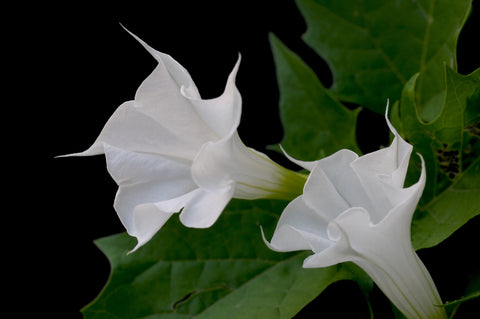 The thorn apple is characterised by its somewhat elongated leaves with irregularly sharp-toothed edges. They are soft to the touch and roughly the size of a hand. The plant's white, trumpet-shaped flowers bear a resemblance to smaller versions of the angel's trumpet, a popular ornamental plant. Many gardeners therefore initially do not find the thorn apple particularly troublesome. However, the plant grows very rapidly and quickly shades out surrounding plants. It typically reaches just over one metre in height and spread, though in rare cases it can grow up to two metres tall. Another distinctive feature is its surrounding odour, vaguely reminiscent of boiled chickpeas, which most people find unpleasant. After flowering from June to October, it produces conspicuous spiny seed pods – the feature that gives the plant its common name. These are roughly egg-shaped, up to 5 cm long, and contain between 300 and 500 black seeds that are extremely hardy and remain viable for many years. The pods persist throughout winter while the plant itself dies back due to frost, continuing to disperse seeds into spring. Spread occurs via animals or people brushing against the seed pods.
Reasons Why Thorn Apple Should Be Removed
Depending on personal taste, you may even find the thorn apple rather attractive. Historically, it was used as a medicinal herb, though its efficacy has never been sufficiently proven. On the one hand, it spreads quickly owing to its prolific seed production, rapid growth, and undemanding nature. On the other hand, the thorn apple's large leaves and bushy habit soon crowd out less vigorous plants such as perennials, low-growing ground cover, and grasses. Not least, the thorn apple poses a real danger to young children and pets due to its toxicity. In particular, the small seeds – and indeed all parts of the plant – are poisonous, causing agitation, hallucinations, nausea, and visual disturbances when ingested, and potentially leading to respiratory failure and death. Once you have positively identified thorn apple in your garden, you should remove it as quickly as possible. Since even handling the plant can result in absorption of its toxic alkaloids through the skin, always wear gloves when removing it.
Removing Thorn Apple Permanently
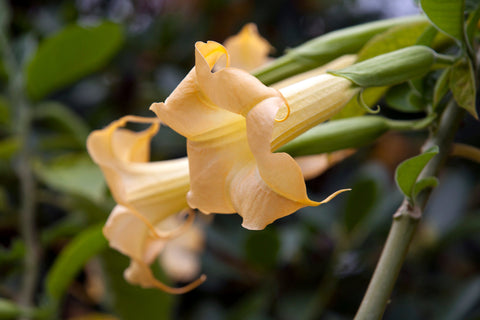 Getting rid of thorn apple permanently is, fortunately, not too difficult. The plant has only a taproot with few lateral branches, making it easy to remove. Even if you do not manage to extract the entire root when pulling it up, thorn apple generally will not regrow from the remaining portion – the piece left in the soil simply dies off. As thorn apple is highly resistant to herbicides, hand-weeding is not only the most effective and cost-efficient method, but in practice the only reliable one.
Ideally, remove thorn apple while it is still in flower and before the seed pods have formed, as it is through these pods that the plant spreads. This will save you from battling the potentially hundreds of offspring a single plant can produce the following year. If you cannot remove the whole plant in time, it may at least be worth cutting off the seed pods promptly. The thorn apple itself is not frost-hardy and will die back naturally with the first ground frosts. In theory, it is therefore sufficient simply to prevent its spread. However, while it is growing, neighbouring plants may well be adversely affected, so remove it as soon as possible where you can.
Disposing of Thorn Apple Correctly
Although thorn apple is toxic, the responsible alkaloids break down as the plant dries out. As such, there is no objection to adding thorn apple to your compost heap after removing it from the ground. The only exception is if young children or pets have access to the compost area – in that case, it is safer to dispose of it in your garden waste bin. Before putting thorn apple on the compost, always check carefully whether seed pods have already formed. Even if these are not yet fully ripe, they may still be capable of spreading on the compost heap, leaving you with an even bigger weed problem the following year. Always remove any seed pods present and place them in the garden waste bin or, better still, the general household waste bin. This ensures that thorn apple is banished from your garden for good. Since the plant is spread in part by animals, the odd seedling may still turn up from time to time – but now you know exactly how to deal with it and keep the thorn apple from taking hold in the long run.
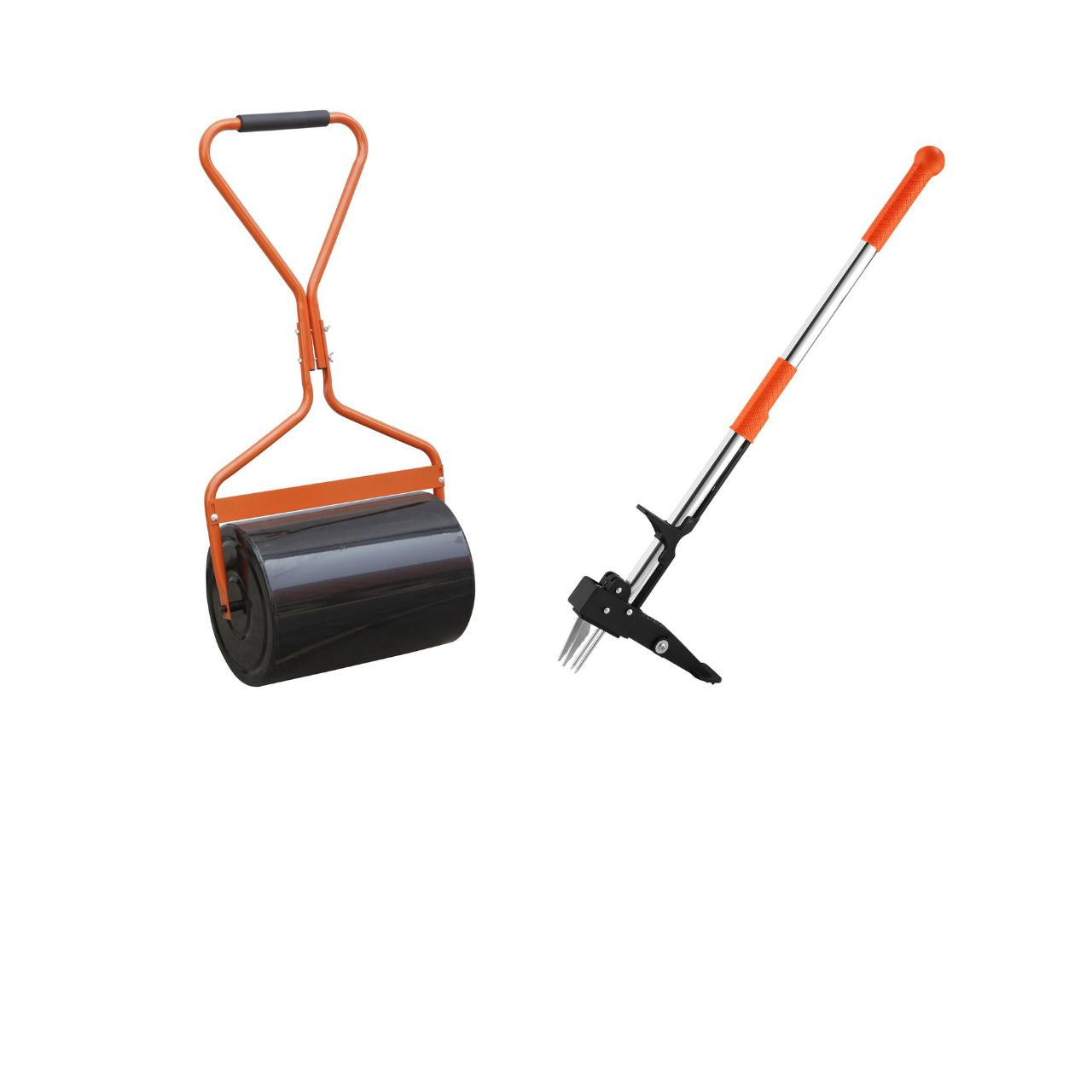
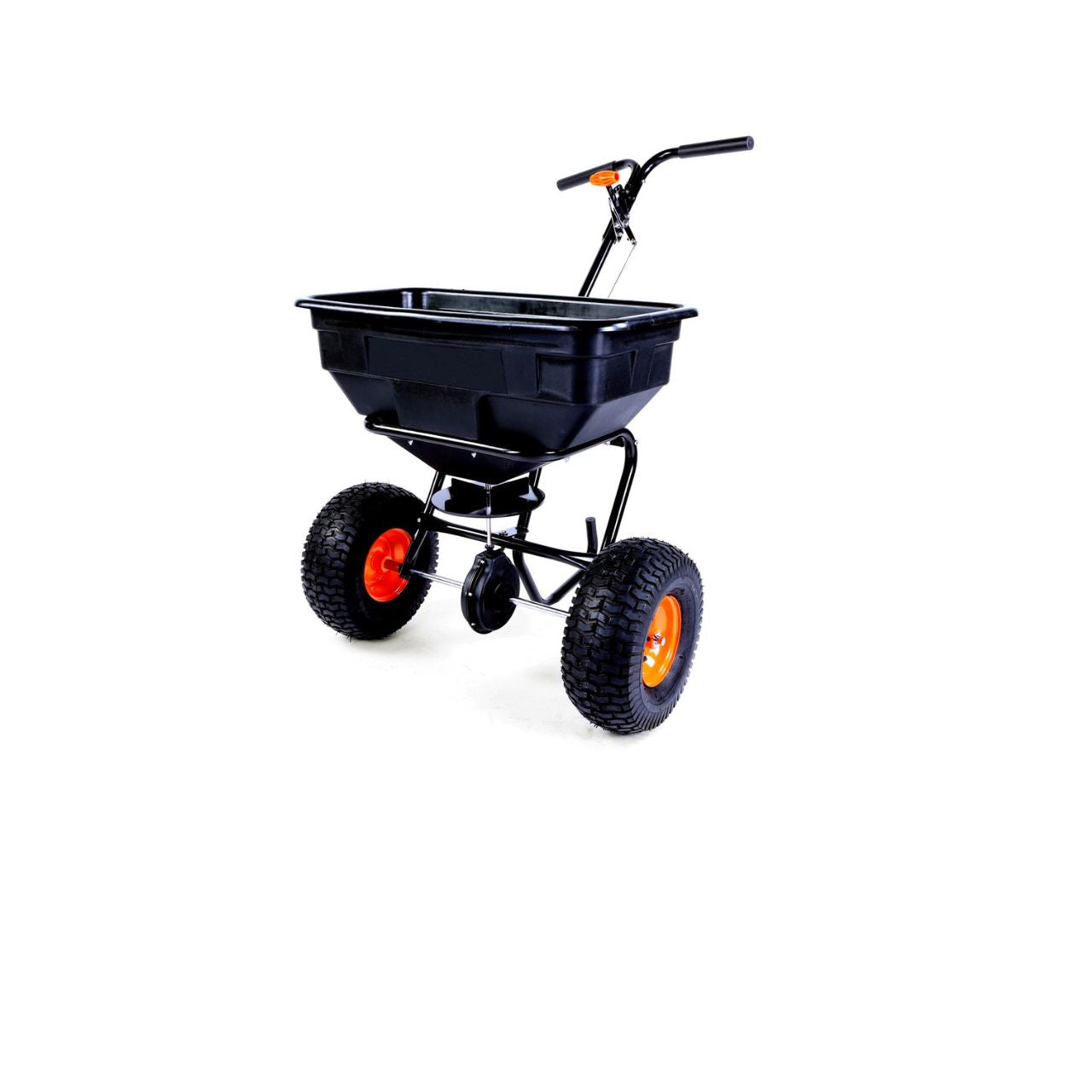
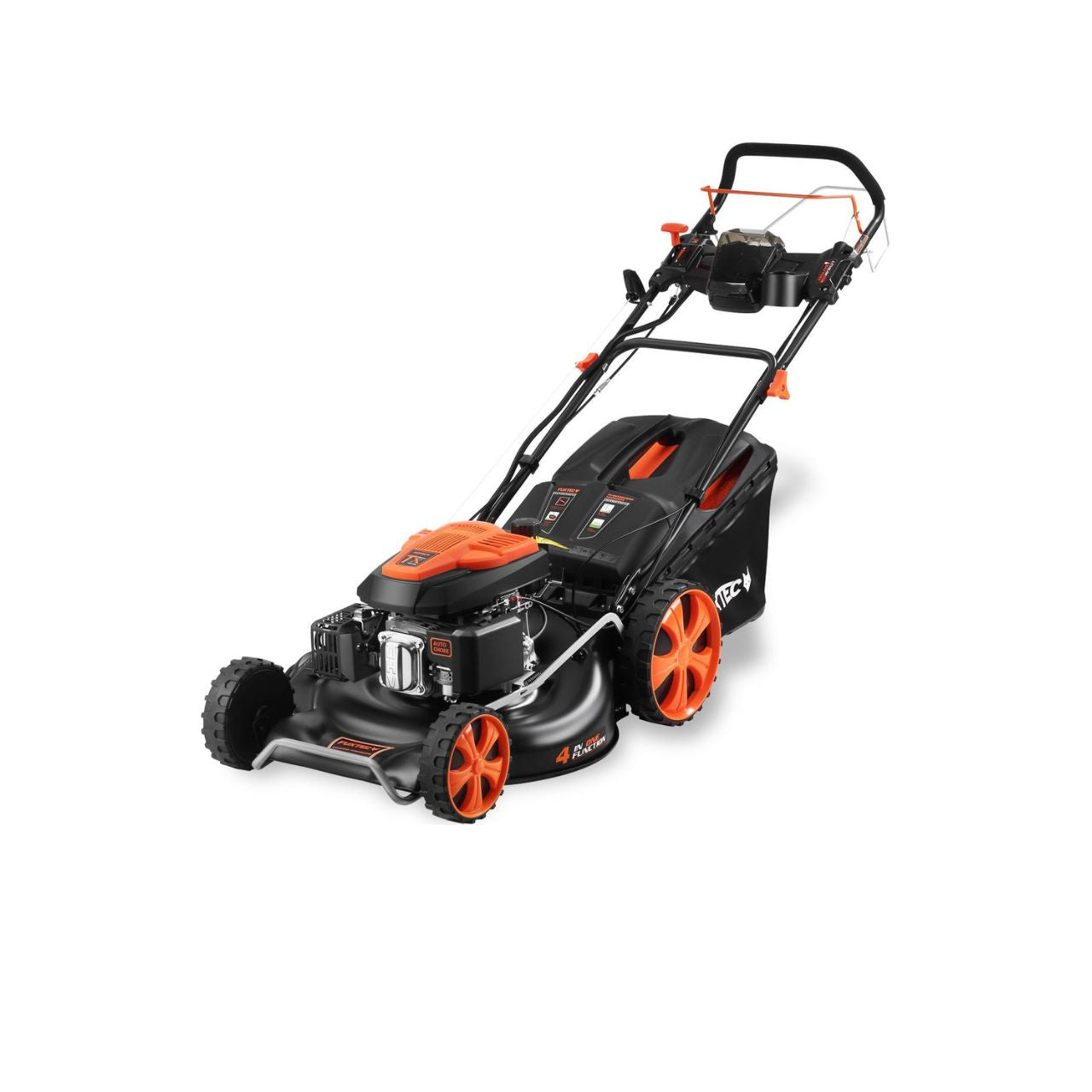
Useful tools for garden care and weed removal

More articles about removing weeds
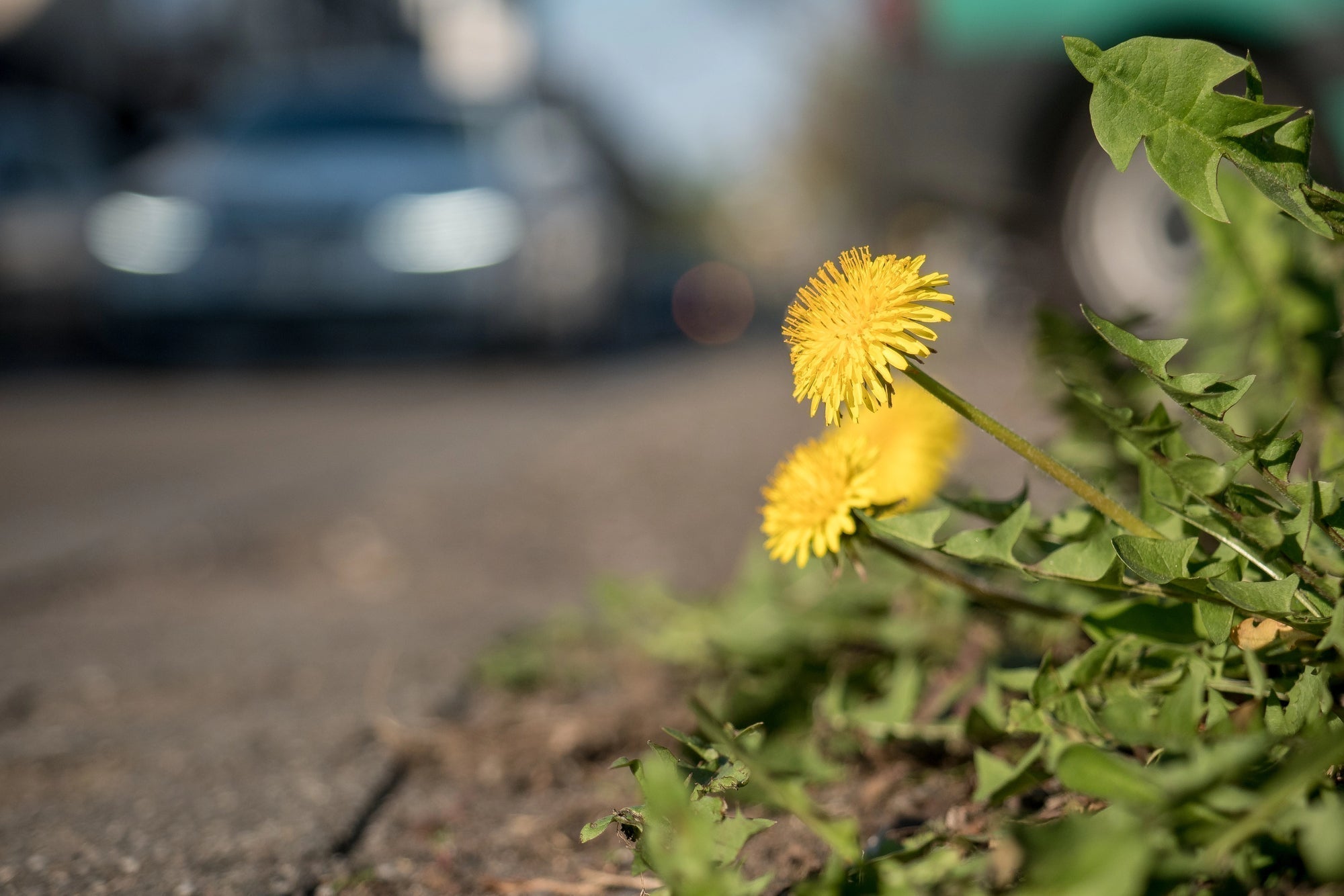
Remove Weeds from Paving Joints | Methods & Tips
Removing weeds from paving joints is one of those garden tasks that can quickly become a real chore. Whether it's the driveway, a footpath, or between patio slabs — once dandelions and oth...
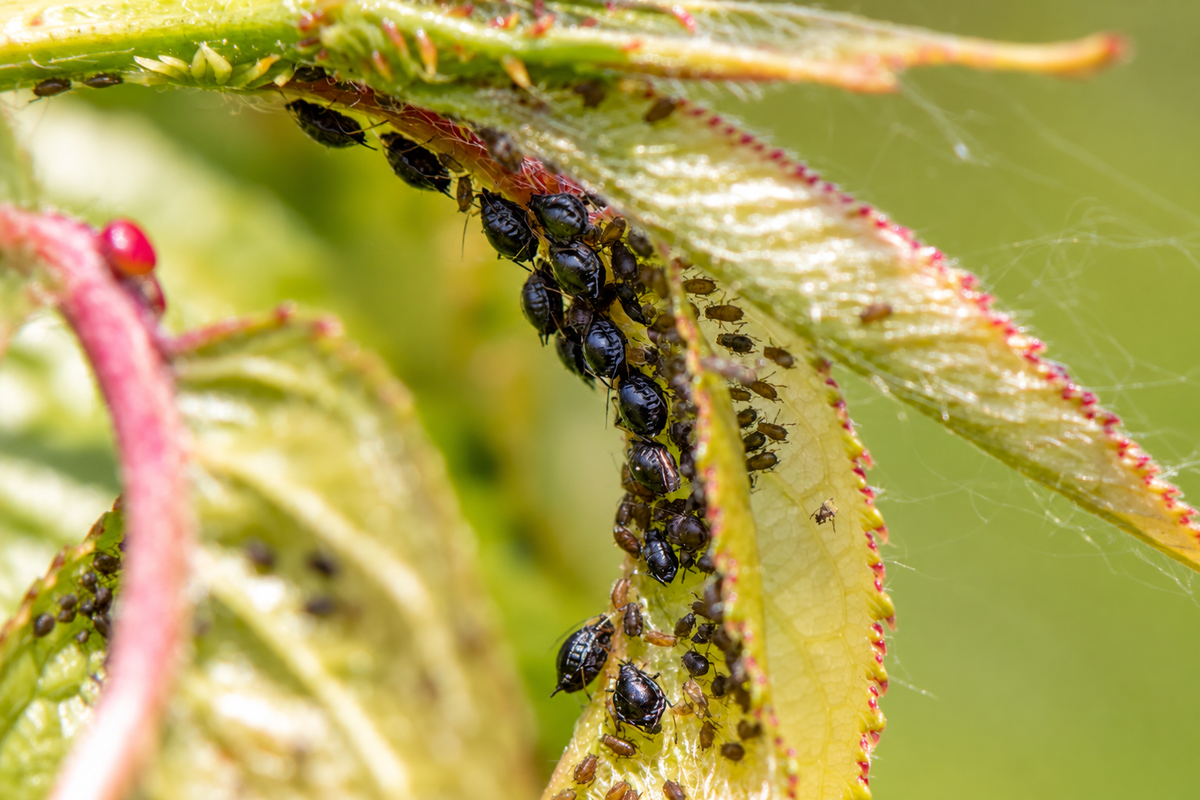
How to Get Rid of Aphids – Tips & Home Remedies
Inhaltsverzeichnis Blattläuse erkennen: So findest Du den Schädling an Deinen Pflanzen Hausmittel gegen Blattläuse: Von Spülmittel bis Kaffeesatz Blattläuse biologisch bekämpfen: Mit Rapsöl, Nüt...
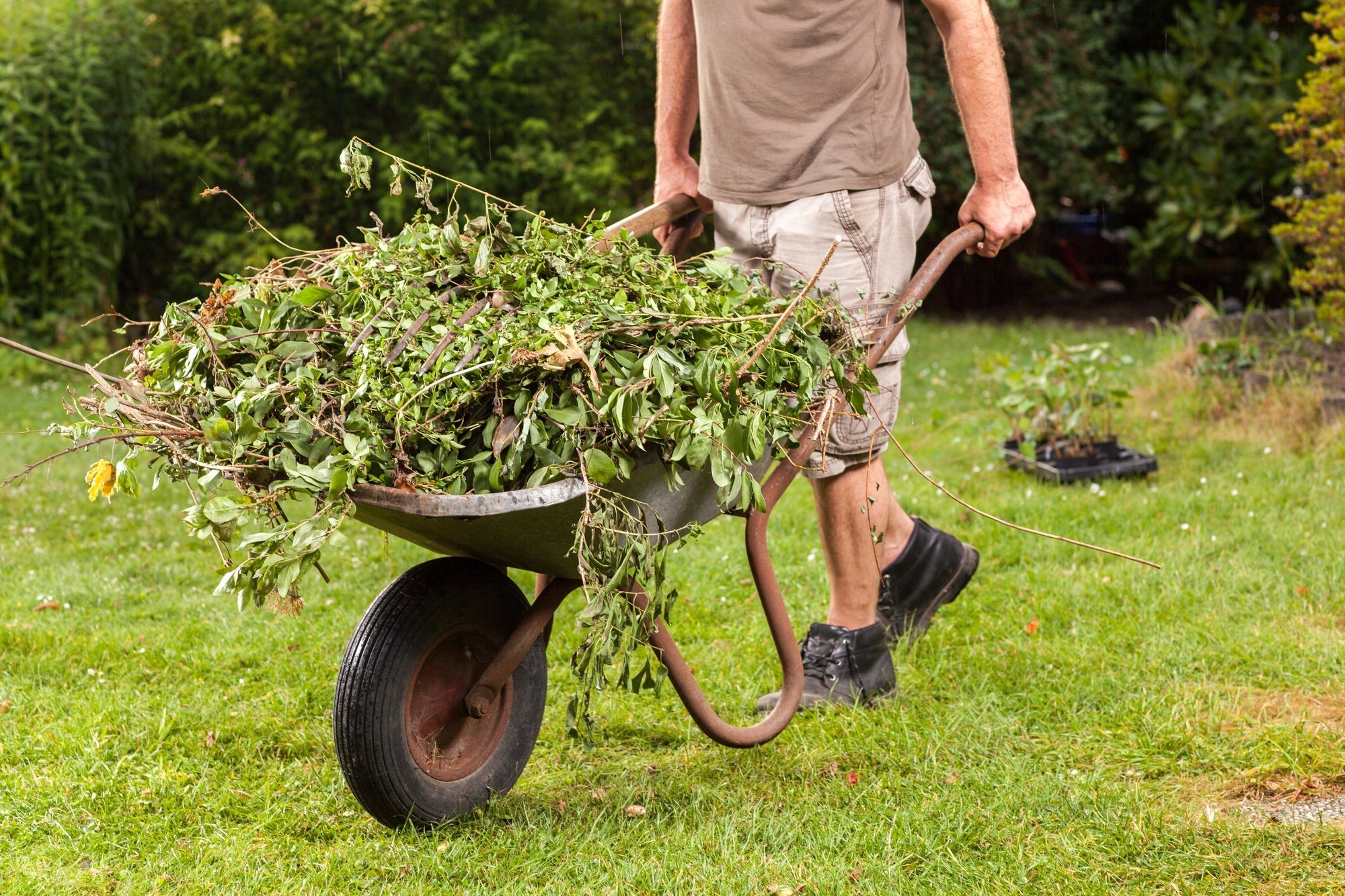
How to Dispose of Garden Waste Properly – UK Guide
Inhaltsverzeichnis Welche Arten von Gartenabfällen gibt es überhaupt? Wohin mit dem Grünschnitt? Diese Entsorgungsmethoden gibt es Gartenabfälle kompostieren: So funktioniert die ökologische Ver...


