
How to Dispose of Garden Waste Properly – UK Guide
- Welche Arten von Gartenabfällen gibt es überhaupt?
- Wohin mit dem Grünschnitt? Diese Entsorgungsmethoden gibt es
- Gartenabfälle kompostieren: So funktioniert die ökologische Verwertung
- Wenn große Mengen anfallen: Container und Wertstoffhof
- Was Du auf keinen Fall tun solltest: Gartenabfälle im Wald entsorgen
- So bleibst Du auf der sicheren Seite: Rechtliche Vorgaben & Tipps
- Unsere Empfehlung für eine fachgerechte Entsorgung von Gartenabfällen
- FAQ
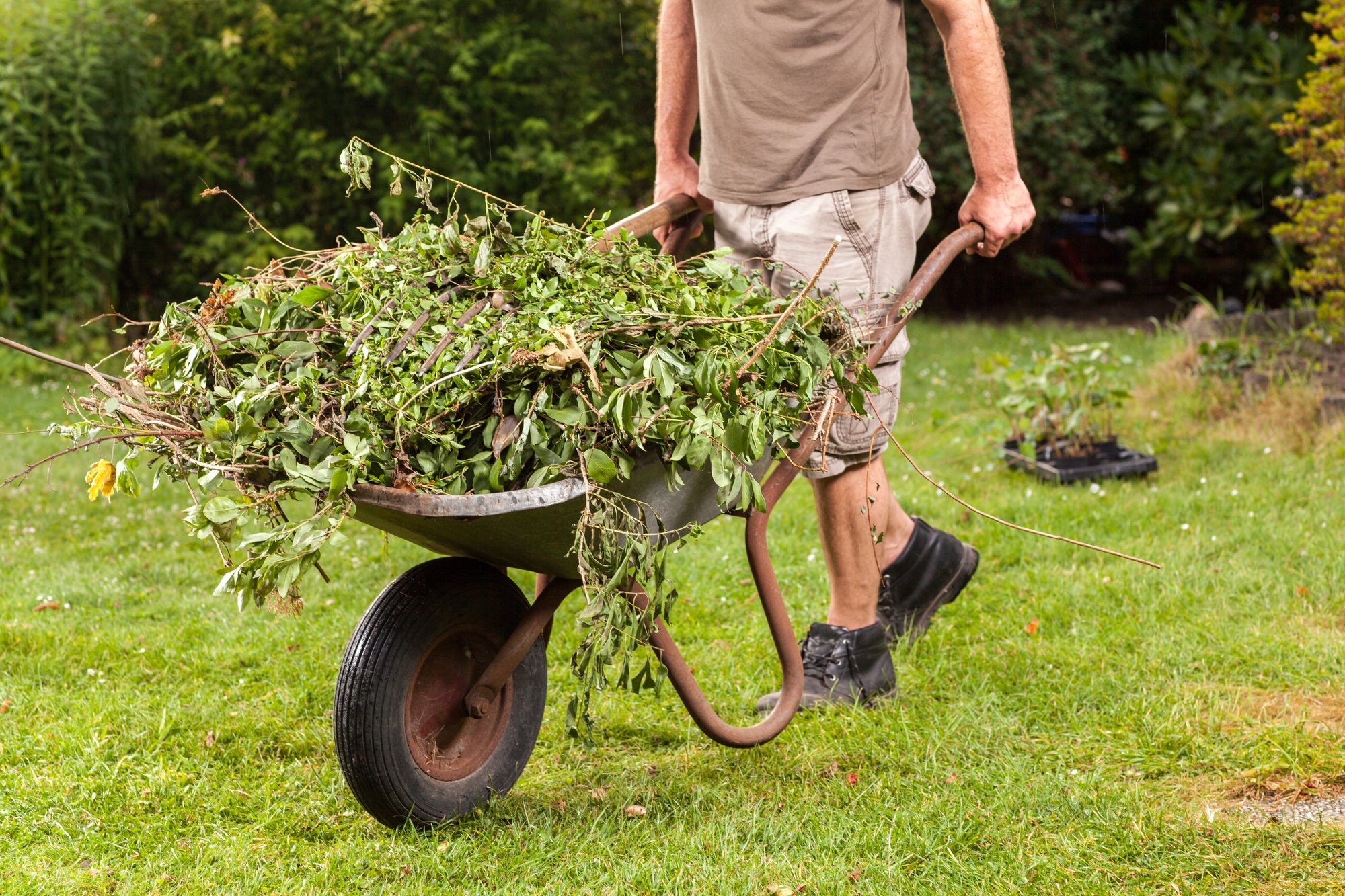
When the garden calls and you get to work with hedge trimmers, a lawn mower, and a brush cutter, one thing is inevitable: garden waste soon piles up fast. From freshly trimmed branches to grass clippings, leaves, and wilted weeds – all of it needs to be disposed of properly.
But what do you do with all that green waste? In this guide, we'll show you how to dispose of garden waste correctly and which mistakes to avoid!
What types of garden waste are there?

Gardening is a real passion for many people – but it also generates a great deal of waste. It's important to know what types of garden waste you're dealing with, as only then can you choose the right disposal method.
Generally speaking, we distinguish between organic garden waste such as grass clippings, leaves, twigs, or weeds, and bulkier materials such as branches, tree prunings, or shrub cuttings.
Especially after trimming hedges with our cordless hedge trimmer FX-E1HH20 or scarifying your lawn, there's plenty left over that should be disposed of properly.
For a quick overview, here are the most common types of garden waste:
- Grass clippings and leaves
- Weeds, cuttings, and wilted plants
- Branches, twigs, and shrub cuttings
- Tree and hedge trimmings
- Windfall fruit and small amounts of fruit or vegetable waste
These types of waste differ not only in their composition but also in how they should be disposed of. Whilst grass clippings are ideal for composting, thicker branches usually need to go to a household waste recycling centre (HWRC) or into a dedicated skip.
What to do with garden cuttings? Your disposal options
Now for the practical part: you've raked up the cuttings – so what next? There are several ways to dispose of garden waste, depending on the type and quantity.
Your garden waste bin is often the first port of call for smaller amounts. However, not everything can go in: large branches, thick twigs, or large volumes of leaves don't belong there. Instead, you can take larger quantities directly to your local household waste recycling centre (HWRC) – or hire a suitable garden waste skip.
If you regularly have large amounts of garden waste, it's worth investing in a robust garden waste bin such as the FX-GB085. This not only helps you collect waste efficiently, but also makes it easier to transport.
The following disposal options are available to you:
- Garden waste bin – for grass clippings, leaves, and weeds
- Home compost heap – ideal for nutrient-rich garden waste
- Household waste recycling centre (HWRC) – for larger quantities or bulky materials
- Skip hire – for extensive garden projects
- Council collection service – availability varies by local authority, often seasonal
With every method, make sure you follow the guidelines set by your local council – these can vary across different areas. Burning garden waste is generally not permitted in most parts of the UK without prior consent, and doing so can result in significant fines.
Composting garden waste: how eco-friendly recycling works

Composting is not only the most sustainable method, but also one of the simplest ways to make good use of garden waste.
If you have enough space, you can set up your own compost heap. This not only reduces waste but also produces valuable humus – perfect for enriching your soil with fresh nutrients. Leaves, weeds, and grass clippings in particular are ideal for composting.
A word of caution: Not everything belongs on the compost heap. Branches, shrub cuttings, and coarse material should be shredded first – ideally using a suitable garden shredder or by cutting them up manually with a hedge trimmer.
You should also avoid composting plant material that is heavily affected by pests or disease, as this can spread further.
Once you achieve the perfect mix of nitrogen (e.g. grass clippings) and carbon (e.g. leaves or branches), the composting process gets going quickly. Turning the heap regularly ensures everything breaks down well and prevents unpleasant odours.
When large quantities arise: skips and recycling centres
Particularly in spring and autumn, when the big round of cutting, mowing, and tidying up begins, an impressive amount of garden waste can accumulate.
For larger garden projects – such as cutting back tall shrubs with a FUXTEC hedge trimmer or scarifying large areas of lawn with the electric scarifier FX-EV360 – green waste can quickly amount to several cubic metres.
To keep the effort to a minimum, simply hire a garden waste skip. Many skip hire companies offer containers specifically designed for green waste. The advantage: the collection is taken care of, leaving you free to focus on your garden.
Household waste recycling centres (HWRCs) are ideal if you want to get rid of smaller but regularly arising quantities. Dropping off garden waste there is often free of charge – at least up to a certain quantity or weight.
The most important rule when disposing of large amounts of garden waste
A quick call to your local council can also tell you whether there is a seasonal garden waste collection in your area. Many councils offer free or low-cost collection schemes in autumn – saving you both time and money.
What you should never do: dumping garden waste in woodland
Tempting as it may seem, garden waste has no place in the countryside or woodland! Unfortunately, it happens more often than you'd think – but fly-tipping garden waste is strictly prohibited.
Anyone caught doing so risks substantial fines and causes serious damage to nature. Even though it is "only" organic material, it can alter the delicate woodland ecosystem – often irreversibly.
Leaves, grass clippings, and weeds can, for example, crowd out native plants by overloading the soil with excess nutrients. So-called "invasive species" can establish themselves, throwing the natural balance into disarray.
Illegally dumped garden waste can also introduce pests and diseases into the natural environment – a risk that is often underestimated.
Another problem: Materials such as twigs, shrub cuttings, and branches break down far more slowly than most people expect. They form large piles of brushwood that are not only unsightly but can also become a fire hazard.
Burning such waste is equally prohibited – unless your local council expressly permits it under strict conditions. When in doubt, always check beforehand.
If you want to act safely and in line with the rules, use our practical garden waste bins or take your waste to your local HWRC. This way you protect both the environment and your wallet.
Staying on the right side of the law: regulations & tips

To avoid any unwelcome surprises when it comes to disposing of garden waste, it's worth taking a quick look at the relevant legal framework.
The key rules are set out in UK environmental and waste legislation as well as the guidelines issued by your local council. These are generally clear and easy to follow, setting out what is and isn't permitted.
Here are the key points:
- Home composting is generally permitted – provided it doesn't cause a nuisance through odours or attract vermin.
- Garden waste bin: Only organic garden waste is permitted – no plastic pots, wire, or other non-organic materials.
- Skips on private property: Generally no permit required, as long as they do not obstruct the public highway.
- Dropping off at the HWRC: Check the quantity limits and acceptance conditions at your local site.
- Burning garden waste: Only permitted under certain conditions and subject to local council rules – always check first.
- No fly-tipping of garden waste in woodland or fields – this constitutes illegal waste disposal.
If you want to be on the safe side, keep different types of waste separate, transport your garden waste in sturdy bags or a FUXTEC garden waste bin, and check your local council's guidelines. This way you'll always stay compliant and actively contribute to the recycling chain.
Our recommendation for proper garden waste disposal
Finally, here are a few practical tips on how to dispose of garden waste efficiently, with minimal environmental impact and as little effort as possible.
With the right equipment and a little planning, disposal becomes almost effortless. Our recommendation: opt for durable, well-designed helpers like the FUXTEC garden waste bins – collapsible, robust, and ideal for everyday smaller quantities.
If you regularly deal with larger quantities – for example after tree and shrub pruning – it's worth browsing our full range of garden tools.
This includes not only hedge trimmers, but also scarifiers, leaf blowers, and more. Take a look at our blog posts such as "How to trim hedges the right way" or "Removing leaves: tips and tricks" for plenty of further practical advice.
Here's a quick summary:
| Situation | Our Recommendation | Benefit |
|---|---|---|
| Smaller everyday quantities | Garden waste bin or compost | Eco-friendly & convenient |
| Regular pruning and trimming | FUXTEC garden waste bin | Robust, collapsible, easy to transport |
| Large quantities at once | Garden waste skip or HWRC | Quick disposal & large capacity |
| Sustainable recycling | Home compost heap | Valuable humus for your garden |
With the right strategy and the correct equipment, you'll not only keep your garden looking neat but also ensure responsible and proper disposal.
And the best part: you can often save money in the process – for example by recycling garden waste on your own compost heap or taking advantage of free council collection services.
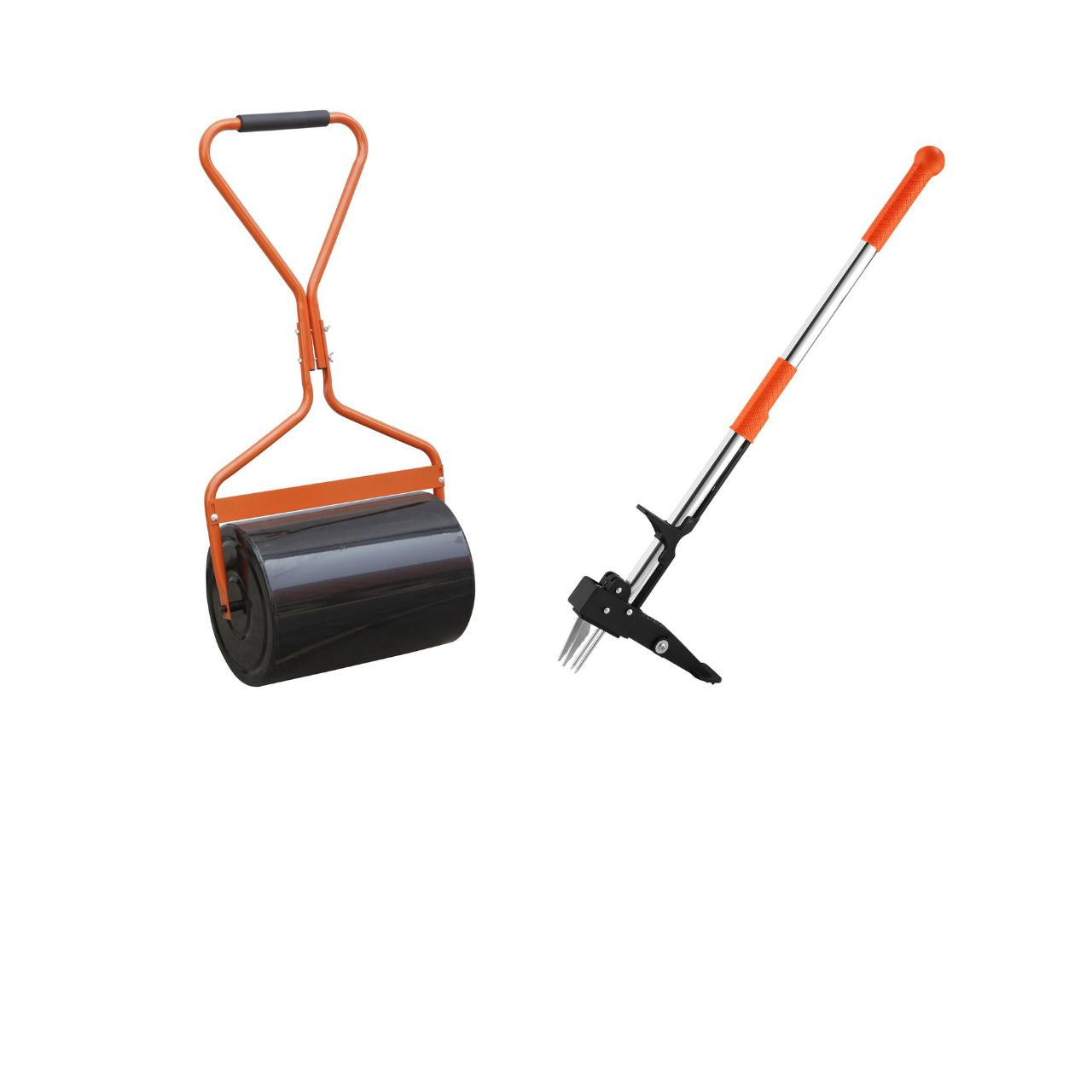
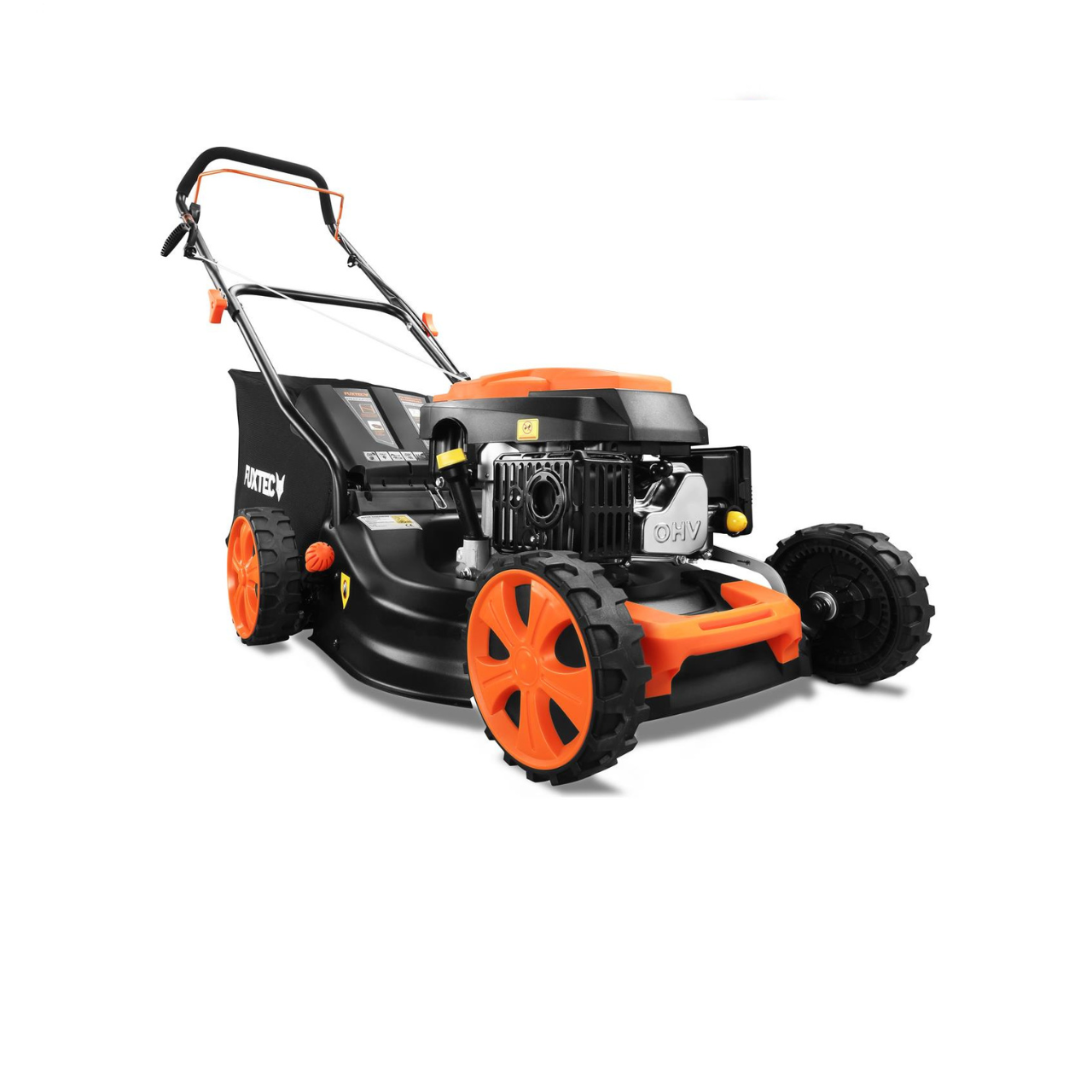
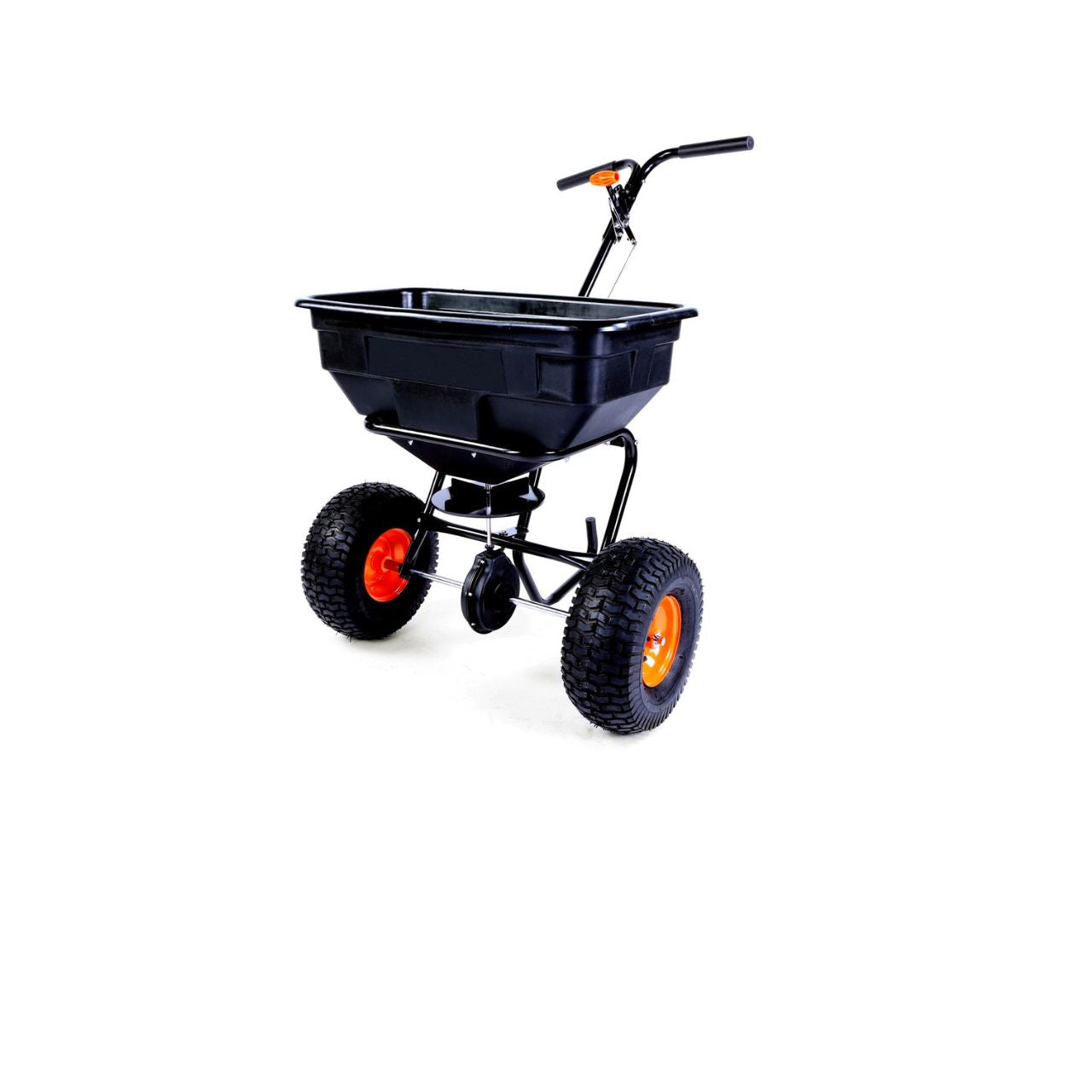
Useful tools for garden care and weed removal

Can I put all garden waste in my garden waste bin?
No, only organic materials like grass clippings, leaves, and small weeds belong in your garden waste bin. Large branches, thick twigs, and bulky materials should go to a household waste recycling centre (HWRC) or skip instead.
Is it legal to burn garden waste in the UK?
Burning garden waste is generally not permitted in most parts of the UK without prior consent from your local council, and doing so can result in significant fines. Always check your local council's rules before considering burning as a disposal method.
What are the benefits of composting garden waste at home?
Home composting is sustainable and produces valuable humus that enriches your soil with fresh nutrients, reducing waste and cutting costs. Leaves, weeds, and grass clippings are ideal for composting, though coarse materials should be shredded first.
Can I dump garden waste in woodland or fields?
Absolutely not – fly-tipping garden waste is strictly prohibited and can result in substantial fines. Even organic material can damage the woodland ecosystem by crowding out native plants, introducing pests and diseases, and disrupting the natural balance.
What should I do with large amounts of garden waste?
For large quantities, you can hire a garden waste skip, take waste to your local HWRC (often free up to a certain amount), or check if your council offers seasonal garden waste collection. Many councils provide free or low-cost autumn collection schemes.
What types of material should never go on a compost heap?
Avoid composting branches, shrub cuttings, coarse materials, and plant material heavily affected by pests or disease. These items should either be shredded first or disposed of at an HWRC instead.
More articles about removing weeds
Remove Weeds from Paving Joints | Methods & Tips
Removing weeds from paving joints is one of those garden tasks that can quickly become a real chore. Whether it's the driveway, a footpath, or between patio slabs — once dandelions and oth...
How to Get Rid of Aphids – Tips & Home Remedies
Inhaltsverzeichnis Blattläuse erkennen: So findest Du den Schädling an Deinen Pflanzen Hausmittel gegen Blattläuse: Von Spülmittel bis Kaffeesatz Blattläuse biologisch bekämpfen: Mit Rapsöl, Nüt...
How to Dispose of Garden Waste Properly – UK Guide
Inhaltsverzeichnis Welche Arten von Gartenabfällen gibt es überhaupt? Wohin mit dem Grünschnitt? Diese Entsorgungsmethoden gibt es Gartenabfälle kompostieren: So funktioniert die ökologische Ver...


