
Blattläuse bekämpfen Titelbild
How to Get Rid of Aphids – Tips & Home Remedies
- Blattläuse erkennen: So findest Du den Schädling an Deinen Pflanzen
- Hausmittel gegen Blattläuse: Von Spülmittel bis Kaffeesatz
- Blattläuse biologisch bekämpfen: Mit Rapsöl, Nützlingen und Naturmitteln
- Grüne und schwarze Blattläuse bekämpfen: Unterschiede und passende Methoden
- Blattläuse an Zimmerpflanzen und im Garten: Spezielle Tipps für verschiedene Standorte
- Blattläusen vorbeugen: So schützt Du Deine Pflanzen langfristig
- Fazit: So wirst Du Blattläuse effektiv los und schützt Deinen Garten
- FAQ
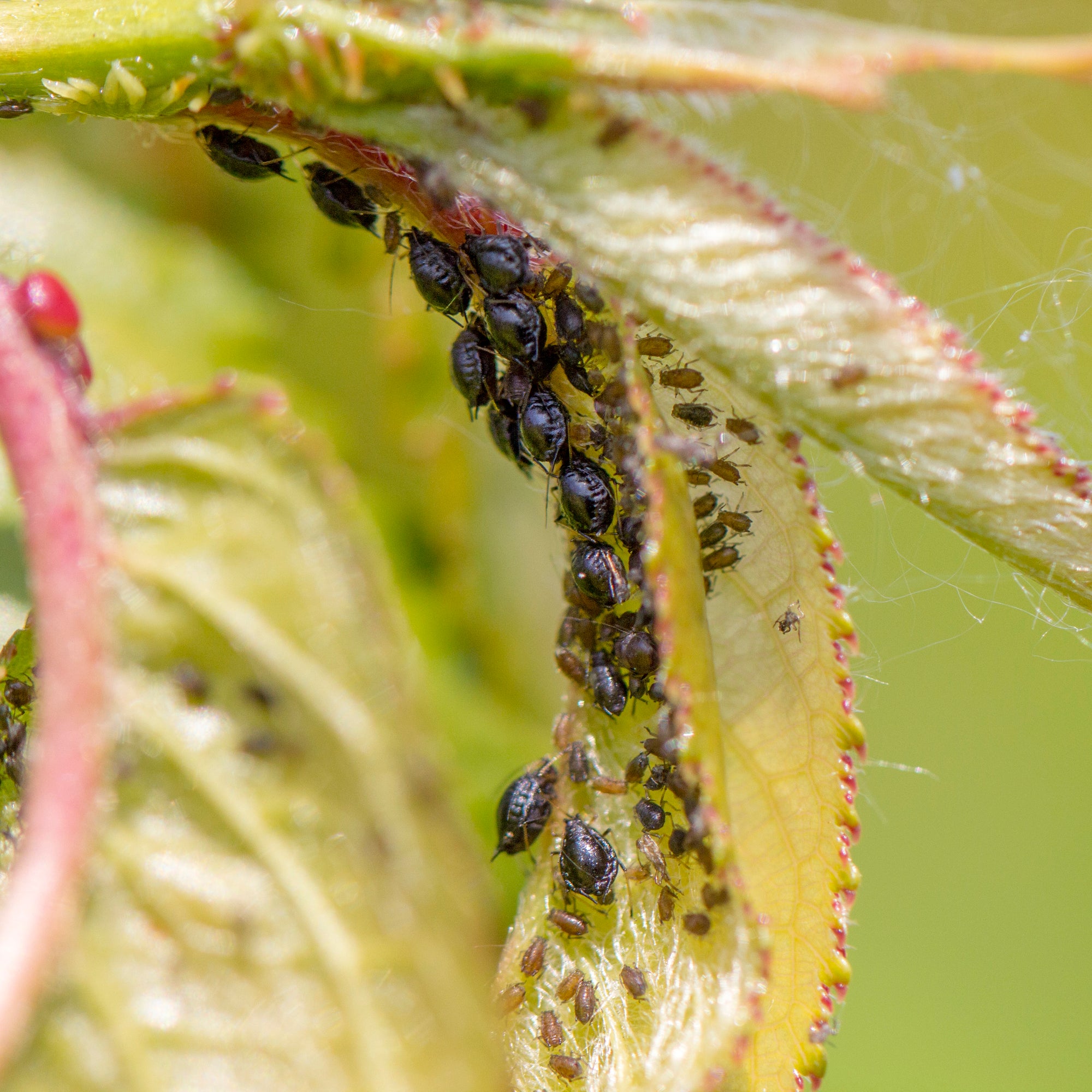
Aphids — small, green, black, or sometimes even white — are a genuine nightmare for amateur gardeners. Whether in the vegetable patch, on roses, or on houseplants: aphids turn up everywhere. They multiply at an astonishing rate, sucking the sap from tender new shoots and leaving behind sticky honeydew, which in turn attracts ants.
A few individual aphids are no cause for panic, but once an entire shoot is infested, your plant can suffer serious damage.
The good news is that there are many ways to tackle aphids — without needing to reach straight for chemical pesticides.
In this guide we show you step by step how to identify aphids, which home remedies actually work, and how you can prevent infestations in the long term!
Identifying Aphids: How to Spot the Pest on Your Plants

Before you can tackle aphids, you need to be able to identify them confidently. They most commonly gather on young shoots, buds, or the undersides of leaves.
They feed on plant sap, causing affected plants to look weak and stunted. Typical signs include curled leaves, distorted shoots, and a sticky coating on the leaves — the so-called honeydew. This not only attracts ants but also encourages the growth of sooty mould.
Green aphids are particularly common, as they camouflage themselves almost invisibly among the foliage. Black aphids are easier to spot, such as the black bean aphid. White cast skins can also be a sign of a heavy infestation.
To catch aphids early, you should check your plants regularly. Keep a pair of secateurs like our FUXTEC Garden Shears FX-RSB20 to hand and inspect the shoots when pruning.
A practical tip: You can identify aphids not only by inspecting the plant itself, but also by watching for ants scurrying around it. Ants "milk" aphids for their sweet honeydew and are therefore a reliable warning sign of an infestation.
Home Remedies for Aphids: From Washing-Up Liquid to Coffee Grounds
If you want to tackle aphids using home remedies, you have plenty of options.
A particularly popular remedy is a solution of water and washing-up liquid. Mix a few drops of washing-up liquid into a litre of water and spray the affected plants thoroughly. It is important not to make the mixture too strong, as this could harm the plant. Soft soap has also proved effective as a natural way to combat aphids.
Another home remedy against aphids is coffee grounds. Aphids are not at all keen on them. Simply scatter cooled coffee grounds around the base of the plant, or brew a light solution to spray onto the plant.
Many home remedies are quick and inexpensive to use. They have the advantage of being environmentally friendly and largely harmless to beneficial insects such as ladybirds or lacewings.
You can also apply these remedies multiple times without putting a strain on your edible plants or the soil. For vegetable beds and delicate plants in particular, such natural remedies against aphids are an excellent choice.
Controlling Aphids Organically: With Rapeseed Oil, Beneficial Insects & Natural Remedies
Anyone wanting to control aphids organically has several effective methods to choose from.
A particularly popular option is rapeseed oil. It is diluted with water and sprayed onto the affected plants. The oil forms a film over the aphids and suffocates them, without harming the plant itself.
It is important, however, that you do not apply the solution in direct sunlight, as this could scorch the leaves.
Even more sustainable is the use of beneficial insects against aphids. Ladybirds, lacewings, and their larvae are among the best-known natural enemies of aphids.
A single ladybird can eat up to 100 aphids a day. Parasitic wasps are also valuable allies, laying their eggs inside the aphids and thereby keeping the infestation in check.
In larger gardens especially, it is well worth actively encouraging beneficial insects. With a FUXTEC Weed Remover FX-UKST, for example, you can clear areas of unwanted plants and create more space for beneficial insects such as lacewings.
Alongside rapeseed oil and beneficial insects, you can also use teas and liquid plant feeds. A brew made from nettles or garlic is a tried-and-tested remedy against aphids and can drive the pests away naturally.
The key here is: several applications at short intervals are considerably more effective than a single treatment. This keeps the infestation under control without needing to resort to chemical pesticides.
Tackling Green and Black Aphids: Differences and the Right Approach

Not all aphids are the same — there are green aphids, black aphids, and also white cast skins, which are often mistaken for living insects. These differences matter, as they indicate how severely your plant is infested and which treatments work best.
Green aphids are the most common pests in our gardens. They are particularly fond of roses, young shoots, and vegetables. Because they blend in so well, you often only notice them once leaves have curled or feel sticky to the touch.
To tackle green aphids, spraying with diluted soft soap or washing-up liquid solution is especially effective. Coffee grounds or nettle brew also work well here. Check regularly to prevent the aphids from multiplying out of control.
Black aphids — most commonly the black bean aphid — tend to appear in large colonies and are easier to spot. They favour beans but also attack other edible plants. The use of beneficial insects such as ladybirds or lacewing larvae is particularly effective here, as they can consume large numbers of these pests.
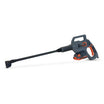
A strong jet of water can also help to wash the aphids off affected plants. To protect the plants afterwards, you can use a FUXTEC Garden Spray Lance FX-WSA-GB, which allows you to clean the leaves precisely and gently.
Small differences in approach can therefore make all the difference. Whilst home remedies often work quickly against green aphids, a heavy infestation of black aphids may sometimes require the support of beneficial insects or stronger natural treatments.
The important thing is to act promptly, before the aphids cause lasting damage to your plants.
Aphids on Houseplants and in the Garden: Specific Tips for Different Situations
Unfortunately, aphids make no distinction between garden plants and houseplants — wherever they find succulent new shoots, they will strike.
With houseplants in particular, an infestation is often noticed more quickly, as the plants are in close proximity to one another and you tend to keep a regular eye on the leaves.
A common problem: dry air from central heating weakens the plants and makes them more susceptible. It helps to increase humidity, for example by misting the leaves with water regularly. Do make sure, however, that the leaves do not stay wet for too long, to avoid the risk of mould.
For houseplants, home remedies such as diluted soft soap or washing-up liquid solution are ideal, as they are effective without putting a lasting strain on the plant. Pay particular attention to the undersides of leaves, as that is where aphids prefer to hide.
A tip: Move affected plants to a separate spot for a few days to prevent the aphids from spreading to your other houseplants.
In the garden, the situation is somewhat different. Aphids have more space here, but also more opportunity to spread. Particularly in spring, when plants are putting on new growth, aphids multiply rapidly.
A severe infestation can significantly hamper growth. You should therefore check your plants regularly — especially susceptible ones such as roses, beans, or young fruit trees.
With a sharp and precise FUXTEC Garden Shears FX-HGW4, you can remove infested shoots immediately before the aphids have a chance to spread further.
Preventing Aphids: How to Protect Your Plants in the Long Term
The best way to deal with aphids is to prevent them in the first place. When your plants are strong and healthy, pests find it much harder to get a foothold.
Focus on nutrient-rich soil, a balanced watering routine, and adequate light.
Another useful trick: plant species that aphids simply dislike. These include herbs such as lavender, thyme, and garlic, whose scent keeps the pests at bay. At the same time, you can grow plants that attract beneficial insects, such as dill or marigolds. This creates a natural balance that keeps aphid populations in check.
Prevention also means removing infested plant material immediately and not leaving it on the compost heap. On our blog you will find many tips on this, for example in our post on disposing of garden waste. This helps to prevent aphids from returning the following year.
Conclusion: How to Get Rid of Aphids Effectively and Protect Your Garden

Aphids are a nuisance, but there is no need to panic. With the right strategy you can tackle them effectively — whether with home remedies such as washing-up liquid or coffee grounds, with organic methods such as rapeseed oil and beneficial insects, or through careful, attentive plant care.
Most importantly, act early — the longer aphids have to multiply, the harder they become to control.
Whether in the garden or on houseplants: stay vigilant, check your plants regularly, and use the appropriate methods. That way you can not only tackle aphids but also keep them at bay in the long term!
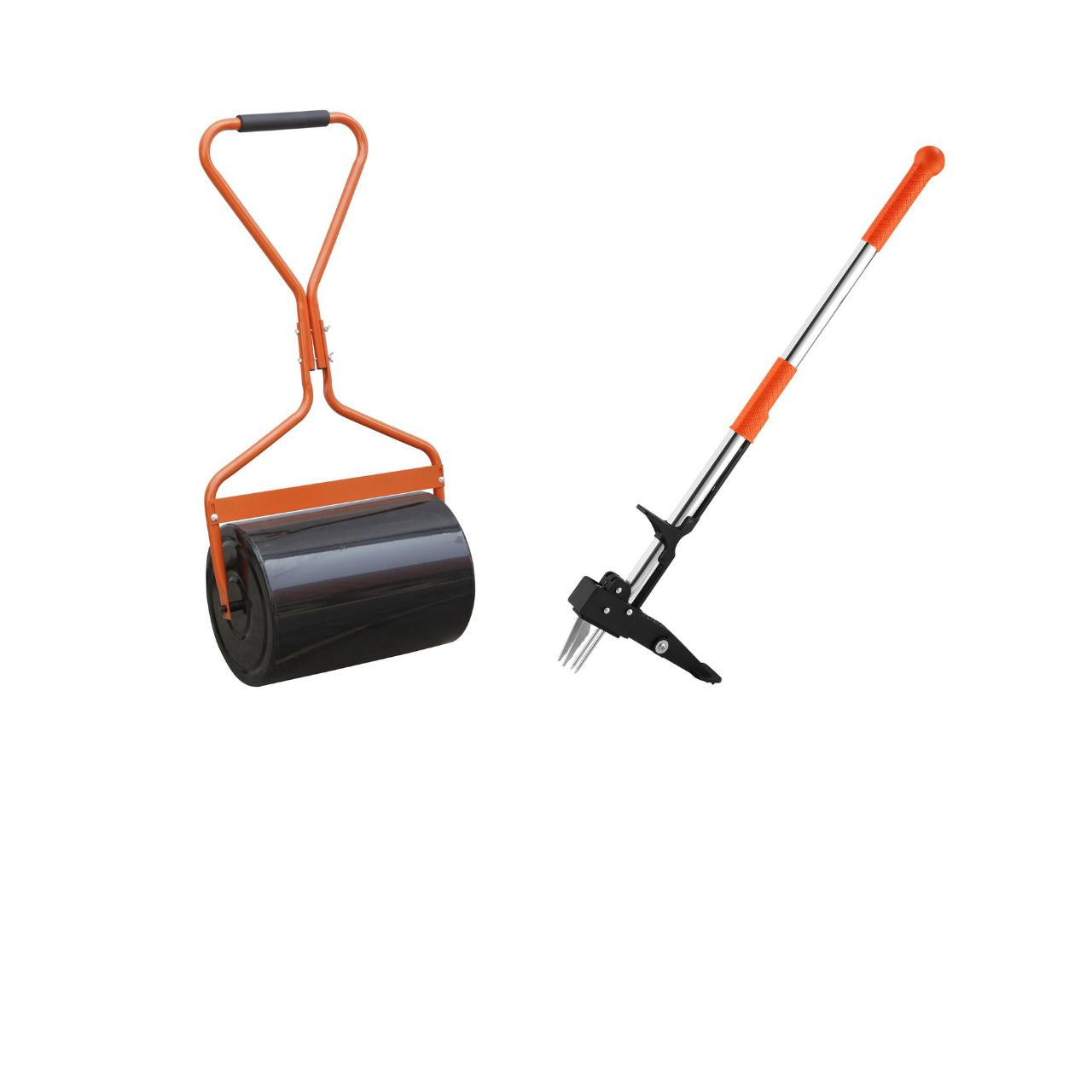
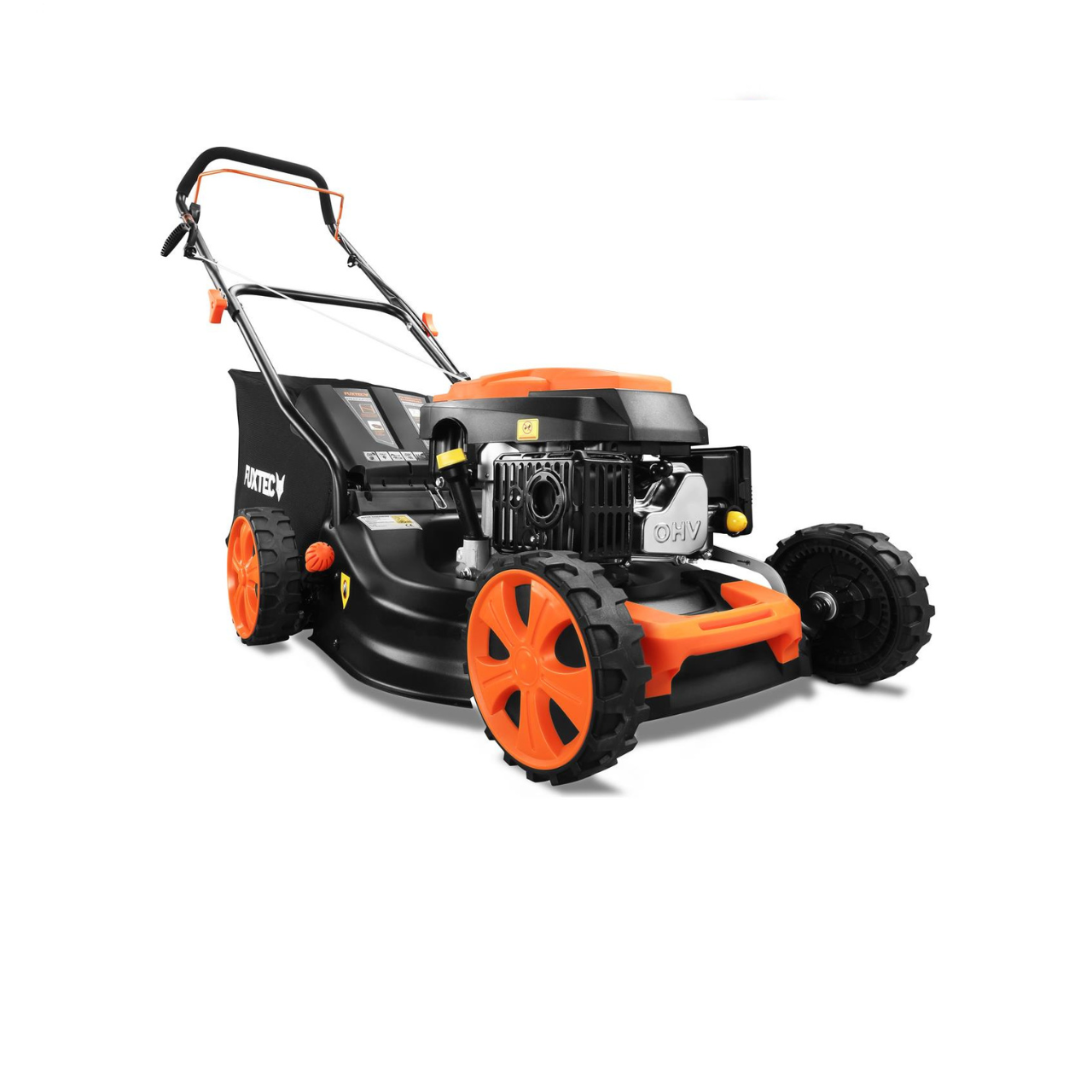
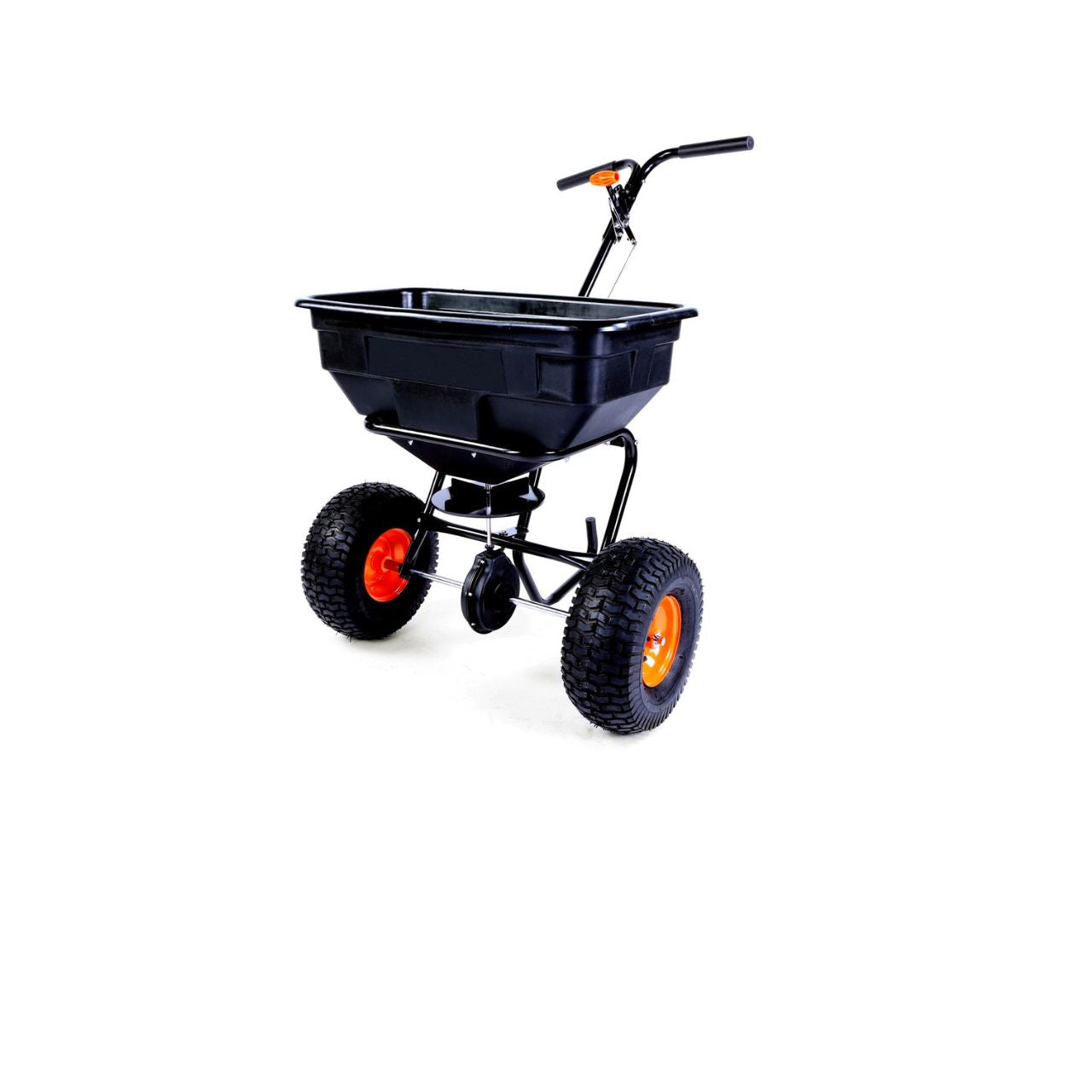
Useful tools for garden care and weed removal

What are the signs that my plants have aphids?
Look for curled or distorted leaves, sticky honeydew coating, and tiny insects clustering on young shoots and leaf undersides. You may also notice ants crawling around the plant, as they're attracted to the honeydew aphids produce.
Do home remedies really work against aphids?
Yes, home remedies like washing-up liquid solution and coffee grounds are effective and environmentally friendly alternatives to chemical pesticides. They work best when applied multiple times at short intervals rather than as a single treatment.
Can I use a strong jet of water to remove aphids from my plants?
Yes, a strong jet of water can help wash aphids off affected plants, particularly for black aphids in large colonies. This is a quick, chemical-free method that works well in combination with other treatments.
Which beneficial insects eat aphids?
Ladybirds, lacewings, and their larvae are the best-known natural enemies of aphids. A single ladybird can eat up to 100 aphids a day, and parasitic wasps also help by laying their eggs inside aphids.
How can I prevent aphids from infesting my garden?
Keep plants healthy with nutrient-rich soil, proper watering, and adequate light. Plant aphid-repelling herbs like lavender, thyme, and garlic, and grow plants that attract beneficial insects such as dill and marigolds to create a natural balance.
Are green and black aphids treated differently?
Slightly, yes. Green aphids respond well to washing-up liquid or soft soap solutions, whilst black aphids that appear in large colonies benefit especially from beneficial insects like ladybirds. Heavy black aphid infestations may require stronger treatments.
What should I do if my houseplants get aphids?
Use diluted soft soap or washing-up liquid solution, paying special attention to leaf undersides where aphids hide. Move affected plants away from others to prevent spread, and increase humidity by misting leaves regularly to strengthen the plant.
More articles about removing weeds
Remove Weeds from Paving Joints | Methods & Tips
Removing weeds from paving joints is one of those garden tasks that can quickly become a real chore. Whether it's the driveway, a footpath, or between patio slabs — once dandelions and oth...
How to Get Rid of Aphids – Tips & Home Remedies
Inhaltsverzeichnis Blattläuse erkennen: So findest Du den Schädling an Deinen Pflanzen Hausmittel gegen Blattläuse: Von Spülmittel bis Kaffeesatz Blattläuse biologisch bekämpfen: Mit Rapsöl, Nüt...
How to Dispose of Garden Waste Properly – UK Guide
Inhaltsverzeichnis Welche Arten von Gartenabfällen gibt es überhaupt? Wohin mit dem Grünschnitt? Diese Entsorgungsmethoden gibt es Gartenabfälle kompostieren: So funktioniert die ökologische Ver...


