
Controlling Ground Elder: Effective Methods
Controlling Ground Elder – Effectively and Permanently
Ground elder divides opinion: for many gardeners it is a troublesome and stubbornly persistent weed, while others praise it as a tasty and nutritious wild vegetable. One thing is certain: once you let this plant take hold in your garden, its spreading root system makes it extremely difficult to get rid of.
Ground Elder – A Vigorous and Relentless Survivor
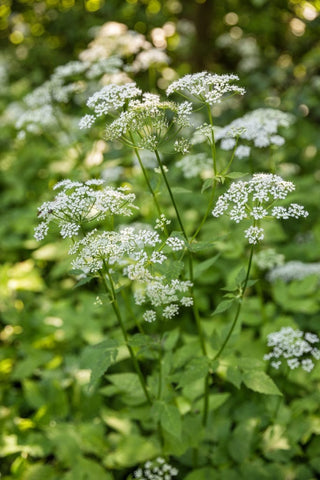
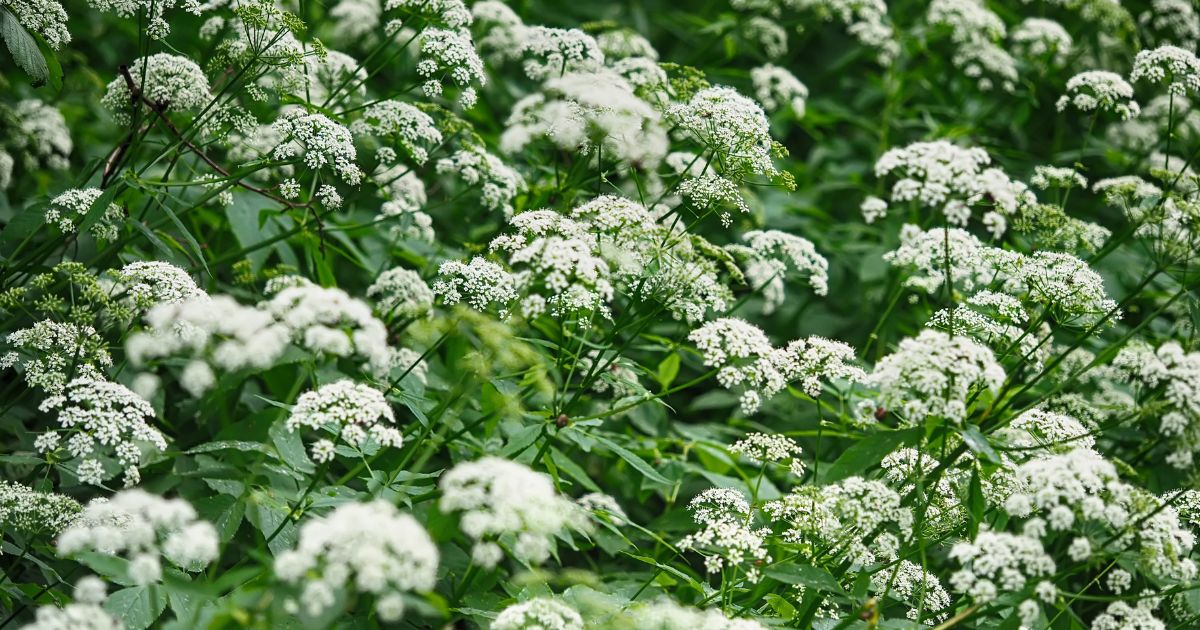
Ground elder (Aegopodium podagraria) is native to the light woodlands of Europe and Asia, and has also been introduced to North America. It thrives in moist, nutrient-rich conditions, which allow it to spread rapidly. Individual shoots typically reach only a modest height of around 30 centimetres, though in ideal conditions plants can occasionally grow up to one metre tall. It spreads both via its extensive root system and by seed, which ripens after flowering in July. This allows it to form dense colonies in a remarkably short space of time, gradually taking over the entire garden if left unchecked. Once established, ground elder quickly crowds out neighbouring plants by competing for light and nutrients.
Act Quickly
The sooner you spot ground elder in your garden and start tackling it, the better your chances of success. The plant stores reserves in its root system, enabling it to survive for many months and repeatedly regrow. If you nip its growth in the bud early on, it never gets the chance to build up those reserves and you may be able to clear it as quickly as it appeared. Once ground elder has become well established, however, it becomes considerably harder to remove.
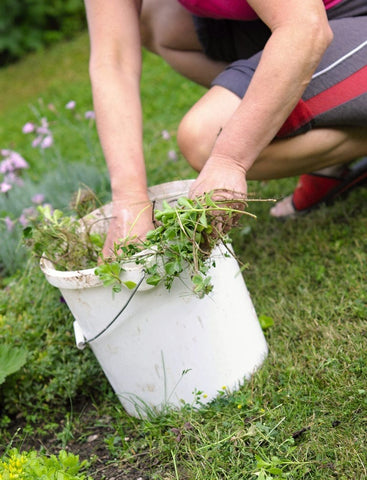
If you already know you have ground elder in your garden, you should remove the first shoots in spring as soon as they appear. This won't eliminate the weed, but it will prevent it from gaining strength and damaging other plants. To get ground elder under control permanently, you'll often need plenty of patience. In theory, you can defeat it simply by repeatedly cutting back the above-ground growth. Depending on how often you do this, it can take several years to starve the plant out. If the root system has already spread throughout the garden with new shoots popping up everywhere, you'll need to take more drastic action. Removing the leaves and flowers is always worthwhile, though. It checks the plant's growth and at least prevents it from spreading further by seed. On lawns, regular mowing is sufficient; for adjacent beds, hand-weeding or using a strimmer will do the job.
Removing Ground Elder Completely
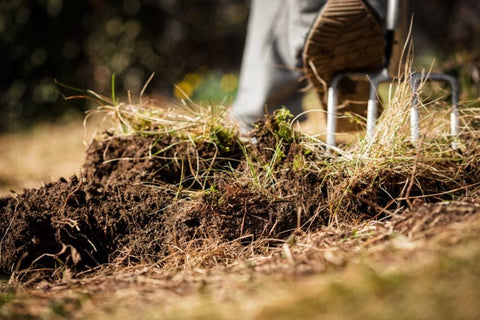
If you want to remove ground elder completely, you're facing a truly mammoth task. You'll need to dig over the entire area penetrated by the root system using a garden fork and remove every single piece of root. Even the tiniest root fragment is enough for ground elder to regrow. In a lawn, this approach is only feasible if you're prepared to completely re-turf or reseed the area. In most cases the weed won't be confined to just one part of the garden, but will have spread indiscriminately. It can therefore make sense to dig out the ground elder from a bed, which will also weaken the plant in the adjacent lawn. If you install a root barrier after clearing an area, you can at least confine the problem to one part of your garden going forward, tackling ground elder step by step.
Important: Simply digging over a bed is not enough to eradicate ground elder. The newly planted bed may be temporarily weed-free, but cutting through the roots actually stimulates new growth, causing the plant to spread even more quickly. The same applies to scarifying a lawn where ground elder is growing — it's better to leave the affected area alone, as scarifying may inadvertently help the weed spread. Also be careful never to dispose of ground elder on the compost heap, as it can regrow there too. It's far better to put it in your garden waste (green bin) collection or, before composting, kill it off by leaving it to dry out in the sun or sealing it in black bags.
Suppressing Ground Elder with Competitive Planting
Many gardeners swear by potatoes when it comes to tackling ground elder. They shoot up earlier in spring than the weed and cast dense shade with their foliage, in which ground elder cannot survive. Sweet potatoes, Jerusalem artichokes, comfrey or knotweed also grow quickly and densely enough to give ground elder no room to thrive. Depending on how far the weed has already spread in your garden, this approach only goes so far. It will keep ground elder out of the planted bed, but if it is also growing elsewhere it will simply continue to spread there. Always make sure to remove all runners of ground elder, otherwise even the potato bed will be overrun again the following year. A number of vigorous ground-cover plants and perennials are also useful for keeping ground elder in check. These include:
- Cranesbill (Geranium)
- Barrenwort (Epimedium)
- Yellow strawberry (Waldsteinia)
- Pachysandra
- Lesser periwinkle (Vinca minor)
- Ingwersen's wild geranium (Geranium macrorrhizum 'Ingwersen's Variety')
Plant these ground covers ideally in autumn so that they can get off to an early start in spring and gain a valuable head start on the ground elder. Do keep a close eye on some of the more vigorous plants, particularly periwinkle and Geranium macrorrhizum. They may be far more attractive than ground elder, but they are no less enthusiastic in their spreading habits — if you're not careful, you may simply end up swapping one problem for another.
Keeping Out Ground Elder from a Neighbour's Garden
One of the trickiest aspects of dealing with creeping root weeds is when ground elder spreads into your garden from a neighbour's property. Low walls and fences are no obstacle to the plant's far-reaching root system, which readily crosses boundary lines. If your neighbour has no intention of dealing with their ground elder, you have little choice but to protect your beds with a root barrier.
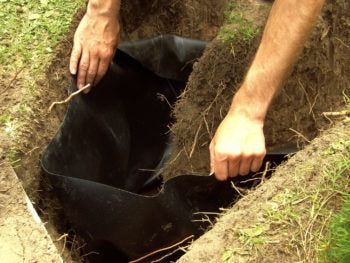
To do this, dig a trench along the relevant boundary to a depth of at least 80 centimetres. Insert a root barrier (available from garden centres) into the trench. Make sure the top edge protrudes a few centimetres above ground level, otherwise root runners can creep over the top and back into your garden. Where the barrier overlaps, ensure that not even the smallest gap remains. Even a few millimetres is enough for a searching root tip to squeeze through and reintroduce ground elder to your garden.
Using Weed-Suppressing Membrane Against Ground Elder?
Weed-suppressing membrane is a useful tool against most creeping root weeds. It prevents plants from regrowing after removal, reducing the effort needed to starve them out over a longer period. With ground elder, however, this method has its limitations. Because the seeds remain viable in the soil for many years, the plant may quickly re-establish itself once the membrane is removed. If, on the other hand, you're happy to keep the weed-suppressing membrane permanently in place, it can be a good way to avoid the laborious task of digging out ground elder by hand.
Trampling Ground Elder on the Lawn
It might sound unusual at first, but one of ground elder's greatest weaknesses is its inability to withstand foot traffic. On lawns, it tends to establish itself only in areas that are rarely or never walked on. Households with children who play energetically outside have little to worry about when it comes to ground elder on the lawn. Everyone else can regularly walk over the affected patches in addition to manual removal. This can sometimes be more effective than prolonged weeding or digging, as the mechanical pressure damages the leaves and stems of the weed so severely that it cannot keep recovering over the long term.
The Last Resort: Herbicides
Most herbicides approved for home garden use are only partially effective against ground elder, as they kill off the leaves and stems but leave the root system intact, allowing the plant to regrow repeatedly. Even glyphosate, one of the most widely used active ingredients in weedkillers, can weaken ground elder but not kill it outright. There are, however, now specialist herbicides based on pelargonic acid and maleic hydrazide that work well against ground elder. These products can, however, also inhibit the growth of surrounding plants, making them only partially suitable for use in beds or on lawns. In the long run, the most sustainable and environmentally friendly approach remains removing the weed by hand and the painstaking — but ultimately only truly effective — process of starving it out.
Ground Elder in the Kitchen
Some gardeners make the best of a bad situation and rather than simply binning the leaves of unwanted ground elder, put them to good use in the kitchen. Ground elder is rich in vitamin C, beta-carotene and various minerals. In particular, the young leaves in spring are tender and have a flavour reminiscent of celery, parsley or carrot tops. They can be enjoyed raw in salads or cooked like spinach or chard. Ground elder also lends itself to soups, pesto and bakes, as well as adding a flavourful twist to all manner of vegetable dishes.
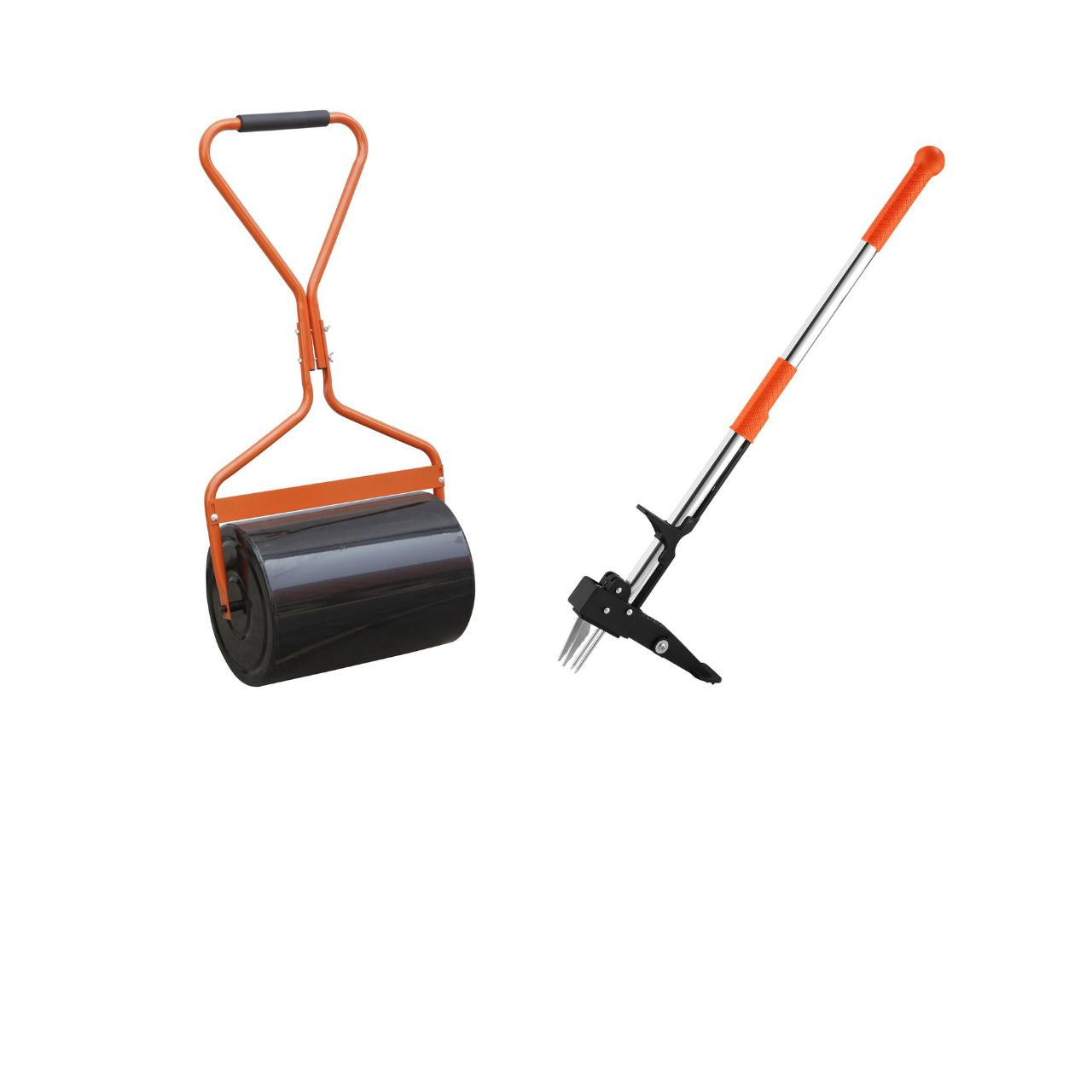
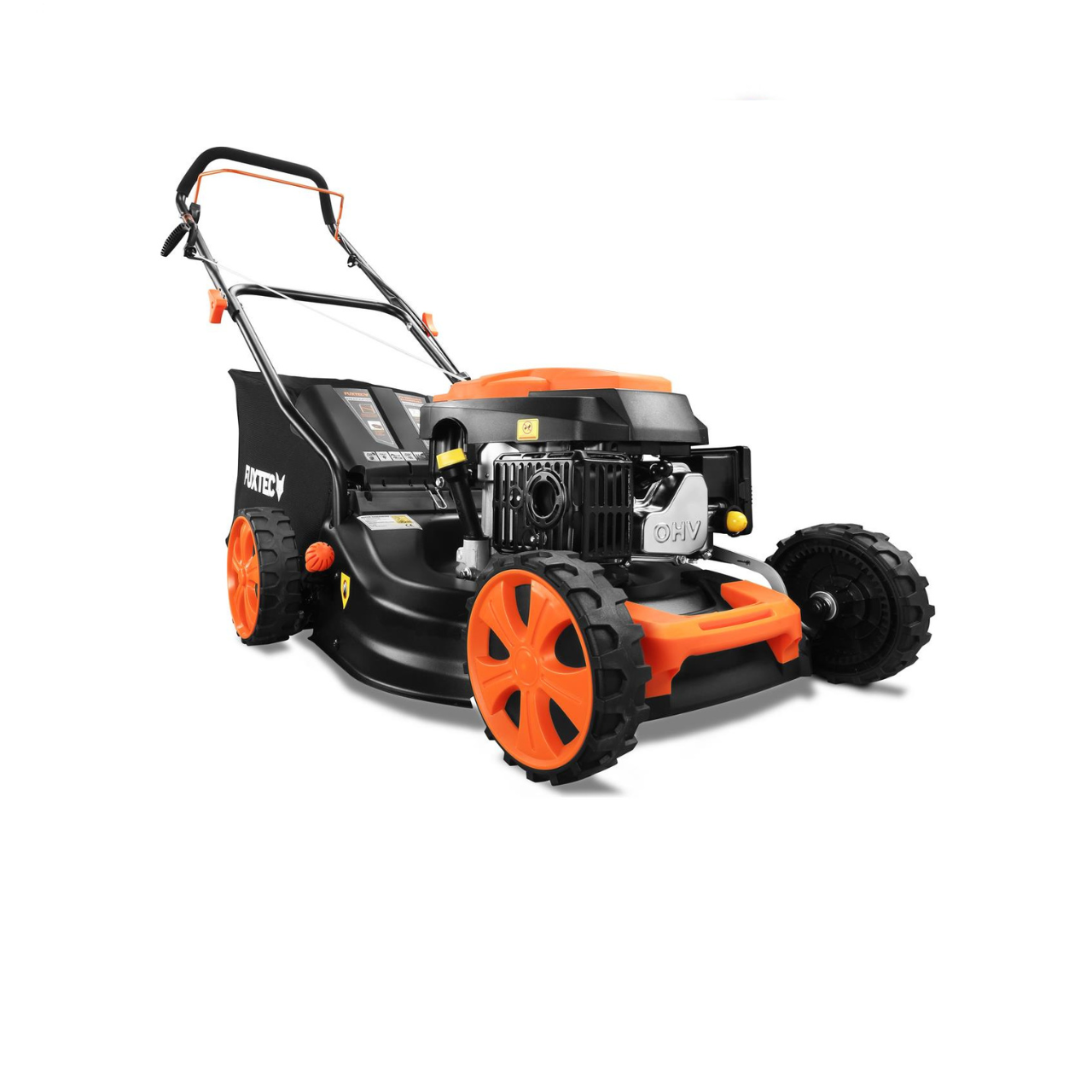
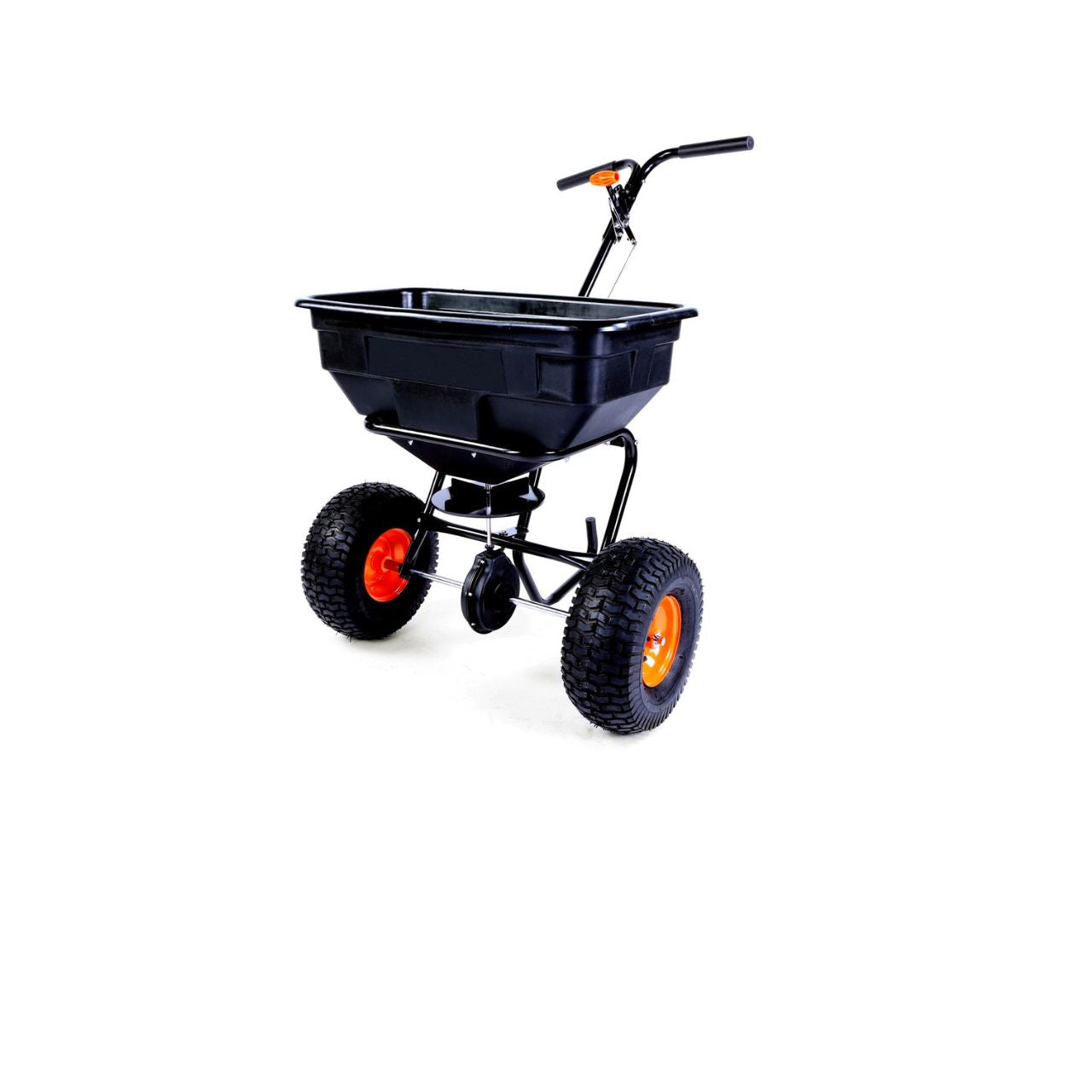
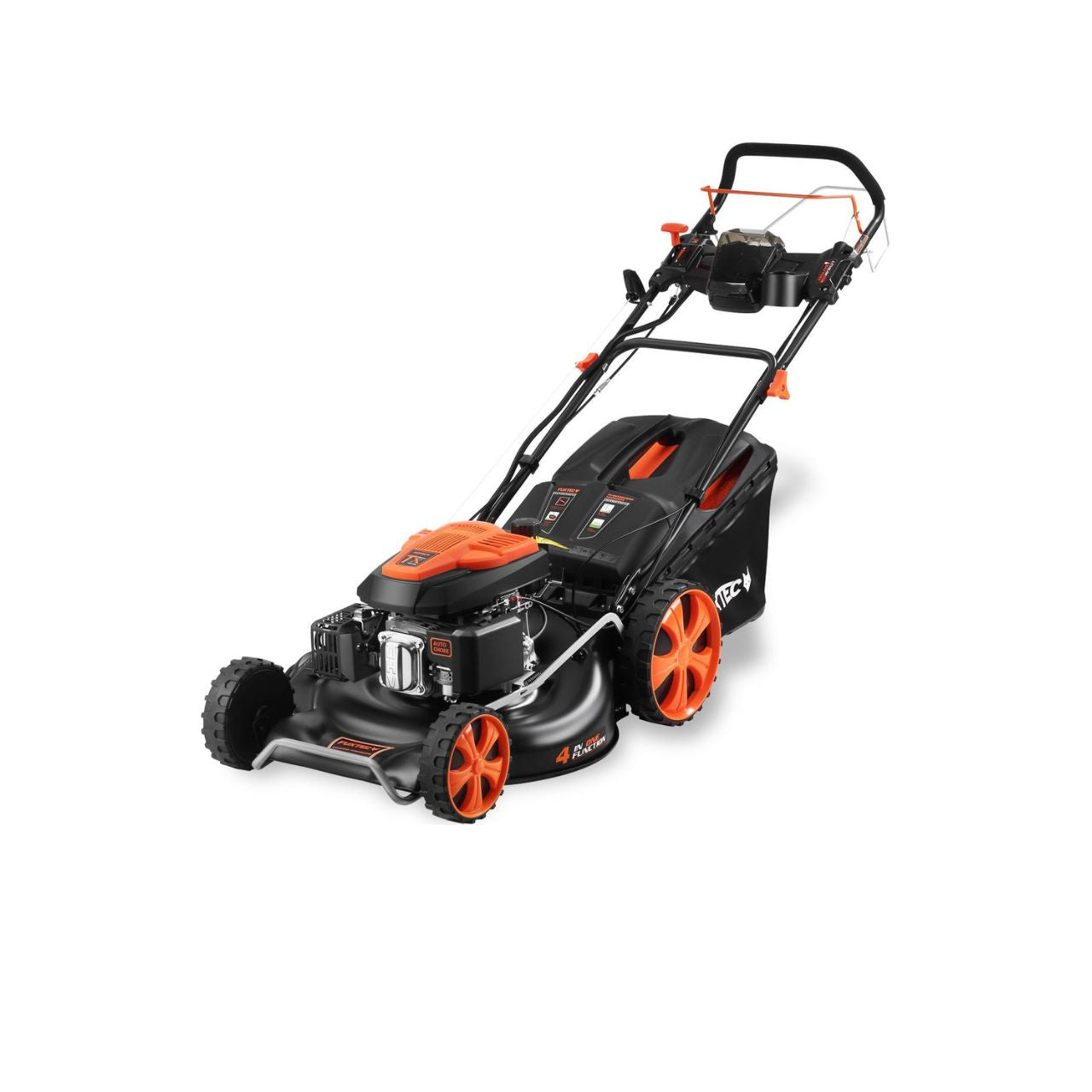
Useful tools for garden care and weed removal

More articles about removing weeds
Remove Weeds from Paving Joints | Methods & Tips
Removing weeds from paving joints is one of those garden tasks that can quickly become a real chore. Whether it's the driveway, a footpath, or between patio slabs — once dandelions and oth...
How to Get Rid of Aphids – Tips & Home Remedies
Inhaltsverzeichnis Blattläuse erkennen: So findest Du den Schädling an Deinen Pflanzen Hausmittel gegen Blattläuse: Von Spülmittel bis Kaffeesatz Blattläuse biologisch bekämpfen: Mit Rapsöl, Nüt...
How to Dispose of Garden Waste Properly – UK Guide
Inhaltsverzeichnis Welche Arten von Gartenabfällen gibt es überhaupt? Wohin mit dem Grünschnitt? Diese Entsorgungsmethoden gibt es Gartenabfälle kompostieren: So funktioniert die ökologische Ver...


