



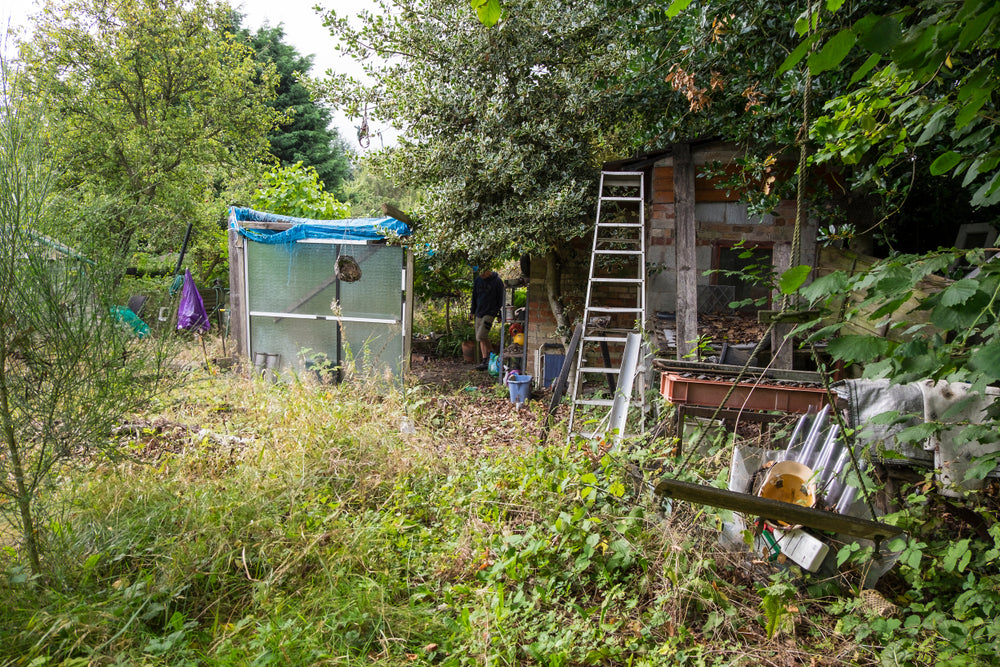
So kann dein Garten schnell aussehen, wenn du dich eine Saison mal nicht richtig gekümmert hast.
How to Restore an Overgrown Garden | FUXTEC
- Schneller Überblick: So startest Du im verwilderten Garten
- Unkraut & Wildwuchs entfernen – Schritt für Schritt
- Boden vorbereiten: Umgraben & Lockern für neue Energie
- Kompost clever anlegen: Nachhaltig düngen leicht gemacht
- Neue Beete gestalten & bepflanzen: Frische Ideen für Deinen Garten
- Rasen & Wiesen: Mähen oder naturnah gestalten?
- Werkzeuge & Geräte – Unsere besten Empfehlungen
- Nächste Schritte: Gartenpflege als neue, einfache Routine
- Fazit: So wird aus Wildwuchs ein pflegeleichtes Gartenparadies
- Bonus: Checkliste zum einfachen Garten herrichten
You've had a busy season and barely had time to tend to the garden — and now you're faced with a completely overgrown wilderness. Of course, you want to get it back into shape ready for the coming season or your next project. Whatever you have planned, we'll show you how to restore your overgrown garden, which FUXTEC garden tools will make the job easier, and give you a step-by-step guide on how to tackle it. By the end of this article, you'll be able to transform your wild garden into a completely new outdoor space.
Get the Lay of the Land: Survey Your Overgrown Garden First
Before you start clearing your garden, get a clear overview of what you're dealing with. Walk through every area and note down wild growth and weeds, as well as larger plants and any rubbish lying around. Use chalk or string to mark out clearly defined zones for beds, lawn areas and shrubs. This immediately shows you where shrubs need to be cut back hard and where the next step in redesigning your overgrown garden is needed. Use a notebook or your smartphone to record all the problem areas.
Taking the time to properly survey the garden first helps you avoid doing the same work twice. You'll be able to identify where tree stumps and nettles need to be dug out and where a brushcutter or chainsaw will be required. This structured approach saves both time and effort.
Removing Weeds and Wild Growth: Garden Clearance Made Easy
Before you dive in with enthusiasm to create new beds or fill raised beds with plants, you should first clear your garden of weeds, wild growth and any rubbish. Pull up weeds by hand where possible, or use a garden fork to remove the roots completely and prevent them from regrowing. You can then mow the lawn to tidy up ragged edges (for example along pathways) and restore a neat, even surface. A lawn mower from the FUXTEC range makes this easier and ensures a uniform cut.
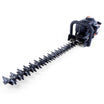
Persistent plants such as brambles, ivy or nettles are particularly tough and often grow in dense thickets. Use a branch pruner or hedge trimmer from our cordless garden tool collection to cut shrubs and branches back close to the ground. Take the opportunity to remove all dead growth at the same time, so that enough light can reach the remaining plants next spring and new, vigorous growth is possible.

After cutting back and mowing, collect all the clippings, branches and other garden waste in a wheelbarrow, then shred them using a garden shredder. The resulting wood chips can be used directly as mulch in beds or added to the compost heap. Mulch improves soil structure, retains moisture and at the same time suppresses new weed growth. It's a virtuous circle: woody cuttings become a valuable resource for your garden.
Finally, collect any remaining rubbish such as scraps of plastic, metal parts or old containers and dispose of them in your general waste or at your local household waste recycling centre. This prevents debris from getting in the way when you're digging or becoming a trip hazard. With this thorough initial clear-out, your garden is ready for further projects — from creating new planting beds to building a raised bed — and you'll benefit from a clean, well-kept outdoor space that will thrive in the long term.
Digging Over the Garden and Breaking Up the Soil: Laying the Foundations
Once the bulk of the weeds and woody growth has been removed, dig over your garden to loosen the soil. Use a spade or garden fork and work through the ground section by section to a depth of roughly 20–30 cm. As you go, remove old root remnants and tree stumps, and keep an eye out for contaminants such as stones or glass. If the soil is heavily compacted, you can also work some horticultural sand or compost into the upper layer of soil.
Well-loosened soil is the foundation for new beds and lawn areas. It ensures that water penetrates deep into the ground and that plant roots have plenty of room to grow.
Setting Up a Compost Heap: Sustainable Fertilising
A compost heap belongs in every nature-friendly garden. Choose a corner with some shade and create a clear, well-ventilated base. Layer organic garden waste such as grass clippings, leaves and material from the beds alternately with coarser branches and shredded material. A 3-in-1 professional leaf vacuum/blower and shredder from the FUXTEC garden tool range shreds leaves quickly and makes composting much easier.
If your compost heap is turned regularly, everything will break down into valuable humus within a few months. You can use this humus when creating new garden beds or spread it as mulch.
Creating and Planting New Beds: Redesigning Your Garden
Once the soil is well prepared and weeds are no longer a problem, you can create new beds. Define clear edges using a garden fork or half-moon edger and rake the soil level. Then plant perennials, shrubs and your favourite plants in suitable planting holes. Choose the right position for sun or shade so that your plants can grow strong and healthy.
After planting, apply mulch around the plants to retain moisture and suppress weeds. Use bark chippings or fine compost for best results.
Lawns and Meadows: Mow the Lawn or Create a Wildflower Meadow?
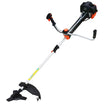
In many overgrown gardens, the lawn has completely run riot. Decide whether you want to mow the lawn and cut back paths, or whether you'd like to create a wildlife-friendly meadow in a wilder corner. For shorter areas use the FUXTEC brushcutter followed by the lawn mower from the mower collection.
For a meadow, sow a wildflower mix and let it be cut short twice a year. This creates a colourful, insect-friendly habitat.
Using Tools and Equipment to Best Effect: Garden Tools at a Glance
The following tools are indispensable for restoring an overgrown garden:
- Spade or garden fork for digging over
- Rake for levelling beds
- Wheelbarrow for transporting clippings and soil
- Hedge trimmer and branch pruner for woody growth
- Hand saw for thicker branches
- Brushcutter for clearing heavy wild growth
| Tool | Application | FUXTEC Link |
|---|---|---|
| Brushcutter | Heavy wild growth and lawn edges | FUXTEC Brushcutters |
| Leaf vacuum | Clearing large areas of leaves | FUXTEC Leaf Vacuums and Blowers |
| Hedge trimmer | Shaping and cutting back hedges | FUXTEC Hedge Trimmers |
| Lawn mower | Lawn care | FUXTEC Lawn Mowers |
| Wheelbarrow | Transporting materials | FUXTEC Wheelbarrows |
Next Steps: Developing a Garden Maintenance Routine
Now that you've transformed your overgrown garden, it's time to keep on top of regular maintenance. Mow lawn areas every two weeks, remove weeds promptly and check the compost heap. Cut back woody plants and shrubs once a year and inspect your garden tools for any maintenance needs. This keeps your garden easy to manage and looking its best at all times.
Getting Your Overgrown Garden Back on Track: Summary and Key Takeaways
Restoring an overgrown garden is a structured undertaking that transforms initial wilderness into a low-maintenance paradise. With a clear plan and the right steps — from the initial assessment through hedge trimming and cutting back to composting — you create space for new beds, lawn areas or a kitchen garden. Old becomes new when you prune trees and hedges properly, remove old tree stumps and apply organic material as humus. The end result is a redesigned garden that brings you joy and inspires you for years to come.
Overgrown Garden Clearance Checklist:
- Get an overview: Document wild growth and overgrown areas.
- Remove trees and woody growth: Dig out root systems completely.
- Hedge trimming & cutting back: Shape trees and shrubs with a branch pruner or hedge trimmer.
- Remove old tree stumps: Use a spade and garden fork.
- Set up a compost heap: Shred organic waste and use it later as compost.
- Break up & dig over the soil: Work in sand or compost for good soil structure.
- Create new beds: Define clear edges and plant perennials and new shrubs.
- Plan lawn areas: Choose between classic lawn mowing and a wildlife meadow.
- Use the right tools: Make the most of your brushcutter, chainsaw, shredder and more.
- Personal protective equipment: Always wear a helmet, gloves and safety goggles.
Discover our range of garden tools

How long does it take to restore an overgrown garden?
The time required depends on the garden's size and condition, but most projects take anywhere from a few weekends to several weeks. Breaking the work into clear phases—surveying, clearing weeds, digging the soil, and planting—helps you manage the project efficiently.
What's the best way to remove stubborn weeds and brambles?
Pull weeds by hand where possible, or use a garden fork to remove roots completely and prevent regrowth. For tough plants like brambles and ivy, use a cordless hedge trimmer or branch pruner to cut them back close to the ground and clear all dead growth.
Can I use garden waste to improve my soil?
Yes, absolutely. Shred your garden clippings and branches using a garden shredder, then use the wood chips as mulch in beds to improve soil structure and retain moisture. You can also set up a compost heap with organic waste, which breaks down into valuable humus within a few months.
Do I need to dig over the entire garden?
Yes, once you've removed the bulk of weeds and woody growth, digging over your garden to a depth of 20–30 cm loosens the soil and removes old root remnants. Well-loosened soil ensures water penetrates deeply and gives plant roots room to grow.
What tools are essential for garden restoration?
Key tools include a spade or garden fork for digging, a hedge trimmer and branch pruner for woody growth, a brushcutter for heavy wild growth, a wheelbarrow for transporting materials, and a lawn mower for tidying lawn areas. Cordless tools make the job easier and more efficient.
Should I create a traditional lawn or a wildflower meadow?
That's your choice based on your garden goals. A traditional lawn requires regular mowing every two weeks but provides a neat appearance. A wildflower meadow is wildlife-friendly and insect-friendly, needing only two cuts per year and creating a colourful habitat.
How do I prevent weeds from coming back after clearing?
Apply mulch—such as bark chippings or fine compost—around plants and beds after clearing and planting. Mulch suppresses new weed growth while improving soil structure and retaining moisture. Maintaining a regular weeding routine also helps keep the garden under control long-term.
More articles about garden care
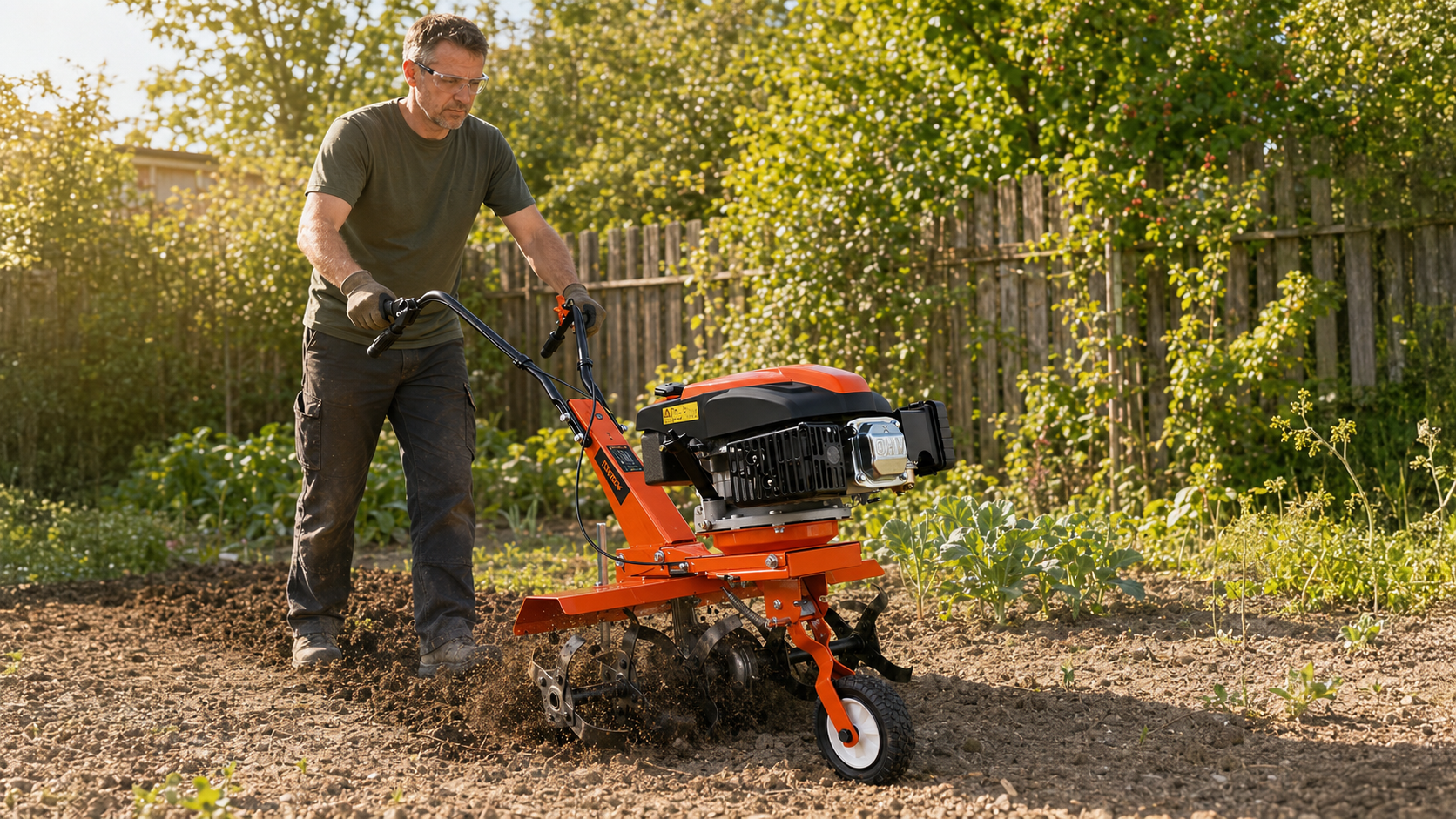
Trockenheit im Garten: Boden lockern, richtig gießen und mit Mulch Wasser sparen
Du gießt das Beet, doch das Wasser bleibt auf der harten Erdoberfläche stehen oder läuft zur Seite ab. Schon nach kurzer Zeit wirkt der Boden wieder trocken, obwohl Du gerade erst zur Gießkanne g...
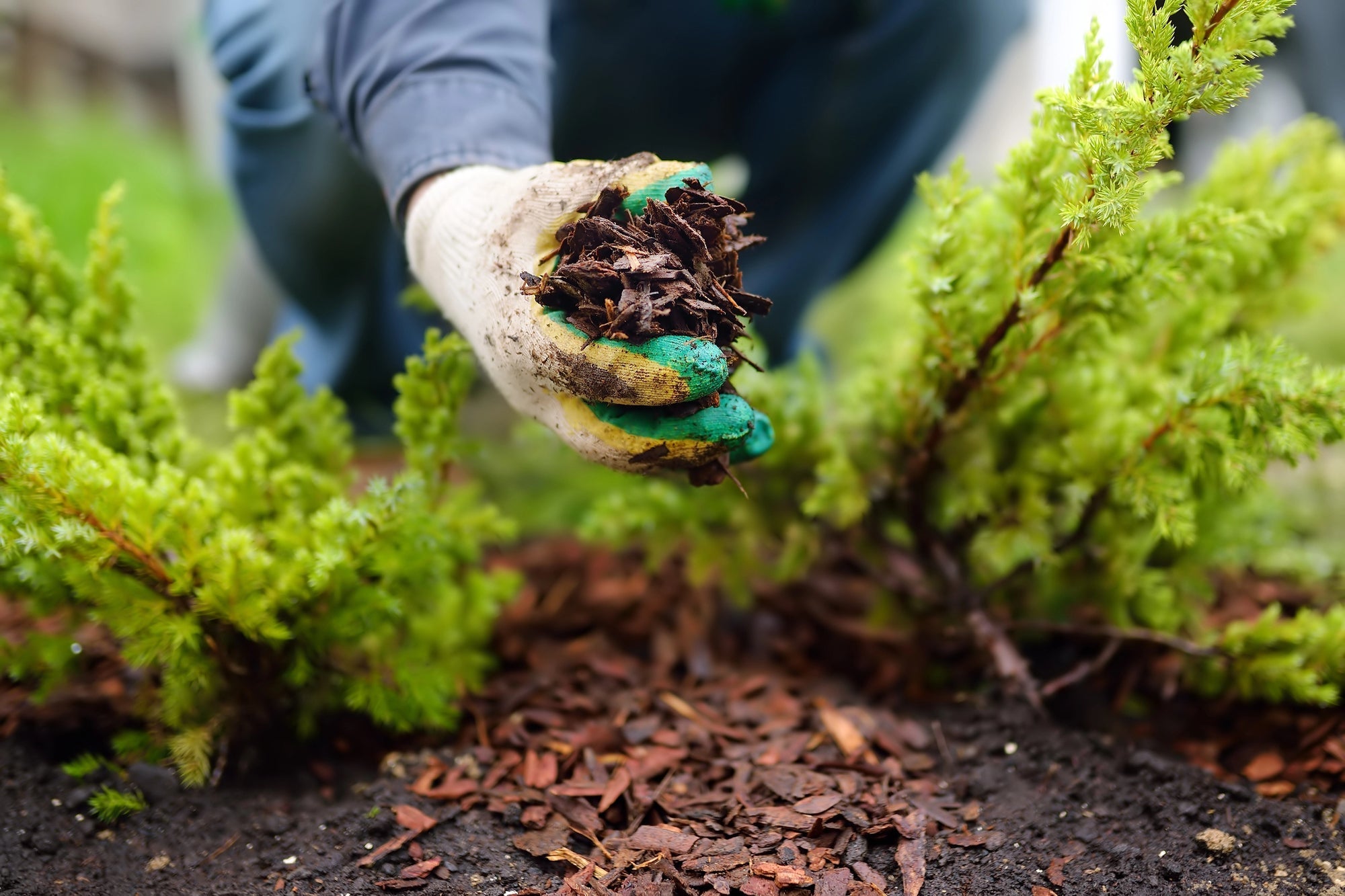
Pine Bark Mulch: The Complete Gardening Guide
Mulching with pine bark is one of the most effective methods in modern gardening and sustainable horticulture. A layer of mulch material is applied to the soil surface to protect and improve the so...
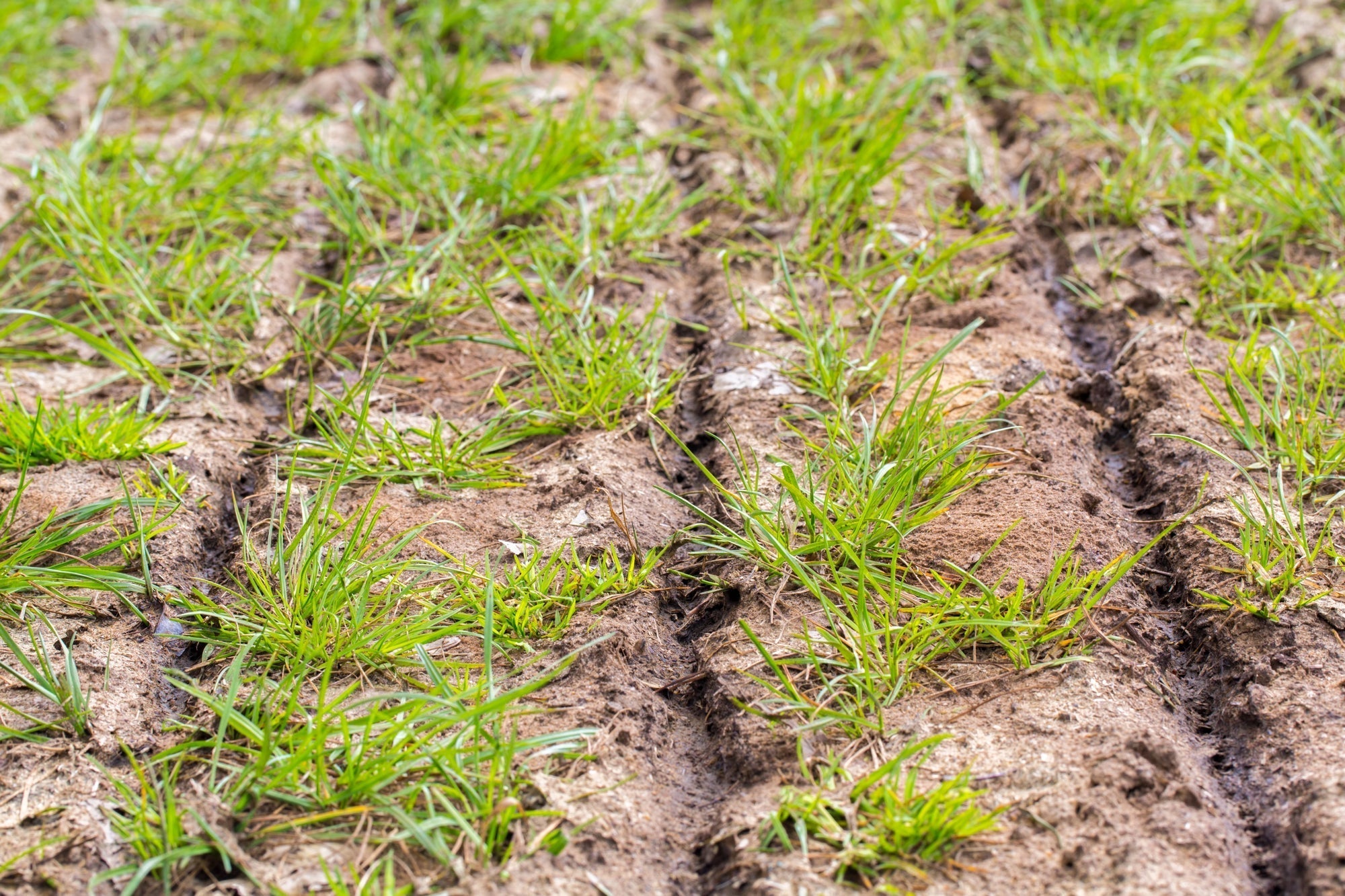
Spring Soil Improvement: Prepare Your Garden Soil
Inhaltsverzeichnis Warum Bodenverbesserung im Garten im Frühjahr so wichtig für einen gesunden Gartenboden ist Gartenboden nach dem Winter prüfen: Bodenstruktur, Verdichtung und Bodenart erke...


