





Remove a Gravel Garden & Restore Green Space
- Essentielle Gartengeräte für einen kleinen Reihenhausgarten
- Bestandsaufnahme – Reihenhausgarten optimal nutzen und größer wirken lassen
- Raumaufteilung im schmalen Reihenhausgarten – Mehr Struktur für kleine Gärten
- Sichtschutz für Reihenhausgärten – Privatsphäre clever gestalten
- Bodenbeläge & Wegeverbindungen – Garten optisch größer wirken lassen
- Bepflanzung & Beete – Bäume, Sträucher und Stauden für kleine Reihenhausgärten
- Vertikale Begrünung im Reihenhausgarten gestalten – Rankhilfen für mehr Höhe
- Beleuchtung & Gartenambiente – Deinen Stadtgarten in Szene setzen
- Gartenmöbel & Stauraum – Multifunktionale Lösungen für kleine Reihenhausgärten
- Pflege & Wartung – Nachhaltige Tipps für den Reihenhausgartenbau
- Praxisbeispiele & Gestaltungsideen – Erfolgreiche Reihenhausgarten-Projekte
- Fazit – Gestaltung eines Reihenhausgartens mit maximalem Wohlfühlfaktor
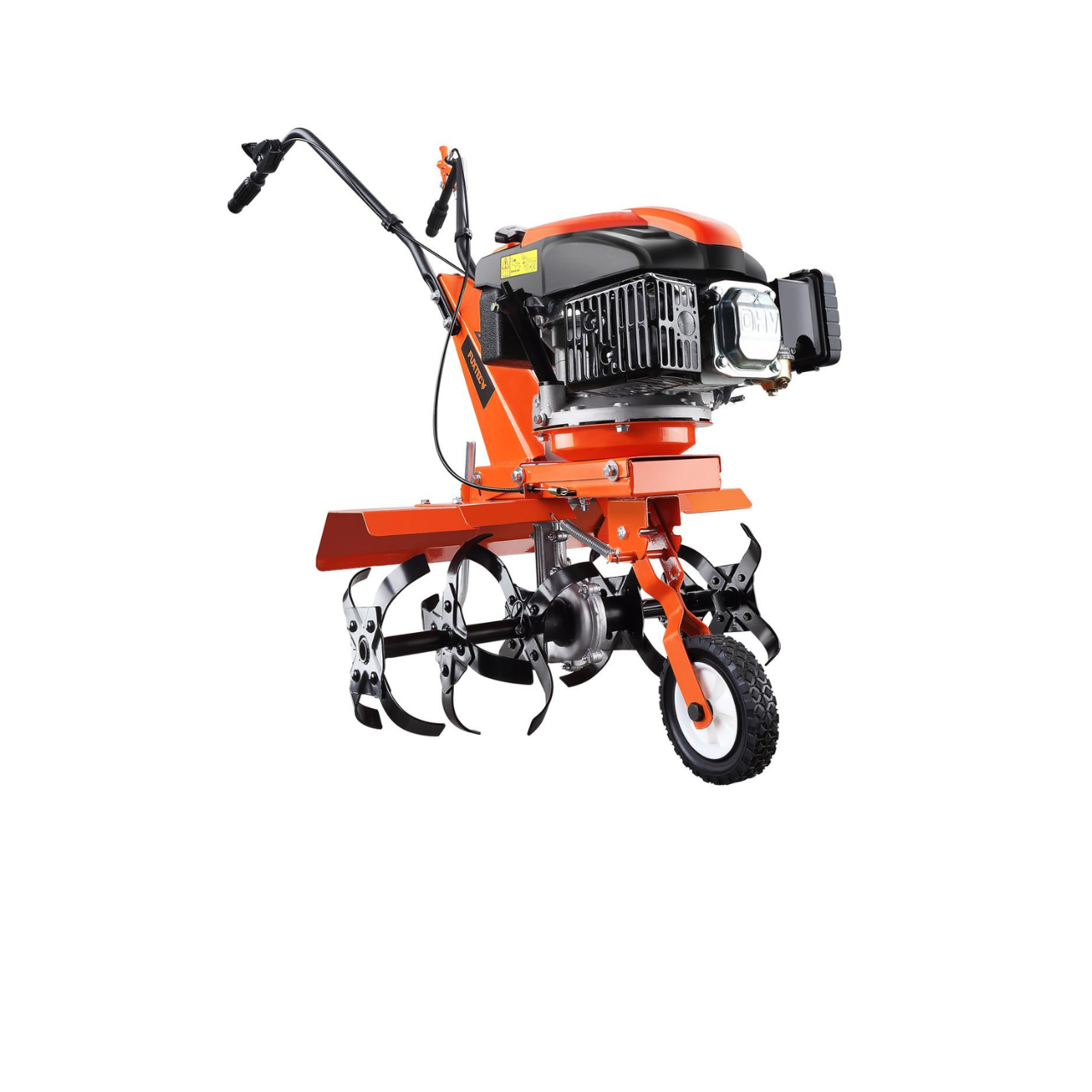
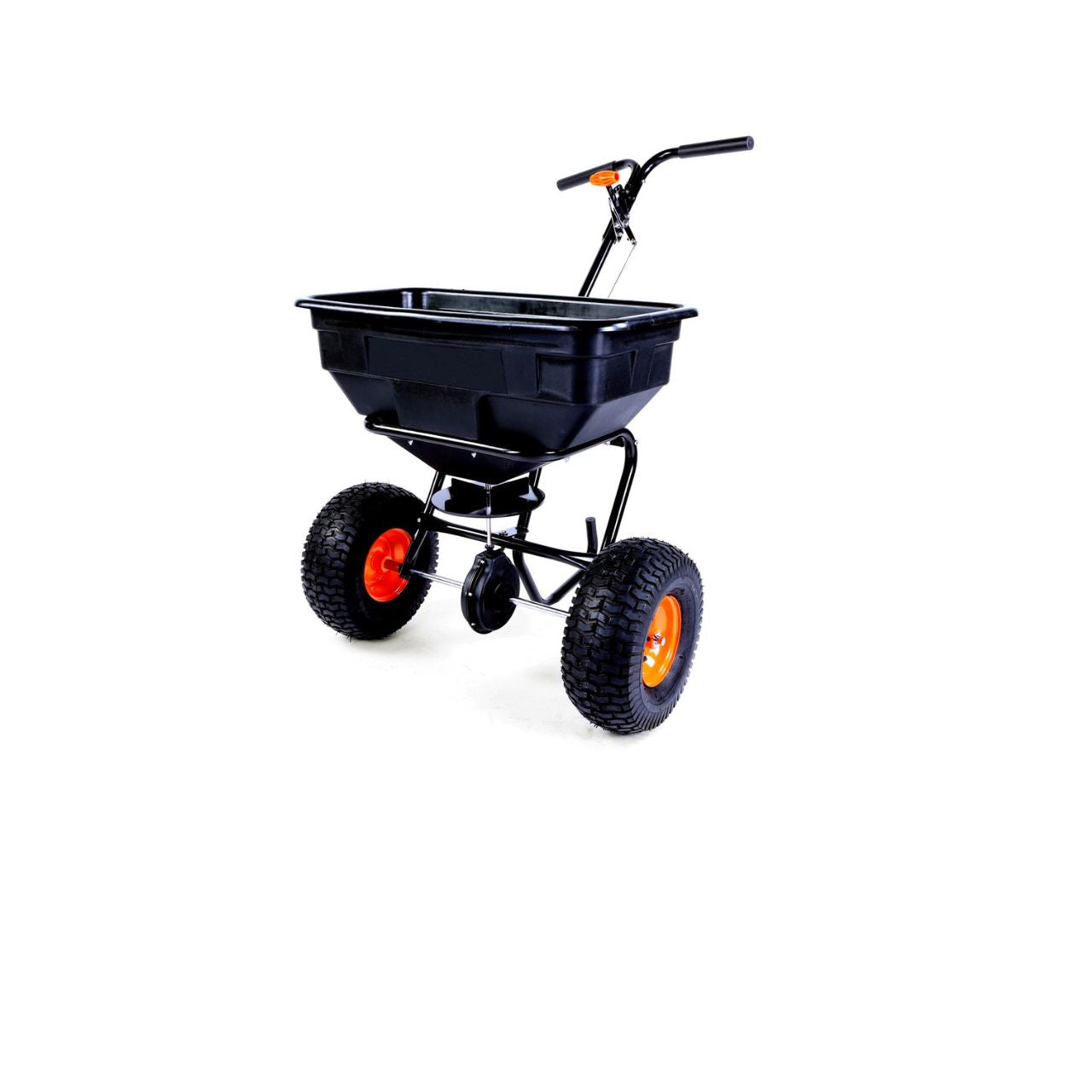
A typical gravel garden may require little maintenance, but gravel gardens are harmful to your garden's microclimate and to insects. Many people opt for gravel gardens to minimise upkeep, yet in doing so they pave over valuable green space. FUXTEC supports you with powerful garden tools to remove gravel and membrane, and to re-green old surfaces. Instead of sealing surfaces further, you can break up the ground with a FUXTEC rotary tiller and work in seed using a spreader, effectively greening your garden. Removing the gravel garden transforms your lifeless stone desert into a vibrant oasis.

Gravel Front Gardens: Why Removing a Gravel Garden Makes Sense
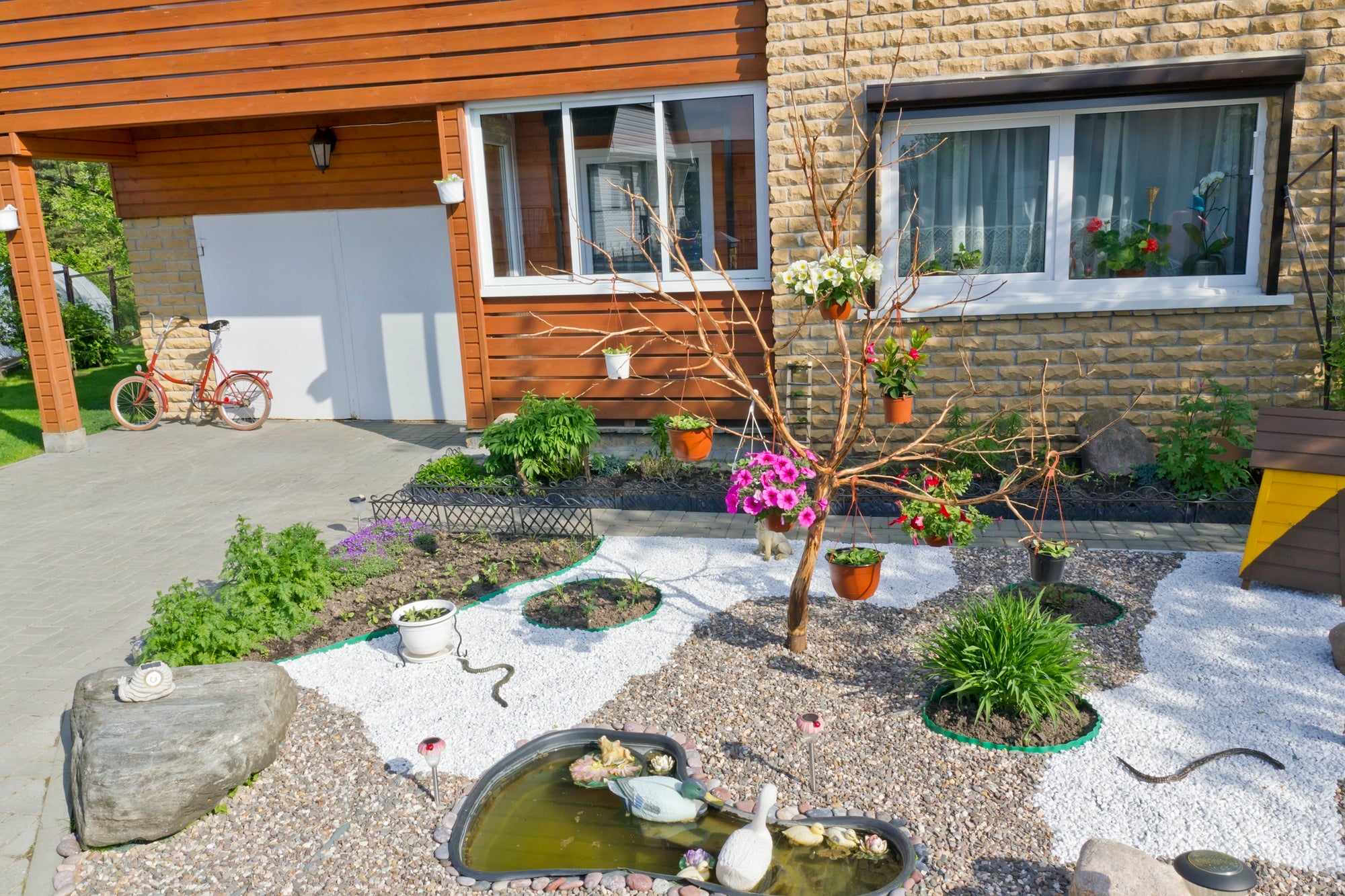
Gravel gardens may appear to be a low-maintenance solution at first glance, but in reality many of these stone deserts are ecologically problematic. These artificial surfaces provide no habitat for bees and other insects, and act like sealed surfaces that allow very little rainwater to drain away. Anyone wishing to redesign their front garden in a healthy, nature-friendly way should consider removal, to transform the gravel wasteland back into a living green space. In doing so, valuable habitats are created for native species such as lizards, and diverse planting is encouraged, rather than leaving the gravel unchanged for decades.
Gravel Garden Restrictions and Local Guidelines on Removal
In many UK local authorities, the installation of new gravel or hard-standing front gardens is increasingly restricted under permitted development rules, particularly following changes to planning regulations designed to protect permeable surfaces and reduce surface water run-off. The restrictions on gravel gardens are based on the disadvantages they bring, especially increased weed maintenance and poor rainwater drainage. Organisations such as the Royal Horticultural Society (RHS) and the Wildlife Trusts actively encourage homeowners to remove existing gravel gardens and replace them with nature-friendly planting. Check with your local council for any available grants, guidance schemes, or planning advice to help you restore your plot in a sustainable, nature-friendly way.
Problems with Gravel Gardens: Loss of Habitat and Damaged Microclimate
The damage gravel gardens cause to the local microclimate is evident in significantly increased heat absorption and evaporation from sealed surfaces. Stone deserts also create a monotonous landscape without structure and inhibit the growth of ground cover plants and wildflowers. Gravel or shingle creates no green oases; instead, it prevents rainwater from soaking into the ground and leads to heavy surface run-off during downpours. At the same time, hard surfaces offer virtually no shelter or food for insects and birds, and lizards find no safe refuge in pure gravel areas.
Assessing Existing Gravel Gardens and Planning a Thoughtful Redesign
Before beginning removal, examine your gravel garden in terms of existing plants, soil quality, and drainage capacity. They are often laid with a weed-suppressing membrane underneath to prevent unwanted growth. This membrane must be removed so that new roots can grow into the soil. In a nature-friendly garden, compost and organic matter play a central role in improving soil structure. Remove any existing weeds, break up the surface with a rotary tiller, and prepare it to receive perennials, shrubs, and ground cover plants that will bring the space to life.
Removing Gravel When Restoring a Gravel Garden: Step by Step
-
Clearing the gravel surface: Begin by removing the gravel and shingle in bulk, and set the material aside for recycling or alternative use.
-
Removing membrane and sheeting: Carefully lift separating layers such as plastic sheeting or weed-suppressing membrane to avoid compacting the soil beneath any further.
-
Rough cleaning and sorting: Separate large stones from fine gravel to prepare the ground evenly.
-
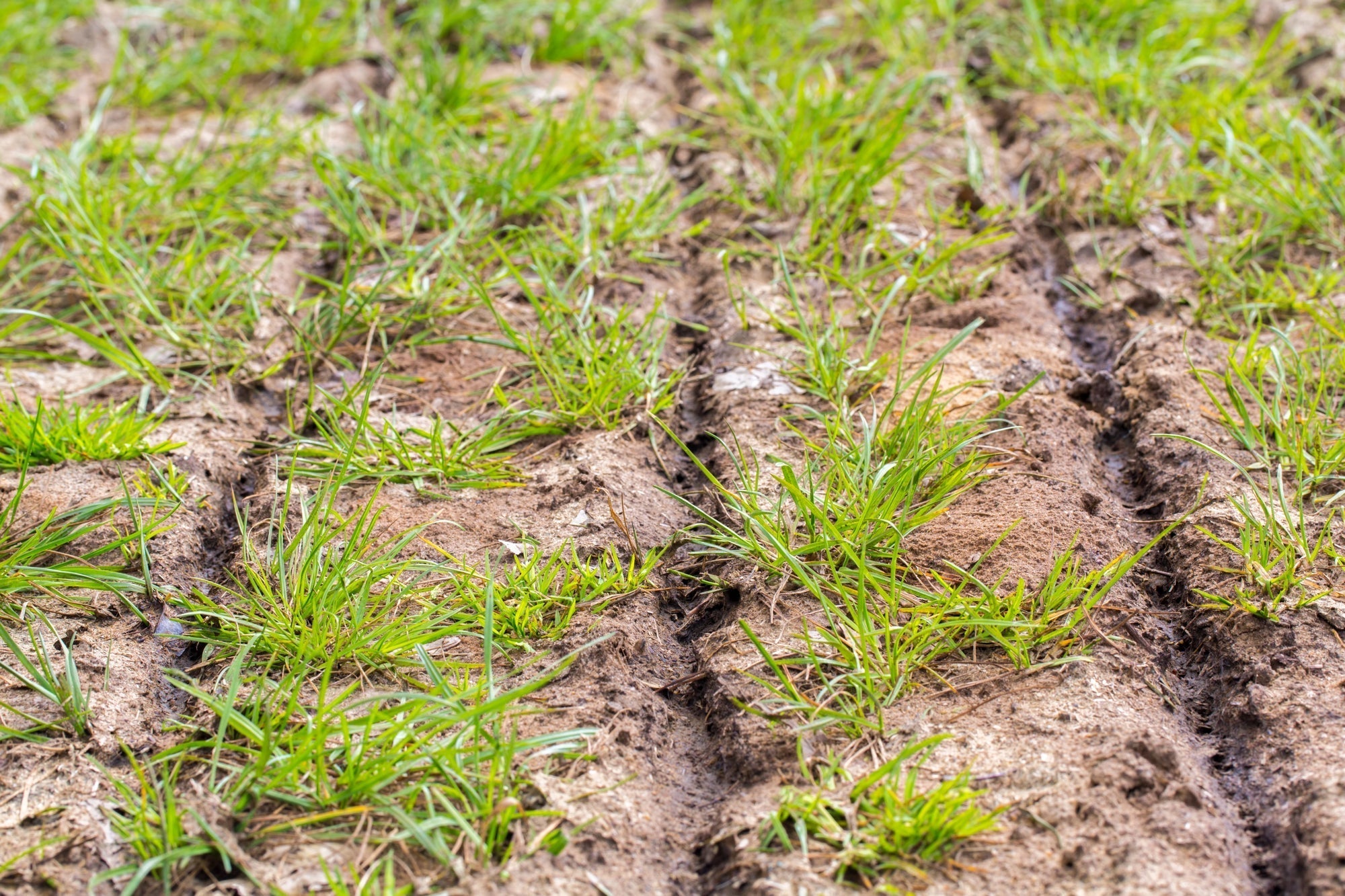
Rotary tilling: Use a rotary tiller to break through compacted layers and incorporate compost, so that rainwater can drain away effectively and new roots can find a firm hold.
Soil Preparation for a Low-Maintenance, Nature-Friendly Garden
After removing the gravel and shingle, correct soil preparation is essential to enable long-lasting planting. With a rotary tiller you can loosen deeper layers, eliminate weed roots, and make it easier to establish new herbaceous borders. You then work compost and organic matter into the upper soil layer to create a healthy humus layer. Remove any remaining membrane and cover the area with a thin layer of nutrient-rich compost. This creates an ecologically valuable garden soil that will allow rainwater to drain freely and requires minimal ongoing maintenance.
Plant Selection for Biodiversity and Effective Weed Suppression
For the redesign, robust perennials and ground cover plants work well, as they quickly form dense carpets and suppress weeds effectively. Opt for native wildflowers and perennials recommended by the Wildlife Trusts or the RHS to promote local biodiversity. Ground cover plants such as ivy or sweet woodruff fill the gaps between perennials, while specimen plantings of buddleia or viper's bugloss attract additional insects and birds. The result is a nature-friendly habitat in place of sterile hard surfaces.
Converting a Gravel Garden: Introducing New Planting and Creating a Low-Maintenance Space
Now plant the prepared area with a mix of drought-tolerant perennials and robust grasses that need little watering. Position taller perennials towards the back and ground cover plants at the front to create a structurally rich green zone. Gravel strips can serve as paths while also aiding drainage. Avoid monotone hard surfaces and introduce splashes of colour with lavender, cranesbill, or yarrow. In this way, a poorly conceived gravel area is transformed into a vibrant, low-maintenance garden habitat.
Easy Ongoing Care: Weed Management and Sustainable Feeding
A nature-friendly, low-maintenance garden requires only minimal intervention. Remove young weed shoots as they appear and refresh the mulch layer occasionally to retain moisture in the soil. A thin dressing of compost in spring provides sufficient nutrients without resorting to chemical fertilisers. Follow the Wildlife Trusts' guidance on nature-friendly maintenance so that insects and other wildlife can thrive undisturbed.
Successful Gravel Garden Transformations: Real-Life Examples and Inspiration
Take inspiration from projects in which front gardens have been restored and now flourish as colourful green spaces. Many amateur gardeners report a noticeably improved microclimate and greater biodiversity after removing their stone deserts. Log piles or stone stacks for lizards, or nest boxes for solitary bees, add further value and turn a formerly sterile space into a thriving wildlife garden.
Sensibly Reusing Gravel in Your New Garden
Rather than simply disposing of the removed gravel, you can reuse it in a variety of ways in your new garden. After removing the old gravel garden, first clean the shingle of any weed debris and membrane remnants — a coarse sieve or a FUXTEC wheelbarrow with a wire mesh insert makes the job easier. You then have the following options:
1. Drainage layer beneath raised beds and large planters
Cleanly washed gravel is ideal as the bottom layer in raised beds or large planters. It ensures that excess rainwater drains away quickly and prevents waterlogging in the root zone of your perennials and shrubs.
2. Solid base for patios and garden paths
Use the gravel as a drainage and levelling layer beneath natural stone slabs or decking boards. A 5–10 cm layer of gravel provides stability and prevents slabs from shifting during frost.

3. Gabions, walls, and decorative features
Gravel in decorative gabions or as fill behind a dry stone wall creates attractive focal points while also providing habitats for insects and lizards that will take up residence in the gaps.
4. Gravel areas and mulch strips
Laid gravel between planting rows or around weather-resistant garden furniture serves as a low-maintenance mulch strip. It suppresses weeds, retains moisture, and reflects sunlight — ideal for Mediterranean herb beds.
5. Creative design features
Fill shallow ceramic or terracotta dishes with gravel and arrange succulents or grasses on top. Gravel also provides a stable base for solar lights or plant supports.
Gravel Garden Removed: Conclusion – Wildlife Garden Instead of Stone Desert
Removing a gravel garden is more than a passing trend: in an era of climate change, nature-friendly green spaces make a valuable contribution to water retention and biodiversity. By removing existing gravel surfaces, enriching the soil with compost, and choosing a diverse range of plants, you transform an unwelcoming grey stone desert into a flourishing, low-maintenance garden. In doing so, you create an ecological oasis that will delight you, as well as bees, lizards, and other wildlife, for years to come.
Discover our range of garden tools

Why should I remove my gravel garden?
Gravel gardens harm local ecosystems by providing no habitat for insects, birds, or lizards, and they prevent rainwater from soaking into the soil, causing excess surface run-off. Removing gravel and replacing it with living plants restores biodiversity, improves your garden's microclimate, and creates a nature-friendly space that thrives.
What's underneath a gravel garden that needs to be removed?
Most gravel gardens are laid over a weed-suppressing membrane or plastic sheeting to prevent unwanted growth. This membrane must be carefully removed so that new plant roots can penetrate the soil beneath and access nutrients and water effectively.
How do I prepare the soil after removing gravel?
Use a rotary tiller to break through compacted layers and incorporate compost and organic matter into the upper soil. This loosens deeper layers, eliminates weed roots, and creates a healthy humus layer that allows rainwater to drain freely whilst providing nutrients for new plants.
What plants grow well in a gravel garden replacement?
Opt for native wildflowers, robust perennials, and ground cover plants recommended by the Wildlife Trusts or RHS, such as lavender, cranesbill, yarrow, and sweet woodruff. These plants quickly form dense carpets, suppress weeds naturally, and attract bees, birds, and other wildlife.
Can I reuse the gravel I remove from my garden?
Yes, cleaned gravel can be reused as a drainage layer beneath raised beds, a base for patios and paths, fill for decorative gabions, or mulch strips around plants. You can also use it creatively in plant containers or around garden features like solar lights.
Are there restrictions on removing gravel gardens in the UK?
Many UK local authorities now restrict the installation of new gravel gardens under planning regulations to protect permeable surfaces and reduce surface water run-off. The Wildlife Trusts and RHS actively encourage homeowners to remove existing gravel gardens; check with your local council for available grants or guidance.
Is a nature-friendly garden high-maintenance?
No, a well-planted nature-friendly garden requires minimal ongoing care—simply remove young weeds as they appear and refresh the mulch layer occasionally. A thin dressing of compost in spring provides sufficient nutrients without chemicals, making it genuinely low-maintenance.
More articles about garden care
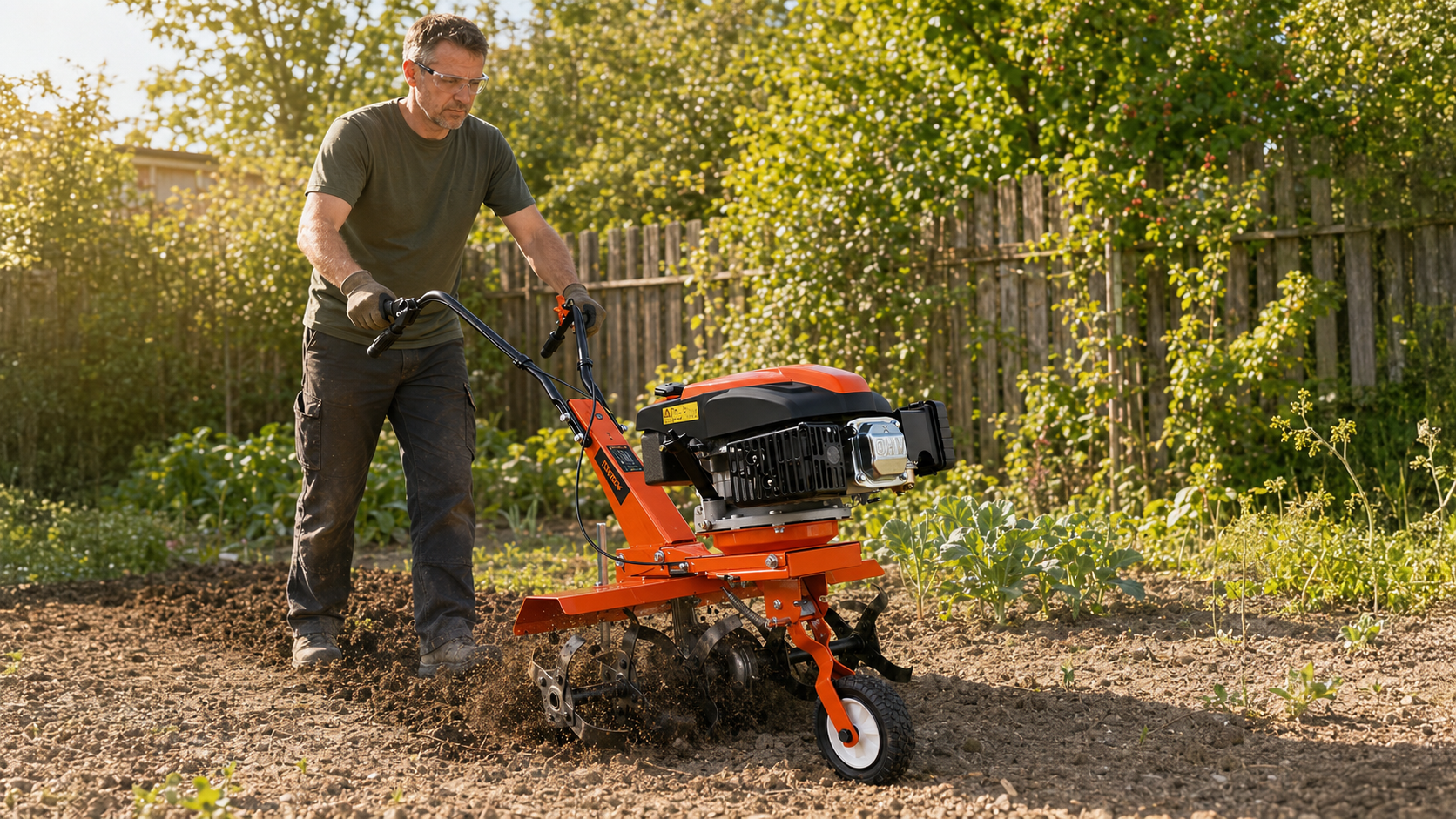
Trockenheit im Garten: Boden lockern, richtig gießen und mit Mulch Wasser sparen
Du gießt das Beet, doch das Wasser bleibt auf der harten Erdoberfläche stehen oder läuft zur Seite ab. Schon nach kurzer Zeit wirkt der Boden wieder trocken, obwohl Du gerade erst zur Gießkanne g...
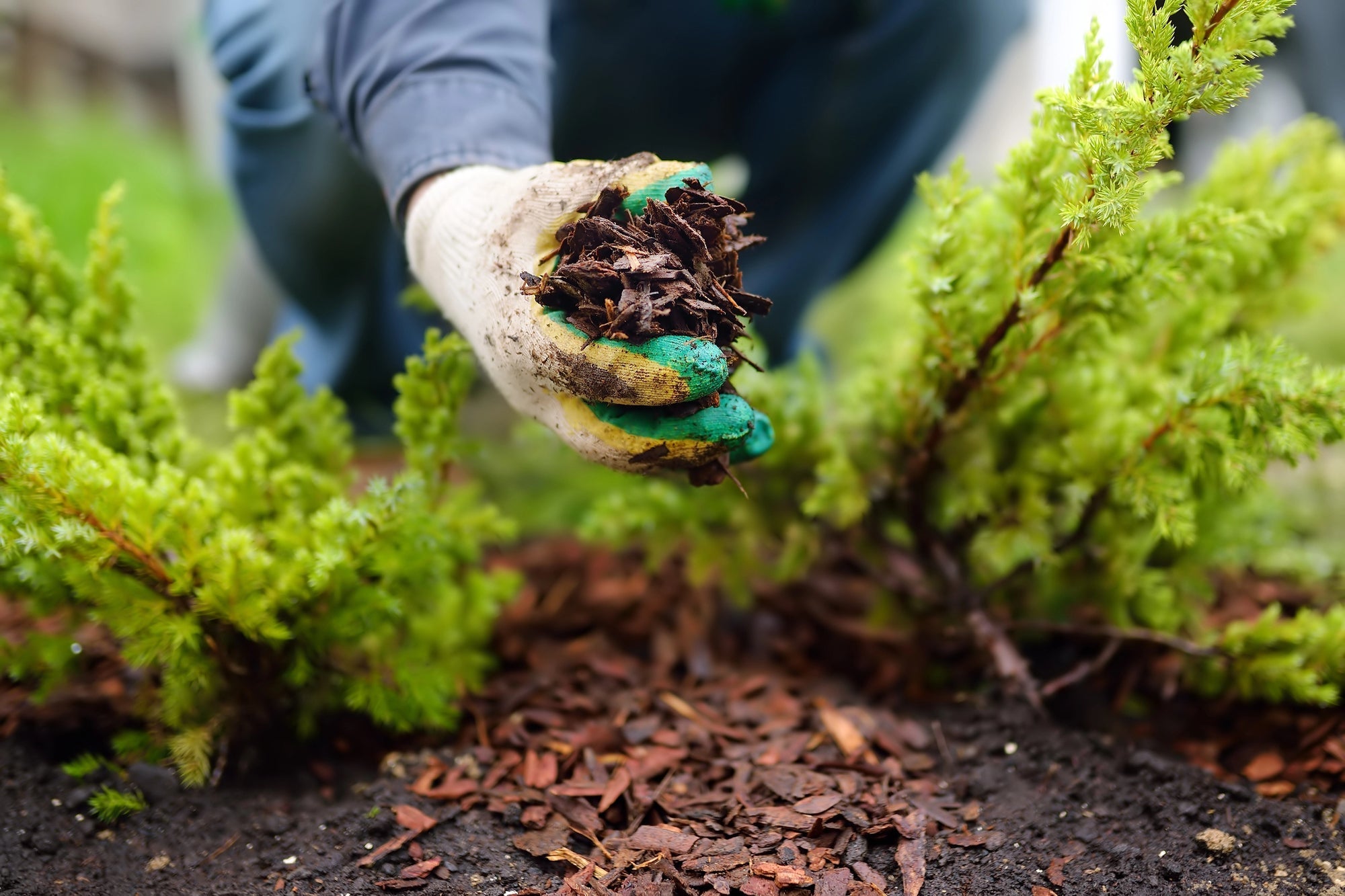
Pine Bark Mulch: The Complete Gardening Guide
Mulching with pine bark is one of the most effective methods in modern gardening and sustainable horticulture. A layer of mulch material is applied to the soil surface to protect and improve the so...
Spring Soil Improvement: Prepare Your Garden Soil
Inhaltsverzeichnis Warum Bodenverbesserung im Garten im Frühjahr so wichtig für einen gesunden Gartenboden ist Gartenboden nach dem Winter prüfen: Bodenstruktur, Verdichtung und Bodenart erke...


