







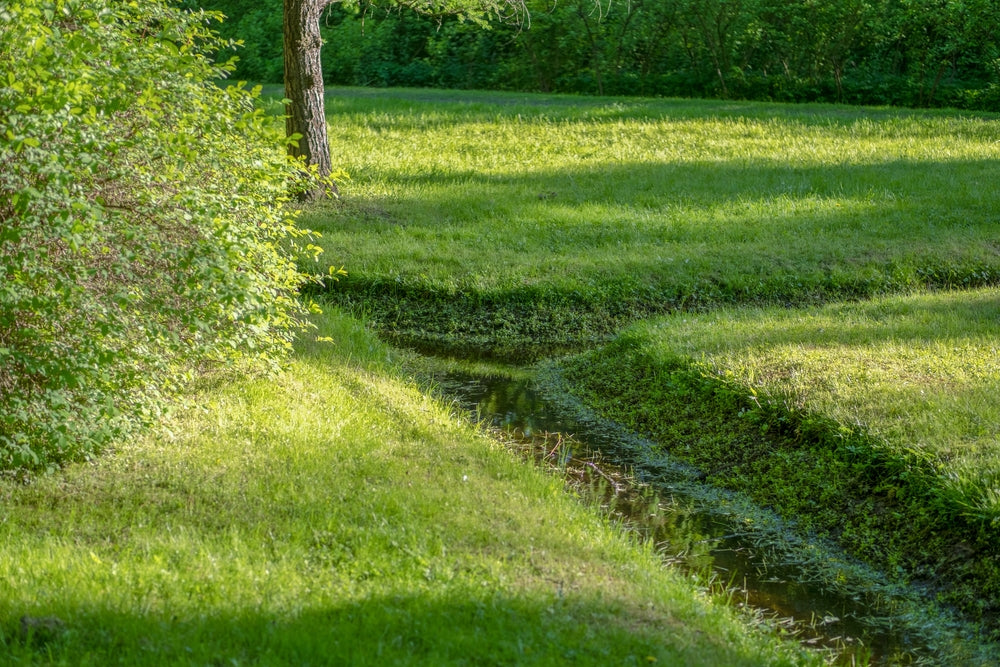
So legst du einen Regengarten an, um Wasser effektiv versickern zu lassen.
How to Build a Rain Garden: Step-by-Step Guide
Inhaltsverzeichnis
-
Was ist ein Regengarten und wie funktioniert die Versickerungsmulde im Garten?
-
Den passenden Standort für den Regengarten finden – Planung und Voraussetzungen
-
Planung des Regengartens – Größe, Form und optimale Gestaltung
-
Regengarten anlegen – Schritt-für-Schritt-Anleitung zum Bau einer Versickerungsmulde
-
Regengarten bepflanzen – die richtige Auswahl an einheimischen Pflanzen
-
Regengarten Pflanzenliste – bewährte Arten für jede Zone im Regengarten
-
Gestaltung eines Regengartens – Ideen für Optik, Struktur und saisonale Highlights
-
Pflege eines Regengartens – so bleibt die Versickerungsmulde dauerhaft funktionsfähig
-
Regengärten im städtischen Raum – Klimaschutz, Artenvielfalt und Regenwassernutzung
-
Fazit: Regengarten gestalten und nachhaltig Regenwasser versickern lassen
Rain gardens are specially designed areas that capture excess rainwater, allow it to soak into the ground, and improve water quality in the process. They help reduce the risk of flooding, filter pollutants, and optimise water management in urban areas. By carefully selecting native plant species, a rain garden not only reduces the risk of flooding but also provides a habitat for a wide range of wildlife.
Anyone looking to create a rain garden will need the right planning, a properly excavated hollow, free-draining soil — or targeted soil improvement — and a considered planting scheme. With the right FUXTEC garden tools, building a rain garden can be carried out efficiently and with ease.
What Is a Rain Garden and How Does a Soakaway Bed Work?
Rain gardens are specially designed areas that are deliberately laid out to collect rainwater and release it slowly into the ground. They typically consist of a shallow depression or soakaway bed that fills with water briefly after rainfall. The depth of a rain garden is usually around 30 cm, providing enough capacity to absorb water safely and allow it to percolate into the soil. Unlike conventional flower beds, rain gardens are constructed to withstand both wet and dry periods — they prevent waterlogging, improve water quality, and help to prevent flooding. Ideally, surface water from roofs and hard-standing areas is directed into the rain garden via channels or underground pipes.
Finding the Right Location for Your Rain Garden – Planning and Requirements
Location is key when designing a rain garden. The area should sit in a slight depression to capture surface water runoff, but must be at least three metres from the house foundations to avoid drainage problems and damp ingress. Surface water is best directed in from roofs or paved areas. Free-draining soil is ideal to allow water to percolate through. If the soil is too heavy with clay, it should be loosened with compost or sharp sand. A FUXTEC scarifier can be used to break up the soil easily — making the job far more manageable. In urban areas prone to heavy downpours, a rain garden helps to prevent localised flooding whilst making the most of a valuable natural resource.
Planning Your Rain Garden – Size, Shape and Optimal Design
The size of a rain garden depends primarily on the roof area or the size of the surface from which rainwater is being redirected. As a general rule of thumb, the rain garden should cover approximately 10–20% of the contributing surface area. Shape and form also matter: oval or teardrop-shaped hollows integrate particularly harmoniously into the garden landscape. The depth of the rain garden is typically around 30 cm. To maximise water storage, the base is shaped so it is deepest in the centre, rising gently towards the edges. You can also use a FUXTEC earth auger to improve drainage into deeper soil layers — simply fill the holes with sharp sand afterwards. A high planting density combining a variety of native plant species makes the rain garden both ecologically valuable and visually attractive.
Building a Rain Garden – Step-by-Step Guide to Creating a Soakaway Bed

-
Mark out the area: Decide on the desired size and shape, then mark out the boundary.
-
Excavate the hollow: Dig out the area to a depth of approximately 30 cm, sloping slightly towards the centre.
-
Prepare the soil: To improve water quality and bind pollutants, mix the subsoil with compost or sharp sand.
-
Shape the depression: Ensure the soil is sufficiently free-draining to prevent waterlogging.
-
Create the inlet: Direct surface water from roofs or pathways into the rain garden via a gradient or an underground pipe.
-
Planting: Choose native plant species that can tolerate both wet and dry periods.
-
Apply mulch: A layer of mulch helps to retain moisture and suppress weeds.
Planting a Rain Garden – Choosing the Right Native Plants
Plants in your rain garden must be able to cope with fluctuating moisture conditions. For the outer edges, grasses such as switchgrass work well, tolerating both drought and wet spells. In the centre, where water sits for longer periods, moisture-loving plants such as yellow flag iris or water forget-me-not are a good fit. Shrubs like dogwood provide structure, while ground cover plants suppress weeds. A mix of native plant species increases resilience to disease, attracts insects, and improves the local microclimate.
Rain Garden Plant List – Tried-and-Tested Species for Every Zone
-
Centre (wet zone): Yellow flag iris, meadowsweet, water plantain
-
Transition zone: Purple loosestrife, pickerelweed, switchgrass
-
Edge (drier zone): Stonecrop, coneflower, lavender
This selection creates a functional natural filtration effect, as the plants filter water and absorb pollutants in the process.
Designing a Rain Garden – Ideas for Aesthetics, Structure and Seasonal Interest
The design of a rain garden can be as individual as the garden itself. Curved edges, stone borders or stepping stones improve access and prevent soil compaction. A combination of grasses, perennials and shrubs creates variety and visual interest. Flowering plants can provide seasonal colour throughout the year, while evergreen species keep the rain garden looking attractive even in winter.
Maintaining a Rain Garden – Keeping Your Soakaway Bed in Good Working Order
In the first few years, regular maintenance is important: remove weeds, replace plants as needed, and refresh the mulch annually. After heavy rainfall, check whether water is soaking away properly or if waterlogging is occurring. If water is sitting for too long, the soil can be improved by incorporating compost or sharp sand to increase drainage.
Rain Gardens in Urban Areas – Climate Resilience, Biodiversity and Rainwater Harvesting
In urban areas, rain gardens help to manage surface water runoff, make better use of natural resources, and mitigate the effects of climate change. They reduce the risk of flooding, improve water quality, and provide a habitat for a wide range of wildlife — from insects to birds.
Conclusion: Design a Rain Garden and Sustainably Manage Rainwater Runoff
A well-planned rain garden is an ecological solution for collecting rainwater, filtering surface water runoff, and preventing flooding. With thoughtful design and the right plant selection, you can create a functional and beautiful habitat that reduces the risk of flooding through controlled drainage and makes a genuine contribution to environmental sustainability.
Discover our range of garden tools


What is the ideal depth for a rain garden?
The ideal depth for a rain garden is typically around 30 cm, which provides enough capacity to safely absorb and percolate rainwater into the soil without causing waterlogging.
How far from my house should I build a rain garden?
Your rain garden should be positioned at least three metres from your house foundations to avoid drainage problems and potential damp ingress.
What size should my rain garden be?
As a general rule, your rain garden should cover approximately 10–20% of the contributing roof or surface area from which rainwater is being redirected.
Which plants are best for the centre of a rain garden?
In the centre where water sits longer, choose moisture-loving plants such as yellow flag iris, meadowsweet, or water forget-me-not that can tolerate wet conditions.
How do I prevent my rain garden soil from waterlogging?
Improve soil drainage by mixing the subsoil with compost or sharp sand, and ensure the depression is shaped to be slightly deeper in the centre to promote proper water percolation.
Can I use a rain garden in an urban area?
Yes, rain gardens are particularly valuable in urban areas as they help manage surface water runoff, reduce localised flooding, improve water quality, and provide habitats for wildlife.
How often should I maintain my rain garden?
In the first few years, regular maintenance is important including weeding, replacing plants as needed, and refreshing the mulch annually to keep your soakaway bed functioning properly.
More articles about garden care

Trockenheit im Garten: Boden lockern, richtig gießen und mit Mulch Wasser sparen
Du gießt das Beet, doch das Wasser bleibt auf der harten Erdoberfläche stehen oder läuft zur Seite ab. Schon nach kurzer Zeit wirkt der Boden wieder trocken, obwohl Du gerade erst zur Gießkanne g...

Pine Bark Mulch: The Complete Gardening Guide
Mulching with pine bark is one of the most effective methods in modern gardening and sustainable horticulture. A layer of mulch material is applied to the soil surface to protect and improve the so...
Spring Soil Improvement: Prepare Your Garden Soil
Inhaltsverzeichnis Warum Bodenverbesserung im Garten im Frühjahr so wichtig für einen gesunden Gartenboden ist Gartenboden nach dem Winter prüfen: Bodenstruktur, Verdichtung und Bodenart erke...


