







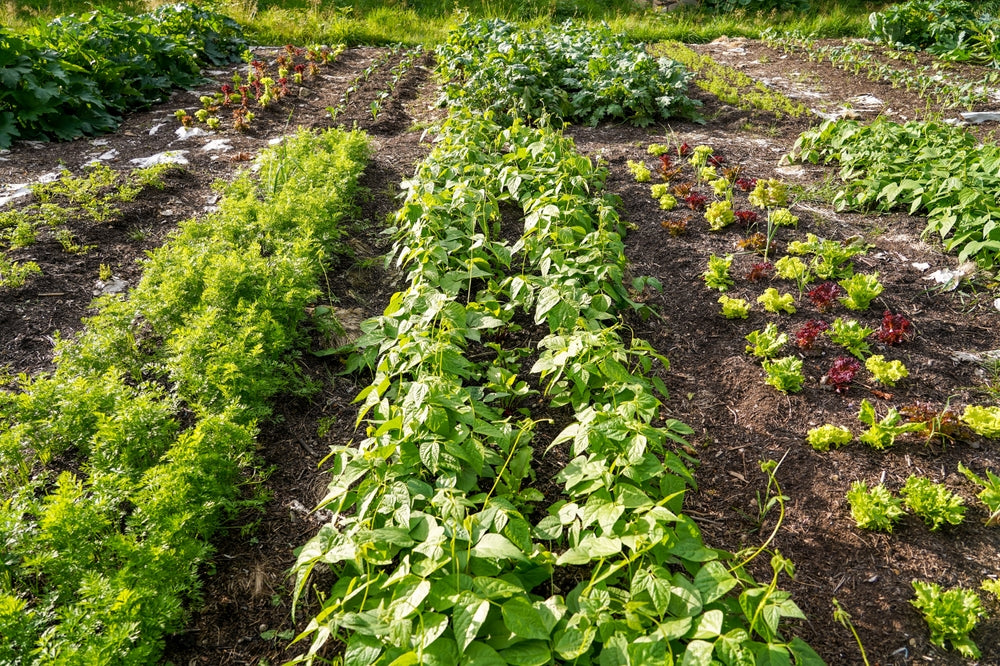
So gelingt eine erfolgreiche Permakultur im eigenen Garten.
Permaculture Garden Guide – Create Your Own
Inhaltsverzeichnis
-
Grundsätze der Permakultur – Gärtnern im Einklang mit der Natur
-
Permakultur-Garten planen – Schritt für Schritt zum eigenen Ökosystem
-
Die Zonen im Permakultur-Garten
-
Permakultur-Beet anlegen – so geht’s
-
Hügelbeet anlegen in der Permakultur
-
Kräuterspirale & weitere Permakultur-Ideen
-
Teiche, Bewässerung und Regenwasser-Nutzung
-
Naturnah und nachhaltig gärtnern
-
Essbares Ökosystem gestalten
- 9 wichtige Vorteile eines eigenen Permakultur-Gartens
-
Inspirationen und Ideen für deinen Permakultur-Garten
-
Fazit – Nachhaltig gärtnern im eigenen Permakultur-Garten
Permaculture is an approach to gardening that uses natural cycles and structures as its foundation. The aim is to design spaces that remain productive in the long term and work in harmony with nature. This concept, developed by Australians Bill Mollison and David Holmgren, can be applied to gardens of all sizes — from a small allotment to a large plot.
Creating a permaculture garden involves combining planning, appropriate planting, and adapted maintenance. To help you get started efficiently, we'll also highlight tools from the FUXTEC range that you can use throughout the process.
In this article, you'll discover the key principles for setting up a permaculture garden, which structures have proven their worth, and how to make a successful start in your own outdoor space.
Principles of Permaculture – Gardening in Harmony with Nature
The permaculture philosophy is built on three core ethics:
-
Care for the Earth – preserving and improving natural resources.
-
Care for People – designing productive spaces to meet human needs.
-
Fair Share – passing on surpluses in the form of harvest, seed, or knowledge.
These principles can be put into practice in the garden through targeted measures. One important method is companion planting, where plants are combined so that they support one another and pest pressure is reduced. For example, planting herbs such as basil between tomatoes can help deter insect pests.
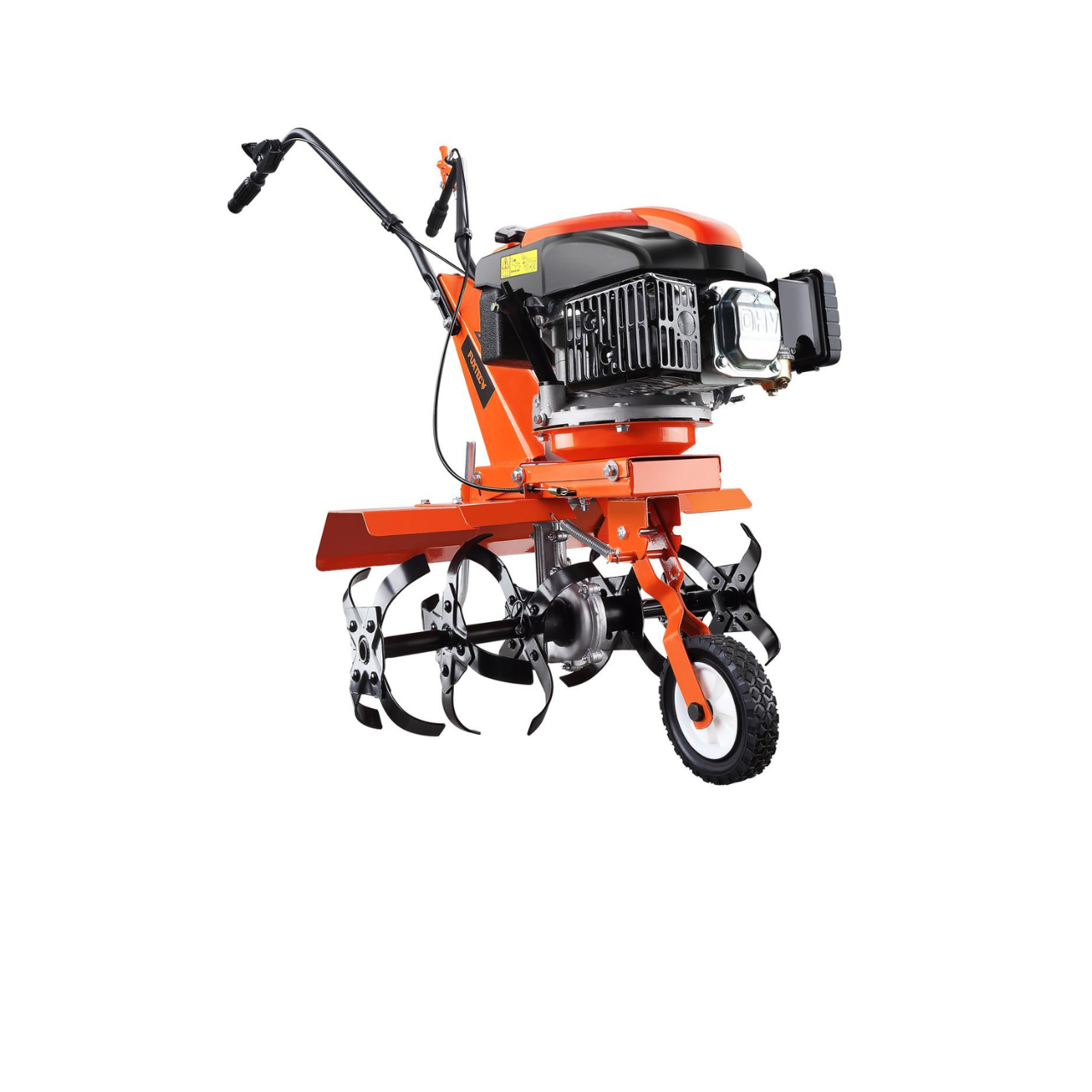
For preparing the soil in a permaculture garden, the FUXTEC petrol rotavator is ideally suited. It works the soil without the need for full digging, preserving the habitat of micro-organisms and keeping the structure stable.
Using compost helps to improve soil fertility. Mulching with straw or leaves retains moisture in the soil and suppresses the growth of unwanted plants. Perennial plants such as fruit bushes or berry plants provide a continuous yield without the need for annual replanting.
Planning a Permaculture Garden – Step by Step Towards Your Own Ecosystem
Planning is essential for creating a functioning permaculture garden. Before getting started, the whole garden should be observed over a longer period. This allows you to identify sunny and shady areas, wet and dry zones, and prevailing wind patterns.
A first step is a soil analysis. The pH level, humus content, and structure will indicate which plant species are likely to thrive. Soil fertility can be improved through green manures, compost, or organic fertiliser. Rainwater should be collected using water butts or storage systems. A FUXTEC garden pump suitable for your garden can then distribute the water efficiently across your beds.

When selecting plants, variety is key. Perennials, berry bushes, fruit trees, and a wide range of herbs form the backbone. In smaller gardens or on an allotment, a raised bed can provide additional growing space while reducing the amount of maintenance needed.
The Zones in a Permaculture Garden
The permaculture zone concept divides the garden into five areas, organising spaces according to frequency of use and maintenance:
-
Zone 0 – the house or greenhouse, often the central starting point.
-
Zone 1 – areas used daily, such as the vegetable patch, herb bed, or salad leaves.
-
Zone 2 – fruit and berry bushes, larger vegetable varieties.
-
Zone 3 – main growing areas for larger crops or grain.
-
Zone 4/5 – semi-wild to fully wild areas for ecological diversity.
This is of course only a rough guide, but it enables short routes to frequently needed plants and encourages a clear structure. In Zone 1, kitchen herbs such as parsley or mint can be grown; in Zone 3, robust crops such as potatoes or squash.
Creating a Permaculture Bed – How It's Done
A permaculture bed can be created using the no-dig method. Rather than turning the soil, layers of compost, mulch, and organic material are built up on top. This approach preserves the existing structure and the habitats of micro-organisms. In most cases, however, it is beneficial to loosen the soil thoroughly beforehand. A rotavator is well suited for this, as it can deeply break up compacted ground. This creates better starting conditions for plants before the bed is developed permanently along permaculture principles.
How to proceed:
-
Clear the area of coarse weeds such as dandelion or nettles.
-
Lay down a layer of cardboard or mulch as a base.
-
Apply compost and organic material such as leaves or grass clippings.
-
Plant up with suitable vegetable plants and seed.
Mulching retains moisture in the soil and suppresses unwanted growth. Companion planting promotes healthy plants by attracting beneficial insects and deterring pests.
For removing leaves and light garden debris, the FUXTEC cordless leaf blower is ideal, as it does not disturb the soil surface.
Building a Hugelkultur Bed in Permaculture
A hugelkultur bed harnesses the decomposition of organic material to provide nutrients and retain warmth. It is built up in layers:
-
Coarse woody material as the bottom layer.
-
Shrub and branch prunings, turf, and partially decomposed compost in the middle.
-
Fertile soil, organic fertiliser, and mulch on top.
A hugelkultur bed stores rainwater and offers various microclimates for different plants. In the upper, drier sections, Mediterranean herbs can thrive, whilst moisture-loving crops flourish lower down.
The bed can be built in spring or autumn, allowing the layers to settle before planting.
Herb Spiral & Further Permaculture Ideas
A herb spiral offers, much like a hugelkultur bed, a variety of growing conditions within a small space. Stones, bricks, or timber can be used to construct a herb spiral. Dry, sunny conditions develop at the top, whilst the lower sections remain moister. This allows a wide range of herbs such as thyme, sage, mint, and parsley to be grown together.

Further ideas:
-
Berry bushes as border planting along paths or fences.
-
Combining a raised bed with a garden screen.
-
A greenhouse for frost-tender plants to extend the growing season.
Ponds, Irrigation, and Rainwater Harvesting
A pond is an important feature in a permaculture garden. It serves as a habitat for frogs, insects, and birds, contributes to biodiversity, and acts as a natural water store.
Rainwater should be collected in water butts or underground tanks. FUXTEC offers pump solutions to distribute water efficiently across beds and raised beds. Swales (shallow ditches) help to retain water within the soil.
To keep your pond healthy, you should stabilise it with aquatic plants, small fish, or marginal planting along the edges.
Wildlife-Friendly and Sustainable Gardening
Sustainable gardening avoids the use of pesticides and relies on beneficial insects and wildlife to manage pests. Companion planting and the integration of perennial plants help stabilise the ecosystem.
Maintenance practices such as mulching, composting, and using green manures improve humus content and support micro-organisms. Nettle feed can be used as a natural liquid fertiliser.
Maintaining wildlife areas requires little mechanical intervention; for pruning tasks, FUXTEC cordless tools are well suited for precise, emission-free work.
Designing an Edible Ecosystem
An edible ecosystem combines vegetable beds, fruit trees, berry bushes, and a wide variety of herbs. Through layered planting with perennials, the available space is used efficiently.
The approaches of Masanobu Fukuoka, as well as the concepts of Mollison and Holmgren, demonstrate that permaculture works without intensive soil cultivation — at least where the soil is in good condition — and without the use of chemical inputs.
For a continuous harvest, a mix of vegetable varieties, annual crops, and long-term productive plants is important. Planting should be arranged so that plants mutually support one another.
9 Key Benefits of Your Own Permaculture Garden
-
Soil fertility: Compost, mulching, and green manures increase humus levels. Soil structure remains stable, micro-organisms work efficiently, and plants absorb nutrients more consistently.
-
Water management: Collected rainwater, mulch layers, and infiltration structures reduce the need for watering. Water butts and tanks can be distributed precisely across beds using FUXTEC pumps.
-
Biodiversity: A greater variety of plant species creates habitats for beneficial wildlife and measurably increases biodiversity, which in turn reduces pest pressure.
-
Reliable yields: A combination of perennially productive woody plants and annually grown vegetables delivers a steady harvest throughout the season. A small greenhouse can extend the cropping period.
-
Reduced maintenance: Permanent ground cover, companion planting, and hardy varieties all mean less work.
-
Resource efficiency: Working organically reduces the need for bought-in fertiliser and water; prunings remain in the cycle as mulch.
-
Climate benefit: Building humus sequesters carbon. Short supply chains and local self-sufficiency reduce transport dependency.
-
Resilience: Diversity buffers against crop failures; risks typical of monoculture are reduced.
-
Seed and knowledge sovereignty: Saving your own seed and keeping records of growing rotations strengthens long-term planning.
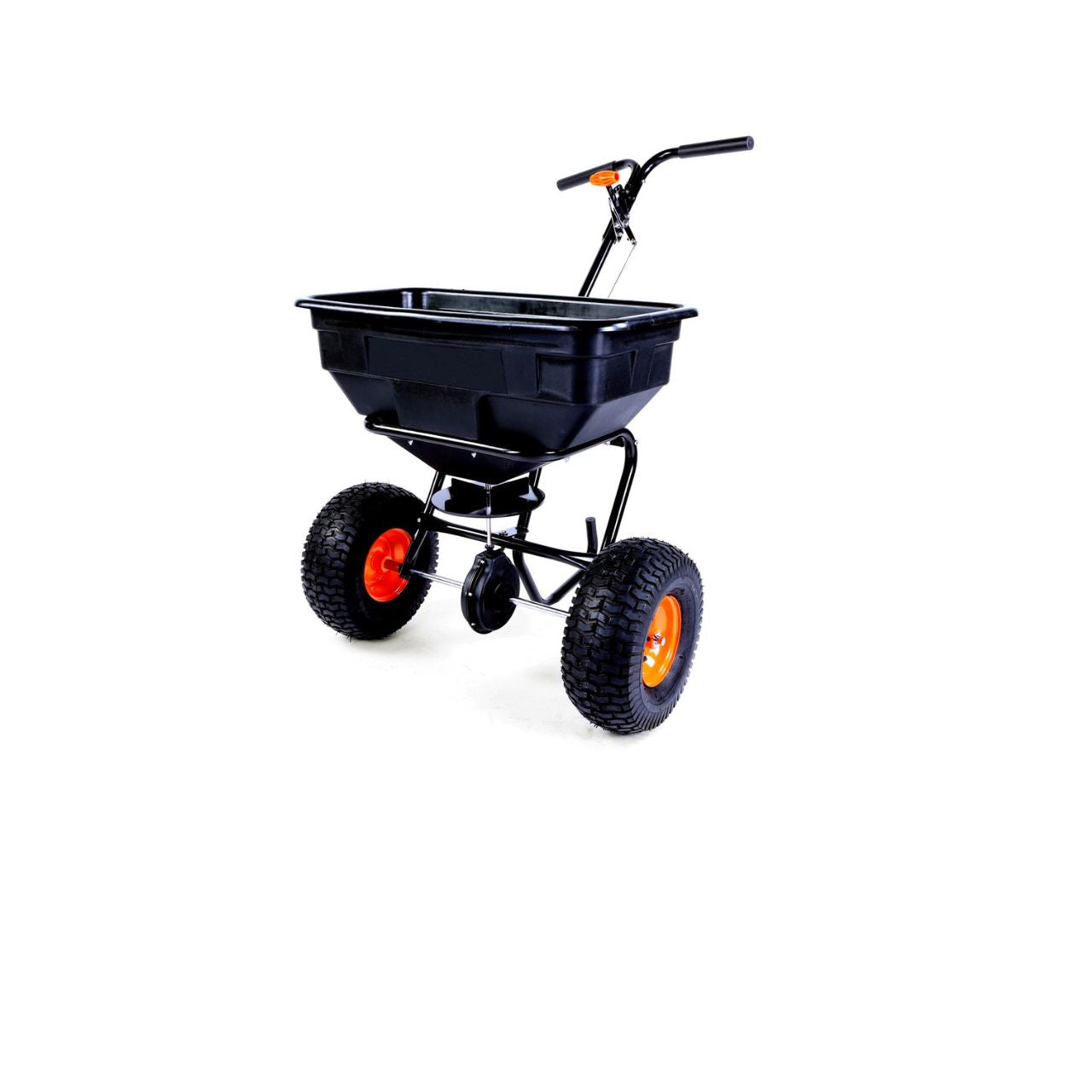
Practical aids: FUXTEC spreaders (for the fine distribution of sieved compost or fertiliser) ensure clean workflows without compacting the soil.
Inspiration and Ideas for Your Permaculture Garden
Permaculture ideas can be adapted to different plot sizes and goals.
-
50–200 m² (typical garden): Zone plan with a kitchen bed in Zone 1, a berry hedge as a windbreak, a compact raised bed for early crops, and a small pond for water retention. A greenhouse against a sunny south-facing wall serves as a Zone 0 extension. Trellis structures for trained fruit trees make the most of space in the garden.
-
Under 50 m² / allotment and smaller plots: A modular system with three narrow strip beds (crop rotation), vertical elements (beans, cucumbers), and herbs in a mini spiral. A narrow raised bed provides a warm, well-drained growing space.

-
200–600 m²: A forest garden approach (tree, shrub, herb, and ground cover layers) plus a bog bed at the pond edge. Berry bushes mark zone boundaries; swales retain rainwater in the soil for longer. For maintenance in tree canopies, a cordless pole pruner is recommended.
-
Season extension: Cold frames and a greenhouse for raising seedlings; heat-retaining raised beds or stone structures along the south-facing boundary.
-
Workflow: A collection point for mulch, compost, and tools close to Zone 1; plan paths so that you can harvest in a single circuit.
Conclusion – Sustainable Gardening in Your Own Permaculture Garden
Permaculture represents a clearly structured approach based on observation, planning, and a resource-conscious relationship with nature. Those who implement a permaculture garden consistently design the whole space so that plants and animals operate within functioning cycles. In the spirit of permaculture, areas emerge that fulfil multiple purposes — from the vegetable plot and fruit and shrub zones through to wildlife-friendly spaces.
The deliberate building of humus through compost, mulching, and green manures ensures a lasting supply of nutrients. The clear division into five zones makes maintenance easier and increases yields without resorting to monoculture. Those who wish to grow a wide variety of crops can plan both seasonally and over multiple years whilst simultaneously promoting biodiversity.
A permaculture garden means not only sustainable yields, but also less dependence on external resources. With suitable tools from the FUXTEC range, every concept can be implemented efficiently and precisely. This keeps the garden permanently productive, stable, and ecologically valuable.
Discover our range of garden tools

What are the three core ethics of permaculture?
The three core ethics are Care for the Earth (preserving and improving natural resources), Care for People (designing productive spaces to meet human needs), and Fair Share (passing on surpluses in the form of harvest, seed, or knowledge). These principles guide all permaculture design decisions.
What is the no-dig method in permaculture?
The no-dig method involves building up layers of compost, mulch, and organic material on top of the soil rather than turning it over. This approach preserves the existing soil structure and protects the habitats of beneficial micro-organisms whilst creating fertile growing conditions.
Why should I divide my permaculture garden into zones?
The five-zone system organises your garden according to frequency of use and maintenance needs, with Zone 1 being daily-use areas like vegetable patches and herbs, up to Zones 4 and 5 being semi-wild spaces. This structure shortens the routes to frequently needed plants and encourages clear, efficient garden management.
What is companion planting and how does it help?
Companion planting combines plants so they support one another and reduce pest pressure, for example growing basil between tomatoes to deter insect pests. This practice promotes healthy plants by attracting beneficial insects whilst maintaining a natural balance without chemical pesticides.
How do I collect and use rainwater in a permaculture garden?
Rainwater should be collected in water butts or underground storage tanks, then distributed across beds using a garden pump. Swales (shallow ditches) and ponds also help retain water within the soil, reducing the need for constant watering and creating habitats for wildlife.
What is a hugelkultur bed and what are its benefits?
A hugelkultur bed is built in layers with coarse woody material at the bottom, shrub prunings and compost in the middle, and fertile soil on top. It harnesses decomposition to provide nutrients and warmth whilst storing rainwater and offering various microclimates for different plants.
Can I create a permaculture garden in a small space?
Yes, permaculture principles scale to any size, from allotments under 50 m² using modular systems with vertical elements and mini herb spirals, to typical gardens with zone planning and raised beds. An herb spiral is an excellent space-saving feature that provides varied growing conditions for multiple herbs.
More articles about garden care

Trockenheit im Garten: Boden lockern, richtig gießen und mit Mulch Wasser sparen
Du gießt das Beet, doch das Wasser bleibt auf der harten Erdoberfläche stehen oder läuft zur Seite ab. Schon nach kurzer Zeit wirkt der Boden wieder trocken, obwohl Du gerade erst zur Gießkanne g...
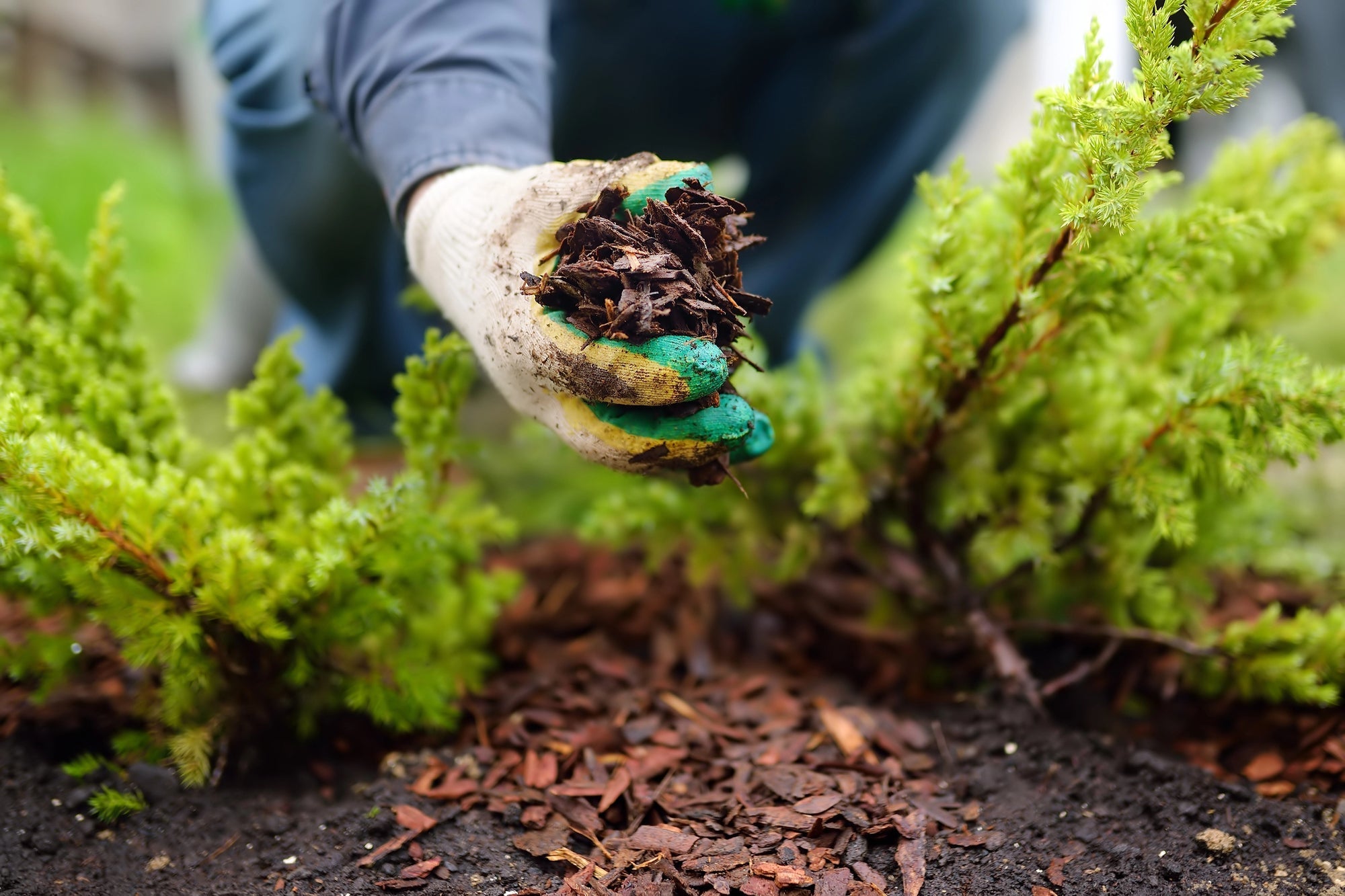
Pine Bark Mulch: The Complete Gardening Guide
Mulching with pine bark is one of the most effective methods in modern gardening and sustainable horticulture. A layer of mulch material is applied to the soil surface to protect and improve the so...

Spring Soil Improvement: Prepare Your Garden Soil
Inhaltsverzeichnis Warum Bodenverbesserung im Garten im Frühjahr so wichtig für einen gesunden Gartenboden ist Gartenboden nach dem Winter prüfen: Bodenstruktur, Verdichtung und Bodenart erke...


