




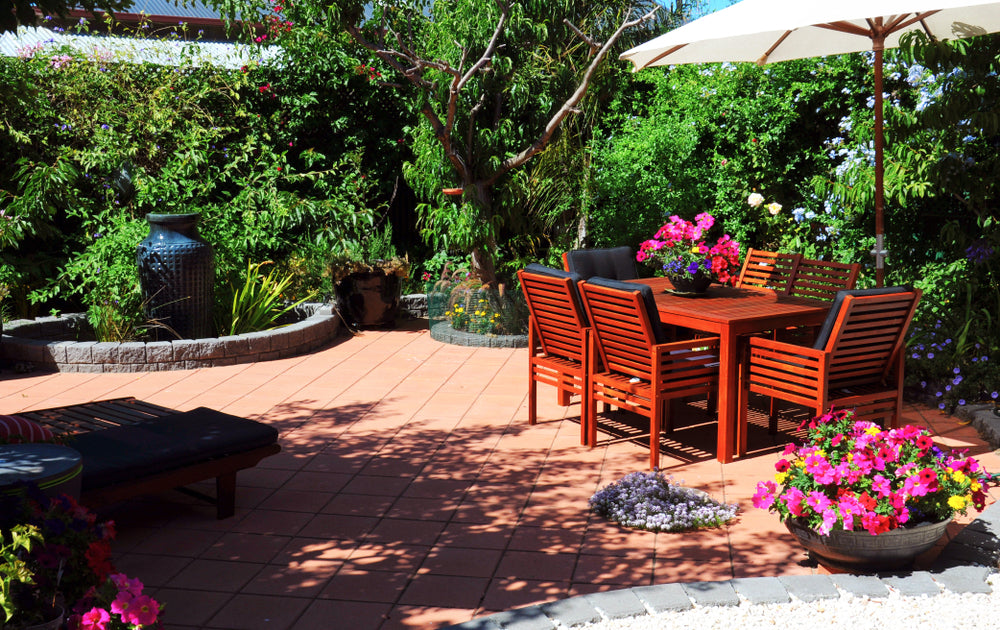
Garten mediterran gestalten für Urlaubsfeeling im eigenen Garten!
Mediterranean Garden Design: Ideas & Tips
- Was macht die mediterrane Gartengestaltung aus?
- Garten mediterran gestalten: Standort im sonnigen Süden
- Naturstein & Terrakotta: Mediterrane Materialien für Terrasse
- Mediterrane Pflanzen & Kräuter für deinen Garten
- Stauden, Sträucher & Immergrüne Gewächse
- Kübel & Container: Mediterrane Gartenmöbel & Kübelpflanzen
- Bepflanzung & Pflege: Trockenresistente Bepflanzung
- Mediterrane Terrasse & Pergola: Ideen & Inspirationen
- Garten anlegen & Gestaltungstipps: Kies, Palmen & Zypressen
- Mediterrane Oase schaffen: Garten schön gestalten
A Mediterranean garden transforms your outdoor space into a holiday retreat. Natural stone, terracotta planters and water features are hallmarks of the style, combined with sun-loving plants from the Mediterranean region. In this FUXTEC guide, we walk you through step by step how to create a Mediterranean garden: from choosing the right spot and selecting plants to décor ideas for your patio and pergola.
What defines Mediterranean garden design?

Mediterranean garden design is characterised by clean lines, sunny spots and planting schemes built around drought-tolerant plants. Cypress trees, an olive tree, rosemary, lavender and thyme set the scene. Natural stone pathways, gravel areas and terracotta pots add to the Mediterranean feel and create screening that is both decorative and functional. Good planning that takes into account the right position — sunny and sheltered from cold winds — is essential to provide optimal growing conditions.
Creating a Mediterranean garden: choosing a sunny spot
A Mediterranean garden thrives best in the south-facing area of your plot. Full sun is essential so that citrus plants and olive trees receive enough warmth to flower and set fruit. Protect tender plants in winter with horticultural fleece or a light covering so that hardier varieties such as oleander and dwarf palms come through unscathed. Cold northerly winds can be kept at bay with a hedge or a natural stone wall, helping to retain warmth in the garden for longer.
Natural Stone & Terracotta: Mediterranean Materials for the Patio
When designing a Mediterranean garden, the choice of materials plays a central role. Natural stone and terracotta not only bring a warm colour palette into play, they also lend your outdoor space an unmistakable Mediterranean character. When planning a Mediterranean garden, surfaces should be chosen that sit comfortably in sun-drenched surroundings and stand the test of time. Natural stone such as sandstone or limestone forms the basis for paved pathways and patio slabs that absorb and radiate warmth beautifully. Combining these elements with a gravel or rock garden creates visually striking contrasts while reducing maintenance and preventing unwanted weed growth.
Terracotta plant pots and classic amphorae are the finishing touch and should not be missing from any Mediterranean garden. Aromatic herbs and citrus plants grow particularly well in these containers, as their roots benefit from the porous clay structure that prevents waterlogging. Sage, oregano and rosemary thrive just as well as oleander or dwarf palms, provided you protect them during frosty winters or choose hardy Mediterranean varieties. When planting up, aim for the right mix: deep-rooting species anchor the terracotta pot, while shallower-rooting herbs cover the surface and instantly contribute to that Mediterranean feel.

For pathways, self-binding gravel or crushed natural stone works beautifully, integrating seamlessly into your garden and developing a charming patina over time. Lay the stone slabs slightly offset for a rustic look that sits harmoniously within the rock garden. Round off the design with small dry-stone walls or border edging that not only provide informal seating but also reinforce the Mediterranean character of your garden. In this way, functional pathways, decorative accents and the natural aesthetic of terracotta and stone come together to create a cohesive overall picture.
Mediterranean Plants & Herbs for Your Garden
To capture the unmistakable southern European feel in your Mediterranean garden, the right herbs and plants are at the heart of any planting scheme. With the right selection of plants you create a genuine Mediterranean atmosphere and design a garden that delights both visually and in the kitchen.
Fragrant herbs for the Mediterranean style
When planting your garden, focus primarily on classic Mediterranean herbs that are at home in many beautiful gardens across the Mediterranean region. Sage, oregano, rosemary and marjoram form a harmonious combination in borders and raised beds, smell wonderful and enhance your cooking with authentic Mediterranean flavours. These hardy herbs grow well in British gardens too and need very little water — perfect if you want to design a Mediterranean garden without too much effort.
-
Sage: Thanks to its robust nature and intense fragrance, sage is indispensable for planting up herb borders.
-
Rosemary: With its needle-like leaves, it delivers the distinctive flavour for fish and meat dishes.
-
Oregano: The classic in the world of pizza and pasta, it germinates quickly and can spread rapidly.
-
Marjoram: Milder in aroma, ideal for soups and stews; brings a light, airy quality to the border at the same time.
For larger areas or rock gardens that you want to give a Mediterranean feel, showy daylilies and echinacea (coneflower) make colourful summer additions. They are not only decorative but also provide pollen and nectar for bees and other beneficial insects.
When choosing the right plants, pay attention to your soil conditions: many of these species prefer light, sandy and slightly alkaline soil. This ensures they thrive and that your Mediterranean garden not only looks beautiful but stays healthy too.
Ground Cover, Perennials & Grasses
For a complete planting scheme, ground-cover plants such as thyme or sedum species round things off nicely. They fill gaps, suppress weeds and create a low-maintenance carpet that transforms your entire garden into a Mediterranean paradise.
-
Thyme: Forms dense mats that create a charming contrast when planted between boulders in a rock garden.
-
Sedum: Supplies plants and soil with important nutrients and stores moisture in its fleshy leaves, including during dormancy.
Tall grasses such as pampas grass open up larger areas and pair beautifully with traditional Mediterranean rock gardens. The combination of perennials, herbs and evergreen shrubs creates a harmonious overall picture that provides structure throughout the year.
Design tip: When planning your Mediterranean garden, build in contrasting zones from the outset — herb beds alongside gravel areas, raised beds with lush perennials next to narrow natural stone path edging. This way every step becomes an experience, and you bring genuine Mediterranean atmosphere right into your own garden.
Perennials, Shrubs & Evergreens
Achieve a stylish Mediterranean look with a combination of evergreen shrubs and perennials:
-
Cypress trees as striking specimen plants or planted in groups
-
Olive trees in large terracotta pots or planted directly in the ground (in mild-winter areas)
-
Oleander brings colourful blooms and tolerates dry conditions
-
Lavender, rosemary, thyme and sage as structure-giving herbs
These hardy plants give the garden structure, while dwarf palms and ivy act as evergreen sources of colour. A cordless hedge trimmer makes light work of keeping them neatly shaped. The choice of plants should reflect the expected soil conditions (light, sandy and slightly alkaline).
Pots & Containers: Mediterranean Garden Furniture & Container Plants
To make your Mediterranean garden as appealing as possible, you should also bring some southern flair to your furniture and accessories. The right choices will bring that Mediterranean lifestyle directly into your own outdoor space.

Start with robust garden furniture in teak or olive wood — both wind- and weather-resistant. A generous patio seating set with comfortable cushions invites you to linger and conjures up the feel of warm summer evenings in Tuscany. Add large terracotta pots in which citrus plants such as lemon or orange trees thrive just as well as oleander. This Mediterranean garden décor creates vibrant accents and brings real southern flair to your outdoor space.
Candle lanterns, hanging wind chimes and colourful majolica ceramics complete the picture. Place them along pathways and on top of low walls to inspire and delight visitors. In this way your garden becomes not only beautiful but truly atmospheric.
Tip: A small pergola with climbing wisteria (Wisteria sinensis) or clematis trained over the seating area provides extra privacy screening and creates a sheltered nook where you can enjoy the Mediterranean atmosphere to the full.
Planting & Maintenance: Drought-Resistant Planting
Water plays a central role in the Mediterranean garden: it cools, calms and adds movement to the design. Even a small fountain or a sandstone water bowl creates a southern feel and attracts birds and solitary bees.
A gently bubbling stone fountain or a mini water reservoir complements Mediterranean garden ideas perfectly and is well suited to a garden pump. The sound of water helps to mask traffic noise and creates a genuine holiday atmosphere. Position the feature close to olive trees and lavender beds so that the fragrance mingles with the soft sound of trickling water.
Water in the Mediterranean garden plays a role not only as a focal point but also in maintenance: moist spots keep the air temperature lower and support more demanding species such as cypress trees or nasturtiums, which you should plant in sheltered corners.
Mediterranean Patio & Pergola: Ideas & Inspiration
A Mediterranean garden looks lush and abundant without demanding constant watering. Choose hardy Mediterranean plants such as lavender, rosemary and sage that can cope with cold nights. A thick mulch layer of gravel or crocks reduces evaporation and means you spend much less time watering.
Schedule routine maintenance tasks for early morning so that water can soak deep into the soil before the sun is at its strongest. In spring, cut back dead growth and top up plantings with a sandy, slightly alkaline compost mix if needed.
Maintenance tip: During summer, check the moisture level in the root zone of your citrus plants and in shadier spots where dwarf palms are growing every fortnight. This ensures your Mediterranean garden not only looks great when first planted but continues to exude a southern feel for years to come.
Garden Planning & Design Tips: Gravel, Palms & Cypress Trees
Create narrow borders featuring cypress trees and olive trees set within gravel areas. A rock garden corner with attractive stone or slate planters completes the look. Plant thyme and low-growing sedum varieties around large boulders for an effect that feels authentically Tuscan. Such areas are particularly low-maintenance and provide effective screening.
Creating a Mediterranean Oasis: Making Your Garden Beautiful
A Mediterranean garden demands very little winter care: remove fallen leaves, protect young plants with a layer of horticultural grit or straw, and check pots during frosty spells. A simple annual plan helps:
-
Spring: Mulch borders, feed with garden compost
-
Summer: Water with a drip irrigation system, trim herbs
-
Autumn: Harvest herbs, gather fallen leaves
-
Winter: Protect pots, water sparingly
This way your garden design remains attractive across all seasons, and you can enjoy a lasting Mediterranean feel in your own outdoor space.
With the right combination of location, suitable plants and characteristic materials, you can create your very own Mediterranean garden. Whether a small urban garden or a generous patio — with natural stone, terracotta and sun-loving plants, you can bring a taste of the south right to your doorstep.
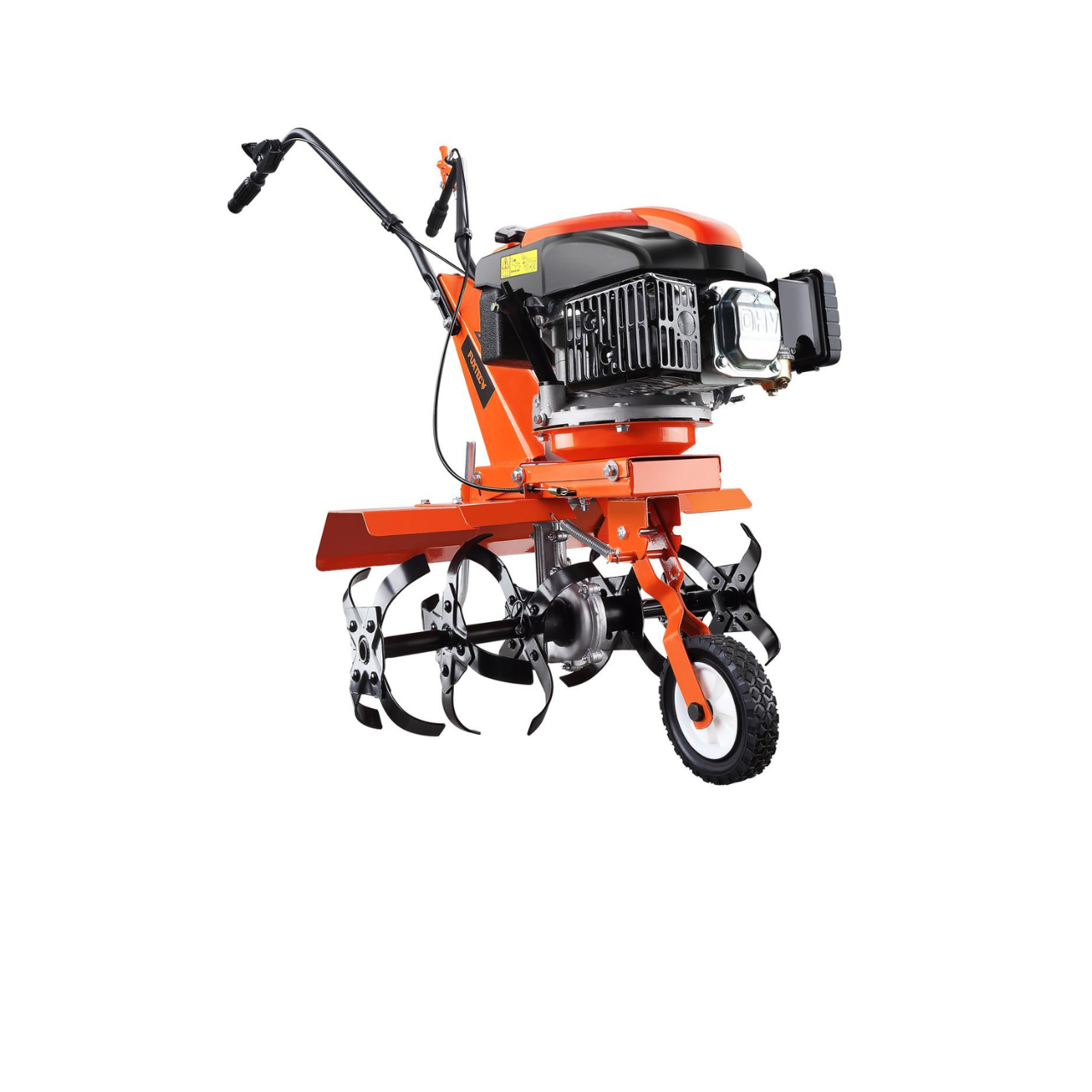
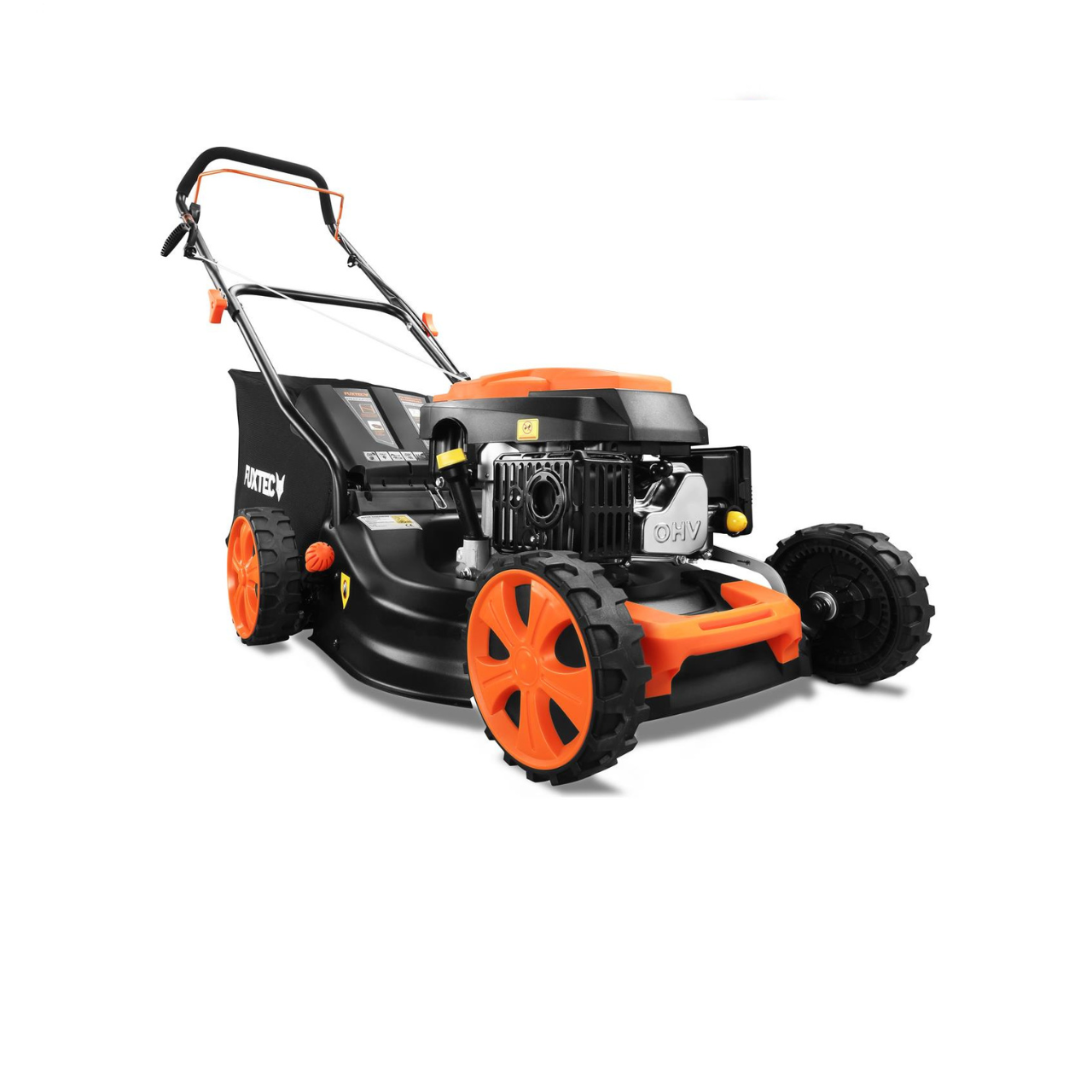
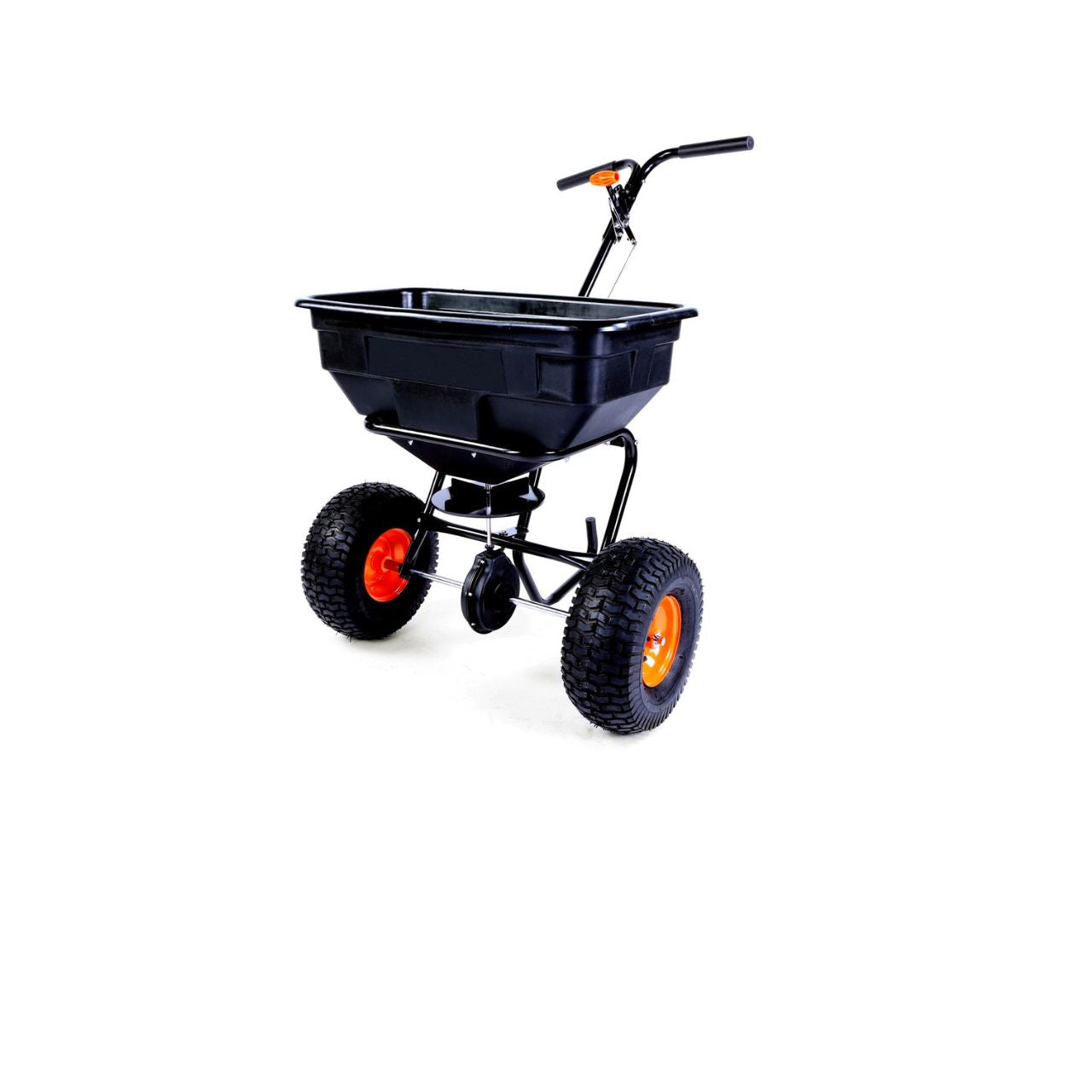
Discover our range of garden tools
What plants are best for a Mediterranean garden in the UK?
Hardy Mediterranean plants such as lavender, rosemary, sage, thyme and oleander thrive in British gardens and require minimal watering. Cypress trees, olive trees and dwarf palms provide structure, whilst herbs like oregano and marjoram add authentic southern flavour to your garden.
How much sun does a Mediterranean garden need?
A Mediterranean garden requires full sun and should ideally be positioned in a south-facing spot to ensure citrus plants and olive trees receive enough warmth to flower and set fruit. Good sun exposure is essential for the health and vitality of your plants.
Which materials are essential for Mediterranean garden design?
Natural stone such as sandstone or limestone, terracotta pots, gravel and self-binding crushed stone are hallmarks of Mediterranean design. These materials create warm colour palettes, retain heat beautifully and lend your garden an unmistakable Mediterranean character.
Do Mediterranean plants need a lot of water?
No, Mediterranean plants are drought-tolerant and require very little water once established. A thick mulch layer of gravel reduces evaporation, and hardy varieties like lavender and rosemary can cope with cold nights and dry conditions.
How do I protect Mediterranean plants during winter?
Protect tender plants with horticultural fleece or a light covering during frosty winters, and wrap pots with straw or grit to insulate roots. Hardier varieties such as oleander and dwarf palms are more resilient, but young plants still benefit from winter protection.
What should I do to prevent cold winds damaging my Mediterranean garden?
Position your garden away from cold northerly winds and create shelter with a hedge or natural stone wall. This helps retain warmth in the garden for longer and provides optimal growing conditions for tender Mediterranean varieties.
More articles about garden care
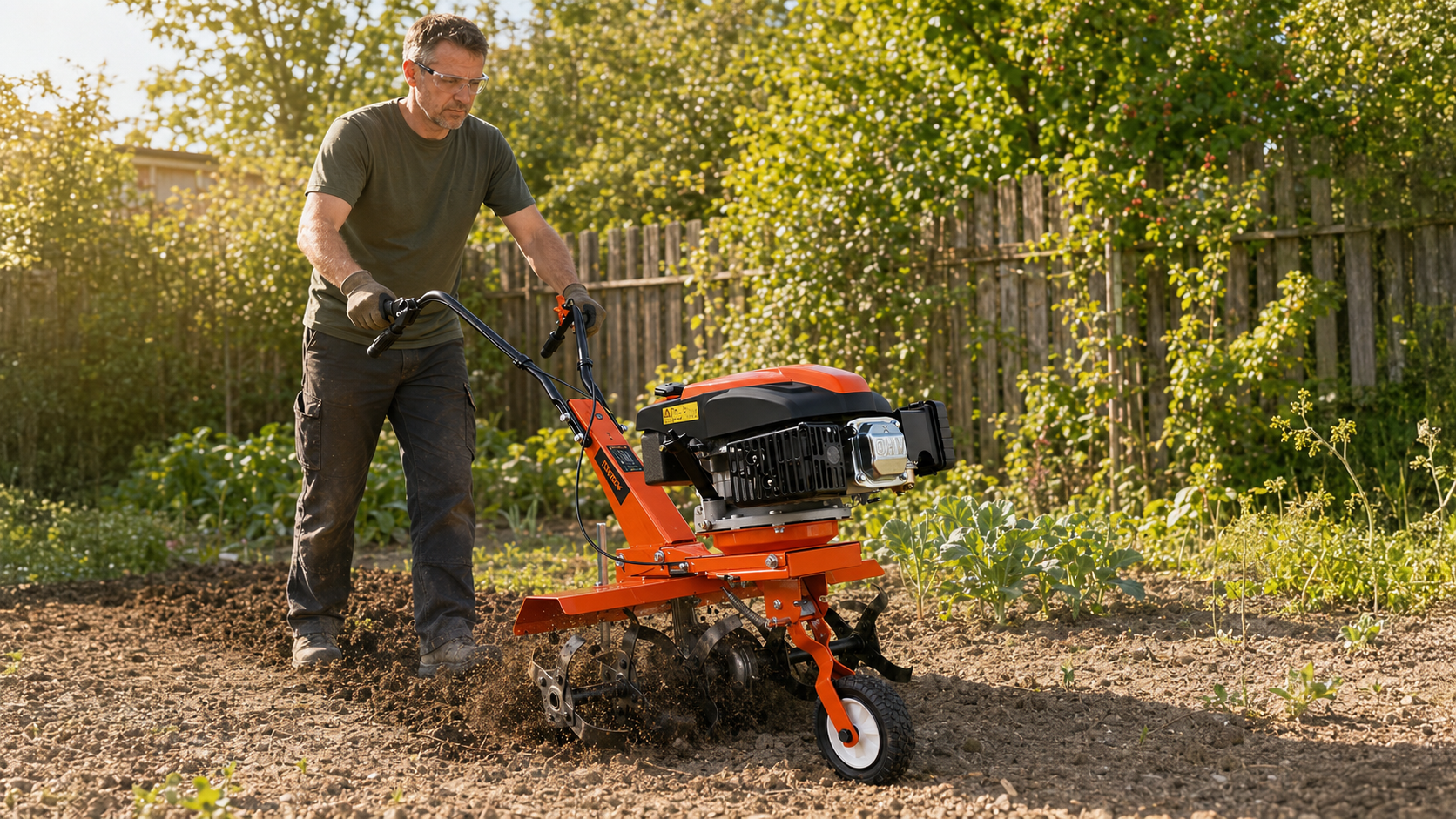
Trockenheit im Garten: Boden lockern, richtig gießen und mit Mulch Wasser sparen
Du gießt das Beet, doch das Wasser bleibt auf der harten Erdoberfläche stehen oder läuft zur Seite ab. Schon nach kurzer Zeit wirkt der Boden wieder trocken, obwohl Du gerade erst zur Gießkanne g...
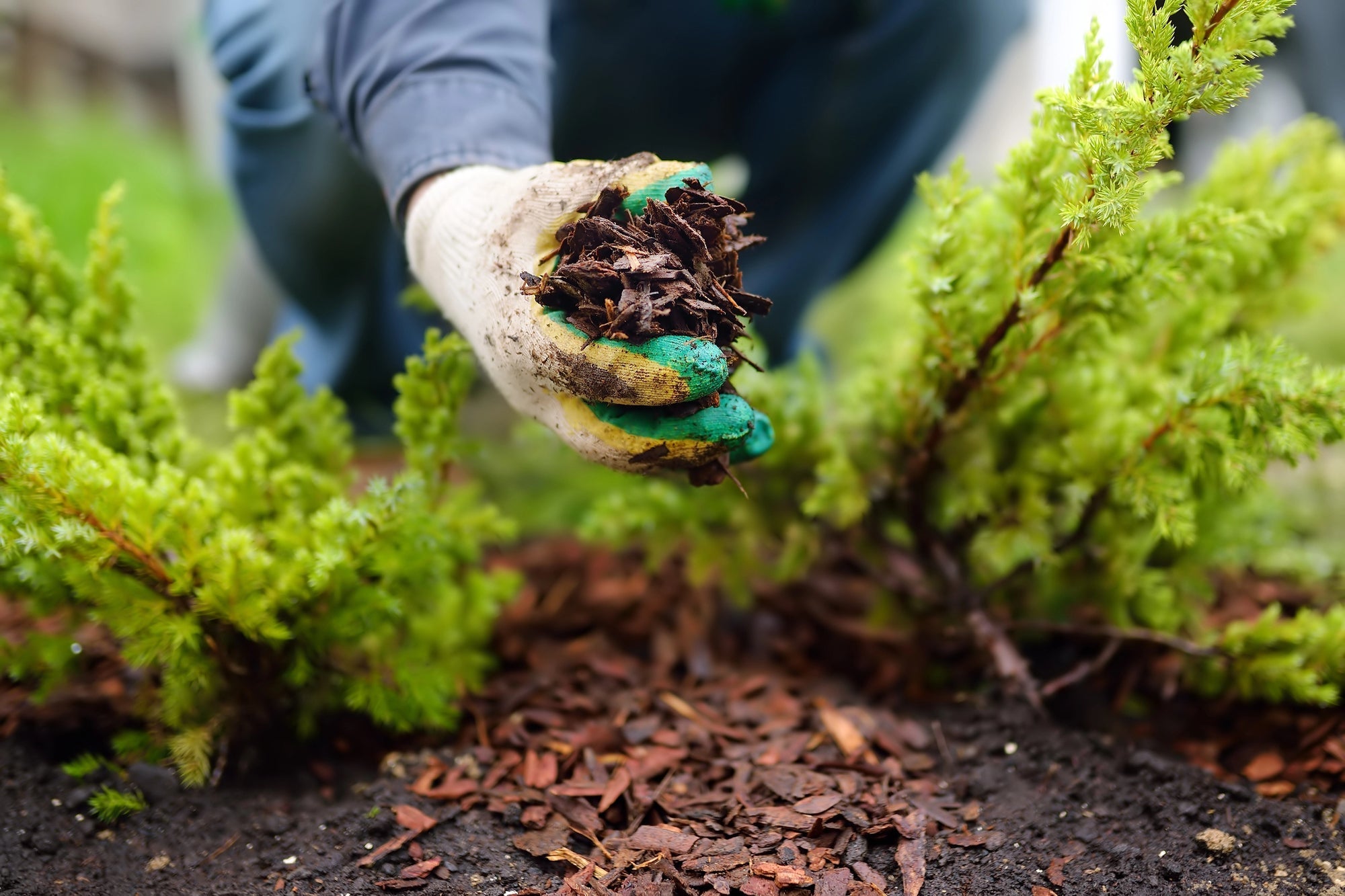
Pine Bark Mulch: The Complete Gardening Guide
Mulching with pine bark is one of the most effective methods in modern gardening and sustainable horticulture. A layer of mulch material is applied to the soil surface to protect and improve the so...
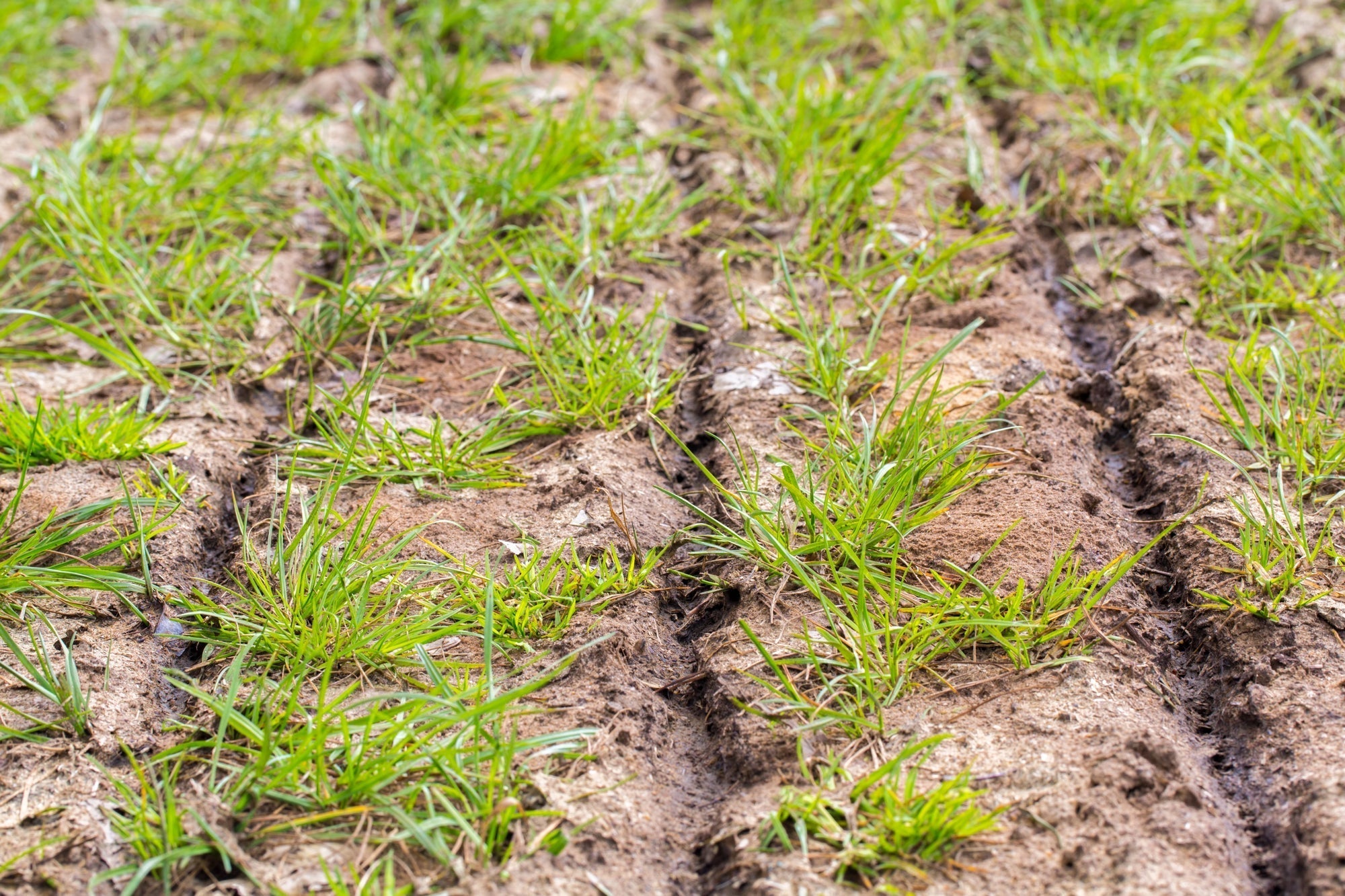
Spring Soil Improvement: Prepare Your Garden Soil
Inhaltsverzeichnis Warum Bodenverbesserung im Garten im Frühjahr so wichtig für einen gesunden Gartenboden ist Gartenboden nach dem Winter prüfen: Bodenstruktur, Verdichtung und Bodenart erke...


