





Gurken pflanzen Titelbild
How to Grow Cucumbers: Step-by-Step Guide
- 1. Standort und Boden: Der richtige Platz für Deine Gurken
- 2. Die Aussaat von Gurken: So gelingt der Start
- 3. Gurken pflanzen: Zeitpunkt, Technik und Tipps
- 4. Gurken pflegen: Gießen, düngen und Krankheiten vermeiden
- 5. Gurken ernten: Der richtige Zeitpunkt für knackige Früchte
- 6. Vom Beet bis auf den Teller: So nutzt Du Deine Ernte optimal
- 7. Schritt für Schritt zum Gurkenglück: Dein Fahrplan für den erfolgreichen Anbau
- FAQ
Cucumbers are one of the most popular vegetables to grow in British gardens – and for good reason. They're refreshing, healthy, and surprisingly easy to cultivate with a little know-how and the right tools.
Whether you want to grow mini cucumbers in a pot, classic slicing cucumbers in a bed, or hardy outdoor varieties – this guide will walk you through every step towards a bumper cucumber harvest. Let's get started!
1. Location and Soil: Choosing the Right Spot for Your Cucumbers

To get your cucumbers growing beautifully, location is everything. Cucumber plants are real sun-lovers – they thrive in warm, bright, and sheltered spots.
Ideally, choose a south-facing, sunny position with light, nutrient-rich soil. The ground should be well-draining to prevent waterlogging, as cucumbers absolutely hate having wet roots.
Even better: Work in some well-rotted compost before planting to naturally enrich the soil with nutrients.
If you'd like to make your garden easier to maintain, take a look at our blog post with tips on creating a low-maintenance garden.
You can also grow cucumbers in a raised bed or in a container on the patio or balcony – just make sure you use at least 20 litres of compost per plant. The growing medium should be light and have a high organic content.
For those who love container gardening: growing cucumbers in pots is an absolute doddle with the right FUXTEC tools, such as the FUXTEC garden watering can FX-WSA-GB.
Table: Requirements for Location and Soil
| Criterion | Recommendation |
|---|---|
| Light conditions | Full sun, sheltered position |
| Soil type | Light, humus-rich, well-draining |
| Nutrient content | High – cucumbers are hungry feeders |
| Soil preparation | Work in compost and, if desired, bonemeal before planting |
| Container growing | At least 20 litres per plant, regular feeding required |
2. Sowing Cucumbers: How to Get Off to a Great Start
Cucumbers can be sown either directly into the ground or started off in pots indoors. For best results, sow your seeds indoors first – this works particularly well on a bright windowsill or in a small propagator or mini greenhouse.
The ideal time to sow indoors is from mid-April, with seedlings only moved outside once all risk of frost has passed – typically after mid-May. The "three seeds" rule works well: sow three seeds per pot and keep only the strongest seedling.
You can grow cucumbers in a greenhouse, in pots, or directly in the ground.
If you'd prefer to sow directly outdoors, wait until late May once all frost risk has passed and the soil temperature is at least 15°C.
Place seeds approximately two to three centimetres deep in the soil, keep them evenly moist, and protect them from slugs.
Handy tip: The FUXTEC sprinkler FX-PRG1 is ideal for providing consistent moisture during germination. The right conditions are essential for reliable germination.
When starting indoors, mini, snack, and pickling cucumbers can be brought into a warm room from late March onwards. Using low-nutrient seed compost works especially well, as it encourages strong root development.
Remember: Cucumbers love warmth – they need plenty of light and heat to germinate quickly. Curious how this works for other vegetables? Check out our tomato growing guide.
3. Planting Cucumbers: Timing, Technique and Top Tips

Once all risk of frost has passed – typically from mid-May onwards in most parts of the UK – your young plants can go outside. At this stage, the seedlings should be well developed, have at least three true leaves, and be hardened off to outdoor conditions.
When planting into a bed or raised bed, dig generous planting holes and enrich them with compost and a little bonemeal. Space plants at least 50 cm apart so each cucumber plant has enough room to grow.
Tip: Put up a climbing support when you plant – this saves space, keeps fruits off the ground, and allows more light to reach the plant. A piece of sturdy twine or a trellis both work well.
On a patio or balcony, this is also a brilliant space-saving solution. Mini cucumbers and snack cucumbers are especially well suited here – they tend to need less room and grow more compactly. Perfect for urban gardening!
For gardeners with sensitive hands, we recommend wearing the FUXTEC cut-resistant gloves when planting out – they'll protect you when handling supports and working the soil.
And don't forget: Water well after planting, for example using the FX-VRG1 garden watering can – this helps the roots settle in straight away.
4. Caring for Cucumbers: Watering, Feeding and Preventing Disease
Caring for your cucumber plants properly is crucial for a good harvest. Cucumbers consist largely of water – so regular watering is especially important.
On hot days in particular, the plants need plenty of moisture to keep fruits juicy and crisp.
A word of caution: Too much moisture on the leaves can encourage fungal disease. It's best to water in the morning, directly at the roots. Our FUXTEC garden watering can FX-VRG1 is ideal for this – you can direct the water precisely without wetting the foliage.
Cucumbers are hungry feeders – meaning they require lots of nutrients. Prepare the soil with compost or bonemeal at planting time. After that, feed every two weeks with a liquid organic fertiliser.
A tip for organic gardeners: Home-made compost is not only sustainable, but also exceptionally nutritious for your plants. Find out how to make it properly in our guide to composting.
Diseases and Pests
Keep an eye out for diseases such as powdery mildew, downy mildew, cucumber wilt, and aphids. Fungal diseases can spread quickly, especially in a greenhouse. Good ventilation and adequate plant spacing help to prevent problems.
Remove affected leaves immediately and, in severe cases, use plant-strengthening treatments such as neem oil. For precise trimming, the FUXTEC garden shears FX-HGW4 are ideal – handy, accurate, and robust.
5. Harvesting Cucumbers: When to Pick for the Best Crunch

Now for the reward for all your hard work: the cucumber harvest! Depending on the variety, you can start harvesting around eight to ten weeks after sowing.
Cucumbers should be harvested regularly as soon as they reach a good colour and size – because: the more regularly you harvest, the more the plant is encouraged to produce new fruits.
Snack cucumbers and mini cucumbers in particular grow back quickly and are perfect eaten fresh or pickled.
Important: Always cut cucumbers with a sharp knife or scissors – never pull or twist them off! This prevents damage to the plant that could leave it vulnerable to disease.
Also make sure fruits don't stay on the plant too long, as over-ripe cucumbers can turn bitter and lose their satisfying crunch.
With the right care, you can harvest cucumbers every two to three days throughout summer. The rule of thumb is: harvest little and often rather than leaving it too late.
Cucumbers can be stored for up to three weeks, though they will gradually lose their freshness. If you harvest a large glut at once, it's well worth pickling them or freezing them. That way, you can enjoy a taste of summer even in the colder months.
For particularly high yields, it's worth choosing grafted cucumber plants. These are more resistant to disease and often produce larger fruits.
Side-shooting – removing unnecessary lateral shoots – can also improve fruit production on certain varieties. If you want maximum yields, it's worth familiarising yourself with this technique.
6. From Garden to Table: Making the Most of Your Harvest

The freshly picked cucumber is a true all-rounder in the kitchen. Whether as a crunchy snack, the star of a salad, or a refreshing addition to a summer smoothie – cucumbers are wonderfully versatile.
Homemade pickled cucumbers are particularly popular, and all you need is vinegar, sugar, mustard seeds, and fresh herbs. The best part? The homemade flavour is simply unbeatable.
If you harvest lots of cucumbers at once, you can preserve them by bottling or pickling. There are countless creative recipes online – from sweet-and-sour pickles to Asian-inspired versions with chilli and garlic.
If you prefer them fresh, whip up a quick cucumber dip using sliced cucumber, yoghurt, and dill – perfect alongside a barbecue or as a sandwich spread.
Want to expand your gardening knowledge further? Have a read of our post on growing courgettes – the perfect next project for your vegetable patch!
Or design your own allotment or kitchen garden in a unique and varied way – with raised beds, companion planting, and natural pest control.
7. Step by Step to Cucumber Success: Your Roadmap for a Great Harvest
As you can see, anyone who grows cucumbers in their garden, raised bed, or on the patio will be rewarded with a bountiful harvest with a little preparation and consistent effort.
To make everything run smoothly, it all comes down to the right combination of location, preparation, care, and patience. Whether mini cucumbers in a pot or classic slicing cucumbers in the greenhouse – the right care will reward you with flavourful fruits throughout the entire summer.
Here's a quick summary of the key points:
- Location & Soil: Full sun, sheltered, and rich in organic matter – that's your cucumber's ideal home.
- Sowing: Start indoors from mid-April or sow directly outside from late May – always check soil temperature.
- Planting: Once frost risk has passed, plant with adequate spacing and compost as a nutrient boost.
- Care: Water regularly, feed consistently, and keep an eye out for disease.
- Harvest: Cut early and often – for more fruits and better quality.
With handy tools like the FUXTEC garden shears FX-HGW4, cut-resistant gloves, and the FUXTEC watering can FX-WSA-GB, your work becomes not only easier but more efficient too.
If you also want to know how to keep weeds under control effectively, we recommend our post on weeding techniques.
And if you fancy more DIY garden projects, be sure to check out our tips for a vertical garden – ideal when space is at a premium.
Discover our range of garden tools
What's the best time to sow cucumber seeds in the UK?
Sow seeds indoors from mid-April on a bright windowsill, moving seedlings outdoors after mid-May when all frost risk has passed. If sowing directly outdoors, wait until late May when the soil temperature reaches at least 15°C.
How much sunlight do cucumber plants need?
Cucumbers are sun-lovers and need a south-facing, sunny, and sheltered position to thrive. They require full sun conditions to grow beautifully and produce plenty of fruit throughout the summer.
Can I grow cucumbers in containers on a patio?
Yes, cucumbers grow well in containers using at least 20 litres of light, organic-rich compost per plant. Mini and snack cucumber varieties are especially suited to patio and balcony growing as they need less space and grow more compactly.
How often should I water my cucumber plants?
Cucumbers need regular watering, especially on hot days, but avoid wetting the leaves as this can encourage fungal disease. Water in the morning directly at the roots to keep fruits juicy and crisp.
When are cucumbers ready to harvest?
You can start harvesting around eight to ten weeks after sowing, once they reach a good colour and size. Harvest regularly and cut with a sharp knife or scissors rather than pulling, as this encourages the plant to produce more fruits.
What should I do if my cucumbers get powdery mildew?
Good ventilation and adequate plant spacing help prevent fungal disease. If affected, remove diseased leaves immediately and use plant-strengthening treatments such as neem oil in severe cases.
How can I store fresh cucumbers after harvesting?
Fresh cucumbers can be stored for up to three weeks, though they gradually lose freshness. For a glut of cucumbers, consider pickling or freezing them to enjoy the harvest throughout the colder months.
More articles about garden care
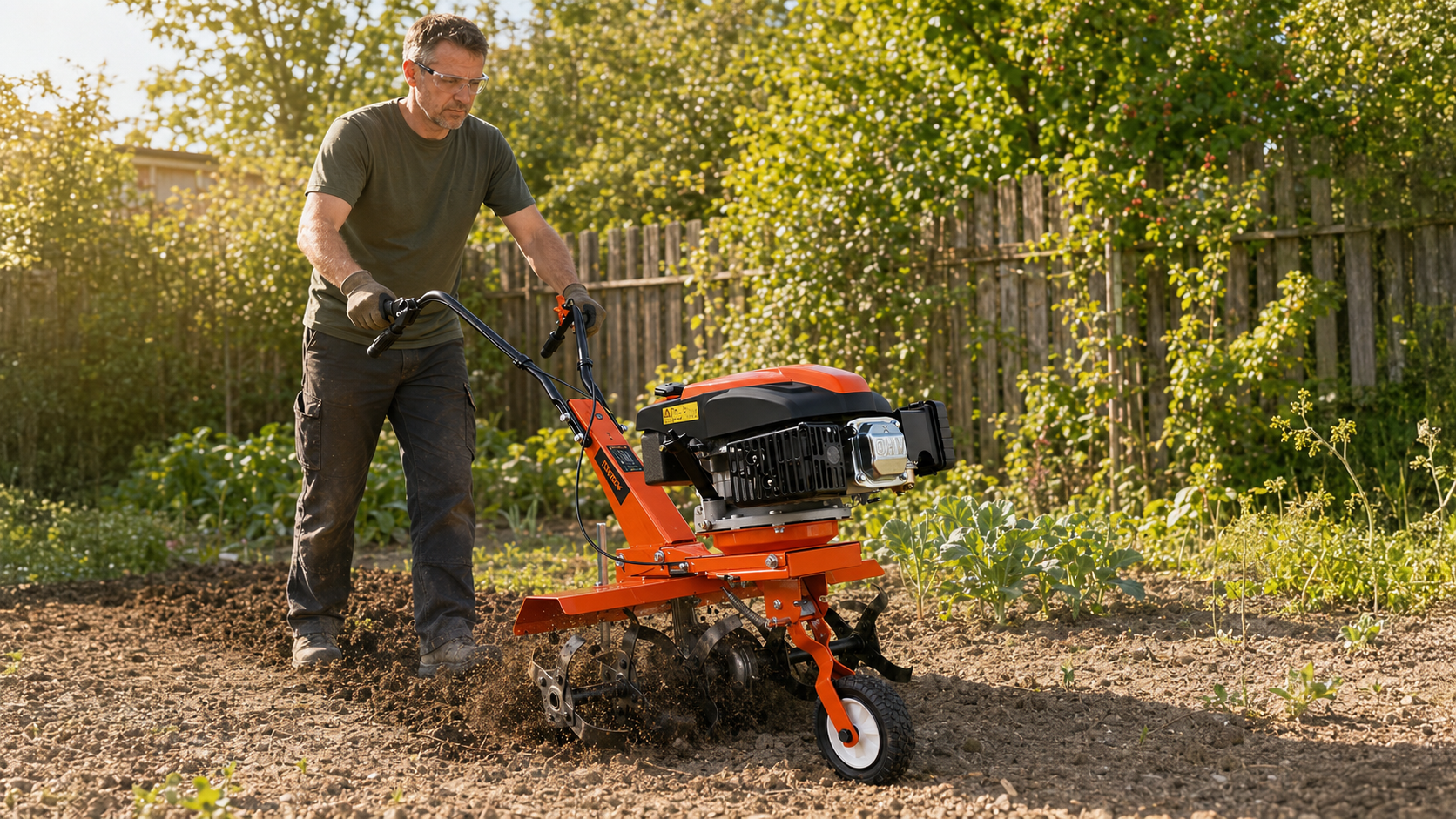
Trockenheit im Garten: Boden lockern, richtig gießen und mit Mulch Wasser sparen
Du gießt das Beet, doch das Wasser bleibt auf der harten Erdoberfläche stehen oder läuft zur Seite ab. Schon nach kurzer Zeit wirkt der Boden wieder trocken, obwohl Du gerade erst zur Gießkanne g...
Pine Bark Mulch: The Complete Gardening Guide
Mulching with pine bark is one of the most effective methods in modern gardening and sustainable horticulture. A layer of mulch material is applied to the soil surface to protect and improve the so...
Spring Soil Improvement: Prepare Your Garden Soil
Inhaltsverzeichnis Warum Bodenverbesserung im Garten im Frühjahr so wichtig für einen gesunden Gartenboden ist Gartenboden nach dem Winter prüfen: Bodenstruktur, Verdichtung und Bodenart erke...


