

Richtig kompostieren Titelbild
How to Compost Properly: Garden Waste into Humus
- Warum richtig kompostieren so wichtig ist
- Die Grundlagen: So funktioniert Kompostierung
- Kompost richtig anlegen: Schritt für Schritt zum Erfolg
- Was darf auf den Kompost – und was nicht?
- Kompost regelmäßig umsetzen – warum das so wichtig ist
- Kompost reif oder nicht? So erkennst Du den perfekten Zeitpunkt
- Rasen- und Grasschnitt richtig kompostieren
- Küchenabfälle und Bioabfall richtig verwenden
- Kompost stinkt? So behebst Du das Problem
- Die häufigsten Fehler beim Kompostieren – und wie Du sie vermeidest
- So unterstützt Dich FUXTEC beim Kompostieren
- So verwendest Du fertigen Kompost im Garten
- So machst Du Deinen Garten mit Kompost fit für die Zukunft
- FAQ
How to Compost Properly: Turn Garden Waste into Valuable Humus
Composting might sound like hard work – but it really isn't. At least not once you know what to look out for. Done right, composting not only saves you money on fertiliser, but also benefits the environment and helps create a living, fertile garden soil.
In this guide, we'll show you how to set up a compost heap in your garden, which mistakes to avoid, and how our FUXTEC products can help you get composting right.
Why composting properly really matters

A well-managed compost heap is far more than just a pile of garden waste. It's a mini ecosystem – teeming with microorganisms, earthworms and other industrious helpers.
Through their activity, organic waste is transformed into nutrient-rich humus that works wonders as a natural fertiliser in your garden.
Compost contains exactly what your plants need: nitrogen, potassium, phosphorus and many trace elements – entirely without chemical additives.
What's more: composting properly significantly reduces your household waste. So you're killing two birds with one stone.
The basics: how composting works
Composting is a biological process in which organic material is broken down by microorganisms.
This generates heat – temperatures of up to 70 °C at the centre of a compost heap are not unusual. This heat helps to destroy pathogens and weed seeds, resulting in hygienically sound compost.
The right ratio of green to brown material is crucial: green material such as grass clippings or kitchen scraps provides nitrogen, whilst dry material such as leaves or twigs provides carbon.
As a rule of thumb: 2 parts brown, dry material to 1 part green, moist material.
Setting up your compost: a step-by-step guide

You can easily set up your own compost in the garden – ideally in a semi-shaded spot with good ventilation. Whether you opt for a traditional compost heap or a modern hot composter, the key is to ensure good airflow and not to add too much material at once.
How to set up your compost correctly:
- Choose your spot: Semi-shaded, sheltered from the wind, with direct contact with the soil
- Bottom layer: Coarse material such as twigs or straw for aeration
- Layer green and brown material: Add alternately, keeping it loose
- Check moisture levels: The compost should never be too dry or too wet
- Turn regularly: This keeps the heap well aerated
Our wheelbarrow FX-WB6404G is ideal for turning compost – robust, manoeuvrable and perfect for heavy garden waste.
Things get even easier with a compost bin such as the FUXTEC Garden Waste Bin FX-GB300, whose sturdy construction makes handling far more straightforward.
What can go on the compost – and what can't?

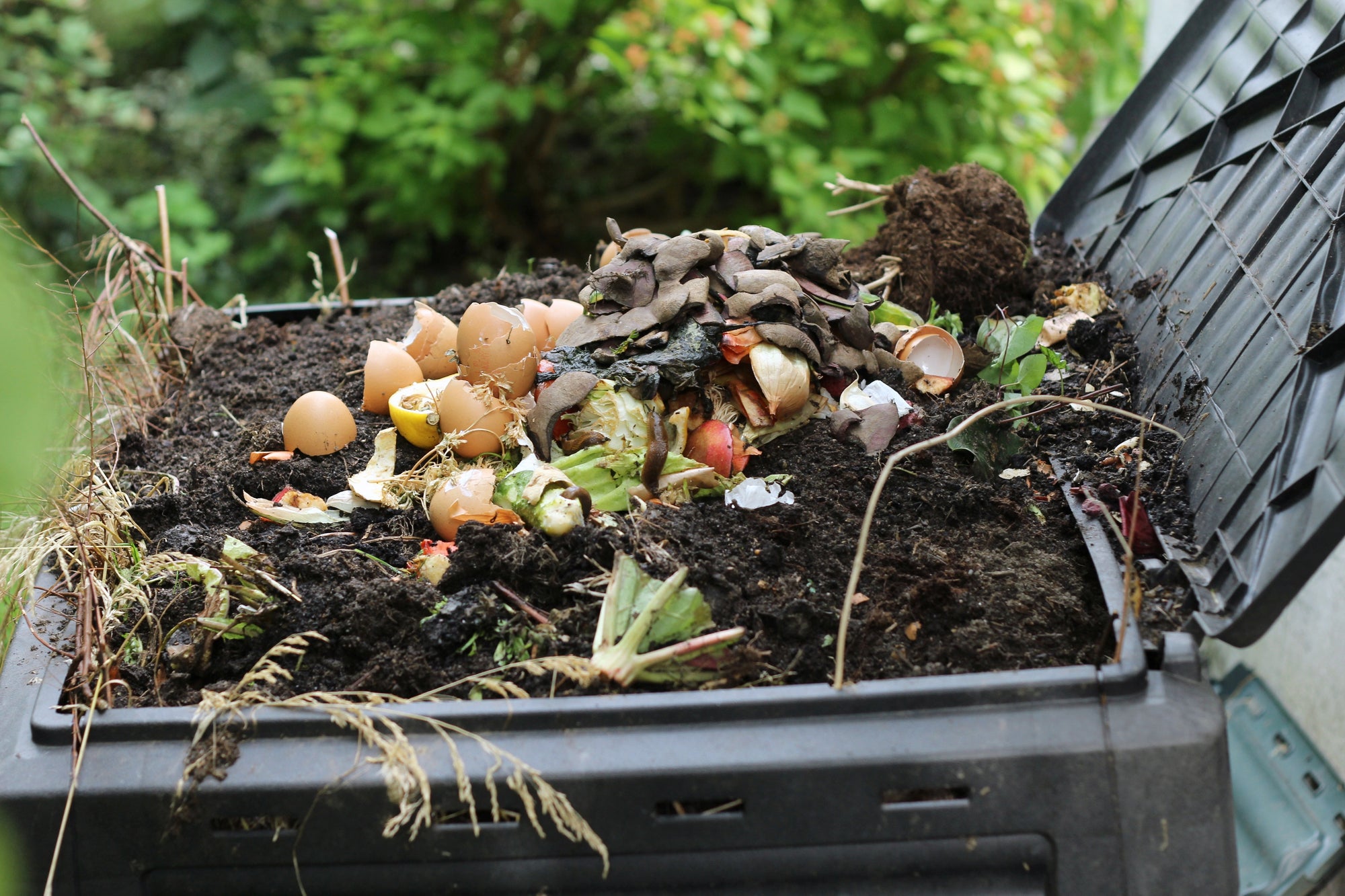
Not everything that looks organic belongs on the compost heap. Particular care is needed with kitchen and garden waste to prevent the compost from smelling, attracting rats, or rotting poorly.
What you can compost:
- Fruit and vegetable scraps (avoid citrus fruits)
- Coffee grounds & tea bags (unbleached)
- Leaves, grass clippings, twigs (shredded)
- Eggshells (well crushed)
- Untreated wood chippings
What should NOT go on the compost:
- Cooked food scraps & meat
- Dairy products
- Diseased plants (risk of pathogens!)
- Cat litter, nappies or cigarettes
Want to find out more? Take a look at our article "Setting up a compost heap: how it works".
Turning your compost regularly – why it matters
If you leave your compost to its own devices, you'll be waiting a long time – and risk rot rather than proper decomposition.
Successful composting depends on turning the heap regularly. This mixes the material and re-aerates it, speeding up decomposition and ensuring even breakdown throughout.
With the right tools – such as our FUXTEC cut-resistant gloves and a solid pair of garden secateurs like the FX-RSB20 – you'll be well equipped.
Particularly important: Large pieces of waste such as twigs or thick stems should be shredded beforehand to speed up the rotting process.
Is your compost ready? How to tell when it's done

When is compost finally "finished"? It's a question many people ask – and the answer is simpler than you might think. Mature compost smells pleasantly earthy, is dark brown, crumbly and no longer contains any recognisable waste.
Decomposition is complete, the microorganisms have done their job, and the compost contains valuable humus ready for your garden.
Another reliable sign: The compost is no longer generating heat. During decomposition the heap is often warm, but once the rotting process is complete, it cools down entirely.
If you want to be extra sure, you can sieve the compost – using a garden sieve or by hand – to remove any last coarse pieces.
Composting lawn and grass clippings properly

Fresh grass clippings can be a goldmine – or a headache. If layered too thickly, they start to putrefy and produce unpleasant odours.
The solution: composting grass properly means mixing it thoroughly – ideally with leafy, dry material or finely chopped twigs.
Top tips:
- Never compost grass clippings on their own!
- Always mix well with dry material
- Add in thin layers
- Allow to dry slightly before adding
Composting grass clippings is well worth the effort – their high nitrogen content helps accelerate the composting process.
For larger volumes, a separate quick composter or a second compost bin is a good option.
Use our handy wheelbarrow FX-WB6404G for transporting fresh grass clippings and leaves with ease.
Making good use of kitchen scraps and food waste
Many kitchen scraps are excellent for the compost – as long as you handle them carefully.
Fruit and vegetable peelings, coffee filters, tea bags (without staples!), eggshells and even small amounts of kitchen paper are all perfectly fine.
The key rule: no cooked leftovers, no dairy products, no fats.
Preparation makes a big difference. Chop all waste before adding it to the compost. This increases the surface area and speeds up decomposition.
When regularly adding kitchen scraps to your compost, make sure to maintain a good balance with dry material from the garden.
Smelly compost? Here's how to fix it
A smelly compost heap is always a sign that something has gone wrong. Most often it's down to too much moisture, poor aeration, or the wrong materials being added. Meat scraps, fatty foods or large quantities of wet kitchen waste can quickly trigger fermentation.
Don't worry though – a few simple steps will soon sort things out:
- Turn the compost and aerate it thoroughly
- Add dry materials such as shredded twigs or leaves
- Stop adding citrus fruits, cooked food scraps and bread altogether
A well-designed compost bin, which you can build yourself, ensures better airflow and prevents odour problems from the start. If problems persist, it's worth completely turning out the compost and starting fresh.
The most common composting mistakes – and how to avoid them

Even with composting, things can go wrong. If your compost smells, isn't breaking down, or keeps attracting pests, it's often down to simple beginner's mistakes. But with a little know-how, you'll have it sorted in no time.
Mistakes to avoid:
- Adding too large a quantity of fresh kitchen scraps all at once
- Composting grass clippings alone, without dry material
- Letting the compost become too wet or too dry
- Failing to ensure adequate aeration
- Not turning the compost regularly
Also watch out for diseased plant material, as it can spread pathogens. Too much citrus fruit, bread, bones or food scraps are also detrimental to the rotting process – and can attract rats. A good mix of structural material and moist organic waste is essential for healthy composting.
One more tip: To keep the compost well aerated, you can add a little scrunched-up newspaper or shredded branches (for example from your spring pruning) with each new layer.
How FUXTEC supports you with composting
Whether you're setting up your own compost heap for the first time or you're an experienced gardener, the right tools make the whole process not only easier, but more efficient too.
These are the products we recommend for composting properly:
- FUXTEC Garden Waste Bin FX-GB300: Ideal for collecting leaves, grass clippings and prunings
- FUXTEC Cut-Resistant Gloves: Protect your hands when turning the compost
- FUXTEC Garden Secateurs FX-RSB20: For shredding twigs and branches
- FUXTEC Wheelbarrow FX-WB6404G: Perfect for transporting larger quantities of organic waste
With these, you can turn garden waste into nutrient-rich compost in just a few months – something your plants will love. And as a bonus, you'll be doing your bit for the environment too.
How to use finished compost in your garden
Your compost is ready – so what now? You can now use it as a natural fertiliser and soil improver. Compost improves water retention, supplies your plants with nutrients and stimulates soil life.
For application:
- Apply 3–5 litres of compost per square metre
- Work it well into the top layer of soil
- Avoid placing it directly against sensitive roots
This works particularly well on already prepared soil. If you're looking to revive an overgrown garden, you'll find further tips here.
How to future-proof your garden with compost

Making your own compost benefits not just your garden, but your wallet and the environment too.
Used correctly, compost replaces expensive fertilisers, promotes soil life and keeps your plants healthy. Whether it's a vegetable patch, lawn or flower border – applying compost is always a sound idea.
Discover our range of garden tools
How long does it take for compost to be ready?
Compost typically takes three to six months to mature, depending on how often you turn the heap and the mix of materials used. You'll know it's ready when it's dark brown, crumbly, smells earthy, and contains no recognisable waste.
Can I put grass clippings on my compost?
Yes, but never on their own as they'll start to putrefy and smell. Always mix grass clippings thoroughly with dry materials like leaves or shredded twigs, add them in thin layers, and allow them to dry slightly first.
What should I not put in my compost?
Avoid cooked food scraps, meat, dairy products, diseased plants, cat litter and nappies. Also limit citrus fruits, bread and fatty foods as they can attract rats or cause fermentation problems.
Why does my compost smell bad?
Smelly compost usually means too much moisture, poor aeration, or wrong materials added. Turn the heap thoroughly, add dry materials like shredded twigs, and stop adding citrus fruits, cooked food and bread until the smell clears.
What's the best ratio of brown to green compost materials?
Use two parts brown, dry material such as leaves or twigs to one part green, moist material like grass clippings or kitchen scraps. This balance ensures proper decomposition and heat generation.
Where should I put my compost heap in the garden?
Place your compost in a semi-shaded, sheltered spot with good ventilation and direct contact with the soil. Avoid full sun as it can dry the heap out, and ensure there's room to turn it regularly.
More articles about garden care
Trockenheit im Garten: Boden lockern, richtig gießen und mit Mulch Wasser sparen
Du gießt das Beet, doch das Wasser bleibt auf der harten Erdoberfläche stehen oder läuft zur Seite ab. Schon nach kurzer Zeit wirkt der Boden wieder trocken, obwohl Du gerade erst zur Gießkanne g...
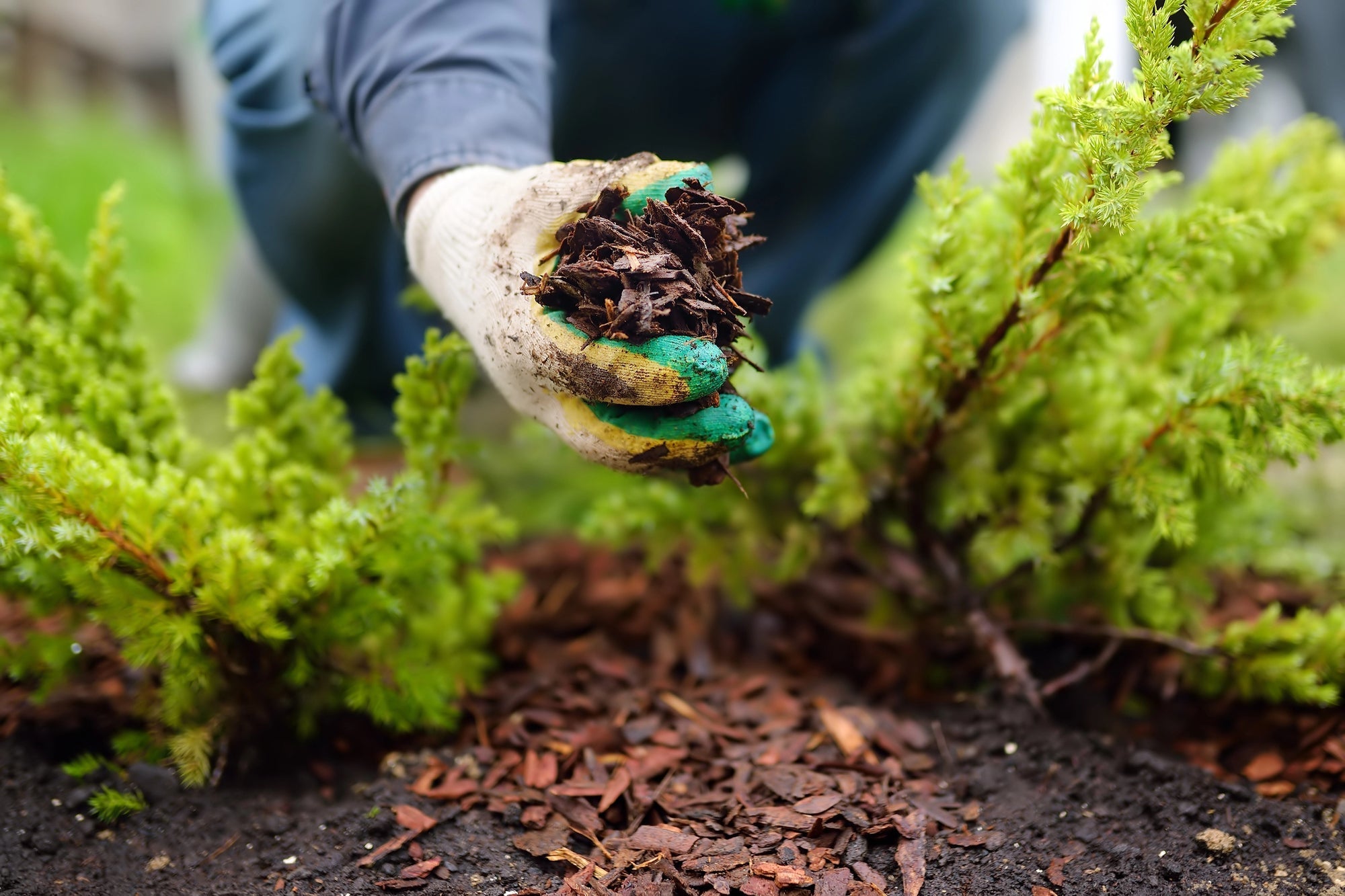
Pine Bark Mulch: The Complete Gardening Guide
Mulching with pine bark is one of the most effective methods in modern gardening and sustainable horticulture. A layer of mulch material is applied to the soil surface to protect and improve the so...
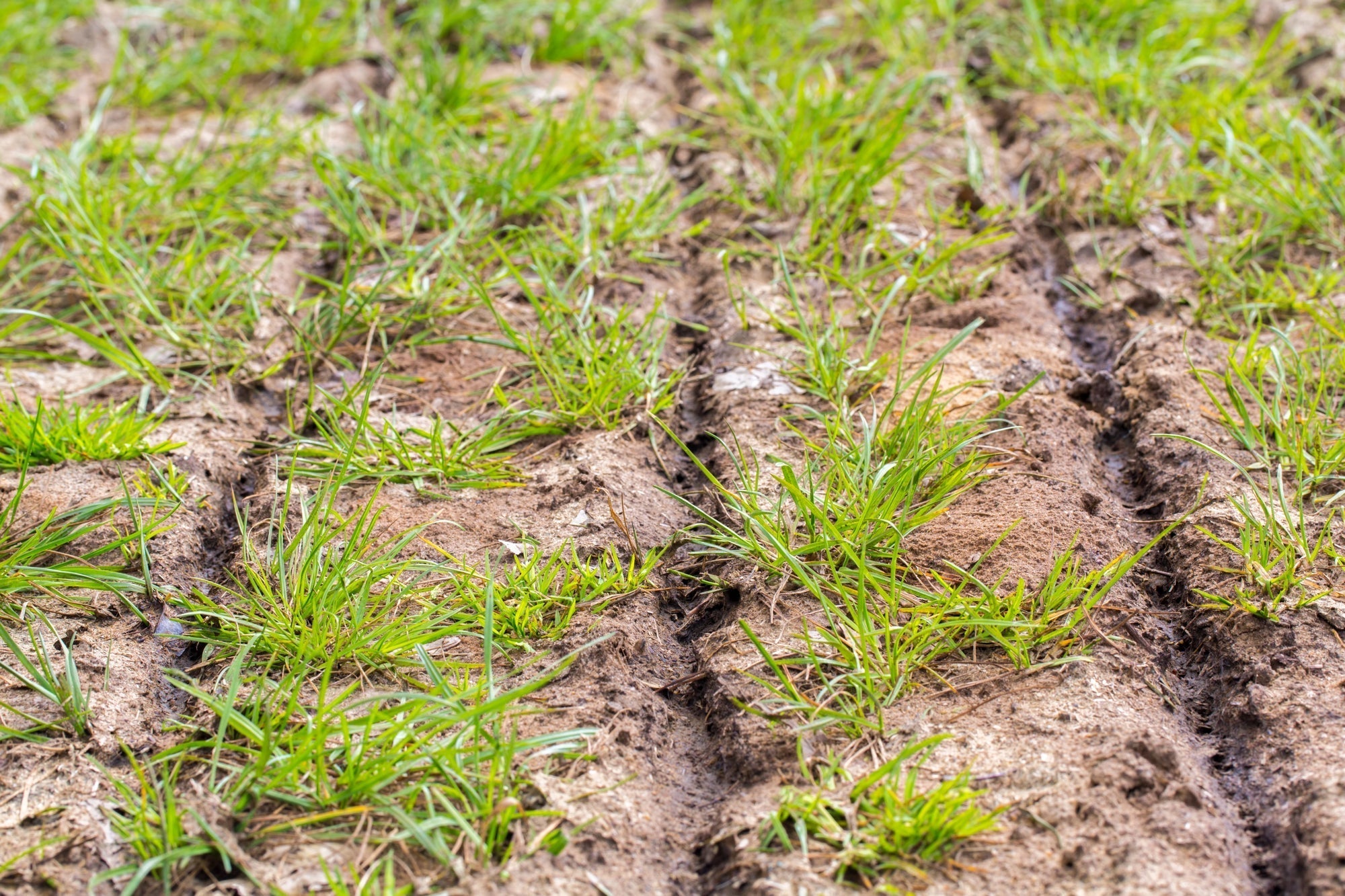
Spring Soil Improvement: Prepare Your Garden Soil
Inhaltsverzeichnis Warum Bodenverbesserung im Garten im Frühjahr so wichtig für einen gesunden Gartenboden ist Gartenboden nach dem Winter prüfen: Bodenstruktur, Verdichtung und Bodenart erke...


