

Immergrüne Bäume Titelbild
Best Evergreen Trees for Your Garden | Top 7 Picks
- Welche immergrünen Laubbäume gibt es – und was unterscheidet sie von anderen Bäumen?
- Die 7 immergrünen Favoriten für Deinen Garten im Überblick
- Standort, Pflanzung & Pflege: So fühlen sich immergrüne Bäume bei Dir wohl
- Mehrstämmige Bäume und Solitäre: Stilvolle Gestaltung für kleine und große Gärten
- Privatsphäre, Farbe und Struktur: Was immergrüne Bäume im Garten alles leisten
- Wie Du mit FUXTEC-Werkzeugen Deine immergrünen Pflanzen richtig pflegst
- So findest Du die passenden Bäume für Deinen Garten
- FAQ
A garden that stays green all year round? Sounds like a dream – but it's absolutely achievable!
Evergreen trees keep their leaves throughout winter, providing lasting colour, structure, and privacy screening. Especially during the bare winter months, they bring life and style to your outdoor space.
Whether as a decorative specimen or as a dense hedge for extra privacy: evergreen broadleaf trees such as Photinia fraseri (Red Robin), Ilex aquifolium, or the holm oak (Quercus ilex) are not only beautiful but also low-maintenance and hardy.
The big advantage: You won't need to spend time constantly clearing up fallen leaves – many evergreen species don't shed their leaves at all, but gradually renew them.
And the best part: The choice of evergreen trees is enormous – from multi-stemmed magnolias (Magnolia grandiflora) to Portuguese laurel (Prunus lusitanica), there's something to suit every taste.
With careful planning and a thoughtful selection, you can even have flowering highlights throughout the year – with no dreary bare winter garden in sight.
Which evergreen broadleaf trees are there – and how do they differ from other trees?

Evergreen broadleaf trees are a smart choice if you want not just an attractive garden but also year-round structure.
Unlike deciduous trees, which lose their leaves in autumn, evergreen varieties offer a consistent appearance – all year long.
Particularly popular in the milder parts of the UK: holly (Ilex aquifolium), the Mediterranean holm oak (Quercus ilex), and also the surprisingly frost-hardy Chusan palm (Trachycarpus fortunei).
This table gives you an overview of some of the most popular evergreen broadleaf trees:
| Tree species | Key feature | Origin |
|---|---|---|
| Holly (Ilex) | Glossy, spiny leaves | Europe |
| Holm oak (Q. ilex) | Mediterranean look, very hardy | Southern Europe |
| Magnolia grandiflora | Large white flowers, multi-stemmed | USA |
| Prunus lusitanica | Portuguese laurel | Iberian Peninsula |
| Elaeagnus ebbingei | Salt-tolerant, silvery foliage | East Asia |
| Photinia fraseri | Red foliage on new growth | Asia |
Some of these evergreen trees are even available as multi-stemmed specimens – giving them a particularly elegant look. In garden design, such forms play an important role, as they create not only height but also depth and structure.
The 7 top evergreen trees for your garden at a glance
Not every tree suits every garden. That's why it's worth taking a closer look at the most popular evergreen varieties. These 7 evergreen trees are not only a visual highlight but also highly versatile in function:
- Photinia fraseri 'Red Robin': One of the fastest-growing trees, it forms dense hedges and dazzles with its vivid red new growth.
- Prunus lusitanica: Perfect as a privacy screen – dense, tolerates clipping well, and features attractive glossy foliage.
- Ilex aquifolium: The classic holly – robust, frost-hardy, and ideal for structured hedges.
- Elaeagnus ebbingei: Withstands wind and weather, thrives in sunny spots, and shines with silvery foliage.
- Magnolia grandiflora: A large-flowered beauty – ideal as an evergreen specimen tree.
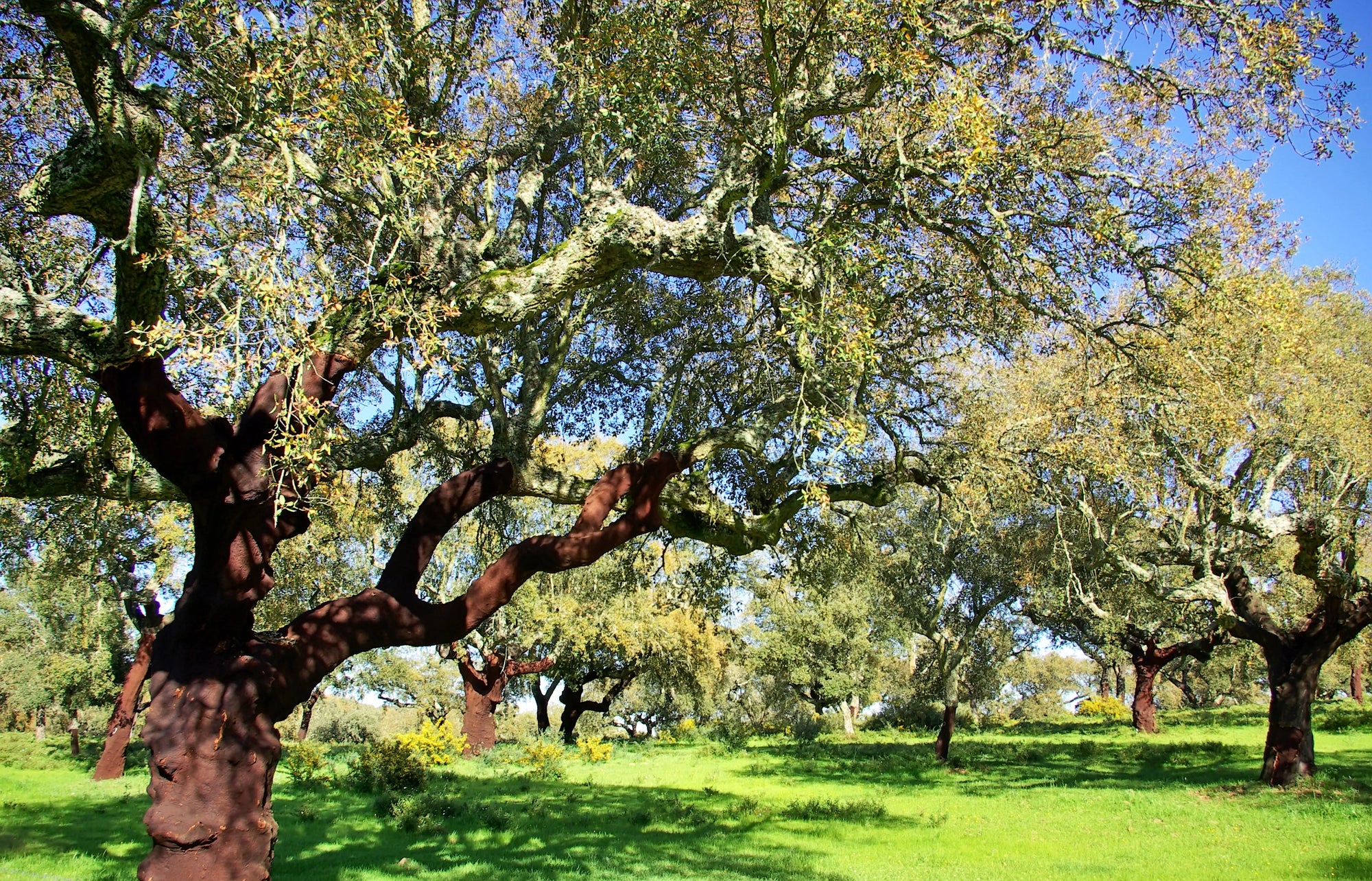
- Quercus suber (cork oak): A touch of the Mediterranean for your garden – surprisingly frost-hardy.
- Chusan palm (Trachycarpus fortunei): Exotic yet tough – brings a holiday feel to your garden.
As a rule, these evergreen trees require very little maintenance – just pay attention to choosing the right location and carry out regular pruning. Our FUXTEC garden shears are ideal for this – sharp, ergonomic, and dependable.
Location, planting & care: how to help your evergreen trees thrive

Anyone who wants to enjoy their evergreen trees for years to come should leave nothing to chance when planting.
Choosing the right location is key – many species prefer a sunny to partially shaded spot, such as Photinia fraseri or Portuguese laurel. Others, like holly, cope well with shadier corners too.
Important: The soil should be loose, humus-rich, and well-draining. Waterlogging is a real enemy of many evergreen broadleaf trees – particularly in winter.
Ideally, planting should take place in spring or autumn. Make sure the planting hole is approximately twice the size of the root ball. After planting, water thoroughly and continue to water regularly during the first few weeks – this helps the tree establish well.
When planting larger specimens, it's worth covering the soil with a layer of mulch. This retains moisture and protects against temperature fluctuations.
A tried-and-tested tip: Use our FUXTEC tie tool to quickly and securely fix young shoots and support frames.
When it comes to care: less is often more. A trim in spring helps maintain the shape and encourages healthy growth. You don't need heavy machinery for this – the compact FUXTEC garden shear FX-TAS35 handles even thicker stems with ease.
Feeding once a year is sufficient – ideally with a slow-release fertiliser formulated specifically for evergreen plants.
And don't worry: Most evergreen trees are remarkably resilient and cope well with the odd minor lapse in care.
Multi-stemmed trees and specimen trees: stylish planting for small and large gardens
Want a real focal point in your garden that looks stunning and has real character? Then take a look at multi-stemmed trees. They're especially effective in smaller gardens, creating impact without overwhelming the space.
A classic choice is the multi-stemmed Magnolia grandiflora – with its large, fragrant white blooms, it brings pure elegance. But Photinia can also be grown in a multi-stemmed form – a real showstopper in contemporary gardens.
Specimen trees – that is, trees planted on their own – work particularly well in generous front gardens or as a central design element within borders.
The advantage: They need space to show off their form, but also leave room for underplanting with pollinator-friendly plants, as recommended in our article on sustainable garden design.
It's important to take into account the stem height and canopy spread when planting – this way you'll avoid any surprises later on when that small tree grows into a substantial one.
For particularly striking design effects, consider so-called espalier trees or lollipop trees. These can be trained into precise shapes, giving your garden clean, defined lines.
They look especially refined in modern, minimalist gardens. A handy trick: Using pale gravel or bark chippings as a contrast makes the deep green foliage appear even richer and more vibrant.
Privacy, colour, and structure: what evergreen trees can do for your garden

Evergreen trees offer far more than just good looks throughout the year. They provide privacy screening, structure, and splashes of colour – without any seasonal gaps.
Particularly popular are species such as Photinia fraseri (Red Robin) with its brilliant red new growth, or the silvery Elaeagnus ebbingei, which also performs well in exposed, windy spots.
These species make a bold visual statement whilst simultaneously acting as a natural privacy screen – ideal for patios or front gardens.
A lovely bonus: evergreen trees provide shelter and habitat for birds, insects, and other wildlife. If you like, you can combine them with suitable climbing plants – as we show in our guide to versatile climbers.
The result is a dynamic, living garden that also has real ecological value. Evergreen doesn't just mean "pretty to look at" – it means "good for nature" too.
And another bonus: In garden design, evergreen broadleaf trees can be used to deliberately create distinct spaces – whether to define a seating area or as a structural element within larger borders.
Those who value style can combine different leaf textures and colours – for example, the glossy, dark green foliage of holly alongside the silvery shimmer of Elaeagnus.
How to care for your evergreen plants with FUXTEC tools
Good tools are essential when caring for your favourite evergreens. Whether you're carrying out shaping cuts, removing dead growth, or securing young plants – with the right equipment, the job is not only more enjoyable but considerably more efficient.
Our garden shear FX-ASB72 is perfect for precise cuts on sturdy branches, while the tie tool FX-BZ30 excels at securing shoots or climbing plants.
For more substantial work – such as cutting back multi-stemmed trees or hedge plants – a good axe can sometimes be the right tool for the job. Our FUXTEC axe FX-AX3 offers a robust solution with plenty of power.
Important: Always cut with clean, sharp blades to avoid damaging the plant. After pruning, a light feed is recommended – ideally with a slow-release fertiliser specially formulated for evergreen plants.
One final tip: Check the stability of your trees regularly – especially after strong winds. If needed, wooden stakes or wire supports can help. And don't forget: keeping a regular eye out for pests or fungal problems is all part of basic maintenance.
How to find the right trees for your garden

Whether you have a small garden, a large patio, or an extensive plot – there is a suitable evergreen tree for every space.
The choice ranges from compact lollipop trees to impressive multi-stemmed specimens that lend your garden character and depth. If you're unsure, you can seek advice from a local garden centre or nursery, or simply browse our shop – many of the species described here are available in our product categories.
If you want to enjoy your plants long-term, pay attention when buying to frost hardiness, location requirements, final size, and maintenance needs. Those who want to add even more interest to their garden can mix in conifers, espalier trees, or flowering shrubs – for greater variety and colour.
Want even more ideas for garden design? Then explore our articles on low-maintenance gardens or discover how you can create a more sustainable outdoor space.
Evergreen isn't a trend – it's a choice for a beautiful, year-round green home.
Discover our range of garden tools
Do evergreen trees lose their leaves in winter?
No, evergreen trees keep their foliage year-round, though they gradually renew their leaves rather than shedding them all at once like deciduous trees. This means you'll enjoy consistent colour and structure throughout winter without dealing with fallen leaves.
Which evergreen trees are best for privacy screening in the UK?
Photinia fraseri (Red Robin), Prunus lusitanica (Portuguese laurel), and Ilex aquifolium (holly) are excellent choices for dense privacy hedges in the UK. They're hardy, tolerate regular clipping well, and create effective natural barriers.
How much maintenance do evergreen trees require?
Evergreen trees are remarkably low-maintenance, requiring just a light trim in spring to maintain shape and one annual feeding with a slow-release fertiliser. Most species are resilient and cope well with minor lapses in care.
What's the best time to plant evergreen trees?
Spring or autumn are ideal planting times for evergreen trees. The planting hole should be roughly twice the size of the root ball, and regular watering during the first few weeks helps the tree establish well.
Are evergreen trees suitable for small gardens?
Yes, multi-stemmed evergreen trees like Magnolia grandiflora or Photinia are particularly effective in smaller spaces, creating impact and visual interest without overwhelming the garden.
Can evergreen trees survive frost and cold winters?
Many evergreen varieties are surprisingly frost-hardy, including holly, holm oak, and cork oak, making them well-suited to UK gardens. Always check the specific hardiness of your chosen species before planting.
What type of soil do evergreen trees prefer?
Evergreen trees thrive in loose, humus-rich, well-draining soil, as waterlogging can damage them—particularly in winter. Adding a mulch layer after planting helps retain moisture and protect against temperature fluctuations.
More articles about garden care
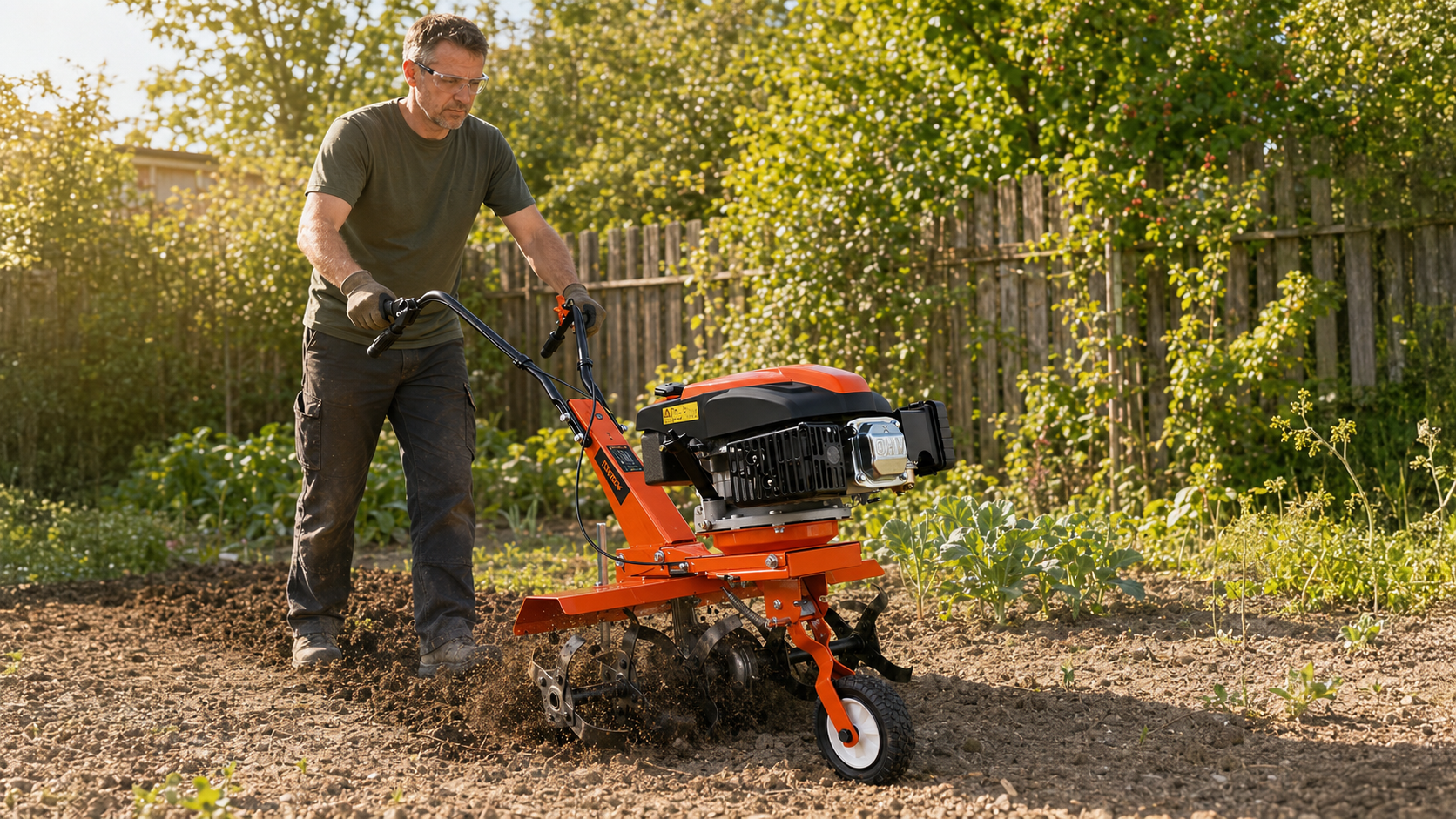
Trockenheit im Garten: Boden lockern, richtig gießen und mit Mulch Wasser sparen
Du gießt das Beet, doch das Wasser bleibt auf der harten Erdoberfläche stehen oder läuft zur Seite ab. Schon nach kurzer Zeit wirkt der Boden wieder trocken, obwohl Du gerade erst zur Gießkanne g...
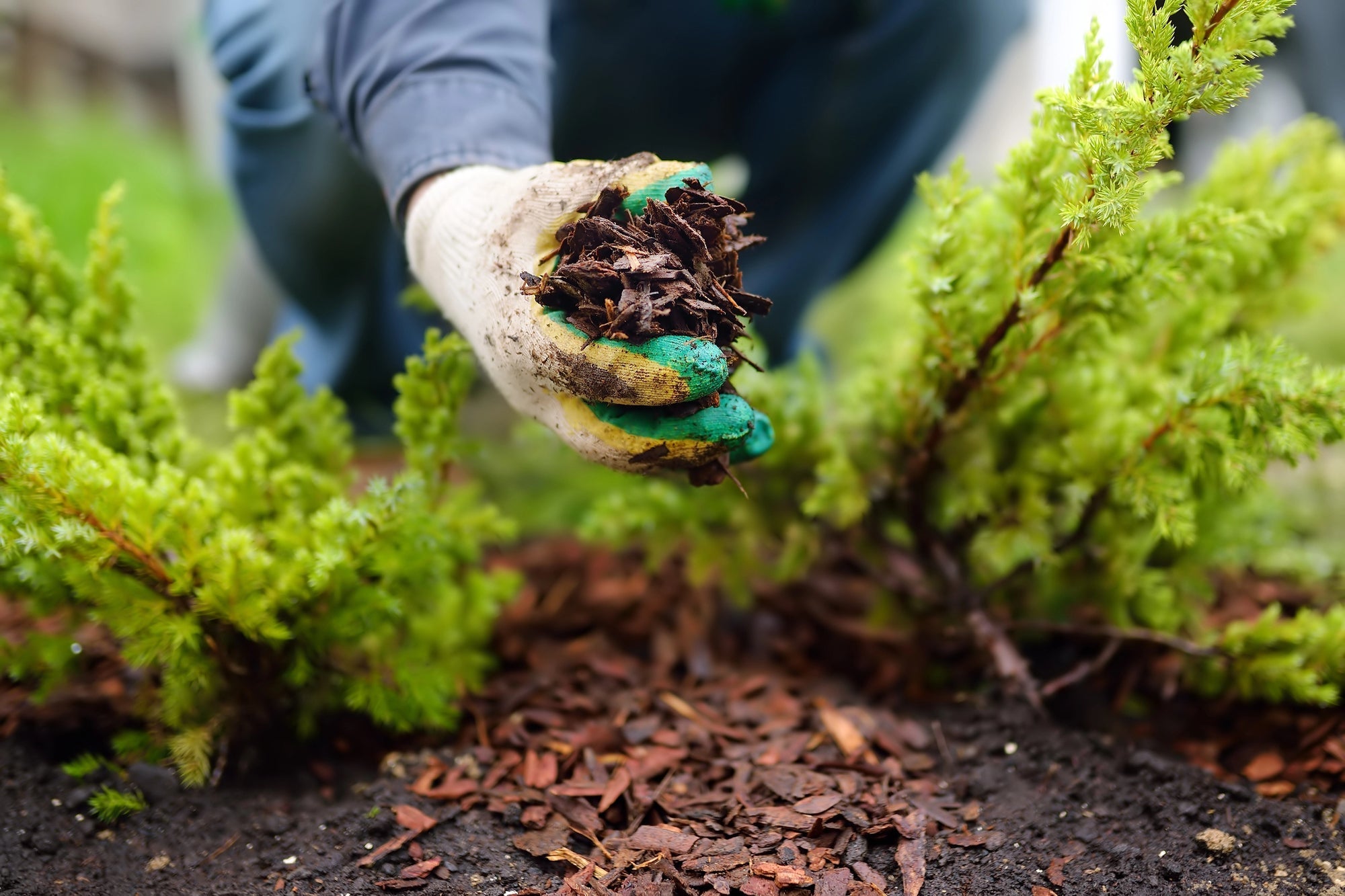
Pine Bark Mulch: The Complete Gardening Guide
Mulching with pine bark is one of the most effective methods in modern gardening and sustainable horticulture. A layer of mulch material is applied to the soil surface to protect and improve the so...

Spring Soil Improvement: Prepare Your Garden Soil
Inhaltsverzeichnis Warum Bodenverbesserung im Garten im Frühjahr so wichtig für einen gesunden Gartenboden ist Gartenboden nach dem Winter prüfen: Bodenstruktur, Verdichtung und Bodenart erke...


