

Border Plants: Best Ideas for Bed Edging
- Einfassungspflanzen richtig gepflanzt: Welche Beeteinfassungen eignen sich?
- Kraut-Einfassungspflanzen & Katzenminze: Blühende Ränder am Beet gestalten
- Mehrjährige Einfassungspflanzen: Winterharte Stauden für ganzjährige Struktur
- Immergrüne Einfassungspflanzen: Vorteile für Garten und Beetumrandung
- Beeteinfassungen entlang von Hecke und Beet: Gepflanzt für natürlichen Sichtschutz
- Einfassungspflanzen im Kräutergarten: Tipps für blühende, niedrig wachsende Ränder
Border plants don't just add decorative touches — they shape the overall look of your garden with clean lines and careful detail. Whether you opt for classic box hedging or choose from a wide variety of species and cultivars, planting needs careful planning: pay attention to the mature size of each plant so you can keep it neatly trimmed with the right shears. Combined with materials such as stone or wood, border plants suit a wide range of uses, from delicate ground cover to a dense herb edging. The result is a bed border that gives your garden design real structure whilst remaining thoroughly practical.
Border Plants Done Right: Which Bed Edgings Work Best?
For your bed edging to look its best, start by choosing the right spot and ensuring the soil is well broken up. Compact-growing varieties such as box and germander are classic border plants that create crisp definition in a cottage garden. When planting, allow roughly 20 cm between each plant so every specimen has enough air and nutrients. Keep the soil evenly moist in spring and autumn, but avoid waterlogging. With the FUXTEC hedge trimmer you can cut back dead foliage in spring and shape new growth in autumn with ease, encouraging fresh leaves to sprout and flowers to keep coming.

Herb Border Plants & Catmint: Creating Flowering Edges Around Your Beds
Fragrant border plants such as lavender and sage not only produce attractive blooms in the kitchen garden but also help deter unwanted pests thanks to their strong scent. Native catmint is particularly hardy and tolerates dry spells without additional watering. Combine these herbs with thyme and chives to create a mix of alternating flowering and evergreen accents. Plant in rows with even spacing so every variety has room to thrive. The FUXTEC grass trimmer makes light work of a clean cut along the bed edging, keeping the flower border looking sharp without damaging the lawn.
Perennial Border Plants: Hardy Perennials for Year-Round Structure
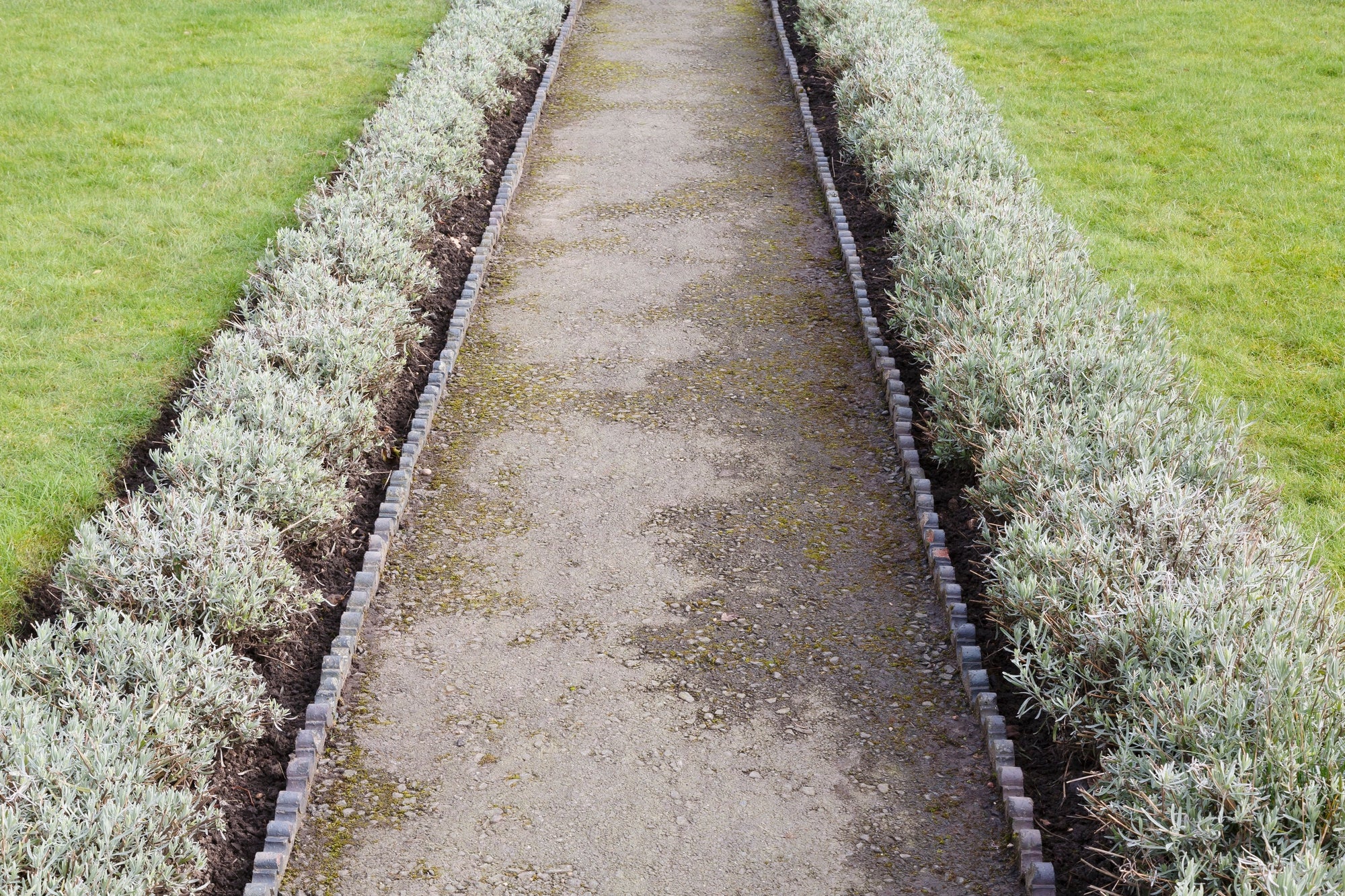
Perennials such as cotton lavender (santolina), germander, and silver sage are ideal long-lived border plants thanks to their frost hardiness. Their blue and silver foliage provides striking contrast alongside granite or stone edging, and their compact growth requires little maintenance. They shoot back quickly in spring, put on a lovely display of foliage in autumn, and offer a degree of frost protection over winter. Make sure the soil is free-draining so roots don't rot, and give plants a light feed of well-rotted compost to supply valuable nutrients.
Evergreen Border Plants: Benefits for Your Garden and Bed Edging

Evergreen varieties such as box and ivy provide a continuous green boundary around the bed. Their dense foliage shelters delicate perennials from wind exposure in winter and creates valuable screening in a rock garden. The edging remains visually present even during the bleakest months and provides habitat for insects within its leaves. Use the FUXTEC hedge trimmer to keep box hedging in shape by regularly removing new growth and encouraging a dense canopy. This prevents bare patches and keeps the bed looking crisply defined.
Bed Edgings Along Hedges and Borders: Planted for Natural Screening
A living bed border of perennials and low shrubs such as cotoneaster or privet complements informal hedges and provides gentle screening. The combination of evergreen and flowering species keeps the overall look interesting throughout the year. Plant the edge of your hedge so that the root zone is protected from unwanted weeds with landscape fabric. The bed edging blends harmoniously with the natural line of the hedge and can deliver a final flush of colour in autumn. A tidy lawn edge cut with the grass trimmer glides effortlessly along the bed border, maintaining clean lines between lawns or paths and your planting beds.
Border Plants in the Herb Garden: Tips for Low-Growing, Flowering Edges
In the herb garden, low-growing border plants such as thyme, chives, and rosemary are both decorative and useful in the kitchen. These herb varieties grow close to the ground and adorn your bed with delicate blooms whilst also acting as ground cover. Make sure the soil is moderately moist and reasonably fertile so young plants establish quickly. Consider adding stone or terracotta edging around the herb beds to define the border visually and create a clear boundary. Regular maintenance should include removing old foliage and encouraging fresh new growth.
Discover our range of garden tools
What is the best spacing for border plants?
Allow roughly 20 centimetres between each plant so every specimen has enough air circulation and access to nutrients. This spacing ensures your border plants establish quickly and develop a dense, healthy appearance over time.
Which plants are best for herb garden borders?
Low-growing varieties like thyme, chives, and rosemary work brilliantly for herb garden edges as they're both decorative and practical for the kitchen. They produce delicate blooms whilst providing useful ground cover and require only moderately moist, reasonably fertile soil to thrive.
Are evergreen border plants good for year-round structure?
Yes, evergreen varieties such as box and ivy provide a continuous green boundary that remains visually present even during winter. They also shelter delicate perennials from wind exposure and create valuable screening in rock gardens.
How do I prevent waterlogging in border plant beds?
Keep soil evenly moist in spring and autumn but avoid waterlogging, and ensure the soil is free-draining so roots don't rot. Adding well-rotted compost supplies valuable nutrients whilst improving drainage.
What perennials are hardy enough for UK garden borders?
Cotton lavender, germander, and silver sage are ideal long-lived border plants thanks to their frost hardiness and compact growth. Their blue and silver foliage provides striking contrast and requires little maintenance once established.
Can I use fragrant plants as border edgings?
Absolutely—lavender, sage, and native catmint make excellent fragrant borders that produce attractive blooms and help deter pests with their strong scent. Catmint is particularly hardy and tolerates dry spells without additional watering.
How often should I trim border plants?
Cut back dead foliage in spring and shape new growth in autumn to encourage fresh leaves and continued flowering. A hedge trimmer makes this task straightforward and helps prevent bare patches whilst keeping your bed edging crisply defined.
More articles about garden care
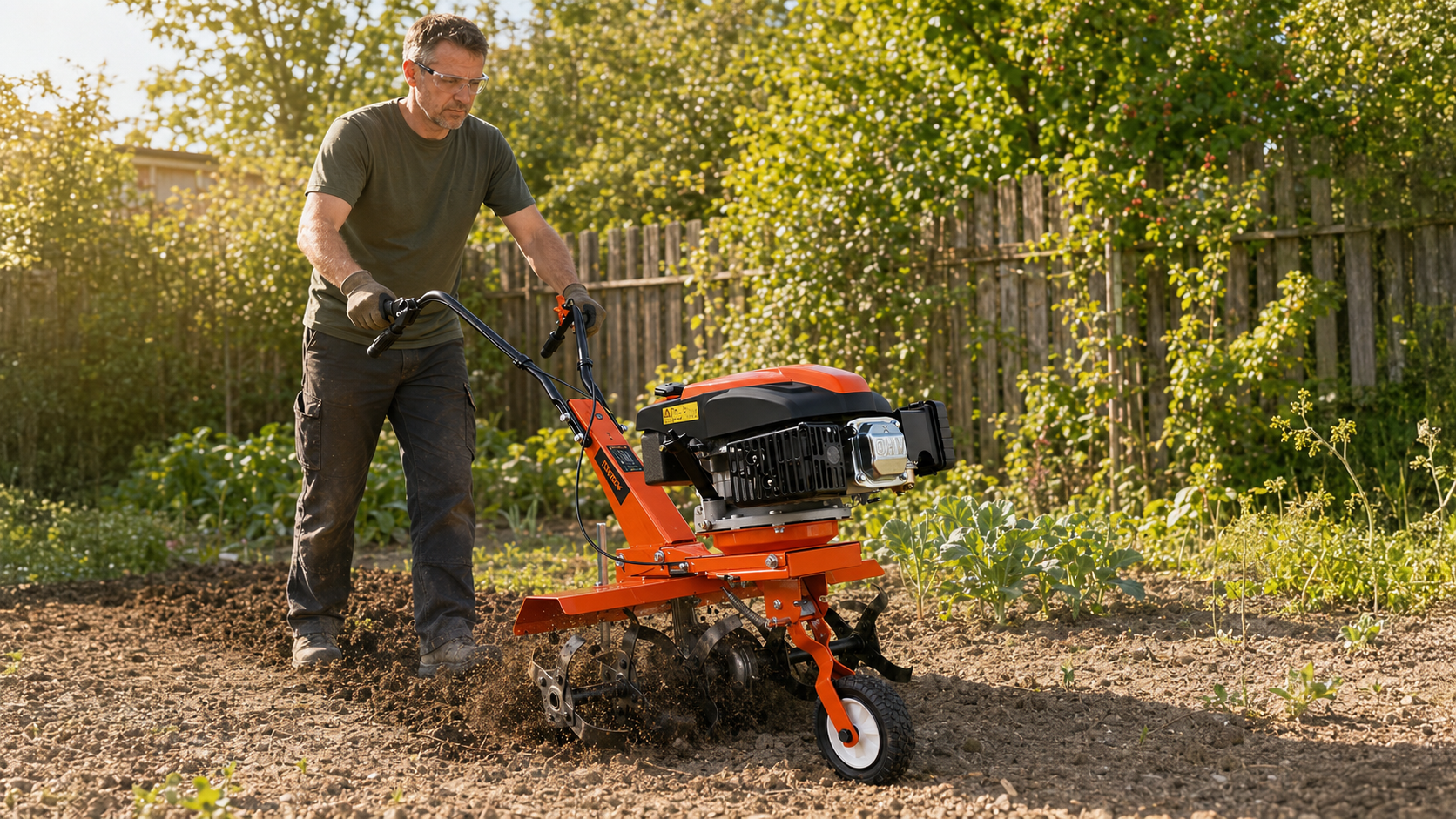
Trockenheit im Garten: Boden lockern, richtig gießen und mit Mulch Wasser sparen
Du gießt das Beet, doch das Wasser bleibt auf der harten Erdoberfläche stehen oder läuft zur Seite ab. Schon nach kurzer Zeit wirkt der Boden wieder trocken, obwohl Du gerade erst zur Gießkanne g...
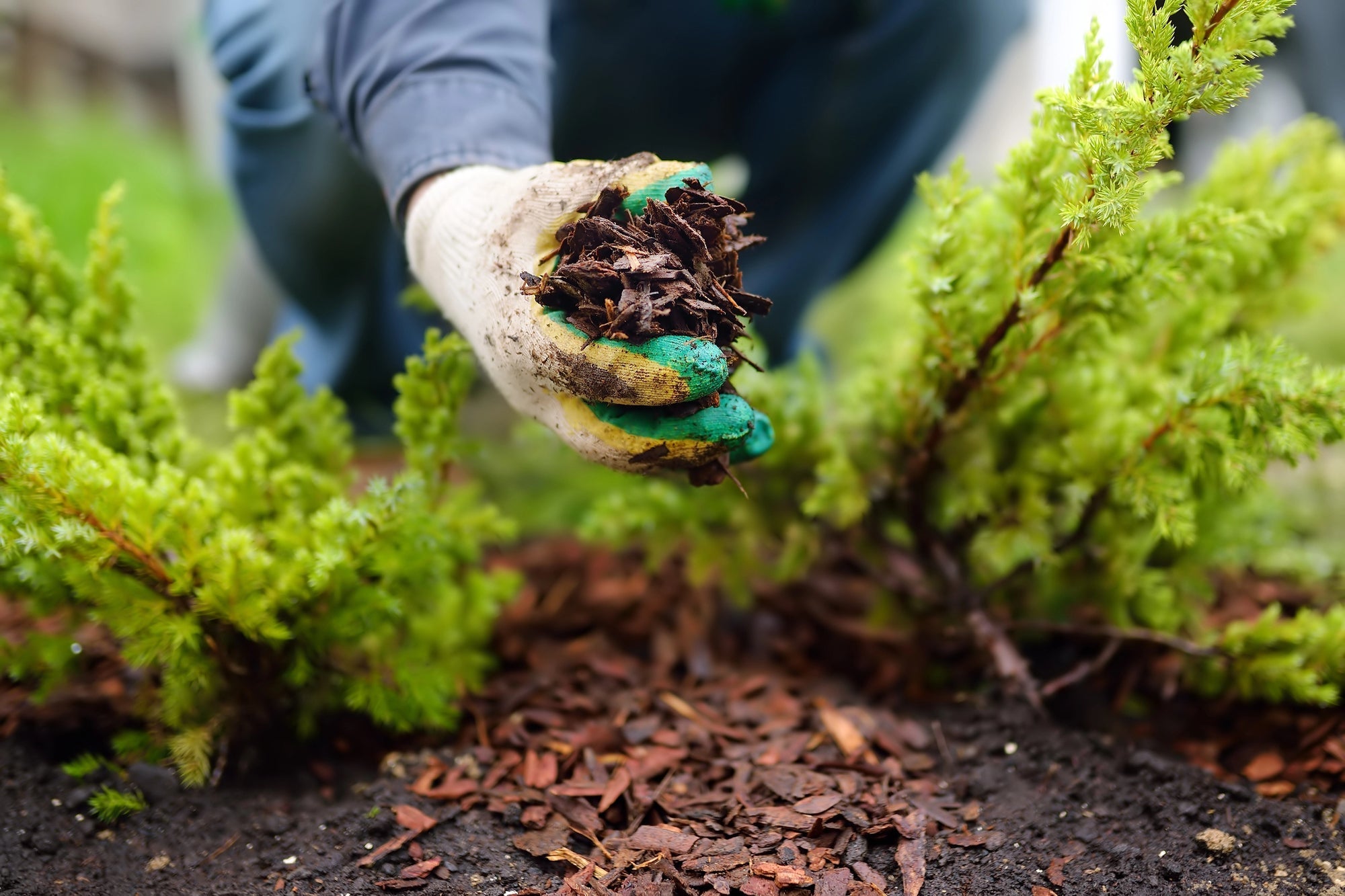
Pine Bark Mulch: The Complete Gardening Guide
Mulching with pine bark is one of the most effective methods in modern gardening and sustainable horticulture. A layer of mulch material is applied to the soil surface to protect and improve the so...
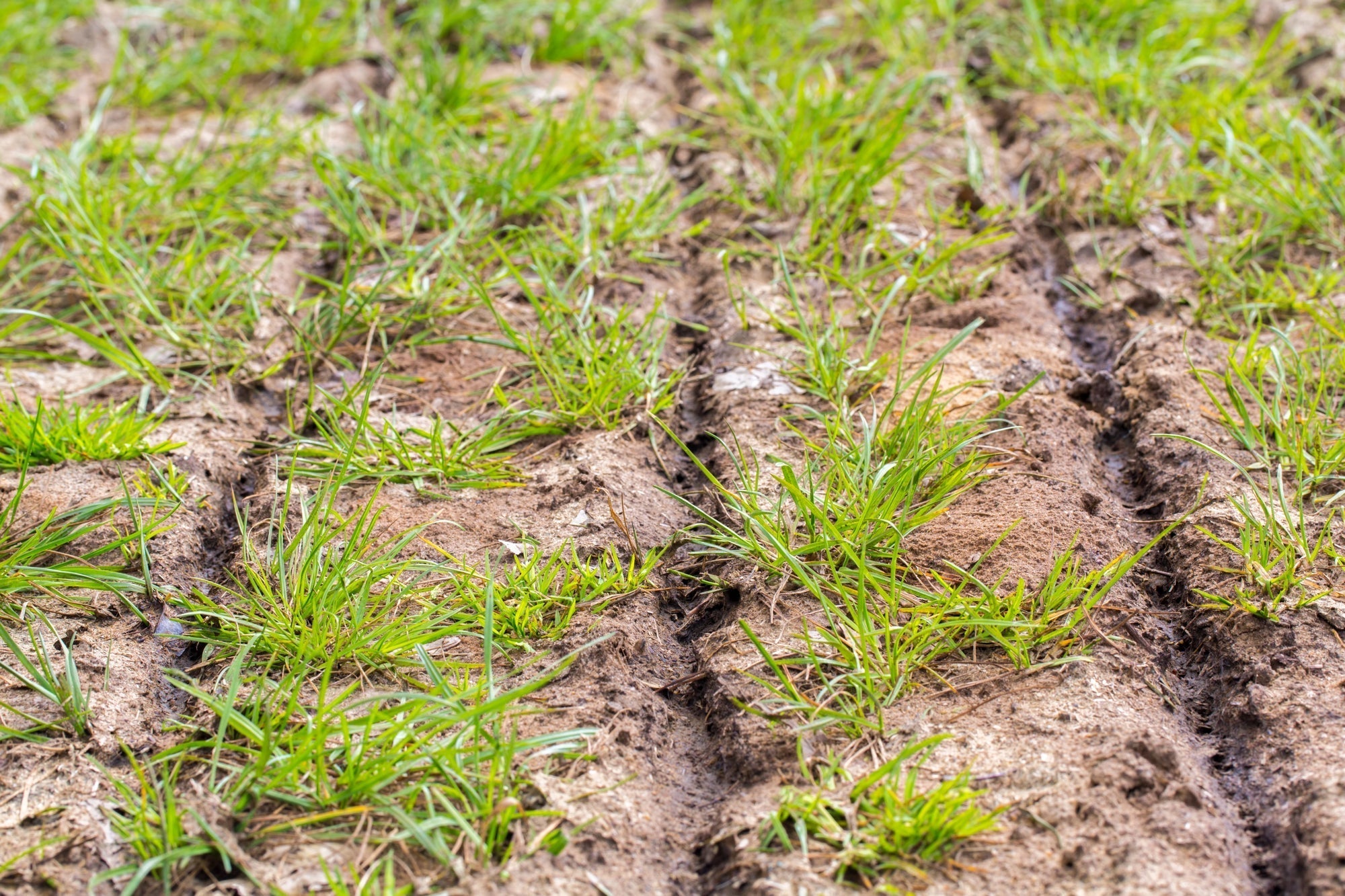
Spring Soil Improvement: Prepare Your Garden Soil
Inhaltsverzeichnis Warum Bodenverbesserung im Garten im Frühjahr so wichtig für einen gesunden Gartenboden ist Gartenboden nach dem Winter prüfen: Bodenstruktur, Verdichtung und Bodenart erke...


