
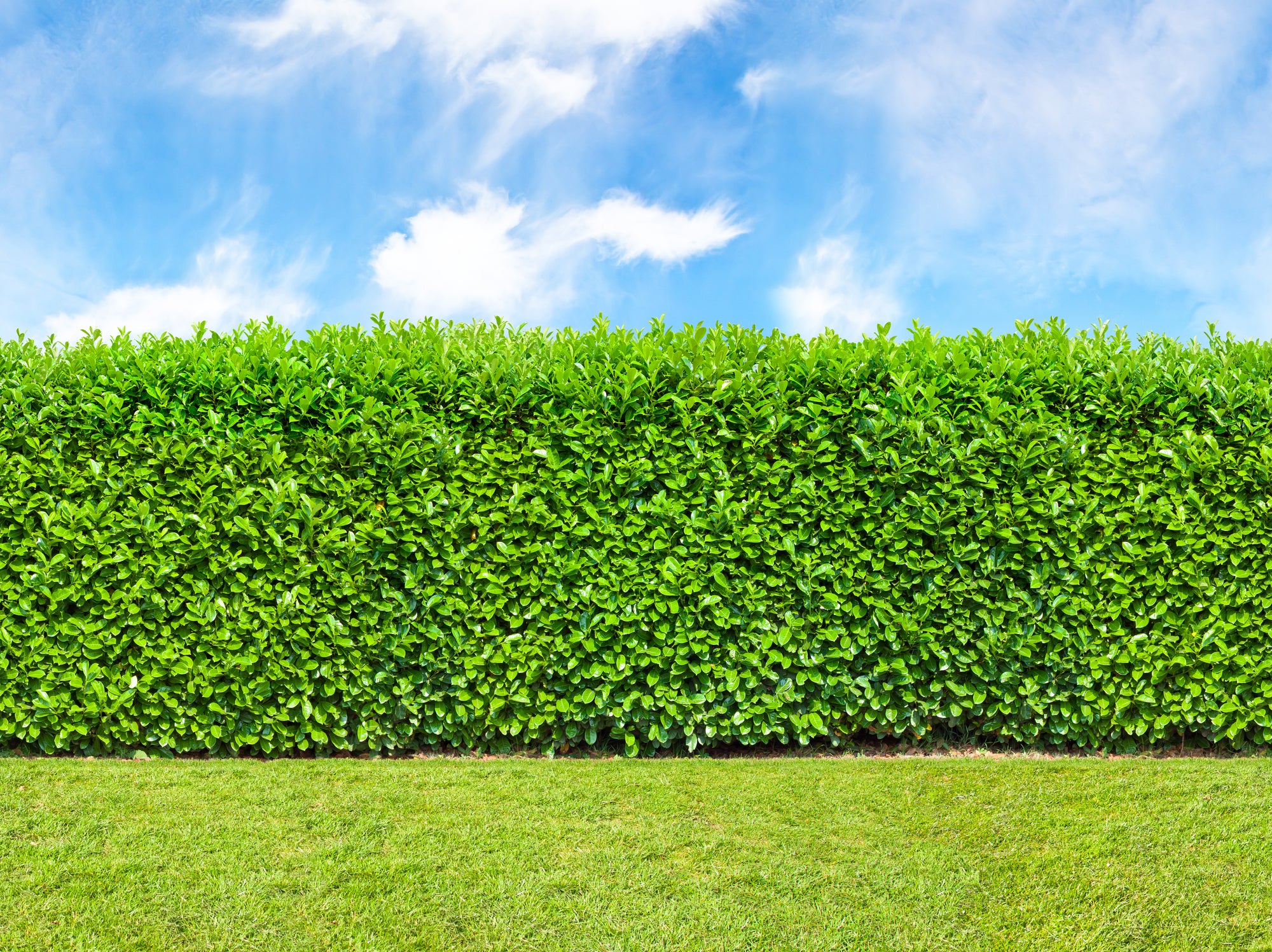
When to Cut Hedges: Nesting Season Rules & Tips

When is hedge cutting prohibited by law in the UK?
Under the Wildlife and Countryside Act 1981 and associated regulations, it is an offence to intentionally damage, destroy or disturb an active bird nest or the eggs and young within it. In practice, this means that carrying out significant hedge cutting or clearance during the main nesting season — broadly 1 March to 31 August — is strongly discouraged and can constitute a criminal offence. Fines can be significant, including unlimited fines and potential custody for serious offences.
Heavy cutback is ideally carried out outside the nesting season, during winter from October to February, allowing the hedge to put on strong new growth in spring. Around midsummer, only gentle maintenance and shaping trims to remove the season's new growth are considered acceptable. Even so, you should always carefully check for active nests before cutting any hedge — only proceed when you are certain no birds are nesting there.
Respecting wildlife: shaping only in May and June to protect nesting birds

Hedges and shrubs are important habitats for wild animals and plants. Many bird species use them as sheltered nesting sites during the breeding season — the blackbird being a prime example. If protective branches are cut away or a nest is exposed during trimming, it can disturb brooding adults and harm chicks.
Choosing the right hedge trimmer
A clean, considerate cut requires not just the right timing but also the right tool. A sharp hedge trimmer ensures that stems are cut cleanly rather than torn and frayed — which matters for the hedge's health after trimming and helps avoid unnecessary damage to the plants.
For many garden hedges, a cordless battery-powered hedge trimmer is ideal, giving you the freedom to move along the hedge without trailing cables. For tall hedges or hard-to-reach side panels, a telescopic hedge trimmer lets you work neatly at greater heights. For thicker branches or heavily woody sections, a more powerful petrol hedge trimmer may be the better choice.
A pair of garden shears or secateurs is also an essential part of your kit. They are perfect for carefully shortening individual branches, tidying up ragged cuts, or working with more delicate hedge plants. Particularly with evergreens such as cherry laurel, a precise cut with shears can help avoid unsightly brown leaf edges.

With the right FUXTEC hedge trimmers and garden shears, shaping and cutting back your hedge is no longer a challenge! Find out how to properly maintain your FUXTEC hedge trimmer right here!
7 Tips for a clean hedge trim
Getting the timing right is only part of the story — technique matters just as much. Especially in spring and summer, trimming should be carried out with particular care to keep the hedge dense and avoid disturbing any potential nesting sites.
- Check the hedge before you start: Before picking up the trimmer, inspect the hedge carefully for brooding birds or occupied nests. Particular caution is needed during the bird nesting season.
- Trim gently — don't cut back too hard: In summer, hedge trimming should focus on removing fresh new growth. Hard cutback or removing large sections of the hedge is not permitted at this time of year. Work moderately and remove only as much as is necessary to maintain the shape.
- Aim for a tapered shape: Many hedges stay denser if they are cut slightly wider at the base and narrower at the top. This allows the lower sections to receive adequate light. This is especially helpful with conifer hedges to prevent bare patches and die-back.
- Don't remove all new growth: Only trim back fresh shoots partially. Leaving some of the new growth in place allows the hedge to continue growing healthily and become denser over time.
- Take care with cherry laurel: Evergreen hedge plants are sensitive to heavy cutting. For the best results, a FUXTEC pair of garden shears is the better choice here.
- Use string lines as a guide: If you want your hedge to be particularly straight, stretch two lines along the sides before you start cutting. They will help you maintain the desired height and shape evenly.
- Be mindful of boundary rules: If your hedge runs along a boundary, check who is responsible for its maintenance. Rules on permitted heights can vary depending on your local council and any relevant planning conditions. A quick chat with your neighbours can avoid disputes further down the line.
Summary: always respect the bird nesting season when trimming hedges
When it comes to cutting hedges, it's not just about the shape you want — it's also about protecting wildlife. Under the Wildlife and Countryside Act 1981, it is an offence to intentionally damage or destroy the nest of any wild bird while it is in use or being built. You should also avoid disturbing plants without good reason. Gentle maintenance trims are possible, but require special care. Always check thoroughly for active nests before cutting, and only use your trimmer when you can be certain no birds are nesting in the hedge.
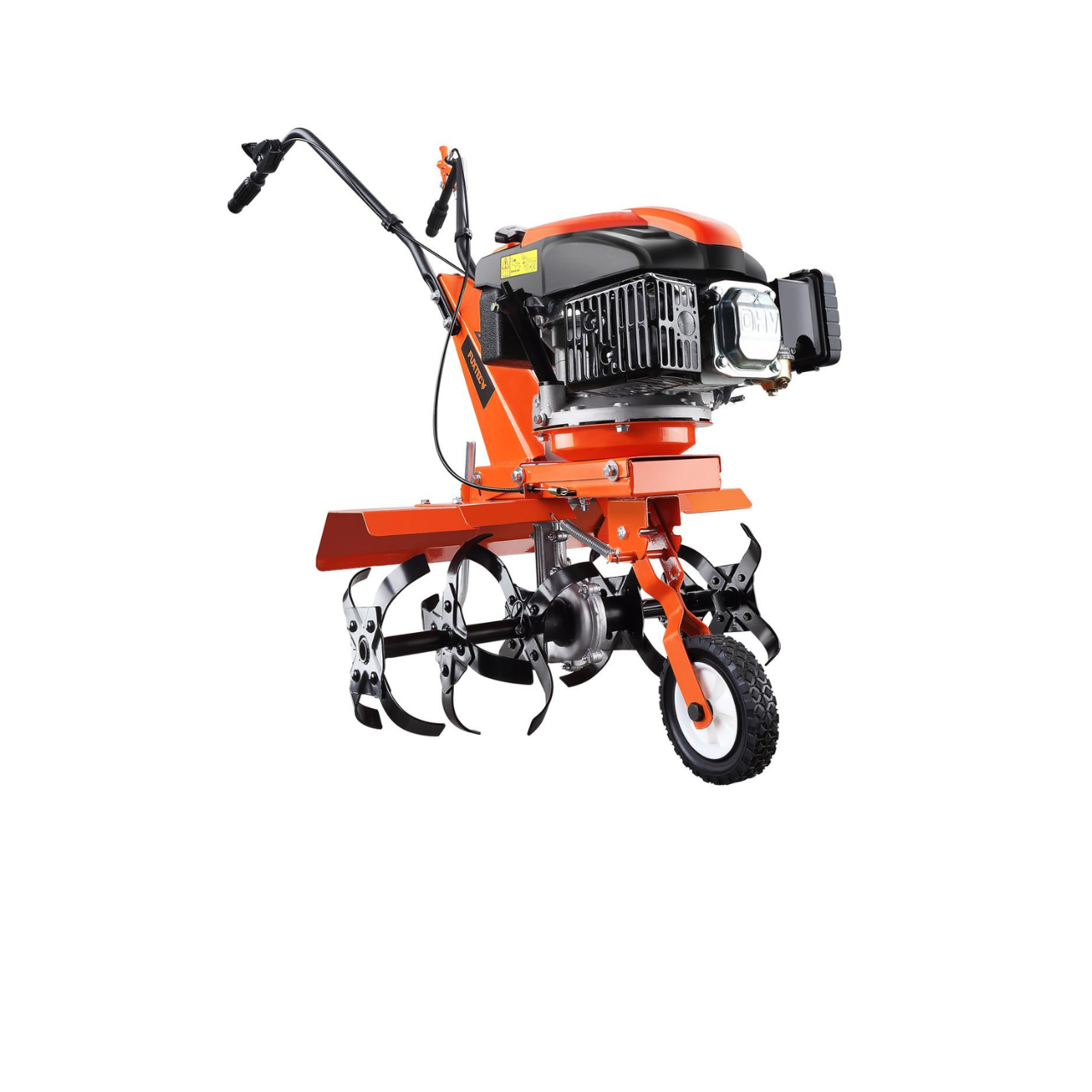
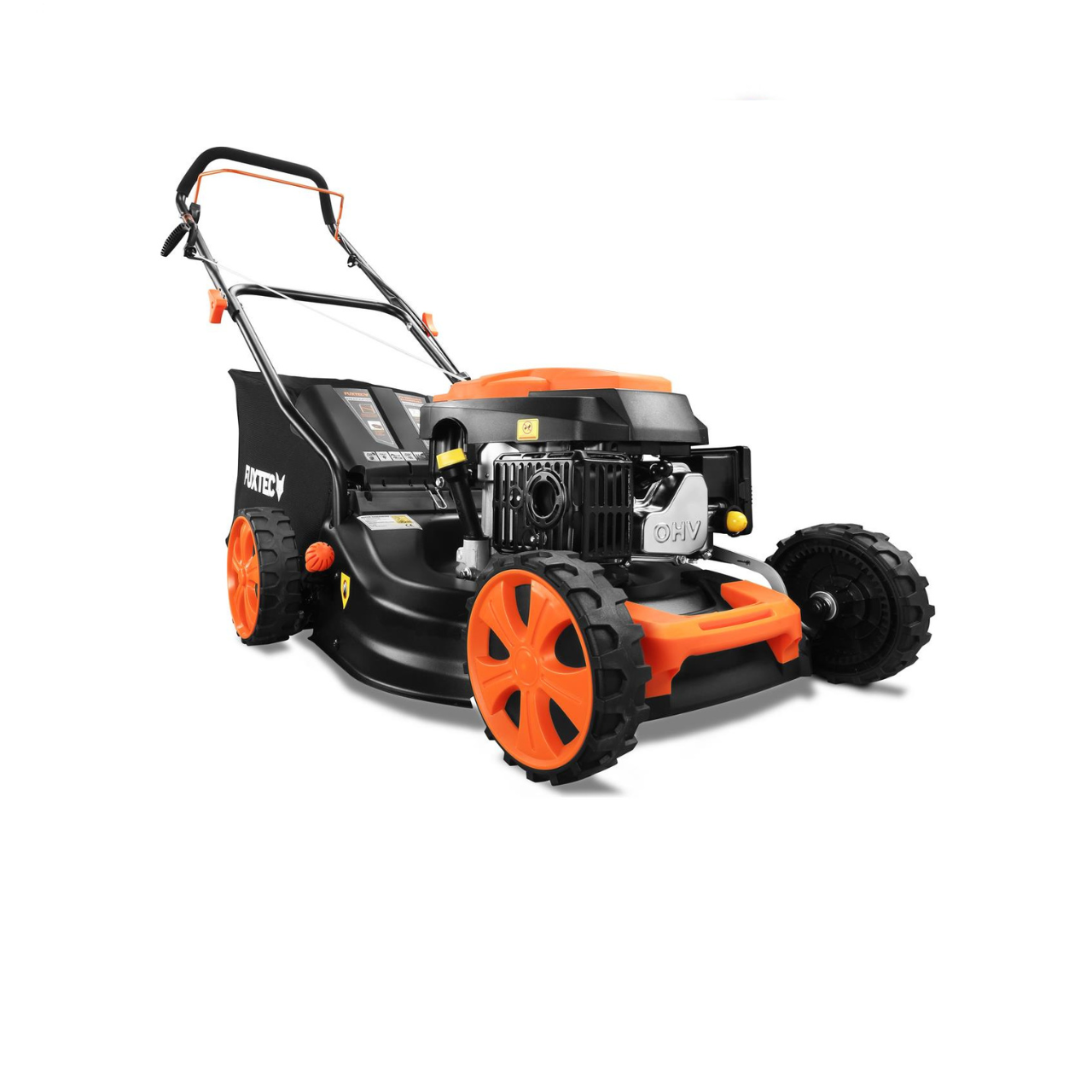
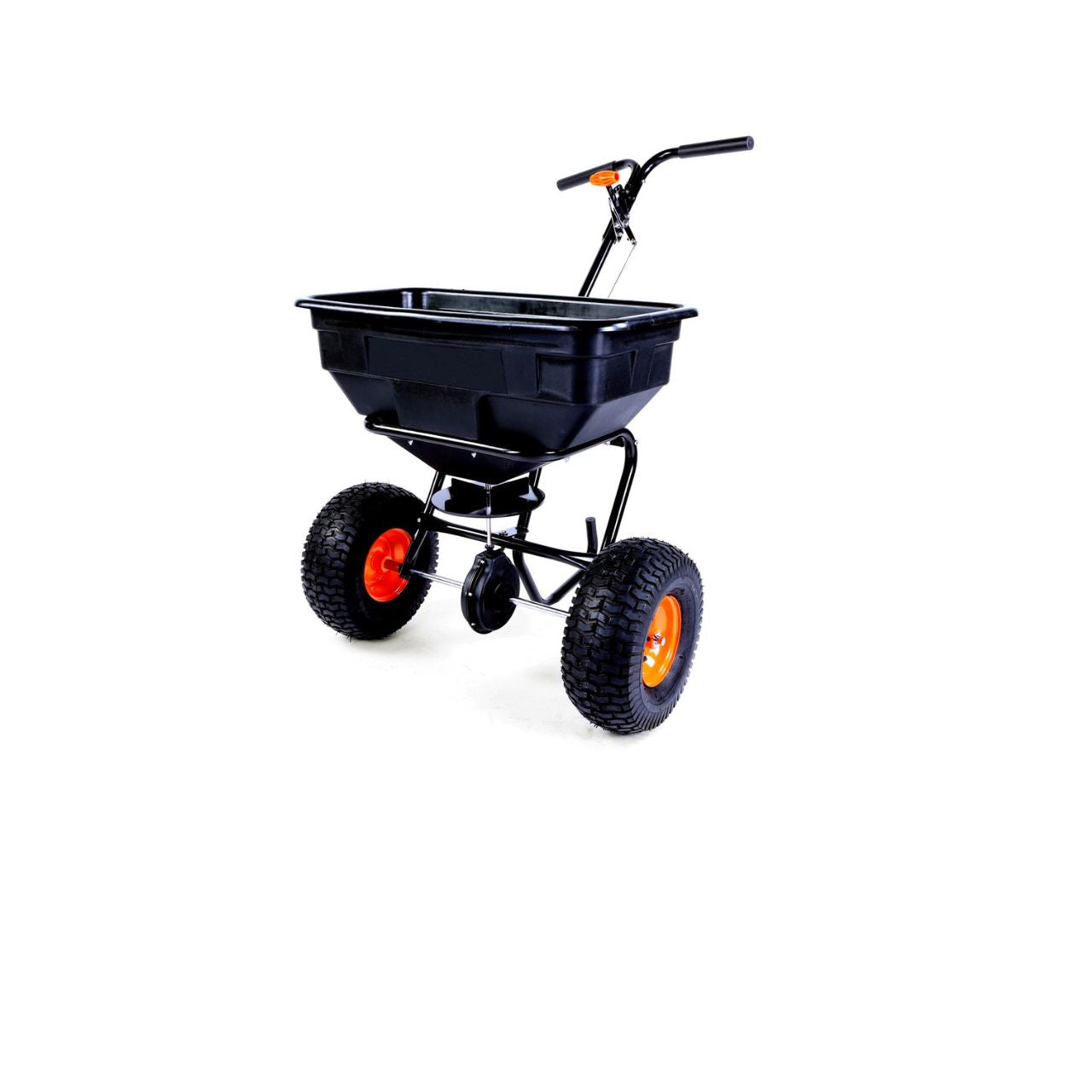
Discover our range of garden tools
What are the legal penalties for cutting hedges during nesting season?
Under the Wildlife and Countryside Act 1981, deliberately damaging or disturbing an active bird nest is a criminal offence. Penalties can include unlimited fines and potential custody for serious offences, which is why checking for nests before trimming is essential.
Can I trim my hedge at all during spring and summer?
Yes, gentle maintenance and shaping trims are permitted during spring and summer, particularly around late June or midsummer. However, you must always check carefully for active nests first and only remove new growth, avoiding hard cutback which could disturb nesting birds.
What's the best time of year to do heavy hedge cutting?
Heavy hedge cutting is best carried out during winter from October to February, outside the main nesting season. This timing allows the hedge to put on strong new growth in spring and minimises the risk of harming nesting birds.
How should I inspect my hedge for nesting birds?
Before you start trimming, inspect the hedge carefully and look for signs of brooding birds or occupied nests, particularly during the bird nesting season from March to August. Only proceed with cutting when you are certain no birds are nesting there.
Why shouldn't I do hard cutting on hornbeam or evergreen hedges in summer?
Hard cutting on evergreens like cherry laurel can cause brown leaf edges and poor healing, whilst many shrubs are vulnerable to frost damage if they put on tender new growth after late summer trimming. Gentle trimming with garden shears is a better choice for these species.
Is late June a good time for hedge trimming?
Late June or midsummer is an ideal time for gentle shaping and maintenance trims, as the first flush of vigorous new growth is usually complete. Careful trimming at this point often results in slower regrowth and helps the hedge hold its shape longer.
Should I check with my neighbours about hedge cutting rules?
Yes, if your hedge runs along a boundary, it's worth checking who is responsible for maintenance and understanding any local planning conditions or height restrictions. A quick conversation with neighbours can prevent disputes and ensure compliance with local rules.
More articles about garden care
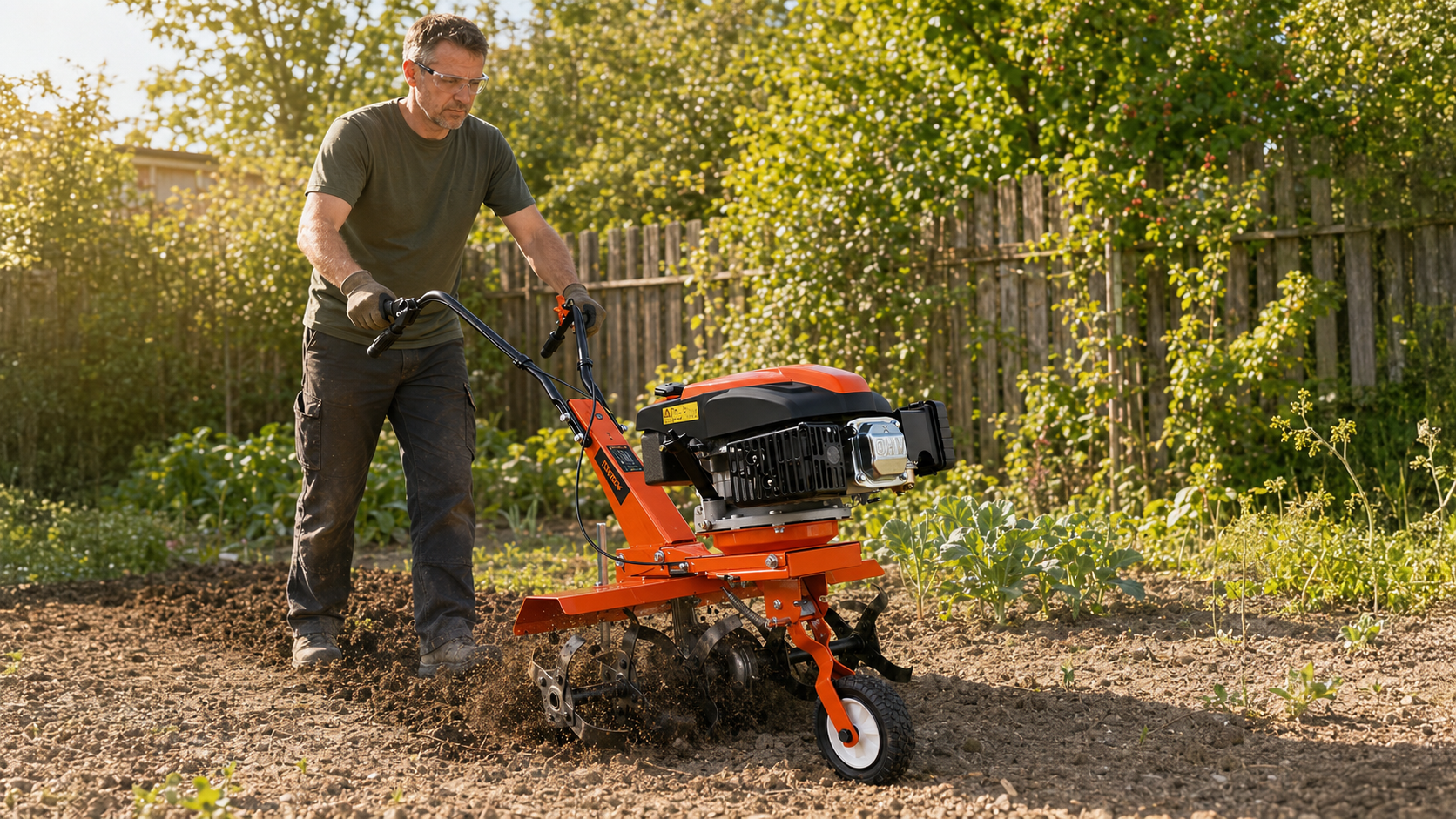
Trockenheit im Garten: Boden lockern, richtig gießen und mit Mulch Wasser sparen
Du gießt das Beet, doch das Wasser bleibt auf der harten Erdoberfläche stehen oder läuft zur Seite ab. Schon nach kurzer Zeit wirkt der Boden wieder trocken, obwohl Du gerade erst zur Gießkanne g...
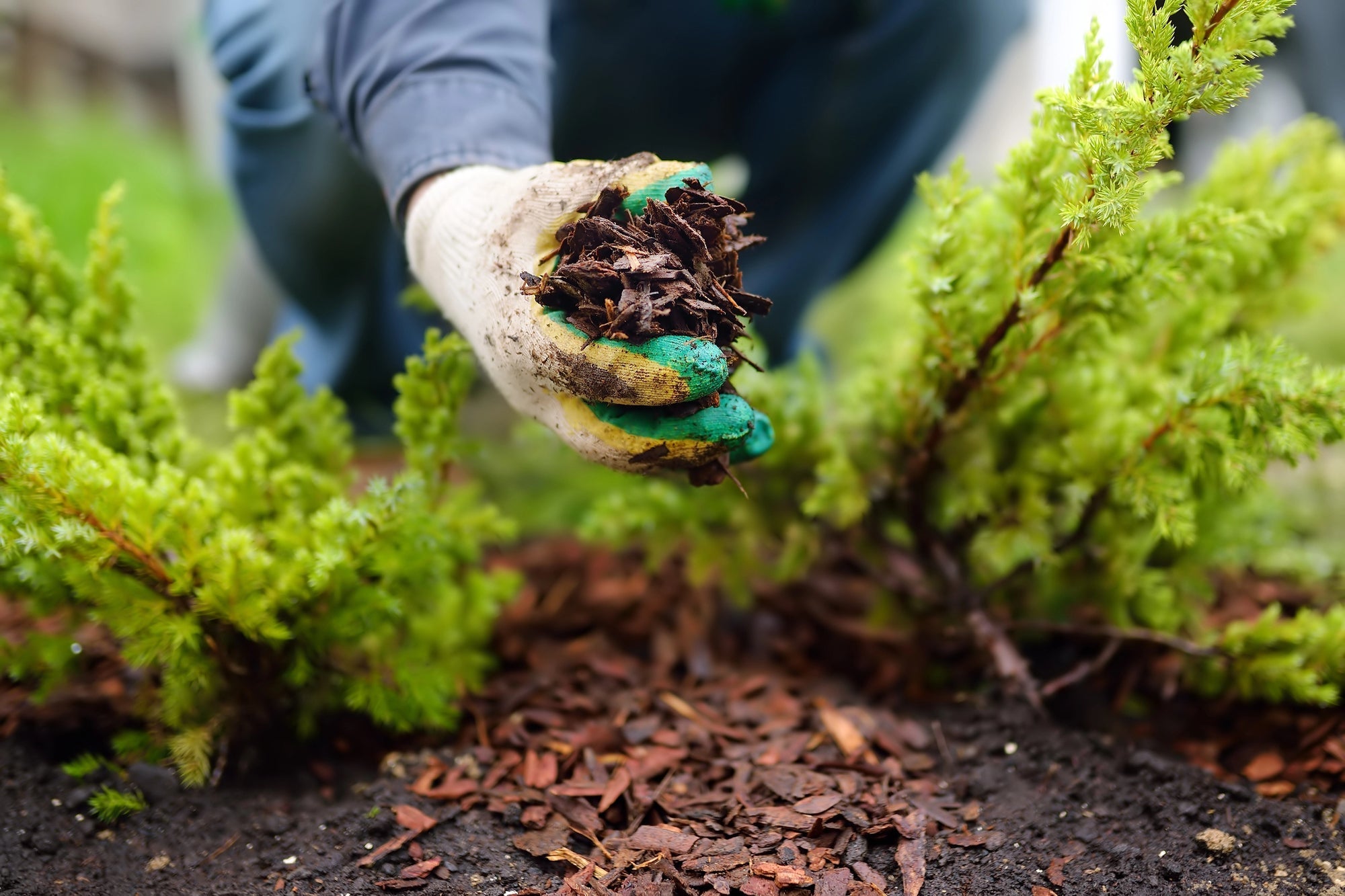
Pine Bark Mulch: The Complete Gardening Guide
Mulching with pine bark is one of the most effective methods in modern gardening and sustainable horticulture. A layer of mulch material is applied to the soil surface to protect and improve the so...
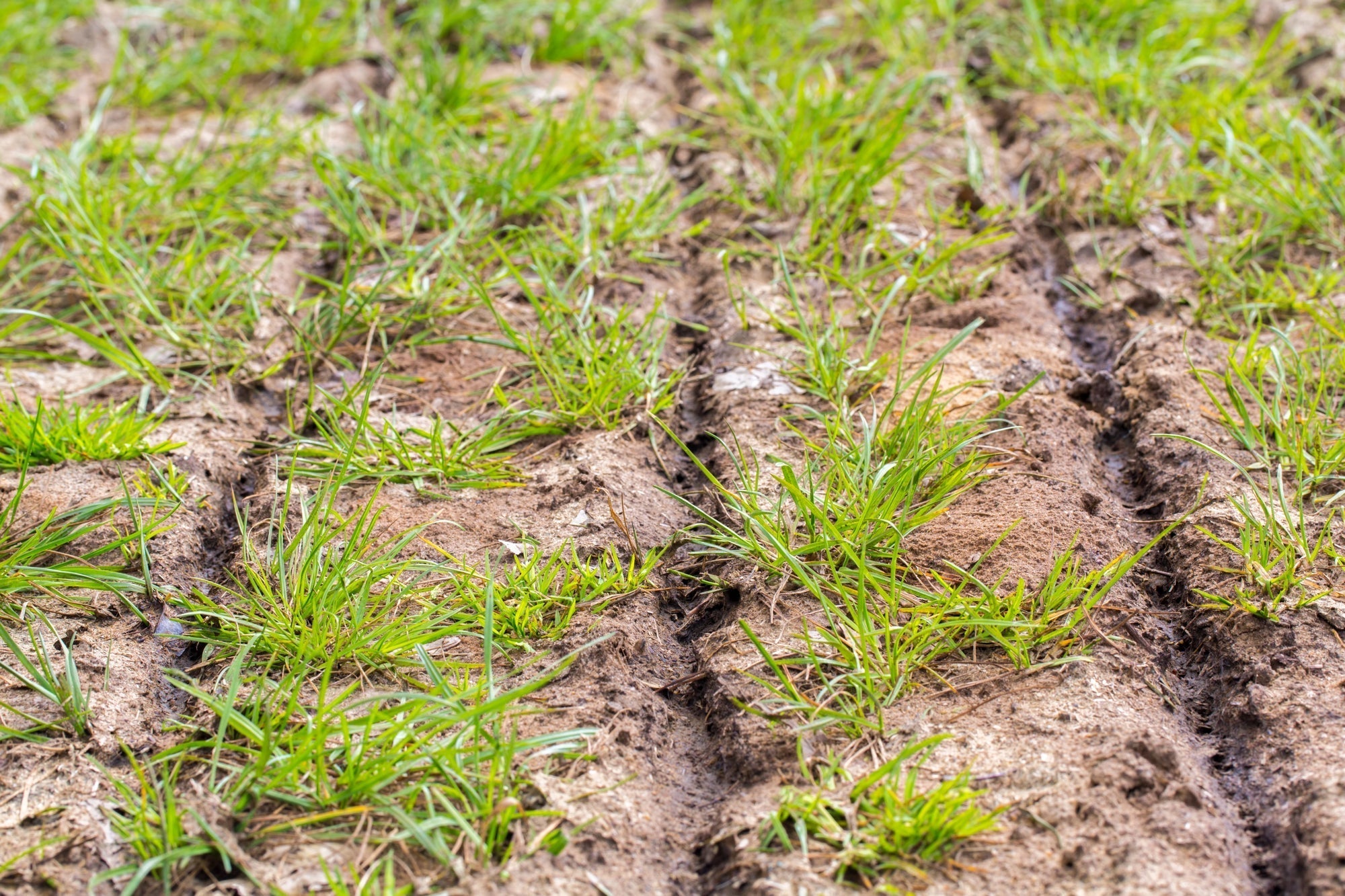
Spring Soil Improvement: Prepare Your Garden Soil
Inhaltsverzeichnis Warum Bodenverbesserung im Garten im Frühjahr so wichtig für einen gesunden Gartenboden ist Gartenboden nach dem Winter prüfen: Bodenstruktur, Verdichtung und Bodenart erke...


