








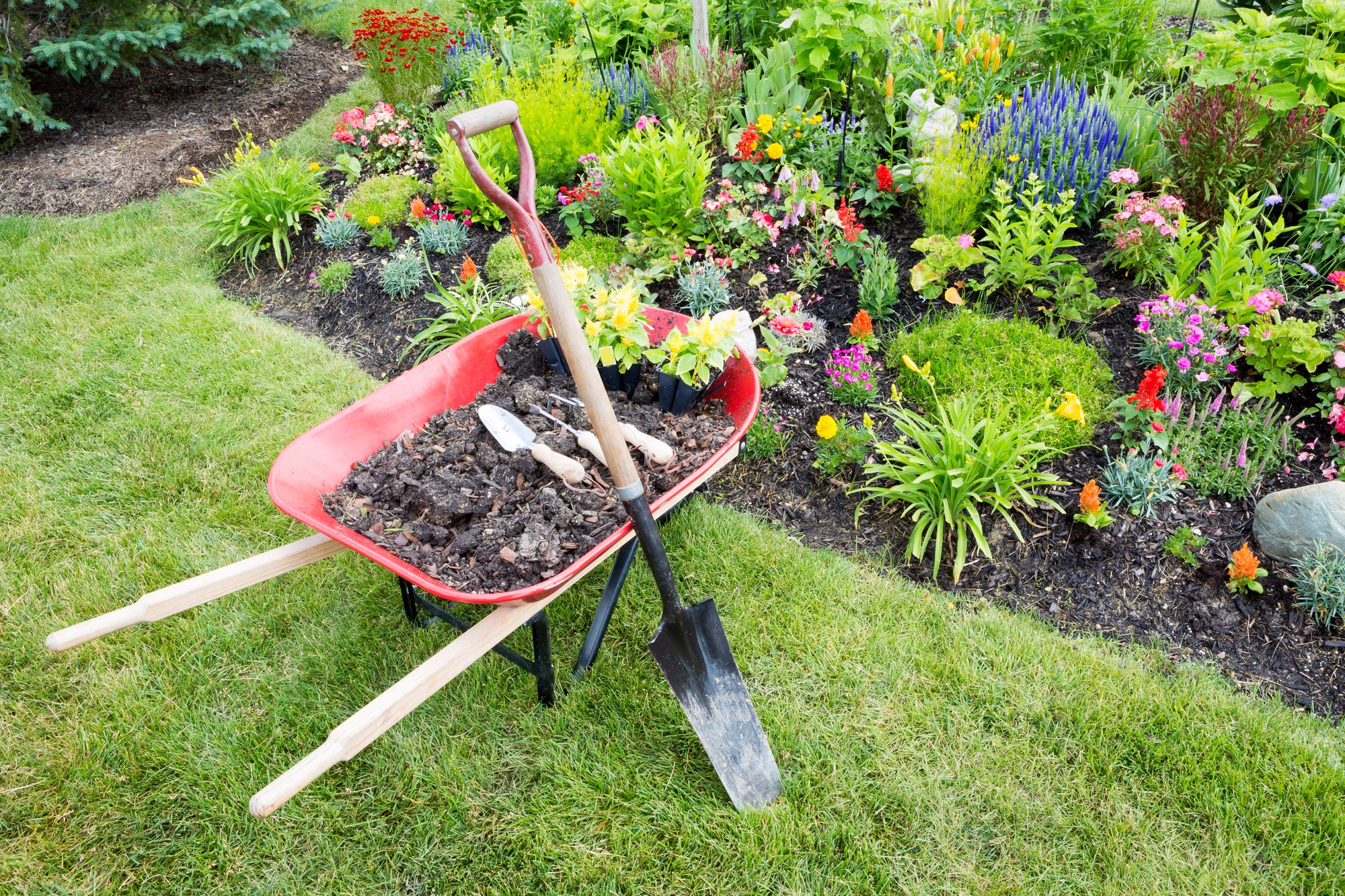
Garten im Frühling Titelbild
Spring Garden Tips – Get Your Garden Ready
- Garten im Frühling gestalten – Jetzt beginnt die beste Zeit
- Boden vorbereiten und düngen: die Grundlage für gesunde Pflanzen
- Beete bepflanzen und aussäen: So wird Dein Garten farbenfroh und lecker
- Die wichtigsten Gartenarbeiten im Frühling – Schritt für Schritt
- So gelingt Dein Start in die neue Saison
- Was jetzt zählt: Motivation, Planung und die richtige Ausrüstung
Spring is finally here! The first rays of sunshine lift your spirits, the birds are singing, and your fingers are itching to get outside – it's the perfect time to wake your garden up from its winter slumber.
Whether you want to replant your borders, get your lawn back into shape, or protect tender plants, now is the ideal moment to kick off the new season.
To help your garden truly come alive this spring, we've put together all the essential tips on which jobs need doing now and how to prepare your garden for summer.
And don't worry: even if you're no expert – with the right preparation, every step is achievable!
Shaping Your Spring Garden – Now Is the Best Time to Start
When spring arrives, the garden takes centre stage. From early March onwards, things really get going: temperatures rise, daylight increases, and the soil begins to warm up – this is your opportunity to lay the foundations for a successful gardening year.
At this stage you can also start sowing tender plants in a sheltered spot such as a windowsill. Lettuces, peas, and beetroot, for example, will get a head start before they can be moved outdoors.
Particularly handy: a cold frame or a portable greenhouse will protect your young seedlings effectively against unexpected late frosts.
Digging over or loosening the soil is also a spring essential. When the soil is dry enough – which you can easily test with a spade – you're good to go.
Preparing and Feeding the Soil: The Foundation for Healthy Plants

A healthy garden starts with healthy soil. In spring, it's worth giving your garden soil a little extra attention.
Start by testing the soil pH – this is straightforward with a testing kit from your local garden centre. A balanced pH encourages microbial activity and ensures your plants can thrive.
Loosen the soil thoroughly, and remove leaves, weeds, and old plant debris. A FUXTEC leaf blower or a sharp pair of secateurs will make this job much easier – you'll find a handy guide on how to sharpen garden secateurs here.
You can then feed organically, for example with garden compost or an organic slow-release fertiliser. Home-made compost is particularly excellent – it's packed with valuable nutrients and brings your soil to life.
Tip: Make sure you spread the fertiliser evenly, and choose gentler formulations for more sensitive plants.
Here's a quick checklist of what to keep in mind when preparing your soil:
- Check the pH (varies for sandy or clay soils, for example)
- Loosen the soil and keep it weed-free
- Feed organically, e.g. with compost
- Remove moss from lawn areas
- Encourage microorganisms with mulch or green manure
Tip: Use our FUXTEC protective gloves to keep your hands safe while fertilising and digging – they're robust, comfortable, and built to last.
Planting and Sowing Beds: Make Your Garden Colourful and Delicious

Time to bring your beds to life! From mid-March onwards is the best time to sow the first vegetables directly outdoors or start them off on a windowsill.
Your herbaceous borders also need attention now – cut back old stems and shoots close to the ground so that fresh energy can push through.
For a splash of colour, spring-flowering bulbs such as daffodils, hyacinths, and tulips are ideal. These should ideally have been planted the previous autumn – but don't worry: perennials such as dahlias and gladioli can be planted out from May, once the risk of frost has passed.
Tip: If you want to prepare your beds properly, invest in quality garden tools. Our tools make digging over, planting, and watering far easier. Also handy: with the right hose systems and hose reels, watering your garden is quick and effortless!
The Most Important Spring Garden Jobs – Step by Step
As the days grow longer and the nights become milder, it's time for the key jobs in the garden. Nature is picking up pace – and so should you!
- First, remove dead growth, withered stems, and dried-out branches. This creates space for fresh new growth and improves air circulation. Clean cutting technique is essential here – use a well-sharpened pair of secateurs or a chainsaw.
- Next comes pruning shrubs and smaller trees, while they haven't yet come into new growth. Be sure to observe the legal cutting restrictions!
- Then it's time for weeding: clover and dandelions spread quickly, particularly in freshly planted beds or across the lawn.
You can also plant new garden plants, divide perennials, and start crops such as tomatoes or herbs in a cold frame or on a windowsill. Moving them outdoors is possible from mid-May – by then the risk of frost should have passed.
Lawn Care in Spring
Your lawn needs special attention after winter:
- Scarifying: Once the soil is dry enough, you can scarify the lawn to remove moss and thatch. This improves aeration and encourages healthy growth.
- Mowing: After scarifying, it's time for the first cut of the year – use a suitable lawn mower and make sure the blades are sharp and the cutting height is set correctly.
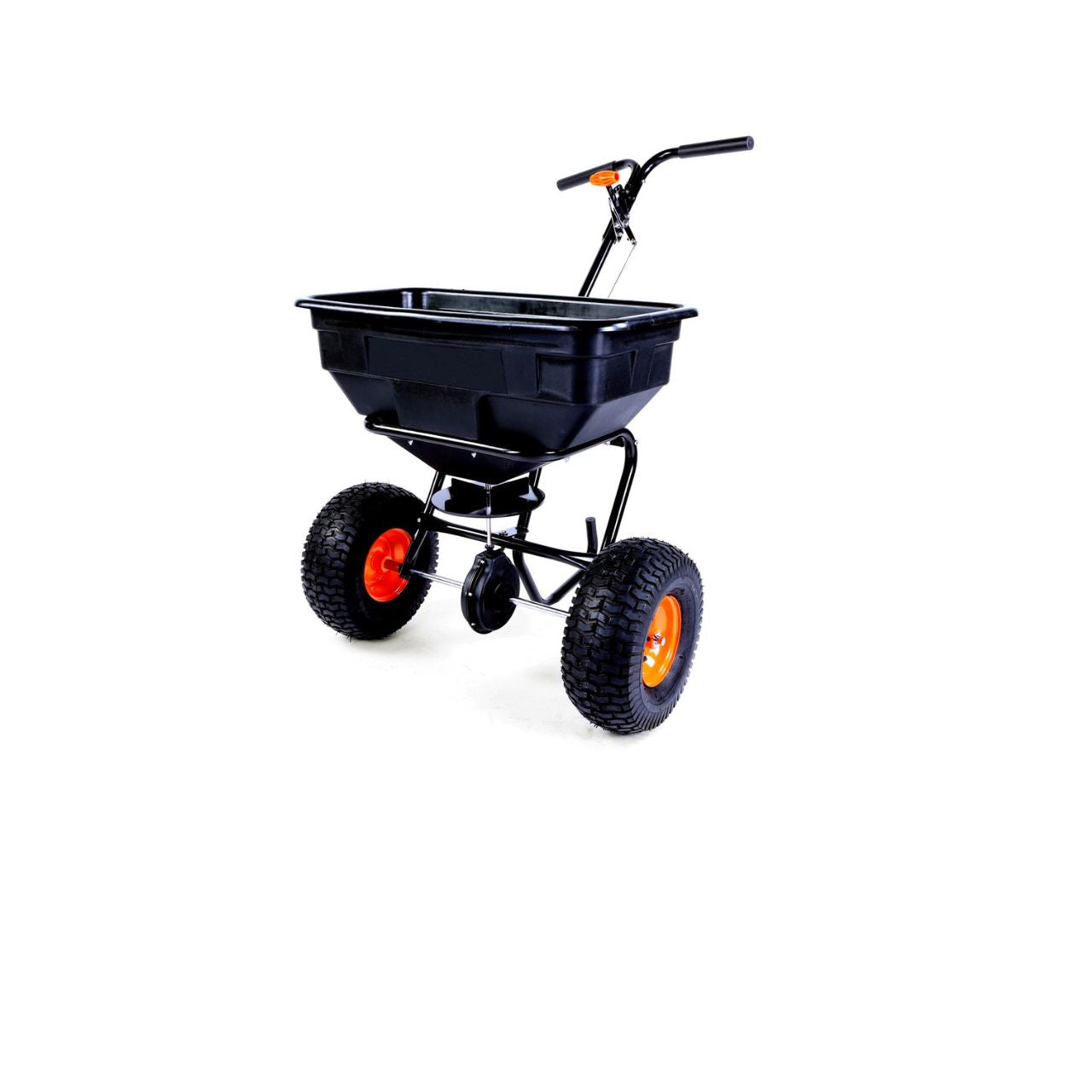
- Feeding: The lawn also benefits from feeding in spring. A quality slow-release lawn fertiliser will set your grass up for the season ahead. The ideal time to apply it is after mowing, when the soil is slightly moist.
Hedges in Spring
Hedges should also be trimmed from March onwards – however, under UK law (Wildlife and Countryside Act 1981), cutting hedges during the main bird nesting season (1 March to 31 August) is restricted where nesting birds are present. Always check for active nests before cutting.
Shrubs and trees and hedges will not only be kept in shape but will also be encouraged to grow more strongly. You can find out how to plant hedges correctly in our hedge care guide.
Feeding in Spring

And then: start a compost heap! It's the simplest and most sustainable way to create your own organic fertiliser.
Kitchen scraps, grass clippings, leaves, and shredded twigs all turn into valuable compost that helps your soil absorb nutrients and supports beneficial microorganisms.
Roses and Tender Plants in Spring
Now is particularly the time to think about more sensitive plants such as roses, newly planted perennials, or non-hardy species.
If you want to prune roses, the traditional guide is to do so when the forsythia is in bloom – a tried-and-tested indicator. Prune with clean, sharp secateurs to avoid unnecessary damage to the plant.
The right location is also key to keeping your roses healthy: good air circulation, plenty of sunshine, and a loose, humus-rich soil are ideal.
Bear in mind: roses are hungry plants! In spring, feed them with a specialist rose fertiliser – preferably organic and slow-release.
Tip for tender plants: Tender plants such as dahlias or gladioli should not be planted out too early. Wait until mid-May, when there is no longer any risk of frost.
The same applies to tender vegetable crops such as tomatoes, peppers, and courgettes – plant them out no earlier than then. Use loose soil that has already been enriched with compost and mulch.
How to Make a Success of Your New Season
Wondering exactly when to get started? The rule of thumb is: from March onwards, once the soil is dry enough and there's no prolonged frost forecast, you're ready to go.
The best time for many tasks falls between February and March – this is when you lay the groundwork for the entire gardening year. And with a bit of planning, you'll save yourself a great deal of stress later on.
The right equipment is also essential. Whether it's lawn tools, sprayers for applying liquid fertiliser, or hoses with reels for efficient garden watering – at FUXTEC you'll find the right kit for every job.
Here's a quick reference table for typical spring tasks:
| Task | Timing | FUXTEC Tip |
|---|---|---|
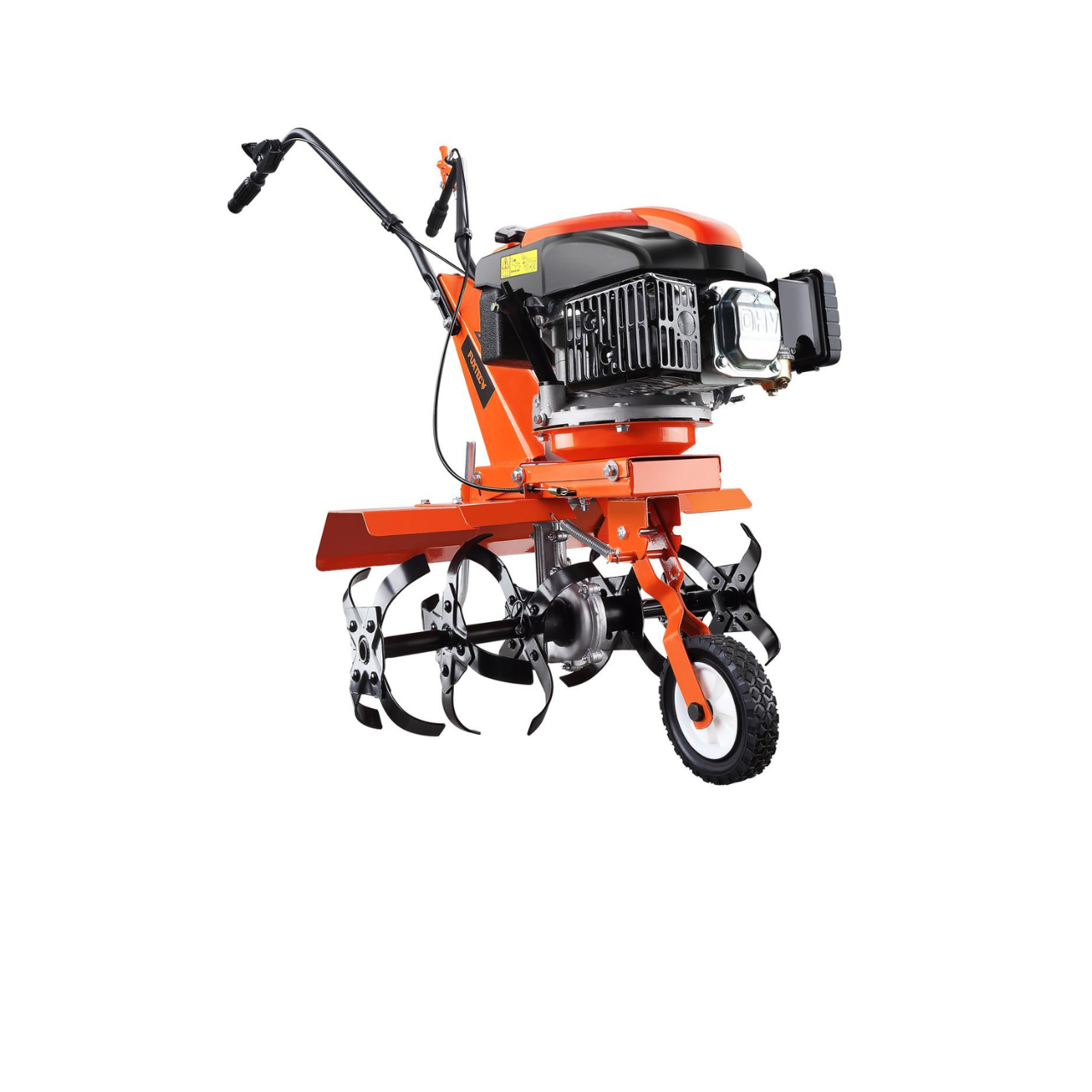
| Loosen soil | from February/March | Use a spade or rotary cultivator |
| Sowing (e.g. lettuce) | from March | Use a windowsill or cold frame |
| Scarify lawn | March – April | Use a scarifier & slow-release fertiliser |
| Trim hedges | check for nesting birds first | Don't forget to sharpen your secateurs |
| Prune roses | when forsythia blooms | Clean cutting tools thoroughly |
| Start a compost heap | any time | Fill with organic kitchen and garden waste |
Our tip: Plan your tasks in stages. That way it stays enjoyable, and you can get your garden looking beautiful again at a relaxed pace – bit by bit.
What Really Matters Now: Motivation, Planning, and the Right Equipment

Spring in the garden is a time of new beginnings – you can try out new things, redesign your borders, or finally build that garden pond you've been dreaming about. The important thing is to keep going and not let minor setbacks like a late frost put you off.
With the right tools and equipment from FUXTEC, spring gardening becomes a genuine pleasure.
Whether you want to mow the lawn, trim the hedge, or simply pull up weeds – we're here to support you with tools that are reliable and built to last.
And the best part: with every day you invest in your garden, you'll be rewarded with more colour, fragrance, and flavour. The effort is absolutely worth it – we promise.
Discover our range of garden tools

When should I start preparing my garden in spring?
You can begin from late February onwards, but the ideal time is from early March when the soil starts to warm up and temperatures rise. Always ensure the soil is dry enough – you can test this with a spade – and avoid working if frost is forecast.
What's the best way to improve my soil for spring planting?
Start by testing your soil's pH with a kit from your local garden centre, then loosen the soil thoroughly and remove weeds, leaves, and old plant debris. Feed organically using garden compost or a slow-release fertiliser, which brings valuable nutrients to your soil.
Can I plant tender vegetables like tomatoes outdoors now?
Wait until mid-May at the earliest, when there's no longer any risk of frost. Before then, you can sow tender plants indoors on a windowsill or in a cold frame, then move them outside once temperatures have stabilised.
How should I care for my lawn in spring?
Once the soil is dry enough, scarify your lawn to remove moss and thatch, which improves aeration. After scarifying, mow with sharp blades at the correct cutting height, then apply a quality slow-release lawn fertiliser for best results.
When can I trim my hedges safely?
You can trim hedges from March onwards, but under UK law you must check for active nesting birds first – cutting is restricted from 1 March to 31 August where nesting birds are present. Always prioritise wildlife protection.
What's a simple way to make my own fertiliser?
Start a compost heap with kitchen scraps, grass clippings, leaves, and shredded twigs. These materials break down naturally into valuable organic compost that improves soil structure and feeds beneficial microorganisms.
How do I know when to prune my roses?
Prune roses when the forsythia is in bloom – this is a reliable natural indicator. Use sharp, clean secateurs and cut carefully to avoid damage, then feed with a specialist organic rose fertiliser in spring.
More articles about garden care
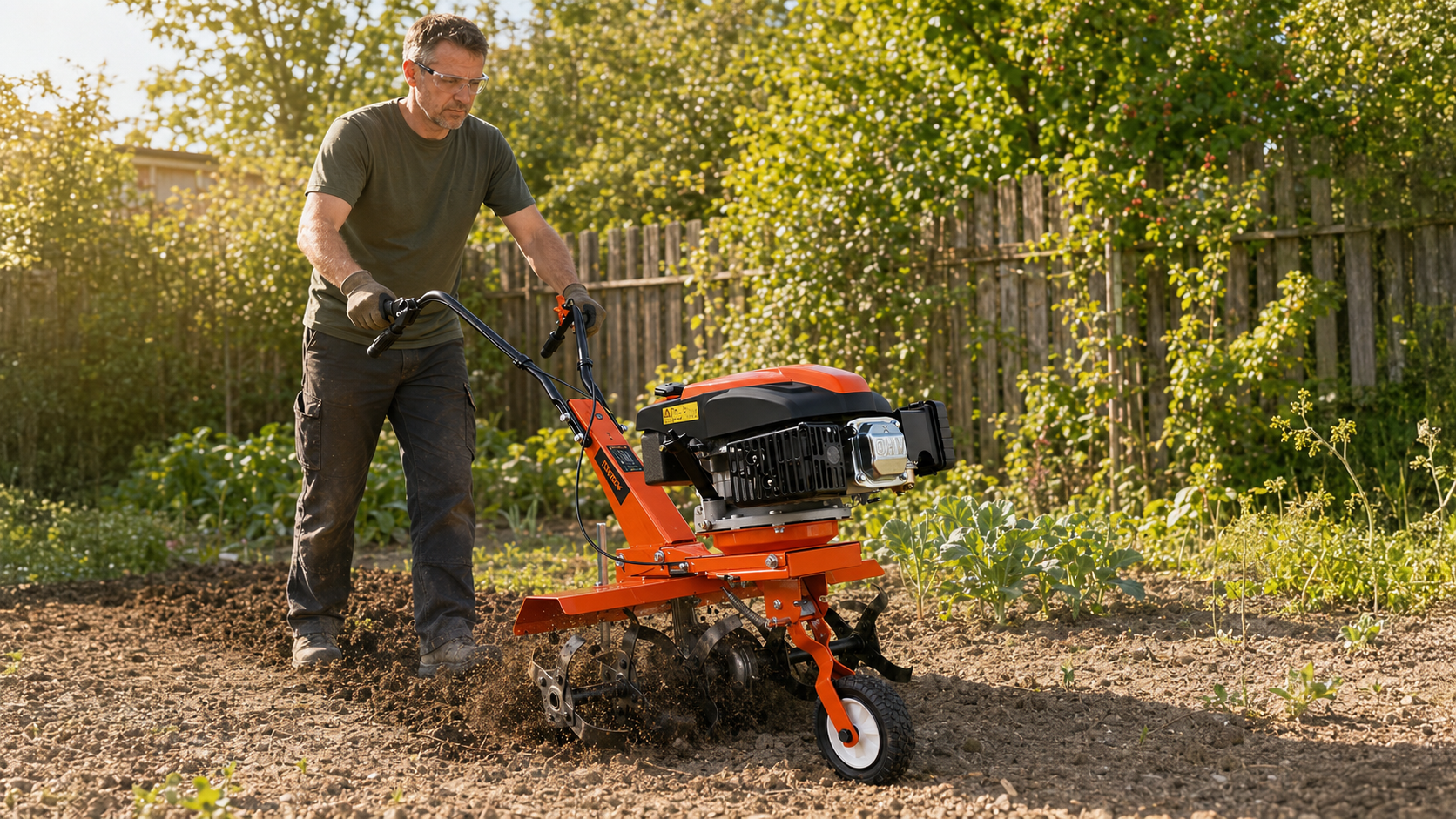
Trockenheit im Garten: Boden lockern, richtig gießen und mit Mulch Wasser sparen
Du gießt das Beet, doch das Wasser bleibt auf der harten Erdoberfläche stehen oder läuft zur Seite ab. Schon nach kurzer Zeit wirkt der Boden wieder trocken, obwohl Du gerade erst zur Gießkanne g...
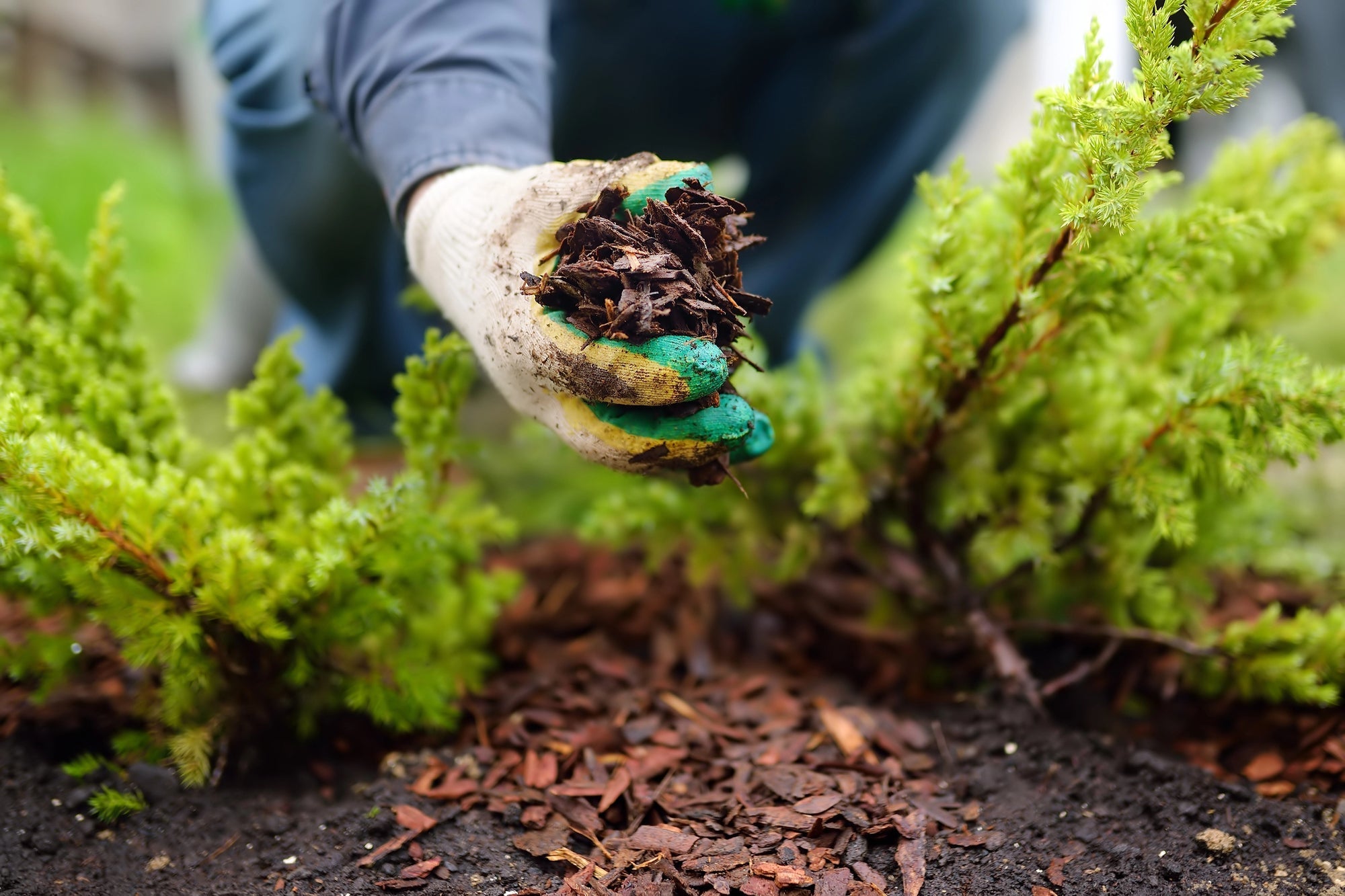
Pine Bark Mulch: The Complete Gardening Guide
Mulching with pine bark is one of the most effective methods in modern gardening and sustainable horticulture. A layer of mulch material is applied to the soil surface to protect and improve the so...
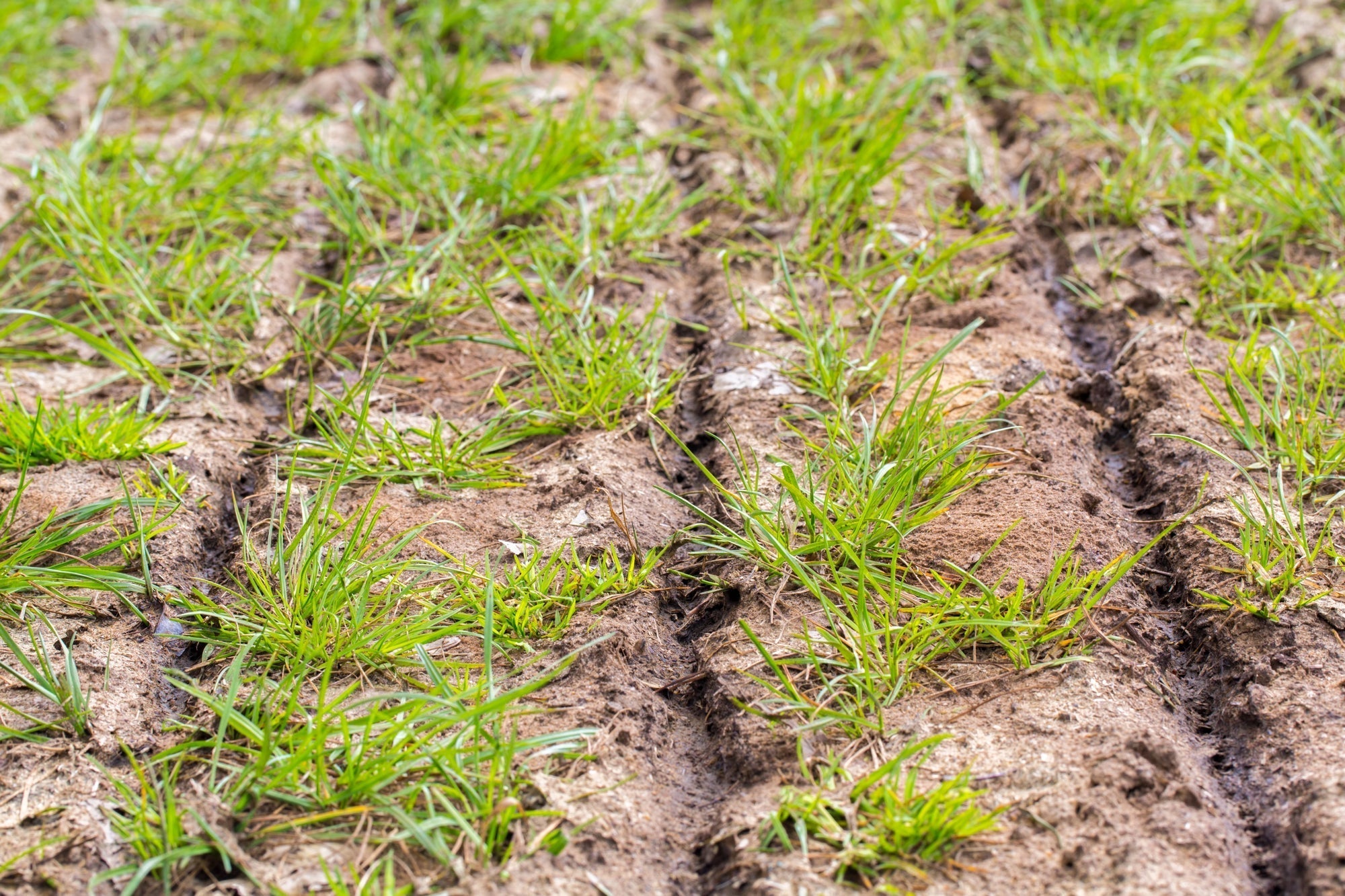
Spring Soil Improvement: Prepare Your Garden Soil
Inhaltsverzeichnis Warum Bodenverbesserung im Garten im Frühjahr so wichtig für einen gesunden Gartenboden ist Gartenboden nach dem Winter prüfen: Bodenstruktur, Verdichtung und Bodenart erke...


