
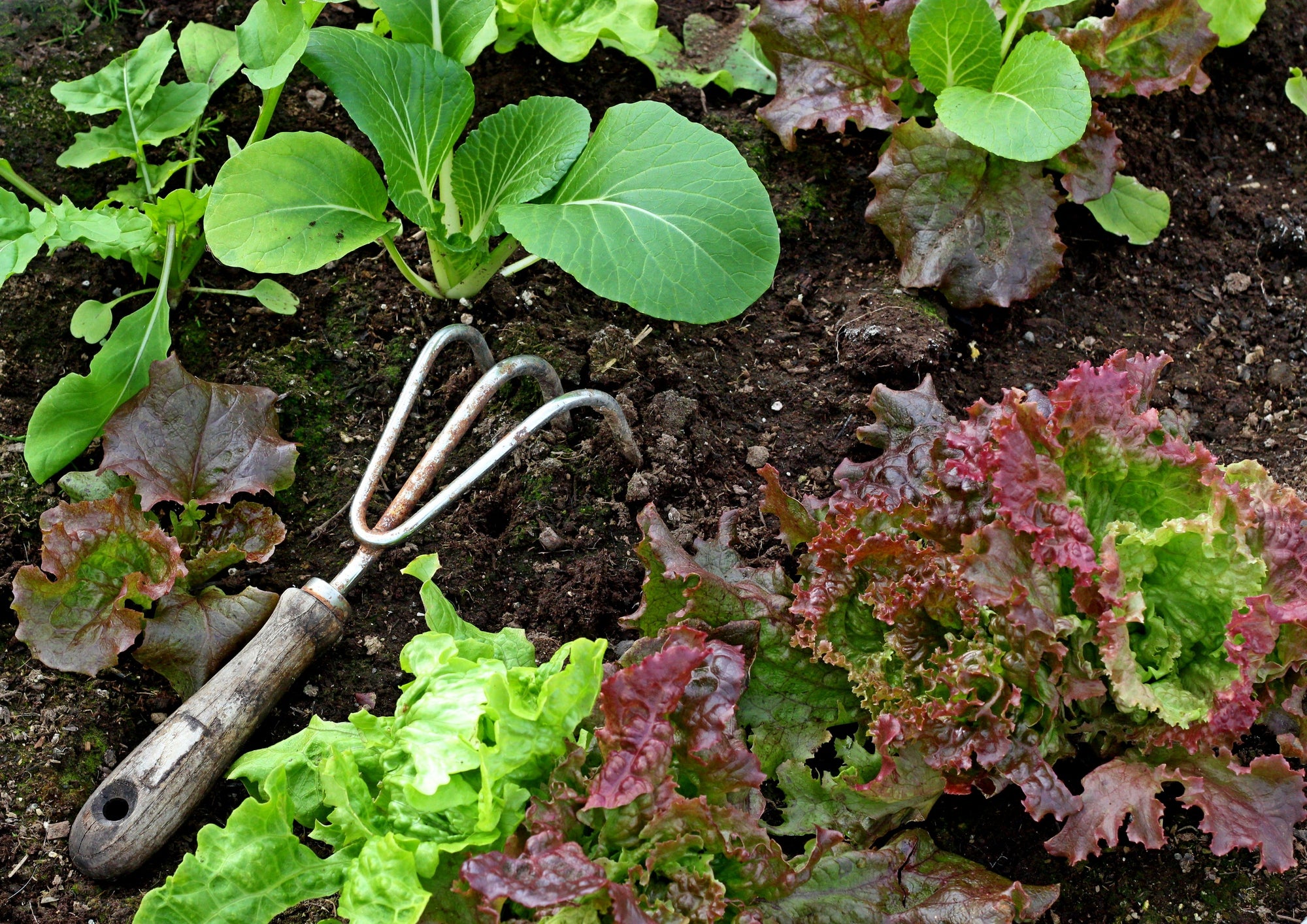
Unkraut hacken Titelbild
How to Get Rid of Weeds: Best Methods & Tools
- Die besten Methoden zur Unkrautbekämpfung
- Unkraut jäten mit der Hacke – so geht’s richtig
- Mulchen als nachhaltige Lösung gegen Unkraut
- FUXTEC-Geräte für die effektive Unkrautentfernung
- Wie Du Deinen Garten langfristig unkrautfrei hältst
- FAQ
Weeds – the word alone can make a gardener's heart sink. Put simply, they are plants growing where you DON'T want them.
Dandelions in the vegetable patch, ground elder under the hedge, or chickweed in the lawn – these plants compete with your cultivated plants for light, water, and nutrients.
It becomes especially frustrating when weeds grow faster than the lovingly tended lettuce or freshly planted tomatoes. And that happens more often than most gardeners would like.
Many weeds are true survivors. They germinate earlier, grow faster, and spread rapidly – some even underground via runners or deep tap roots.
What's more, some species – such as thorn apple (Datura) – are actually toxic. What initially seems harmless can quickly become a real problem in your garden.
The Best Methods for Weed Control

Weeding is as much a part of gardening as a tea break – but what's the best way to go about it?
There are two main approaches: mechanical or chemical.
The latter is often not a viable option for home gardens, as weedkillers can harm beneficial insects and soil organisms.
That's why at FUXTEC we recommend mechanical weed control – that is, hoeing, hand-weeding, and mulching. These methods are not only environmentally friendly but also effective in the long term.
A real all-rounder here is the garden hoe. It severs the stem just below the surface, which reliably stops regrowth. For even more thorough results, a weed puller lets you remove the plant complete with its root – ideal for deep-rooted species such as dandelions.
For larger areas, reach for a cultivator or use our long-handled stand-up weed remover – kind to your back and highly efficient.
An overview of weed control methods:
| Method | Advantage | Ideal for |
|---|---|---|
| Garden hoe | Quick & effective over larger areas | Beds, borders |
| Weed puller | Removes roots deep from the soil | Individual plants such as dandelions |
| Cultivator | Loosens soil & removes weeds simultaneously | Vegetable patches, larger areas |
| Patio knife / paving scraper | For narrow gaps and crevices | Paving joints |
| Mulch layer | Suppresses germination of new plants | All garden areas |
These methods can also be combined to great effect. Hoeing and hand-weeding often go hand in hand.
The key is to keep at it regularly – only consistent effort will keep weeds under control in the long run.
Hoeing Weeds – How to Do It Properly

Hoeing is one of the oldest methods of weed removal – and it still works brilliantly today. Particularly when the soil is loose and slightly moist, wild plants can be removed quickly and effectively.
It is important to use a sharp hoe, such as the FUXTEC Rake Garden Weeding Hoe. With it you can cut weeds off manually whilst simultaneously loosening the soil.
A key rule: Don't hoe too deep! Work just below the surface so that the plant is separated from its root, but the soil is not excessively disturbed. This saves effort and protects the delicate roots of your cultivated plants.
Another tip: Hoe on warm, dry days. Soil moisture is retained more effectively, and the severed weeds dry out quickly on the surface.
How to remove weeds with a hoe:
-
Remove any large stones or twigs before hoeing.
-
Lightly moisten the soil beforehand – this makes the job easier.
-
Always hoe in one direction – this is easier on your joints.
-
After hoeing, gather up the weeds with a manganese steel weed rake.
An added bonus: Hoeing aerates the soil, which encourages the growth of your cultivated plants.
Mulching as a Sustainable Solution Against Weeds
If you want to protect your beds in the long term, mulching is the perfect solution. A layer of organic mulch prevents light from reaching the soil surface – and without light, weeds cannot germinate.
At the same time, the mulch layer protects the soil from drying out and helps retain nutrients. An ideal mix consists of grass clippings, straw, or chipped woody material – depending on where it is being used.
Mulching combines beautifully with the traditional approach: weed first, then apply a mulch layer – this keeps weeds at bay long-term. This method works especially well in the vegetable garden.
It is important to check regularly whether any new seedlings are pushing through the mulch. If so, there is only one solution: weed again – or top up the mulch.
FUXTEC Tools for Effective Weed Removal
Anyone who wants to get rid of weeds thoroughly and sustainably needs the right professional garden tools for soil cultivation. FUXTEC offers a wide range of tools to make the job easier – whether in the vegetable patch, on gravel paths, or around flower beds.
Particularly popular is our weed puller FX-UKST: with its ergonomic handle and robust tines, you can extract the plant along with its root – entirely without chemicals.
Also especially handy are:
-
Kneeler bench FX-KB1 for longer gardening sessions – easy on the back and knees.
-
Cut-resistant gloves for safe work with sharp tools.
-
Garden waste bags for the tidy disposal of weeds and green waste.
These tools help you not only with weeding, but also with soil aeration, mulching, and keeping your green spaces weed-free.
Gardening becomes a pleasure – and the weeds end up exactly where they belong: on the compost heap.
How to Keep Your Garden Weed-Free Long-Term

Once you've cleared the weeds, it's time to protect against their return. To avoid having to weed every single week, it is well worth taking a preventative approach. This includes:
-
Regular hoeing and hand-weeding – especially after rain, when weeds pull out easily.
-
The targeted use of mulch and weed-suppressing membrane to prevent new plants from germinating.
-
Correct garden watering, as too much water also encourages the growth of unwanted plants.
It's worth consulting our guide on correct garden watering, so you can give your plants exactly what they need – no more, no less.
Scarifying your lawn can also help to drive out moss and shallow-rooting plants.
If you want to avoid chemicals altogether, rely on manual effort and good planning. With our tips on proper soil cultivation, quality seed, and a well-thought-out planting plan, you can prevent weeds across large areas. And if they do break through, you'll be perfectly equipped with the right FUXTEC tools!
Discover our range of garden tools
What is the best method for removing weeds from a garden?
Mechanical methods like hoeing, hand-weeding, and mulching are the most effective and environmentally friendly approaches. A sharp garden hoe cuts weeds below the surface to prevent regrowth, whilst a weed puller removes the entire plant including roots, making it ideal for deep-rooted species like dandelions.
When is the best time to hoe weeds in my garden?
Hoe on warm, dry days when the soil is slightly moist but not waterlogged. These conditions allow the severed weeds to dry out quickly on the surface, and hoeing is easier on your joints and your cultivated plants' roots.
How does mulching help prevent weeds from growing?
A layer of organic mulch blocks light from reaching the soil surface, preventing weed seeds from germinating. It also protects the soil from drying out and helps retain nutrients, making it a long-term sustainable solution for keeping beds weed-free.
Can I use chemical weedkillers in my home garden?
Chemical weedkillers are generally not recommended for home gardens because they can harm beneficial insects and soil organisms. Mechanical weed control methods are safer and just as effective in the long term.
Why do weeds grow faster than my vegetables?
Most weeds are true survivors that germinate earlier, grow faster, and spread rapidly, sometimes even underground via runners or deep tap roots. They also compete aggressively with your cultivated plants for light, water, and nutrients, making them harder to manage.
What should I do if I find new weeds pushing through my mulch?
Check regularly and remove any new seedlings by hand or with a weeding tool. You can also top up the mulch layer to maintain its effectiveness in suppressing weed germination.
More articles about garden care
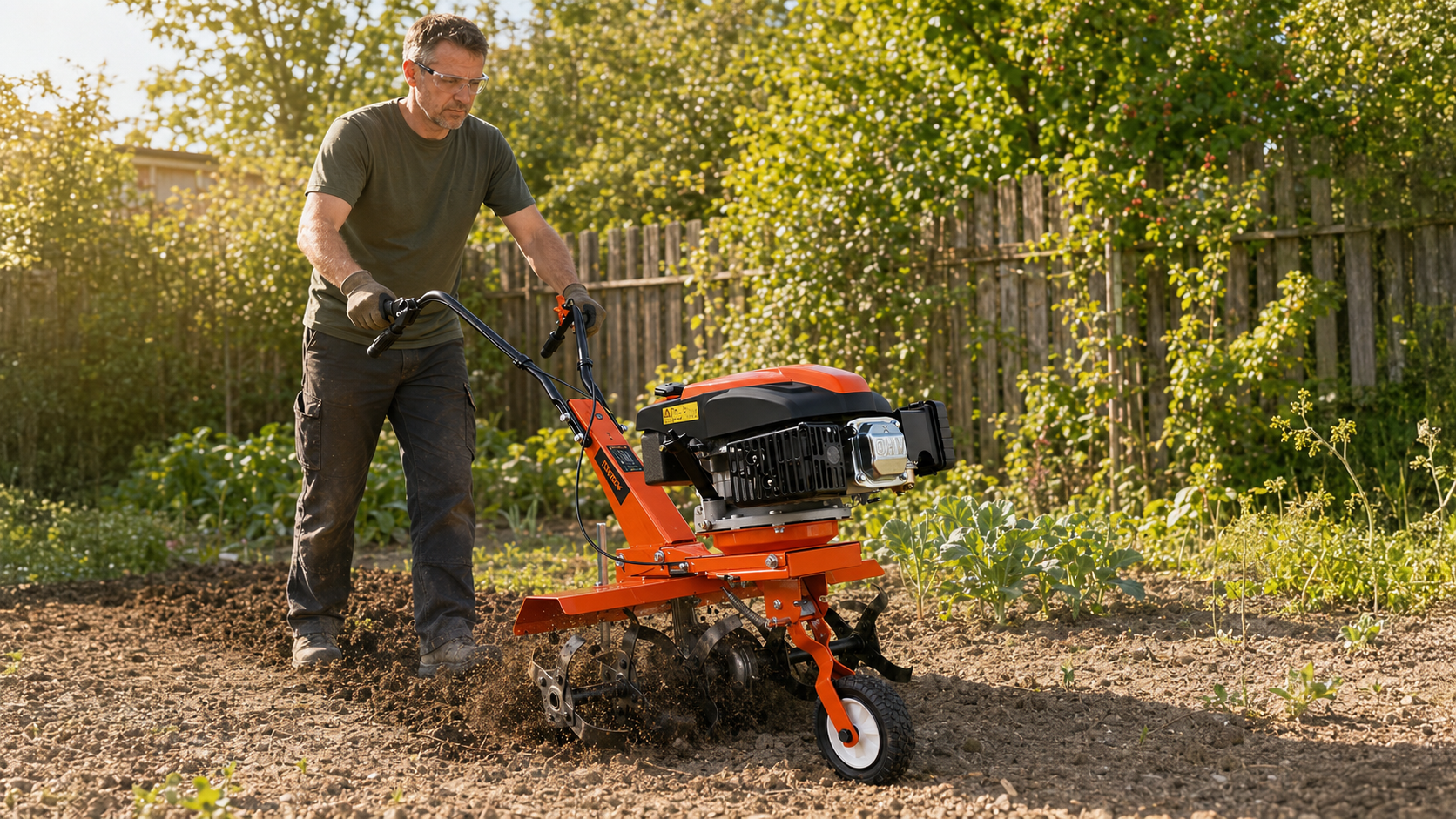
Trockenheit im Garten: Boden lockern, richtig gießen und mit Mulch Wasser sparen
Du gießt das Beet, doch das Wasser bleibt auf der harten Erdoberfläche stehen oder läuft zur Seite ab. Schon nach kurzer Zeit wirkt der Boden wieder trocken, obwohl Du gerade erst zur Gießkanne g...
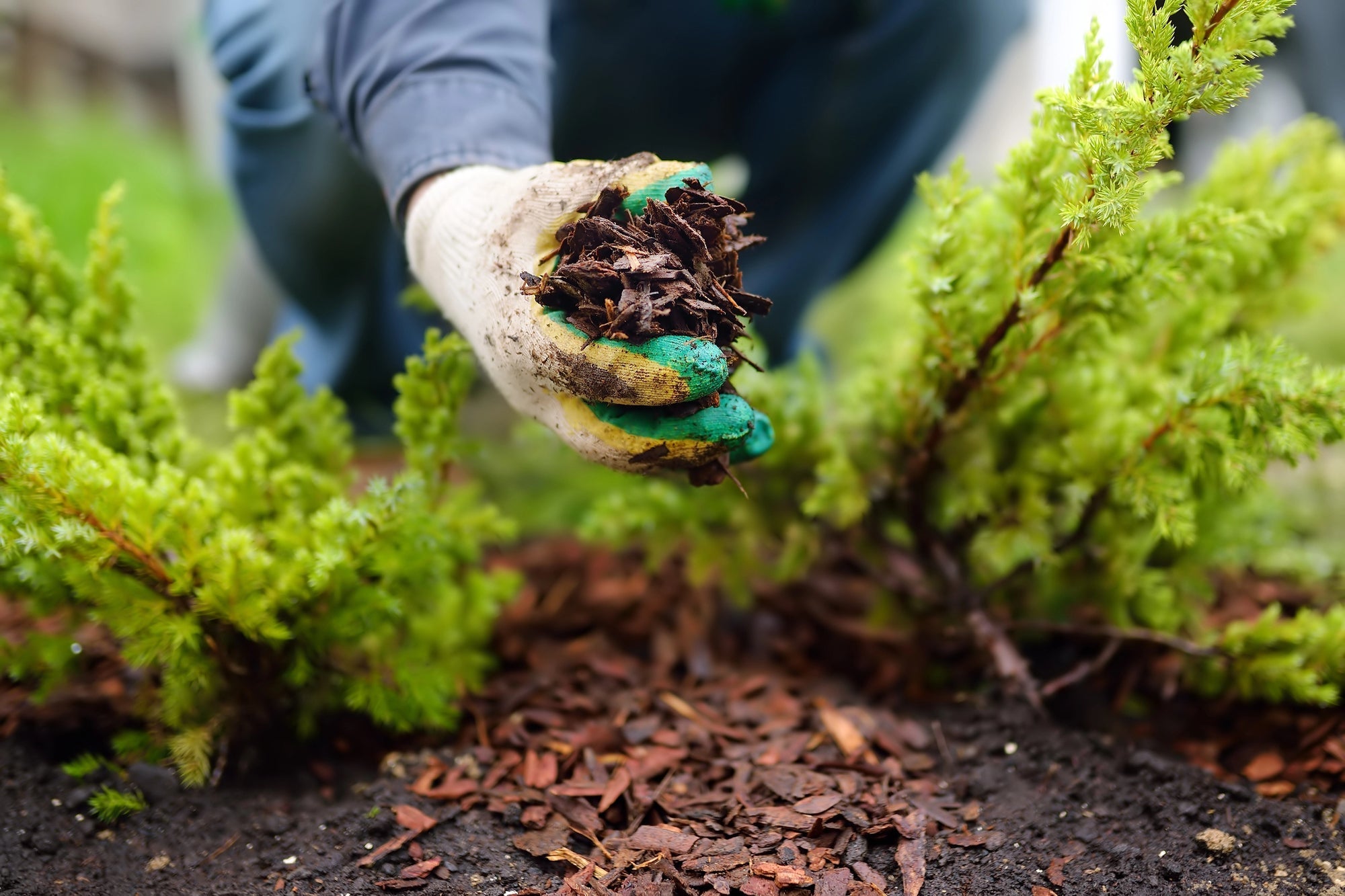
Pine Bark Mulch: The Complete Gardening Guide
Mulching with pine bark is one of the most effective methods in modern gardening and sustainable horticulture. A layer of mulch material is applied to the soil surface to protect and improve the so...
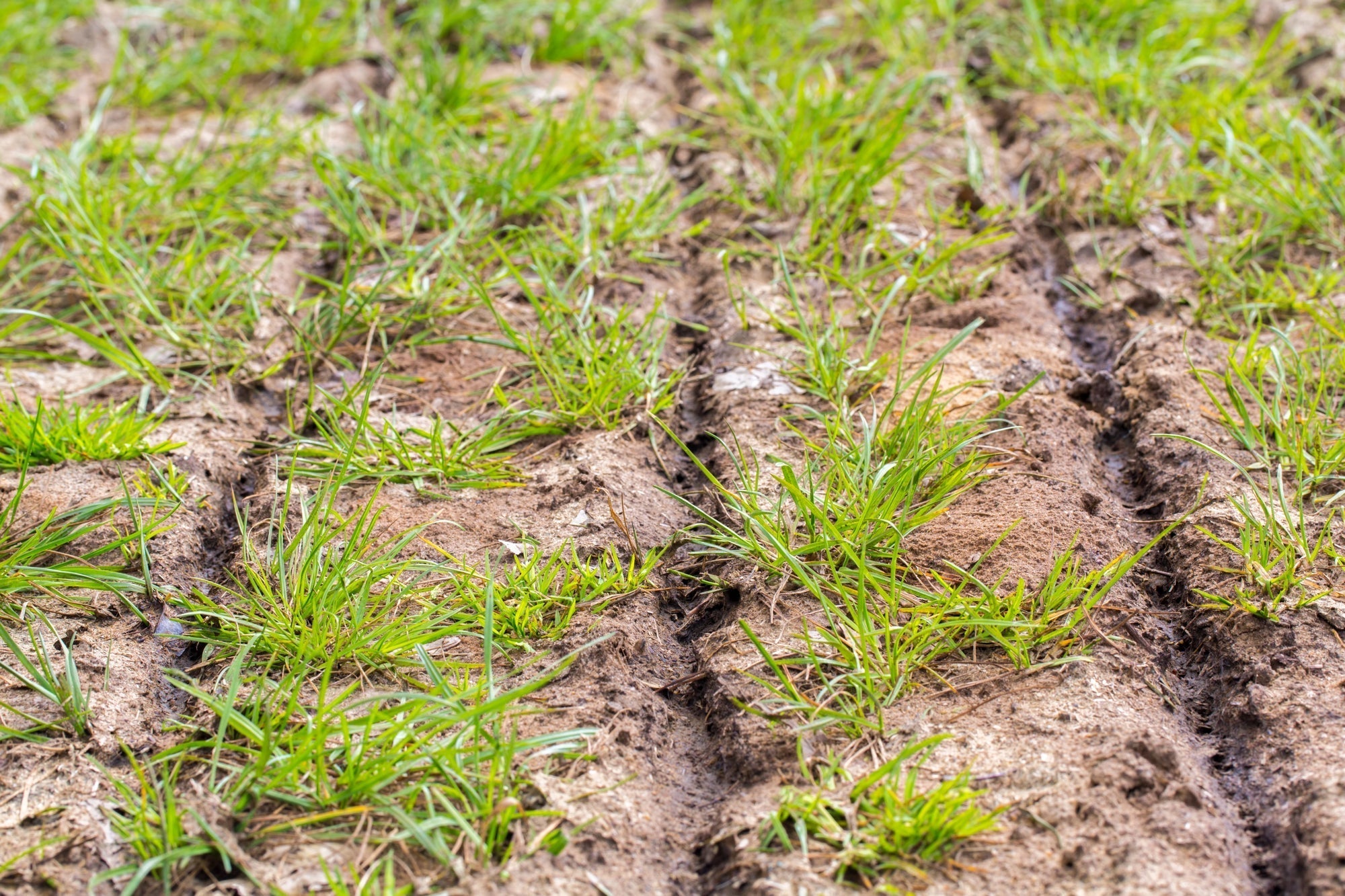
Spring Soil Improvement: Prepare Your Garden Soil
Inhaltsverzeichnis Warum Bodenverbesserung im Garten im Frühjahr so wichtig für einen gesunden Gartenboden ist Gartenboden nach dem Winter prüfen: Bodenstruktur, Verdichtung und Bodenart erke...


