
How to Remove Moss from Your Lawn – Effectively
Removing Moss – Effectively and Permanently
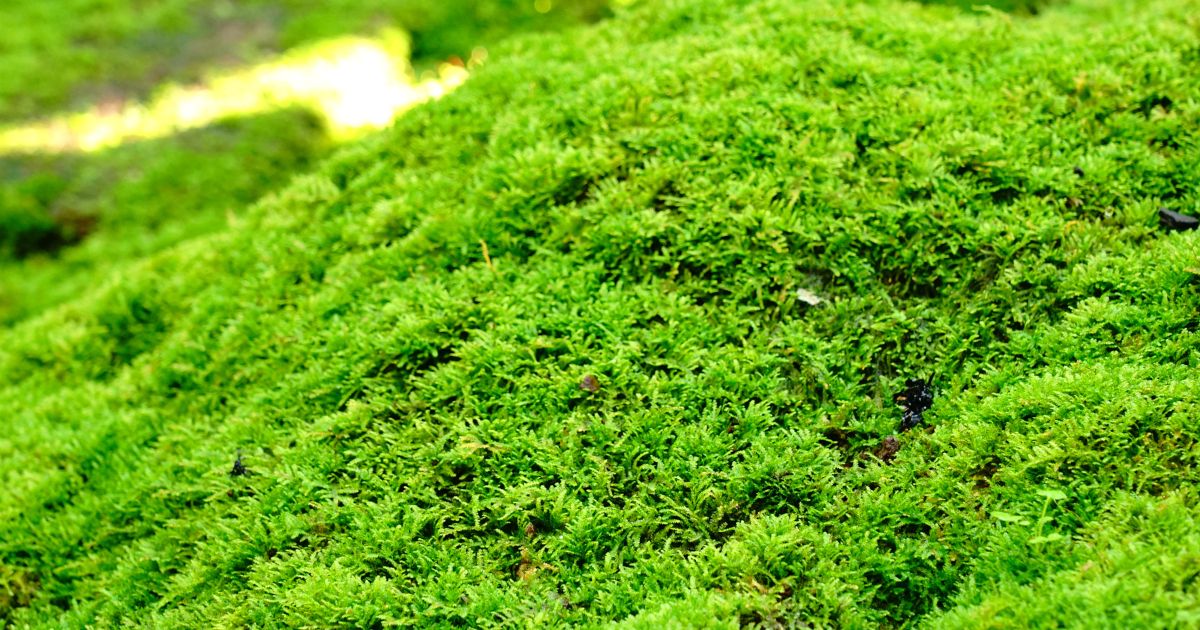
Moss looks wonderful in a flower arrangement, but it has absolutely no place on your lawn. Unfortunately, moss doesn't follow that rule. A carefully laid new lawn is often riddled with moss, and getting rid of these adaptable plants takes quite a bit of effort. Rather than reaching for harmful iron-based fertilisers, prevention is the better approach. Here you'll find out what you can do to stop moss taking hold in your lawn and how to remove it most effectively.
Proper lawn care is the key to a moss-free lawn. For grass to grow strong and resilient, it needs the right conditions. Above all, that means light. Grass thrives best with plenty of sunshine, whereas moss loves shade. In shady corners, a carpet of moss will readily spread and take over.
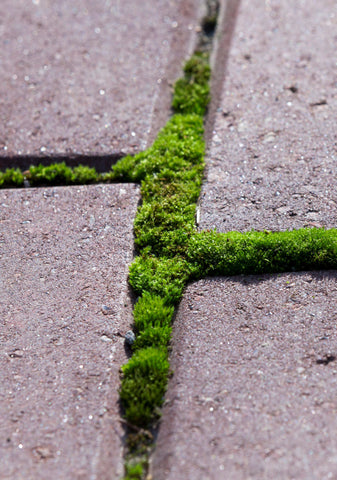 Anyone with a cobbled or block-paved yard that often sits in the shade will be familiar with the problem there too. Moss frequently grows in the narrow gaps between paving stones, and the same phenomenon can be seen on rooftops. When it comes to your lawn, the message is clear: make sure there's enough light! Good air circulation is equally important. If air circulation is poor, the lawn essentially suffocates. This happens quickly when grass blades become matted together, forming a layer of thatch. The solution is scarifying. Throughout the growing season from March to October, you should also mow regularly. Watering when needed is just as important. For larger lawns in particular, a sprinkler system is well worth the investment to keep the grass adequately watered. At the start of spring, feed your lawn with a slow-release lawn fertiliser, which depending on the product will last several months. If needed, a further application can be made in summer. This ensures the lawn receives sufficient nutrients and becomes strong and resistant to weeds and moss. A word of caution, though: if the wrong fertiliser has been used for years, moss can also take hold as a result. Rather than going by the "more is more" principle, always stick to the manufacturer's recommended application rate.
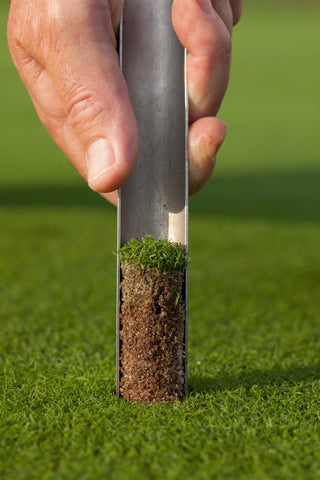 If you're not sure exactly which moss has taken up residence in your lawn, don't worry. Most mosses thrive in acidic soil, so it's worth doing a bit of detective work. To find out how acidic your soil is, you can take a soil sample and carry out a pH test. This is quick and easy using a simple test kit from a garden centre or DIY store — no expensive laboratory analysis is required. A value of seven is neutral and ideal; anything lower is unfavourable for grass. A low pH is also an indicator of poor soil activity, meaning grass can only grow sparsely as the roots struggle to access nutrients. This test will also reveal whether your soil is genuinely lacking in lime, so you can apply it if necessary.
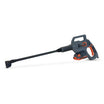
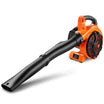
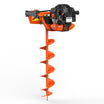
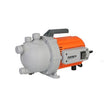
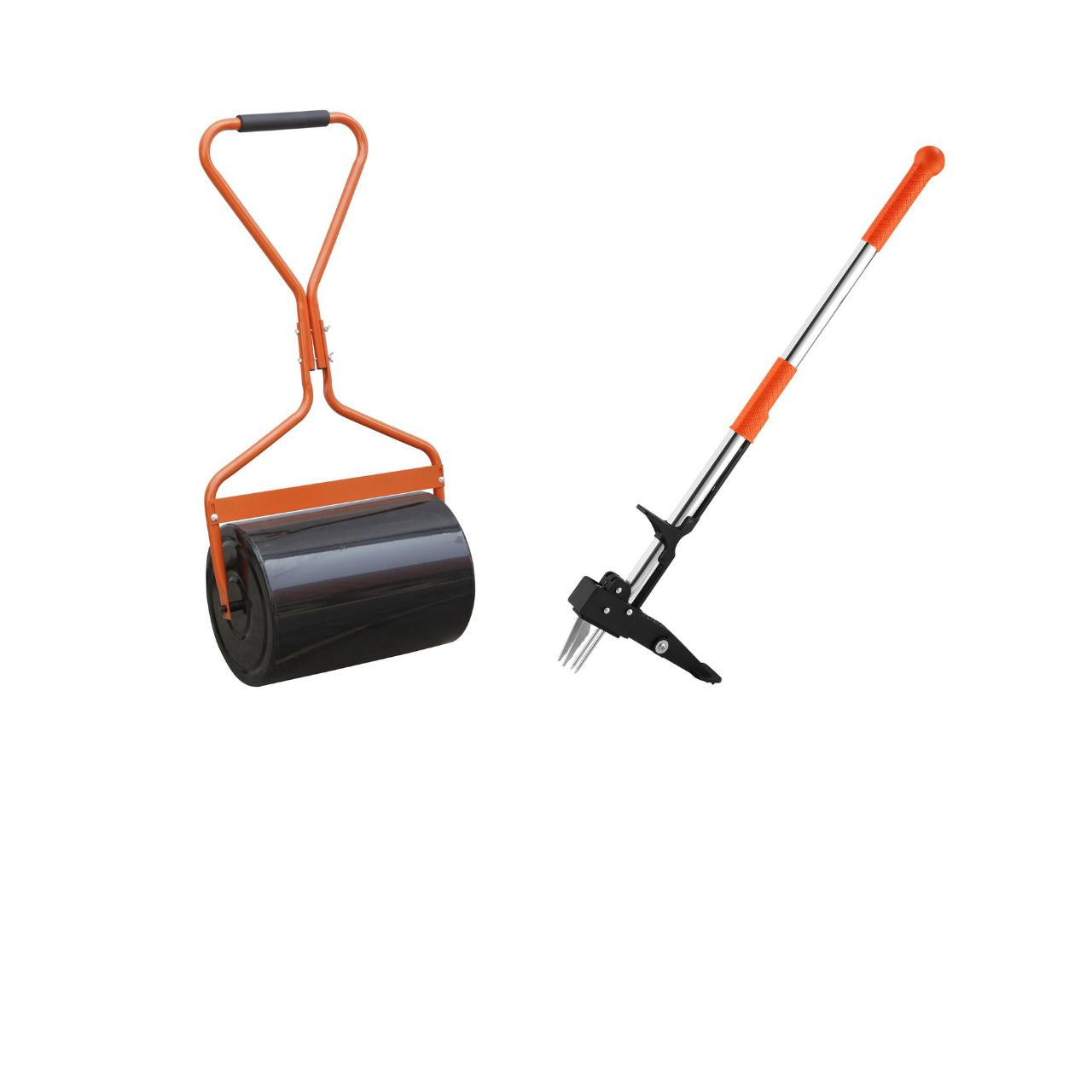
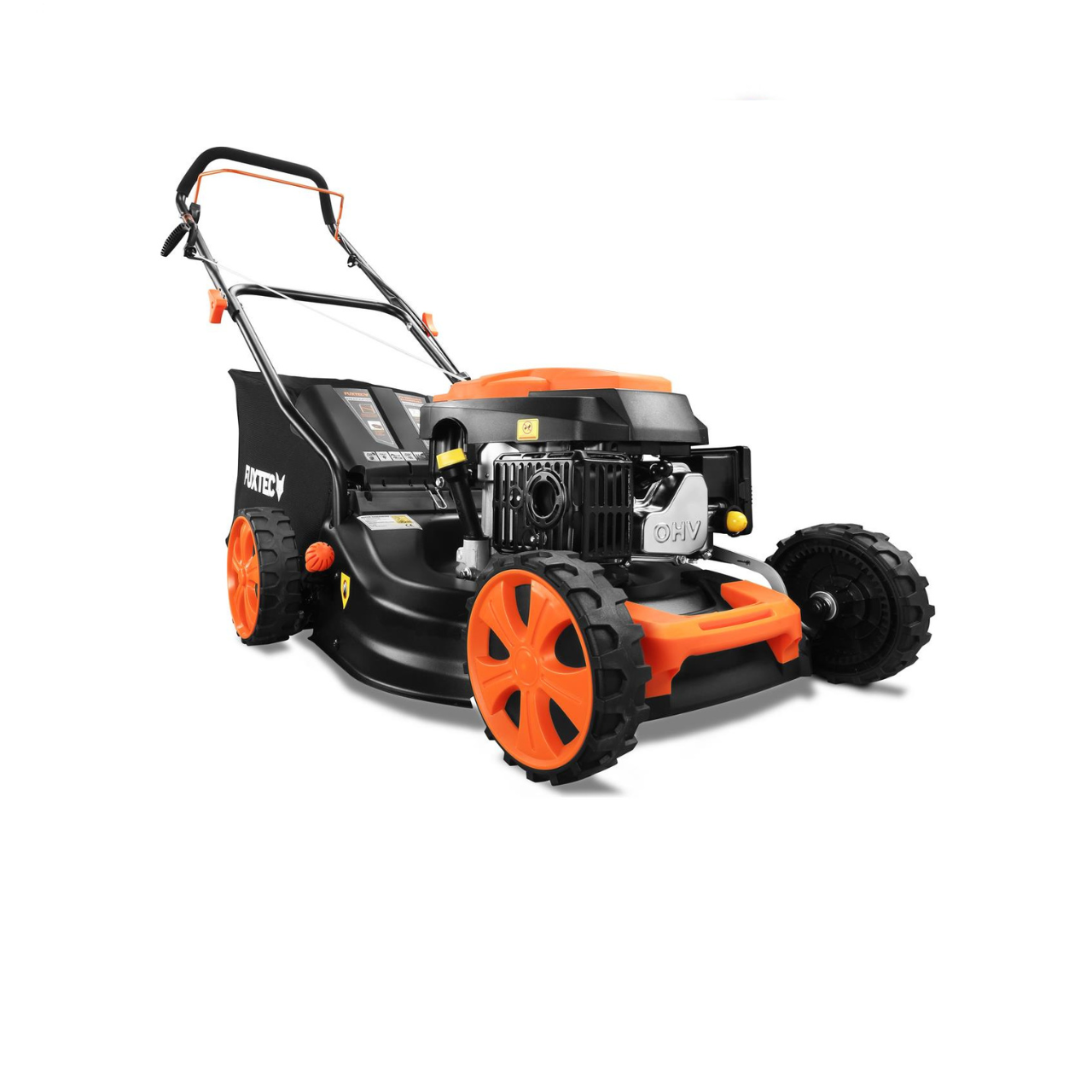
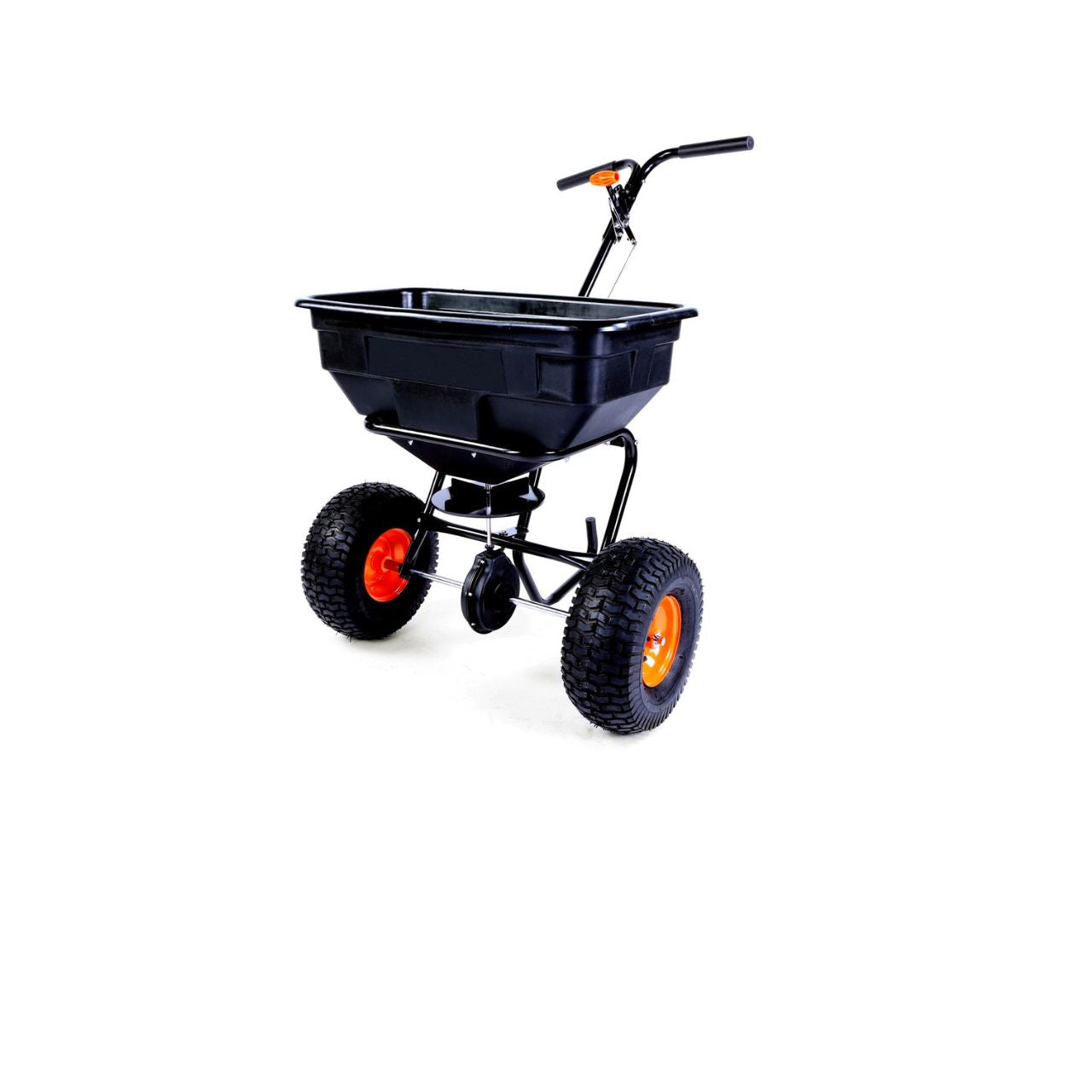
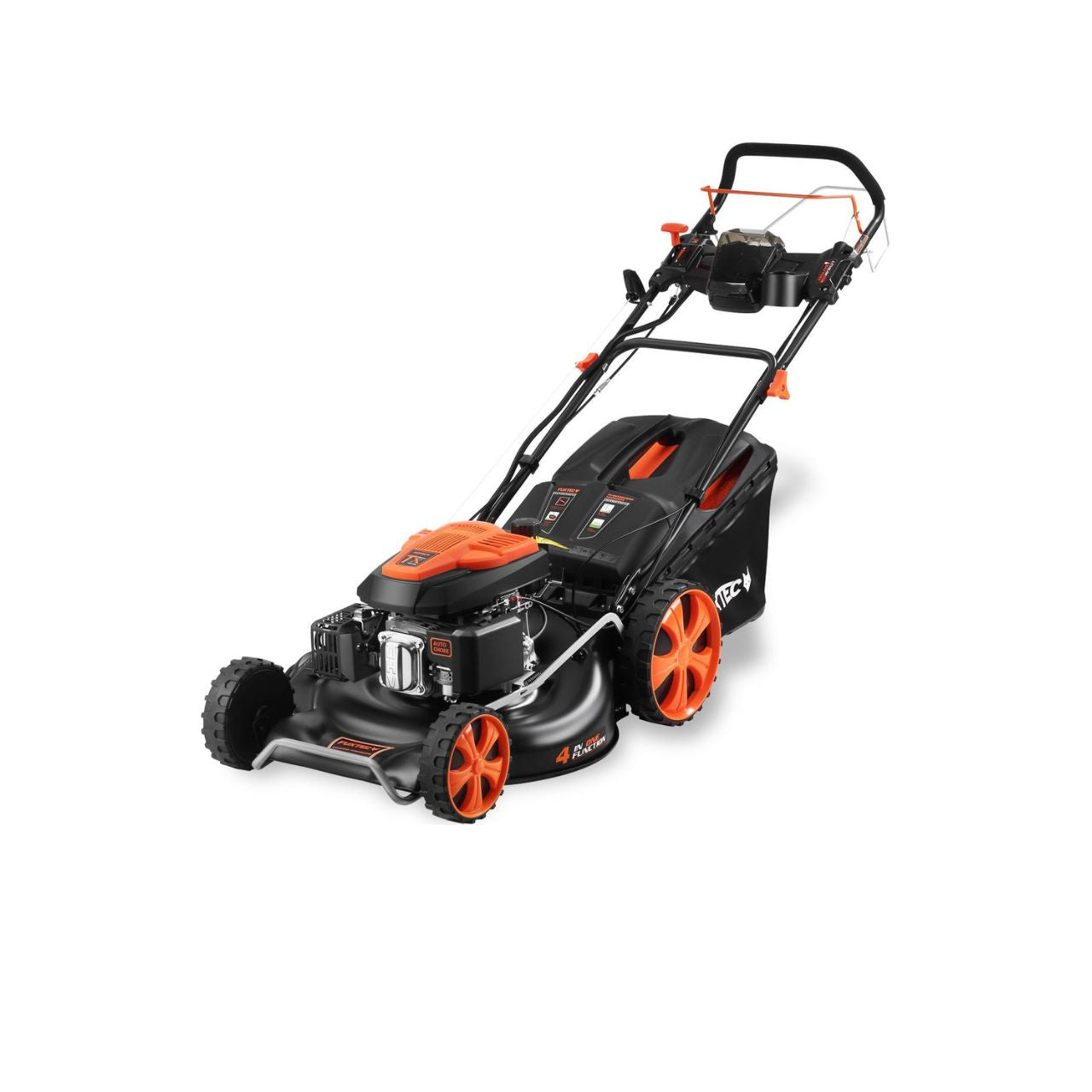
Useful tools for garden care and weed removal


More articles about removing weeds

Remove Weeds from Paving Joints | Methods & Tips
Removing weeds from paving joints is one of those garden tasks that can quickly become a real chore. Whether it's the driveway, a footpath, or between patio slabs — once dandelions and oth...
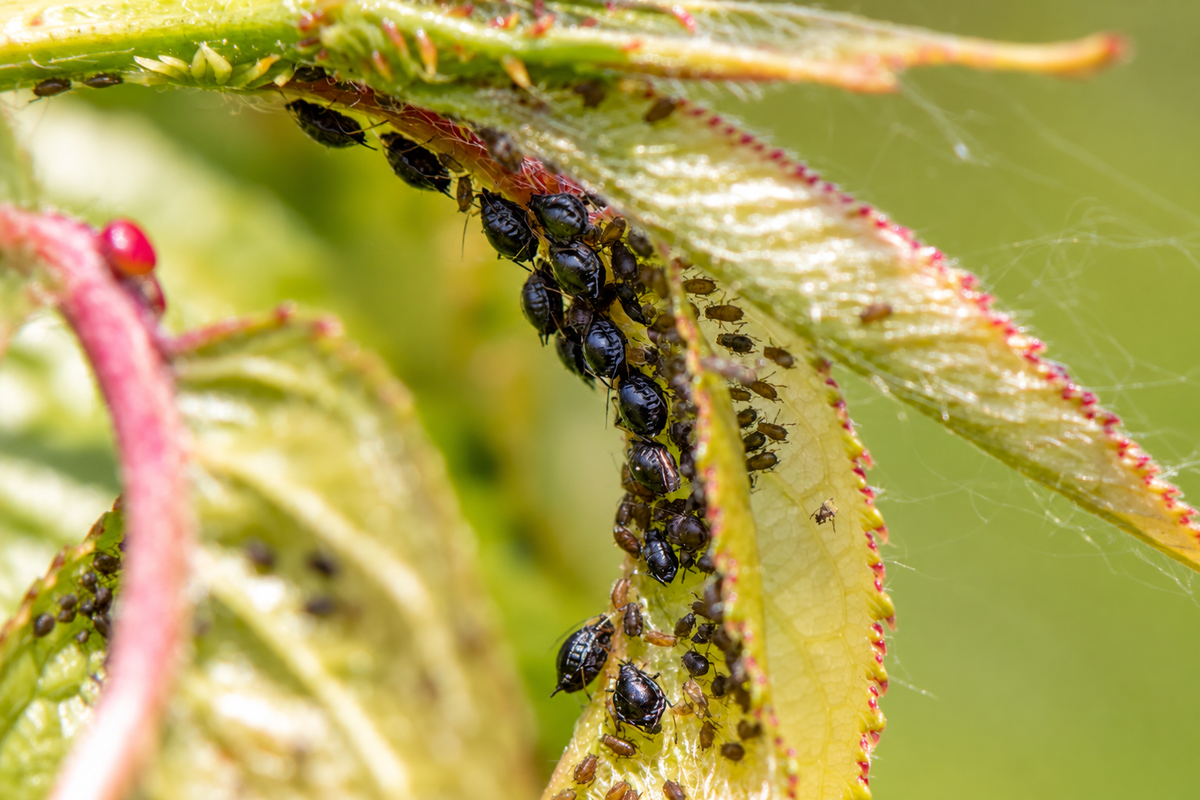
How to Get Rid of Aphids – Tips & Home Remedies
Inhaltsverzeichnis Blattläuse erkennen: So findest Du den Schädling an Deinen Pflanzen Hausmittel gegen Blattläuse: Von Spülmittel bis Kaffeesatz Blattläuse biologisch bekämpfen: Mit Rapsöl, Nüt...
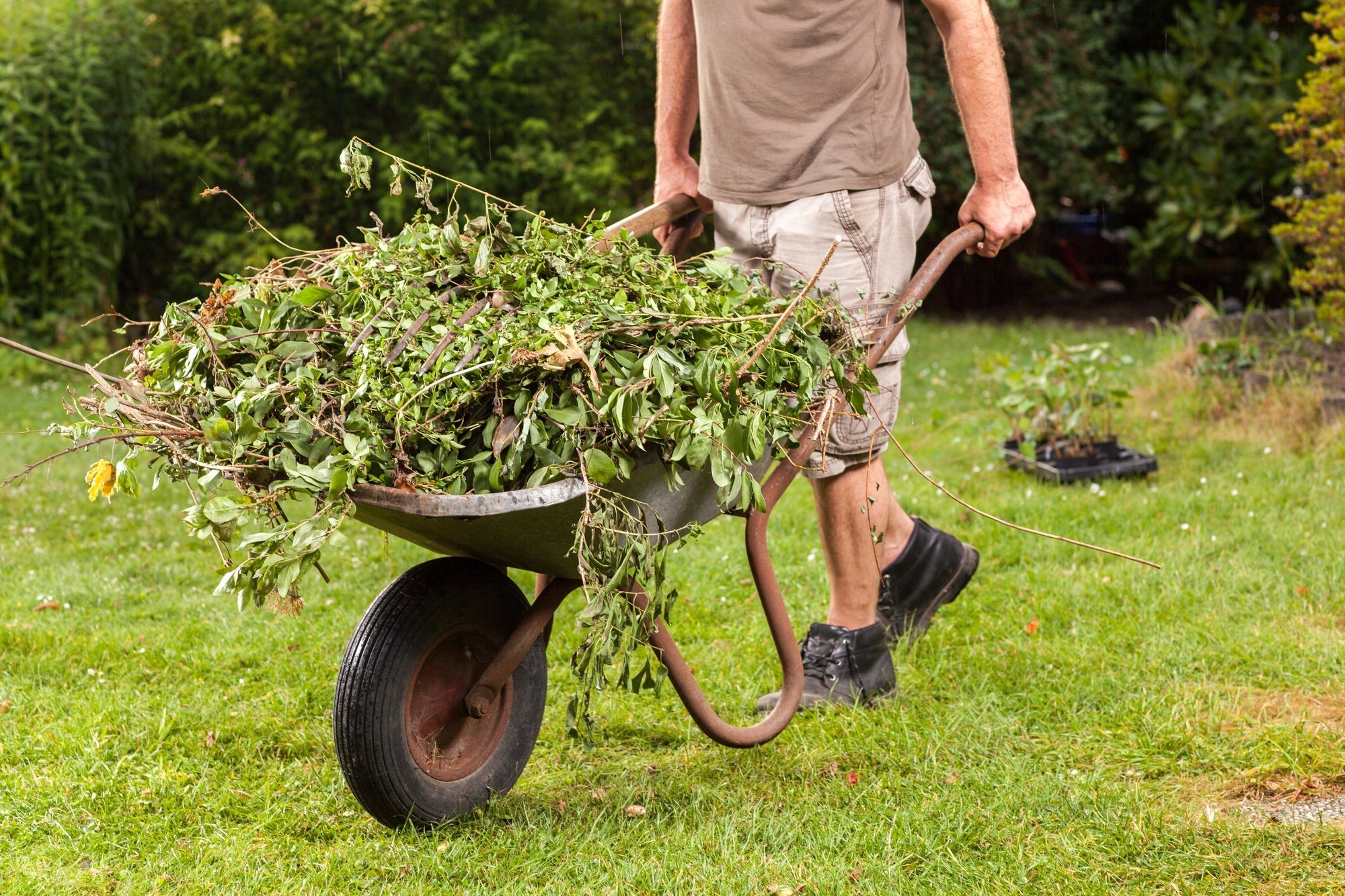
How to Dispose of Garden Waste Properly – UK Guide
Inhaltsverzeichnis Welche Arten von Gartenabfällen gibt es überhaupt? Wohin mit dem Grünschnitt? Diese Entsorgungsmethoden gibt es Gartenabfälle kompostieren: So funktioniert die ökologische Ver...


