


How to Remove Thistles – Effectively & Permanently
Removing Thistles – Effectively and Permanently
Thistles are very much a matter of taste. Some people find their impressive flowers and unusually shaped seed heads quite striking, while others consider them a complete nuisance. As weeds, they are particularly troublesome because their spines make them difficult to remove. The one saving grace of thistles, however, is that they do not spread especially quickly, giving you plenty of time to deal with them.
Thistles – varied and often unwelcome visitors in the garden

The term "thistle" does not refer to a single plant species, but rather to a whole range of different species and genera within the daisy family (Asteraceae). What they all have in common is that they use thorns to protect themselves from herbivores. In some species only the flowers are armed with spines, while in others the leaves or even the stem are spiny too. In UK gardens, creeping thistles, spear thistles, and marsh thistles are among the most frequently encountered. Of these, only the sow thistle can be removed with bare hands — all other species have painful spines along the leaf margins and sometimes on the flowers as well. Most thistle species are annual or biennial, which means that plants you thought you had removed often unexpectedly regrow the following year. This is due to the deep taproots typical of thistles, which penetrate far into the soil and therefore survive superficial removal. On the other hand, you can limit the problem considerably by ensuring that thistles do not get the chance to spread their seeds.
How to tackle thistles head-on
The most important reason to remove thistles promptly when they appear is that, thanks to their rapid growth and large rosette-shaped leaves, they compete with other border plants or your lawn for light and nutrients, gradually crowding them out. Because they spread both by root runners and by seed, a single plant can quickly multiply into a dozen or more, taking up ever more space and leaving other plants with little room to thrive.
Most effective: remove thistles root and all
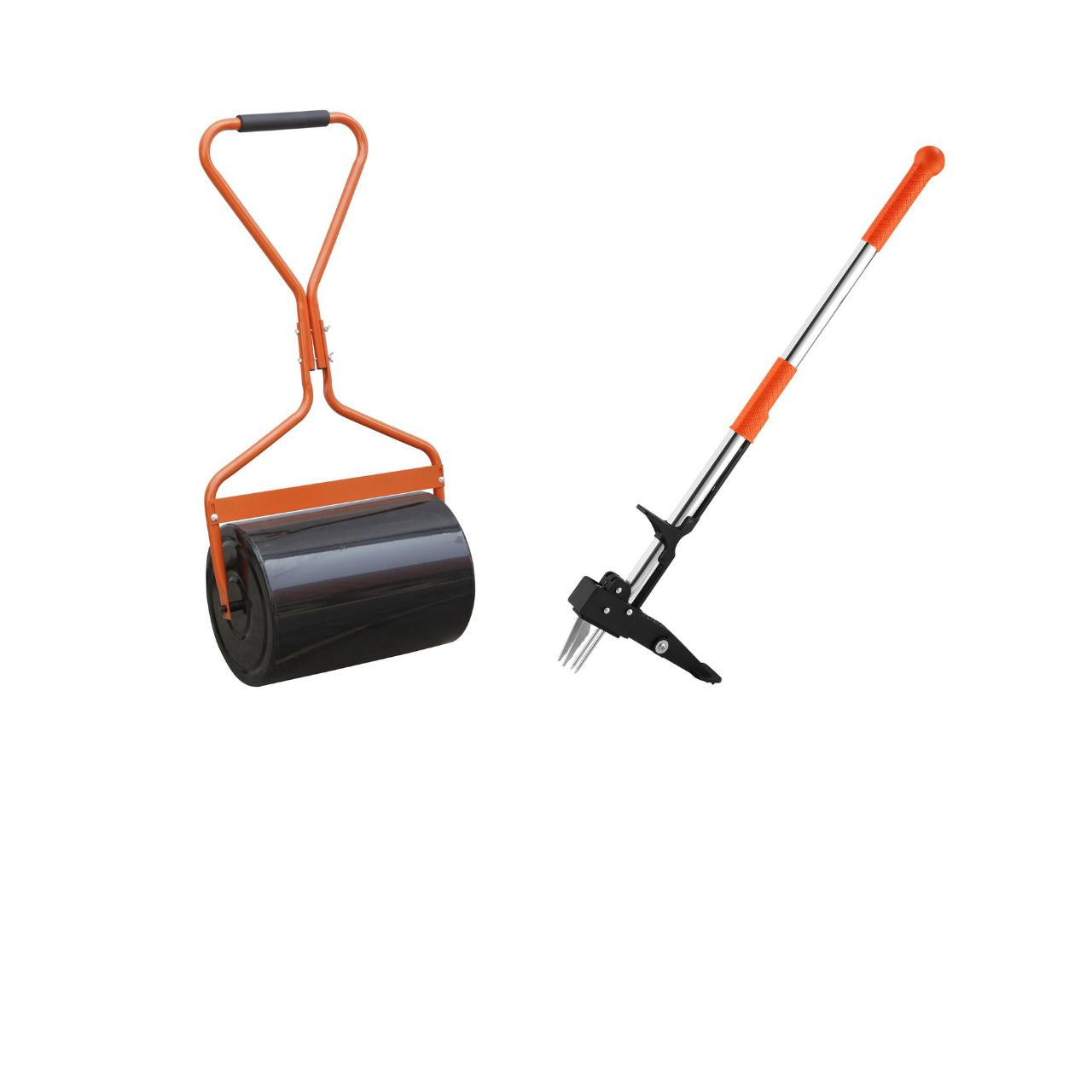
As with most weeds that store energy in their roots and can therefore regrow repeatedly, the best approach is to remove thistles complete with their root. Because the taproots — particularly of well-established specimens — can penetrate very deeply into the ground, this can be genuinely hard work. Choose a day after heavy rainfall if you can. The thoroughly moistened soil will make your task considerably easier. You should never use a spade to dig out thistles — it is far too easy to sever small root runners with a spade, and in the worst case all your effort will have been for nothing. Thistles can regrow from relatively small pieces of root and may even spread unintentionally in this way. Specialist weed or thistle pullers are designed specifically for lifting plants along with their roots, and are therefore a practical and highly recommended alternative. That said, this digging-out method only works well for small to medium-sized thistles. In extreme cases, the taproot can extend more than two metres into the ground — that is simply not feasible to remove entirely. Tackle thistles as early as possible once you spot them. Before you start work, always put on a pair of gardening gloves. They will protect your hands from the spiny leaves, which can be not only painful but can sometimes cause allergic reactions or infections.
Mowing thistles on the lawn
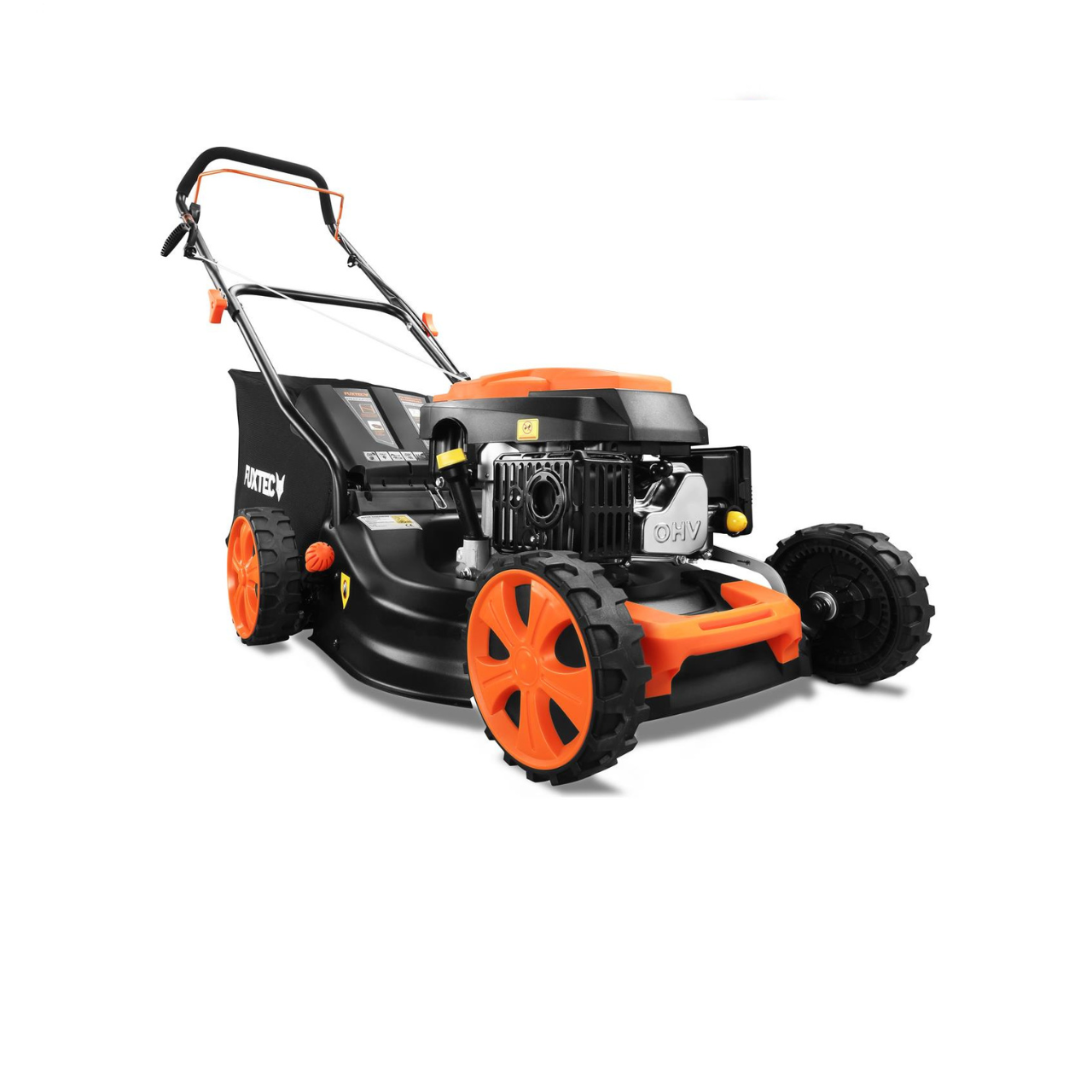
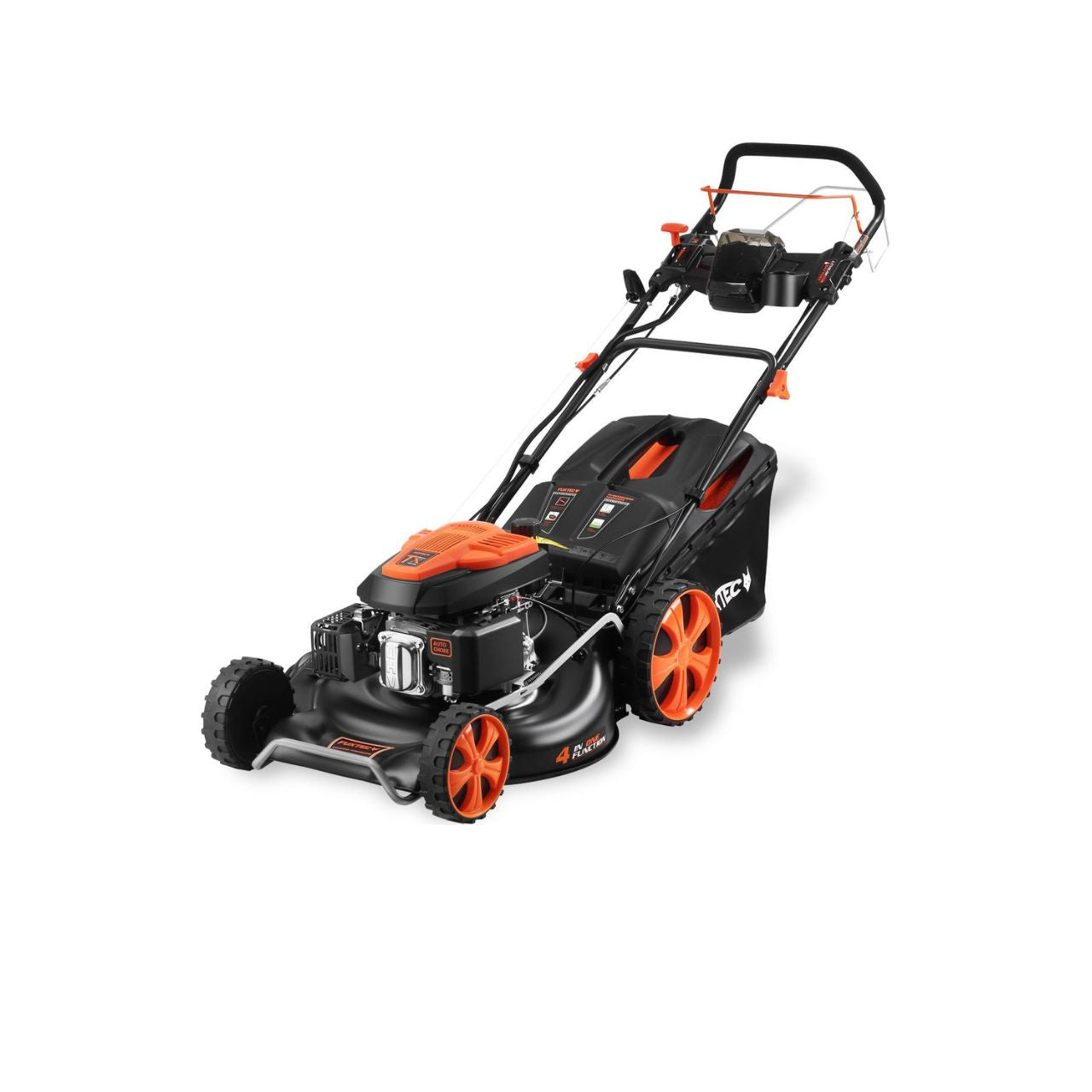
Long-established thistles can be very difficult to remove with all their root system intact. As long as the thistles are only growing in the lawn, you can also keep them in check by mowing regularly. This will at least prevent them from spreading by seed, and will weaken the plants if you consistently catch the leaves too. If the leaves are growing lower than the cutting height of the lawn mower and are therefore not being cut, you can encourage them to grow a little taller by applying a targeted feed. The lawn will of course benefit from the nutrients too, helping it to recover more vigorously and become more resistant to weeds. It is best to water the lawn — thistles included — immediately after mowing, and to mow when rain is forecast anyway. If water collects in the hollow stems of the thistles, they will begin to rot and the whole plant will eventually die off. For this to happen within a reasonable timeframe, you should aim to mow two to three times per week and ensure that the inside of the thistle stems remains continuously moist. Whether this is actually less effort than digging them out by hand is debatable. As thistles can also spread by division, you should avoid scarifying areas that are heavily infested with thistles. Otherwise, your thistle problem could actually get worse.

Thistles are broadleaved weeds, so most selective lawn weedkillers are very effective against them. Because grass is a monocot with a slightly different metabolism, it is unaffected by these products, meaning they target only the unwanted plants among the grass. When using such products, always make sure to apply exactly the dose recommended by the manufacturer. These weedkillers typically destroy the entire plant — both the above-ground growth and the root — so they can help you get rid of thistles on the lawn quickly and with relatively little effort.
Preventing thistles from returning
Unfortunately, you can never be completely protected against thistles appearing in your garden. The wind can carry seeds many kilometres, so you have no control over whether they land on your plot. However, there are several measures you can take to ensure that conditions in your garden are not ideal for them, preventing them from taking hold and spreading in the first place:
- Make sure to feed your lawn regularly and in line with its needs. A dense, healthy sward will suppress thistles before they get started, as the established grass simply outcompetes them.
- Borders should also be fed adequately and planted densely. Well-established, vigorous perennials or ground-cover plants leave no room for weeds such as thistles, dandelions and the like.
- Improve heavy clay soils by incorporating sharp sand, and enrich nitrogen-poor areas with green manure or organic matter. This supports more demanding plants and makes them less vulnerable to opportunistic weeds.
- Where possible, avoid leaving areas of bare soil unplanted for too long. Bare earth is an open invitation for weeds like thistles to move in. If larger areas are left unplanted for an extended period due to building work or garden redesigns, consider putting in a temporary planting. Low-maintenance, undemanding ground-cover plants that won't run amok are ideal, as is green manure, which improves the soil at the same time. A deliberately sown wildflower meadow is another low-effort, low-maintenance option and is generally far better than allowing weeds to colonise the space indiscriminately.
Of the many different thistle species, it is above all the creeping thistle that spreads aggressively and should not be tolerated in the garden. Other species — such as the spear thistle, globe thistle, or milk thistle — are not merely weeds but also interesting ornamental plants. They are also an important food source for butterflies and insects of all kinds. Seed-eating birds such as goldfinches can still find food on the seed heads well into late autumn. With this in mind, it is well worth considering giving these thistle species a small corner of your garden.
Useful tools for garden care and weed removal

More articles about removing weeds

Remove Weeds from Paving Joints | Methods & Tips
Removing weeds from paving joints is one of those garden tasks that can quickly become a real chore. Whether it's the driveway, a footpath, or between patio slabs — once dandelions and oth...
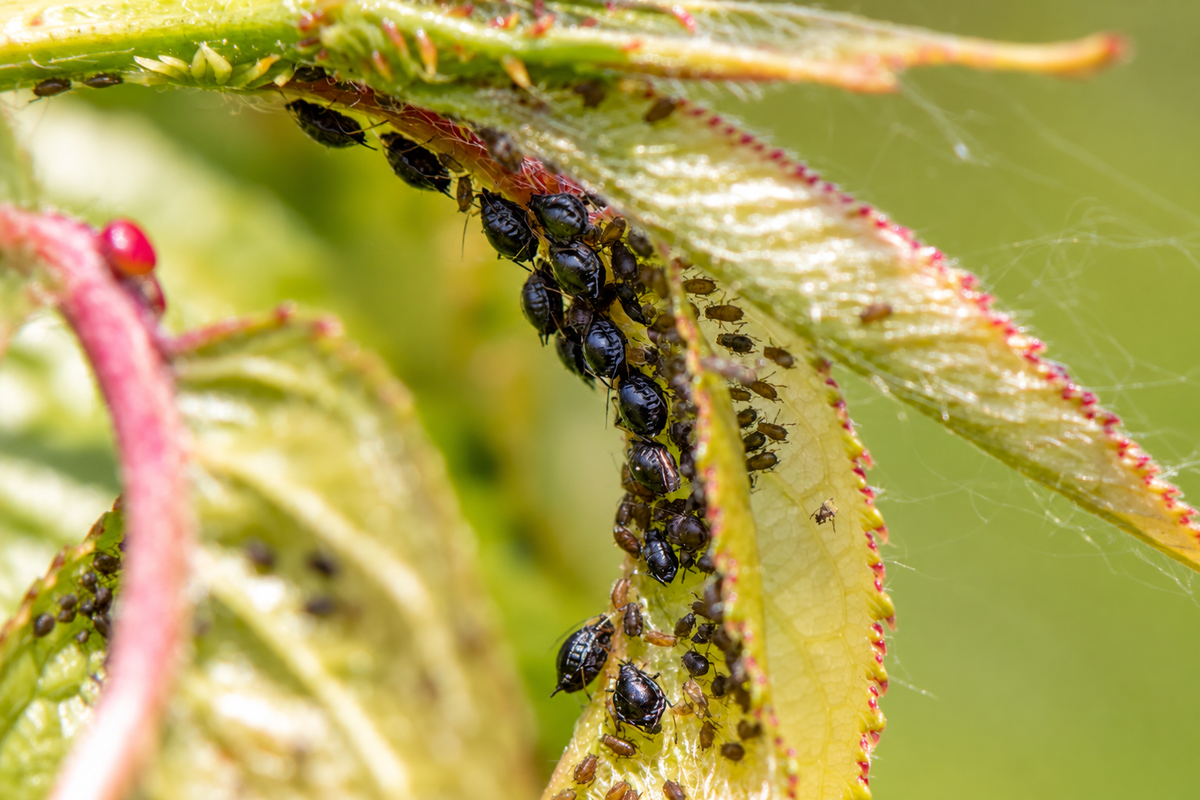
How to Get Rid of Aphids – Tips & Home Remedies
Inhaltsverzeichnis Blattläuse erkennen: So findest Du den Schädling an Deinen Pflanzen Hausmittel gegen Blattläuse: Von Spülmittel bis Kaffeesatz Blattläuse biologisch bekämpfen: Mit Rapsöl, Nüt...
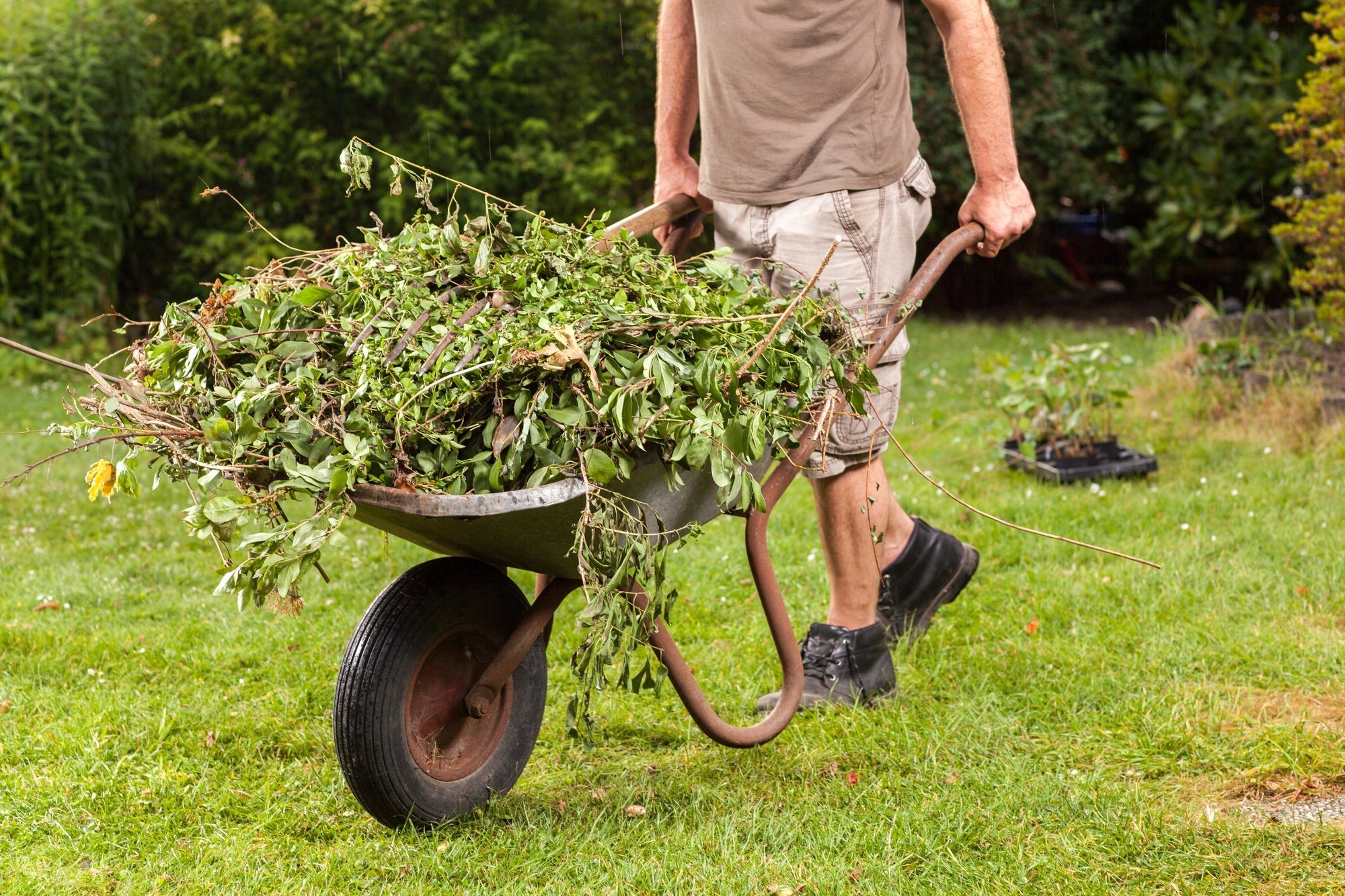
How to Dispose of Garden Waste Properly – UK Guide
Inhaltsverzeichnis Welche Arten von Gartenabfällen gibt es überhaupt? Wohin mit dem Grünschnitt? Diese Entsorgungsmethoden gibt es Gartenabfälle kompostieren: So funktioniert die ökologische Ver...


