

How to Remove Ivy – Effectively & Permanently
Removing Ivy – Effectively and Permanently
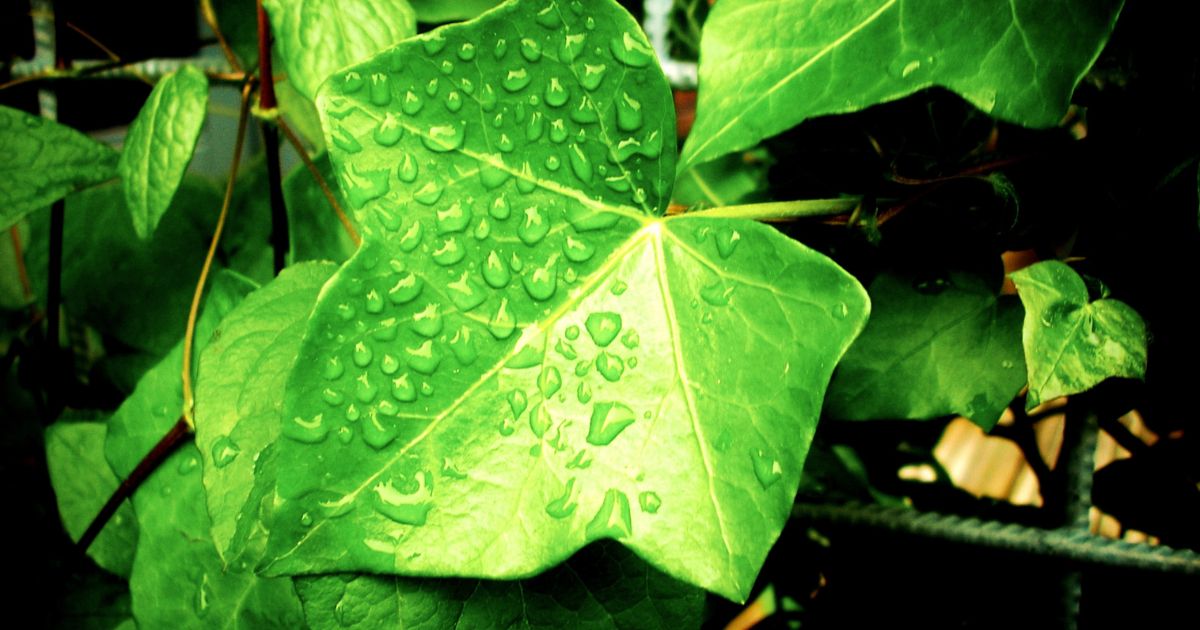
Ivy is one of the most stubborn unwanted guests in the garden. Whilst the evergreen climbing plant is a popular choice for covering fences, house walls, and garden walls, it is far less welcome on the lawn. This is partly because ivy is toxic — even skin contact can cause irritation. On top of that, it damages the lawn by competing for light and nutrients.
Ivy – Resilient and Undemanding
Because ivy is relatively undemanding — especially when it comes to light — it often thrives in the shade of trees or shrubs. There it smothers grass with ease, as the grass struggles to cope with the densely rooted soil and poor light conditions. Once ivy has started to spread through your garden, it can be very difficult to keep in check. Once the roots are well established, the shoots can grow more than a metre per year. This means ivy can take over entire lawns in no time at all. The grass itself dies off because it can no longer get enough light beneath the ivy leaves. If you spot the first ivy shoots on your lawn, you should act quickly before the plant spreads further!
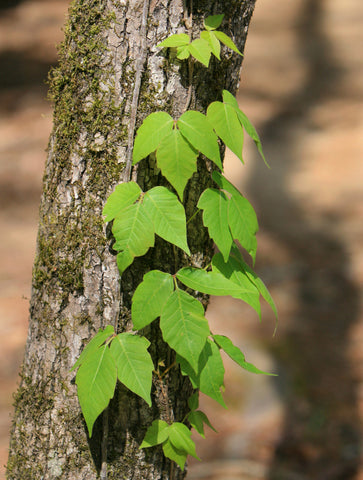 A particular situation arises when ivy in your garden is not entirely unwanted. Perhaps you are making use of the insulating properties of the evergreen plant as wall coverage, but you don't want it to get out of hand and spread onto the lawn. If you plant ivy near your lawn, it is best to install a root barrier. This prevents it from spreading unchecked into adjacent borders. Otherwise, it is a good idea to check regularly — weekly during the growing season in spring and summer — which direction your ivy is spreading. As soon as it gets too close to the lawn or any of your flower beds, cut back the shoot and leave only the stems where you actually want them to grow. This may sound a little time-consuming, but it is nothing compared to the work ahead of you if the ivy has already spread everywhere.
Removing Ivy – How to Go About It
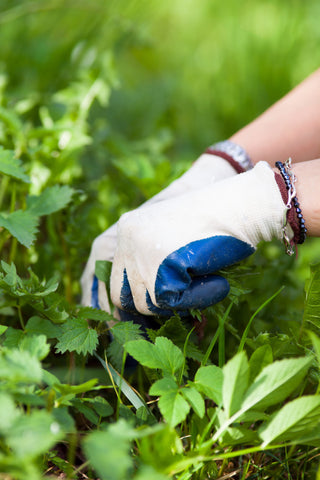 If you want to remove ivy from your garden completely and it has already spread widely, you will need to be patient. Once the root system of the climbing plant is well developed and extensively branched, it will often regrow repeatedly. Large areas of ivy therefore need to be tackled on multiple occasions, not just once. Young shoots can still be removed relatively easily by pulling them out along with their roots. It is best to wear gardening gloves, as people with sensitive skin often develop a rash from contact with ivy. If your lawn only has a few spots where the occasional ivy leaf appears, you do not need to take drastic action. Simply pull these out straight away and make sure you fertilise your lawn adequately. A well-fed lawn is better equipped to outcompete ivy for nutrients and will not give way so easily. For isolated ivy growth, you simply need persistence — remove it as quickly as possible to prevent it from becoming a bigger problem.
What to Do When Ivy Has Taken Over Completely?
If you have let ivy go unchecked for a long time, or have taken on a neglected garden, it is possible that a large area has already been smothered by this robust plant. Often there is little or no grass left underneath, making it well worth laying a completely new lawn.
Ivy always grows outwards from a main root. Locate this and then work out where the edges of the plant are. This is of course particularly tricky when several smaller ivy plants are growing across your lawn rather than one large one. In any case, always start removing the shoots from the outer edge and work your way towards the centre. Cut through all the roots and thicker stems that connect the ivy to the ground. This allows you to gradually pull the plant out and clear it from the area. Removing ivy by hand is labour-intensive and requires considerable effort, but it remains one of the most effective methods for getting rid of the climbing plant quickly.
Killing Ivy Safely
Another option is to cover the ivy with black polythene sheeting. This cuts off all light to the plant, causing it to die off. This method is particularly suitable if you are not in a great hurry to remove the ivy. The best time for covering is autumn and winter. You will spend little time in the garden anyway, and it would not make much sense to sow new grass on the exhausted soil at that time of year. Instead, lay the sheeting over the area, weigh it down with stones, and wait. In spring, lift the sheeting and remove the now-dead ivy shoots. You will still need to pull out the dead material by hand. However, this method has one distinct advantage: after such a long period without light and nutrients, the ivy roots will have largely died off as well. This means that when you remove it, there is far less chance of it resprouting and causing problems for years to come.
Disposing of Ivy Correctly
You should on no account simply throw the removed ivy onto your compost heap. In the worst case, the robust plant will simply carry on growing there and you will find yourself with the same problem in a different spot. If you just want to get rid of the ivy as quickly as possible, your best option is to take it to your local household waste recycling centre (HWRC) or arrange a garden waste collection. If that is not possible, you can lay the pulled-up plant material on a paved or concreted surface in the sun to dry out. After a few days it will no longer pose any risk. Alternatively, you can seal the ivy off in bin bags to suffocate the plant before composting it. You should wait at least one week to make sure that all leaves and roots have truly died off. If you have a garden shredder, you can shred the ivy — though even then, you should apply one of the two other methods first before mixing it with your other garden waste to compost down. Important: You must never compost ivy that is currently bearing berries. The berries are typically ripe between January and April and cause the plant to spread prolifically. If you remove ivy during this period, make sure you dispose of the waste via your garden waste collection or local HWRC. If you covered the ivy in autumn to remove it in spring, it will no longer produce berries and can be safely composted, as it will have died off completely due to lack of light.
Re-establishing Grass on the Cleared Area
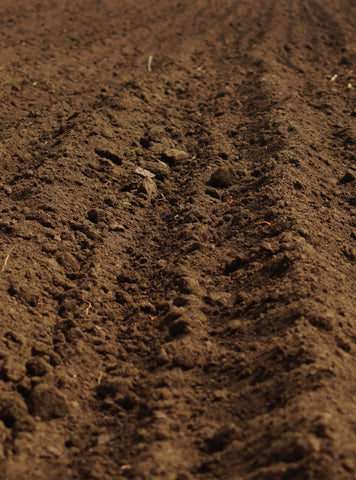 Depending on how long and how extensively an area was covered by ivy, it can sometimes be difficult to establish a lawn there afterwards. If the soil is still riddled with roots, there is a real risk of the ivy simply coming back. Once you have removed the above-ground parts of the plant, it may therefore be worth going over the area with a rotavator. This breaks up the soil and severs the existing roots, allowing you to remove the majority of them. Afterwards, apply a generous layer of fresh topsoil to give the new grass the best possible start.
If the former ivy-covered area is in permanent shade, make sure you sow a shade-tolerant lawn mix. This is specially adapted to low-light conditions and therefore somewhat more resilient against weeds such as ivy and moss. Even if you are only overseeding a shaded, ivy-damaged patch rather than starting from scratch, it is worth choosing a shade-tolerant mix. Bear in mind, however, that this type of grass is not quite as hardwearing as lawn varieties that require more light. It is also higher maintenance and will need overseeding more frequently. Moss also tends to appear more readily in shaded areas, so regular scarifying will be hard to avoid.
An Alternative to Lawn: Ground Cover Plants
Ivy spreads particularly readily under trees or shrubs. As the soil there is often heavily rooted, grass usually has little chance of thriving. This is especially true under shallow-rooting trees such as spruce, weeping willows, or birches, which draw a great deal of water from the soil. Since maintaining a lawn on such areas often requires an enormous amount of effort, it may be more practical to create a bed of ground cover plants instead. It is best to choose species that naturally grow in woodland and are therefore ideally suited to the low-light conditions beneath trees. Examples include ferns, ornamental grasses, and shade-loving perennials such as hardy geraniums or Welsh poppy. Wild strawberry, wood anemone, or lesser periwinkle are ground cover plants that also put on a wonderful display of flowers in spring. It is best to choose one or two species and plant them generously into a layer of fresh topsoil. You should also pay attention to a clear border edging to define where the flower bed ends and the lawn begins.
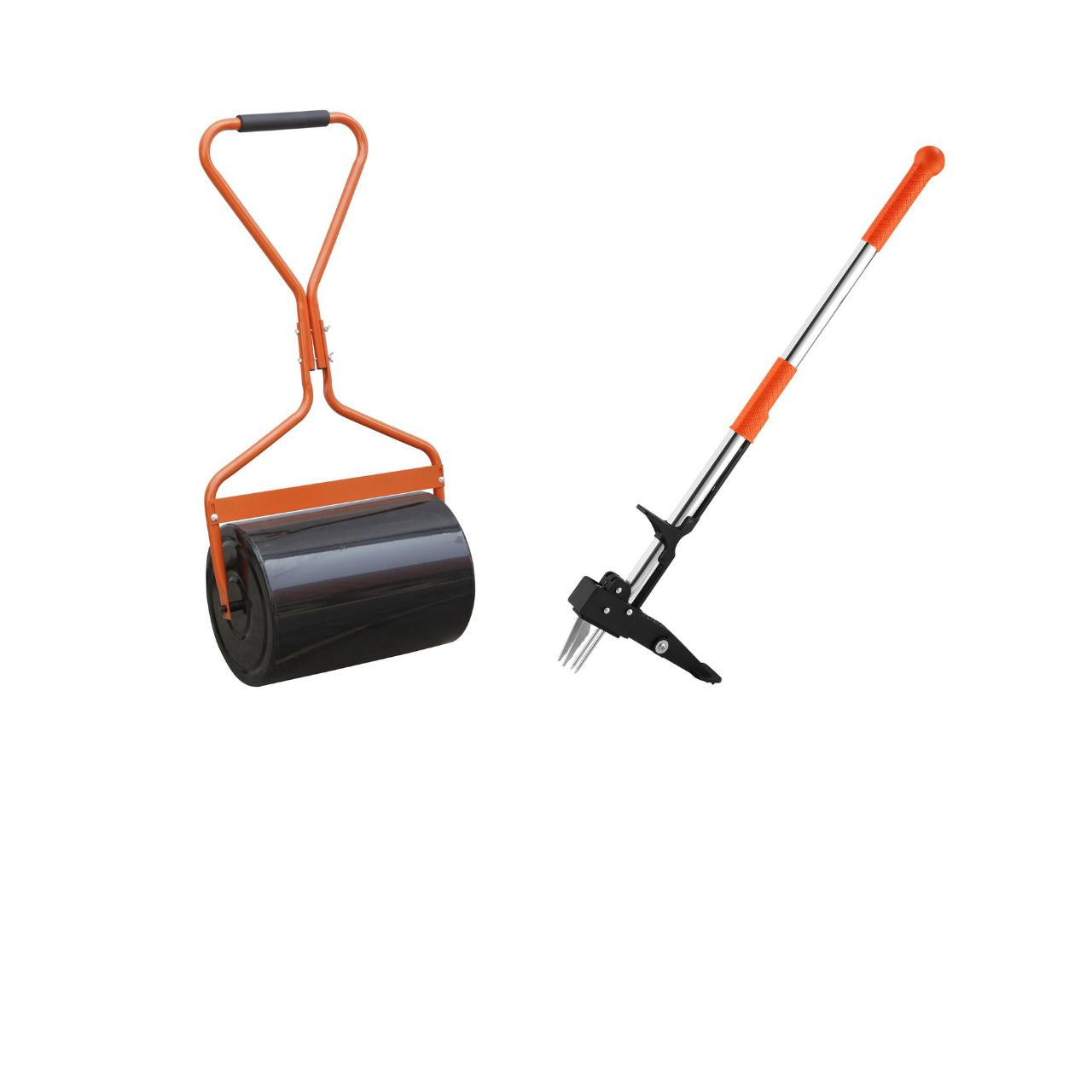
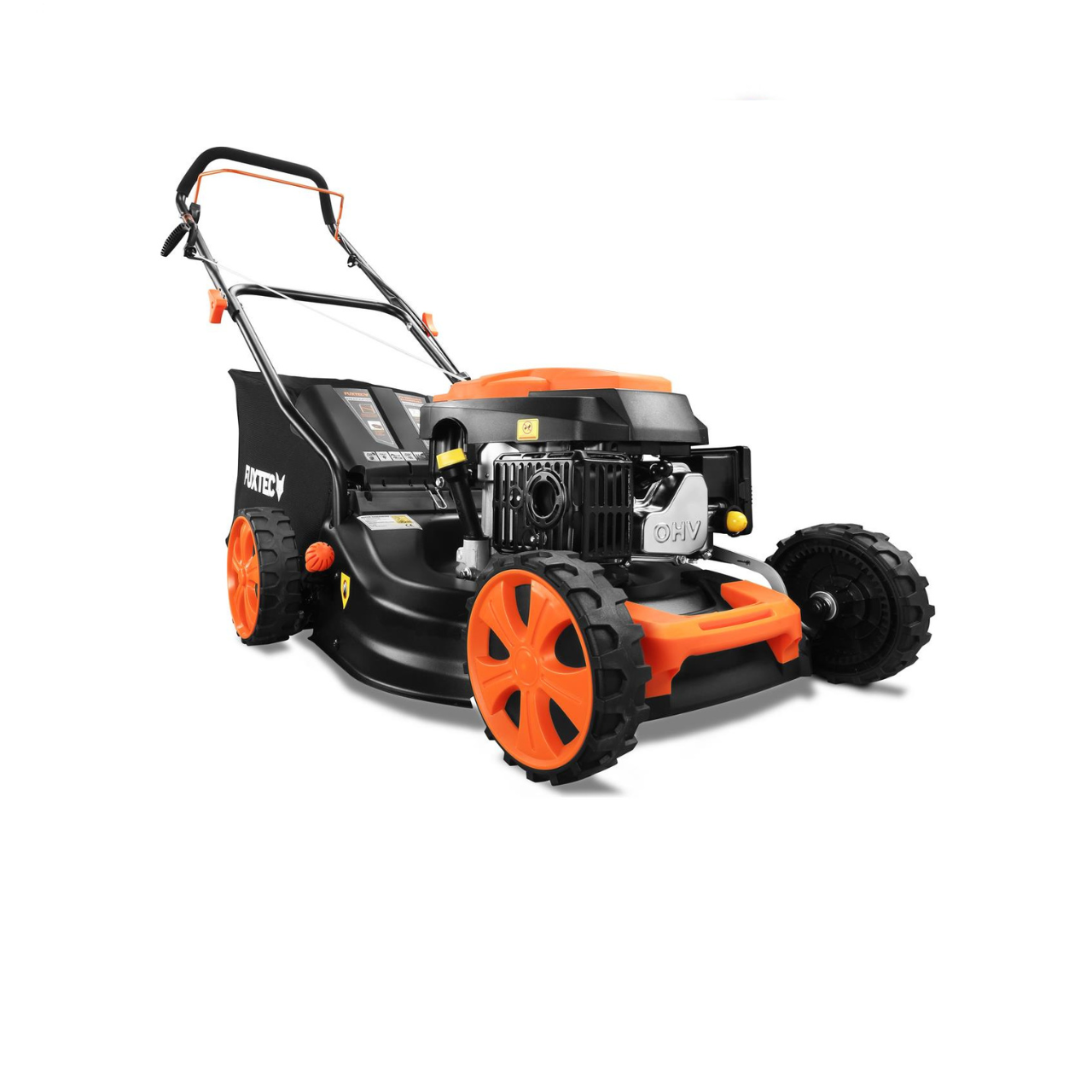
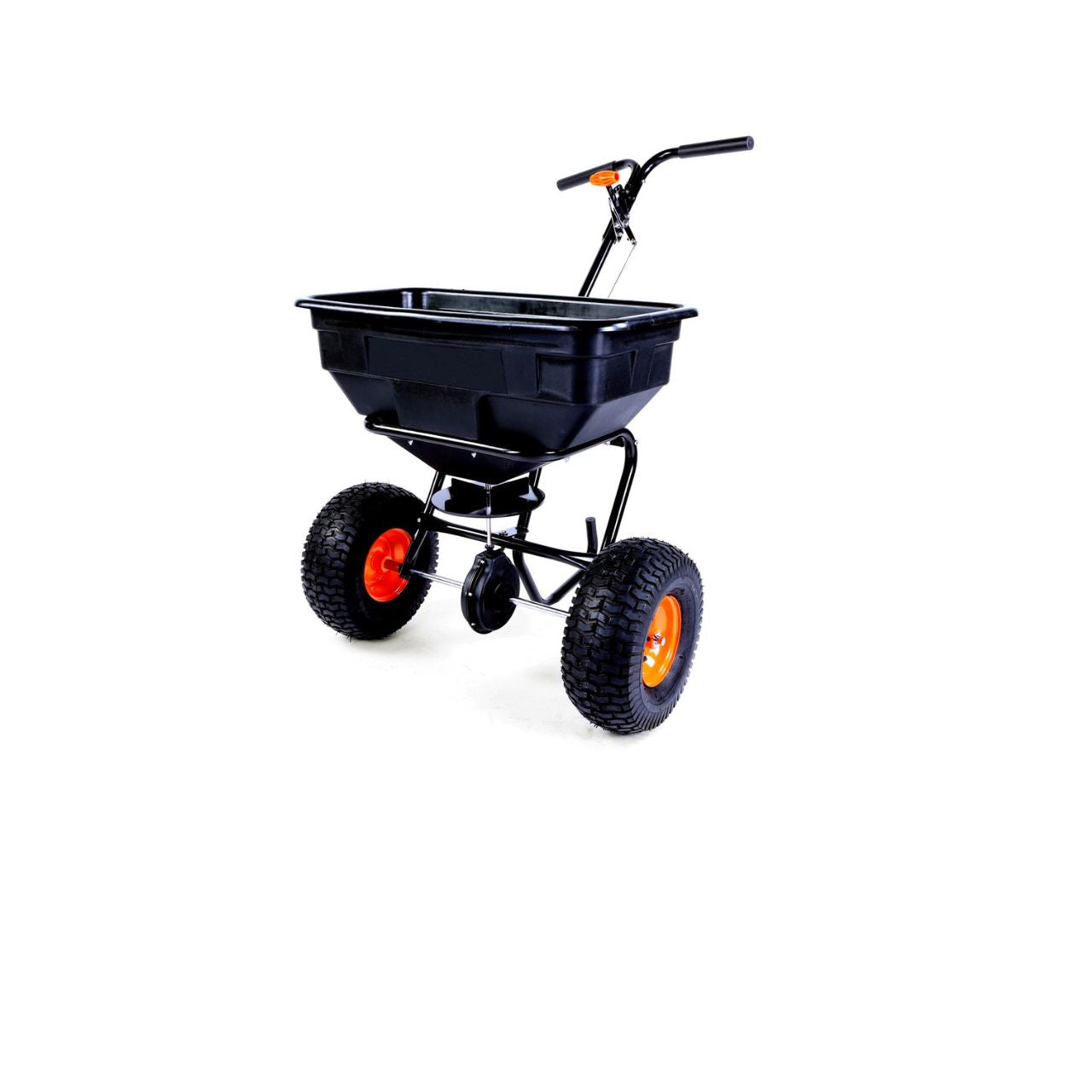
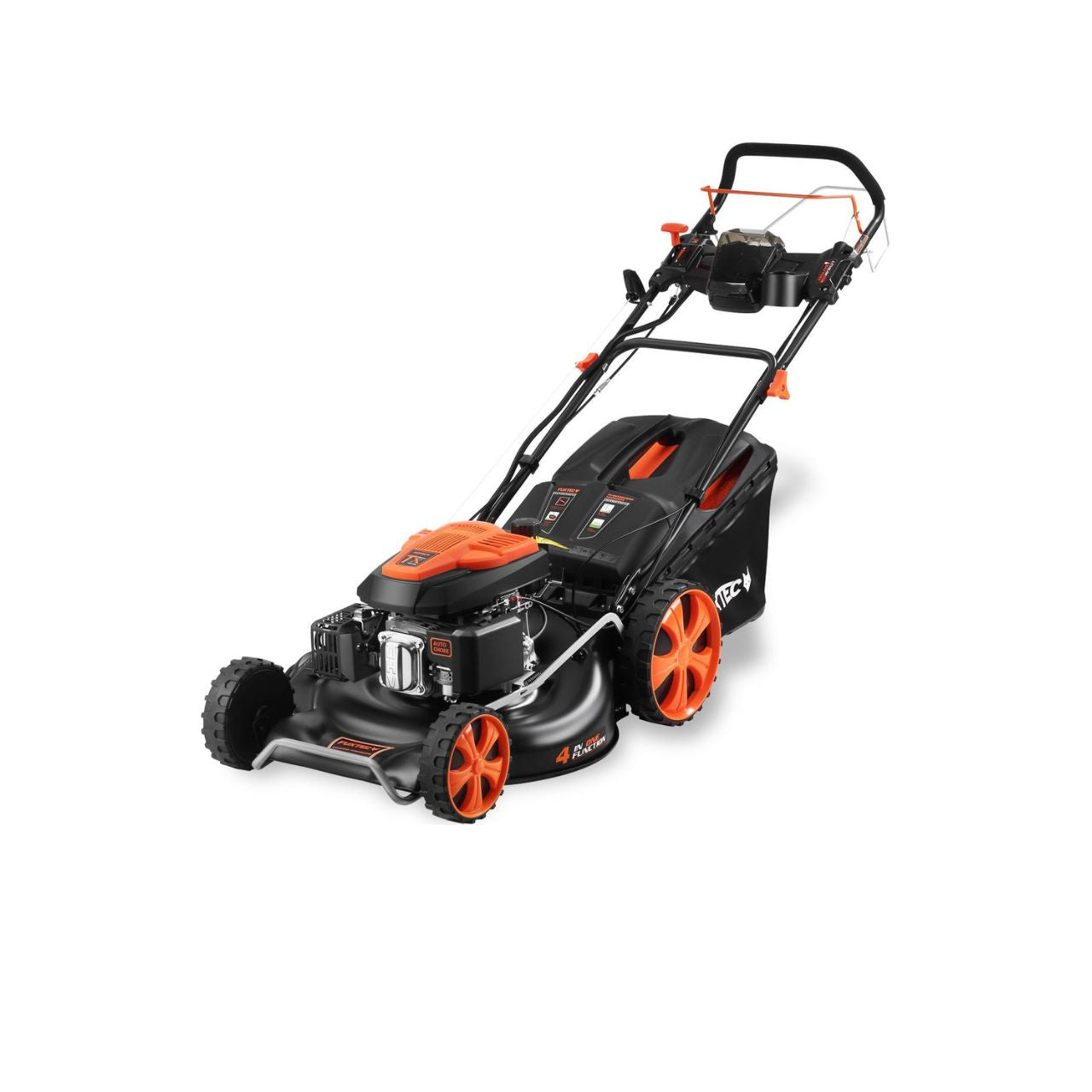
Useful tools for garden care and weed removal

More articles about removing weeds
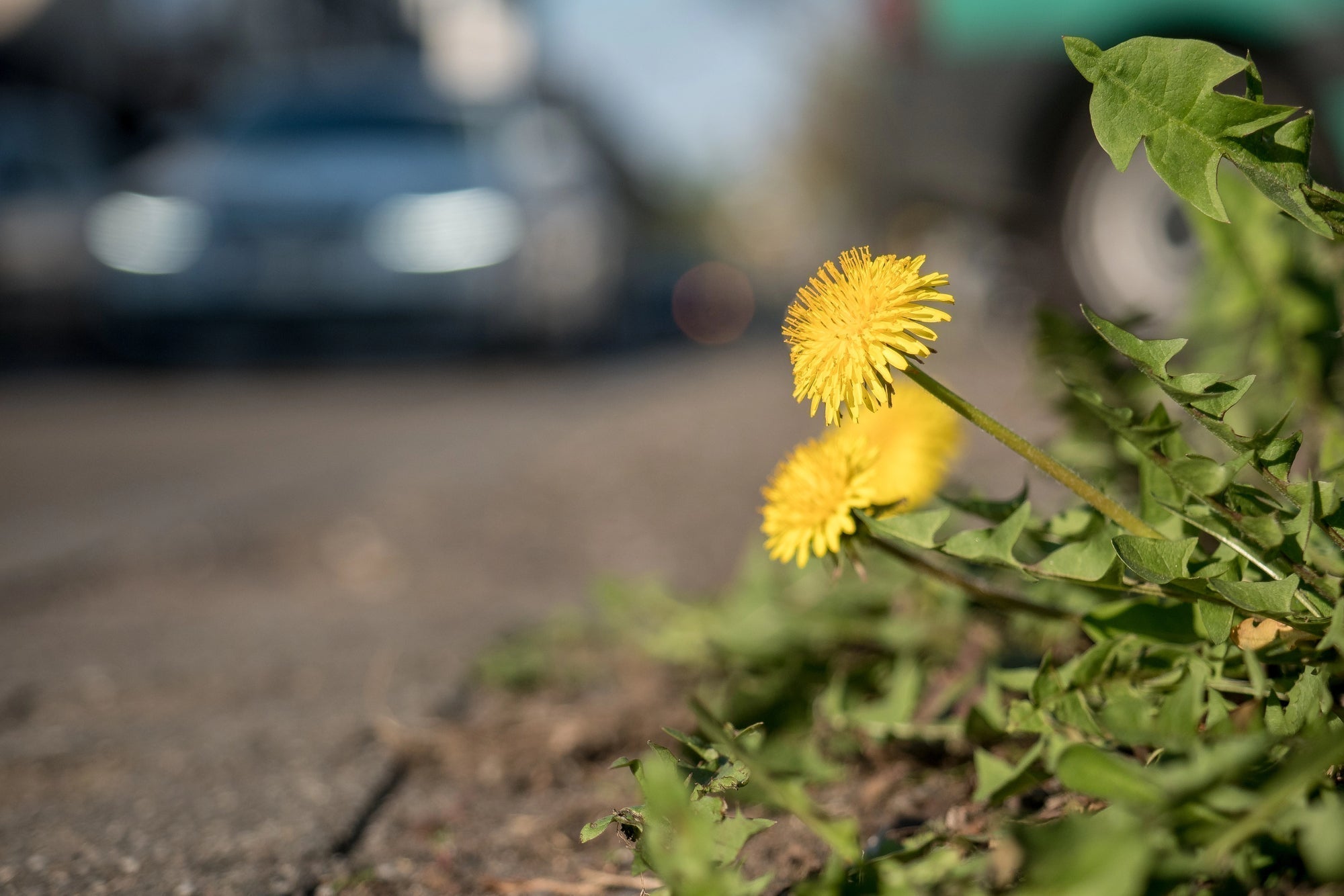
Remove Weeds from Paving Joints | Methods & Tips
Removing weeds from paving joints is one of those garden tasks that can quickly become a real chore. Whether it's the driveway, a footpath, or between patio slabs — once dandelions and oth...
How to Get Rid of Aphids – Tips & Home Remedies
Inhaltsverzeichnis Blattläuse erkennen: So findest Du den Schädling an Deinen Pflanzen Hausmittel gegen Blattläuse: Von Spülmittel bis Kaffeesatz Blattläuse biologisch bekämpfen: Mit Rapsöl, Nüt...
How to Dispose of Garden Waste Properly – UK Guide
Inhaltsverzeichnis Welche Arten von Gartenabfällen gibt es überhaupt? Wohin mit dem Grünschnitt? Diese Entsorgungsmethoden gibt es Gartenabfälle kompostieren: So funktioniert die ökologische Ver...


