



How to Remove Dandelions – Effectively & For Good
Removing Dandelions – Effectively and Permanently
Children love them – their bright yellow flowers are not only a cheerful sight, but later become fluffy seed heads perfect for blowing and making wishes. For many gardeners, however, dandelions are a real nuisance. Left unchecked, they spread rapidly and crowd out grasses and other delicate plants thanks to their remarkably hardy nature.
 Dandelion – found everywhere and surprisingly versatile
Quick and Easy: Mowing the Lawn
When dandelions take over a lawn, many amateur gardeners reach for the mower and hope that will solve the problem. Unfortunately, quite the opposite is true. Mowing weakens the grass and, at best, removes the dandelion flowers. The flat leaf rosettes are only partially caught by the mower blades – or in the worst case, not at all. Mowing alone can at most prevent seeds from forming and being dispersed, but it does nothing to stop the underground spread of dandelions. You may slow or limit their spread this way, but you won't get rid of them entirely.
Tedious but Effective: Hand Digging
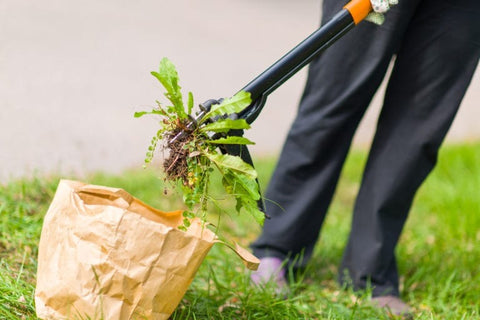
Far more effective than simply mowing is digging out the plant along with its root. With young plants this is straightforward enough. For more established ones, you should use a specialist dandelion weeder to help you extract as much of the root as possible. The best time to tackle the weeds is when the soil has been softened by rain or watering. This makes it easier to push the tool into the ground and helps the root come away more cleanly.
Even a small piece of root left behind can be enough for the dandelion to regrow. If you're tackling an established dandelion patch, expect to revisit the area every few weeks. However, if you stay on top of it consistently throughout the season, the problem should largely resolve itself the following year. Old plants won't survive a hard frost, and if you've removed all the flowers before they set seed, there should be no viable seeds left over in your garden. Since seeds can be carried long distances by the wind, the odd dandelion may still pop up – but as long as you act quickly each time, it won't become a problem again.
Any holes left behind are best filled promptly with sharp sand. You should also consider overseeding any bare patches if they are relatively large. Make sure your lawn is well fed and watered, as this is essential for it to recover fully from the stress caused by dandelions and weeding. A thick, healthy lawn also makes it much harder for weeds to germinate and establish themselves.
Simple and Effective: Home Remedies

One weed remedy you can easily make at home is nettle liquid fertiliser. Collect a large quantity of stinging nettles and chop them up roughly. Place them in a large container made from glass, plastic, or wood – metal is not suitable as it will corrode during the fermentation process. Fill the container with water, seal it, and leave it in a sunny spot for two weeks. Stir it occasionally – and don't be alarmed by the rather pungent smell! Once ready, dilute the liquid at a ratio of 1:10 with water and spray it directly onto the dandelions. A warm, sunny day works best. The nettles, combined with sunlight, will effectively scorch the leaves and cause the weeds to die back.
Another useful home remedy in the fight against dandelions is calcium cyanamide. Sprinkle it over the plants in autumn and they will die off, leaving bare patches. If you'd rather avoid this, you can cut off the top of the dandelion by hand and then sprinkle the calcium cyanamide – or alternatively plain wood ash – directly onto the remaining root. The lime burns the dandelion, and while calcium cyanamide does temporarily produce some toxic compounds in the soil, these are broken down by soil organisms into harmless nitrogen compounds within a few weeks. After that, the soil is just as fertile as before – and the unwanted dandelion is gone.
Sprinkling dandelion leaves with table salt or dousing them with vinegar may appear to work in the short term, but both are highly damaging to the soil and groundwater. Large quantities of salt not only kill the treated weed but also destroy important soil organisms, ultimately harming the entire local ecosystem. Vinegar likewise makes no distinction between weeds and other plants, damaging surrounding grass just as much as the dandelion itself. It is worth noting that in the UK, using salt or vinegar on paved areas (such as driveways or patios) as a weed killer may run off into drains and cause harm to watercourses – this is something to be mindful of, as it may breach local environmental regulations. Avoid these often-touted home remedies wherever possible.
When All Else Fails: Weedkiller
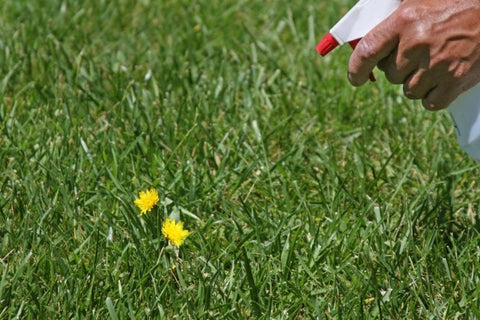
Weedkillers are particularly helpful when a large area has been overrun. They work best the greater the leaf surface area of the weeds, as this is how they are absorbed and take effect. Selective lawn weedkillers available in garden centres target a range of common lawn weeds, including dandelions, and are available in two main forms:
- Weedkiller only
- Lawn feed and weedkiller combined
If you're treating weeds at a time when feeding the lawn is also beneficial, a combined product is a sensible choice. While the weedkiller won't harm the grass itself, it does put it under some stress. The added boost from nutrients helps the lawn fill in any bare patches left by the dandelions and makes it more resilient against future weed growth. Herbicides are typically applied as either a liquid or granule. Always follow the manufacturer's dosage instructions carefully and ensure the product is spread evenly across the treatment area. Applying too much can damage or kill the grass itself, leaving bare patches that are then even more vulnerable to weeds.
Newly sown lawns should not be treated with weedkiller in their first year. Freshly germinated grass is not yet robust enough to tolerate herbicide and can be easily damaged. You should also avoid mowing around the time of application, and the lawn should be kept off for a few days afterwards. Ideally, apply on an overcast day when no rain is forecast in the near future. If it rains too soon after application, the liquid weedkiller may wash off into the soil before it can be absorbed by the plants.
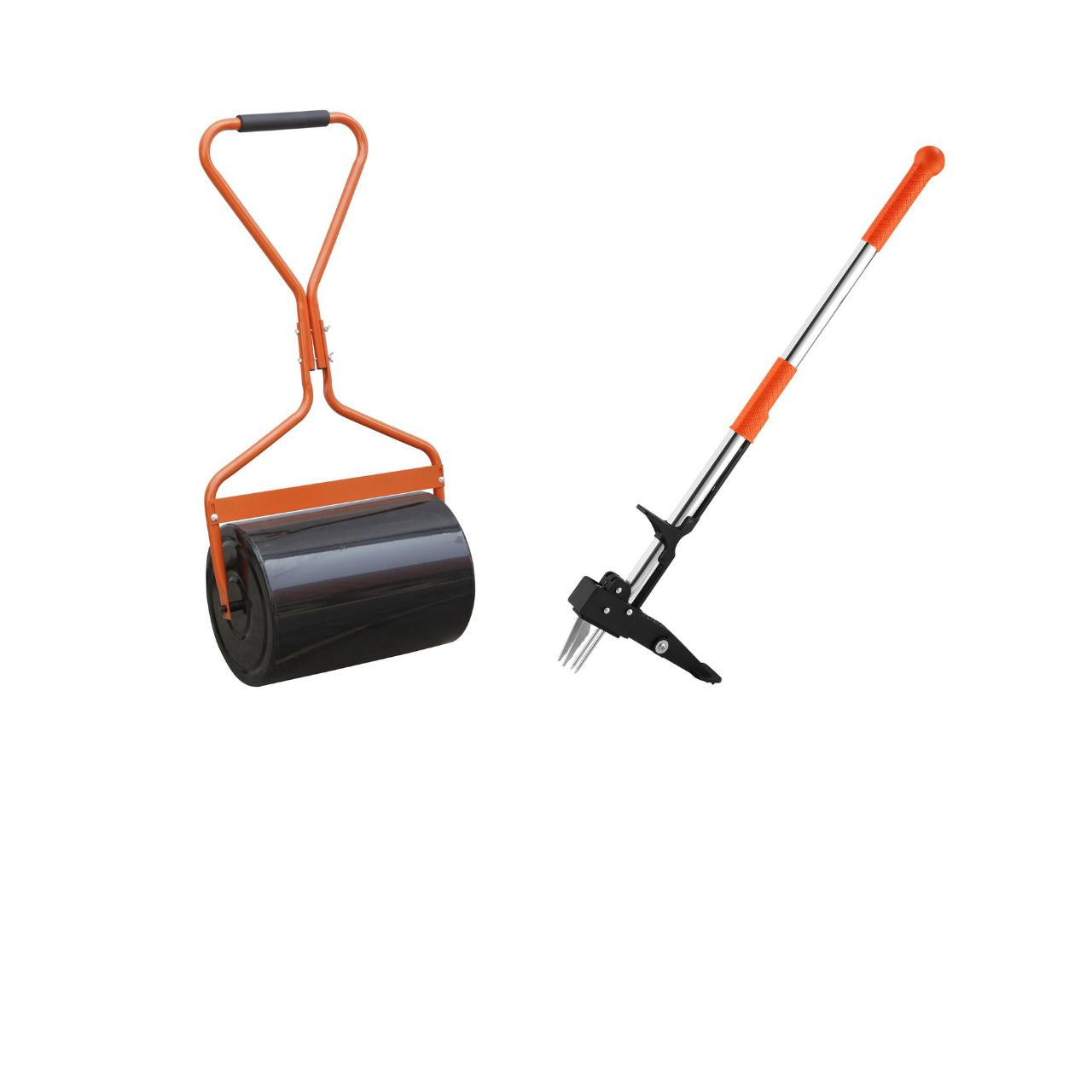
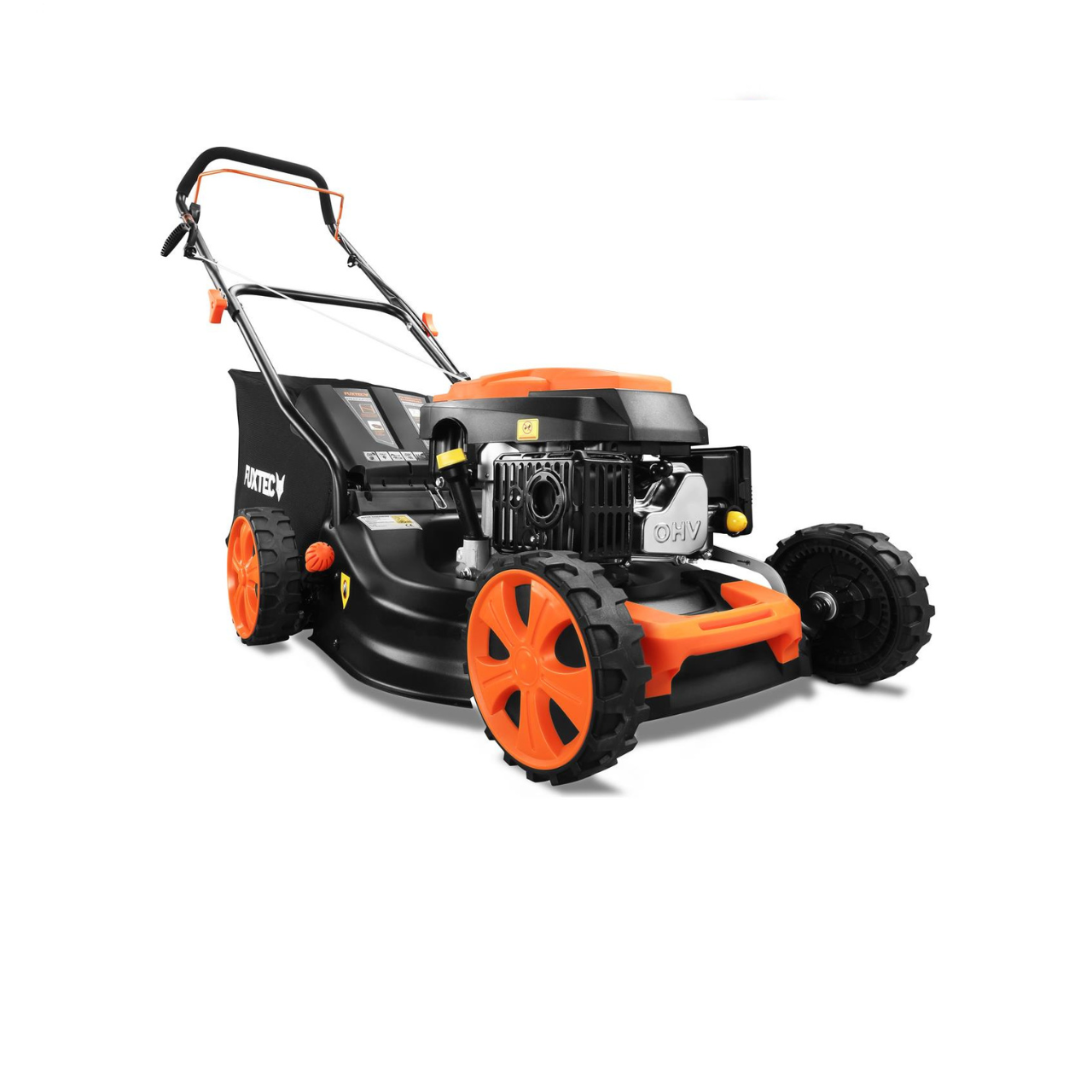
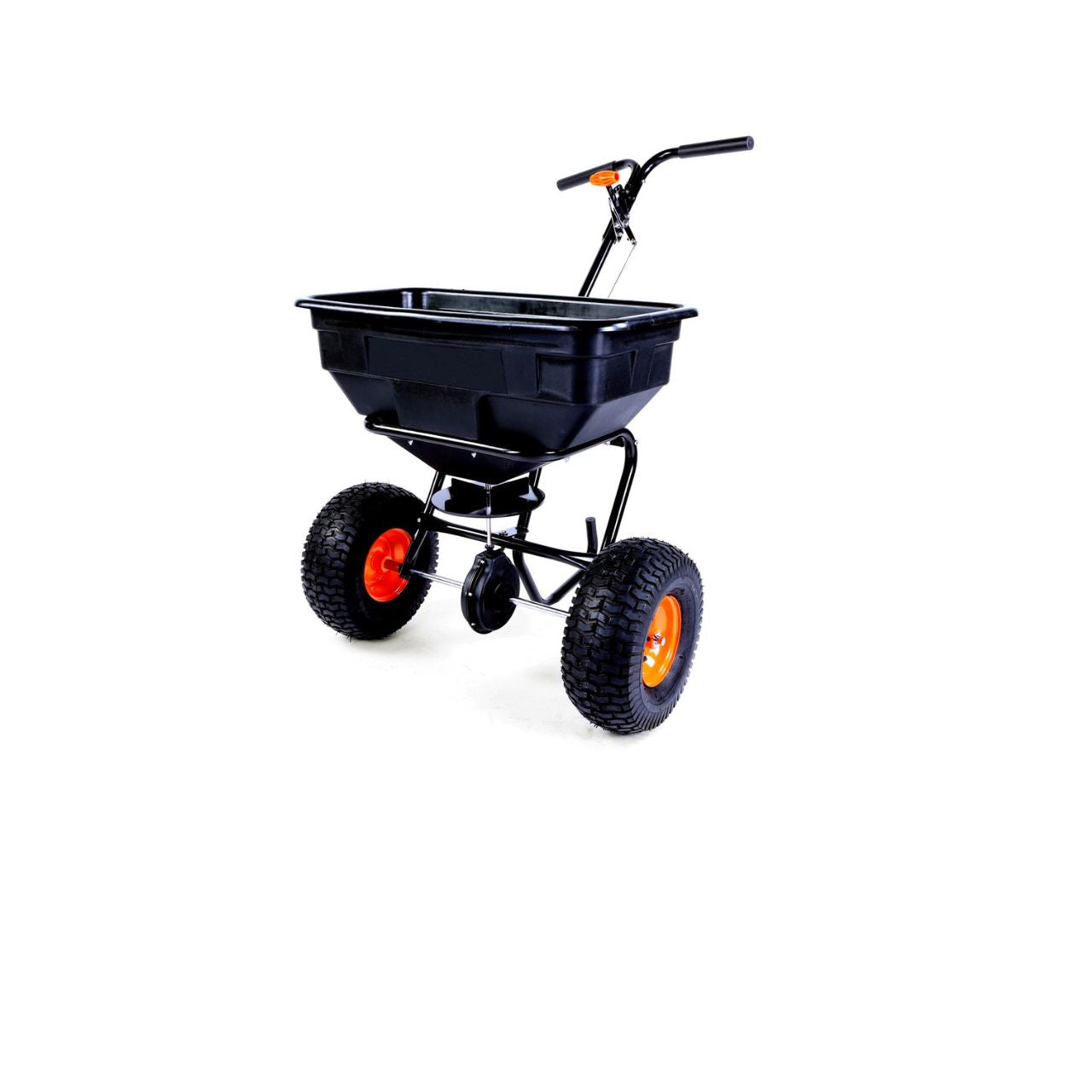
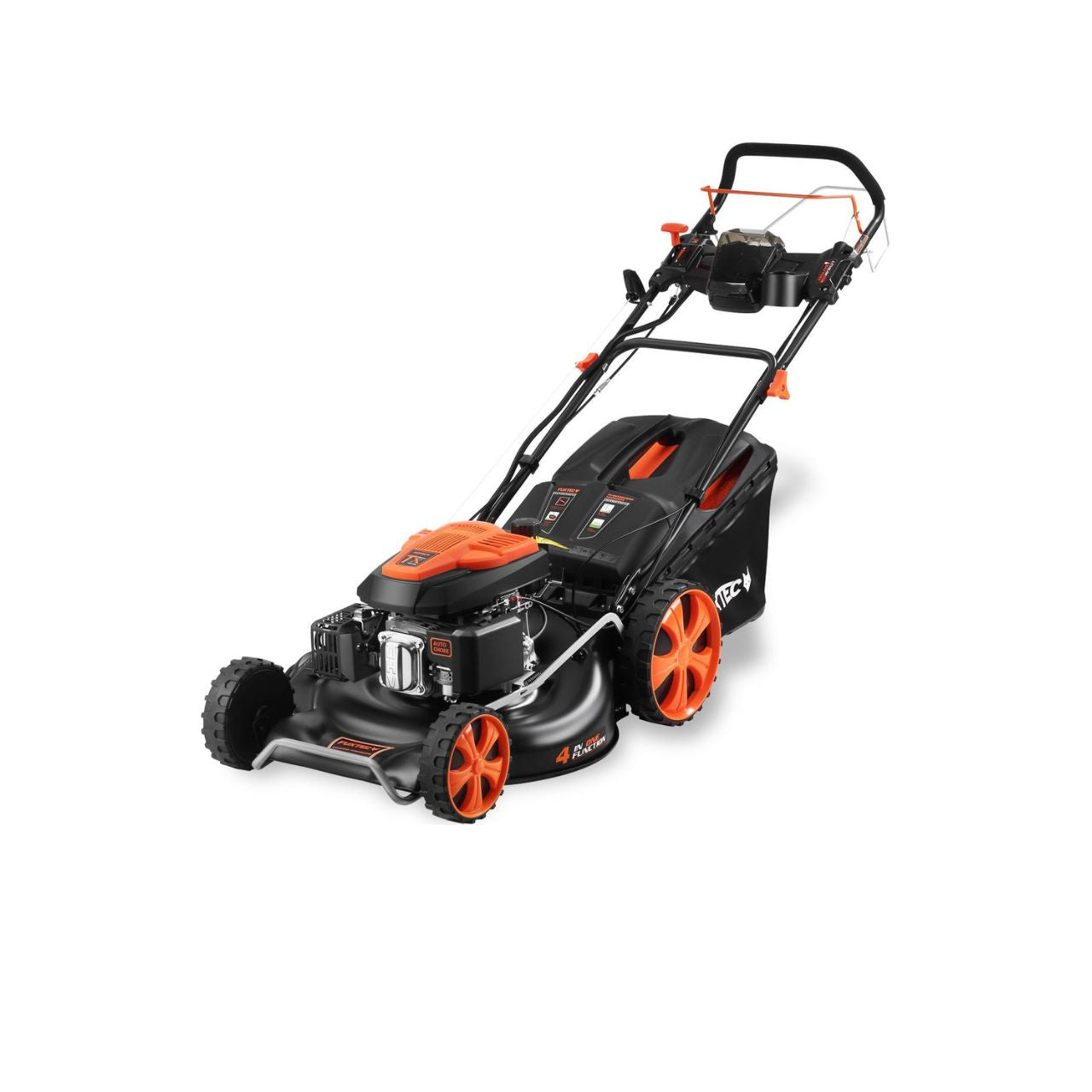
Useful tools for garden care and weed removal

More articles about removing weeds

Remove Weeds from Paving Joints | Methods & Tips
Removing weeds from paving joints is one of those garden tasks that can quickly become a real chore. Whether it's the driveway, a footpath, or between patio slabs — once dandelions and oth...
How to Get Rid of Aphids – Tips & Home Remedies
Inhaltsverzeichnis Blattläuse erkennen: So findest Du den Schädling an Deinen Pflanzen Hausmittel gegen Blattläuse: Von Spülmittel bis Kaffeesatz Blattläuse biologisch bekämpfen: Mit Rapsöl, Nüt...
How to Dispose of Garden Waste Properly – UK Guide
Inhaltsverzeichnis Welche Arten von Gartenabfällen gibt es überhaupt? Wohin mit dem Grünschnitt? Diese Entsorgungsmethoden gibt es Gartenabfälle kompostieren: So funktioniert die ökologische Ver...


