

How to Remove Celandine – Effective Methods
Removing Celandine – Effectively and Permanently
A Plant with Many Names
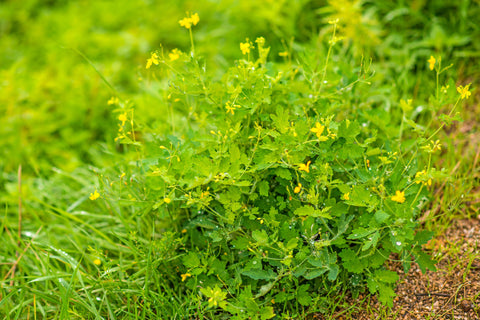
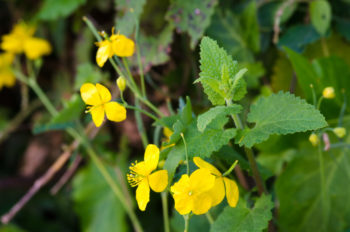 Greater celandine, swallowwort, tetterwort, and wart wort are just a few of the many names by which the plant with the botanical name Chelidonium majus is known. The variety of common names reflects the fact that this plant has been of great importance to people for centuries – primarily as a medicinal herb for skin complaints and warts. Its effectiveness against the latter has even been partly demonstrated scientifically. In the wild, celandine – which thrives in nitrogen-rich soil – is commonly found on waste ground and along roadsides. This robust plant, which can grow up to 70 centimetres tall, is even capable of establishing itself in wall crevices or on hillsides. It is perennial and largely frost-hardy, meaning an infestation in your garden will unfortunately not sort itself out. The plant spreads both via seeds and through its branching root system.
How to Get Rid of Celandine in Your Garden
A single celandine plant in the garden is usually not a problem. Many gardeners leave it well alone at first, only taking notice once the leafy plants begin to spread more and more. Because this yellow-flowering plant grows rapidly in height and spread during spring, it leaves neighbouring plants with little room or light. These often perish as a result. Even lawn grass struggles beneath the larger celandine leaves, wilting or drying out altogether. To save the rest of your garden planting, celandine must be removed for good. Not all gardeners have trouble with celandine, however. As the plant loves nitrogen-rich soil and moist conditions, it only thrives on lawns that are fertilised and watered sufficiently – or even excessively. It also tends to take hold at the base of walls or house walls, where shade often creates slightly damper conditions.
Hand-Weeding Celandine

Classic hand-weeding is one of the few effective methods against celandine. As contact with the orange plant sap can easily cause skin irritation or allergic reactions, you should always wear gloves for this task. As with all root weeds, you should aim to remove the entire plant including all its roots, as it will otherwise keep resprouting. Unless you plan to completely replant the bed or a section of lawn, this may not be feasible once the plant has spread significantly. In that case, your only option is to repeatedly remove the above-ground parts of the plant and as much of the root as possible. This depletes the underground reserves and, in time, the celandine will eventually die off. But be warned: until that point, patience and perseverance are essential. If you only have a few isolated or very small celandine plants in your garden, hand-weeding is a quick and effective control method. Always make sure to remove celandine before it can flower and set seed. Left unchecked, a single plant can produce a carpet of seedlings the very next year that will be extremely difficult to eradicate.
Tackling Large Quantities of Celandine
If the celandine has spread so far that hand-weeding is no longer an option (or you simply don't have enough time for it), there are still a few other methods to get rid of the unwanted visitor in your garden.
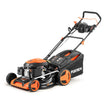
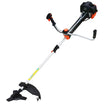
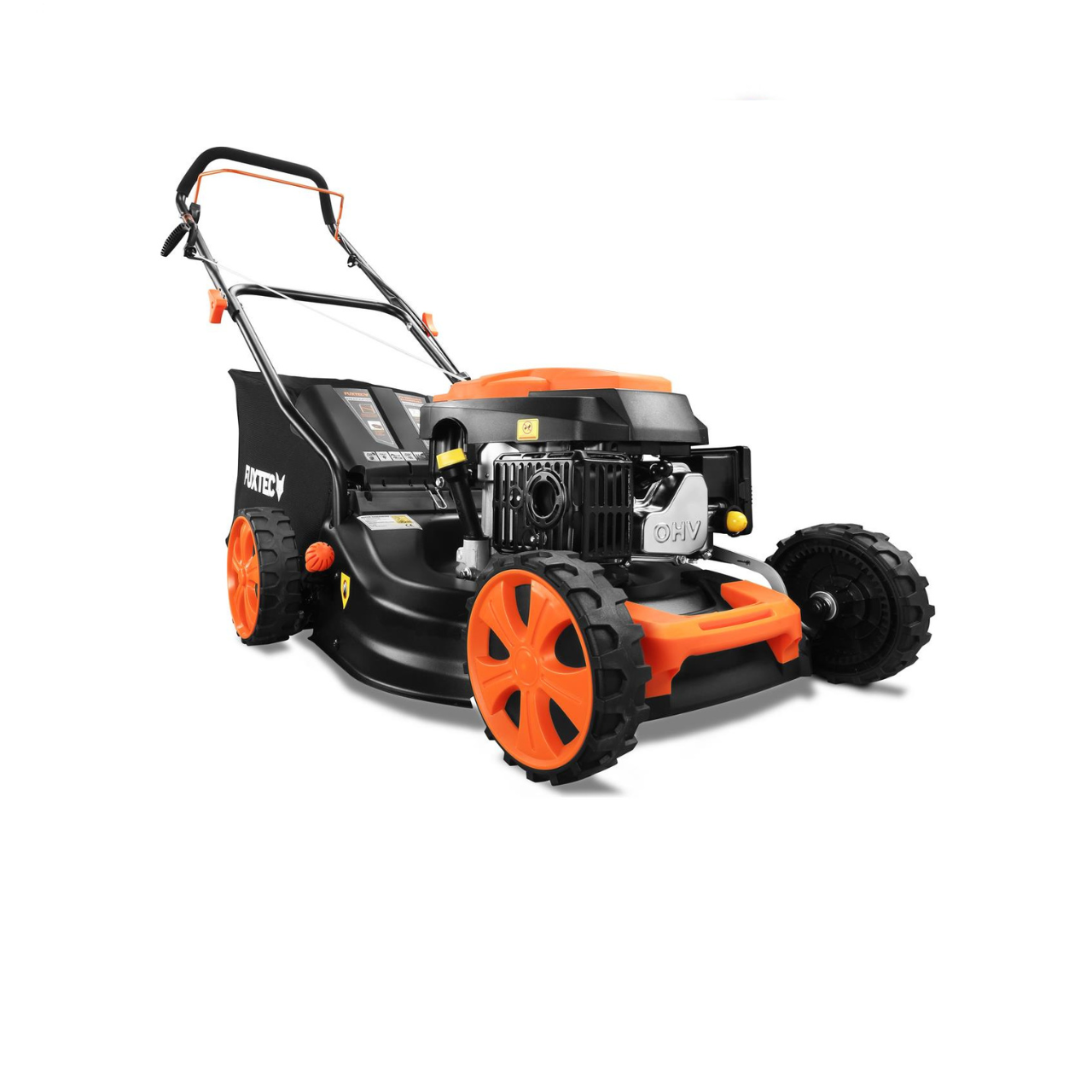
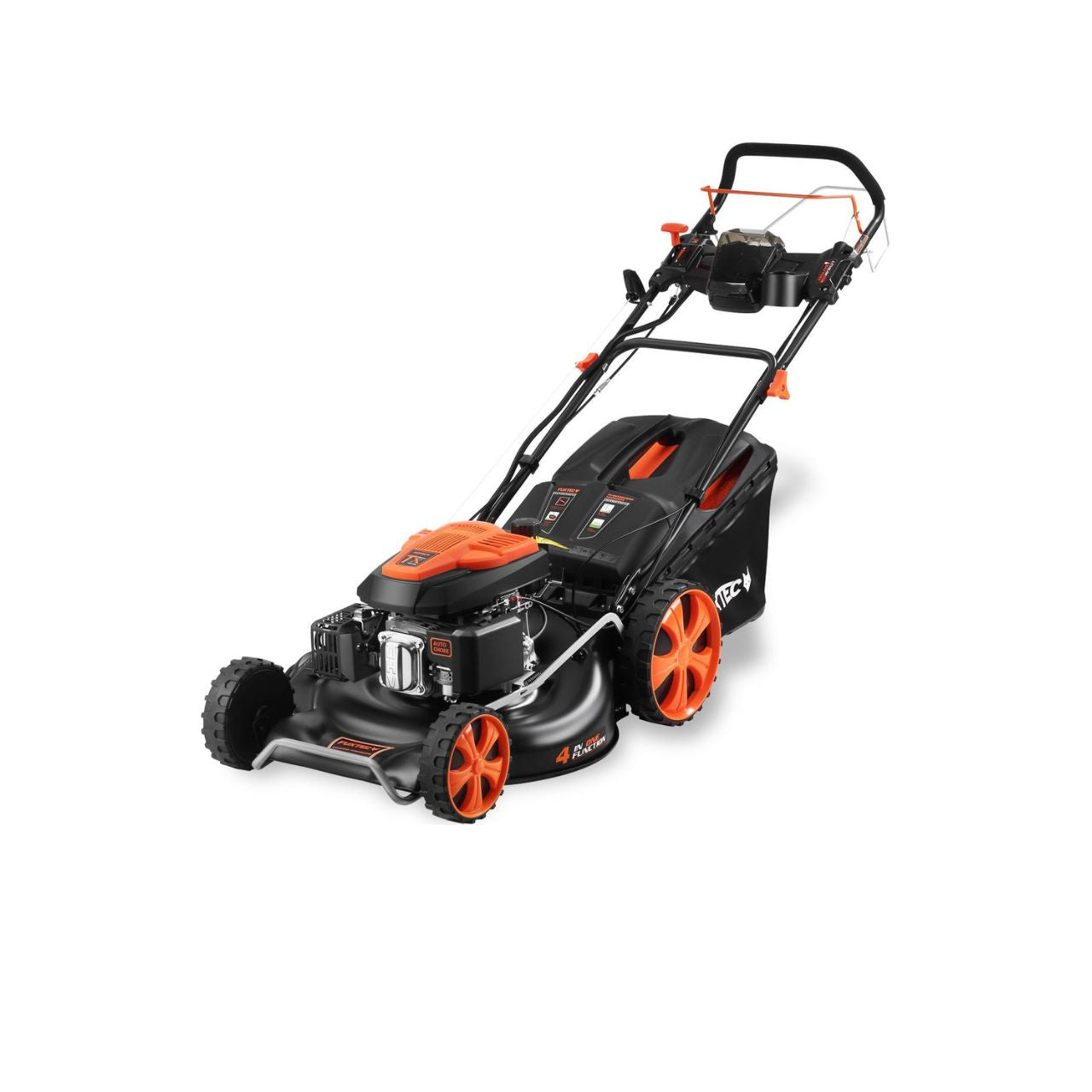
If the celandine is confined to an area where only lawn grows, you can mow it weekly along with the grass. This won't kill it straight away, but it will weaken it over time and prevent it from spreading further. Particularly in spring, when the weed grows very quickly, it may also be necessary to mow the fresh shoots several times a week. Otherwise it won't be weakened enough to disappear for good. If you don't want to get the lawn mower out each time, you can use a lawn edger or a strimmer instead. This reduces the effort involved in weed control considerably. Make sure not to dispose of any celandine root fragments on the compost heap, as they can easily resprout and re-establish themselves. Instead, dry the cut plant material in the sun before composting it, or dispose of it in your garden waste or general waste bin.
As celandine often initially colonises only a narrow strip along a wall or fence, this makes it well suited to being tackled by covering with sheeting. First remove the above-ground parts of the plant, then lay an opaque sheet of plastic or a weed-suppressing membrane over the cut stems. The orange milky sap is particularly helpful here, as it shows you exactly where you have cut the celandine. Then weigh down the sheeting with stones, gravel or bark chippings. The latter two options look considerably more attractive, and bear in mind that the sheeting should remain in place for several months. Only then can you be confident that the roots in the soil have died off due to lack of nutrients and light and no longer pose a risk. After removing the sheeting, reseed the area with fresh lawn grass and hope that the celandine did not manage to set seed. Otherwise you will need to repeat the whole process. Spring is the ideal time to apply the covering. Once you can be sure that all seeds in the soil have germinated, mow the plants down and brighten up the sheeting for summer with a few container plants. At the end of summer, remove the sheeting and sow fresh grass seed immediately so it can establish before winter. This gives it a head start over other weeds competing to claim the space left by the celandine, and it will be better placed to hold its own come the following spring.
The last option is the use of herbicides. Selective lawn weedkillers will target the celandine without harming the grass. Unlike other methods, herbicides kill not only the leaves and stems of the celandine, but also the root system. Depending on how effective the treatment is, you may need to repeat the application once or twice. After that, the weed should be gone for good. Combination products that contain both a herbicide and a lawn feed are generally a good choice. They not only eliminate unwanted plants, but also ensure your lawn receives all the nutrients it needs to fill the gaps quickly. This reduces the likelihood of another plant simply moving into the space left by the celandine and the battle for a perfect lawn starting all over again.
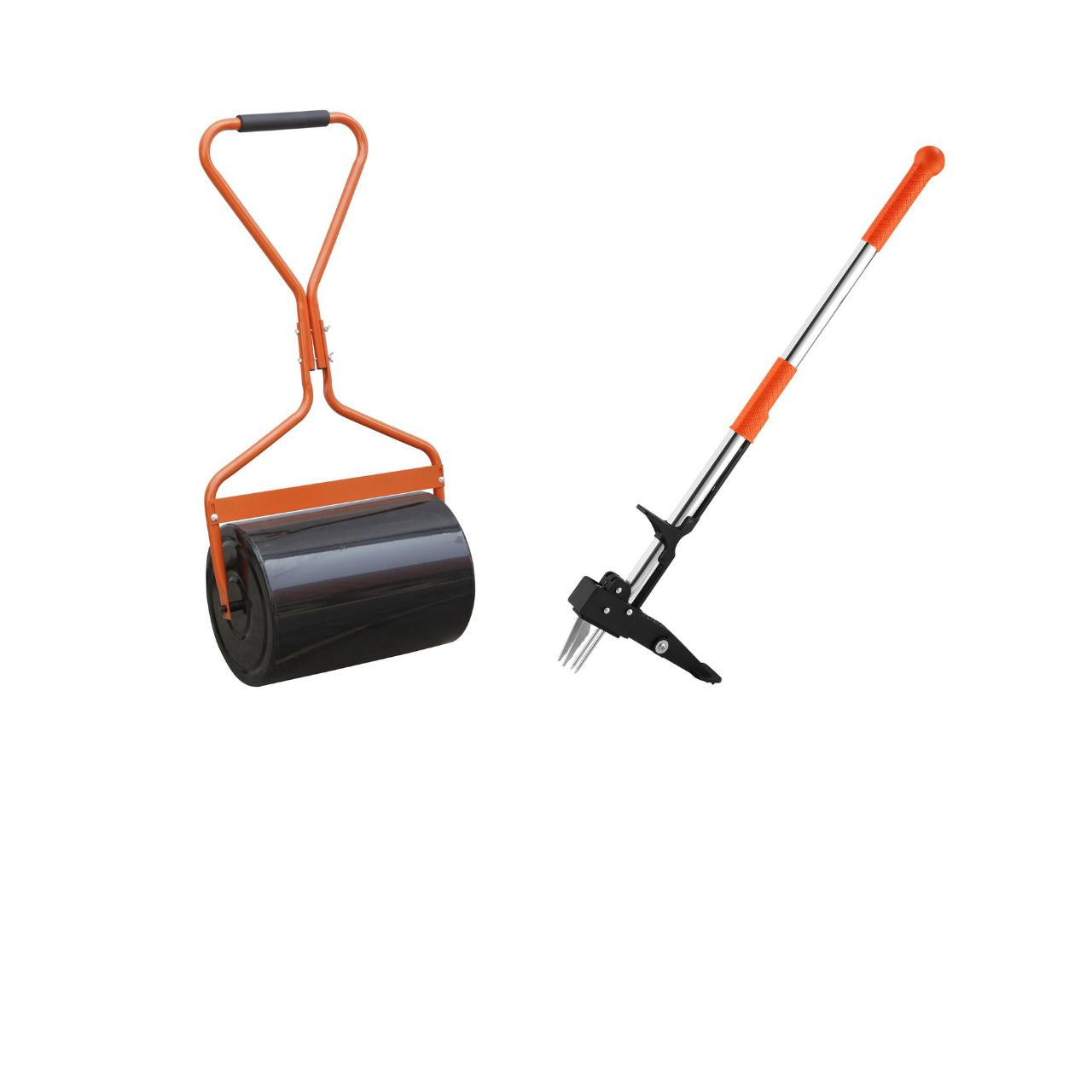
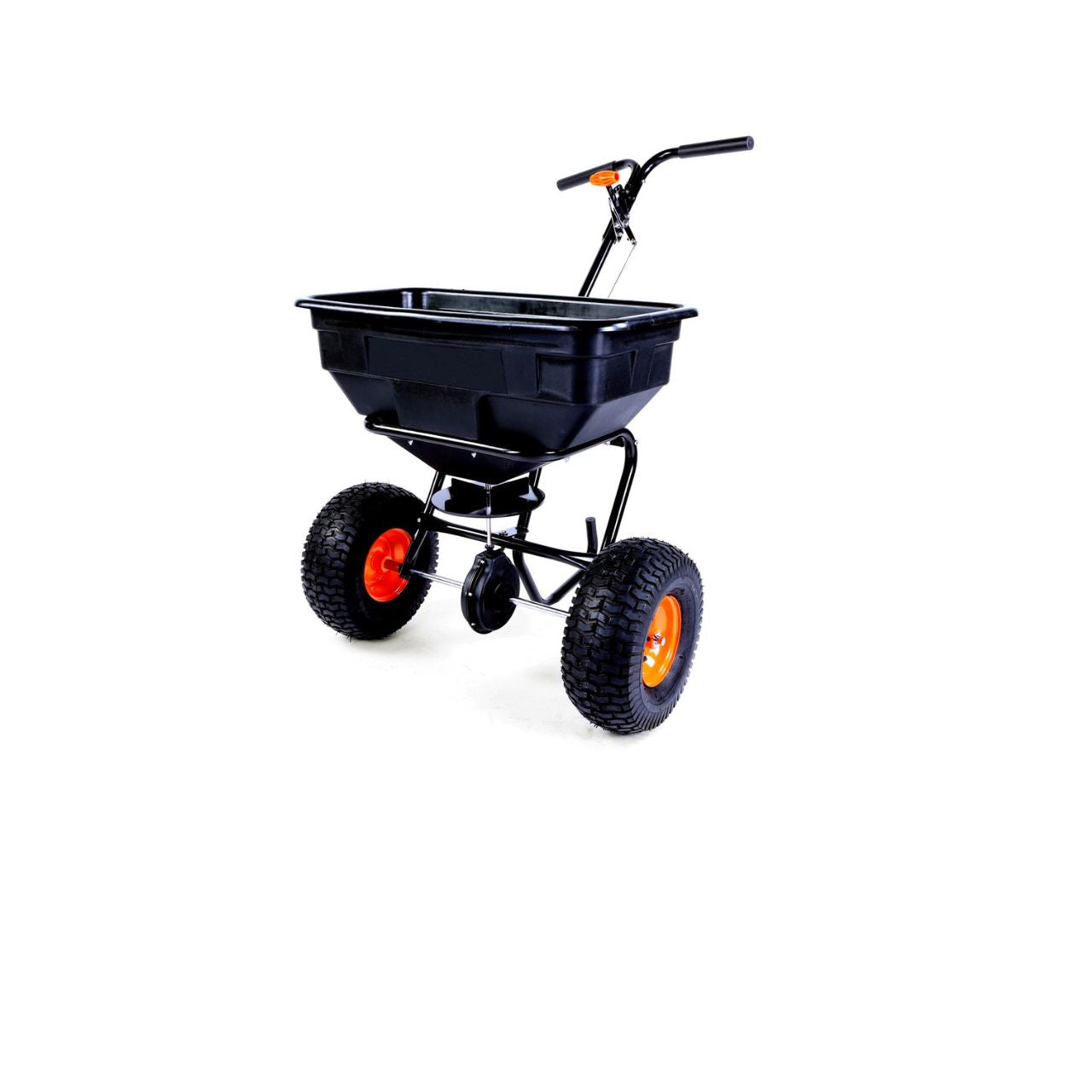
Useful tools for garden care and weed removal

More articles about removing weeds
Remove Weeds from Paving Joints | Methods & Tips
Removing weeds from paving joints is one of those garden tasks that can quickly become a real chore. Whether it's the driveway, a footpath, or between patio slabs — once dandelions and oth...
How to Get Rid of Aphids – Tips & Home Remedies
Inhaltsverzeichnis Blattläuse erkennen: So findest Du den Schädling an Deinen Pflanzen Hausmittel gegen Blattläuse: Von Spülmittel bis Kaffeesatz Blattläuse biologisch bekämpfen: Mit Rapsöl, Nüt...
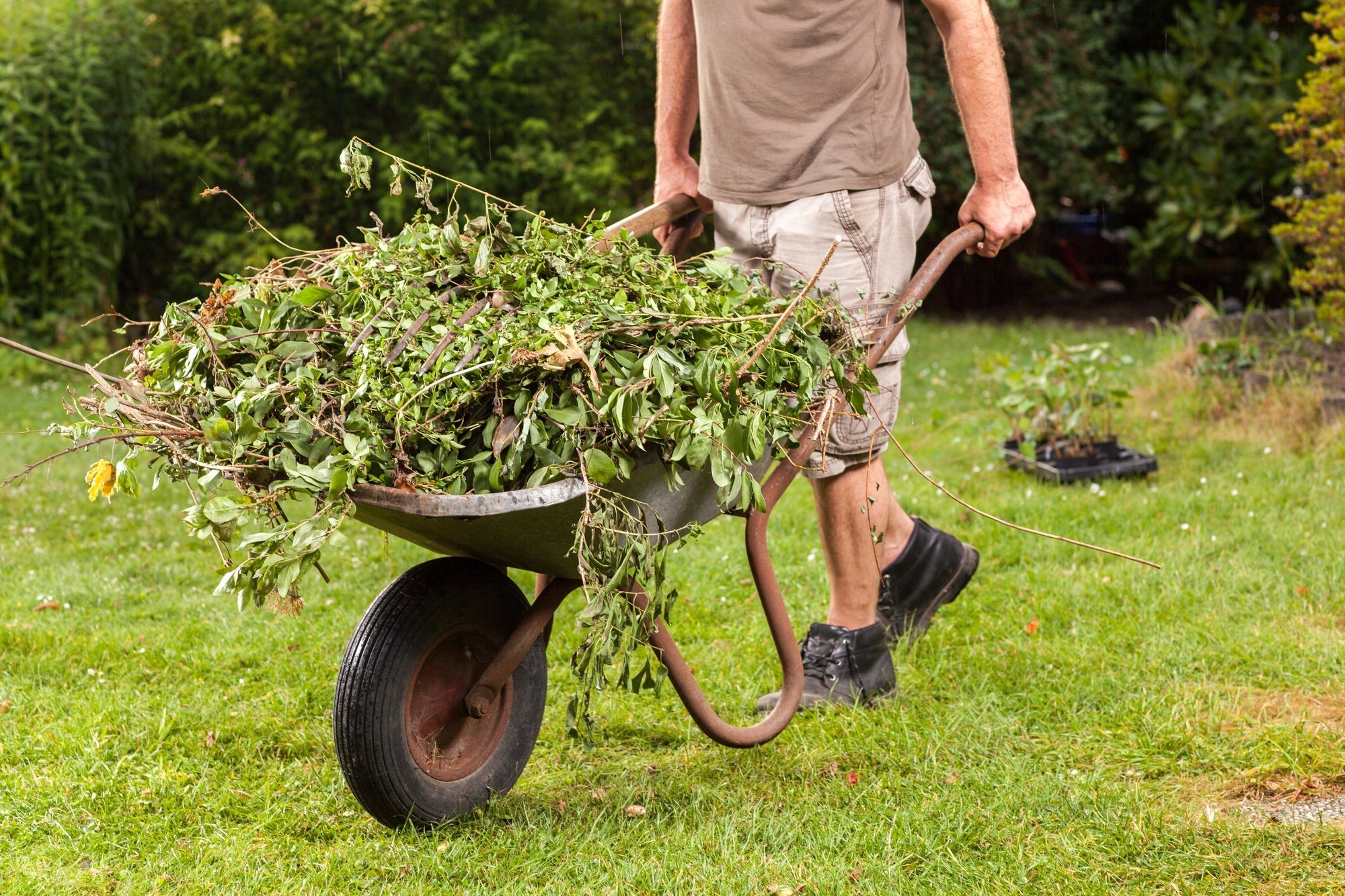
How to Dispose of Garden Waste Properly – UK Guide
Inhaltsverzeichnis Welche Arten von Gartenabfällen gibt es überhaupt? Wohin mit dem Grünschnitt? Diese Entsorgungsmethoden gibt es Gartenabfälle kompostieren: So funktioniert die ökologische Ver...


