
How to Get Rid of Stinging Nettles for Good
Getting Rid of Stinging Nettles – Effectively and for Good
When it comes to plants that are easy to identify, stinging nettles are surely near the top of the list. It's hardly surprising — an encounter with the tiny stinging hairs covering the plant, which leave behind itchy, raised welts, tends to leave a lasting impression. And that's just one reason why nettles are such a nuisance in the garden: they're doubly difficult to get rid of.
Stinging Nettles – a Nuisance and a Friend in the Garden
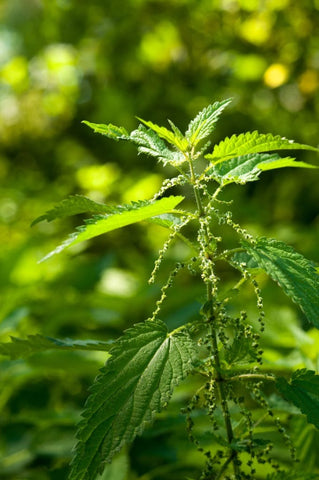
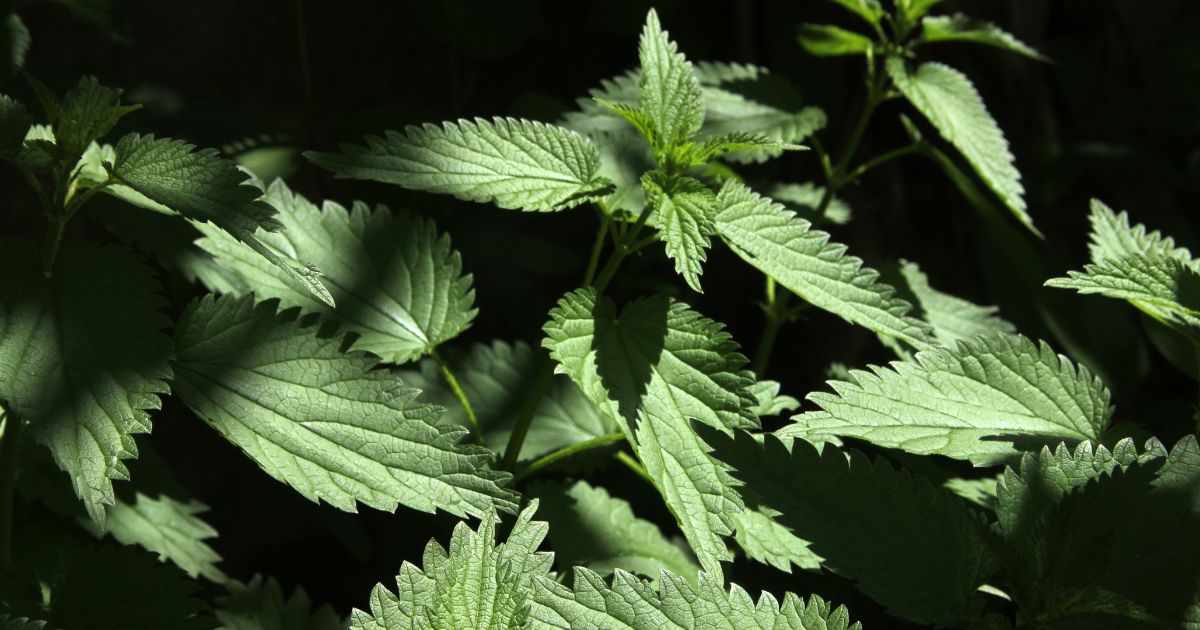
In the wild, you'll most often find stinging nettles in sunny to partially shaded spots with nitrogen-rich, humus-rich soils. These might include riverbanks, woodland clearings or meadows. Depending on the species, they can be annual or perennial. The most common species, the so-called 'common nettle' (Urtica dioica), develops an extensive root network and is fully hardy. It can reach heights of up to three metres and, when it's happy in its spot, has a tendency to spread aggressively. The nettle owes both its name and its notoriety to the tiny stinging hairs found on all green parts of the plant. These protect it from grazers by acting like miniature hypodermic needles, releasing a stinging fluid on contact with skin. The formic acid and other compounds in this fluid cause the itchy, burning welts that can linger for some time. Unfortunately, there's no way to speed up the healing process. Creams or gels designed for insect stings can help relieve the itch to some extent. With the right technique (the stinging hairs typically point upwards) and appropriate protective clothing, you can avoid triggering this nasty defence mechanism when weeding.
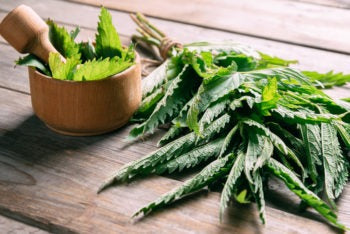
Stinging nettles aren't just a dreaded weed, however. Many of their properties also make them a genuinely useful ally in the garden. Nettle liquid feed and nettle tea can be used both as a fertiliser and as a natural weedkiller against other unwanted plants. Several garden pests — such as spider mites and aphids — are also repelled by nettle extract and can be effectively kept at bay with it. In the kitchen, this vitamin- and mineral-rich plant can be used in a variety of ways. All parts of the plant can be cooked and prepared much like spinach or other leafy greens. They do have a slightly bitter, earthy flavour, which isn't to everyone's taste. To benefit from nettles' medicinal properties, the leaves are most commonly brewed into a tea. This is said to have a diuretic effect and to help stimulate the metabolism. A handy tip for harvesting without getting stung: strip the leaves off the stem from the bottom upwards. This way the upward-pointing stinging hairs can't penetrate your skin. You should still wear gloves, though. One important note: many native caterpillar species — including those of the peacock butterfly and the red admiral — feed on nettle leaves and depend on the plant, so it's worth leaving at least a small patch undisturbed.
Tackling Stinging Nettles in the Garden
Even if you want to make use of the nettle's many benefits, you certainly don't want it spreading unchecked throughout your garden. If it's already established itself, it needs to go. If you'd like to keep a small number of plants for use in the garden or kitchen, a quiet corner — perhaps near the compost heap — is usually ideal. Nettles tend to thrive there, out of the way, and will help keep other weeds from taking hold.
Removing Stinging Nettles by Hand
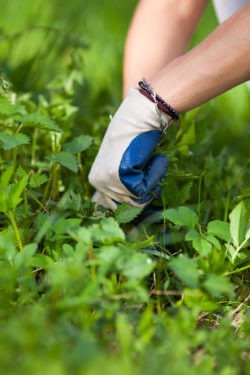
Because of the stinging hairs and the discomfort they cause, removing nettles requires a slightly different approach to other weeds that you might simply grab and pull out. Make sure you always wear thick gardening gloves for this job. Even if you're cutting nettles down rather than pulling them up, the hairs may not scratch your skin directly, but the stinging fluid is still released. You might not feel anything at first, but after several hours the mixture can penetrate the deeper layers of skin, causing itching and burning. Wearing long sleeves and trousers is also strongly advisable when removing nettles.
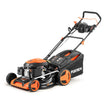
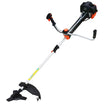
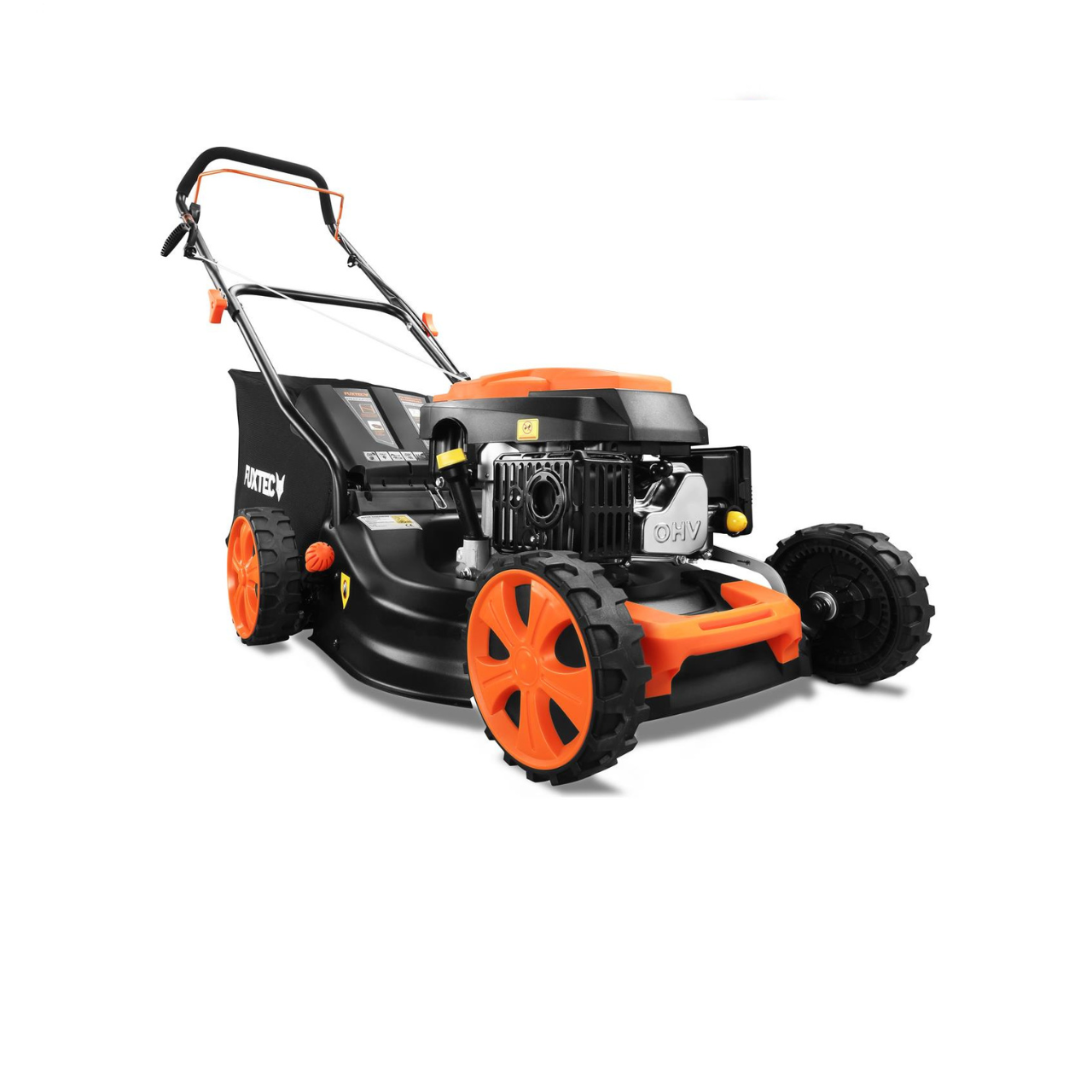
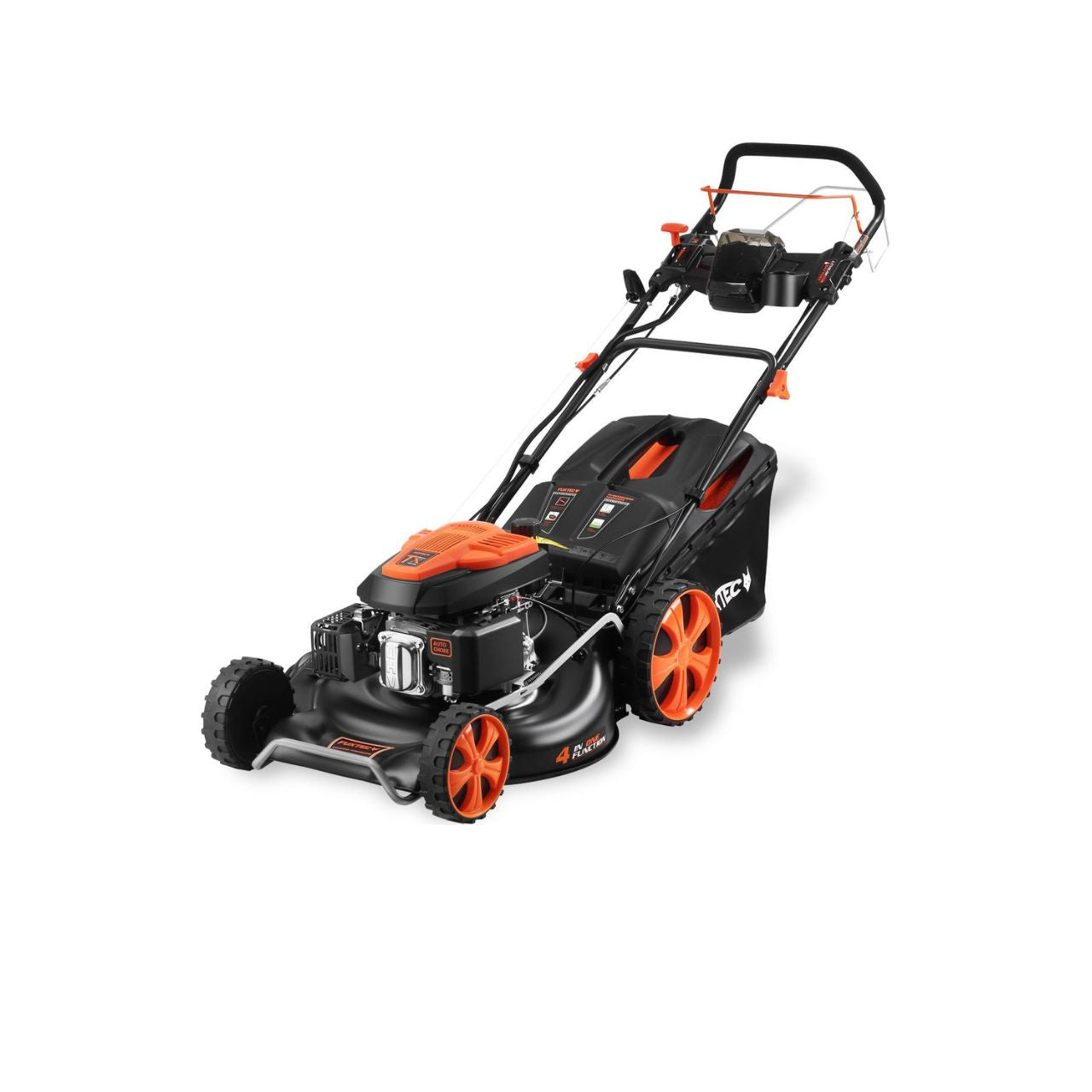
To reduce the risk of injury, it's often helpful to cut the nettles down first before you tackle the roots. On a lawn, you can simply use a lawn mower; elsewhere, a strimmer will do the job well. However, simply cutting down the above-ground growth is not enough to get rid of nettles permanently — unless you're prepared to repeat the process at least weekly over a period of up to two years. Sometimes, when digging out the roots isn't feasible, this is your only option. But if you're only dealing with a handful of plants, it's often better to tackle them properly once and be done with it. Choose a day after a good spell of rain for digging out the roots. Well-saturated soil is looser and makes it much easier to pull out the entire root system, right down to the finest tendrils. This significantly improves your chances of not seeing the nettles return after a single clear-up session. The best time to tackle them is in spring, before the nettles begin to flower and subsequently self-seed. Otherwise, you'll be back to square one the following year.
Alternatives to Digging Out the Roots
If nettles have taken over a large area of your garden, it may be too laborious and time-consuming to dig out all the roots. If the weed is growing close to a wall or boundary fence, this method may simply not be possible. If you don't want to keep cutting back fresh shoots, you have two alternatives:
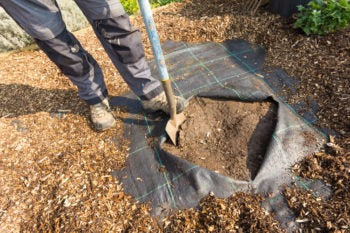
Making Use of Cut Nettles in the Garden
Thanks to their valuable nutrients, you don't necessarily have to send weeded or cut nettles straight to the garden waste or general waste bin. However, you should also not add freshly pulled nettles straight to the compost heap, as they can regrow and spread from there. Dry the nettles out in the sun first, or leave them for a week in black bin bags to ensure they are completely dead before composting. Alternatively, you can use them to make your own fertiliser or weedkiller:
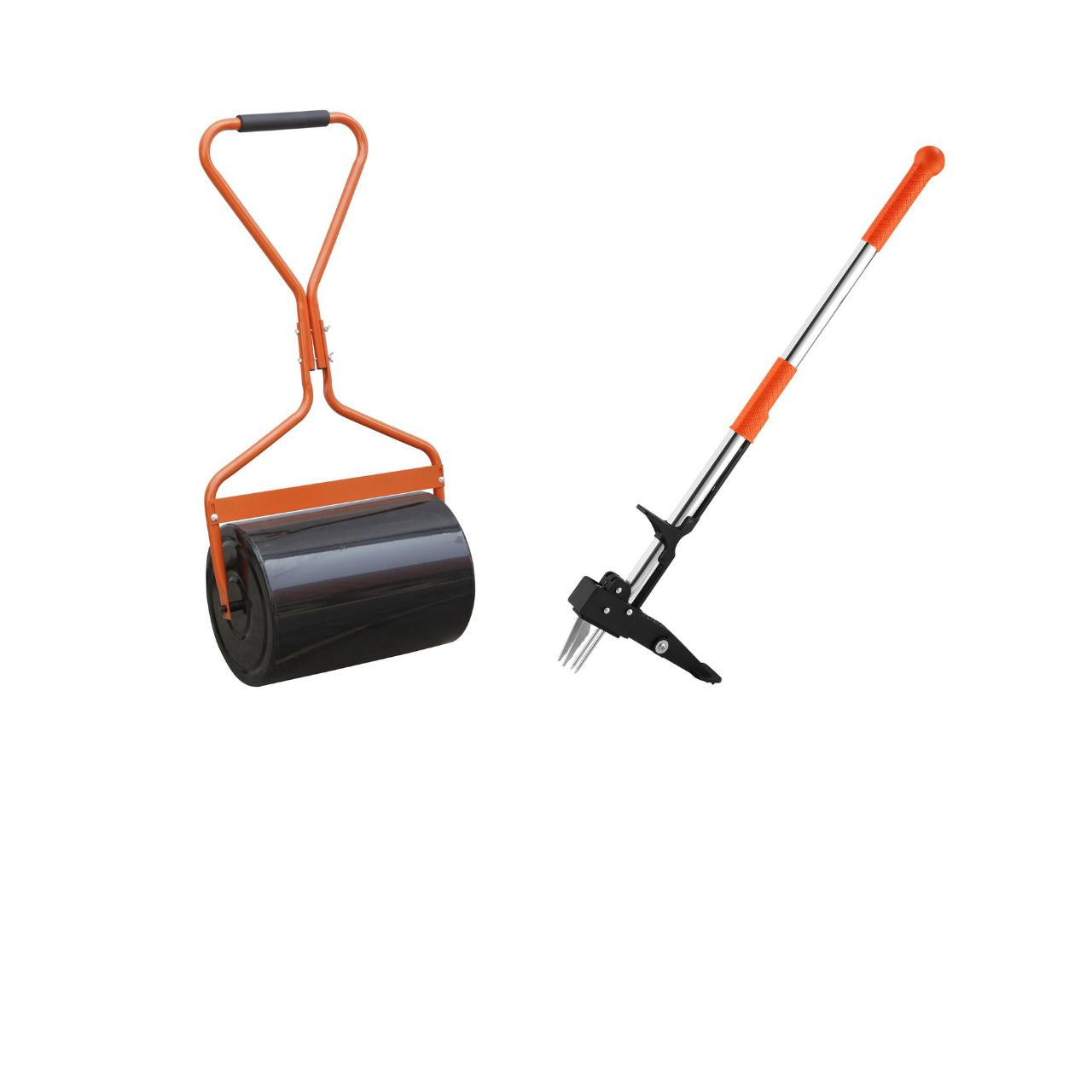
Useful tools for garden care and weed removal

More articles about removing weeds
Remove Weeds from Paving Joints | Methods & Tips
Removing weeds from paving joints is one of those garden tasks that can quickly become a real chore. Whether it's the driveway, a footpath, or between patio slabs — once dandelions and oth...
How to Get Rid of Aphids – Tips & Home Remedies
Inhaltsverzeichnis Blattläuse erkennen: So findest Du den Schädling an Deinen Pflanzen Hausmittel gegen Blattläuse: Von Spülmittel bis Kaffeesatz Blattläuse biologisch bekämpfen: Mit Rapsöl, Nüt...
How to Dispose of Garden Waste Properly – UK Guide
Inhaltsverzeichnis Welche Arten von Gartenabfällen gibt es überhaupt? Wohin mit dem Grünschnitt? Diese Entsorgungsmethoden gibt es Gartenabfälle kompostieren: So funktioniert die ökologische Ver...


