

How to Get Rid of Horsetail Weed – 7 Effective Methods
How to Get Rid of Horsetail Weed – Banish It from Your Garden for Good
If you own a garden, you'll know that weeds are always a nuisance. One weed that is particularly difficult to get rid of is horsetail. It can be a real challenge to control, but with the right approach you can eliminate it for good. In this blog post, we explain how to identify horsetail and how to remove it from your garden. Read on to find out more!
What Is Field Horsetail and Why Is It a Problem for Gardeners?
Field horsetail (Equisetum arvense) is a fast-growing, invasive plant that can spread rapidly through gardens and lawns. Its deep root system makes it extremely difficult to remove, and it can quickly outcompete other plants for nutrients and water. Field horsetail also produces a large number of spores that are dispersed by wind and animals.
Once established, field horsetail is very hard to control and can cause significant damage to garden beds and lawns. Not only does it grow aggressively, but it can also be harmful to pets and livestock if ingested. It is therefore considered a serious problem plant, and gardeners should take steps to prevent it from spreading.
Identifying Field Horsetail (Equisetum arvense)
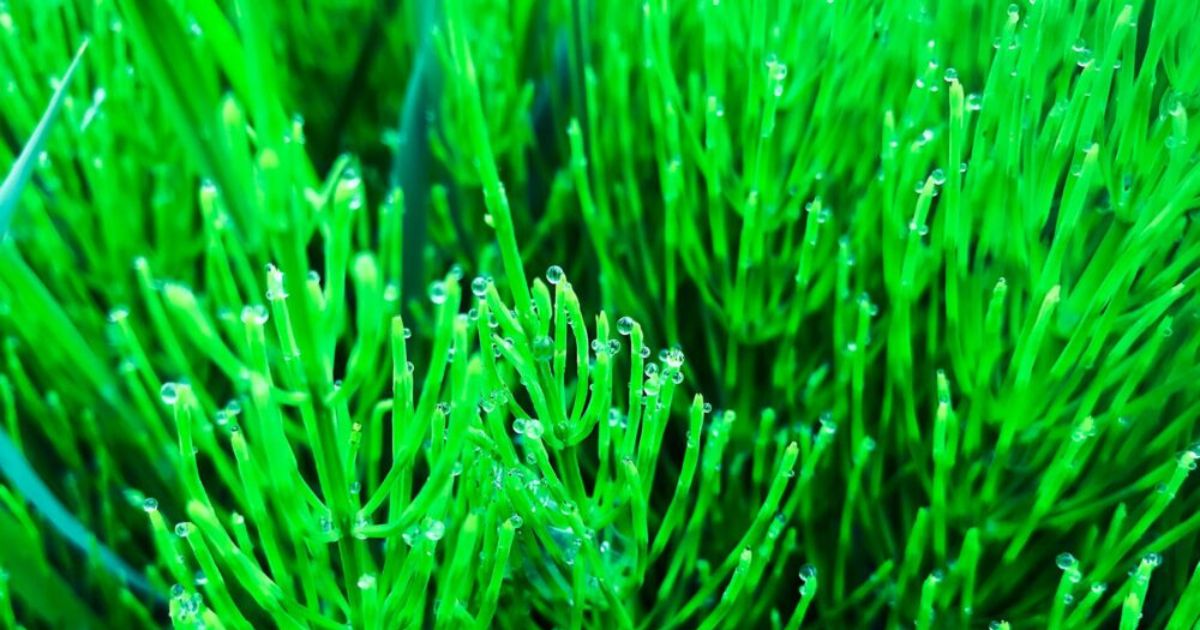
Although this plant looks fairly harmless, it can actually cause serious problems for your garden. Field horsetail has long, slender, green shoots with whorls of needle-like branches arranged in rings of six to eight, which can grow up to 12 cm in length.
Horsetail is easy to identify by its hollow, jointed stems and small, scale-like leaves. Another distinctive feature is that it reproduces via spores rather than seeds. These spores are held in cone-like structures at the tips of the stems. When the cones are ripe, they release spores that are carried away by the wind.
7 Methods to Control Horsetail in Your Garden
Here are the 7 most effective methods for controlling field horsetail:
Liming
Field horsetail is a widespread weed found in gardens and allotments across the UK. It can be difficult to control due to its deep root system, which allows it to spread rapidly. One effective approach is the use of garden lime. Lime helps to raise the soil pH, making conditions less favourable for horsetail growth. It also contributes to improving the overall health of your soil, making it a worthwhile treatment for weed control.
The best time to apply lime is in autumn or early spring, giving it enough time to work into the soil and alter the pH before the growing season begins.
It is important to test your soil before liming to determine the current pH level. You can have your soil tested through the RHS (Royal Horticultural Society) or using a home soil testing kit available from most garden centres. Once you know your soil's pH, you can calculate how much lime to add.
Lime can be applied in two ways: spreading and spraying. Spreading involves distributing lime evenly over a larger area, which is the most effective method for larger lawns.
Spraying involves mixing lime with water and applying it directly to the soil around plants. This method is best suited to smaller gardens or targeted areas.
Soil Aeration
Soil aeration is a process that helps to improve the structure of compacted soil. By aerating the soil, water and air can penetrate more easily, which can improve plant growth and make conditions less hospitable for weeds. Aeration can be carried out mechanically or chemically.
Mechanical aeration involves using tools to break up the soil — this can be done with a rotavator, garden fork, or spade. Chemical soil conditioning uses products to break down the bonds between soil particles, such as those containing ammonium sulphate or calcium chloride.
One of the best ways to tackle horsetail is to loosen the soil around it. This makes it harder for the plant to establish itself, as the roots have far less purchase. You can loosen the soil with a hoe or spade and then simply pull the horsetail out by hand.
Digging Out the Roots
One of the most effective methods is digging out the roots. This can be a daunting task, but it is the best way to prevent the plant from spreading further. You will need to dig deep to reach the roots, and you may need a spade or other tool to loosen the soil first.
Once you have dug out the roots, dispose of them immediately — do not compost them — to prevent them from taking hold elsewhere.
Horsetail is particularly difficult to eradicate because it spreads vegetatively via rhizomes, which can extend up to six metres from the parent plant.
Mowing
Another method of controlling horsetail is regular mowing. While this will not eliminate the problem entirely, it does help to reduce the growth and spread of horsetail. It is important to mow field horsetail during its early growth stage, before it matures and releases spores.
Once horsetail has released its spores, mowing becomes less effective at controlling its spread. That said, regular mowing also encourages the growth of your lawn, helping to fill in the gaps left by horsetail. So if you are battling this persistent weed, get the mower out and keep your lawn well trimmed.
Applying Fertiliser
Another option for tackling horsetail is the use of fertiliser. Fertiliser helps to promote the growth of other plants that can compete with horsetail for space and nutrients. It can also help to improve soil quality, making it less conducive to horsetail growth. Fertiliser alone will not completely eliminate horsetail, but it can be an effective tool for keeping its spread in check.
Boiling Water
If you are looking for a home remedy to tackle field horsetail, boiling water may be your best option. Simply pour boiling water directly over the plants. The heat penetrates the plant tissue and kills it without damaging surrounding vegetation. If you have a large infestation of field horsetail, you may need to repeat this treatment several times to fully resolve the problem.
Mulching
A thick layer of mulch helps to suppress weeds and prevent them from spreading. Mulch also helps to retain moisture in the soil, making it easier to pull out roots while they are still soft. For best results, apply a layer of mulch in spring, before horsetail begins to grow.
Make sure to top up the mulch throughout the season, as horsetail is relentless in its drive to dominate. While mulching is not a cure-all for field horsetail, it can help to reduce its growth and improve the health of your plants.
Conclusion
In summary, controlling horsetail is an important issue for UK gardeners because it is an extremely invasive plant. It can quickly take over garden beds and lawns, crowding out other plants. What's more, it is very difficult to get rid of once it has become established.
There are several ways to tackle horsetail, but the most effective method is to dig up the plant and its roots entirely. This can be a difficult and time-consuming task, but it is the best way to permanently remove the plant. With a little patience and perseverance, you can successfully eliminate horsetail from your garden or lawn.
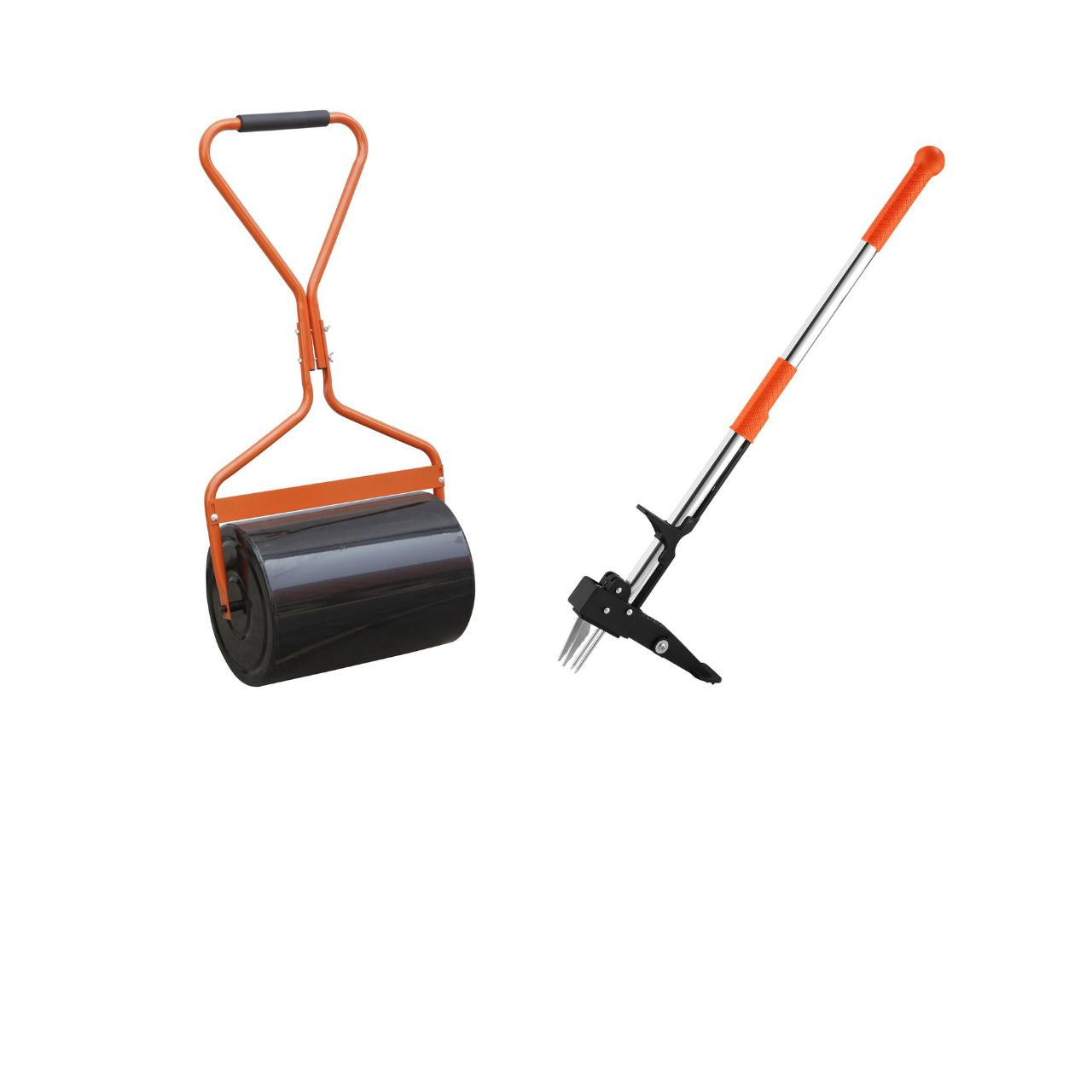
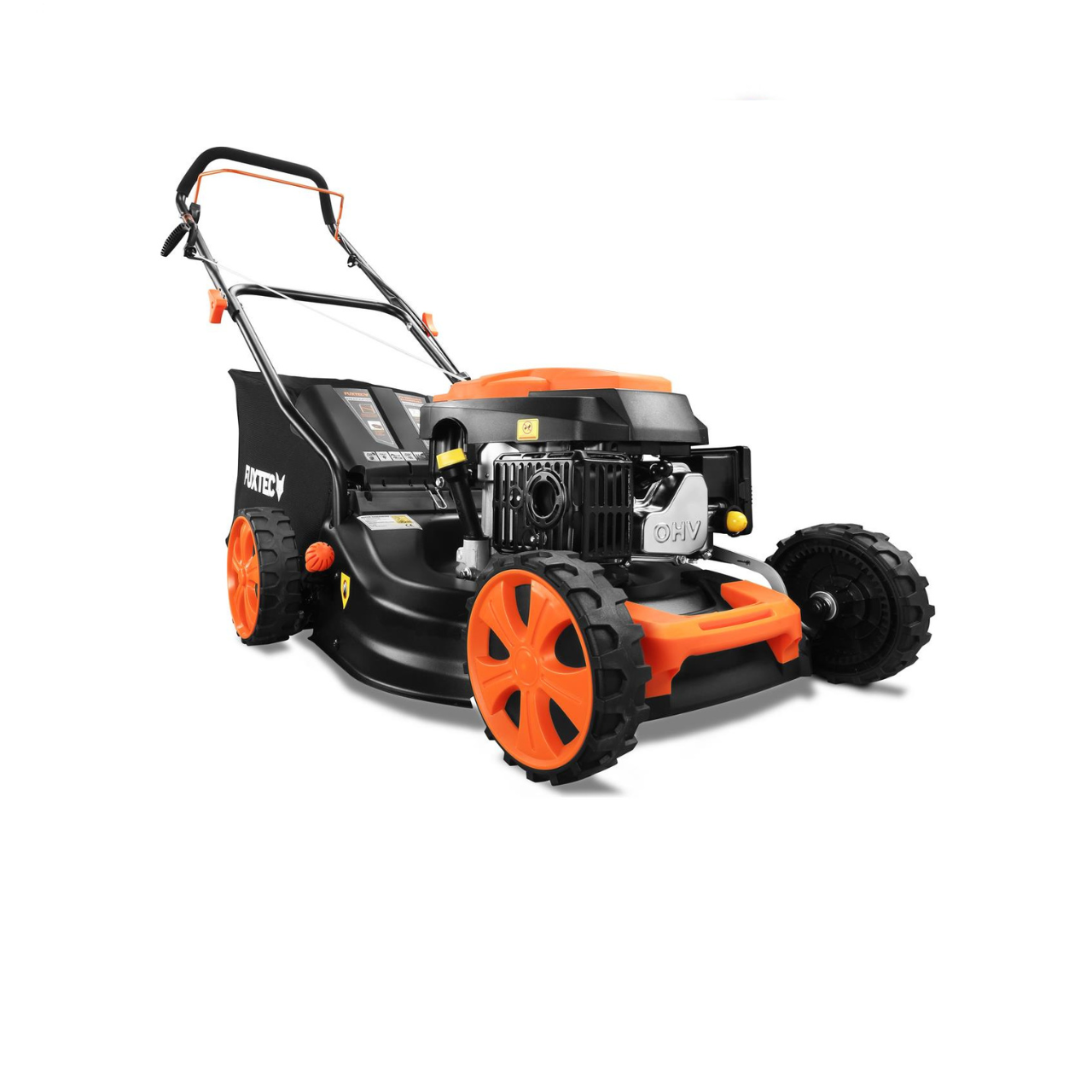
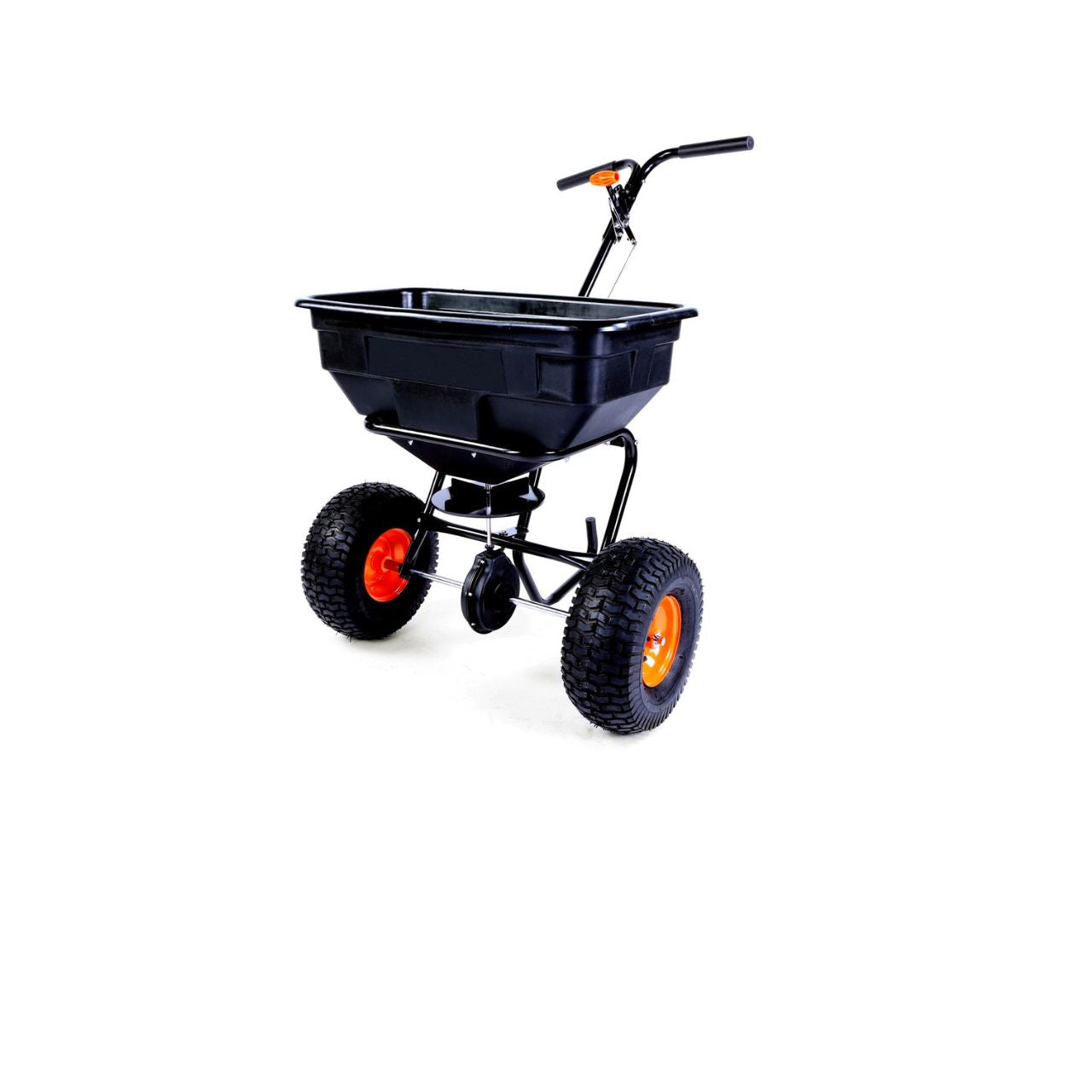
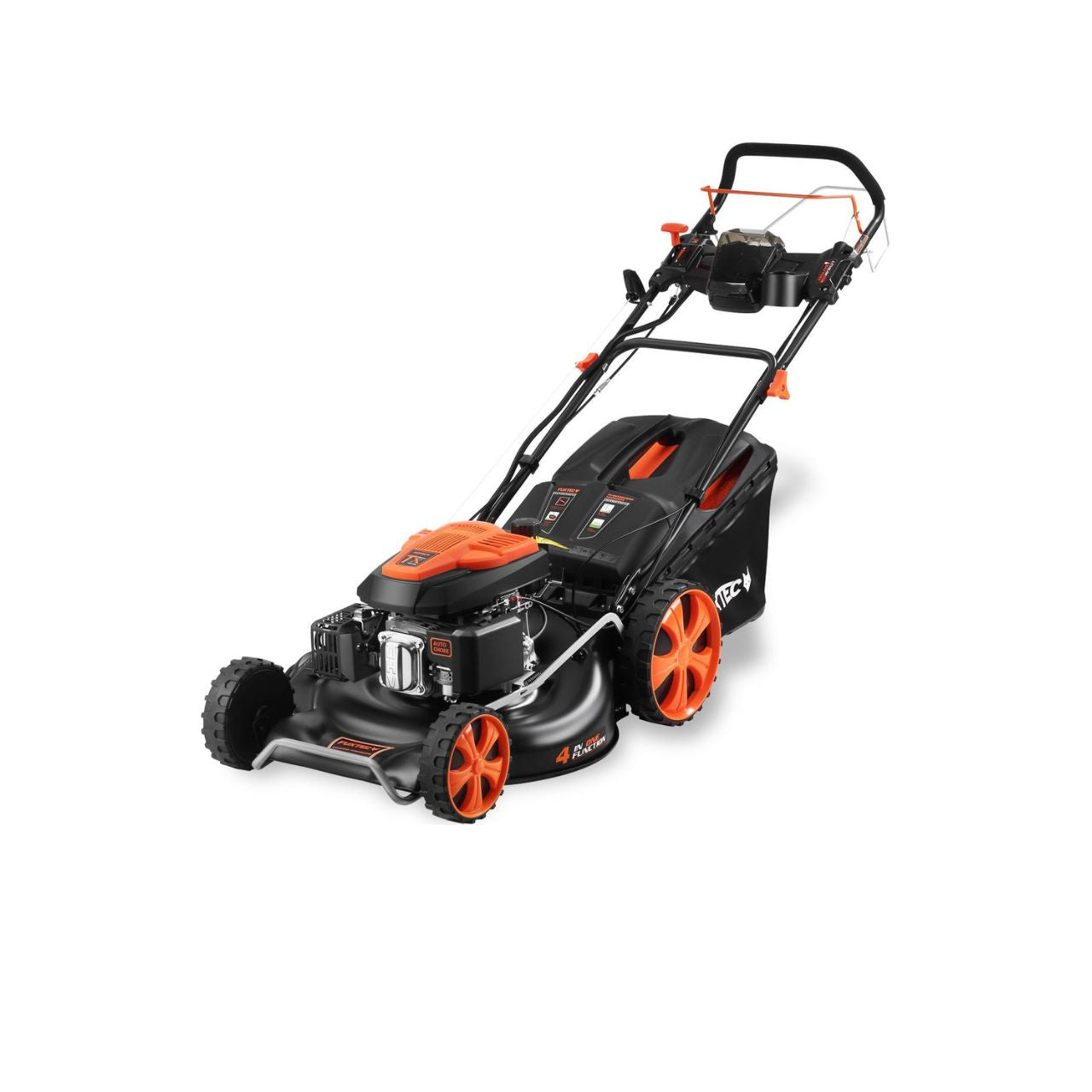
Useful tools for garden care and weed removal

More articles about removing weeds
Remove Weeds from Paving Joints | Methods & Tips
Removing weeds from paving joints is one of those garden tasks that can quickly become a real chore. Whether it's the driveway, a footpath, or between patio slabs — once dandelions and oth...
How to Get Rid of Aphids – Tips & Home Remedies
Inhaltsverzeichnis Blattläuse erkennen: So findest Du den Schädling an Deinen Pflanzen Hausmittel gegen Blattläuse: Von Spülmittel bis Kaffeesatz Blattläuse biologisch bekämpfen: Mit Rapsöl, Nüt...
How to Dispose of Garden Waste Properly – UK Guide
Inhaltsverzeichnis Welche Arten von Gartenabfällen gibt es überhaupt? Wohin mit dem Grünschnitt? Diese Entsorgungsmethoden gibt es Gartenabfälle kompostieren: So funktioniert die ökologische Ver...


