

How to Winterise Your Lawn Mower | Storage Tips

Die wichtigsten Infos in Kürze

  • Reinigung vor dem Winter
  • Benzin ablassen oder Akku entfernen
  • trocken und frostfrei lagern

The gardening season is drawing to a close, and your equipment deserves a well-earned rest. But it's not enough to simply pop your mower on a shelf and forget about it. In particular, it's essential to winterise your lawn mower properly. Doing so ensures it survives the winter storage period without any nasty surprises come spring. It's all too common for a mower to underperform or fail to start if a few key steps were overlooked the previous autumn.


Clean Your Lawn Mower Before Winter Storage

Regardless of the model you own, the first step is to switch it off completely. Remove the battery, mains plug, or spark plug lead. Then turn your attention to the cutting deck. To properly winterise your lawn mower, you need to give it a thorough clean. Start by removing coarse dirt with a wire brush. Pay close attention to hidden spots so no grass clippings are left behind. You can then use a garden hose for a more thorough rinse — just take care not to let water get into electrical components. If you don't have a hose to hand, a bucket of water and a brush will do the job. Don't forget the underside of the mower. Tip it backwards to access this area — this also prevents oil from entering the air filter on a petrol mower. You can also refer to our detailed guide on cleaning your lawn mower.

How do I winterise my lawn mower?

You should carry out the following steps:

  1. Check the blades
  2. Lubricate moving parts
  3. Drain the fuel tank, or
  4. Remove the battery
  5. Oil the engine internals
  6. Check and change the oil
  7. Replace worn parts

Winterising Your Lawn Mower

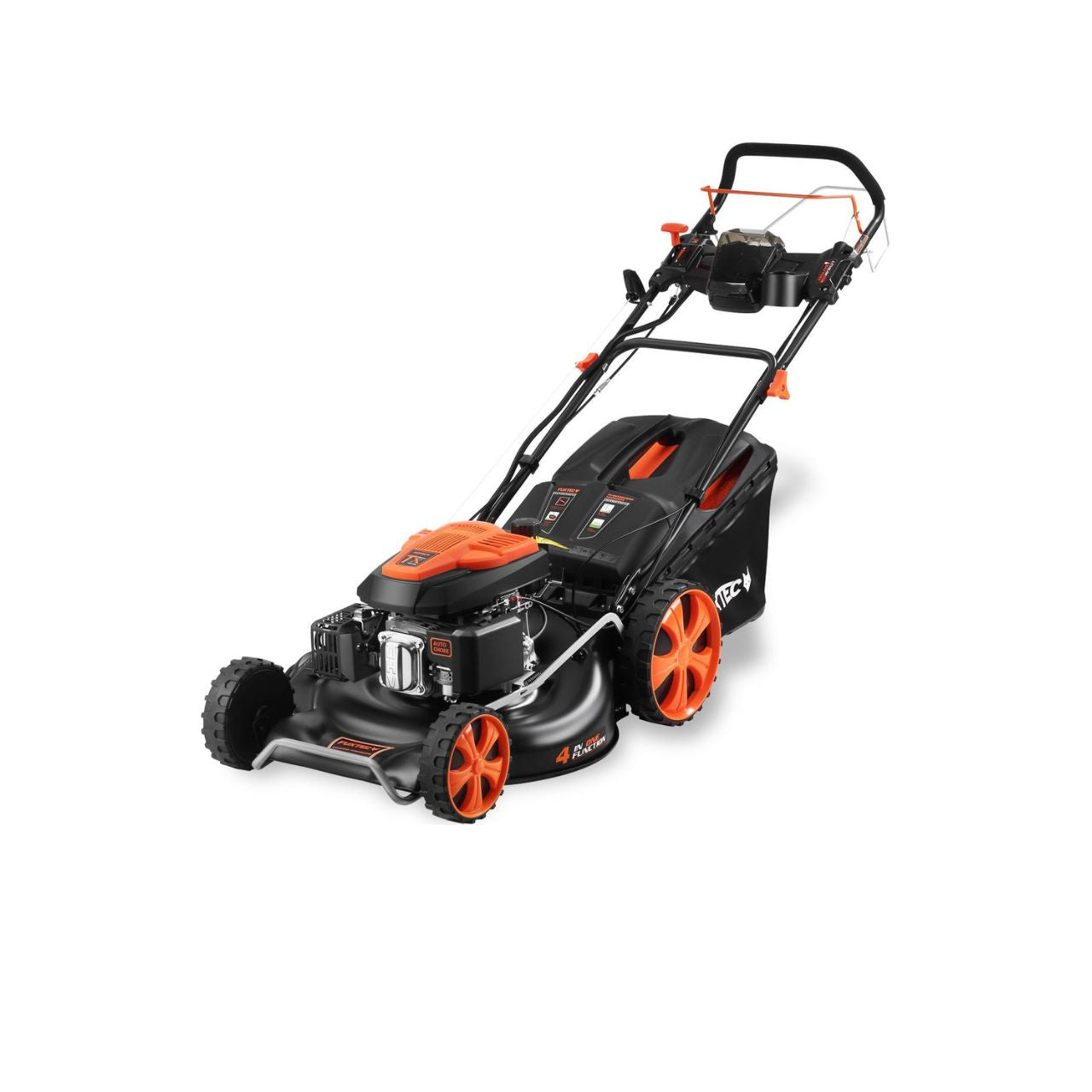
The fundamentals are largely the same when it comes to winterising a lawn mower. Most steps apply regardless of the type of mower you have. That said, there are a few differences between petrol and electric models. Due to its more complex construction, a petrol lawn mower requires the most preparation for winter storage.


Check the Blades

While you have the mower tipped back for cleaning, take a good look at the blades. Are there obvious signs of wear — perhaps nicks or even cracks? If so, you'll need to sharpen or replace the mower blades before the new season. If you're sending the mower in for a service anyway, this can be dealt with at the same time. Otherwise, remove the blade and take it to a specialist, or sharpen it yourself.


Lubricate Moving Parts

Wheel bearings, throttle levers, the bail handle, and other moving parts will all benefit from being oiled or greased before winter storage. Use resin-free products to ensure they're ready to go without seizing up when you need them again in spring. However, be careful: engine and drive components must not be oiled. This includes the blade shaft. The inside of the cutting deck, on the other hand, will benefit from a light coating of an impregnating, oil-based spray.

Preparing the Petrol Mower's Fuel Tank

Now for the type-specific tasks when winterising a lawn mower. For petrol models, the fuel tank is the main concern. The best approach is to drain the petrol from your mower before winter storage. There are several reasons for this: over time, fuel can lose its combustibility, meaning the mower may fail to start come spring. After long periods of inactivity, the carburettor can also gum up with residue, and rust may even develop inside the tank. It's therefore advisable to drain the tank completely, then run the engine until it cuts out by itself.

Tip: Any drained petrol can be stored in a suitable, approved container to keep it usable until next season. To help preserve the fuel, you can add a fuel stabiliser. This prevents volatile components from evaporating and helps stop the carburettor from gumming up.

Winterising the Engine

Remove the spark plug from the engine and set it aside. Through the opening, add a small amount of engine oil into the combustion chamber. Then pull the starter cord to turn the engine over without actually starting it. This distributes the oil throughout the engine internals, coating and protecting them during storage.

Check the Oil on a Petrol Mower

Even — or especially — during storage, the correct oil level is important. You should always aim to store your lawn mower in good working condition. Check how much oil remains in the engine. At the very latest, the end of the season is the time to change the oil in your mower. An oil change is something you can easily carry out yourself.

Replace Worn Parts

Some parts of a petrol mower wear out over time, become dirty, or lose their effectiveness in other ways. Common parts to check include spark plugs, oil filters, and air filters. Since you're already giving the machine a thorough inspection, take a look at these whilst you're at it. If they show significant signs of wear, it makes sense to replace them now. This gets the mower in the best possible shape for the coming season.

Winterising a Cordless Lawn Mower

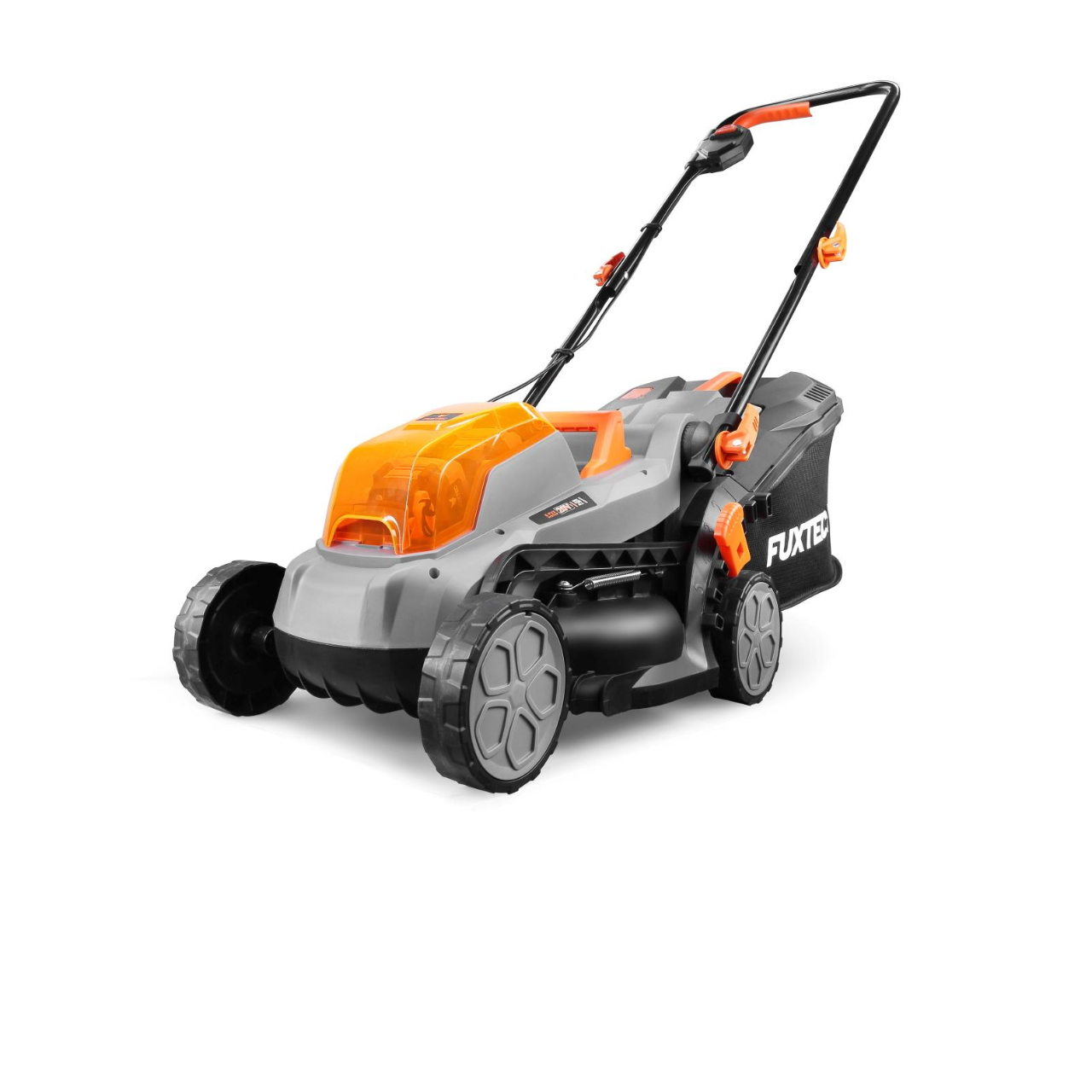
A cordless lawn mower differs fundamentally from a petrol mower. The drivetrain is entirely different, and winterising it requires a different approach. The key consideration here is the battery. Remove it before cleaning the mower and cover the contact points on the machine with tape. Store the battery separately from the mower in a dry location at a temperature of between 10 and 15 degrees Celsius.

Bear in mind that the battery will continue to discharge during storage. To avoid harmful deep discharge, make sure the charge level is above 50% before putting it away. To be on the safe side, give it a top-up charge at some point during the winter.

Winterising a Ride-on Mower

Winterising a lawn tractor or ride-on mower is, in some respects, a combination of the steps for the other two types. Begin by draining the fuel tank. Then disconnect the battery. Once cleaned, check the oil level and carry out an oil change if needed. It's a good idea to remove the cutting deck entirely and take the opportunity to clean it thoroughly. Spraying a mixture of oil and diesel onto the deck can further extend its service life and help keep the machine in good working order.

Storing Your Lawn Mower Over Winter

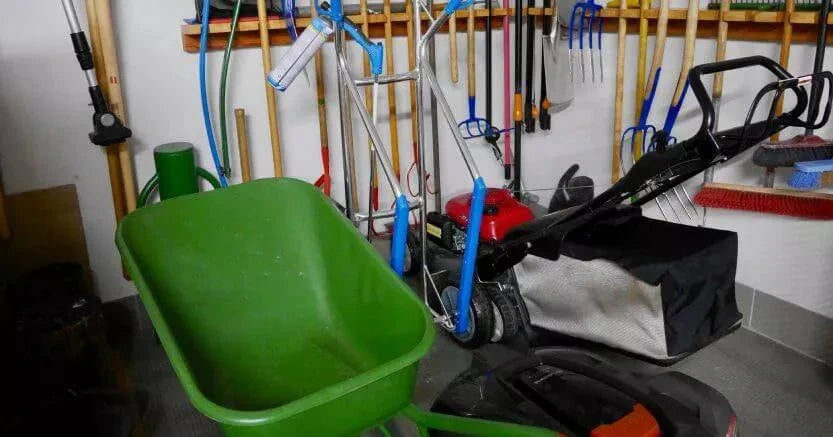
Once all the preparation is complete and your mower is in good condition, it's ready for winter storage. This ensures you can get it back up and running as quickly and effectively as possible come spring. Choose your storage spot carefully. Ideally, cover the mower properly so that it stays dust-free and dry. The location should also be frost-free, as freezing moisture can damage the materials. Store it upright on its wheels — don't lean it on its side or leave it tipped over.

Time for a fresh cut?

Discover the powerful FUXTEC lawn mowers for optimal lawn care.
Why is it important to winterise my lawn mower?

Proper winterisation ensures your mower survives the storage period without damage and is ready to perform well when spring arrives. Without taking these steps, you risk the mower failing to start or underperforming due to fuel degradation, rust, or seized components.

Should I drain the fuel from my petrol mower before storage?

Yes, draining the petrol tank is highly recommended for petrol mowers. Over time, fuel loses its combustibility and the carburettor can gum up with residue, making the mower difficult or impossible to start in spring. Store the drained fuel in an approved container with a fuel stabiliser to preserve it for next season.

How should I store the battery on a cordless lawn mower?

Remove the battery before cleaning and store it separately in a dry location at a temperature between 10 and 15 degrees Celsius. Keep the charge level above 50% to prevent deep discharge, and give it a top-up charge sometime during winter to maintain battery health.

What parts should I lubricate before winter storage?

Oil or grease wheel bearings, throttle levers, the bail handle, and other moving parts using resin-free products to prevent them from seizing. However, avoid oiling engine and drive components, including the blade shaft. A light coating of impregnating oil-based spray on the inside of the cutting deck is beneficial.

How do I protect my mower's engine during winter storage?

Remove the spark plug and add a small amount of engine oil into the combustion chamber, then pull the starter cord to distribute the oil throughout the engine internals. Also check and change the oil if necessary, and inspect spark plugs, oil filters, and air filters for wear before storage.

What are the best storage conditions for my lawn mower?

Store your mower in a frost-free, dry location that keeps it dust-free. Keep it upright on its wheels rather than tipped on its side, and cover it properly to protect it from moisture and dust. A shed or garage is ideal as long as temperatures don't drop below freezing.

Should I check the mower blades before winter storage?

Yes, inspect the blades for nicks, cracks, or obvious signs of wear. If you notice damage, sharpen or replace them before storage so the mower is in top condition for next season. You can handle this yourself or take the blade to a specialist.

Everything you need for a well-kept, healthy lawn – from a single source

Your complete package for lawn care
View all

More lawn mower tips

View all
So findest Du den richtigen Rasenmäher für Deinen Garten

So findest Du den richtigen Rasenmäher für Deinen Garten

Der richtige Rasenmäher ist nicht automatisch das stärkste oder breiteste Modell. Er muss zu Deiner Rasenfläche, zum Aufbau des Gartens, zur Häufigkeit des Mähens und zu Deinem persönlichen Komfo...
Rasenmäher Radantrieb warten: Ursachen erkennen und Probleme selbst beheben

Rasenmäher Radantrieb warten: Ursachen erkennen und Probleme selbst beheben

Rasenmäher-Radantrieb funktioniert nicht: Ursachen prüfen und Fehler beheben Ein Rasenmäher mit Radantrieb nimmt dir auf größeren Flächen, unebenem Boden und an leichten Steigungen viel Schubarbei...

Muster in den Rasen mähen: Tipps und Tricks für Streifen und einen schön gemähten Rasen

Muster in den Rasen mähen: Tipps und Tricks für Streifen und einen schön gemähten Rasen

Ein gleichmäßig gemähter Rasen sieht gepflegt aus. Mit einem bewusst angelegten Mähmuster kannst Du die Wirkung jedoch noch einmal deutlich verstärken. Gerade Streifen, diagonale Bahnen oder ein S...