
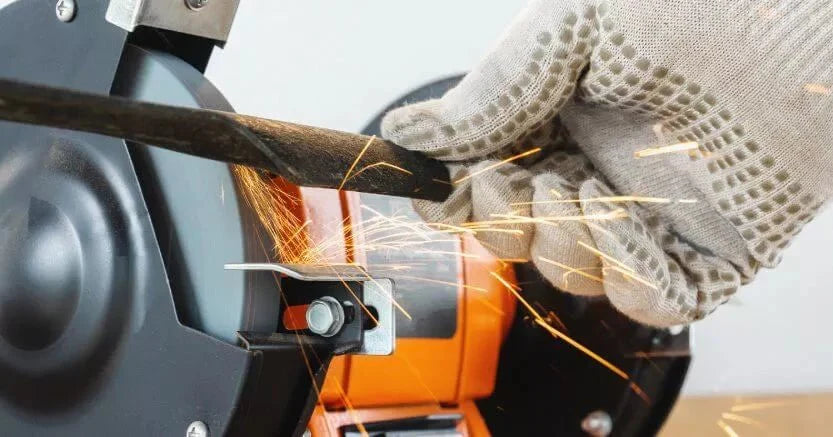
How to Sharpen Lawn Mower Blades – Step-by-Step
Die wichtigsten Infos in Kürze
- Grundreinigung nach jedem Mähen
- Tiefenreinigung vor und nach dem Winter
- Unterboden und Klingen frei von Graskrusten halten
- Messer auf Schärfe prüfen für sauberes Schnittbild
- Benzinmäher: Luftfilter regelmäßig reinigen
-
Vorsicht beim Einsatz von Wasser
What happens if you don't sharpen your lawn mower blades?
Under normal circumstances, the rapidly rotating blade reliably cuts grass with a clean, straight edge, producing an even finish without torn or ragged grass stems. However, this changes as blades wear down over time – both through regular use and unavoidable contact with twigs and stones. They become blunt and the cutting surface uneven.
This naturally affects the quality of the cut. Edges become frayed, grass stems are partly torn rather than cut cleanly, and the overall finish becomes uneven. Not only does this look unsightly, but it also damages the grass itself. A frayed cut edge is larger, causing more moisture to be lost. As a result, the grass dries out and develops an unattractive greyish tinge. It also becomes far easier for disease to take hold, meaning your lawn can quickly look unhealthy despite regular care. You'll find many more lawn mower tips here.
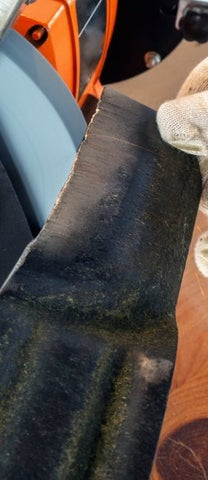
By the time the cut becomes uneven, it's clear: it's time to sharpen the mower blades. But by then, it's already too late. The damage has been done, which means you'll need to mow again to rectify it – cutting the lawn shorter than intended. It's therefore far better not to let things get to that point. Check your blades regularly for signs of wear. As soon as clear signs of use appear, you should sharpen the lawn mower blades.


Time for a fresh cut?
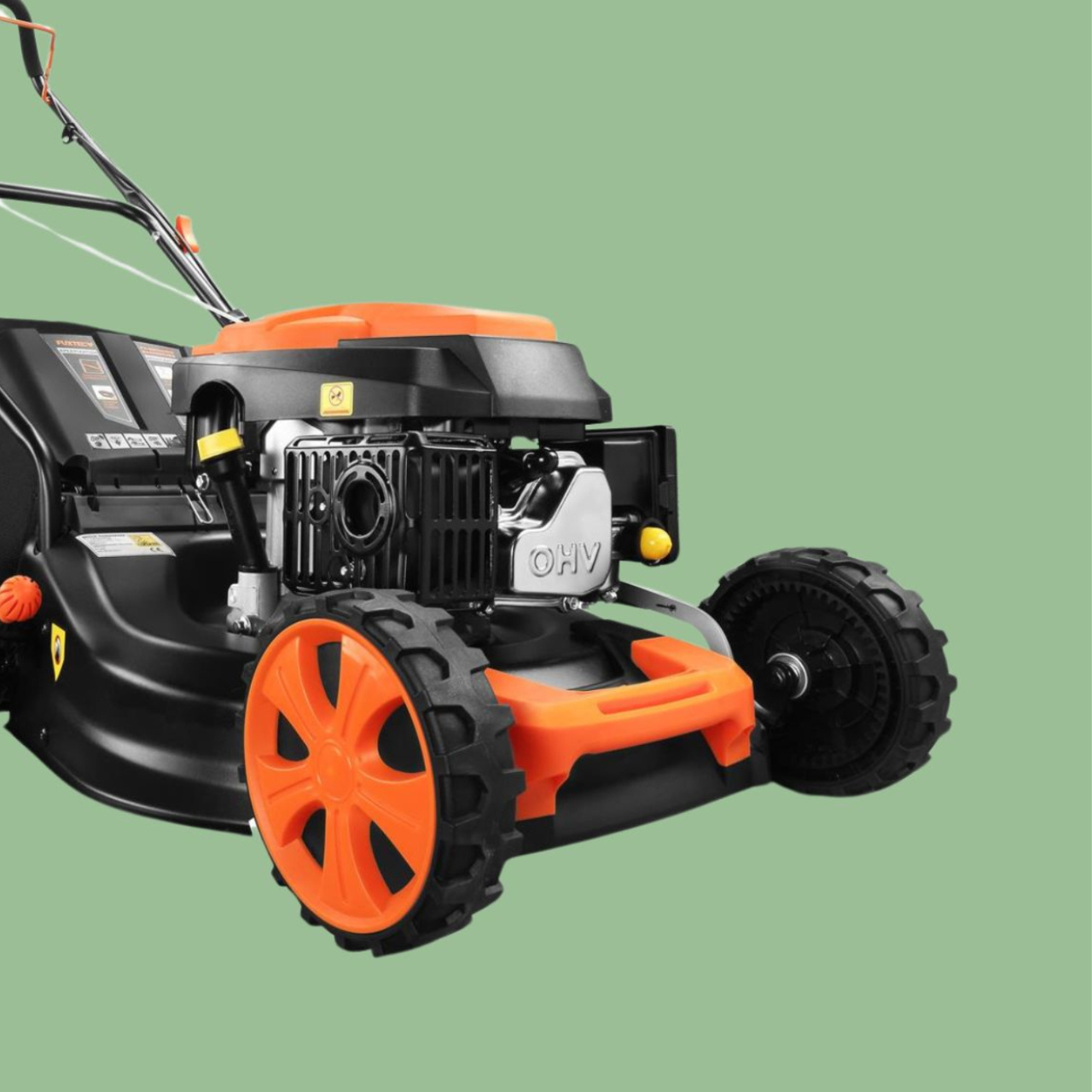
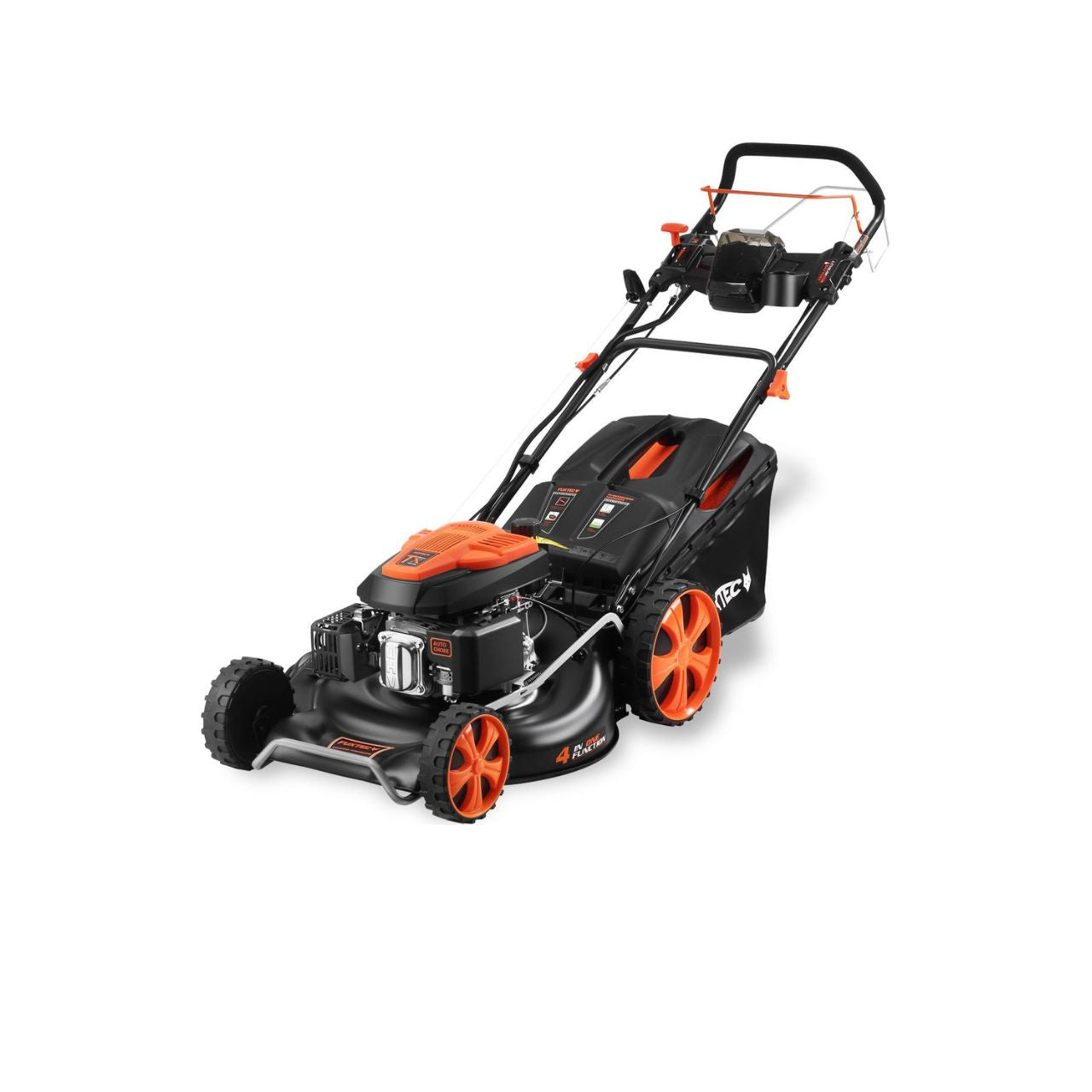
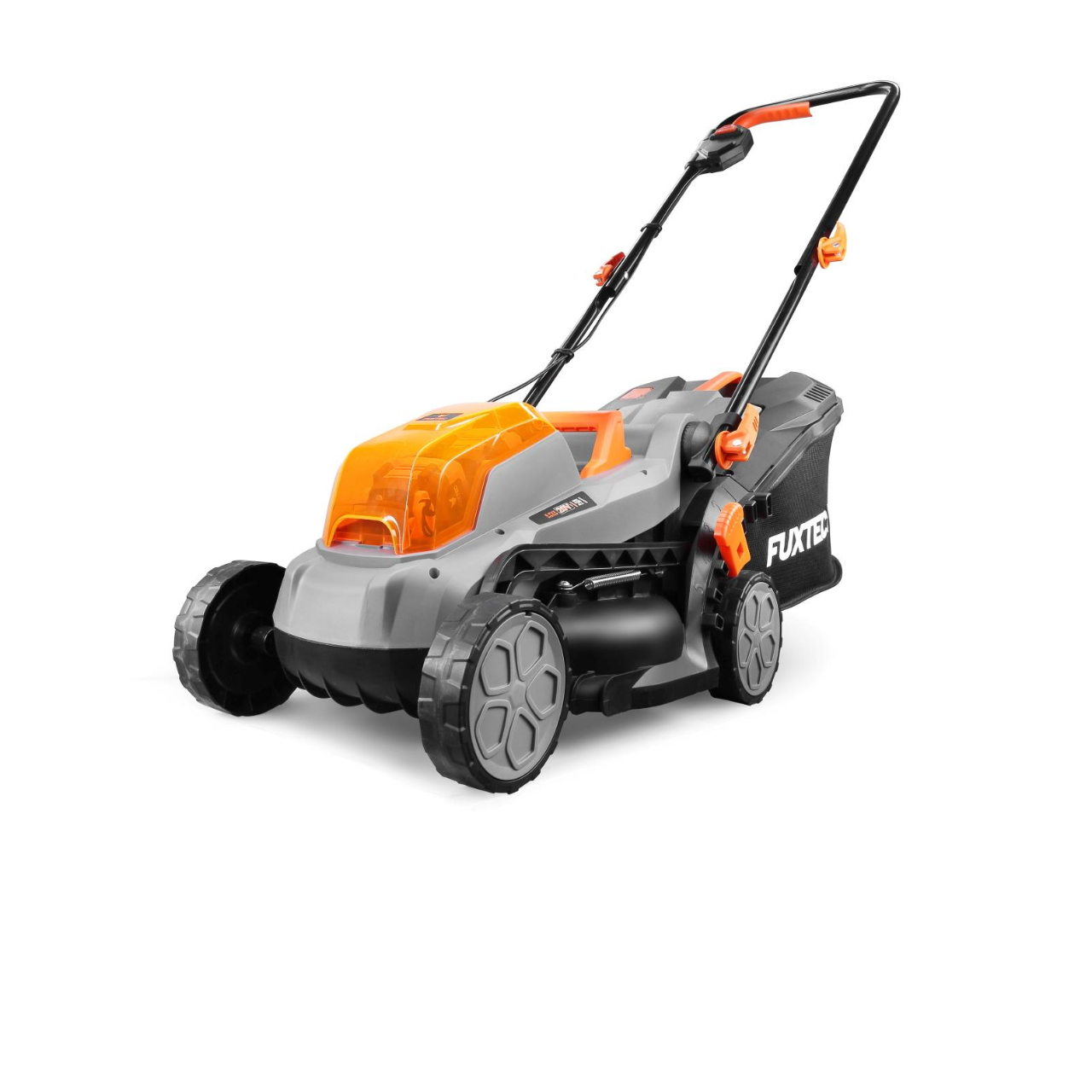
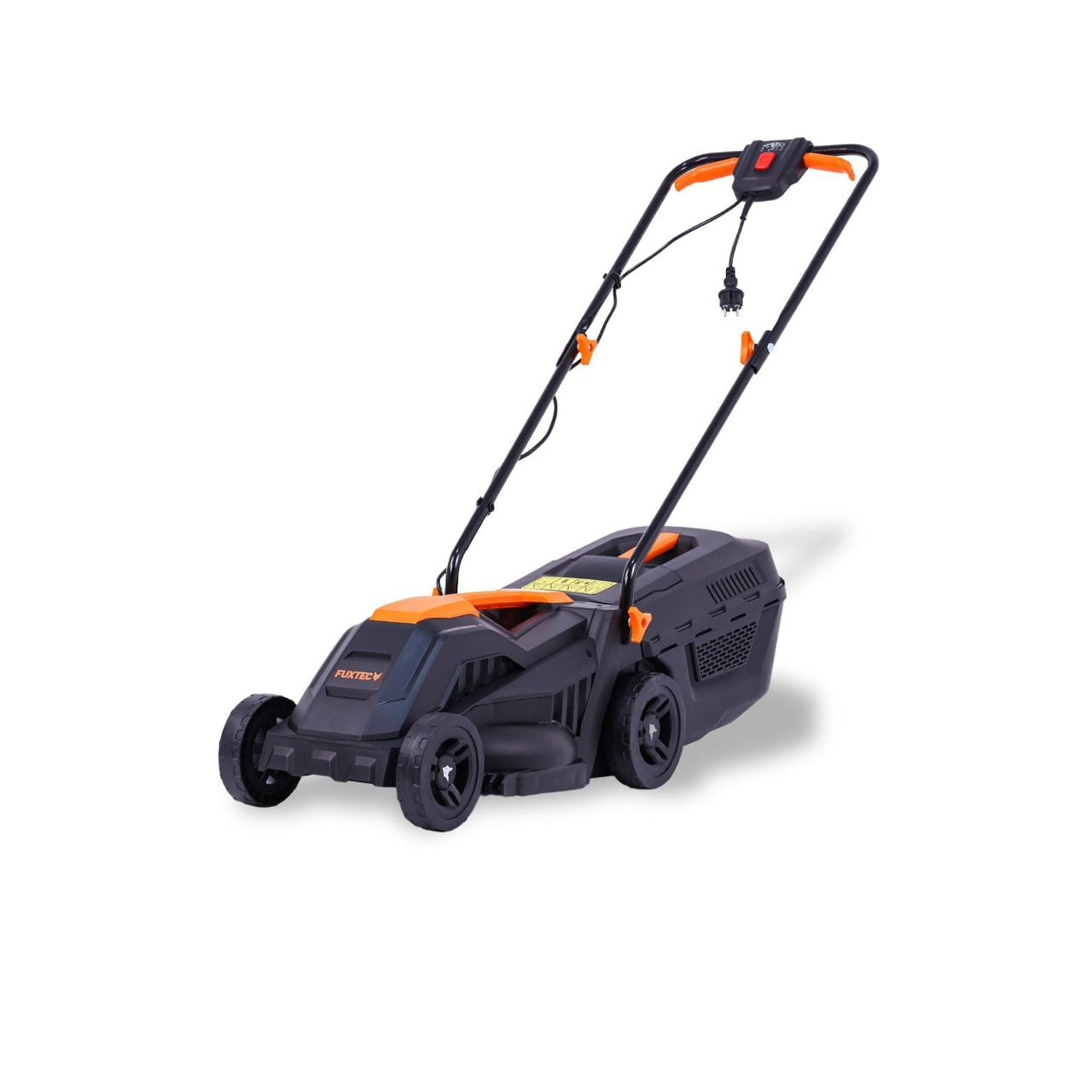
Discover the powerful FUXTEC lawn mowers for optimal lawn care.
Sauberer Schnitt für Deinen Rasen
Häufige Fragen zum Schärfen von Rasenmähermessern
Hier findest Du kompakte Antworten zu stumpfen Rasenmähermessern, Schleifwinkel, Auswuchten, Sicherheit und dem richtigen Zeitpunkt für einen Austausch.
Ein Rasenmähermesser solltest Du mindestens einmal pro Gartensaison kontrollieren und bei Bedarf schärfen. Bei großen Rasenflächen, häufigem Mähen oder Kontakt mit Steinen und Ästen kann das Nachschärfen früher notwendig sein. Entscheidend sind das Schnittbild, der Zustand der Schneide und die Wartungsvorgaben des Rasenmäher-Herstellers.
Ein stumpfes Rasenmähermesser erkennst Du an ausgefransten, abgerissenen oder ungleichmäßig geschnittenen Grashalmen. Statt einer glatten Schnittkante zeigen die Halmspitzen helle, faserige Stellen und können später braun oder grau wirken. Zusätzlich kann der Rasenmäher stärker vibrieren oder für dieselbe Fläche mehr Zeit benötigen.
Du kannst ein Rasenmähermesser selbst schärfen, wenn Du sicher mit Feile oder Schleifgerät arbeitest und die Klinge anschließend korrekt auswuchtest. Vor dem Ausbau musst Du den Netzstecker ziehen, den Akku entfernen oder den Zündkerzenstecker abziehen. Trage Handschuhe und eine Schutzbrille und beachte beim Ausbau und Einbau die Bedienungsanleitung Deines Rasenmähers.
Der Schleifwinkel eines Rasenmähermessers liegt häufig bei ungefähr 30 Grad, maßgeblich ist jedoch die vorhandene Schneidengeometrie des Messers. Schleife entlang des ursprünglichen Winkels und trage auf beiden Seiten möglichst gleich viel Material ab. Verändere die Form der Schneide nicht stärker als notwendig und beachte abweichende Herstellervorgaben.
Ein Rasenmähermesser muss ausgewuchtet werden, damit es sich bei hoher Drehzahl ohne schädliche Unwucht dreht. Ist eine Seite schwerer, können starke Vibrationen entstehen, die Lager, Messeraufnahme und weitere Bauteile belasten. Neigt sich das Messer bei der Balanceprüfung zu einer Seite, trägst Du auf dieser Seite vorsichtig noch etwas Material ab.
Ein Rasenmähermesser solltest Du ersetzen, wenn es Risse, starke Verformungen, tiefe Scharten oder erheblichen Materialverlust aufweist. Auch ein Messer, das sich nicht mehr korrekt auswuchten lässt, darf nicht weiterverwendet werden. Verwende ausschließlich einen Messerbalken, der ausdrücklich zu Deinem Rasenmäher-Modell und seiner Messeraufnahme passt.
Everything you need for a well-kept, healthy lawn – from a single source
Your complete package for lawn care

More lawn mower tips

So findest Du den richtigen Rasenmäher für Deinen Garten
Der richtige Rasenmäher ist nicht automatisch das stärkste oder breiteste Modell. Er muss zu Deiner Rasenfläche, zum Aufbau des Gartens, zur Häufigkeit des Mähens und zu Deinem persönlichen Komfo...
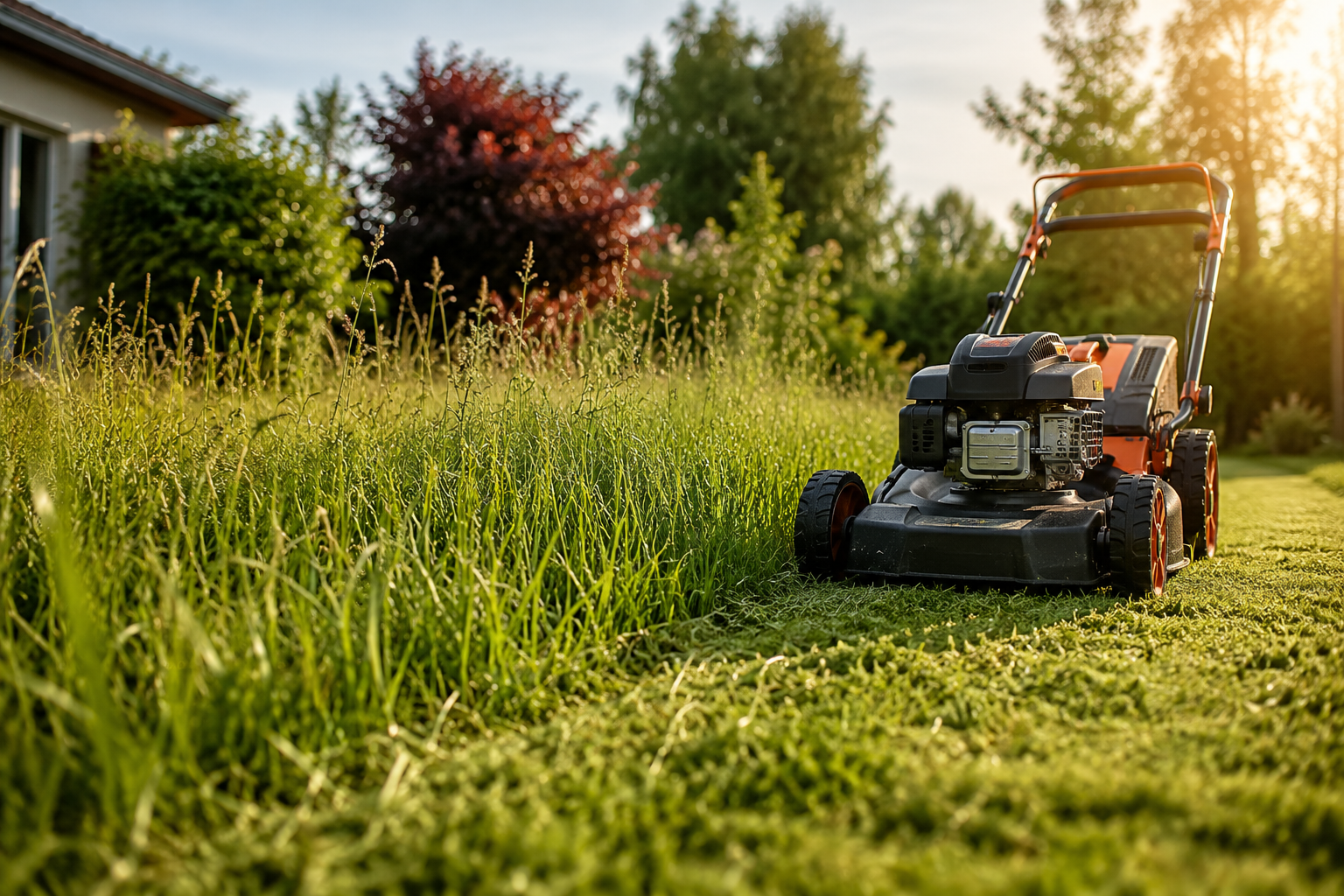
Mowing Overgrown Grass: A Step-by-Step Guide
If your lawn has grown very long after a holiday, a spell of wet weather or a longer break from mowing, don't cut it straight down to the lowest setting. Reduce long grass gradually, choose the rig...
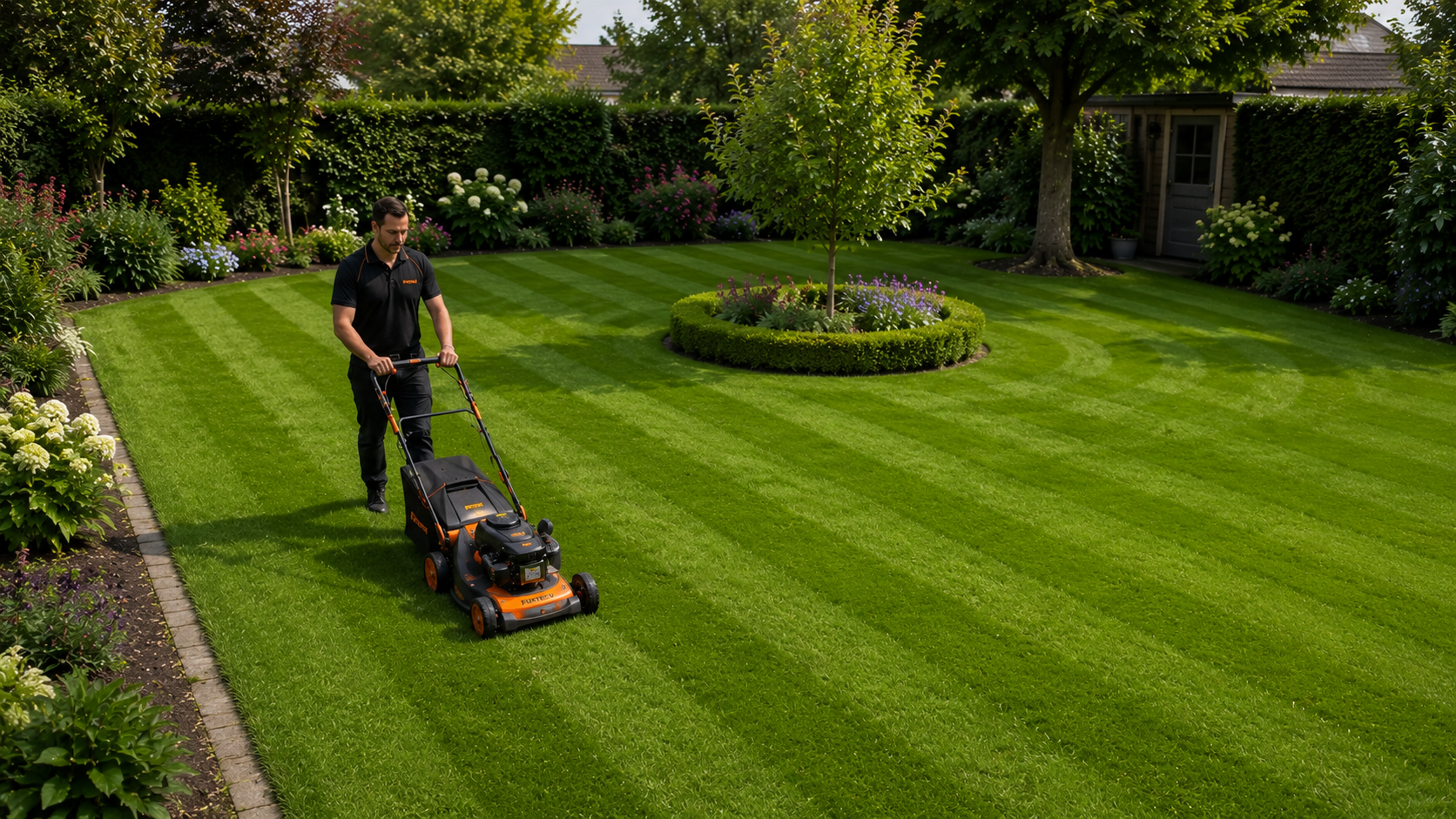
Lawn Mowing Patterns: Stripes & Checkerboard Guide
An evenly mown lawn always looks well kept. But with a deliberately planned mowing pattern, you can take the effect to a whole new level. Straight stripes, diagonal bands or a checkerboard pattern ...


