
Lawn Mower Won't Start: Causes & Fixes
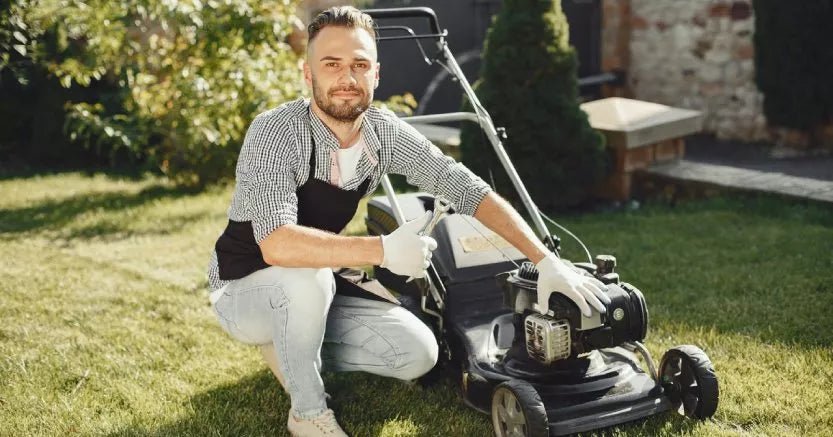
Mowing the lawn is an essential garden task — one that some gardeners enjoy and others find a chore. What nobody enjoys, however, is a lawn mower that won't start. Fortunately, the vast majority of mowers on the market have a straightforward design. This generally means you can carry out repairs yourself, rather than calling in a professional.
If your lawn mower won't start, first check whether there is enough fuel in the tank. If the tank is leaking, you will need a professional. In many cases, the wrong type of fuel is also to blame when the machine won't start. The majority of models on the market run on unleaded petrol. Others run on diesel.
It is also possible that an excess of fuel in the combustion chamber is flooding the engine. In that case, the spark plug needs to be dried out so the mower can start.
In general, most faults on the majority of mowers can be fixed by any competent home user. If all else fails, contact a professional.
Time for a fresh cut?
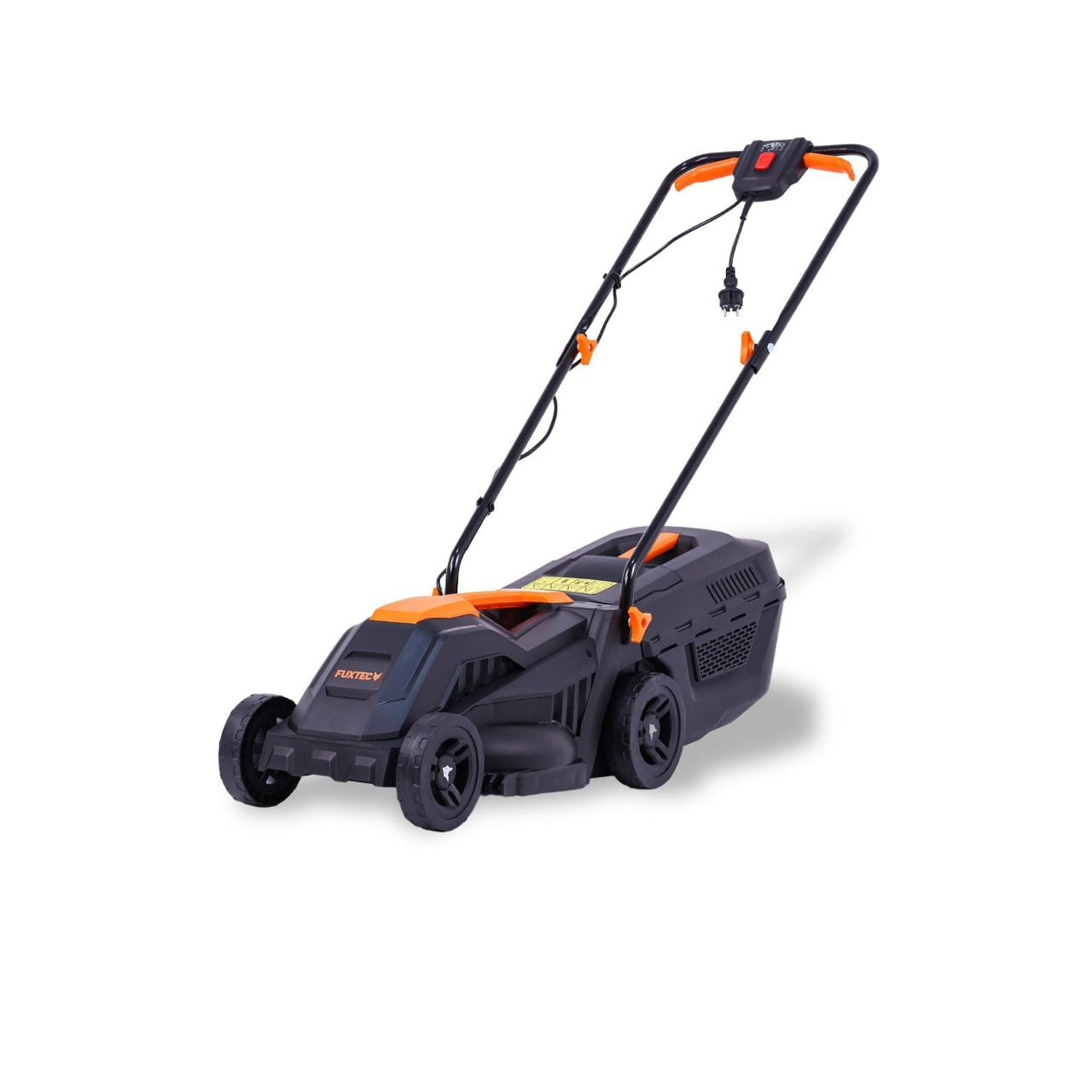
Discover the powerful FUXTEC lawn mowers for optimal lawn care.
Häufige Fragen: Rasenmäher springt nicht an
Hier findest Du kompakte Antworten zu Startproblemen bei Benzin-, Elektro- und Akku-Rasenmähern sowie zu Kraftstoff, Zündkerze, Luftfilter und Vergaser.
Ein Benzin-Rasenmäher springt häufig wegen fehlendem oder altem Kraftstoff, einer verschmutzten Zündkerze, einem verstopften Luftfilter oder Problemen mit der Kraftstoffzufuhr nicht an. Prüfe zuerst den Tankinhalt und verwende den für Dein Modell vorgeschriebenen frischen Kraftstoff. Kontrolliere danach Zündkerze, Luftfilter, Benzinfilter und Vergaser. Stelle außerdem sicher, dass der Motorbrems- oder Sicherheitsbügel beim Starten korrekt betätigt wird.
Springt ein Rasenmäher nach dem Winter nicht an, ist überalterter Kraftstoff eine der naheliegenden Ursachen. Benzin kann während einer längeren Standzeit seine Eigenschaften verändern und Ablagerungen im Kraftstoffsystem verursachen. Leere alten Kraftstoff entsprechend der Bedienungsanleitung, kontrolliere den Vergaser und fülle frischen, für das Modell geeigneten Kraftstoff ein. Prüfe zusätzlich Zündkerze, Luftfilter und Sicherheitsbügel.
Eine verschmutzte oder defekte Zündkerze kann dazu führen, dass der Rasenmäher schlecht startet, unruhig läuft oder gar nicht anspringt. Entferne den Zündkerzenstecker erst, nachdem der Motor vollständig abgekühlt ist. Prüfe die Zündkerze auf starke Ablagerungen, Rost, beschädigte Elektroden und einen falschen Elektrodenabstand. Reinige oder ersetze sie ausschließlich nach den Vorgaben der Bedienungsanleitung.
Ein stark verschmutzter Luftfilter kann verhindern, dass der Motor genügend Luft erhält und der Benzin-Rasenmäher zuverlässig startet. Kontrolliere den Filter auf Staub, Öl und Grasreste. Papierfilter werden je nach Zustand vorsichtig ausgeklopft oder ersetzt, während Schaumstofffilter nur entsprechend der Herstellervorgabe gereinigt werden dürfen. Starte den Motor nicht dauerhaft ohne eingesetzten Luftfilter.
Ist ein Benzin-Rasenmäher abgesoffen, befindet sich zu viel Kraftstoff im Brennraum und die Zündkerze kann nass sein. Beende weitere Startversuche und lasse den Motor abkühlen. Baue die Zündkerze nach der Bedienungsanleitung aus, lasse sie vollständig trocknen oder ersetze sie bei Bedarf und setze sie anschließend korrekt wieder ein. Wiederholt sich das Problem, solltest Du Kraftstoffzufuhr, Vergaser und Startvorgang überprüfen.
Ein Elektro- oder Akku-Rasenmäher startet nicht, wenn die Stromversorgung unterbrochen, der Akku leer oder eine Sicherheitssperre nicht korrekt gelöst ist. Prüfe bei einem Elektrorasenmäher Steckdose, Verlängerungskabel, Stecker, Sicherung und Sicherheitsbügel. Bei einem Akku-Rasenmäher kontrollierst Du Ladezustand, korrekten Sitz des Akkus und einen eventuell vorhandenen Sicherheitsschlüssel. Beschädigte Kabel, Stecker oder Akkus dürfen nicht weiterverwendet werden.
Everything you need for a well-kept, healthy lawn – from a single source
Your complete package for lawn care

More lawn mower tips
So findest Du den richtigen Rasenmäher für Deinen Garten
Der richtige Rasenmäher ist nicht automatisch das stärkste oder breiteste Modell. Er muss zu Deiner Rasenfläche, zum Aufbau des Gartens, zur Häufigkeit des Mähens und zu Deinem persönlichen Komfo...
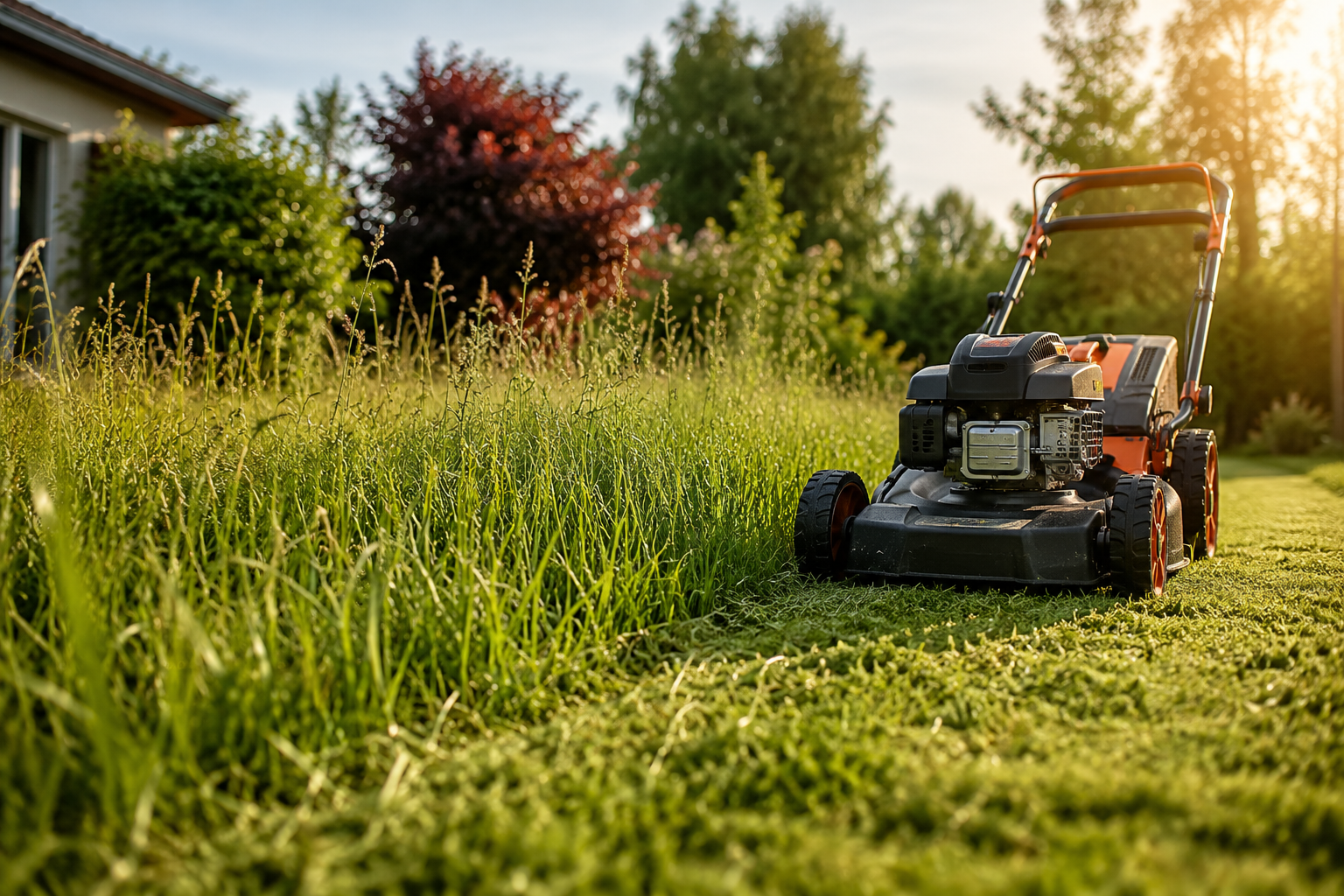
Mowing Overgrown Grass: A Step-by-Step Guide
If your lawn has grown very long after a holiday, a spell of wet weather or a longer break from mowing, don't cut it straight down to the lowest setting. Reduce long grass gradually, choose the rig...
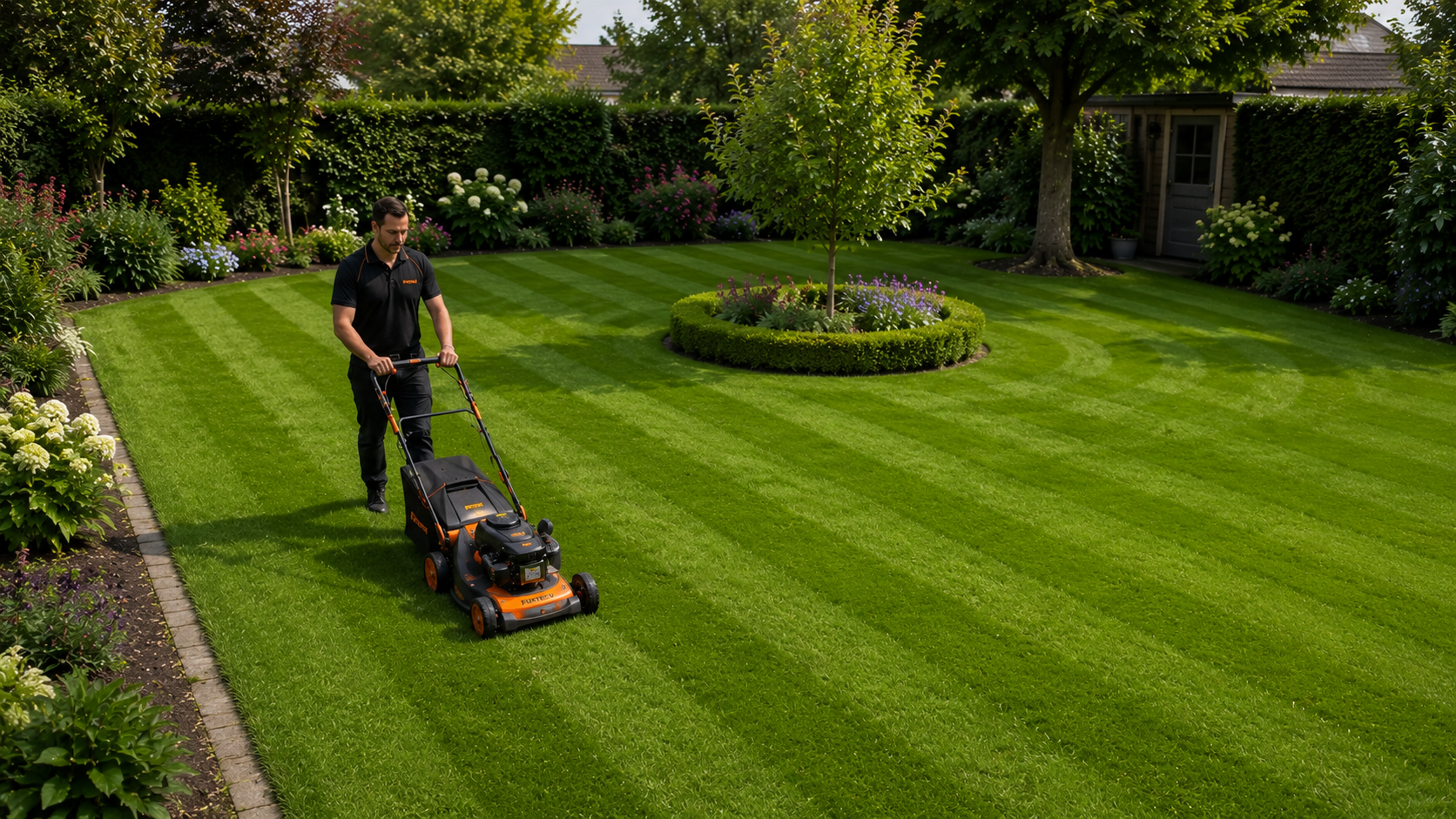
Lawn Mowing Patterns: Stripes & Checkerboard Guide
An evenly mown lawn always looks well kept. But with a deliberately planned mowing pattern, you can take the effect to a whole new level. Straight stripes, diagonal bands or a checkerboard pattern ...


