

Summer Lawn Care: Keep Your Sports Lawn Green


Discover our range of garden tools
What cutting height should I use for my play lawn in summer?
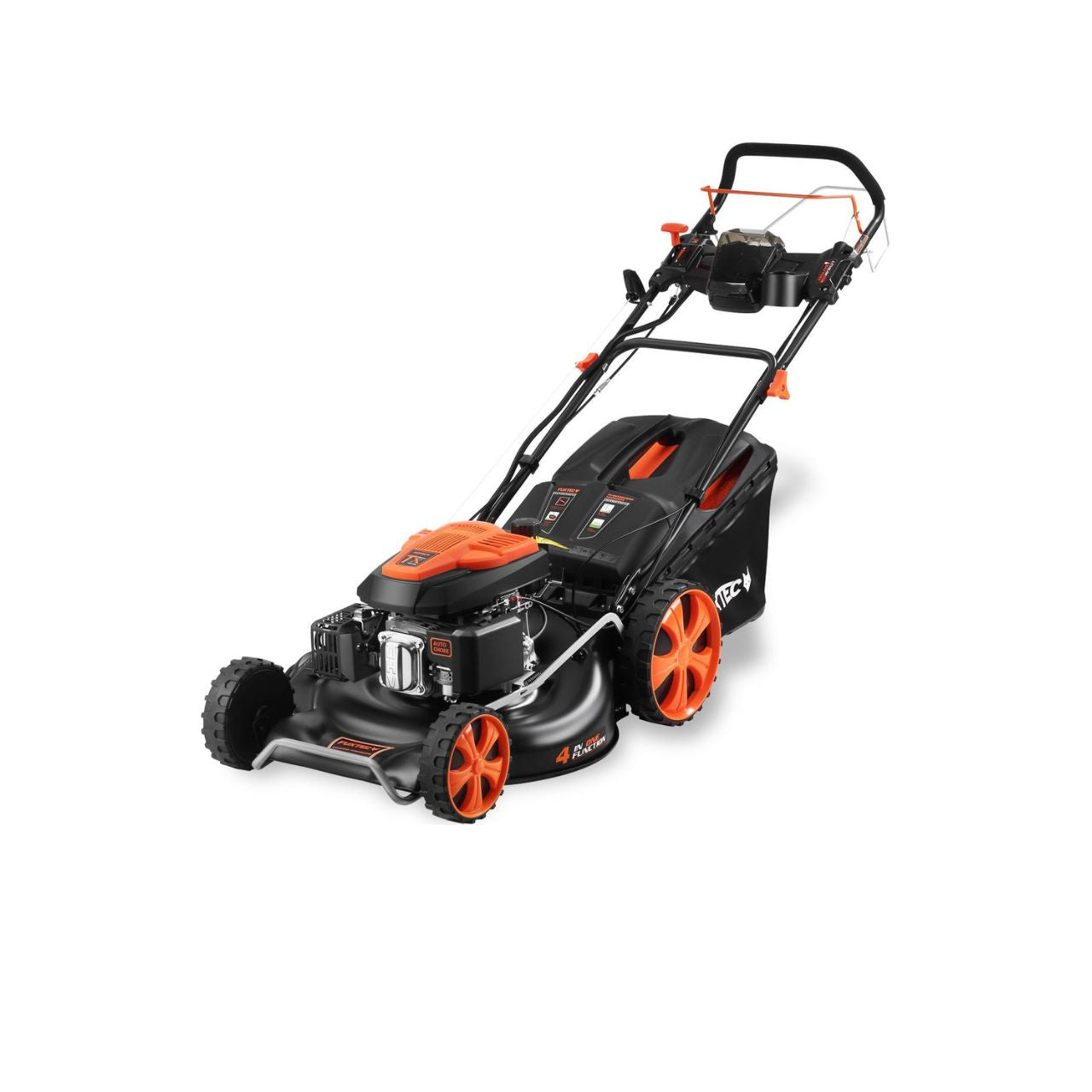
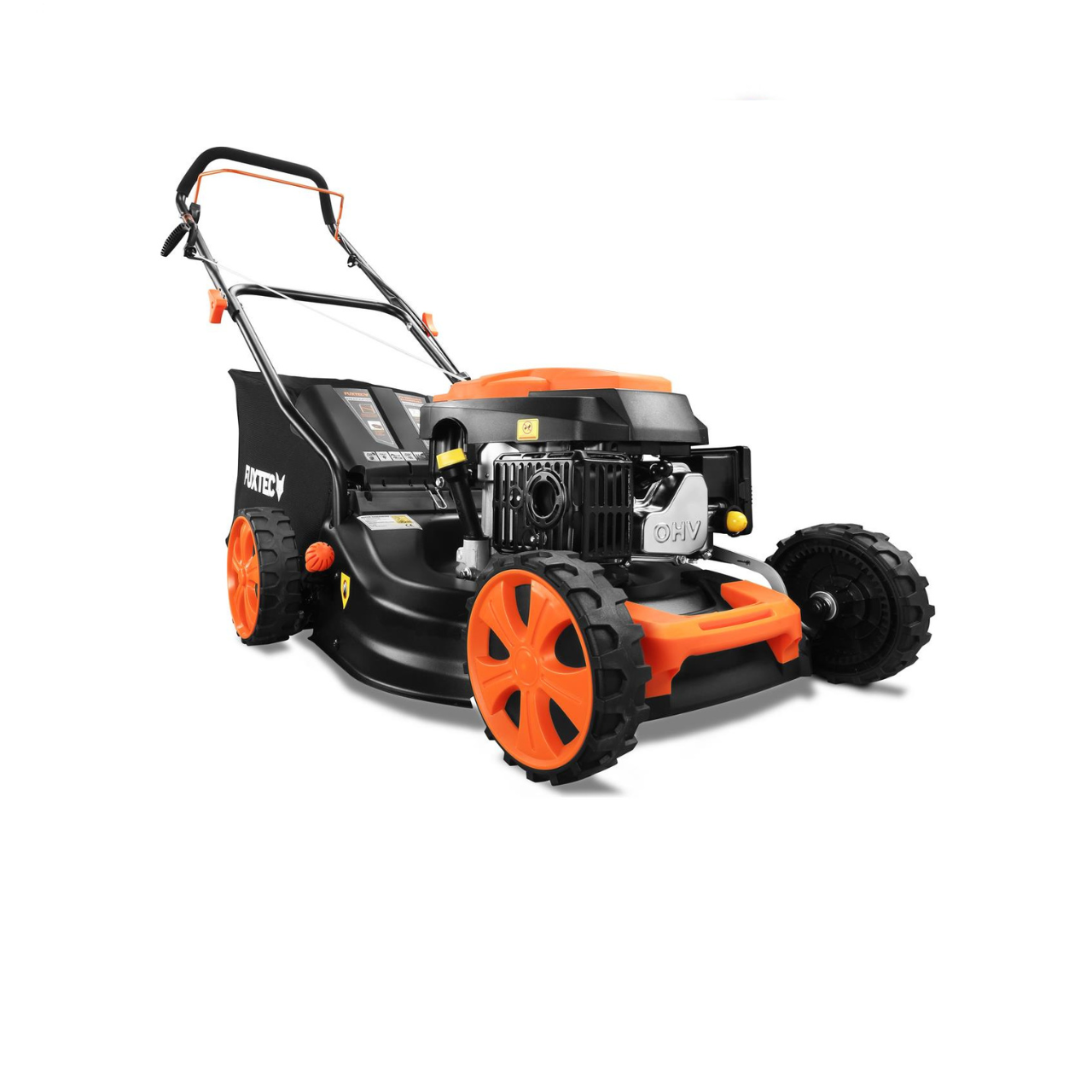
For regularly used areas, an ideal cutting height is around 3 to 4 cm. During prolonged dry spells, you can let the grass grow slightly taller to shade the soil more effectively and reduce moisture loss. Never remove more than one third of the blade length in a single cut, as this weakens the grass and slows recovery.
How often should I water my sports lawn during hot weather?
Water less frequently but more thoroughly, allowing moisture to penetrate deeper into the soil and encourage stronger root growth. A heavily used lawn typically needs around 15 to 20 litres of water per square metre per week, depending on weather and soil type. Water early morning or evening to minimise evaporation.
What's the difference between mulching and collecting grass clippings?
With mulching, fine clippings remain on the surface and provide organic matter, which can be helpful during dry weather. However, large amounts of clippings should be removed to prevent thatch build-up. In wet weather or during strong growth, collect the clippings to keep the surface cleaner and reduce fungal problems.
When is the best time to feed my lawn in summer?
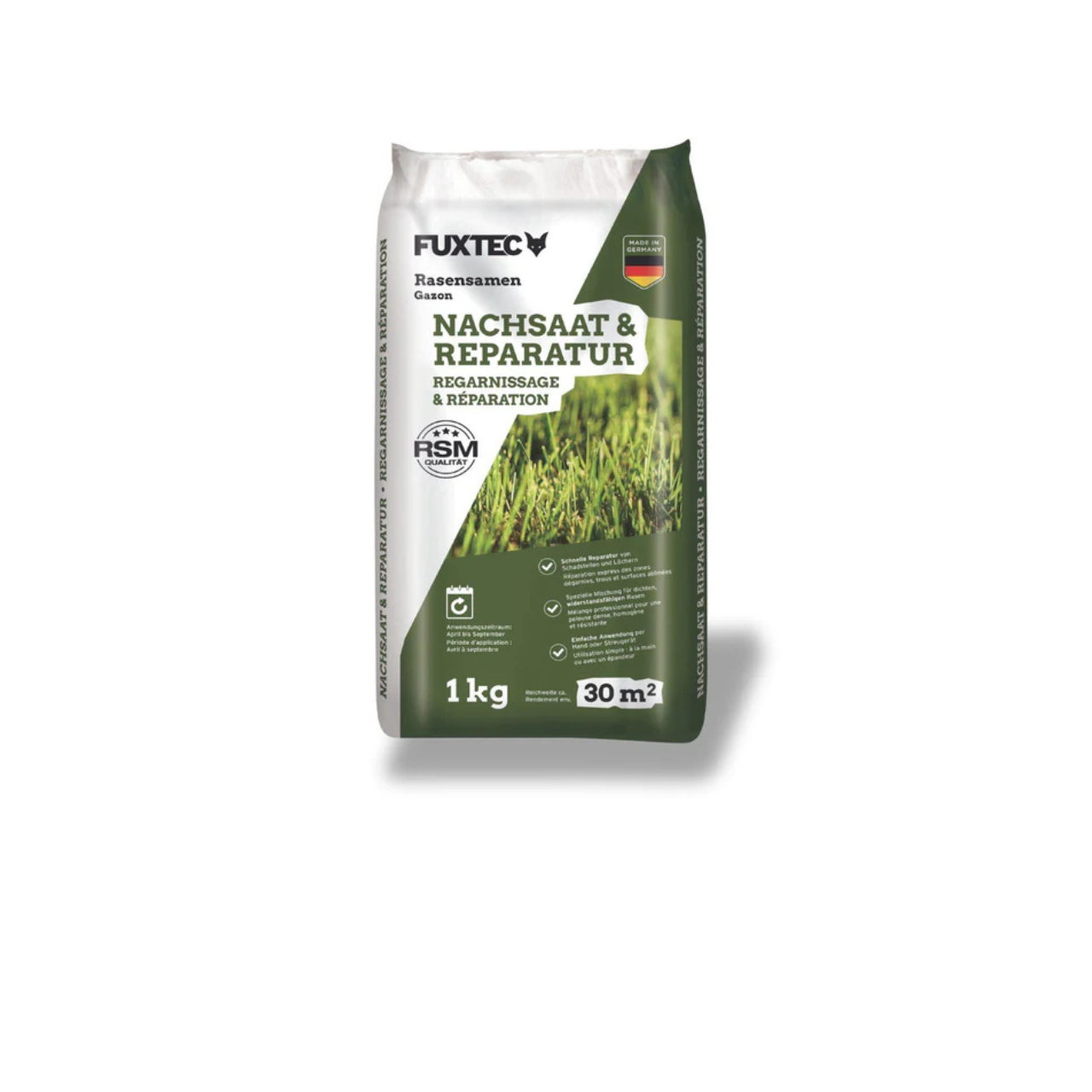
Ideally feed your lawn in spring, early summer, or late summer/autumn. After applying fertiliser, water the area thoroughly so nutrients can be absorbed properly. A slow-release fertiliser designed for spring and summer growth provides consistent nutrition over several weeks and encourages a dense, resilient turf.
How can I prevent bare patches and keep my lawn thick during heavy use?
Regular mowing once or twice weekly encourages plants to branch out and produce new lateral shoots, creating a thick, lush lawn. Keep mower blades sharp for clean cuts, ensure adequate watering and feeding, and maintain proper soil aeration to support strong grass growth and recovery from wear.
Why should I scarify my lawn and when is the best time?
Scarifying removes troublesome thatch that prevents water and air from penetrating the soil, allowing grass to grow back more vigorously whilst helping to control moss and weeds. The best time to scarify is in spring or early autumn, immediately after which you can overseed bare patches for better seed-to-soil contact.
What soil conditions does a sports lawn need to stay healthy?
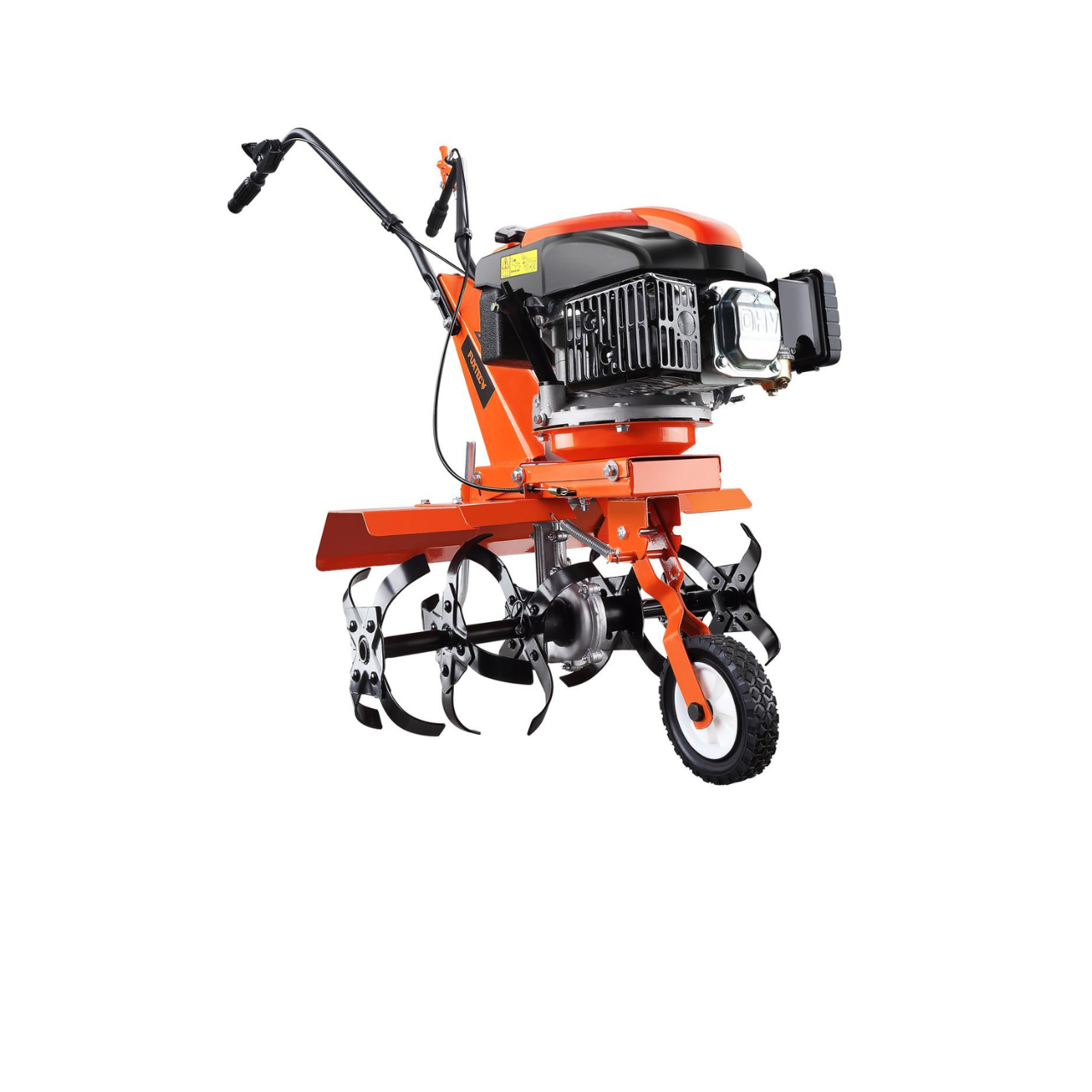
A loose, well-aerated soil with a pH level between 5.5 and 7.0 allows water and air to reach the roots effectively. Compacted soils should be loosened regularly to prevent waterlogging and ensure roots receive sufficient oxygen, which is especially important in heavily used areas where the ground compacts over time.
Everything your lawn needs

More articles about lawn care
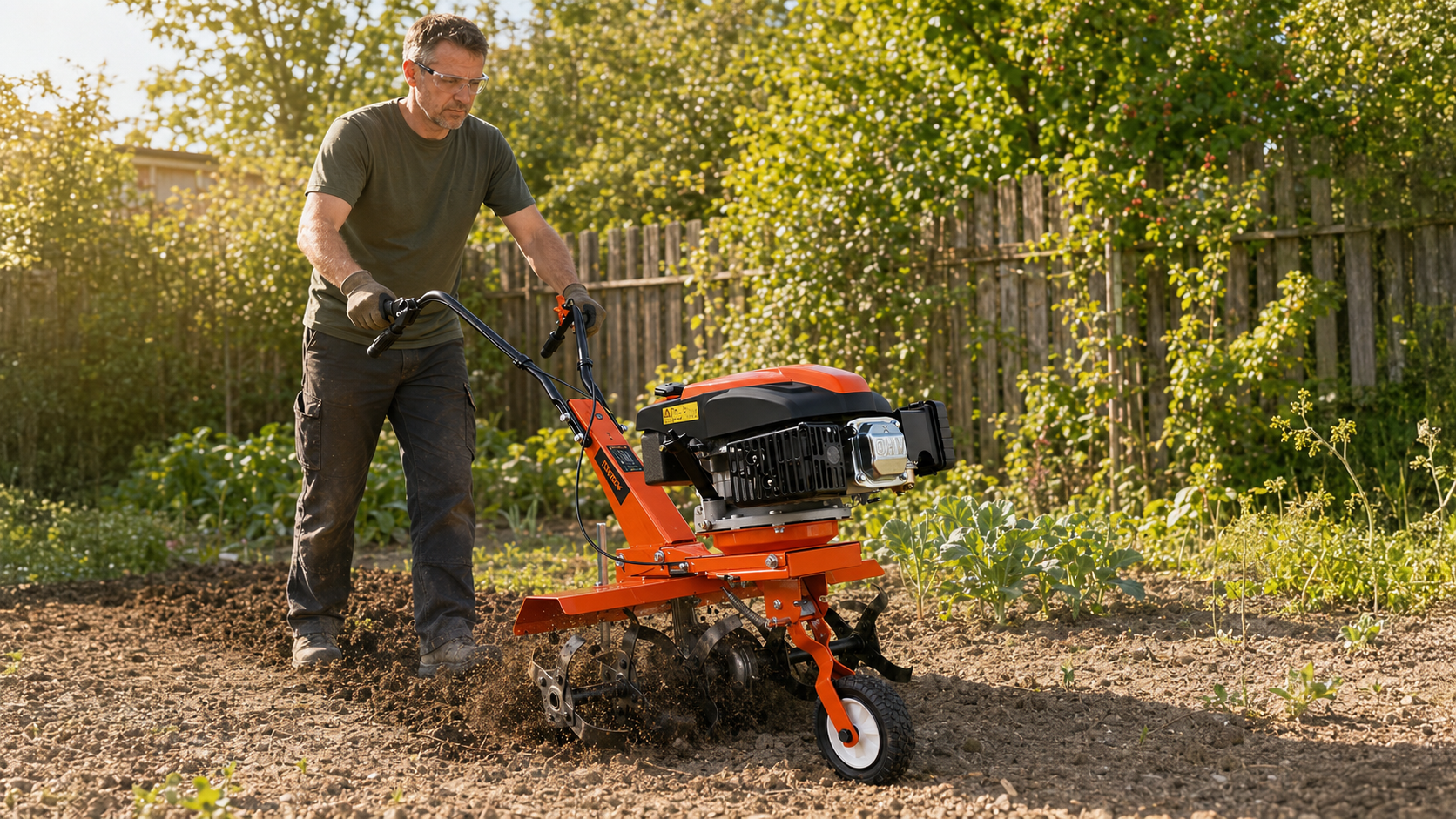
Trockenheit im Garten: Boden lockern, richtig gießen und mit Mulch Wasser sparen
Du gießt das Beet, doch das Wasser bleibt auf der harten Erdoberfläche stehen oder läuft zur Seite ab. Schon nach kurzer Zeit wirkt der Boden wieder trocken, obwohl Du gerade erst zur Gießkanne g...
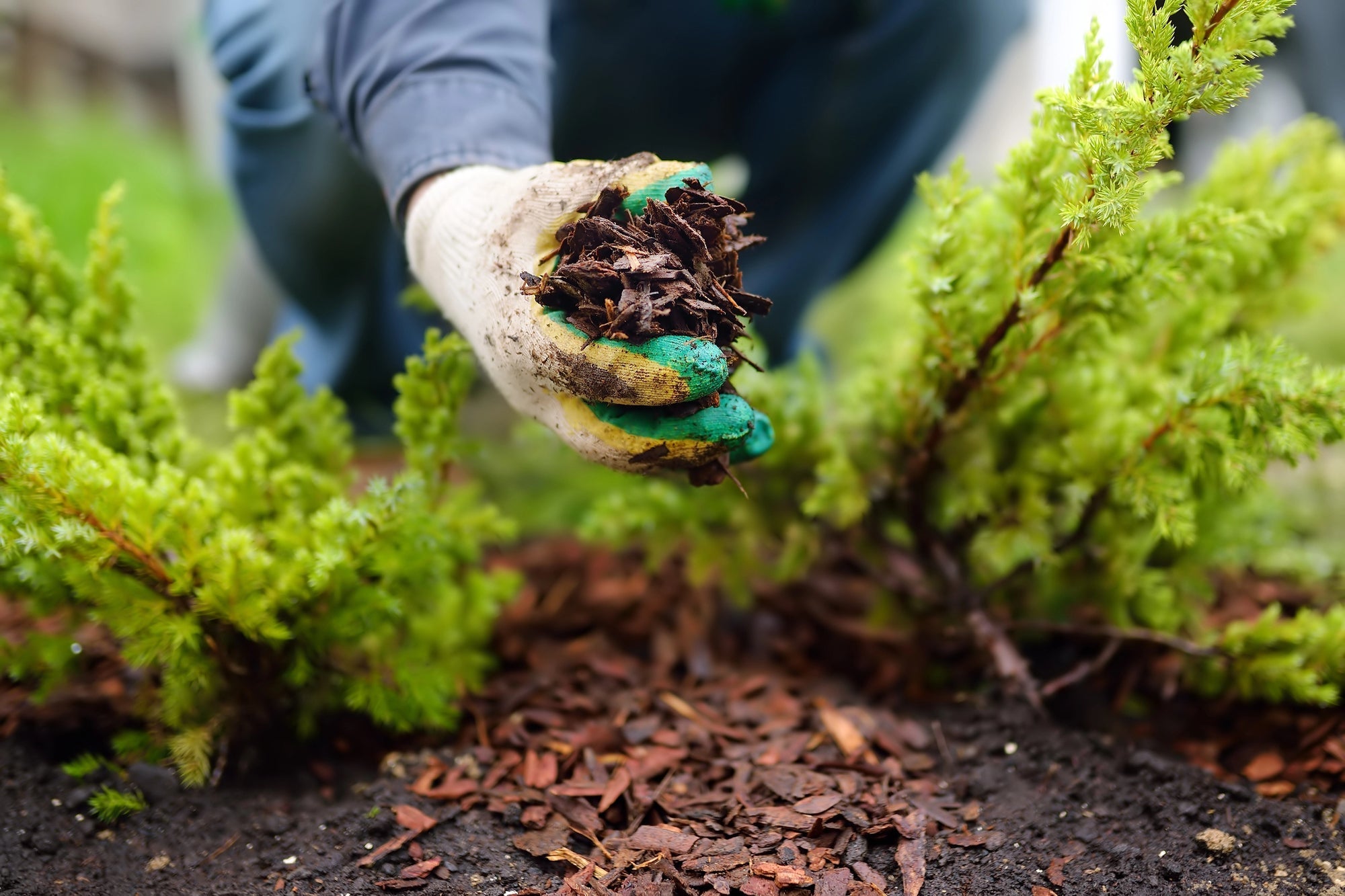
Pine Bark Mulch: The Complete Gardening Guide
Mulching with pine bark is one of the most effective methods in modern gardening and sustainable horticulture. A layer of mulch material is applied to the soil surface to protect and improve the so...
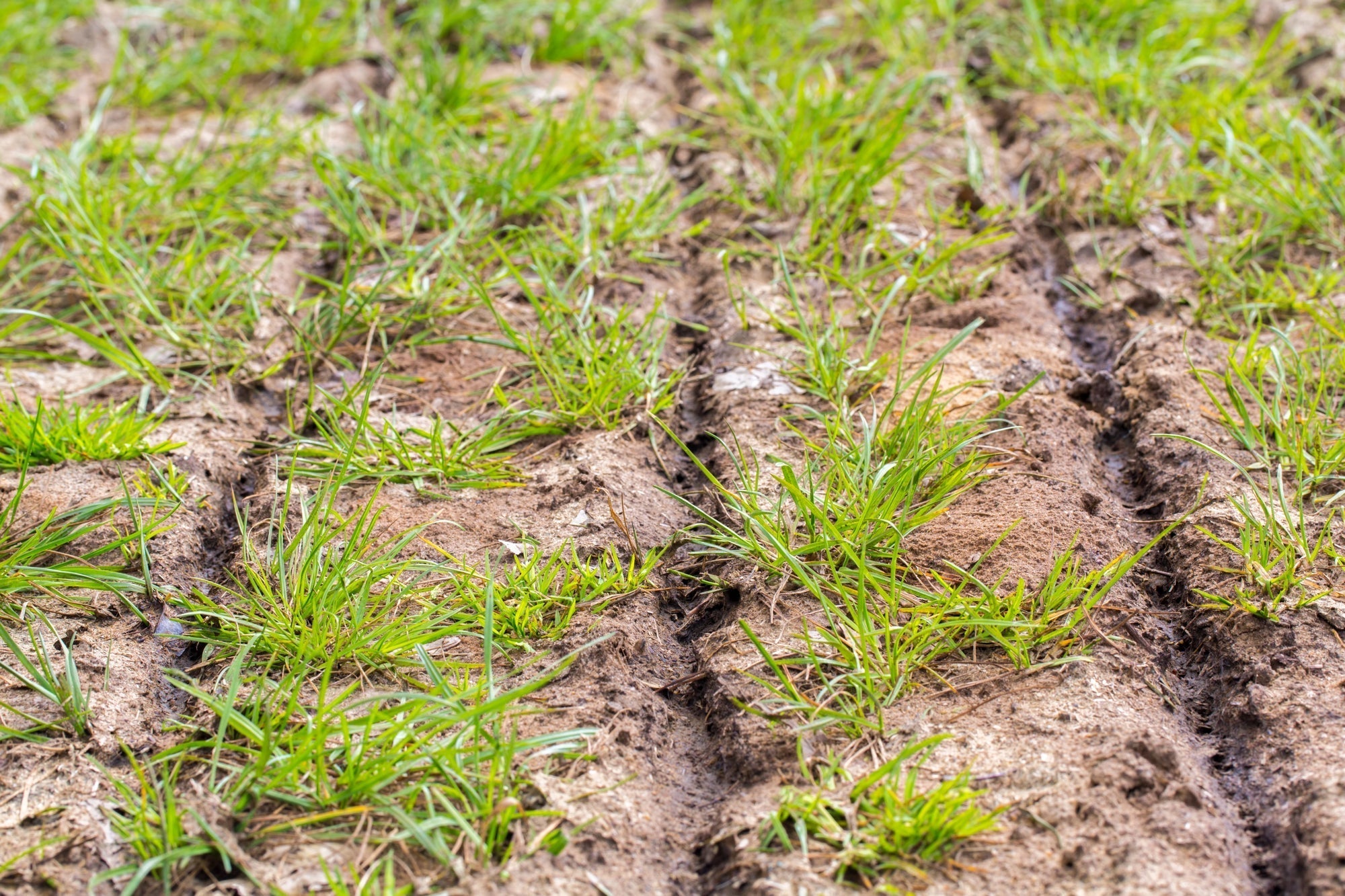
Spring Soil Improvement: Prepare Your Garden Soil
Inhaltsverzeichnis Warum Bodenverbesserung im Garten im Frühjahr so wichtig für einen gesunden Gartenboden ist Gartenboden nach dem Winter prüfen: Bodenstruktur, Verdichtung und Bodenart erke...


