

Bewässerung im Garten
Garden Watering Guide: Step-by-Step Tips
- Einführung: Die Bedeutung der richtigen Gartenbewässerung
- Schlauchtypen: Spiralschläuche, Flachschläuche & Perlschläuche
- Perlschlauch vs. herkömmlicher Schlauch: Unterschiede & Vorteile
- Gartenschläuche: Materialwahl und Pflege
- Zubehör: Schlauchwagen, Anschlüsse & Zeitschaltuhren
- Automatische Bewässerungssysteme: Möglichkeiten & Tipps
- Wartung & Langlebigkeit: So hält Dein System länger
- Fazit: Individuelle Lösungen für Deinen Garten
Garden Watering Made Easy – The Step-by-Step Guide
Planning is (almost) everything! Depending on the type of garden, local conditions, and your individual needs, different irrigation solutions will be the best fit. Careful planning saves you from costly mistakes and lost plants.
Recent summers, with their prolonged dry spells and scorching temperatures, have made it clear that sporadic garden watering with a watering can, sprinkler, or hose is both inefficient and expensive. Rising water bills and the sight of parched shrubs, hedges, and trees make it well worth planning a targeted watering strategy for your garden.
1. Defining the Scope of Your Garden Watering
The following points will guide you towards a tailored solution that suits your specific needs. For every garden, balcony, and patio, there are options to keep your planting adequately watered. Climate, aspect, planting style, and soil type already provide the first important clues; your available time and budget are equally important. If you enjoy hand-watering every day and have the time for it, a permanently installed sprinkler system might actually take some of the pleasure out of gardening. However, if you are a perfectionist dreaming of a lush green lawn and immaculate borders, a permanently installed automatic irrigation system using drip hoses, soaker pipes, or sprinkler heads can free up a great deal of time so you can focus on the creative side of your garden.
When to water? Watering should be carried out from the start of the growing season in spring through to the last harvest and final lawn cut of the season. Water is needed when plants look limp or their leaves begin to droop. To minimise temperature shock for your plants and to prevent unnecessary evaporation, the cool early morning hours are ideal. Watering thoroughly and then allowing the garden to dry out before watering again is preferable to frequent, shallow watering.
1.1 Soil Type
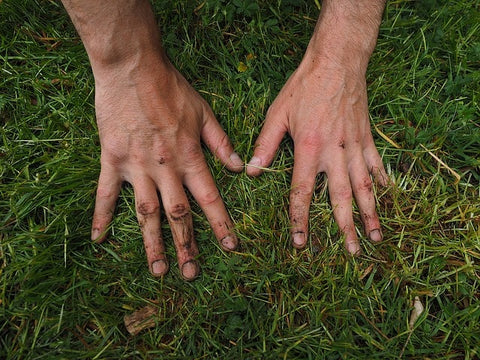
Watering requirements vary significantly depending on soil type. A soil test can be helpful, though it is not always necessary.
The composition of your garden soil is fundamental to determining your irrigation needs. Heavy, clay-rich soils absorb water slowly but retain it well. However, near-impermeable layers can lead to waterlogging. Sandy, free-draining soils, by contrast, often allow water to run off or percolate so quickly into deeper layers that shallow-rooted plants barely have time to absorb the moisture. Loose, humus-rich soils — ideally protected from rapid drying by a layer of mulch — absorb and retain good volumes of water without the risk of waterlogging.
1.2 Planting
As a general rule: the closer your planting is to the natural conditions of your area, the more resilient the plants will be to stress from sun, cold, drought, and wind, and the less additional watering they will require. A garden on thin, free-draining chalk downland or light sandy soil can be particularly demanding if you are growing moisture-loving plants that prefer heavier, acidic soils (such as rhododendrons, clematis, ferns, or hydrangeas). Opting for a gravel or rock garden, or choosing plants that cope well with dry spells, makes the garden easier to maintain with more satisfying results (roses, lavender, and cottage garden favourites such as marigolds, phlox, and amaranthus). That said, a targeted irrigation system does give you the freedom to grow plants that might otherwise struggle in your conditions.
1.3 How You Use Your Garden

How you use and have designed your garden is crucial. If you have a wildlife-friendly garden with meadow areas, colourful flower borders, and fruit trees with a few wild corners to attract insects and small creatures, regular watering is only necessary during very dry spells. Occasional thorough soakings are then preferable to keeping the soil permanently moist — plants tolerate the variation well and become more resilient as a result. A simple watering solution using a hose, sprinkler, or watering can may be perfectly adequate, though it does require more of your time. Alternatively, soaker or spray hoses that you do not need to roll up and store away each time could be a practical option.
A traditional kitchen garden tends to be somewhat more labour-intensive, and your main focus should be on watering the vegetable beds optimally. Diverse plantings are less susceptible to pests; ensuring all plants have their ideal growing position and are watered according to their needs will save a great deal of time and effort. A sprinkler for the lawn, oscillating sprinklers for flower borders, soaker or spray hoses for the beds — complemented by additional hand-watering using collected rainwater when conditions are particularly dry: this approach keeps even a traditional kitchen garden manageable.
For a dedicated vegetable plot, much the same applies as for the bed areas of a kitchen garden. Watering should be achievable without too much effort; hoses laid between plant rows that can stay in place are preferable to frequent installation and removal (which wastes time and can damage plants) or uneven coverage from a sprinkler. Watering rings around particularly thirsty plants, along with mulch layers between rows, on tree root zones, and over bare soil, help to conserve water and maintain consistent soil moisture.
If you use your garden as an outdoor room in summer, you probably don't want to spend much time watering. Your planting should offer you a space to relax, host barbecues, and enjoy garden parties. Hoses, sprinklers, or watering cans lying around will only detract from the overall look. Watering equipment should therefore be easy to put away quickly — hose boxes and wall-mounted hose holders are available to keep things tidy on a house wall or tucked away in an outbuilding. Otherwise, it is worth considering whether an automatic irrigation system with permanently laid pipework or a sprinkler installation would be worthwhile. A single programming session means your garden is watered automatically at set intervals. More advanced systems can even measure soil moisture via sensors and water precisely according to pre-programmed requirements.
Formal gardens tend to be very labour-intensive; an automatic irrigation or sprinkler system not only saves time and effort, it is also the least visually intrusive option, as it is laid underground, with pop-up sprinkler heads that retract into the ground when not in use. No more wrestling with tangled hoses, repositioning sprinklers, or lugging watering cans — a well-designed automatic irrigation system creates time and visual freedom.
 Quite the opposite applies to garden areas used as a children's play space, which are designed for robustness: here, maintenance should be kept to an absolute minimum so the space can fulfil its purpose. A wet lawn and puddles on garden paths are no fun and can also be a safety hazard. Permanently installed sprinkler systems are not particularly recommended in these areas, as the heavy use of the space can cause damage. Soaker hoses that can be quickly rolled out and packed away again are usually ideal for a play garden, since it is perfectly sufficient to give the hardy planting one thorough evening watering during dry spells.
1.4 Garden Size
Large gardens need water too.
The size of your garden is of course a key factor in choosing the right irrigation solution. 200 square metres is far easier to water than 3,000, and a patio can be comfortably managed with a watering can.
Small plots do not require elaborate irrigation systems. However, if convenience is important to you, an automatic system can be worthwhile — and costs are correspondingly lower. If you have a large garden, watering it is significantly more demanding.
First, consider whether all areas of your garden have equally high water demands. Perhaps some parts of your garden can get by with less water? Where possible, plan your garden so that moisture-loving plants are grouped together — ideally near a tap or pump.
In an era of increasingly unpredictable weather, it can be sensible in larger gardens to identify which areas are most important and which are easier to replace. Lawns lend themselves well to conversion into low-maintenance wildflower meadows, which need mowing only twice a year and can otherwise largely look after themselves. Choosing drought-tolerant species is also a smart way to reduce water consumption and keep the areas requiring irrigation to a minimum. For those areas that do need watering, an automated system may well be worthwhile; however, a combination of sprinklers and soaker hoses will give you greater flexibility.
2. Water Sources for Your Garden
2.1 Mains Water
In principle, water for your garden can come from three sources, although local conditions and regulations — for example from your local water authority — may limit your options.
Convenient but costly, and often subject to restrictions or hosepipe bans during drought periods, is watering from the mains supply. A garden hose or lawn sprinkler is simply connected to the nearest outdoor tap — straightforward and easy. However, this comes with drawbacks even where it is not regulated. Mains water has become increasingly expensive; in England and Wales, water rates vary by region and supplier, but costs can add up significantly when watering regularly throughout the summer. As a homeowner, you bear the full cost; in a block of flats or rented property, water costs are typically included in service charges or utility bills. Even for a small garden watered regularly, costs can run to several hundred pounds a year.
During dry spells, mains water is also a scarce resource that, given its quality, is arguably too good to use solely for garden irrigation. A further drawback is that its low temperature can be a shock for many plants. Watering in the early morning or evening, when air temperatures have dropped, can help mitigate this, though it cannot eliminate the effect entirely.
2.2 Garden Wells and Boreholes
 Having your own well or borehole can save a considerable amount of money.
Even for more capable systems, installation costs are typically recouped fairly quickly, as ongoing running costs are limited to the relatively modest electricity required to run the pump. A solar-powered pump can eliminate even this cost once the system has paid for itself. That said, installation is not feasible everywhere — local geology and obstructions can make it impossible. The use of groundwater pumps is regulated under UK planning and environmental law and may be restricted or require a licence. You should always check with the relevant authority before proceeding — in England, this is typically the Environment Agency; in Scotland, SEPA; in Wales, Natural Resources Wales; and in Northern Ireland, the NIEA.
Different options include a driven or shallow well, suitable where the water table is within roughly seven metres of the surface; a lined well, which can extend to around ten metres deep; and a borehole, which can draw groundwater from depths of up to 20 metres or more.
A driven well (available from approximately £300–£600 depending on local conditions) involves driving a well pipe into the ground until it reaches the water table, from which water can then be pumped up. In sandy soils, the intake can become blocked relatively easily, and the well pipe may need replacing roughly every five years. If the water table in your area is high, this is by far the most cost-effective option and can be installed without significant disruption.
A lined well is brick- or ring-lined (and correspondingly more expensive). Like a traditional draw-well, it continually refills with groundwater that can then be drawn up. The higher the water table, the less effort is involved (depths of more than ten metres are not recommended). If you need water in more modest quantities on a regular basis, this type of well could be the right choice for you.
Where the water table is deeper or large volumes are required, a borehole is the most appropriate — if most expensive — option, reliably drawing high-quality groundwater from greater depths. It should be paired with a powerful pump capable of handling the lift height in continuous operation.
2.3 Water Butts and Rainwater Harvesting Tanks
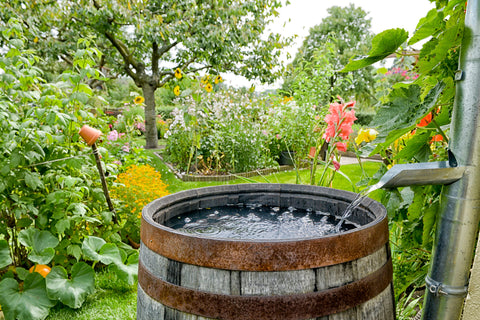 People have always made use of soft, free rainwater. Typically connected to a downpipe from the roof gutter, the volume collected during the wetter months is often sufficient for a small garden or patio. Even during drier spells, a water butt can make a noticeable dent in your water bill.
A lid to keep out leaves and reduce evaporation is essential. Small pumps are also available for water butts to feed water automatically into a garden hose or drip irrigation system. For shorter distances and when the butt is reasonably full, the water pressure at the tap or spigot fitted near the base of the butt is often sufficient without a pump.
Underground rainwater harvesting tanks offer a far greater storage capacity than standard water butts. It is particularly important to prevent debris from entering the tank. A well-filled tank can see you through prolonged dry spells; however, choosing a capable pump is essential.
2.4 Pump Types
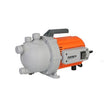
For garden use, so-called pressure pumps are the most relevant type.
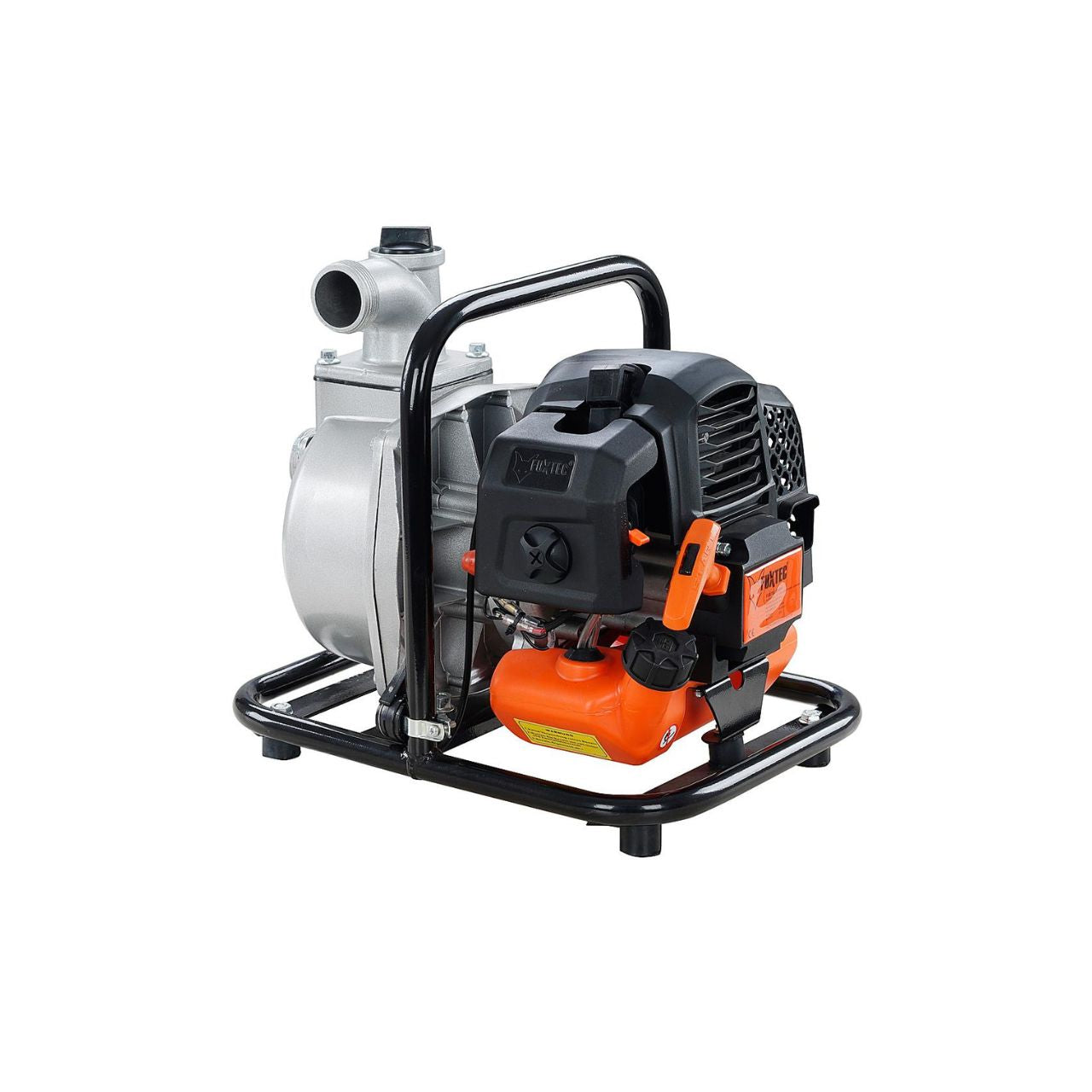
Garden irrigation pumps draw water up from wells and boreholes, transfer it from water butts and storage tanks into hoses and irrigation systems, and — in more advanced models — also supply it as grey water to washing machines and toilet cisterns.
Garden pumps with a ¾-inch connection transport water from butts, storage tanks, and lined wells. Quality models are virtually maintenance-free and feature overheating protection and a filter. If you do not want to install the pump permanently — for example in a garage or garden shed — make sure your model has an ergonomic, sturdy handle and can be easily connected and switched on and off — ideally via a foot switch — without fuss.
High-quality pumps offer multiple power settings, enabling reliable pumping from greater depths as well as continuous operation for supplying the household with grey water. Auto start-stop, dry-run protection, and at least two outlets for simultaneous use with several devices are also worthwhile features.
 For use with water butts, dedicated barrel pumps are ideal — simply hang them inside the butt and secure them to the wall. The barrel pump transfers rainwater into a drip hose or other irrigation device, saving you from lugging a watering can. The pump can be operated manually via its mount or via a floating switch, which automatically turns the pump off once the water level drops too low.
Submersible pressure pumps reliably draw groundwater even from greater depths. Fitted with a ¾-inch or 1-inch connection, a filter, and spacers to prevent the intake from silting up, the submersible pump should be lowered as far as possible into the well shaft. A built-in safety cut-off and an on/off switch located at the end of the cable — outside the well shaft — are standard requirements.
Deep well pumps are also a type of submersible pressure pump. When used in underground storage tanks, a floating switch in addition to the manual switch is recommended, as it monitors the water level and automatically shuts the pump off when the tank is empty. Powerful submersible pumps can also handle dirty water (from silted-up tanks or autumn garden ponds); however, this water should not be used for irrigation.
All pumps should be fitted with robust, flexible, kink-resistant suction hoses. As wear parts subject to considerable stress, these should be inspected regularly — at minimum in spring before first use and in autumn at the end of the season.
What pressure do you need?
A minimum pressure of 3.5 bar is recommended; 5 bar offers greater comfort. Overall, however, this figure alone is not particularly meaningful — what matters most is the volume of water needed and the desired flow rate. Pumps with solenoid valves are especially low-maintenance and robust, ensuring long, uninterrupted irrigation performance.
3. What Have You Established So Far?
You now know:
- when, how often, and how much your garden needs to be watered
- how much time and money you are willing to invest
- whether you prefer hand-watering or automated irrigation, or a combination of both
- which local regulations you need to be aware of
4. What Irrigation Equipment Is Available?
4.1 Irrigation Devices
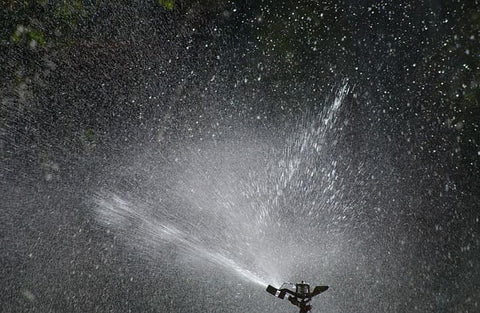
Lawn sprinklers in their simplest form — rotary sprinklers — cover a circular area and need to be moved regularly. More advanced models do not distribute water evenly but instead produce a pulsing action (pulse sprinklers) or can water a defined sector at varying intensities (sector sprinklers). Rectangular sprinklers also fall into this category and are particularly well suited to smaller, rectangular lawn areas.
Multi-area sprinklers can water over 300 square metres from a single position without the need to move the device. Programmable models can store up to 50 different watering positions and irrigate each one with precision.
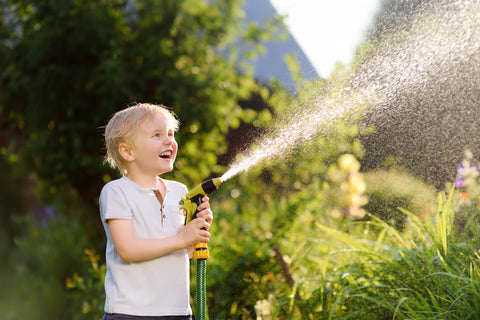
Garden hoses in the common diameters of ¾ inch or ½ inch are available as flexible hoses that are less prone to kinking; self-coiling spiral hoses, which are currently very popular; flat spray hoses with fine perforations that deliver a gentle spray directly onto plants; and soaker hoses, which release water slowly and drop by drop right at the base of plants, minimising evaporation. This drip irrigation is particularly recommended for plants sensitive to excess moisture and is also well suited to balconies and patios.
To avoid temperature shock, black or dark-coloured hoses are often used, as the water sitting in them warms up in the sun — though in strong sunlight the water can become very hot indeed. Once the water in the hose has been used, cold mains or groundwater will naturally follow.
Watering lances for targeted watering and spray nozzles fitted to the end of a garden hose for hand-use ensure gentle watering, as many plants — not just flowers — cannot tolerate high-pressure water jets.
Drip irrigation tubing is widely used in professional horticulture and glasshouses. It increases humidity while delivering water gently and precisely — often along with liquid feed — exactly where it is needed.
Permanently installed electronic irrigation and automatic systems such as sprinkler systems and pop-up sprinklers are expensive to install, and their planning and installation should be entrusted to a specialist — if you prefer a DIY approach, flexible options such as spray hoses are easier to set up and adjust. Underground irrigation systems must be laid with supply pipes made of corrosion- and pressure-resistant materials at a depth of at least 30 to 40 centimetres. Ground pressure must not damage the pipes, while the depth must be sufficient to prevent damage during normal garden work.
The system must be taken into account during all subsequent garden work, particularly when planting trees or shrubs or carrying out hard landscaping.
For all solutions, regular care and maintenance are essential. Particularly in areas with hard water (high in calcium or iron), nozzles and valves can quickly become blocked, reducing irrigation performance and placing unnecessary strain on pump motors.
4.2 Accessories
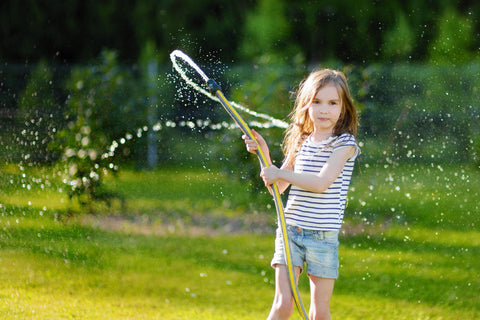
Specialist plant containers — for example those with double-walled construction — can hold a water reserve for plants and help bridge shorter periods of absence without active watering. Combining these with shading measures such as parasols, awnings, or larger shade-providing trees and shrubs is recommended.
Connectors between garden hoses are particularly prone to wear; investing in quality branded fittings here pays dividends, preventing watering sessions from being constantly interrupted by hose extensions popping apart or leaking joints. Properly connected hoses can also be wound onto hose reels in a single length and transported on hose trolleys.
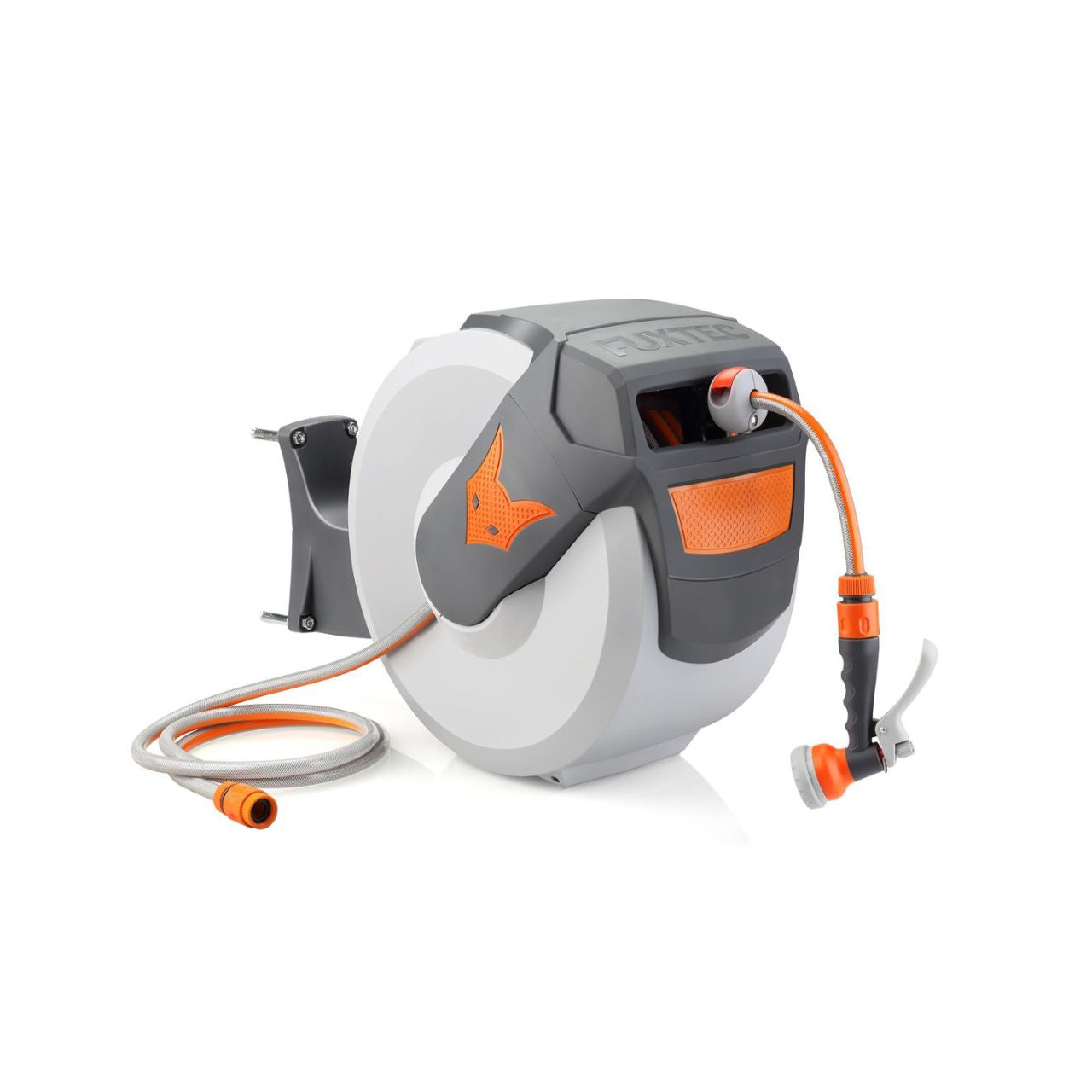
Hose trolleys are made from metal such as stainless steel or robust plastic and make it much easier to lay out and reel in, as well as to transport, long and therefore heavy garden hoses. Hose reel reviews can help identify which models are most highly recommended. For kink-free storage, wall-mounted hose reels are ideal, as are hose boxes, which protect the hose from dirt and the elements when it is not in use.
A watering timer is a mechanical or electronic device for controlling watering schedules and volumes. It helps you keep track of water usage and avoid unwelcome surprises on your water bill. Even in the event of a programming error, the watering timer will automatically shut off after two or three hours.
Computer-controlled irrigation management programmes help save water — particularly when they electronically measure soil moisture and determine for themselves when and how much to water, avoiding over-watering and thus reducing costs and potential damage to your planting.
Good planning not only saves a great deal of time and effort — it pays dividends in multiple ways. The time and care required are absolutely worth investing.
Alles für die Gartenbewässerung
Weitere Beiträge zum Thema Bewässerung
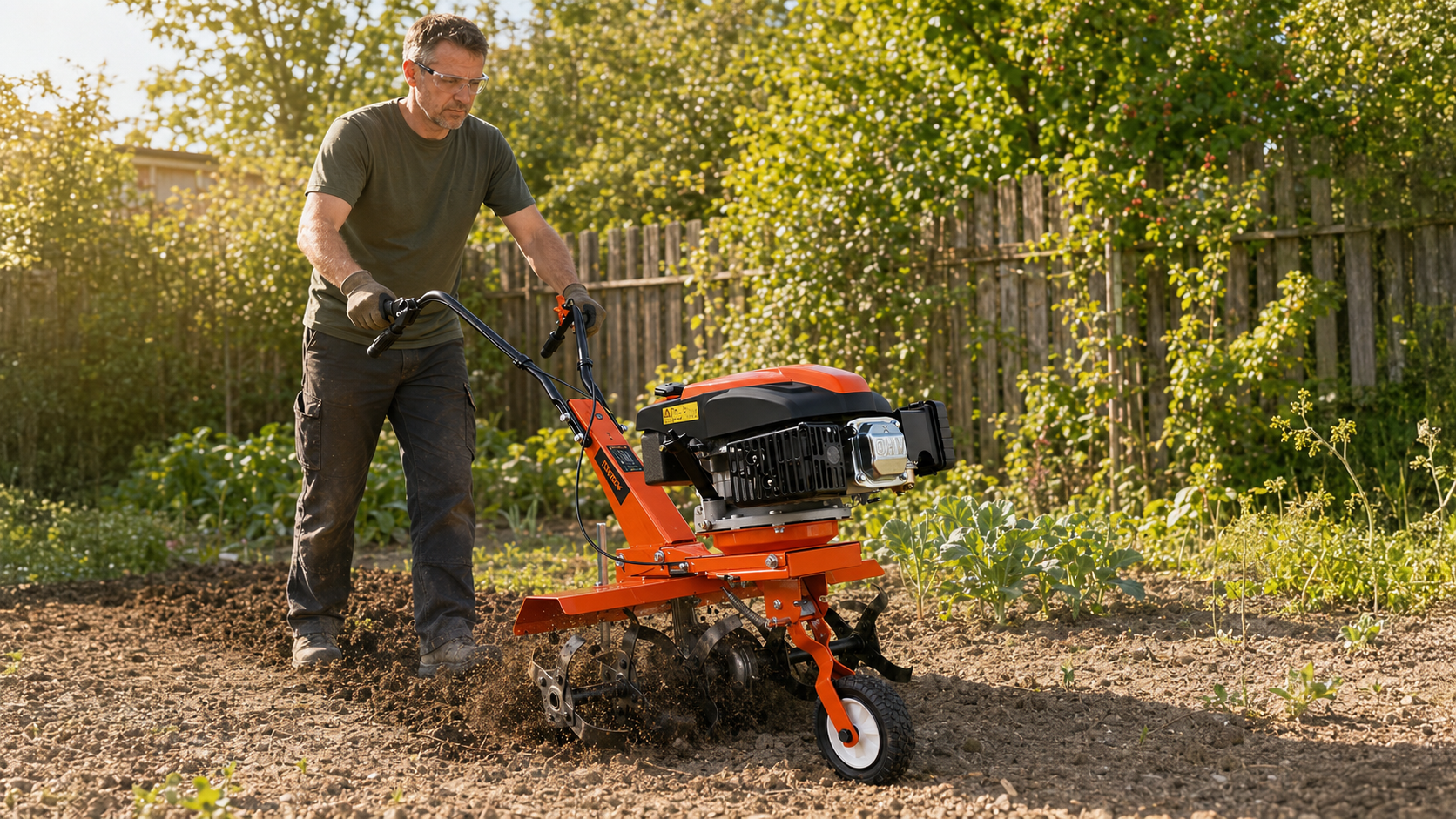
Trockenheit im Garten: Boden lockern, richtig gießen und mit Mulch Wasser sparen
Du gießt das Beet, doch das Wasser bleibt auf der harten Erdoberfläche stehen oder läuft zur Seite ab. Schon nach kurzer Zeit wirkt der Boden wieder trocken, obwohl Du gerade erst zur Gießkanne g...
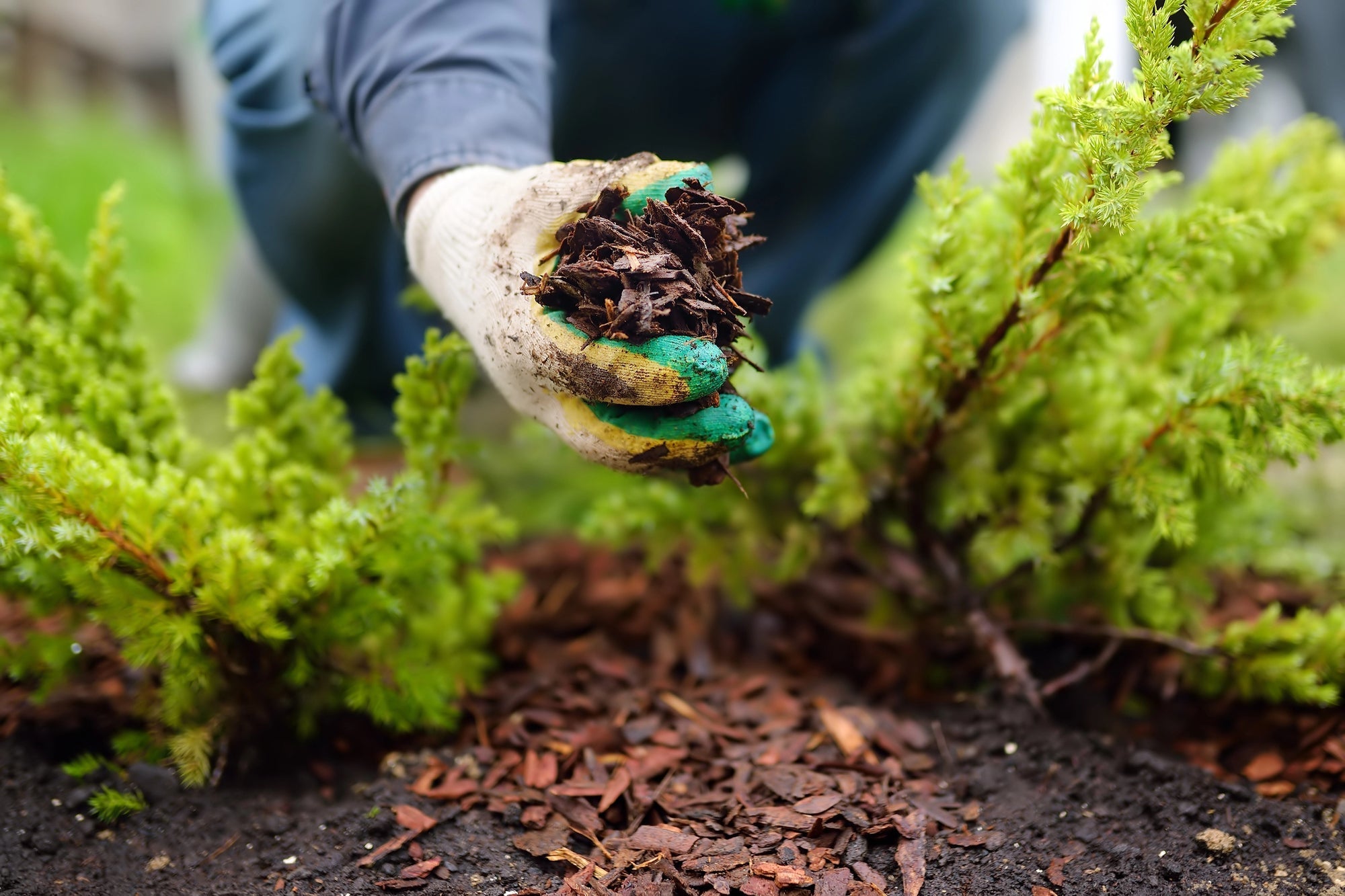
Pine Bark Mulch: The Complete Gardening Guide
Mulching with pine bark is one of the most effective methods in modern gardening and sustainable horticulture. A layer of mulch material is applied to the soil surface to protect and improve the so...
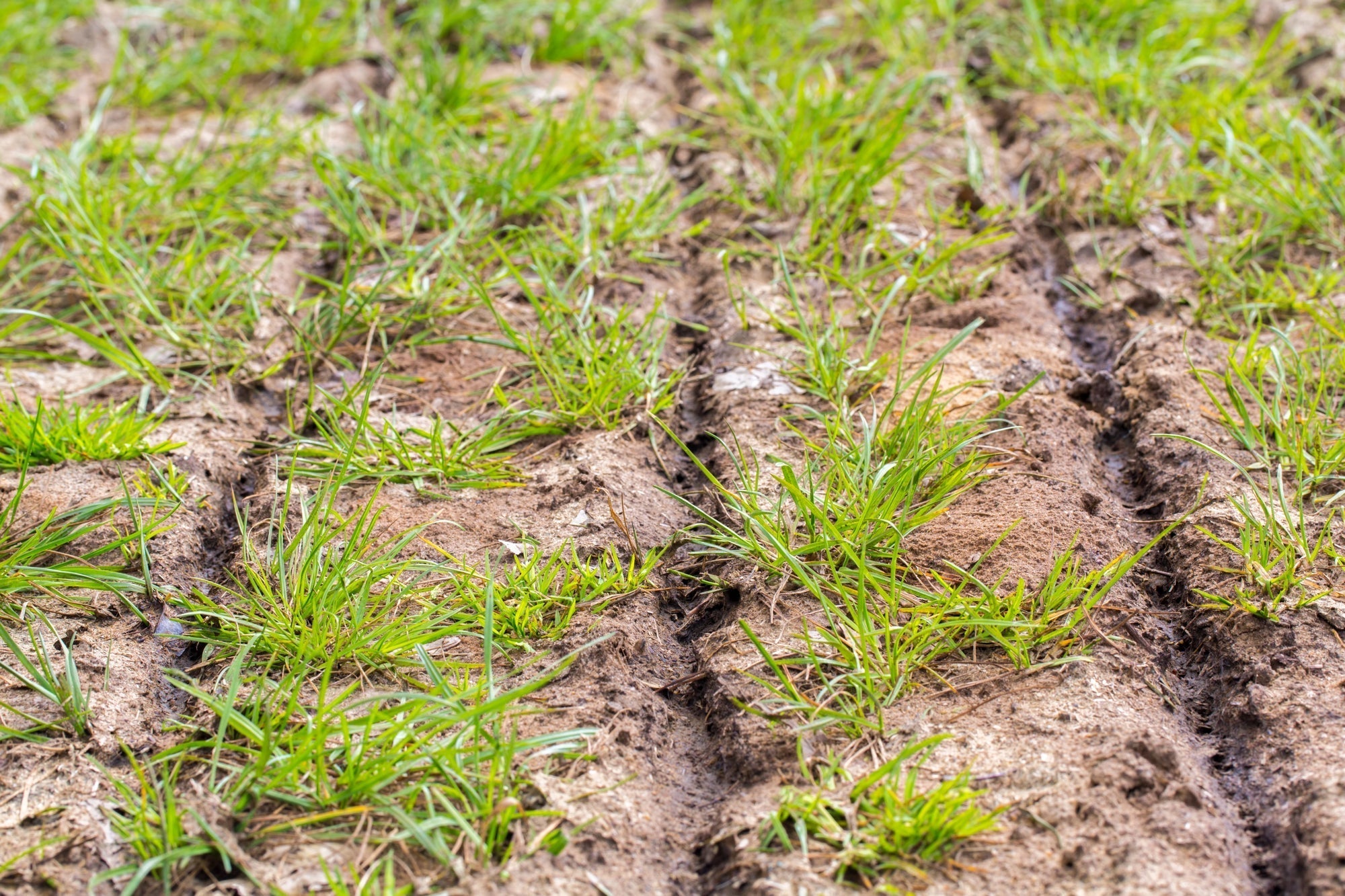
Spring Soil Improvement: Prepare Your Garden Soil
Inhaltsverzeichnis Warum Bodenverbesserung im Garten im Frühjahr so wichtig für einen gesunden Gartenboden ist Gartenboden nach dem Winter prüfen: Bodenstruktur, Verdichtung und Bodenart erke...


