
Rainwater Harvesting in the Garden: Efficiently Collect and Use Rainwater
Rainwater harvesting in the garden is becoming increasingly important: with rising water bills, dwindling resources and the effects of climate change, it makes excellent sense to collect rainwater and use it for garden irrigation. A well-designed rainwater harvesting system not only conserves mains water but also saves you money and reduces the burden on drainage infrastructure and groundwater. In this guide, you'll discover how to collect, store, filter and make the most of rainwater — both in the garden and around the home — including tips on installing your water butt pump from FUXTEC.
Collecting Rainwater: Roof Surfaces, Gutters and Downpipes
The foundation of any rainwater harvesting system is collecting rainwater directly from your roof. A properly sized downpipe channels the water into the guttering, which then directs it via a rainwater diverter into water butts or an above-ground rainwater storage tank. When planning your system, consider the following:
-
Roof pitch and material: Smooth materials such as tiles or metal sheeting contaminate the water less quickly than rougher surfaces.
-
Gutters & downpipes: Ensure the diameters are large enough to prevent overflow during heavy rainfall.
-
Rainwater diverter: An integrated leaf and coarse filter fitted to the downpipe prevents leaves and large debris from entering the water butt.

By catching rainwater at source, you divert the first stage of water use away from the drainage system and into your own private rainwater storage setup. This way, you can meet up to 60% of your annual water demand for the garden and household.
Filtering Rainwater Before Storage
Rainwater harvesting systems require effective filtration to remove leaves, dust and fine particles. A multi-stage filter system typically consists of:
-
Coarse filter in the downpipe: Catches twigs, leaves and insects.
-
Fine mesh screen at the tank inlet: Filters out sand and dirt particles.
-
Activated carbon filter (optional): Removes micro-contaminants and odours when the water is used indoors.
For garden irrigation, a coarse and fine screen is usually sufficient, as adding an activated carbon filter increases both cost and maintenance requirements. That said, a simple stainless-steel fine mesh screen is well worth fitting to remove sediment from the collected water and protect the FX-RTP350 water butt pump from premature wear.
Storage Options: Water Butts, Rainwater Tanks and Underground Cisterns
When collecting and using rainwater, you have several storage options to choose from:
-
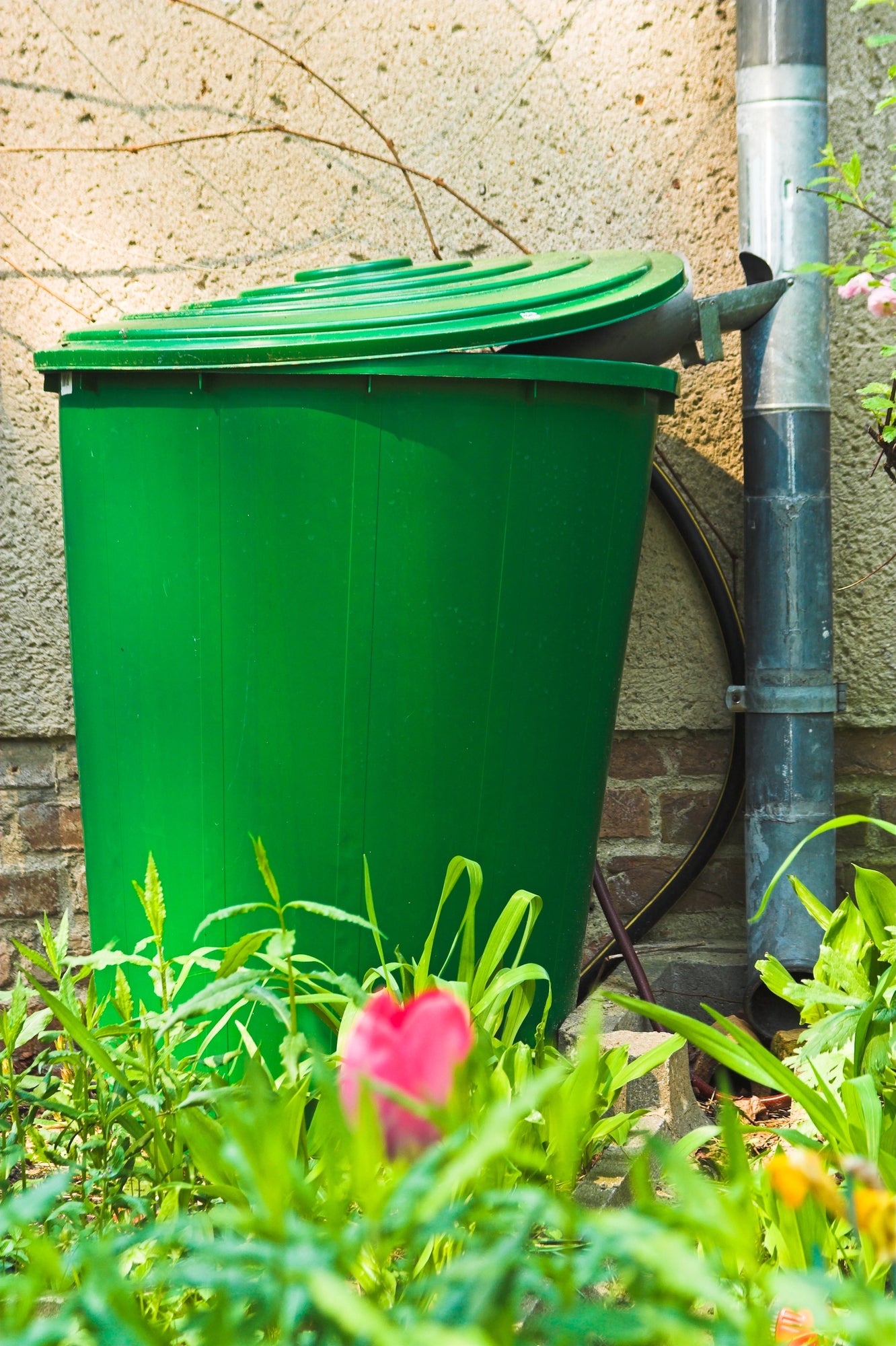
Water butt (200–500 L, plastic): Ideal for beginners — quick to install and easy to move. A secure lid protects against algae growth and mosquitoes.
-
Above-ground rainwater tank (1,000–5,000 L): Larger containers, available in robust plastic or concrete, widely stocked at garden centres.
-
Underground cistern/buried tank (up to 10,000 L): Space-saving when buried in the ground, minimising evaporation and temperature fluctuations. Installing an underground cistern does, however, require groundworks and professional installation.
Linking several water butts together gives you a flexible above-ground storage system. In the long run, however, the investment in an underground cistern pays off, as greater capacity and lower evaporation rates mean more usable rainwater throughout the year.
Installing a Rainwater Harvesting System in Your Garden
A solid rainwater harvesting system connects the collection element, filter system, storage tank and distribution pump. Follow these steps:
-
Prepare the roof surface: Clean the guttering and fit the rainwater diverter to the downpipe.
-
Install filter modules: Fit coarse and fine mesh screens to remove dirt and sediment.
-
Pipework installation: Run pipework from the downpipe to the tank inlet and fit ball valves for maintenance access.
-
Pump connection: Position the FX-RTP350 water butt pump inside the water butt or tank, following the model's specifications.
-
Distribution system: Run hoses to your beds and raised beds, using FUXTEC hoses for optimum flow rate.
Ensure all pipe connections are laid with frost protection in mind and that tank lids seal securely. For underground buried tanks, professional installation advice is strongly recommended.
Pumps and Distribution: FUXTEC Water Butt Pump FX-RTP350
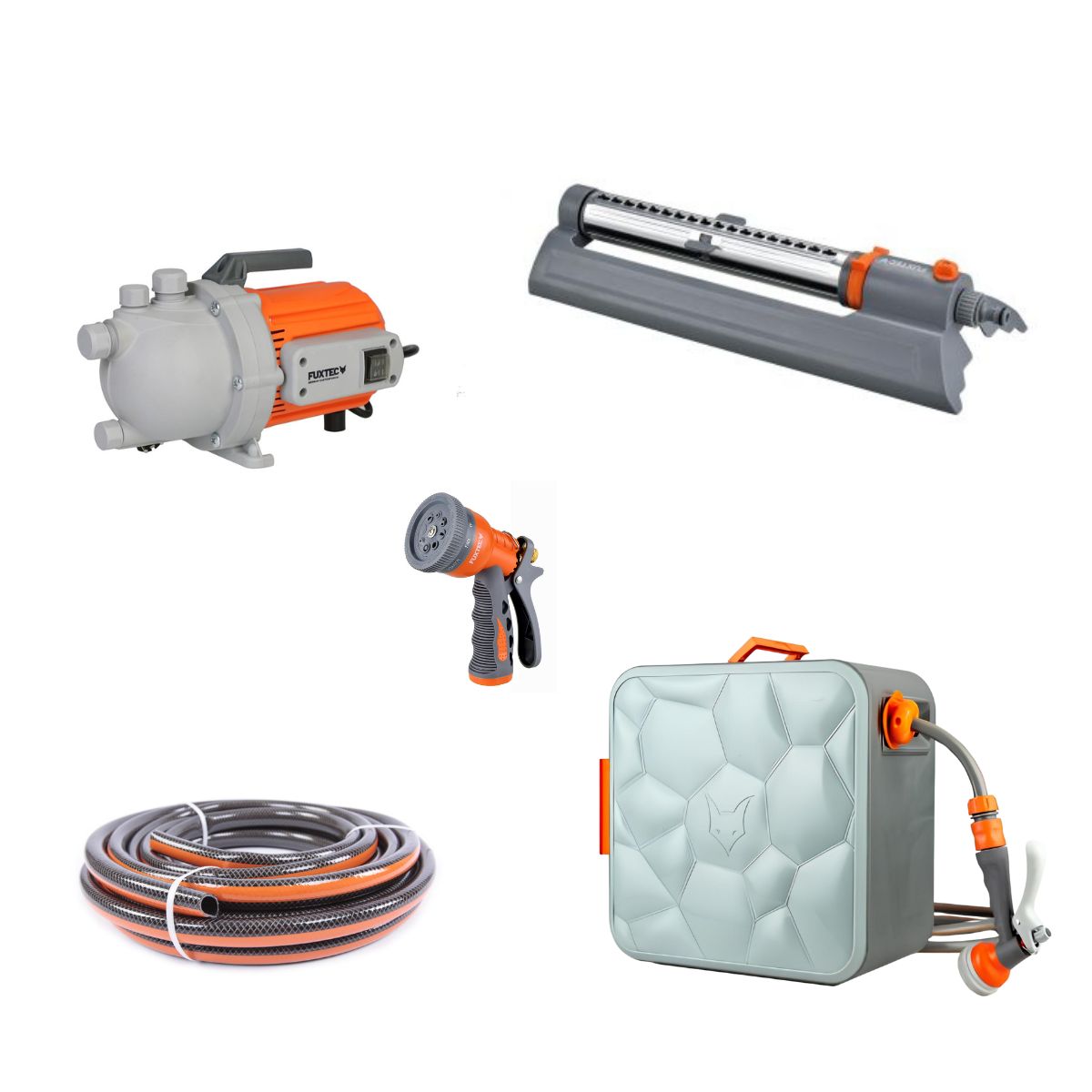
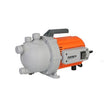
The FX-RTP350 water butt pump is the heart of your rainwater harvesting setup, ensuring that the collected rainwater from water butts, rainwater tanks or underground cisterns is reliably delivered to your irrigation system. When it comes to rainwater harvesting for the home and garden, a pump is essential if you want to use soft rainwater as grey water for garden irrigation or even for indoor applications. With 350 W of power, it draws water consistently and efficiently from both above-ground and underground storage tanks.

Compared with using mains tap water, the FX-RTP350 noticeably reduces your water consumption and helps cut your bills — the more rainfall you capture via your guttering and diverter into flat tanks, buried tanks or rainwater storage tanks, the less mains water you need. Thanks to the integrated non-return valve, no water can siphon back through the suction hose, and the robust construction guards against contaminant ingress. The pump can be placed into any tank or water butt quickly and easily, with minimal installation effort.
By combining a rainwater diverter, pre-filter and the FX-RTP350, you create a fully comprehensive rainwater harvesting system. You can now collect and use rainwater — whether for your garden plants, topping up a garden pond, or even for household use after additional filtration. In this way, every roof surface and every water butt becomes a valuable source of soft, low-lime water that nourishes your plants beautifully without scale, while also easing the load on the urban drainage network.
Using Rainwater for Garden Irrigation and Around the Home
With the right pump, rainwater harvesting in the garden becomes truly convenient and versatile. FUXTEC offers a range of specialised models for different applications, all of which integrate seamlessly into your rainwater harvesting system.
FX-RTP350: Compact All-Rounder for Water Butts
The FX-RTP350 water butt pump discussed above is ideal if you want to collect and use rainwater without any hassle. With a flow rate of up to 350 l/min, it supplies your drip irrigation or lawn sprinklers directly from the water butt. Thanks to the integrated dry-run protection, it safeguards itself against damage if the water level in the tank runs low. Your garden stays perfectly watered while you save money by using less mains water.
FX-GP2800: Power for Flat Tanks and Mobile Supply
If you're planning a larger garden irrigation setup or want to draw rainwater from several cisterns simultaneously, the FX-GP2800 garden pump is the answer. It pumps up to 3,400 l/h from flat tanks or above-ground storage vessels and maintains consistent pressure even when water needs to travel through longer hose runs. This makes it an excellent choice for the automated irrigation of beds, raised beds and garden pond feeds — perfect for rainwater harvesting in the garden.
FX-TP11100INOX: Stainless Steel Submersible Pump for Cisterns
For drawing water from a deep buried tank or underground cistern, the FX-TP11100INOX stainless steel submersible pump delivers outstanding performance. With its corrosion-resistant housing and a pump output of up to 11,000 l/h, it is built for continuous operation in a rainwater storage tank. You can feed water directly into your home's plumbing to supply, for example, toilet flushing or the washing machine — a smart solution for reducing mains water consumption and conserving resources.
FX-WP152: Independent Petrol Pump for Maximum Flexibility
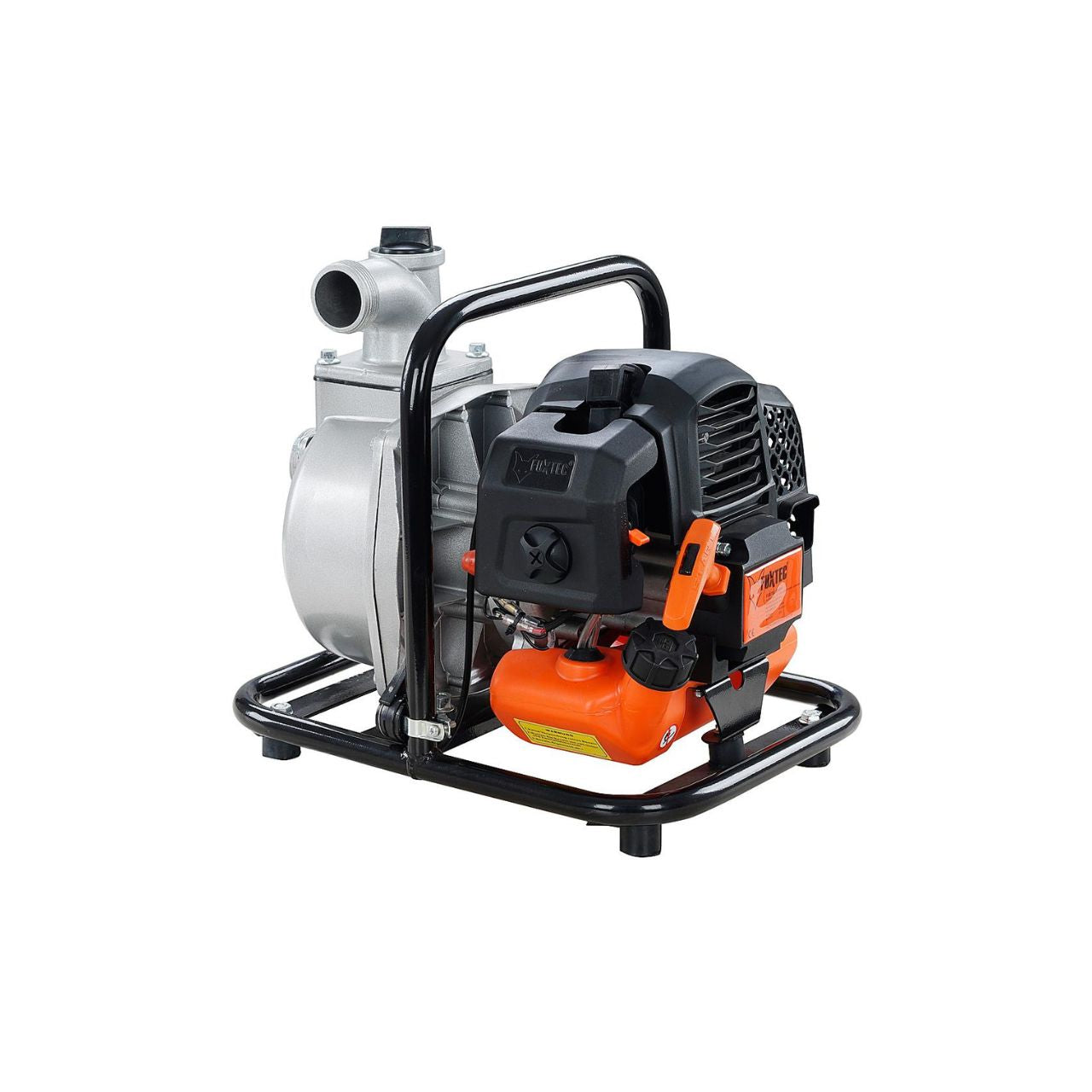
Sometimes there's no mains electricity available, or you need to pump rainwater that is stored at a distance. This is where the FUXTEC petrol pump FX-WP152 comes into its own: a flow rate of up to 15,000 l/h makes it possible to draw rainwater from remote collection tanks or large flat tanks. Whether you're working in outbuildings without a power supply or in remote areas of your property, this pump remains ready for action and reliably delivers.
Integration Into Your System
Whether it's an above-ground water butt, a buried underground cistern or several tanks linked in series: with the right FUXTEC hoses (e.g. FX-SCB19, FX-SCB25 and FX-SCB32) and robust fittings, you can ensure that no dirt enters your collected rainwater. Simple downpipe installation using rainwater diverter adaptors means the water is already coarsely pre-filtered at the point of collection.
By making targeted use of these pump models, you optimise the use of rainwater across the board — from your garden beds to your household supply. Every metre of guttering and every litre of collected rainwater is put to good use, reducing your water consumption and making an active contribution to the sustainable management of rainwater.
Maintenance and Upkeep of Your Rainwater Harvesting System
To keep your system working reliably over the long term, regular maintenance is essential:
-
Clean the rainwater diverter: Remove leaves and debris in spring and autumn.
-
Filter maintenance: Rinse fine mesh screens and coarse filters at least every two months.
-
Pump check: Test the FX-RTP350 for correct operation and check for leaks.
-
Tank inspection: For underground tanks, inspect the floor for sediment once a year and pump it out if necessary.
Only by keeping on top of maintenance will you prevent dirt and scale from reducing efficiency and causing blockages in your water butts.
Investment, Grants and Saving Money
Rainwater harvesting for the home and garden typically pays for itself within a few years. Beyond the direct saving on water bills, you may also benefit from:
-
Water and sewerage charges: savings of up to 50%.
-
Local authority grants: some councils and water companies offer incentives for water butts, rainwater diverters and cisterns.
-
Reduced water bills: investing in rainwater harvesting can significantly lower your annual household water expenditure over time.
Check with your local council and water company early on to find out what support may be available, so you can make the most of your investment and save money in the long run.
Conclusion: Sustainable Rainwater Harvesting in the Garden
With careful planning, an effective filtration system, the right storage solution and the powerful FX-RTP350 water butt pump from FUXTEC, you can set up a fully comprehensive rainwater harvesting system. You'll be able to collect and use rainwater for garden irrigation, household applications and reducing your running costs. Whether you opt for a mobile water butt arrangement or install an underground cistern, every approach helps to conserve resources, save money and keep your home and garden sustainably watered. Invest in rainwater harvesting today and enjoy the long-term benefits of soft, scale-free water for a greener, healthier garden.