




Schattengarten gestalten Titelbild
Shade Garden Design: Plants, Tips & Ideas
- Welche Standorte sich für einen Schattengarten eignen
- Schattengarten planen: Schritt für Schritt zur grünen Oase
- Die richtigen Pflanzen für den Schattengarten finden
- Schattengarten gestalten mit Struktur und Stil
- Pflegeaufwand und Tipps für dauerhaft schöne Schattengärten
- So holst Du das Beste aus schattigen Ecken im Garten raus
- FAQ
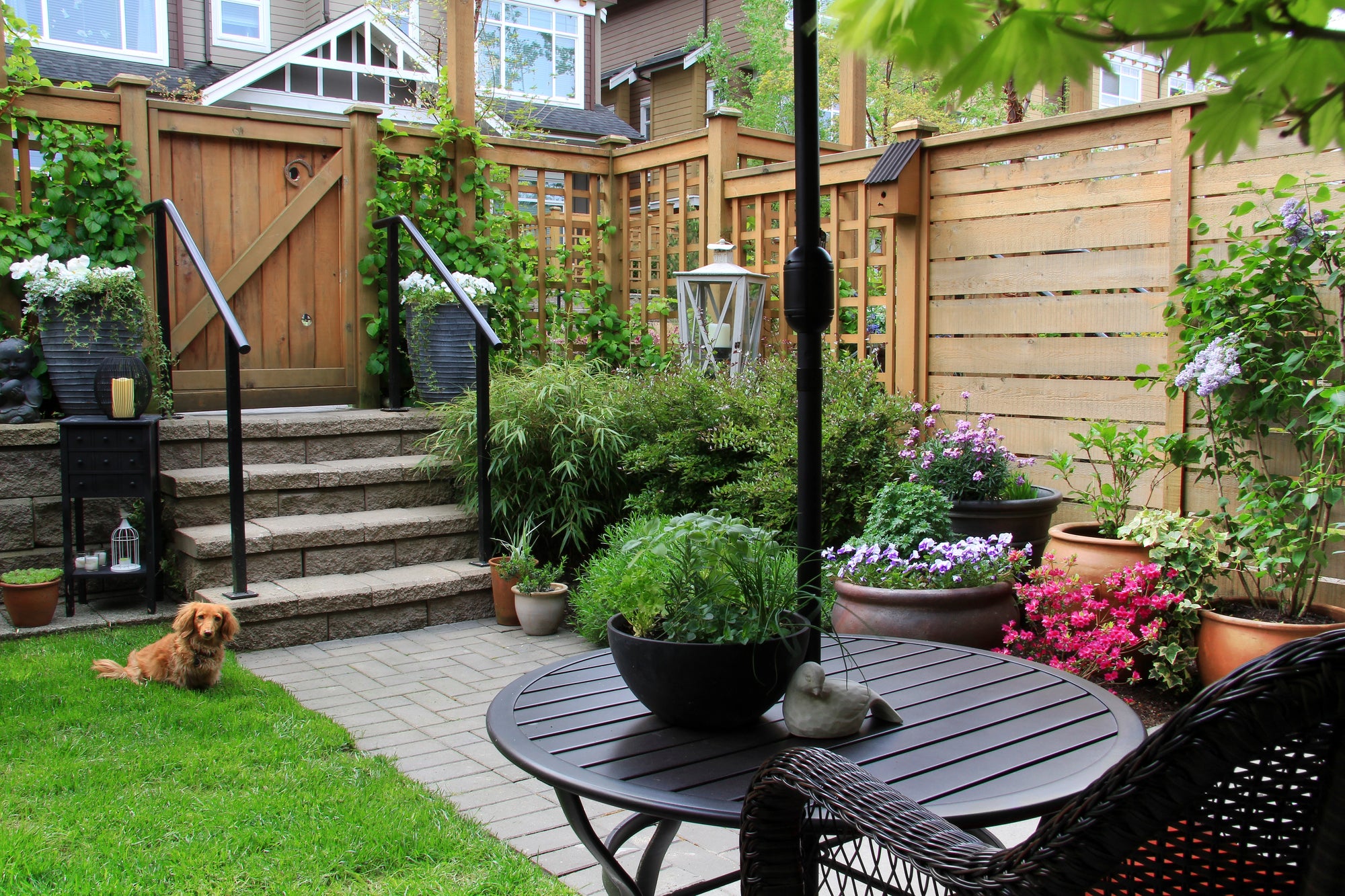
A shade garden is far more than just a last resort for dark corners of your garden. With the right planning, you can create a lush, tranquil retreat that delights with foliage, structure, and even flowering accents.
Particularly in summer, a shaded garden area becomes a wonderfully cool refuge. But how do you go about designing such a space? Which plants thrive there? And how much maintenance does it really require?
As garden experts at FUXTEC, we're taking you on a tour of the most important aspects and showing you how to design a shade garden properly!
Which locations are suitable for a shade garden

A shade garden needs – as the name suggests – shade. But not all shade is the same. When planning, it's essential to determine whether you're dealing with full shade, partial shade or dappled shade.
The location largely determines which plants will actually thrive there. Beneath large trees such as horse chestnut or beech, you'll often find deep full shade. North-facing house walls or garage walls also cast shade throughout the day. These zones are ideal for classic shade gardens.
Partially shaded areas – for example beneath loosely canopied shrubs or in the dappled shade of fruit trees – offer a little more flexibility when it comes to planting. Many shade perennials such as hostas or astilbes feel particularly at home here.
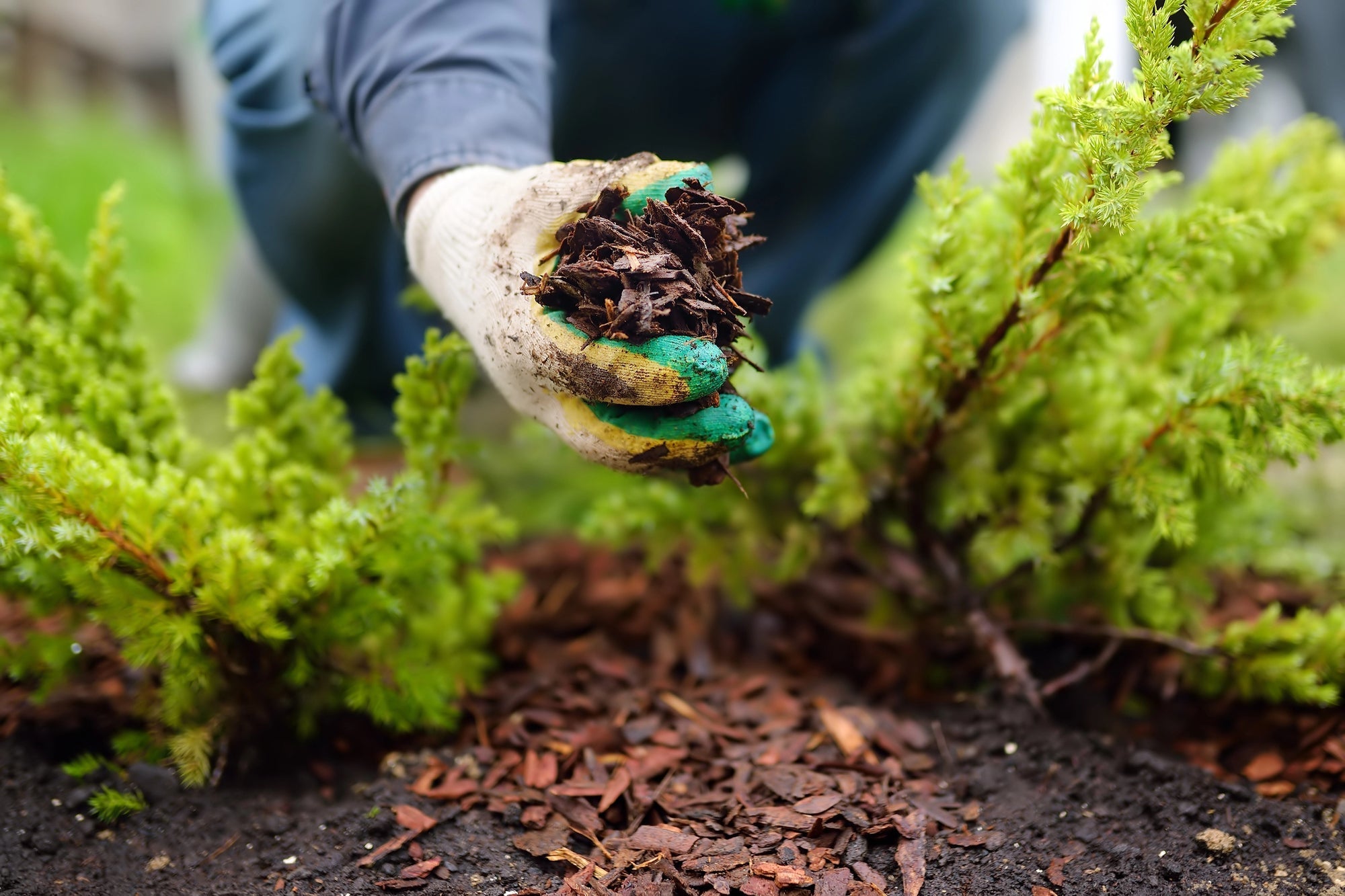
Important: Pay attention to soil conditions too. Under tree canopies, the soil is often dry and low in nutrients. Incorporating garden compost or bark mulch can help to improve conditions. You can also consult our guide on soil improvement for tips on how to prepare the ground optimally.
A handy tip: In spring or summer, use canes or small stakes to mark areas where no direct sunlight reaches throughout the day. This gives you a much clearer sense of the location – particularly useful when you're planning a smaller shade garden.
Planning a shade garden: step by step to your green oasis
As with any part of the garden, a well-thought-out plan is half the battle when it comes to a shade garden. Start with a sketch of your garden and mark out shaded spots, shrubs, and any changes in level.
Good planning also takes into account how you want to use the garden: as a quiet retreat with seating? Or more as a flowering space for perennials and ground cover?
The following steps will help you with your planning:
- Identify the type of shade: partial shade, full shade, or variable?
- Check the soil for moisture and nutrient levels.
- Define your desired style (e.g. low-maintenance, flower-rich, structurally focused).
- Consider the layering of plants by height (e.g. shrubs, perennials, ground cover).
- Plan access routes and pathways – especially important for creating structure in darker areas.
In a shade garden, structure and form are particularly important. Whilst sun-drenched gardens can often play with colour, shade gardens are dominated by foliage plants, interesting leaf shapes, and textures. Plants such as hostas, epimedium, heuchera, or sweet woodruff create wonderful focal points here.
Practical tip: Our cordless hedge trimmer FX-E1HH20 is excellent for shaping existing hedges and bringing more structure to your shade garden.
Finding the right plants for your shade garden

The range of plants suitable for a shade garden is greater than many people realise. The key is to choose shade-tolerant species that can manage with limited light and still grow well.
These fall into several categories: evergreen shrubs, deciduous shrubs, decorative foliage perennials and flowering shade specialists.
Also make sure your plant selection works together harmoniously in terms of both colour and structure – because in shade, plants are primarily defined by their form and leaf texture.
Some of the best plants for shaded spots include:
- Hostas – with their decorative leaves in green, blue-green or even cream-green, they are true stars of the shade garden.
- Epimedium (Barrenwort) – delicate yet robust, perfect as ground cover.
- Astilbes – bring colour to the shade with their feathery plumes, a real highlight.
- Heuchera (Coral Bells) – particularly popular for their striking decorative leaf colours.
- Ferns – bring structure and a woodland feel.
- Rhododendrons – for added volume and attractive blooms in partially shaded spots.
Important: Evergreen plants such as ivy or mahonia also provide year-round structure. If you want to keep shaded corners of your garden looking attractive throughout the year, these plants are a must. For taller accent plants, consider shrubs such as viburnum, witch hazel, or amelanchier – all of which do well in partial shade.
In our range you'll find not only planting advice, but also suitable care products and tools, such as the garden secateurs FX-SPS3, with which you can properly prune even delicate shade perennials.
Designing a shade garden with structure and style

Shaded garden areas thrive on contrasts – not in colour, but in leaf shapes, heights, and textures. Large leaves alongside delicate ferns, compact ground cover alongside loosely growing perennials – it is precisely this interplay that makes a shade garden so special.
To ensure your garden design feels cohesive rather than haphazard, it's worth following the principle of layering: tall plants at the back, mid-height ones in the middle, and low ground cover at the front edge.
The combination of structure and style can be beautifully complemented with decorative elements:
- Paths made from natural stone or timber
- Seating areas with shade-providing overhead cover
- Decorations in metal or ceramic
- Water features such as small millstone fountains or bird baths
You can also extend shade gardens vertically with climbing plants such as clematis or ivy – perfect for fences or walls in shade. These plants add height and create a sense of enclosure and cosiness.
If you're looking to design a smaller shade garden, a cohesive approach to materials and colours is recommended. Less is more – a harmonious look is achieved through repetition and smooth transitions. Light-coloured decorative elements and targeted lighting accents, such as solar lights, can be very effective.
An extra tip from us: Many of our customers refer to our shade lawn guide when it comes to establishing grass in shaded garden areas. There you'll find out which grass seed varieties stay green and dense even under challenging conditions.
Maintenance and tips for a beautiful shade garden all year round
One of the greatest advantages of shade gardens is their comparatively low maintenance requirements – provided you have chosen the right plants and planned carefully.
Many shade plants manage with less water, as they are not exposed to direct sunlight and the soil retains moisture more effectively. That said, regular care tailored to the location is essential if you want to enjoy your green retreat for years to come.
A few key maintenance tips at a glance:
- Use bark mulch to retain soil moisture and suppress weeds.
- Feed shade-loving plants sparingly – they grow more slowly and require fewer nutrients.
- Regularly remove spent flowers and dead foliage to help prevent fungal disease.
- Cut back lightly in spring so that plants such as hostas and astilbes can shoot well.
Particularly in shaded spots beneath large trees, it's important to consider competition for water. Use deep-rooted species where possible, or support your plants with targeted watering.
If you're looking for a particularly low-maintenance shade garden, opt for robust foliage perennials, ground cover, and evergreen plants that look attractive without constant intervention. Species such as ivy, epimedium, or wild strawberry cover large areas without requiring you to constantly tend to them.
Making the most of shady corners in your garden

A shaded garden area is not just a design challenge – it is also a fantastic opportunity. Whilst many plants struggle in full sun, others flourish particularly well in partial or full shade.
When you work with light and shade, fascinating effects emerge, especially in combination with foliage and subtle blooms.
Make use of the structure of your surroundings, including trees and shrubs, to create a dynamic garden scene. Combine tall shrubs, mid-height perennials such as astilbe, heuchera, or spirea with low-growing ground cover – the result is a harmonious, well-composed planting scheme.
A handy overview to help you choose the right plants:
| Plant | Light conditions | Special feature |
|---|---|---|
| Hosta | Partial shade – full shade | Large leaves, low-maintenance |
| Fern | Full shade | Structural, woodland feel |
| Epimedium (Barrenwort) | Full shade | Ground cover, delicate |
| Heuchera (Coral Bells) | Partial shade | Decorative foliage, colourful |
| Hydrangea | Partial shade | Flowering, decorative |
Whether you want to design a shaded front garden, create shade borders, or plan an entire shade garden from scratch – with the right plants, clever structure, and thoughtful care, what was once a dull and forgotten spot can become a truly eye-catching space full of character.
Discover our range of garden tools
What plants grow well in deep shade?
Hostas, ferns, epimedium, and ivy are excellent choices for full shade areas. These shade-tolerant species thrive with minimal light and are prized for their decorative foliage and interesting textures rather than flowers.
Do shade gardens need less watering?
Yes, shade gardens generally require less water than sunny areas because soil retains moisture better without direct sunlight exposure. However, if plants are under large trees, they may compete for water and benefit from targeted watering during dry spells.
How do I design a shade garden that looks good all year?
Layer plants by height, combine foliage textures and leaf shapes, and include evergreen plants like ivy and mahonia for year-round structure. Add decorative elements such as pathways, seating areas, and lighting accents to enhance visual interest.
What should I do about poor soil under trees?
Improve soil conditions by incorporating garden compost or bark mulch, which helps retain moisture and adds nutrients. Mulch also suppresses weeds and creates a more hospitable environment for shade plants.
Are shade gardens low maintenance?
Shade gardens are comparatively low maintenance if you select the right plants and plan carefully. Shade-loving perennials grow more slowly and need less feeding, though regular removal of dead foliage helps prevent fungal disease.
Can I grow flowering plants in a shade garden?
Absolutely – astilbes, hydrangeas, and rhododendrons are excellent flowering plants for partial shade. However, shade gardens are primarily valued for their foliage, and flowers serve as lovely accents rather than the main focus.
More articles about garden care

Trockenheit im Garten: Boden lockern, richtig gießen und mit Mulch Wasser sparen
Du gießt das Beet, doch das Wasser bleibt auf der harten Erdoberfläche stehen oder läuft zur Seite ab. Schon nach kurzer Zeit wirkt der Boden wieder trocken, obwohl Du gerade erst zur Gießkanne g...
Pine Bark Mulch: The Complete Gardening Guide
Mulching with pine bark is one of the most effective methods in modern gardening and sustainable horticulture. A layer of mulch material is applied to the soil surface to protect and improve the so...
Spring Soil Improvement: Prepare Your Garden Soil
Inhaltsverzeichnis Warum Bodenverbesserung im Garten im Frühjahr so wichtig für einen gesunden Gartenboden ist Gartenboden nach dem Winter prüfen: Bodenstruktur, Verdichtung und Bodenart erke...


