

Gemauertes Hochbeet mit frisch gepflanztem Salat, Mangold, Grünkohl und Kräutern.
Raised Bed Planting: Year-Round Growing Guide
- Warum ein Hochbeet bauen?
- Standort für Dein Hochbeet finden
- Materialliste und Werkzeug – alles, was Du brauchst
- Hochbeet aus Holz selber bauen – Schritt-für-Schritt-Anleitung
- Hochbeet aus Paletten bauen – einfach selber bauen
- Hochbeet aus Stein selber bauen – robust und langlebig
- Hochbeet befüllen und bepflanzen – so geht’s richtig
- Hochbeet ganzjährig bepflanzen und pflegen
- Schutz vor Wühlmäusen und anderen Schädlingen
- Dein kompaktes Merkblatt: Alles Wichtige auf einen Blick
You want to plant your raised bed to significantly extend the growing season, avoid frost and give your plants ideal growing conditions. In this guide, we show you step by step how to fill your bed correctly, which plants you should sow or plant when for growing vegetables, and how to ensure optimum nutrients with simple tools from FUXTEC garden watering.
Why You Should Plant Your Raised Bed: The Year Planner for Every Season
A raised bed is much more than just a bed at hip height. When you plant your raised bed, you benefit from better growing conditions and easier gardening. In the first year, setting up your bed structure is crucial. You decide which layers are needed in the raised bed to provide sufficient nutrients. A well-thought-out year planner helps you start with frost-sensitive varieties in spring, bring in a full harvest in summer, and grow storage vegetables once more in autumn.
The advantage lies in the microclimate: your plants in the raised bed are protected from ground frost. You can begin sowing as early as March. From April, the first seedlings follow. In the second year, you additionally benefit from the residual matter from the previous year. This saves you money on expensive seeds and supplies the bed with plenty of compost. By growing in a raised bed, you ensure that the nutritional needs of your plants are always met.
Filling a Raised Bed Correctly: Laying the Foundation for Strong Plants
The first step when you want to plant your raised bed is filling it. Begin with coarse prunings or branches to create good drainage. On top of this comes a layer of twigs, leaves and lawn clippings. Then distribute well-rotted compost and garden soil. This way, your raised bed in the garden regulates moisture and provides plants with plenty of nutrients on an ongoing basis.
Once you have levelled the coarser layers, a final layer of planting compost follows. It is ideal for lettuce, spinach and radishes, as it stays loose and free-draining. If you are setting up a bed for the first year, you can try out a test cut at home with our cordless chainsaw set – precise and powerful – and use the excess cuttings directly for drainage.
"A raised bed acts like a small greenhouse and allows you to harvest vegetables and herbs as early as March." – Charles Dowding
The ideal planting scheme: which plants are suited to a raised bed
Not every plant thrives equally well in a raised bed. Light feeders such as lettuce and radishes require relatively little compost and loosen the soil for subsequent crops. Medium feeders such as spinach and kohlrabi need good soil and regular feeding, while heavy feeders such as courgette and pepper require high nutrient reserves and more space for rooting. Herbs in the raised bed – such as basil or chives – are easy to integrate with little effort and in combined companion planting schemes.
| Plant | Feeder Type |
|---|---|
| Lettuce | Light feeder |
| Spinach | Medium feeder |
| Radishes | Light feeder |
| Courgette | Heavy feeder |
| Herbs (basil, chives) | Light feeder |
With this mix of herbs and vegetables, you build a balanced ecosystem. Plant seedlings directly into the raised bed in April and sow robust varieties such as peas or chard as early as March. This way, your bed is used to its full potential and stays healthy for a long time.
Companion Planting in the Raised Bed: How the Ideal Planting Scheme Works
The key to successful companion planting in a raised bed lies in combining different vegetable varieties so that they support one another and meet their nutritional needs optimally. Light feeders such as lettuce and radishes extract only a small amount of nutrients, whilst medium feeders such as kohlrabi or chard require a little more compost and fertiliser. Heavy feeders such as courgette and pepper need particularly high levels of nutrients and benefit from having beans growing alongside them, which fix nitrogen and return it to the bed. In this way, you ensure that your vegetable plants in the raised bed never go hungry and that the layers in the raised bed are used evenly.
If you would like to plan companion planting in your raised bed with vegetables, a simple list of recommended combinations will help you:
- Lettuce with radishes
- Courgette with beans
Kohlrabi with chard
These planting pairs deter pests, loosen the soil and mutually promote growth. Through targeted companion planting, you can distribute your vegetables in the raised bed optimally and achieve a rich harvest even in the first year.
Feeding in the Raised Bed: Tips for Healthy Plants
Correct feeding is essential to ensure your raised bed is supplied with optimum nutrients. Begin each season by applying a layer of well-rotted compost. Compost provides many nutrients and improves soil structure. For medium and heavy feeders, you should also work organic fertiliser into the bed. Light feeders can usually manage with the base dressing of compost. Make sure to distribute the fertiliser evenly and hoe it in lightly so that it takes effect more quickly.
During the growing phase, a liquid feed is ideal for responding precisely to current nutritional needs. With a regular feeding schedule every four to six weeks, you supply your seedlings, lettuce, spinach and pepper with a constant source of important minerals. This prevents deficiency symptoms and ensures that your plants in the raised bed remain healthy and thrive optimally.
Growing Vegetables in a Raised Bed Year-Round: How to Harvest All Year
If you want to plant your raised bed all year round, you start as early as March or April with frost-hardy varieties such as lamb's lettuce, spinach and radishes. From April, you can plant seedlings such as chard or leek directly into the bed. From mid-May, warm-loving vegetable varieties such as courgette and pepper follow. A cold frame top and a fleece tunnel extend the season even further and protect against frost.
In autumn and winter, robust vegetable varieties such as kale, winter spinach and lamb's lettuce are recommended. With garden fleece and a small fleece tunnel, you ensure that your plants in the raised bed are protected from wind and weather. Leftovers from the harvest go into the FUXTEC garden waste bin and are turned into valuable compost, which you work back into your bed the following spring: garden waste bin.
Pests & Disease Prevention in the Raised Bed
Even in a raised bed, slugs, aphids and other pests can appear. A companion planting scheme with heavy-feeding and light-feeding plants keeps the ecosystem in balance and weakens pests. Marigolds or edible flowers at the edge of the bed attract beneficial insects. Anyone who checks regularly for the spread of aphids prevents them from multiplying uncontrollably.

A further tip is to remove dead leaves regularly and keep the bed well ventilated. Hinges on covers allow targeted airing to improve air circulation. This helps you prevent fungal infections and rot. Under heavy pest pressure, a spray of neem oil or a soap solution helps – gentle remedies that do not harm your robust plant companions.
Your To-Dos at a Glance
- Fill raised bed: drainage layer, compost, planting compost
- Plan companion planting: combine light feeders, medium feeders and heavy feeders
- Feeding: compost at the start of the season, liquid feed every 4–6 weeks
- Implement year planner: sow in March, seedlings from April, warm-season crops from May, winter vegetables from autumn
- Pest control: companion planting, encourage beneficial insects, regular ventilation
- Season extension: use cold frame top, fleece tunnel and garden fleece
Discover our range of garden tools
What is the best way to fill a raised bed?
Start with a drainage layer of coarse prunings or branches, followed by twigs, leaves and lawn clippings. Then add well-rotted compost and garden soil, and finish with a layer of planting compost. This creates good drainage and provides plants with ongoing nutrient supply.
When can I start planting in a raised bed?
You can begin sowing frost-hardy varieties like spinach and radishes as early as March. From April, plant seedlings directly into the bed, and from mid-May introduce warm-loving crops such as courgettes and peppers.
Which vegetables grow best together in a raised bed?
Pair light feeders like lettuce and radishes with medium feeders such as kohlrabi and chard, and heavy feeders like courgettes with beans, which fix nitrogen in the soil. This balanced approach ensures all plants get the nutrients they need whilst maintaining soil health.
How often should I feed my raised bed vegetables?
Apply well-rotted compost at the start of each season. During the growing phase, use liquid feed every four to six weeks to supply seedlings, lettuce, spinach and pepper with essential minerals and prevent deficiency symptoms.
Can I grow vegetables in a raised bed during winter?
Yes, you can grow robust varieties such as kale, winter spinach and lamb's lettuce in autumn and winter. Use garden fleece or a fleece tunnel to protect your plants from frost, wind and severe weather.
What pests affect raised beds and how do I control them?
Slugs, aphids and other pests can appear in raised beds, but companion planting helps keep the ecosystem balanced and weakens pests. Remove dead leaves regularly, encourage beneficial insects with marigolds, and use gentle remedies like neem oil or soap solution under heavy pressure.
How does a raised bed create better growing conditions?
A raised bed acts like a small greenhouse, protecting plants from ground frost and allowing you to start sowing earlier in the season. The controlled layers regulate moisture effectively and provide consistent nutrients, whilst the microclimate extends your growing season significantly.
More articles about garden care
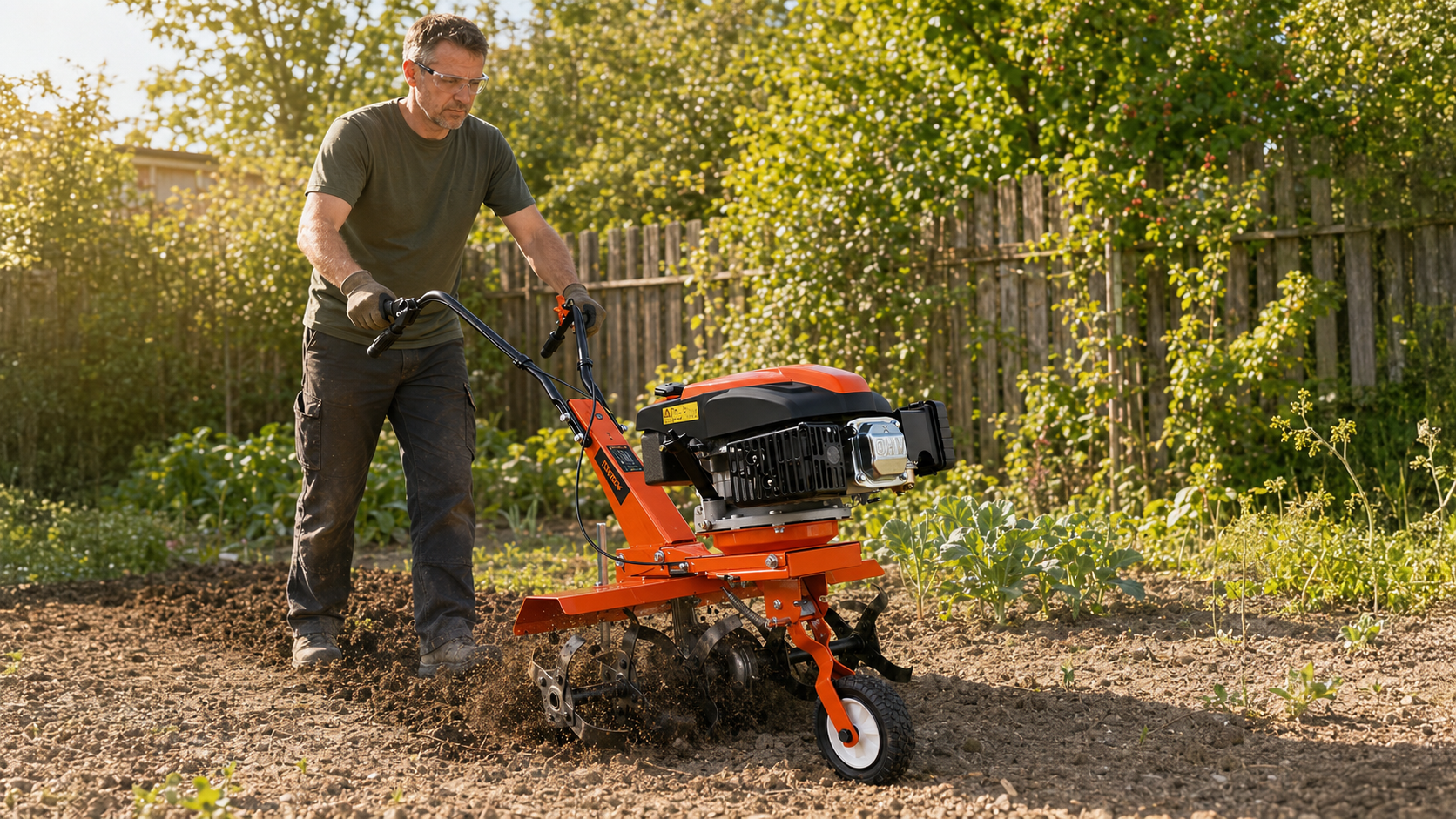
Trockenheit im Garten: Boden lockern, richtig gießen und mit Mulch Wasser sparen
Du gießt das Beet, doch das Wasser bleibt auf der harten Erdoberfläche stehen oder läuft zur Seite ab. Schon nach kurzer Zeit wirkt der Boden wieder trocken, obwohl Du gerade erst zur Gießkanne g...
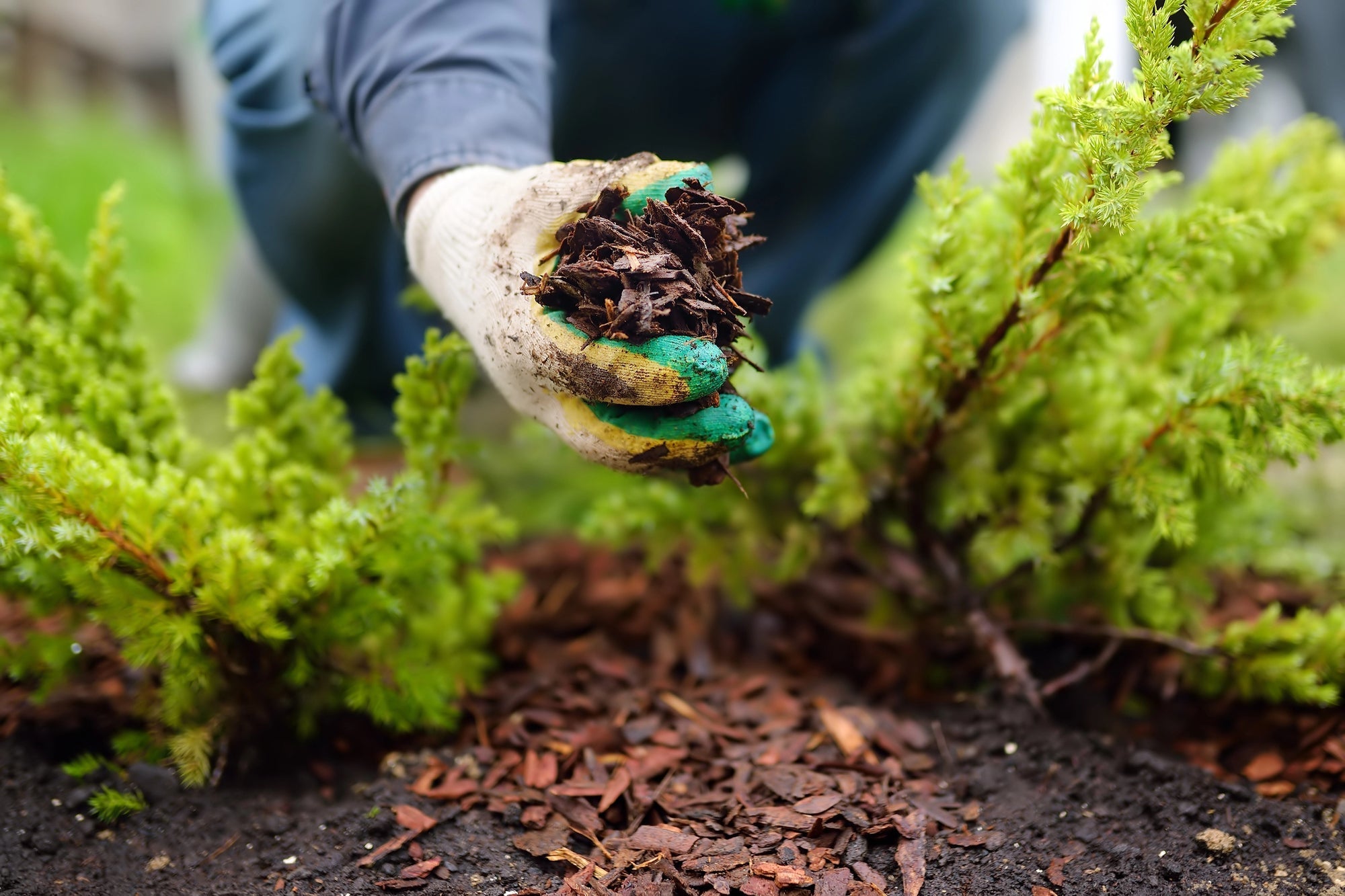
Pine Bark Mulch: The Complete Gardening Guide
Mulching with pine bark is one of the most effective methods in modern gardening and sustainable horticulture. A layer of mulch material is applied to the soil surface to protect and improve the so...

Spring Soil Improvement: Prepare Your Garden Soil
Inhaltsverzeichnis Warum Bodenverbesserung im Garten im Frühjahr so wichtig für einen gesunden Gartenboden ist Gartenboden nach dem Winter prüfen: Bodenstruktur, Verdichtung und Bodenart erke...


