
Blumenkasten bepflanzen Titelbild
How to Plant Window Boxes: The Complete Guide
- Den passenden Balkonkasten auswählen – Materialien und Größen im Überblick
- Blumenkästen bepflanzen: Schritt für Schritt erklärt
- Balkonkästen bepflanzen: Die besten Pflanzen für Sonne und Schatten
- Balkonpflanzen richtig kombinieren: Farben, Formen und Blühzeiten
- Bienenfreundliche Balkonkästen bepflanzen: Nachhaltig blühende Ideen
- Pflege und Bewässerung: So bleibt Dein Blumenkasten lange schön
- Kreativ gestalten: Inspirationen für abwechslungsreiche Blumenkästen
- Tipps für jede Jahreszeit: Von den Eisheiligen bis zum Winter
- Fazit: Alles Wichtige rund um Balkonkästen auf einen Blick
- FAQ
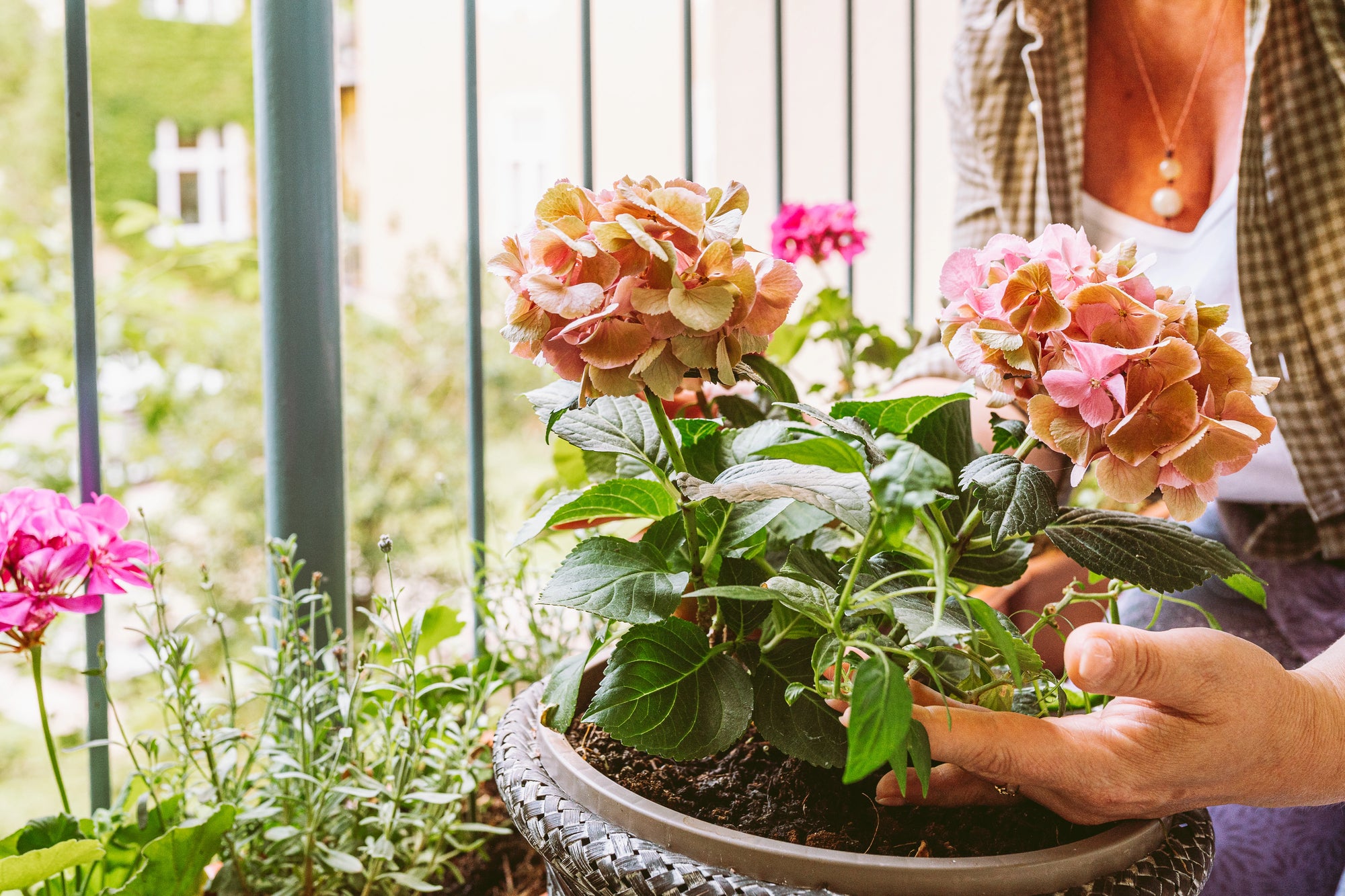
A balcony filled with blooming window boxes is not only a visual treat but also a little slice of nature in the heart of the city. Getting the right preparation and planting in place is key to turning your window box into a true outdoor haven.
Whether you want to plant up a new window box, get creative with your display, or simply make the most of existing planters – this guide has all the tips you need.
We'll show you which plants work best and how to keep your boxes looking their finest!
Choosing the Right Window Box – Materials and Sizes at a Glance

A good window box is the foundation of a successful planting scheme. You'll find models in plastic, wood, terracotta, and metal – each material has its own pros and cons.
Plastic is particularly lightweight and weatherproof, whilst wood has a natural charm but requires regular maintenance.
It's essential that the window box has drainage holes so that excess water can escape and waterlogging is prevented.
Size matters too. Larger window boxes hold more water and nutrients and are ideal for generous, lush plantings. Smaller boxes are more compact but dry out more quickly. Think about how much space you have and which plants you'd like to combine.
Planting Window Boxes: A Step-by-Step Guide

Before you start planting your window boxes, it's worth preparing them properly.
Place a drainage layer of horticultural grit or gravel at the bottom so excess water can drain away freely. Then fill with good-quality compost that offers an open structure whilst retaining sufficient moisture.
You can then add your plants – take care to gently loosen the root ball beforehand so the roots can establish more quickly.
Here's a handy summary of the key steps for planting up a window box:
- Choose the right box (consider material and size).
- Check drainage holes and drill additional ones if needed.
- Add a drainage layer of horticultural grit or gravel.
- Fill with compost to at least a hand's width below the rim.
- Plant up, leaving adequate spacing between plants.
- Gently firm down the compost and water in thoroughly.
- Check regularly and remove any dead leaves.
A useful tool to have to hand is the FUXTEC Garden Shear FX-HGW4. With it you can tidy up your plants, remove dead leaves, and encourage further flowering – keeping your window box looking great all year round.
Planting Window Boxes: The Best Plants for Sun and Shade
Not every plant suits every position. To keep your window box flowering throughout the season, you should take account of sun and shade conditions.
A south-facing balcony in particular can be a challenge due to direct sunlight, whilst north-facing spots call for shade-tolerant plants.
Here's an overview of the plants that work best:
Plants for Sunny Balconies and Gardens
- Geraniums (Pelargoniums): A classic choice with abundant blooms, very easy to care for.
- Petunias: Trailing or upright, available in a wide range of colours.
- Portulaca (Sun Plant): Loves dry conditions, blooms all summer long.
- Lavender: Wonderfully fragrant and a magnet for bees.
Plants for Shady Balconies
- Fuchsias: Beautiful blooms, ideal for semi-shaded spots.
- Begonias: Easy to care for and available in many colours.
- Ivy: Trailing, evergreen, and robust.
- Busy Lizzies (Impatiens): Flower prolifically in shade but need more watering.
With this combination you can plant up your window boxes correctly and ensure they give lasting pleasure whatever your aspect.
Combining Balcony Plants: Colours, Forms, and Flowering Times

A harmonious window box thrives on the right combination of plants. To keep your balcony looking spectacular not just for a few weeks but throughout the entire season, pay attention to varying heights, flowering times, and colours.
Window boxes look particularly striking when you combine upright plants with trailing varieties. This creates depth and movement in the planter.
It's also important to group plants with similar requirements together. If you're mixing flowers that need plenty of water, for example, avoid placing drought-loving varieties in between. The right selection will save you maintenance headaches and let you enjoy your balcony blooms for longer.
Table: Combining Balcony Plants
| Position | Upright Plants | Mid-height Plants | Trailing Plants | Special Feature |
|---|---|---|---|---|
| Sunny | Geraniums, Lavender | Petunias, Portulaca | Trailing Petunias, Verbena | Colourful long-flowering, bee-friendly |
| Semi-shade | Begonias, Busy Lizzies | Fuchsias, Lobelia | Ivy, Trailing Begonias | Low maintenance, ideal for mixed displays |
| Shade | Busy Lizzies, Ferns | Fuchsias, Hostas | Ivy, Trailing Fuchsias | Fewer blooms, but lush foliage |
With this overview you can design your window boxes without plants competing with one another. Larger window boxes offer even more possibilities, allowing you to include more plants and create a varied mix of colours and forms.
A handy tip: When planting, gently loosen the root ball and ensure plants are spaced at least a hand's width apart.
This allows them to develop fully and flower strongly throughout the season. If you need to loosen firmer compost, a FUXTEC Cordless Drill can make light work of the task – especially when preparing several boxes at once.
Bee-Friendly Window Boxes: Sustainably Blooming Ideas
A flowering balcony doesn't just look beautiful – it can also make a meaningful contribution to the environment.
By filling your window boxes with bee-friendly plants, you create a little haven for bees, butterflies, and other insects that are in urgent need of food sources. In towns and cities especially, these flowering islands provide a valuable habitat.
It's particularly important to avoid double-flowered varieties. Whilst they may look impressive, they offer little or no nectar to insects. Instead, opt for simple, open flowers that are rich in pollen and nectar. This way you combine visual appeal with real ecological benefit.
Which Plants Are Suitable for Bee-Friendly Window Boxes?
- Lavender: Fragrant, drought-tolerant, and a true bee magnet.
- Herbs such as thyme, sage, and oregano: Practical for the kitchen and valuable for insects alike.
- Echinacea and ox-eye daisies: Popular with bees and butterflies.
- Verbena: Long-flowering and attracts many pollinators.
- Nasturtium: Trailing, edible, and very popular with insects.
An added bonus: Many of these plants are low maintenance and are excellent for keeping window boxes in bloom throughout the whole summer.
Make sure the compost doesn't dry out completely, but equally avoid waterlogging – most of these balcony plants dislike both extremes. The FUXTEC Garden Watering Lance makes it easy to water gently and effectively.
Care and Watering: Keeping Your Window Box Looking Beautiful
A generously planted window box is a delight to behold – but it needs the right care to keep flowering over time.
Balcony plants in particular have limited space, so nutrients, water, and root room become depleted more quickly than in a garden border. That's why you should check your boxes regularly and adjust care to the season.
Particularly important is watering. Most window boxes dry out very quickly on hot days, whilst heavy rain can leave them at risk of holding too much water.
Waterlogging is just as harmful to plants as drought – roots begin to rot and many plants will wilt despite apparently adequate moisture.
A good trick is to ensure your box has drainage holes and to include a drainage layer. This allows excess water to drain away freely.
Tips for Caring for Your Plants
- Water regularly: On hot days, water in the morning and evening where possible.
- Check the compost: If it looks dry, it's time to water.
- Prevent waterlogging: A drainage layer and drainage holes will help.
- Feed flowering plants: Summer bedding plants in particular need plenty of nutrients.
- Deadhead spent blooms: A FUXTEC Garden Shear makes this quick and encourages plants to keep flowering.
Another consideration is feeding. Many balcony flowers bloom for months on end and therefore need correspondingly more nutrients. Use a specialist liquid feed for patio and balcony plants, which you simply add to the watering can.
With slow-release fertiliser, it's often sufficient to feed every few weeks. This ensures your planting grows vigorously and flowers for longer.
Get Creative: Ideas for Eye-Catching Window Box Displays

Window boxes are more than just a row of plants – they can be a miniature work of art when you combine flower colours, shapes, and textures cleverly. The key is to give your balcony a personal touch.
One simple but effective approach is playing with colour. You can create bold contrasts by pairing vibrant balcony flowers such as red geraniums with soft pastel shades like white petunias. Or opt for a coordinated colour theme – perhaps all yellows and oranges with marigolds and echinacea. Foliage plants such as ivy or herbs also work well to provide visual calm within the planting.
Another tip is to make use of plant structure. Trailing balcony plants such as fuchsias or nasturtiums add movement, whilst upright plants like geraniums or lavender provide height and structure. The result is a harmonious overall picture that not only looks beautiful but also makes maintenance easier.
Tip: If you'd like to plant up a vertical window box display, take a look at our article on vertical gardens.
Creative Display Ideas for Your Window Box
- Scented box: Combine lavender, thyme, and mint – not only does it look wonderful, it smells absolutely fantastic.
- Edible box: Go for strawberries, nasturtiums, and edible flowers. Perfect if you want to bridge the gap between balcony and kitchen.
- Riot of colour: Geraniums, petunias, and verbena in vibrant hues – ideal for summer.
- Wildlife garden: Herbs, ox-eye daisies, and echinacea – attracts bees and butterflies.
If you encounter stubborn resistance when planting because the compost is heavily compacted, a FUXTEC Cordless Rotary Hammer can help to break up and prepare planting holes in larger window boxes. It saves time and makes the job considerably easier.
A beautifully designed window box transforms the whole atmosphere of your balcony. It can become a place of calm, a riot of colour, or even a little herb garden right outside your door.
Tips for Every Season: From Late Frosts to Winter
The planting of a window box changes with the seasons.
One particularly important milestone is late spring. Before the risk of late frosts has passed, you should avoid putting tender balcony plants such as geraniums, petunias, or fuchsias outside, as a frost can cause serious damage.
Once the risk of frost has passed – typically from mid-May onwards in most parts of the UK – you can plant up your window boxes with confidence and be sure your plants won't be caught out by the cold. When planting, make sure to set the root ball firmly into the compost and leave adequate space between plants.
Seasonal Tips for Your Window Boxes
- Spring: Opt for early bloomers such as primulas or pansies. These are more tolerant of cooler temperatures.
- Summer: Now is the time for lush summer bedding such as geraniums, petunias, and verbena. Keep on top of watering and feeding.
- Autumn: Choose hardy plants such as chrysanthemums or heathers. They'll bring colour to your window boxes well into late autumn.
- Winter: With evergreen plants such as box or ivy, your window box will remain attractive even in the colder months. Add decorative touches such as pine branches or cones.
To keep your plants healthy throughout the year, getting the watering right is crucial. In summer, window boxes need more water, whilst in autumn and winter you should water more sparingly to avoid the compost becoming waterlogged and the roots rotting.
A gentle, steady flow – such as from the FUXTEC Garden Watering Lance – will keep your plants well cared for throughout the year.
Summary: Everything You Need to Know About Window Boxes

A beautiful window box needs the right foundation, suitable plants, and consistent care. The key consideration is position: sunny balconies call for different plants to shaded spots.
With a good drainage layer, open-textured compost, and regular watering, you'll avoid both waterlogging and drying out.
Aim for harmonious combinations of upright, mid-height, and trailing balcony plants. This creates a well-balanced display that flowers throughout the season. By choosing bee-friendly plants, you'll make your balcony not only visually appealing but also a positive contribution to wildlife conservation!
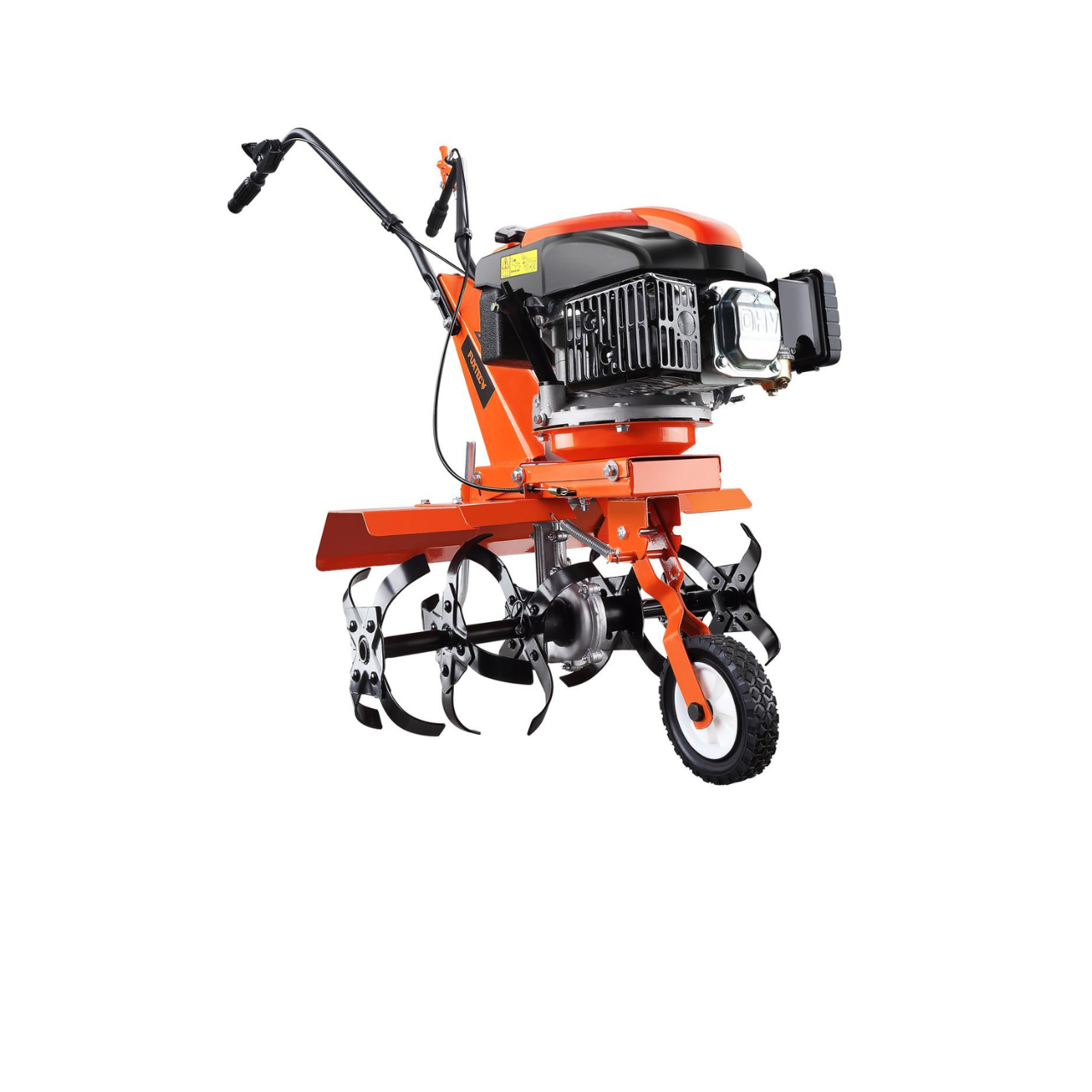
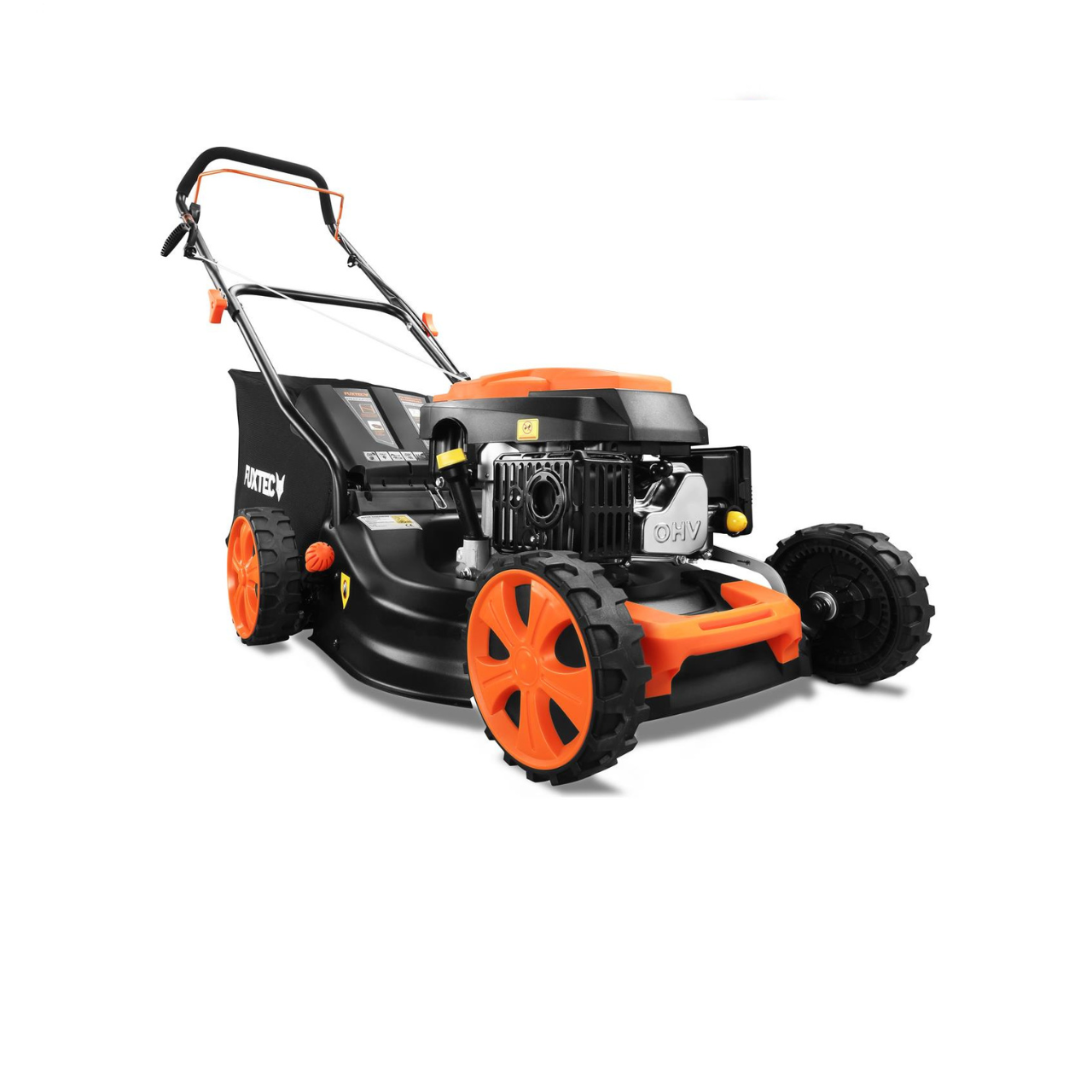
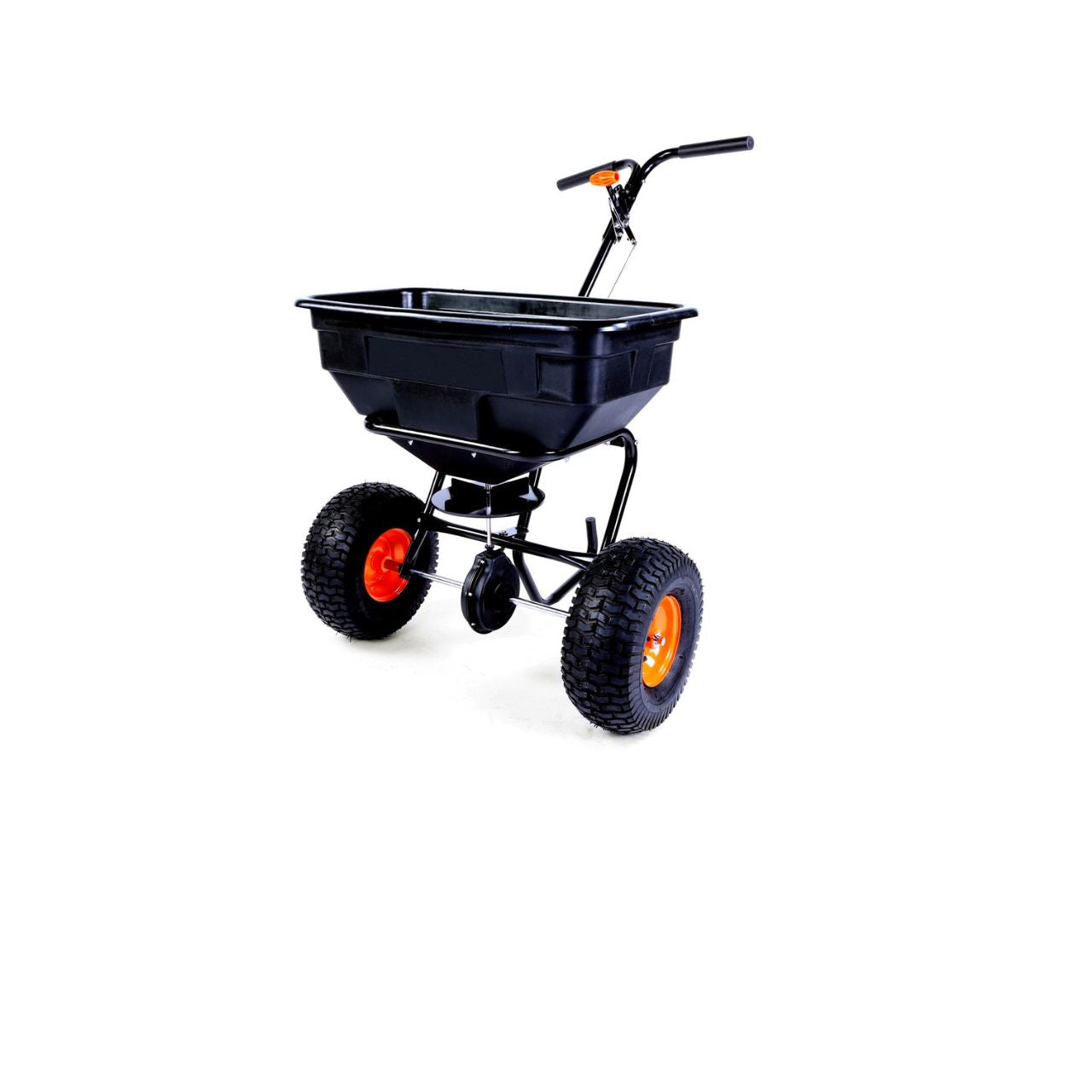
Discover our range of garden tools
What's the best material for a window box?
The best material depends on your preferences: plastic is lightweight and weatherproof, wood offers natural charm but needs regular maintenance, terracotta is attractive but heavy, and metal is durable. Whatever you choose, ensure it has proper drainage holes to prevent waterlogging.
When is the right time to plant window boxes in the UK?
Late spring, typically from mid-May onwards, is ideal for planting tender summer bedding like geraniums and petunias, as this is when the risk of late frosts has passed. Spring-flowering plants such as primulas and pansies can be planted earlier.
How often should I water my window boxes?
On hot days, water in the morning and evening if possible to keep the compost moist but not waterlogged. Check the compost regularly and water when it looks dry. Proper drainage holes and a drainage layer prevent water from pooling and causing root rot.
Which plants are best for shady window boxes?
Fuchsias, begonias, ivy, and busy lizzies thrive in shade. These plants are easy to care for, offer lovely colours, and are less demanding than sun-loving varieties, making them perfect for north-facing balconies.
How do I create a bee-friendly window box?
Choose simple, open flowers rich in pollen and nectar such as lavender, verbena, echinacea, and herbs like thyme and oregano. Avoid double-flowered varieties as they offer little nectar. These plants also tend to be low maintenance and flower throughout summer.
What should I put at the bottom of a window box before planting?
Add a drainage layer of horticultural grit or gravel at the bottom to allow excess water to drain freely. Then fill with good-quality compost that has an open structure and retains moisture. Leave about a hand's width of space at the rim.
How do I stop my window box plants from wilting in summer?
Use a specialist liquid feed for patio plants every few weeks to provide nutrients as constant flowering depletes them quickly. Water regularly on hot days, ensure proper drainage to avoid waterlogging, and deadhead spent flowers to encourage continued blooming throughout the season.
More articles about garden care
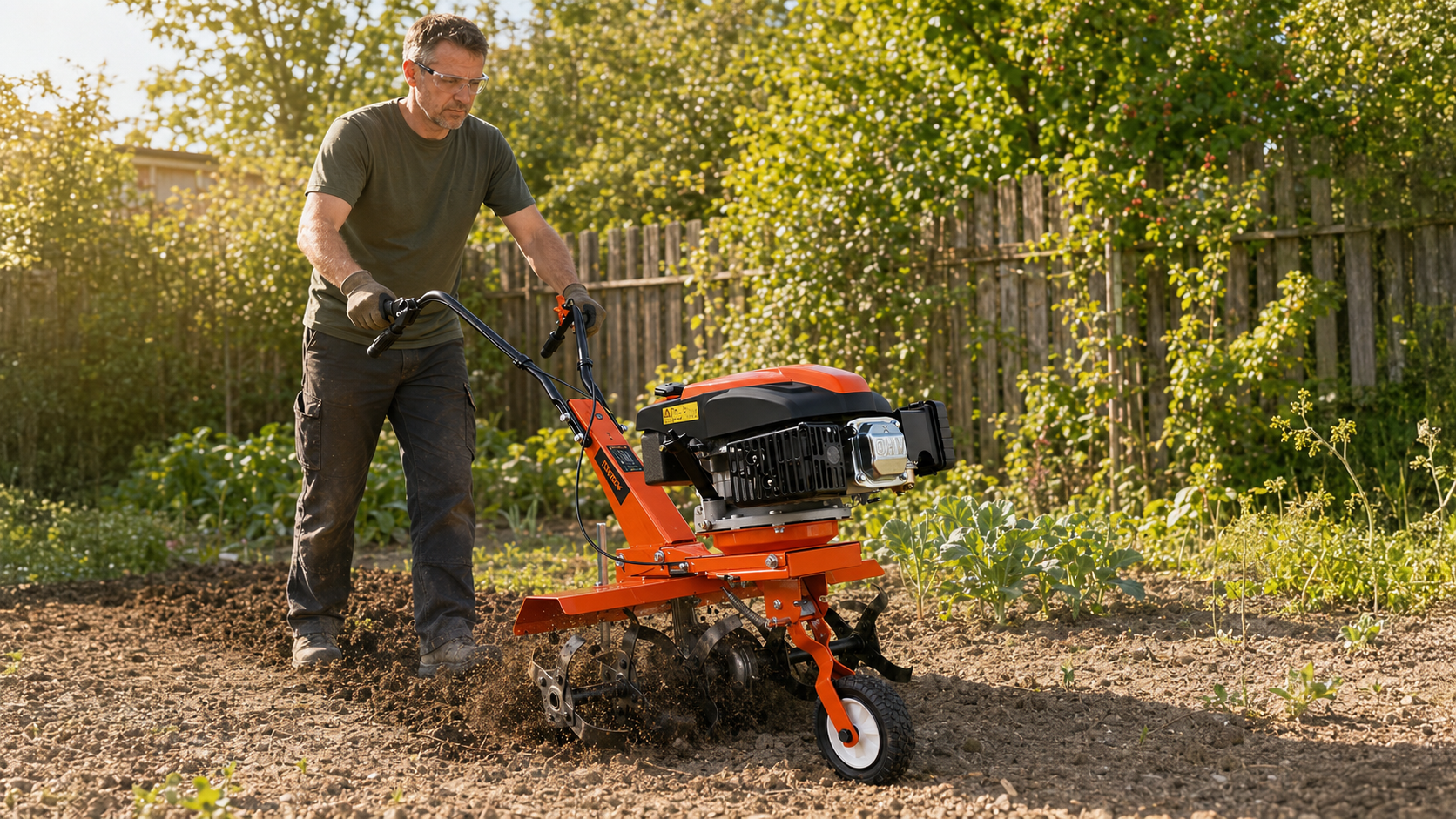
Trockenheit im Garten: Boden lockern, richtig gießen und mit Mulch Wasser sparen
Du gießt das Beet, doch das Wasser bleibt auf der harten Erdoberfläche stehen oder läuft zur Seite ab. Schon nach kurzer Zeit wirkt der Boden wieder trocken, obwohl Du gerade erst zur Gießkanne g...
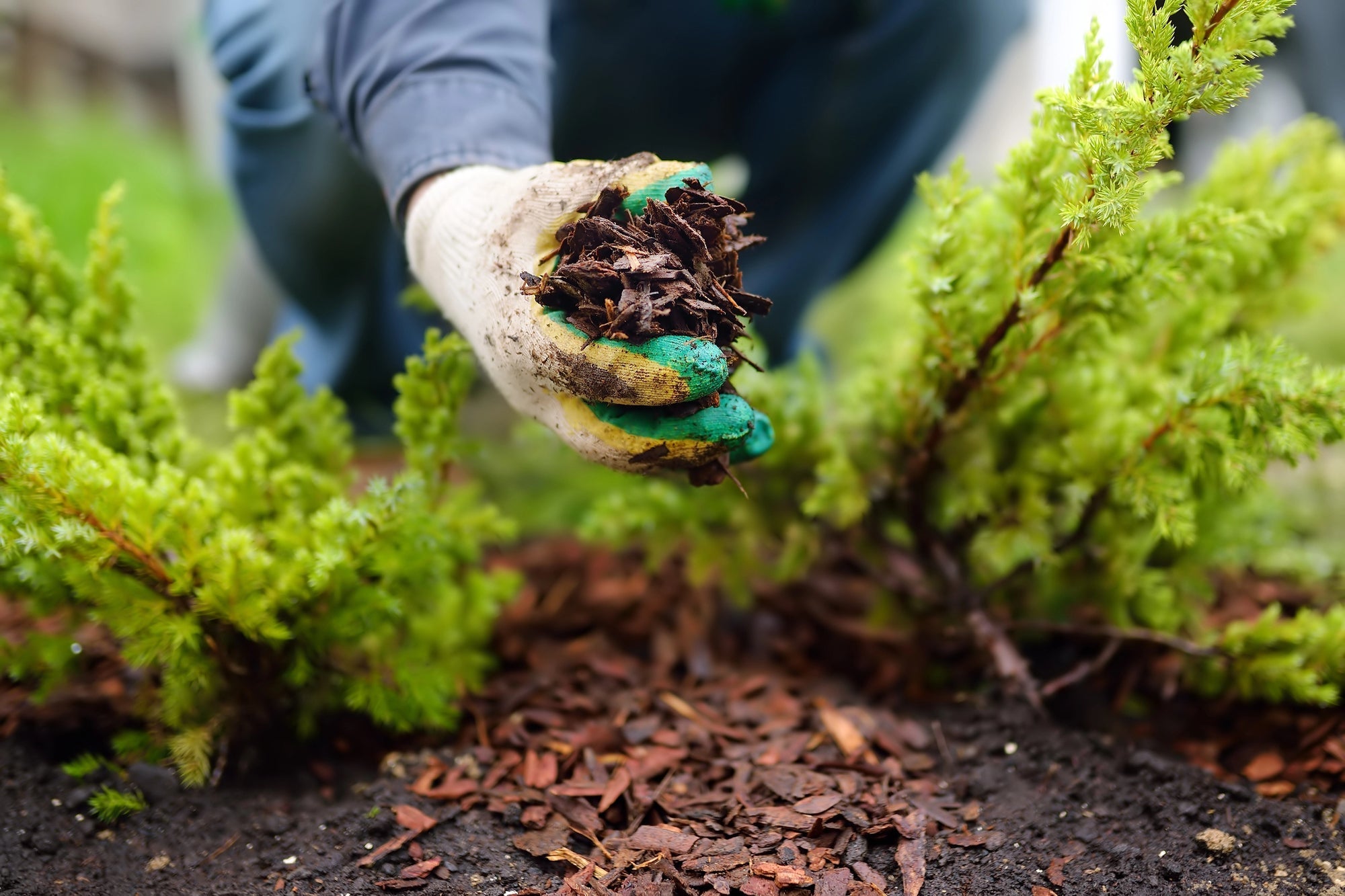
Pine Bark Mulch: The Complete Gardening Guide
Mulching with pine bark is one of the most effective methods in modern gardening and sustainable horticulture. A layer of mulch material is applied to the soil surface to protect and improve the so...

Spring Soil Improvement: Prepare Your Garden Soil
Inhaltsverzeichnis Warum Bodenverbesserung im Garten im Frühjahr so wichtig für einen gesunden Gartenboden ist Gartenboden nach dem Winter prüfen: Bodenstruktur, Verdichtung und Bodenart erke...


