
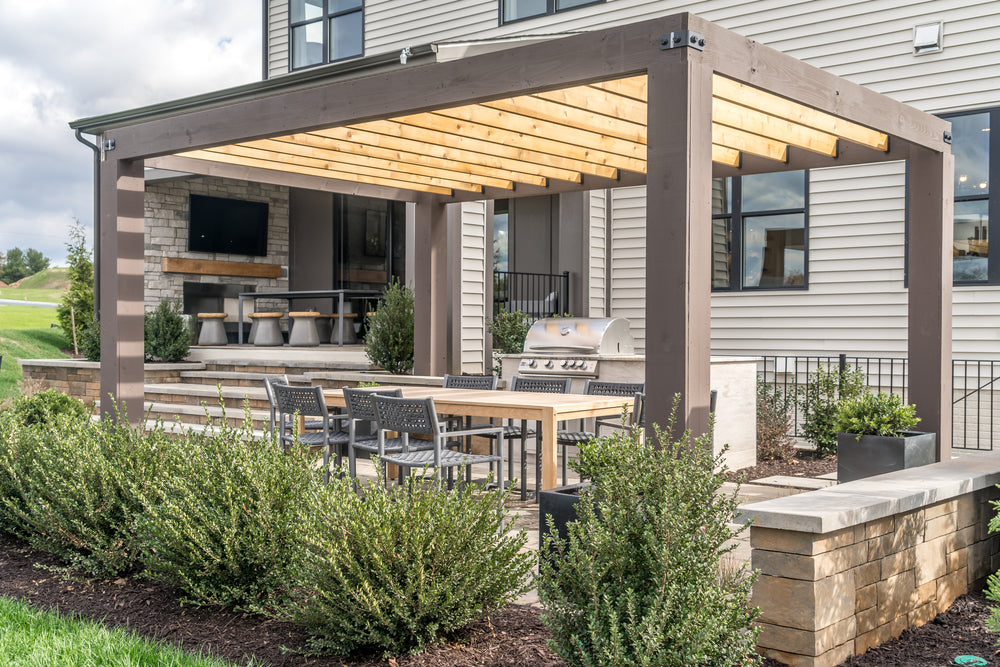
Holzpavillon mit Essplatz und Grill auf einer Steinterrasse.
Build Your Own Garden Gazebo: Step-by-Step Guide
- Warum einen Pavillon selber bauen?
- Planung & Vorbereitung: Der Schlüssel zum Erfolg
- Materialien & Werkzeuge: Was Du brauchst
- Schritt-für-Schritt-Anleitung für den Holzpavillon
- Fundamente setzen
- Pfosten & Grundgerüst montieren
- Dachkonstruktion anbringen
- Dach decken
- Boden und Gestaltungsideen
- Alternative Materialien: Pavillon aus Metall bauen?
- Zusatzelemente für Deinen Pavillon: Rankgitter, Sichtschutz & Dekoration
- Beleuchtung & Komfort: Extras clever integrieren
- Fazit: Gartenpavillon selber bauen lohnt sich
Build Your Own Garden Gazebo: A Step-by-Step Guide to Your Personal Retreat
Building your own garden gazebo is not only a rewarding DIY project, but also a brilliant way to permanently enhance your garden. Whether you need shelter from the sun and rain, a cosy spot for summer barbecues, or a decorative focal point amongst climbing frames and flower beds — a self-built wooden gazebo adds real value to your garden and creates new spaces for shade, outdoor dining, and relaxation.
This guide shows you how to build a sturdy wooden gazebo yourself, which materials and tools you'll need, and what to keep in mind during construction. With a solid building plan, some careful preparation, and the right tools from FUXTEC, the build is straightforward and safe.
Why Build a Gazebo Yourself?
Building your own gazebo gives you complete creative freedom: you can decide on the shape, size, roof style, and materials entirely according to your needs. Compared to a ready-made kit, you can also save money — especially if you work to standard dimensions or use timber you already have to hand. Building it yourself also means you can ensure the gazebo fits perfectly into your garden.

A well-built wooden gazebo is particularly long-lasting and blends harmoniously into natural gardens. Whether as a garden shelter, a covered area for a hot tub, or a welcoming barbecue spot — a wooden garden gazebo is incredibly versatile and gives your garden real structure.
Planning and Preparation: The Key to Success
Before you start, you should sketch out a simple building plan. Decide how many posts your gazebo will have, whether you want a flat or pitched roof, and what the overall footprint will be. Square wooden gazebos measuring 3×3 m or 4×4 m are typical choices. The roof pitch and rafters should also be factored in from the very beginning.
A stable base is essential for a long-lasting wooden gazebo. Whether you opt for point foundations or concrete pads, the important thing is that the posts stand perfectly upright and secure. Use a spirit level and string line to ensure everything is level.
Materials and Tools: What You Need to Build a Gazebo Yourself
For your self-built garden gazebo, you will primarily need pressure-treated timber (e.g. for posts, beams, cross members, and roof rafters), stainless steel screws, concrete for the foundations, and a roof covering such as felt, roofing membrane, or wooden shingles. You will also need:
Cordless drill/driver and hammer drill
Saw (ideally: mitre saw or circular saw)
These tools will make the build significantly easier and ensure a clean, professional finish.
Step-by-Step Guide: Building a Wooden Garden Gazebo
1. Set the Foundations
Dig holes at the planned post positions to a depth of approximately 40 cm and fill them with concrete. Use post anchors or post base brackets to secure the posts. Allow the concrete to cure thoroughly (at least 48 hours).
2. Erect the Posts and Main Frame
Place the posts into the post brackets and bolt them securely. Then fix the horizontal beams in place — these form the upper frame of your gazebo. Check for square corners and ensure all posts are at an even height.
3. Fit the Roof Structure
Whether flat or pitched: fix the roof rafters to the main frame and connect them with cross members or a central ridge beam. The roof covering can then be applied.
4. Cover the Roof
Depending on your preference, you can cover your wooden gazebo with roofing felt, bitumen shingles, wooden shingles, or metal sheets. Make sure the roof sheds rainwater effectively and is installed with the correct pitch.
5. Flooring and Finishing Touches
A solid timber deck or paving slabs create a neat, practical floor surface. You can also add trellis panels, curtains, or fairy lights to give your wooden gazebo a personal touch.
Alternative Materials: Build a Metal Gazebo Yourself?
If you would prefer to build a metal gazebo, similar principles apply. Instead of timber, you will need galvanised steel profiles, angle brackets, and either a welder or heavy-duty bolted connections. The assembly is more involved, but the result is more durable — ideal where there is a high wind load or persistent damp.
Optional Extras for Your Gazebo: Trellis, Privacy Screens & Decoration
When building your own gazebo, it is well worth thinking about optional extras at the planning stage — features that will enhance your wooden gazebo not only functionally but visually too. Particularly popular with DIY enthusiasts: trellis panels, privacy screens, and decorative timber details.
Build Your Own Trellis and Privacy Screens
A trellis can be easily built from just a few timber battens and can be fitted to the sides of the garden gazebo or along an open face. It provides privacy, support for climbing plants, and creates a wonderfully romantic atmosphere — perfect if you want to use your wooden gazebo as a garden shelter or tranquil retreat. Those wanting a little more privacy can build solid side panels from timber boards into their gazebo design.
Lighting and Décor Ideas for Your Gazebo
Once the gazebo is built, the fun part begins: decorating it. Fairy lights, solar lanterns, or small hanging lanterns transform a simple gazebo into a magical spot for warm summer evenings. Timber also lends itself beautifully to making your own light fittings — particularly if you are building a wooden gazebo from scratch. Small shelves or ledges for plants, drinks, or books are further charming details that are easy to add.

Think About Comfort During the Build
When planning your gazebo, it is worth considering at the outset whether you would like to incorporate power sockets, lighting, or a water supply. Anyone who wants to avoid costly alterations later should integrate these elements early on in the build plan. This way, your garden building or wooden gazebo will be not only attractive but also practical.
A well-planned, individually customised wooden gazebo offers far more than just shelter from sun and rain in the long run — it becomes the centrepiece of your garden.
Summary: Building Your Own Garden Gazebo Is Well Worth It
Building your own garden gazebo does require some DIY skill, but with good planning, a clear set of instructions, and the right tools, your very own gazebo can be up within just a few days. Whether you are planning a simple wooden gazebo or an elaborate garden shelter — the project is entirely achievable and offers genuine long-term value for your garden.
Discover our range of garden tools

How long does it take to build a garden gazebo?
With proper planning and the right tools, a wooden gazebo can be built within just a few days. The timeline depends on the complexity of your design, the size of the structure, and whether you are working alone or with help.
What size should my garden gazebo be?
Square wooden gazebos measuring 3×3 metres or 4×4 metres are typical choices for most gardens. The size depends on your available space and intended use, whether for dining, relaxation, or shelter.
Do I need planning permission to build a gazebo in the UK?
Most garden gazebos do not require planning permission in the UK, but it is worth checking with your local planning authority if your structure is particularly large or prominent. Building regulations may also apply depending on the gazebo's size and design.
What is the best material for a gazebo roof?
Popular roof covering options include roofing felt, bitumen shingles, wooden shingles, or metal sheets. Choose based on your aesthetic preference and durability needs, ensuring the roof is pitched correctly to shed rainwater effectively.
Can I build a gazebo myself without specialist skills?
Yes, with a solid building plan, careful preparation, and the right tools such as a cordless drill and circular saw, building a gazebo is straightforward and achievable for DIY enthusiasts. Taking time to get the foundations and frame square is key to success.
What foundation do I need for a wooden gazebo?
A stable base is essential and can be achieved using either point foundations or concrete pads. Dig holes approximately 40 cm deep at post positions, fill with concrete, and use post anchors or brackets to secure the posts upright. Allow concrete to cure for at least 48 hours before proceeding.
Should I build a wooden or metal gazebo?
Wooden gazebos blend naturally into gardens and offer creative freedom in design, though they require regular maintenance. Metal gazebos are more durable and better suited to areas with high wind loads or persistent damp, but assembly is more involved.
More articles about garden care
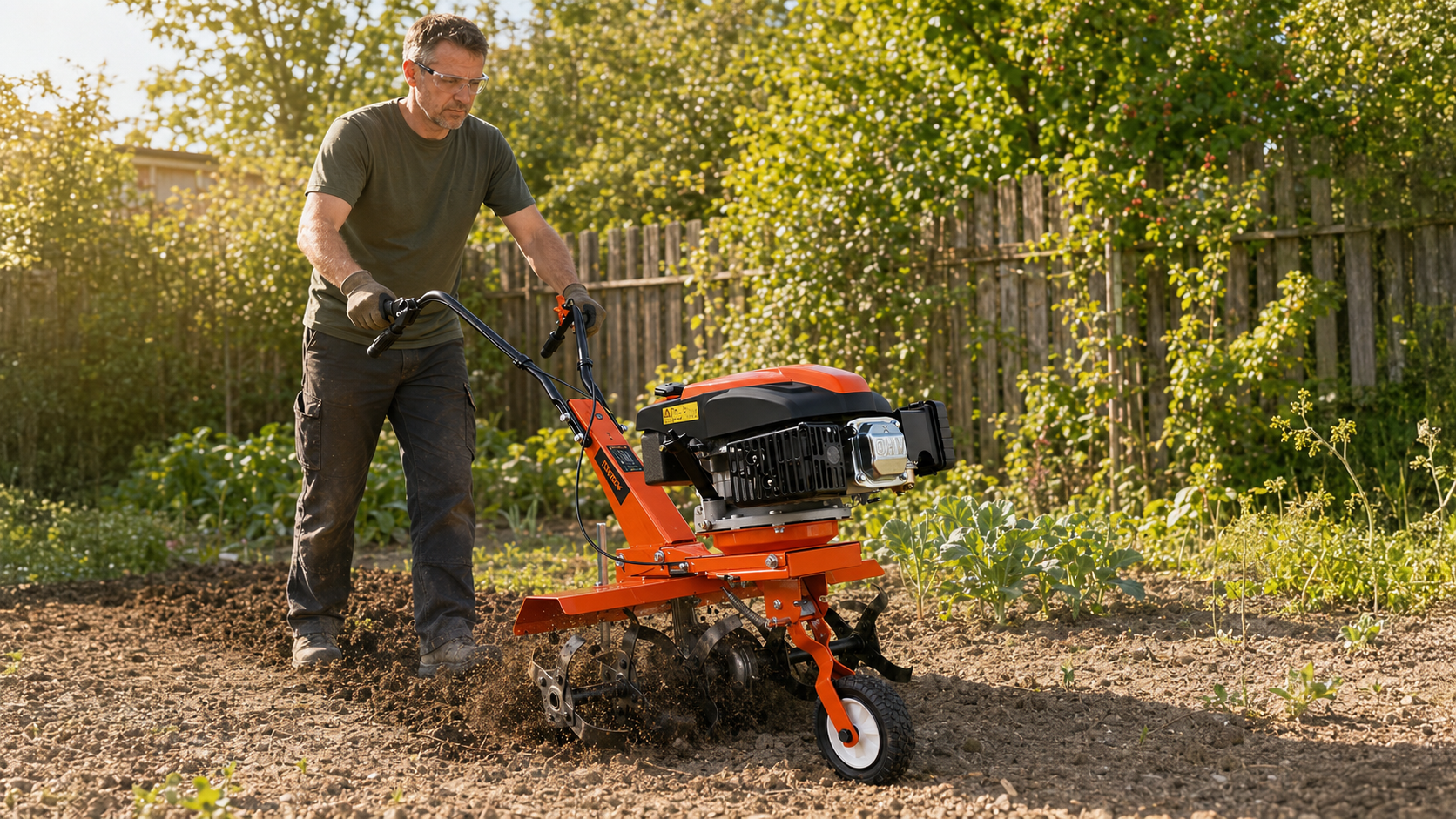
Trockenheit im Garten: Boden lockern, richtig gießen und mit Mulch Wasser sparen
Du gießt das Beet, doch das Wasser bleibt auf der harten Erdoberfläche stehen oder läuft zur Seite ab. Schon nach kurzer Zeit wirkt der Boden wieder trocken, obwohl Du gerade erst zur Gießkanne g...

Pine Bark Mulch: The Complete Gardening Guide
Mulching with pine bark is one of the most effective methods in modern gardening and sustainable horticulture. A layer of mulch material is applied to the soil surface to protect and improve the so...

Spring Soil Improvement: Prepare Your Garden Soil
Inhaltsverzeichnis Warum Bodenverbesserung im Garten im Frühjahr so wichtig für einen gesunden Gartenboden ist Gartenboden nach dem Winter prüfen: Bodenstruktur, Verdichtung und Bodenart erke...


