









So pflanzt du wunderschöne Rosen in deinem Garten.
How to Plant Roses: Step-by-Step Garden Guide
Roses are among the most beloved plants in any garden. For them to grow healthily and bloom abundantly, the right timing and proper planting technique are essential. Many problems such as poor growth or disease actually begin at the planting stage. In this FUXTEC Garden Guide, we show you how to plant roses correctly and create the best possible conditions from the very start.
When is the best time to plant roses?
The ideal time depends on the type of rose. Bare-root roses should be planted during their dormant period, between November and March. During this time, the plant focuses its energy on establishing its root system.
Container roses can be planted almost all year round. However, avoid periods of hard frost and hot summer months. Autumn and early spring are particularly well suited. At FUXTEC, we have found that planting in autumn often leads to stronger growth the following year.
Planting roses in autumn – why it's worth it
The soil is still warm, yet the air is already cooler. This precise combination allows roots to develop well. At the same time, the above-ground part of the plant remains dormant, meaning it can direct its energy into root establishment.
It is important not to plant into frozen ground. Should frost occur after planting, a layer of mulch or garden compost around the base of the plant will protect the vulnerable root zone.
Preparing the soil correctly
Roses need loose, nutrient-rich, and well-draining soil. Break up the ground to a depth of at least 40 cm and incorporate compost or well-rotted manure. This provides the plant with vital nutrients right from the start.
If your soil is heavy clay, adding horticultural grit or sharp sand will improve drainage. For very sandy soils, working in organic matter will improve moisture retention. A slightly acidic pH of between 6 and 6.5 is ideal.
The right planting hole
The planting hole should be approximately 40 cm wide and deep. The roots must have room to spread out freely. At the bottom of the hole, you can work in a mixture of soil and organic fertiliser so that the plant is well nourished as it establishes.
How to plant roses – step by step
Soak the roots in water for several hours before planting. Remove any damaged sections. Position the rose so that the bud union (graft point) sits just below the soil surface. Backfill the hole with soil and firm it down gently. Water the plant in thoroughly afterwards.
Differences with container roses
With container roses, make sure to water the root ball thoroughly before planting. If the roots are tightly bound, gently tease them apart. This encourages them to grow outwards into the surrounding soil more effectively.
Pruning immediately after planting
A light pruning helps the plant focus its energy on root development. Cut back the stems with a sharp pair of secateurs to just a few buds. This encourages a strong, healthy plant structure from the outset.
Watering in the first few weeks
Regular watering is essential after planting. The roots need time to spread through the soil. Keep the ground consistently moist, but avoid waterlogging.
In this FUXTEC Garden Guide, we recommend watering your rose every 2 to 3 days directly at the base. This keeps the foliage dry and reduces the risk of disease.
Preventing disease
Roses need plenty of sun and good air circulation. Choose a position with at least six hours of direct sunlight per day. Allow adequate spacing between plants so that air can circulate freely.
Regular maintenance significantly reduces the risk of fungal disease. Clean cuts and a good growing position are the most important foundations.
Avoiding common mistakes
Do not plant roses too deeply, and ensure good drainage. Avoid feeding heavily immediately after planting. And do not plant during periods of intense heat. These factors all play a significant role in how well your rose establishes.
By following these steps, you lay the groundwork for healthy plants and beautiful blooms. A well-planted rose will reward you for many years, growing stronger and more impressive with each passing season.
Everything for your garden

More articles about garden care
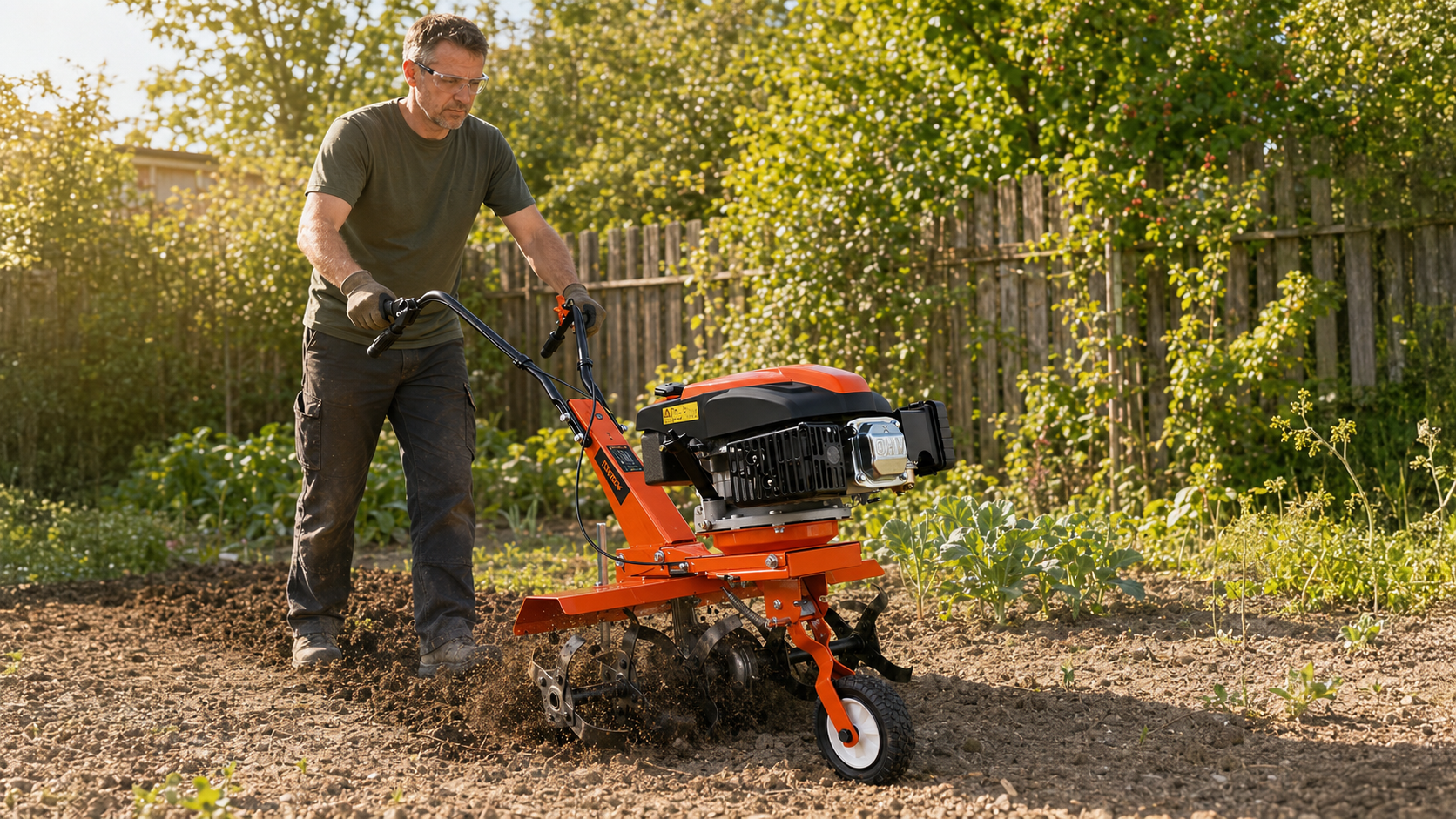
Trockenheit im Garten: Boden lockern, richtig gießen und mit Mulch Wasser sparen
Du gießt das Beet, doch das Wasser bleibt auf der harten Erdoberfläche stehen oder läuft zur Seite ab. Schon nach kurzer Zeit wirkt der Boden wieder trocken, obwohl Du gerade erst zur Gießkanne g...
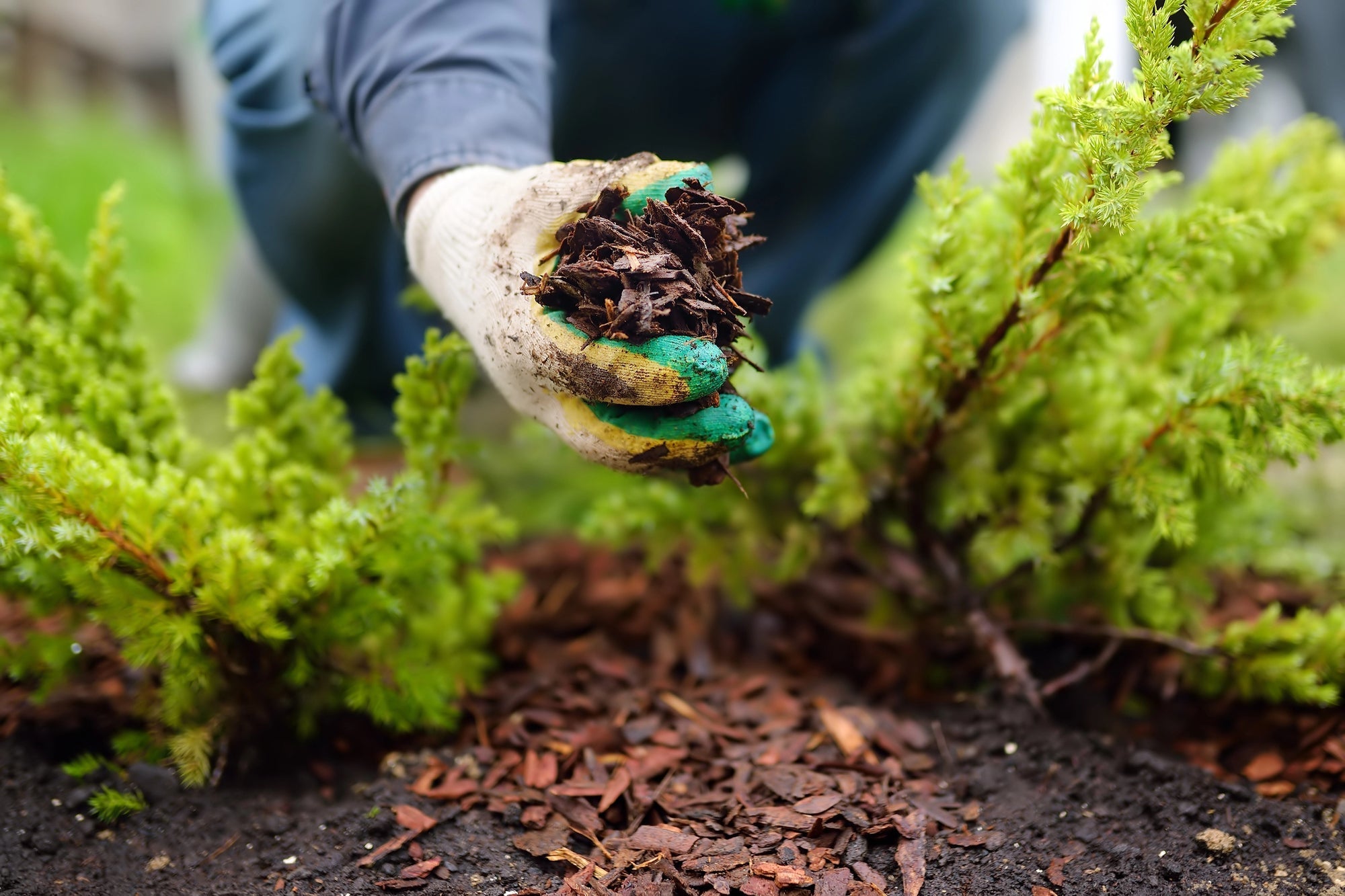
Pine Bark Mulch: The Complete Gardening Guide
Mulching with pine bark is one of the most effective methods in modern gardening and sustainable horticulture. A layer of mulch material is applied to the soil surface to protect and improve the so...

Spring Soil Improvement: Prepare Your Garden Soil
Inhaltsverzeichnis Warum Bodenverbesserung im Garten im Frühjahr so wichtig für einen gesunden Gartenboden ist Gartenboden nach dem Winter prüfen: Bodenstruktur, Verdichtung und Bodenart erke...


