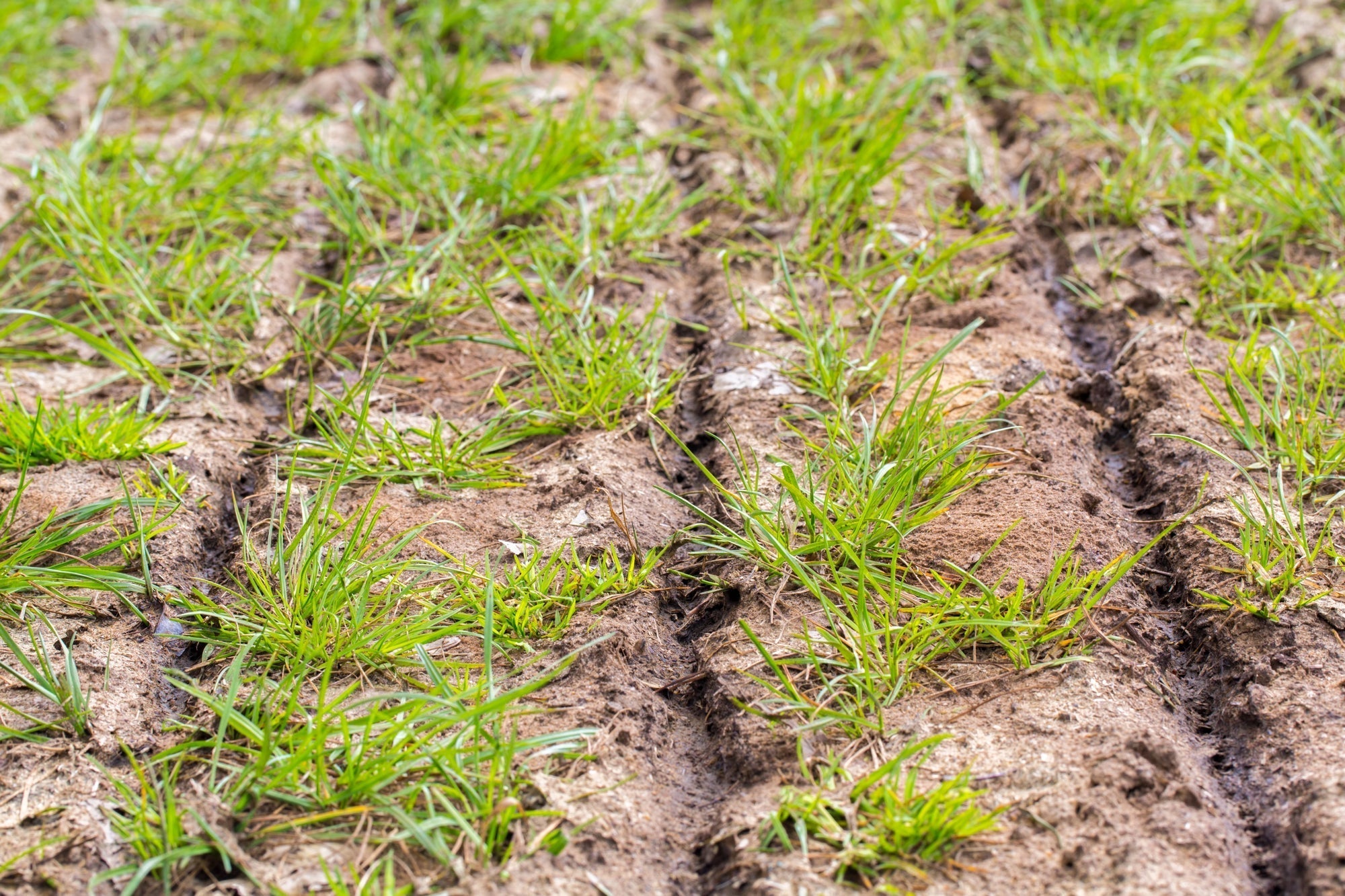
The height of summer is over, gardening days are becoming milder again, and there's a matted layer lurking between the blades of grass? Then targeted care can help. Whether you should reach for a scarifier is best judged with a quick check of your lawn's condition. After all, a healthy, dense lawn doesn't need extra work just because the first leaves are starting to turn.
The key point first: only work on a well-established lawn with a genuinely troublesome layer of thatch and enough time left for it to recover. After that, the focus shifts to closing any bare patches and adjusting feeding to suit the season. That way the job supports your lawn care routine, rather than turning a small issue into a bigger one.
When does autumn scarifying actually make sense?
Scarifying uses vertical blades to lift out stubborn thatch and surface moss. Removing this material creates space between the grass plants. A thick layer of thatch can make it harder for seed to reach the soil, which is why clearing it away is helpful before any necessary repair work.
Whether you should scarify your lawn depends on the actual condition of the turf. Part the grass blades in several spots. Do you find a dense, matted layer directly underneath? Or is there just a bit of loose clippings sitting on top? In the second case, careful raking is often enough. At the same time, check why the layer built up in the first place: shade, the wrong mowing height, or patchy feeding can all keep causing problems.
Important: this kind of treatment won't get rid of every weed, nor will it fix compaction deep in the soil. Scarifying and aerating are also different jobs, if aerating means removing plugs of soil with hollow tines. Blades work the surface; compacted root zones need a separate assessment.
Scorched lawn: let it recover first
After a spell of heat and drought, some areas can look brown even though the grass is still capable of regrowing. You can't tell from colour alone whether a blade of grass is completely dead. Wait first to see how the lawn develops once it gets enough moisture and conditions turn milder. Our guide to lawn care after hot spells can help you work out where things stand.
If large areas of your lawn stay thin and weak, the lawn needs to recover first. On a badly weakened or freshly sown lawn, scarifying can do more harm than good. New lawns typically aren't treated this way during their first growing season.
The right time to scarify: growth comes before the calendar
Early autumn often offers suitable conditions: the soil has retained some warmth, the midday sun has lost its intensity, and the grass still has a chance to recover. If you're planning to scarify your lawn in autumn, plan early enough. The best time is a mild spell with ongoing growth and reliable moisture.
September and October are often mentioned as the general window. That's a rough guide, not a green light for every garden. In much of the UK, mid-September onwards tends to offer better odds of several suitable weeks than waiting until mid-October. In cooler, more exposed or northern areas the season ends earlier; in milder, sheltered spots it can run on for longer.
You'll recognise the right time by the overall picture: the ground is workable and the grass blades are dry. If the lawn is still visibly growing, the chances of a good recovery afterwards are better. For planned overseeding, soil temperature should reliably reach around 10°C or more; the seed mix instructions and the weather forecast also play a key role.
The ideal timing also leaves enough room for the new growth to establish. Allow for several weeks before sustained cold sets in. If frost, prolonged rain, or an early stop to growth are on the way, the window for scarifying has closed. Forcing the job into too late a slot achieves little.
Spring or autumn: when is which slot worth it?
You don't need to reach for the machine twice a year. Autumn scarifying is worthwhile mainly when there's genuinely a troublesome layer of thatch and the lawn is strong enough to cope. If you already scarified in spring and the lawn is still open and dense, you can skip the second round.
If the right weather window isn't there right now, simply reassess the lawn in spring. The optimal time is whenever need, growth and aftercare all line up. It's perfectly fine to postpone a planned job.
Mowing and preparing the area
Before you start, clear away leaves, fallen fruit, branches and stones. You can pull out larger weeds by hand. Mark sprinkler heads, shallow-buried cables and other obstacles. That way you can work through the area evenly afterwards without constantly having to stop.
Mow the lawn to around three centimetres before you begin. If the grass is noticeably longer, cut it down gradually rather than taking it all off in one go. The surface and the blades should be dry; underneath, the soil can stay moderately moist. On soft, waterlogged ground, it's best to wait.
Have a rake, a collection bin and, if needed, seed ready to hand. Also check whether you can reliably provide moisture over the following weeks. Scarifying your lawn in autumn is only worthwhile if you can follow it up with the right aftercare.
Three FUXTEC scarifiers for your autumn lawn care
Petrol, mains power or battery: which option suits your garden depends on the size of the area and the power supply available. These three models will help you remove a troublesome layer of thatch.
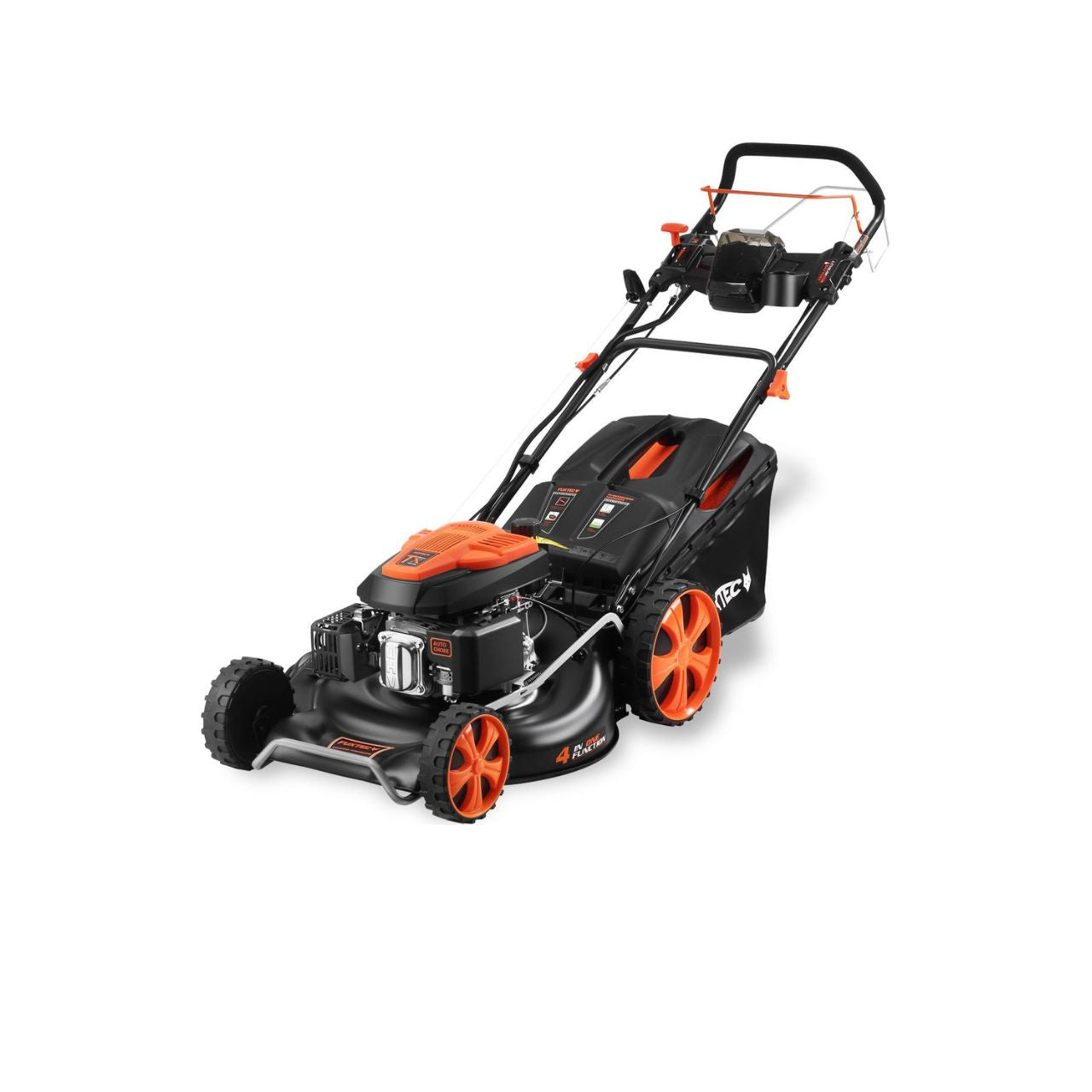
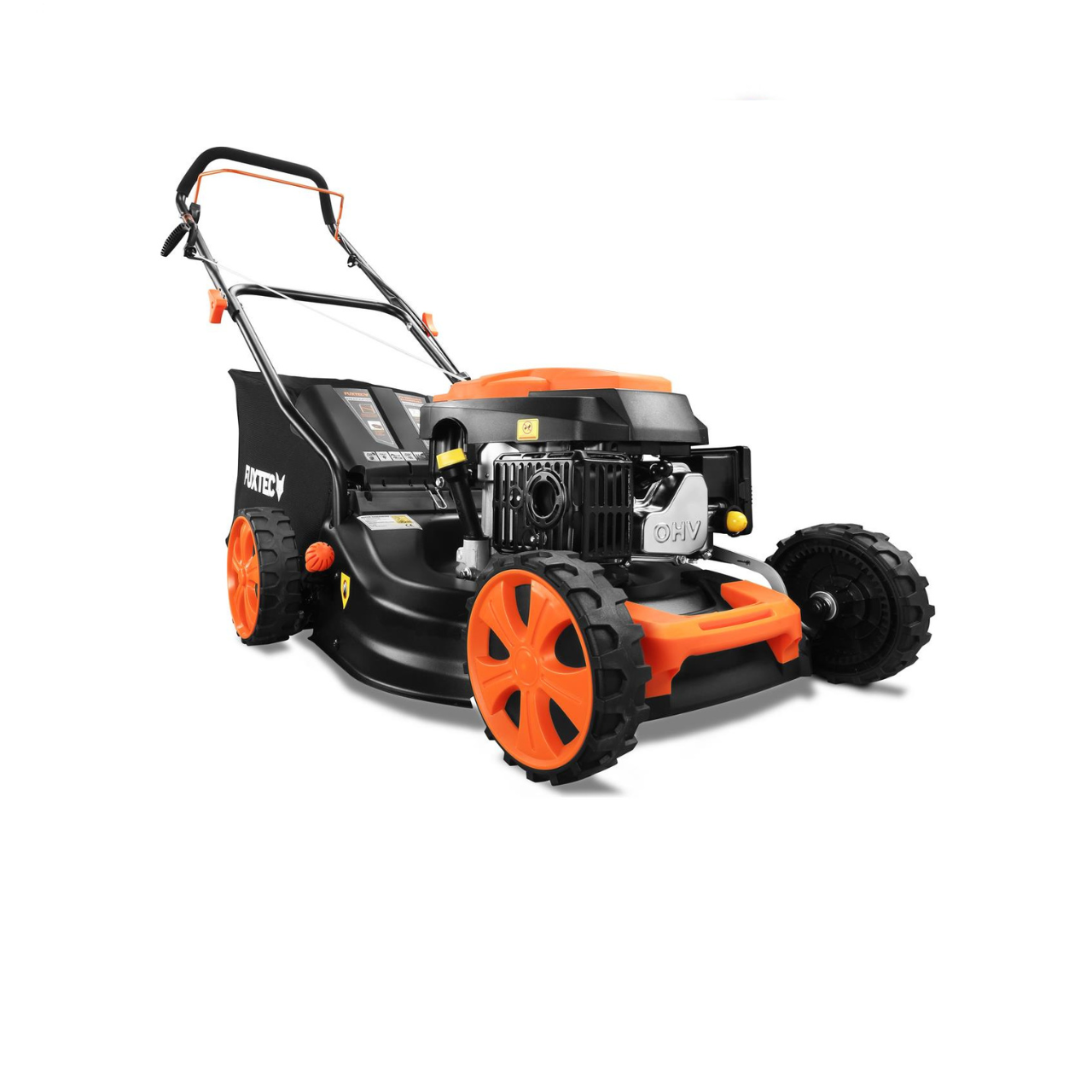
Petrol power for larger areas
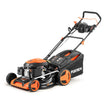
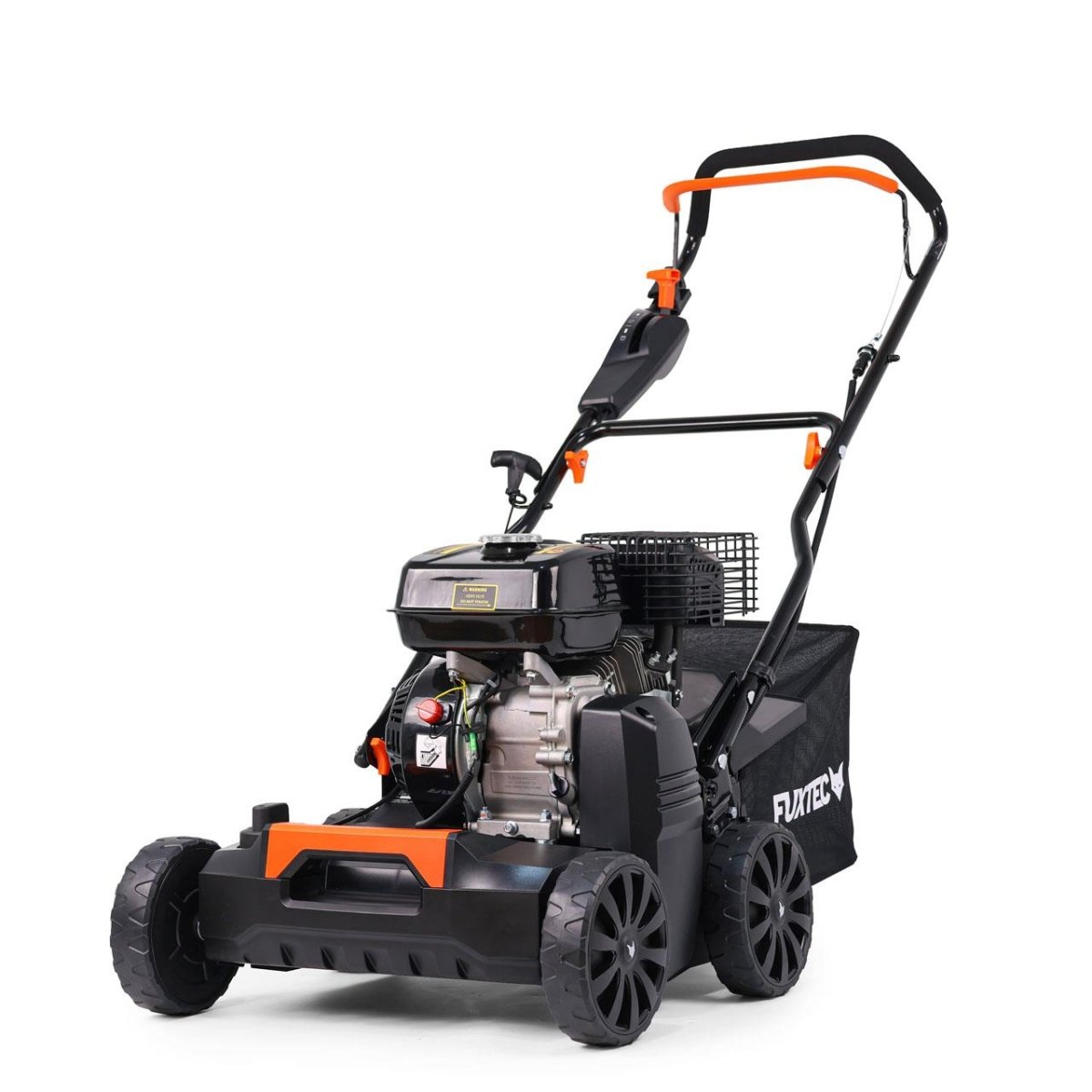
FX-BV240 Petrol Scarifier
For larger, continuous lawns, this petrol model offers a 40 cm working width and runs independently of any power socket or battery charge. Blade depth is adjusted at the upper handle.
- 4-stroke engine with 212 cc displacement and 4.1 kW output
- 40 cm working width
- removable 45-litre collection box
Electric with mains cable
FX-EV360 Electric Scarifier
If you have a suitable power socket within reach, this corded model lets you work without any charging breaks. Five height settings help you tailor the treatment to the condition of your lawn.
- 1,500-watt electric motor
- 36 cm working width with five height settings
- 45-litre collection box for loosened material
Battery power for total freedom
FX-E2VE38SET Battery Scarifier
With this battery set, you can move around the garden cable-free. Use the blade cartridge to remove thatch, and switch to the included rake cartridge for lighter surface raking.
- includes two 20V batteries, 4Ah each, with twin charger
- blade cartridge and rake cartridge included
- 45-litre collection box and five height settings
Autumn tip: start on a gentle setting and check the result on a short test pass. The blades should only just brush the soil surface. Only work on a strong, established lawn with enough growing time left, and always follow the relevant instruction manual.
Scarifying step by step: how to get a clean result
- Check the machine: inspect the blades, fixings and collection box. The scarifier's setting should match the actual condition of the lawn.
- Start gently: the blades should only just brush the soil surface, not dig several millimetres deep into the ground. Begin with a shallow setting and check whether troublesome material is being lifted out without tearing up healthy plants.
- Work in steady passes: move at a steady walking pace. Don't stand still in one spot with the blade cartridge running, and lift the tool when turning, following the machine's instructions.
- Assess the result: scarify in one direction first. A second pass at right angles is only worthwhile if a lot of thatch remains and the lawn is robust enough to take it.
- Clear up thoroughly: collect up all the loosened thatch, moss and other debris. Empty the collection box in good time so nothing is left lying in a thick layer.
This light-touch approach reflects the guidance given by turf care experts for domestic lawns. The maximum depth setting a machine offers isn't a target to aim for. What matters for scarifying is that troublesome material gets removed while the turf itself is disturbed as little as possible.
Lawn aftercare following scarifying: overseeding, feeding and keeping moisture up
Now you'll see clearly where the lawn is dense and where it was mostly just thatch before. If you want to give your lawn proper support, target these problem areas specifically. A blanket, one-size-fits-all programme isn't necessary across the whole lawn.
Close bare patches with a suitable seed mix
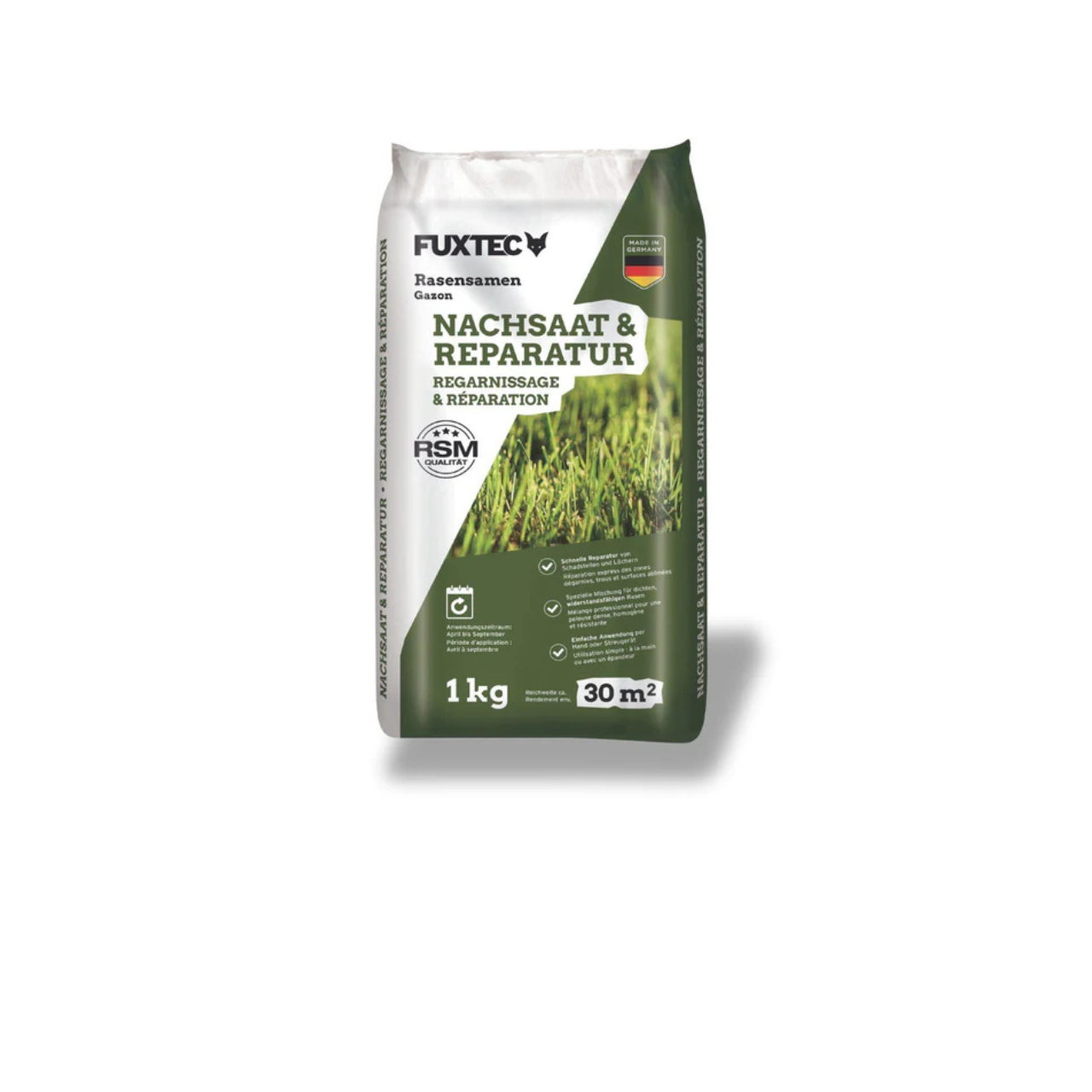
Overseeding pays off wherever plants are genuinely missing. Loosen the top layer of soil gently, level out small dips, and choose a seed mix suited to how the area is used and how much light it gets. Spread the recommended amount, work it in lightly and firm it down. The seed needs good contact with the soil.
Keep newly sown areas evenly moist during germination, without letting the surface become waterlogged or capped. In dry weather this may mean several short watering sessions. Later on, you can gradually shift watering to suit the needs of established grass. You'll find the detailed process in our article on repairing bare and thin patches.

Choose an autumn feed based on actual need
Feeding should match what the lawn has already had and what it genuinely needs. Potassium helps improve resilience to stresses such as cold weather, provided the amount matches actual need. Nitrogen, on the other hand, encourages leaf growth, and a strong growth spurt isn't the goal right before the lawn goes dormant for winter. Follow the guidance on the product label and avoid doubling up on feed.
If you suspect a particular nutrient is lacking, a soil test can help you choose the right product. Don't simply apply more feed just because the grass looks pale. Applying a suitable product evenly and watering it in as directed is usually more effective than piling extra feed onto the weakest patches.
Whether your lawn needs extra feeding, then, also depends on what it's already received. Our full guide to autumn lawn care brings together mowing, feeding and other seasonal jobs.
FUXTEC helpers for an even, fresh start
Spreading seed and keeping an eye on moisture: with the right tools, aftercare is much easier to manage, even across larger, continuous lawns.
Even, controlled dosing
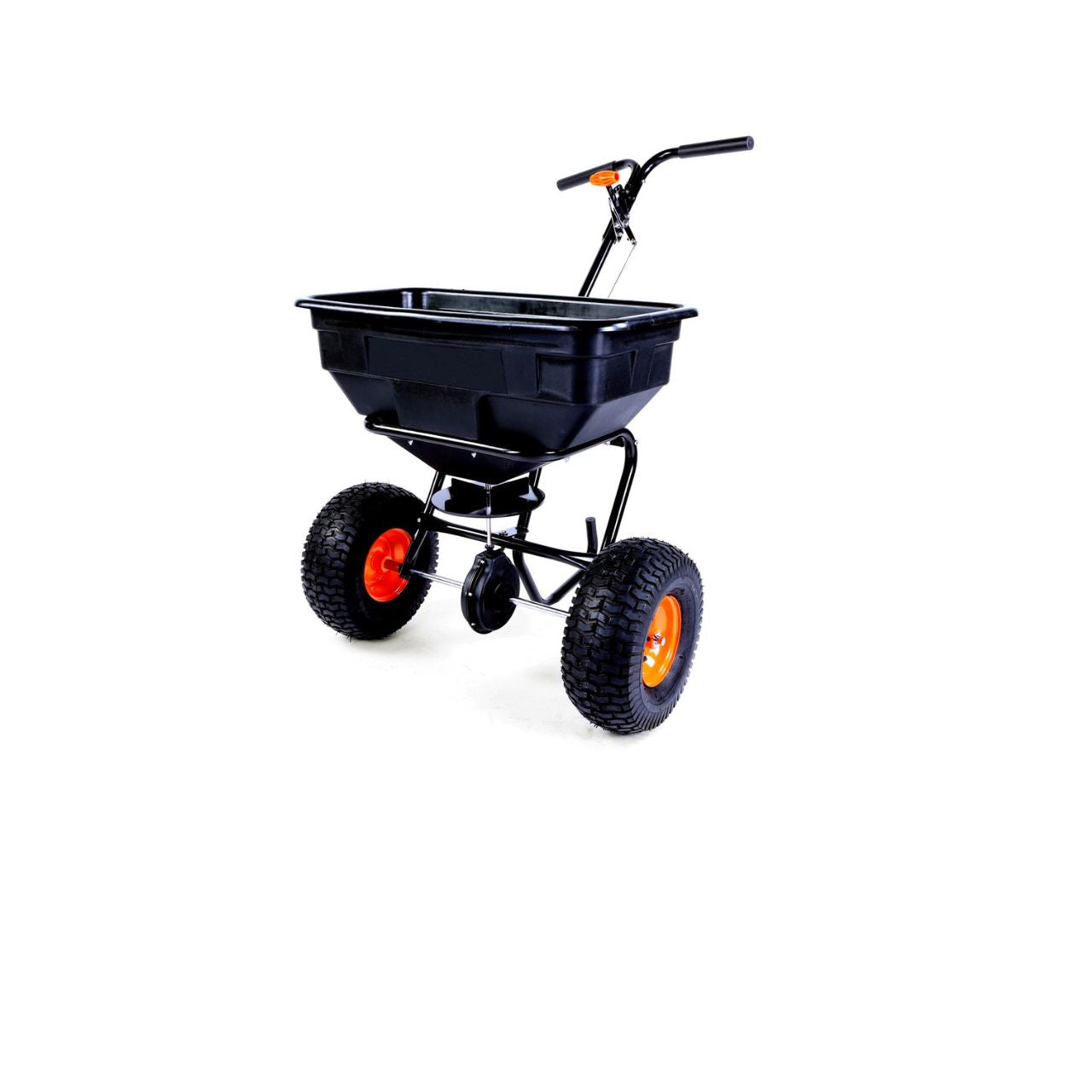
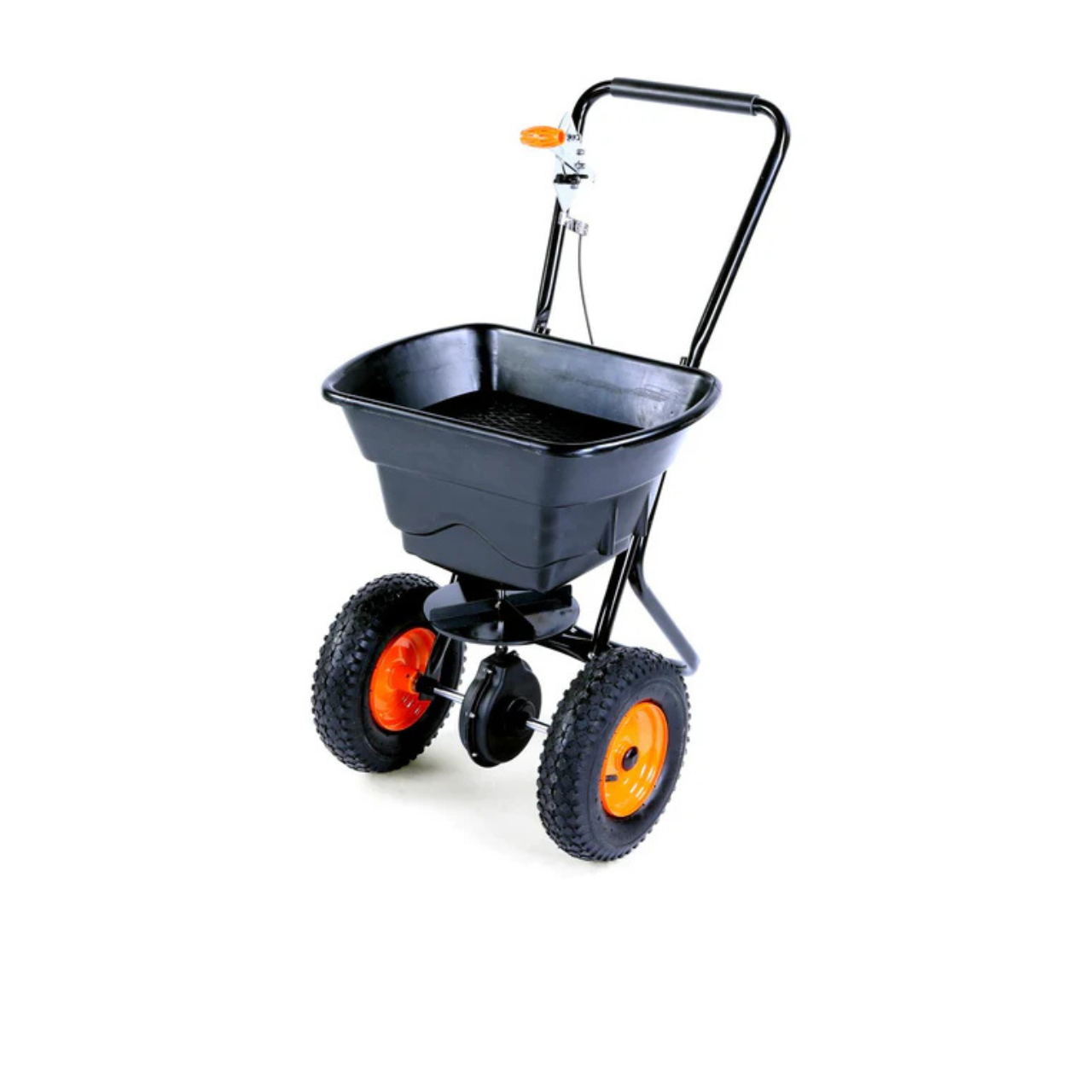
FX-GS36 Spreader
For dry seed or suitable feed, this spreader helps you apply material in a controlled, even way. Running a test amount first helps you fine-tune the setting to suit the material before you get started.
- up to 36 kg loading capacity
- stepless adjustment of application rate
- spreading width of up to 3.65 m
Support young seedlings
FX-VRG1 Square Sprinkler
This adjustable sprinkler helps you water rectangular areas evenly. Keep an eye on how the water is distributed across the lawn and adjust running time to suit rainfall, soil and how far along the seedlings are.
- 18 nozzles
- adjustable flow rate and adjustable range
- covers an area of up to 220 m² at 4 bar
Garden tip: freshly sown areas mustn't dry out while the seed is germinating. Check the moisture level right at the surface; rainfall totals and sprinkler settings alone won't tell you whether every part of the area has had enough water.
Autumn lawn care: what else you can do after scarifying
For your lawn to come through winter in good shape, it mainly needs the right conditions and a bit of peace after being worked on. Grass roots and new shoots don't establish themselves overnight. Keep well-trodden paths away from freshly treated areas where possible, and move any energetic games to another part of the garden for a while.
Whether the lawn knits back together quickly depends on temperature, moisture and the seed mix used. Give the lawn time to show how it's developing, rather than working the surface again after just a few days. A dense lawn comes from lots of well-fed plants growing together, not from blades set as deep as possible.
As long as the grass keeps growing, keep mowing it whenever conditions allow. Clear fallen leaves regularly, so damp, light-starved patches don't build up. When exactly the last cut before winter should happen also depends on growth and the weather.
This is how you get your lawn ready for winter: check what it actually needs, work gently, and follow through with proper aftercare. Especially in autumn, the growing time you have left really matters. If the only reason you're considering scarifying is because a date on the calendar says so, it's fine to leave the machine in the shed.
The right mowing height, healthy leaf area and feeding matched to actual need all help keep your lawn resilient. With this routine, you'll support a hardy lawn and get your garden green ready for winter. Let the cold season come.