After the rain, puddles linger, old clippings collect between the blades, and your favourite corner by the garden path keeps getting thinner? Then it's worth taking a closer look beneath the green surface. Whether your lawn needs aerating depends on where the problem lies: up top between the plants, or deeper in the soil.
The short answer: Surface raking is done with springy tools that comb out loose material. Core aeration uses hollow tools to remove small plugs of soil, creating pores in the root zone. Both jobs have their place in lawn care. What matters is working out which one your lawn actually needs right now.
Raking, Scarifying or Aerating: What Does Your Lawn Need?
Lawn raking and scarifying are often lumped together in everyday garden talk, and soil aeration gets thrown into the mix too. In reality, these three methods do quite different jobs. Before you drag a machine out of the shed, this distinction is worth understanding:

Combing out loose plant debris
Springy tines rake the lawn at surface level: they lift dead grass and loose debris out from between the blades. A lawn rake can help pick up loosened thatch and moss lying near the surface. Unlike scarifying, the turf isn't deliberately cut into with blades. So raking is mainly a gentle tidy-up between the grass blades.
Removing stubborn thatch
If a dense, matted layer sits on the soil, scarifying may be worthwhile, provided the lawn is strong enough to cope. Vertical blades cut into the top layer and pull out the compacted material. The difference from raking lies in the greater working depth. A healthy lawn without a troublesome layer doesn't need this more intensive treatment as routine maintenance.
Relieving compacted soil specifically
Raking and scarifying mainly work the surface. If the soil underneath is compacted, hollow tines used in core aeration can remove soil plugs and loosen the rooted zone. This creates extra channels for air and water. Suitable treatment can bring more oxygen to the roots; however, it won't fix a dense barrier layer that sits well below the working depth.
You can also tell the difference by the result: raking removes plant debris from the surface, while working with hollow tools ejects small soil cores. The Sports Turf Research Institute (STRI) describes this kind of core removal as an effective method against near-surface compaction.
FUXTEC Tools for the Soil Surface
For small punctures in the top layer of soil, you can use a hand-operated lawn aerator. Work on ground that is slightly moist and firm enough to bear weight, and adjust the pressure to suit the conditions.
Targeted surface treatment
Lawn Aerator FX-RL400
The aerating spikes create small punctures in the soil as you push the tool. The handle lets you steer and control the pressure applied. This tool is best suited to smaller areas you want to work by hand.
- 43 cm width
- 15 cm diameter
- hand-operated, no motor, battery or power cable required
Good to know: The FX-RL400 uses solid spikes and doesn't remove soil cores. For true core aeration, you'll need a hollow-tine tool. Combing out loose debris with a spring-tine roller is also a different technique altogether.
FUXTEC Helpers for Seeding, Soil Contact and Watering
If you want to fill in bare patches after lawn care, it comes down to evenly spread seed, good soil contact and the right moisture levels. These tools help you with each step.
Even seed distribution
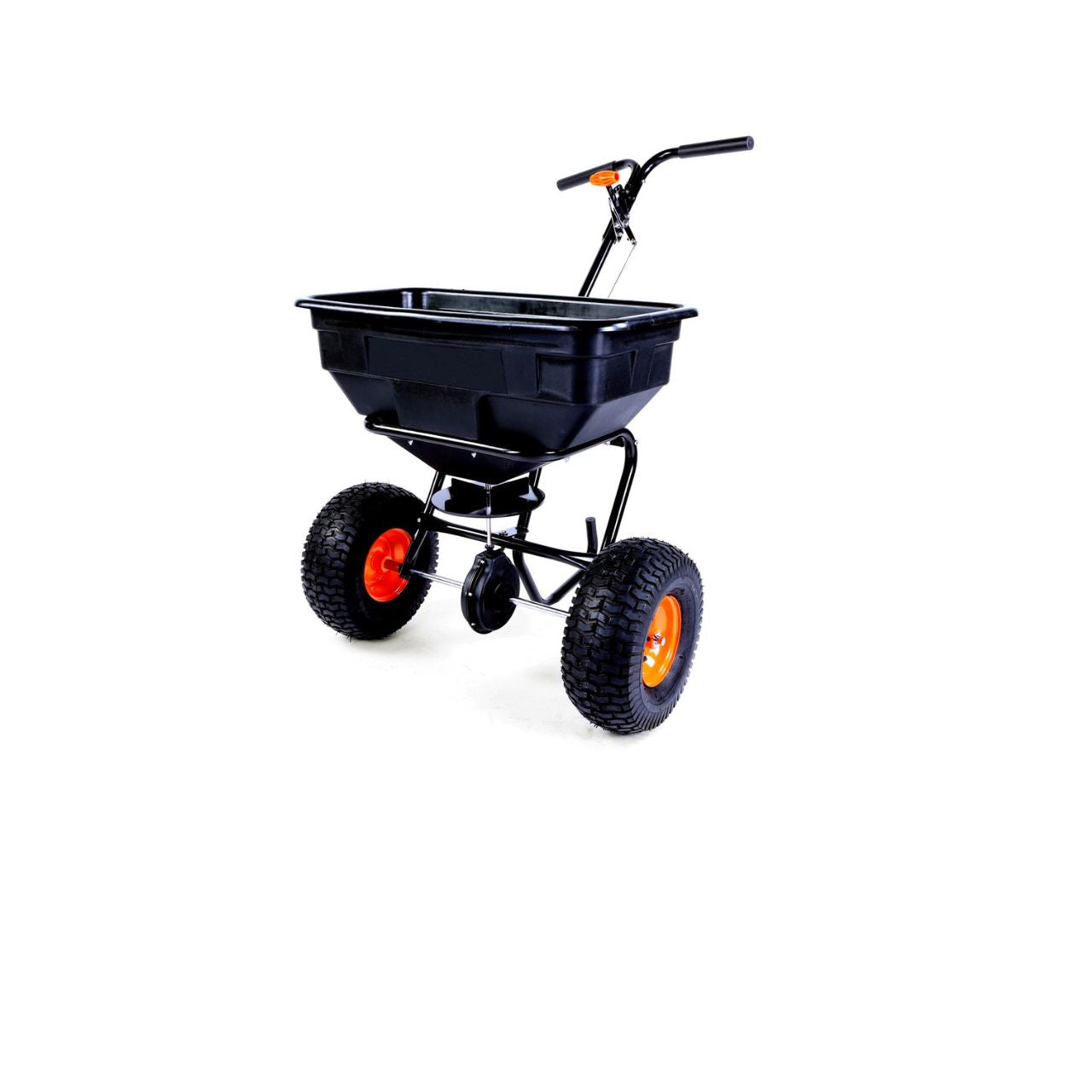
Spreader FX-GS36
Use the spreader to distribute dry seed or suitable granules evenly across larger areas. Match the application rate to the material, and always test it first with a measured amount over a known area.
- hopper with up to 36 kg capacity
- infinitely adjustable spread rate
- variable spread width up to 3.65 m
Firming in fresh seed
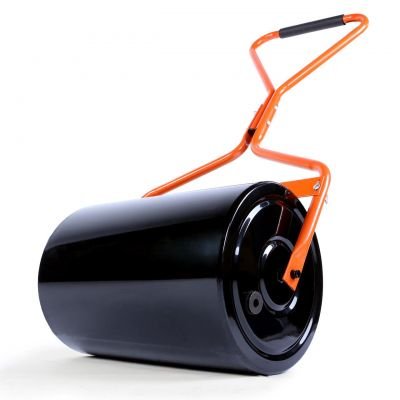
Lawn Roller FX-GW30
After sowing, use the roller to press seed gently into prepared soil, improving soil contact. Adjust the weight via the filling; only add as much ballast as needed for a gentle press.
- 42 cm roller width and 30 cm diameter
- can be filled with water or sand
- metal scraper and soft-grip handle
Practical tip: Here, the roller is only for lightly firming in seed. Avoid rolling on wet ground, and don't recompact freshly worked areas. The right watering duration depends on soil and weather; the area a sprinkler can cover also depends on water pressure and hose length.
How Can You Tell If Your Lawn Needs Aerating?
Run your fingers through the grass and check several spots. If loose, dry material lifts out easily, gentle raking may be enough. If moss and thatch form a solid mat, check its thickness and the condition of the grass beneath. The question "scarify or rake?" is answered by this assessment, not by whichever attachment happens to be fitted.
If you suspect compaction, a small spade test at the edge of a problem area is worthwhile. Does the soil feel dense and slab-like? Does water sit there longer than elsewhere? Are lots of roots running shallow, just under the surface? These observations are useful clues, but not proof of a single cause. Shade, unsuitable soil structure or poor drainage can also hold growth back.
For you as a garden owner, that means: look first, then choose the treatment. Water and nutrients reach a healthy root zone more easily when its pores are working properly. Simply poking random holes in the lawn is no substitute for this check.
When's the Best Time to Aerate a Lawn?
Work on an established lawn during a mild growth phase, typically in spring or early autumn. Raking is best done when the grass is dry. For deeper soil work, the ground should be evenly moist and easy to work: neither dust-dry nor so wet that it smears on the tool.
Newly laid turf, heat-stressed grass and waterlogged ground should be left alone for now. The same applies to both scarifying and raking: the grass needs to be able to recover afterwards. A free Saturday afternoon alone isn't a good enough reason to work on a lawn that isn't ready for it.
Does the Lawn Need Treating Several Times a Year?
Light raking can be repeated as needed. But you don't have to rake every lawn on a fixed schedule. Whether it needs doing again depends on how much loose material has built up. On heavily used lawns, soil structure may also need repeated attention; how often depends on the ground and the level of use. On a loose, healthy, well-growing lawn, an extra pass brings no automatic benefit.
Raking a Lawn: How to Comb the Surface Gently
- Prepare the area: Pick up branches, stones and toys. Before raking, mow the lawn and remove the clippings. Cut overly long grass in stages. Our one-third rule for mowing helps you do this gently.
- Choose your tool: A suitable hand rake is enough for small areas. On larger lawns, a powered tool makes the job easier. What matters is using it for surface-level combing, not deep cutting.
- Do a test pass: Start with a gentle setting as per the instructions. The tool should pick up loose debris without tearing out healthy grass or digging into the soil.
- Work evenly: Push the machine in steady, even passes. One pass is usually enough for raking. Check the result before going over the same spot again.
- Collect the debris: Empty the collection box in good time and rake up any leftover debris. Afterwards, there should be a bit more room between the grass blades.
The Right FUXTEC Tool for Raking
If you want to cover longer stretches, a cordless combi tool can help. For gentle surface care, simply fit the matching spring-tine attachment.
Combing the surface
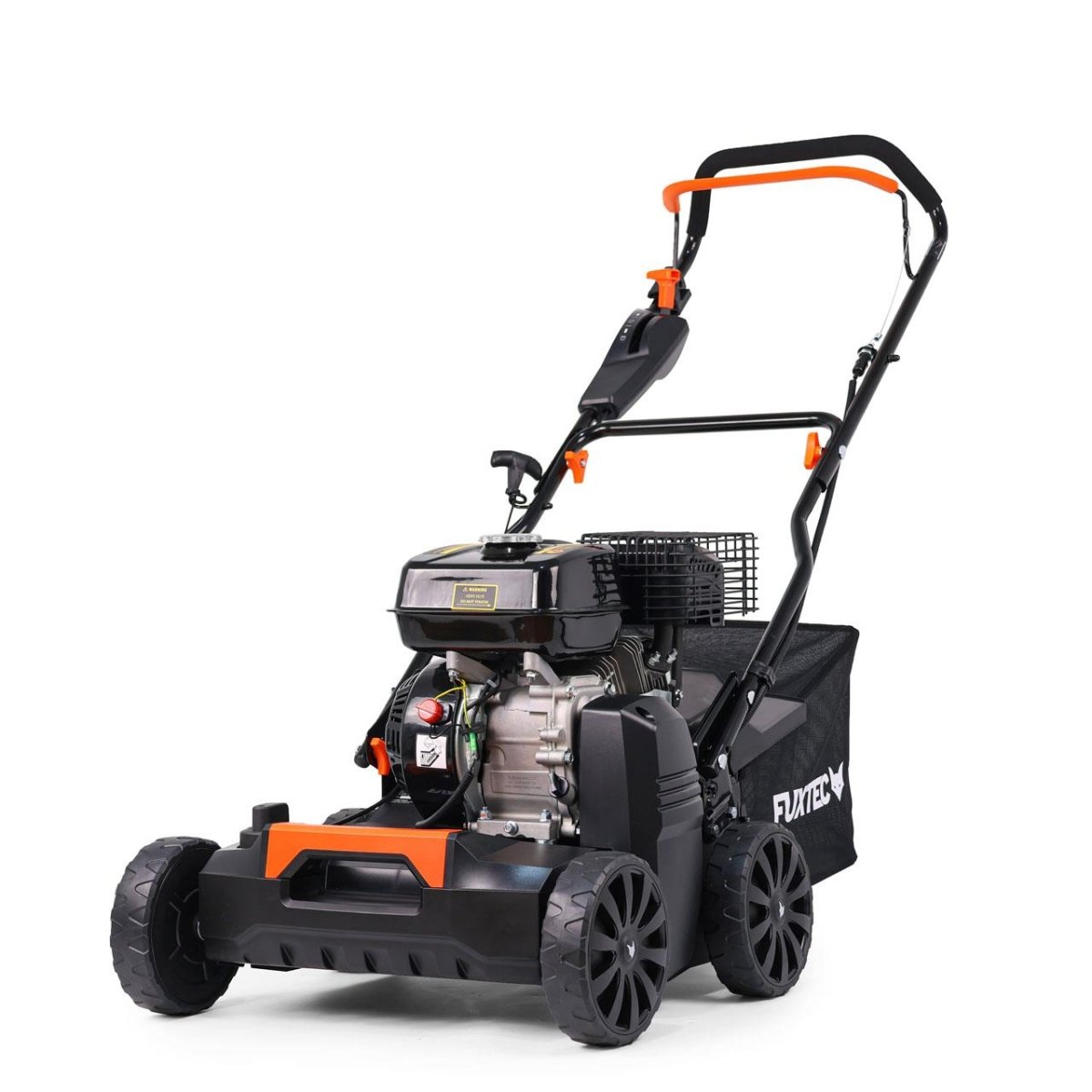
Cordless Scarifier FX-E2VE38SET
With the included spring-tine roller, you can use this combi tool as a lawn rake. For more intensive treatment, swap it for the also-included blade roller.
- 2-in-1 tool with two interchangeable rollers
- includes two 20V batteries, 4Ah each, plus twin charger
- 45-litre collection box for gathered debris
Good to know: This combi tool does not remove soil cores. For deeper soil work, you'll need a separate hollow-tine tool. Always switch the tool off and remove the batteries before swapping rollers.
Core Aeration: Tackling the Root Cause with Hollow Tines
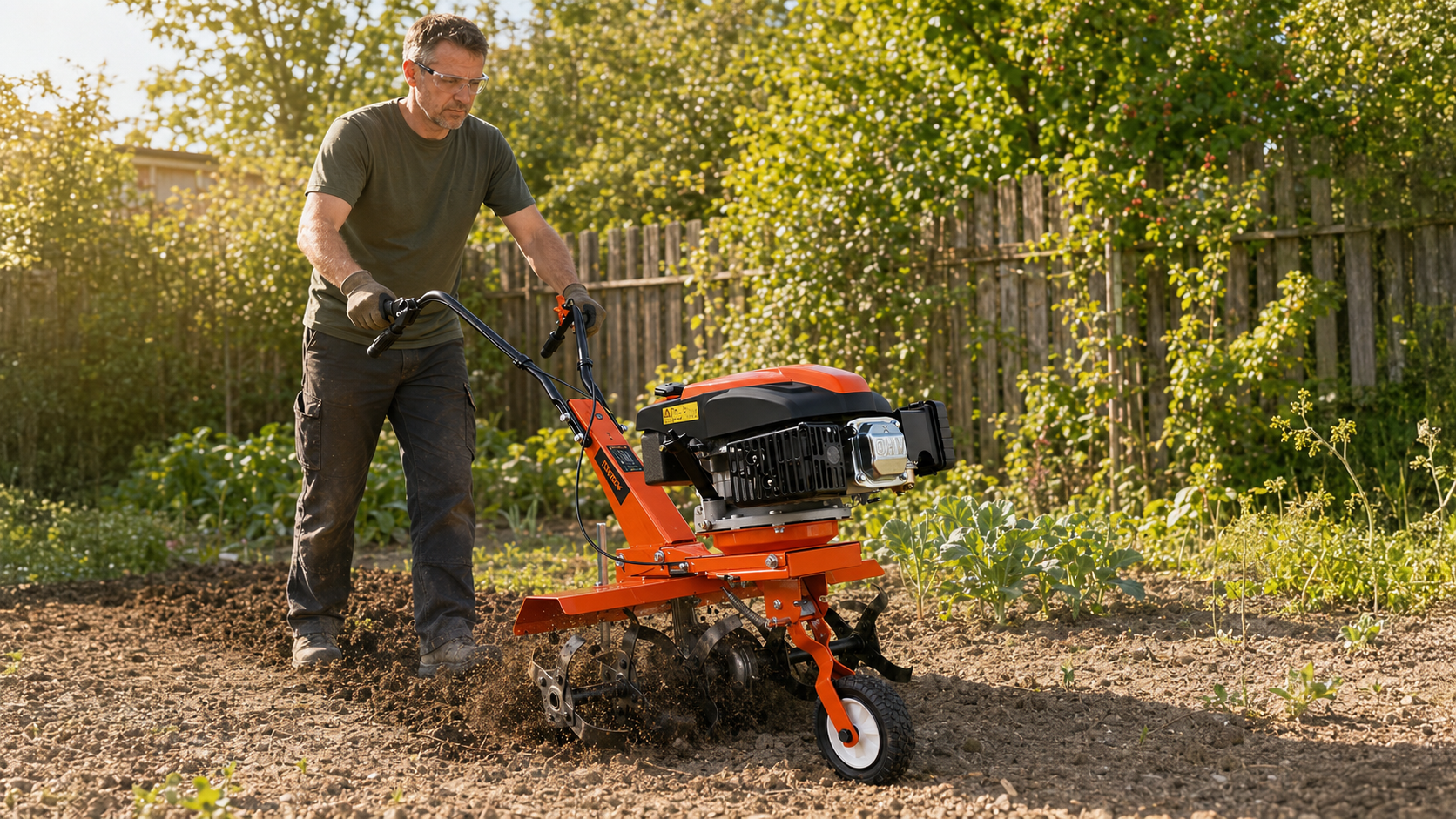
If near-surface soil compaction needs addressing, hollow tines are the more targeted choice. Solid spikes simply push soil aside. Hollow tools remove material, which loosens the treated area. A hand tool is enough for small trouble spots; for larger lawns, hiring a machine may be worthwhile.
- Check moisture levels: The tool needs to penetrate the soil without it smearing. Water beforehand if needed, and let any excess drain away.
- Mark the work area: Flag up shallow cables, sprinkler heads and other fittings. Keep clear of obstacles.
- Work evenly: Punch holes into the soil following the tool's instructions. Typical hollow tines work around five to eight centimetres deep; the right depth depends on the tool and the site.
- Collect the cores: Gather up the removed material if you plan to top-dress the holes afterwards with a suitable mineral material.
Once a lawn has been core-aerated, the resulting channels only go as deep as the working depth used. If a poorly draining layer remains underneath, the area can still become waterlogged. If waterlogging keeps recurring, it's worth reviewing the whole soil profile.
Lawn Aftercare: Filling Gaps and Checking Nutrient Levels
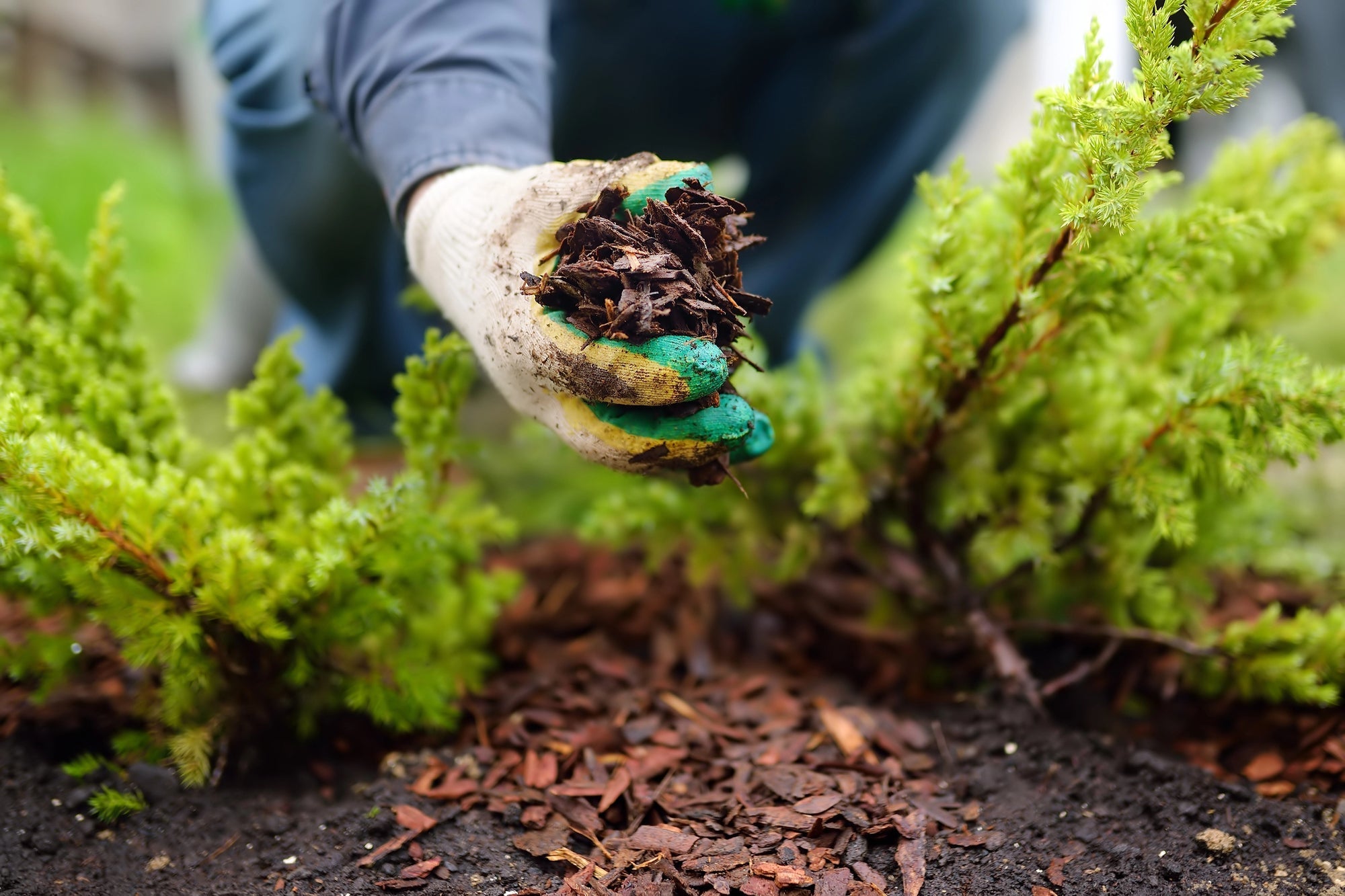
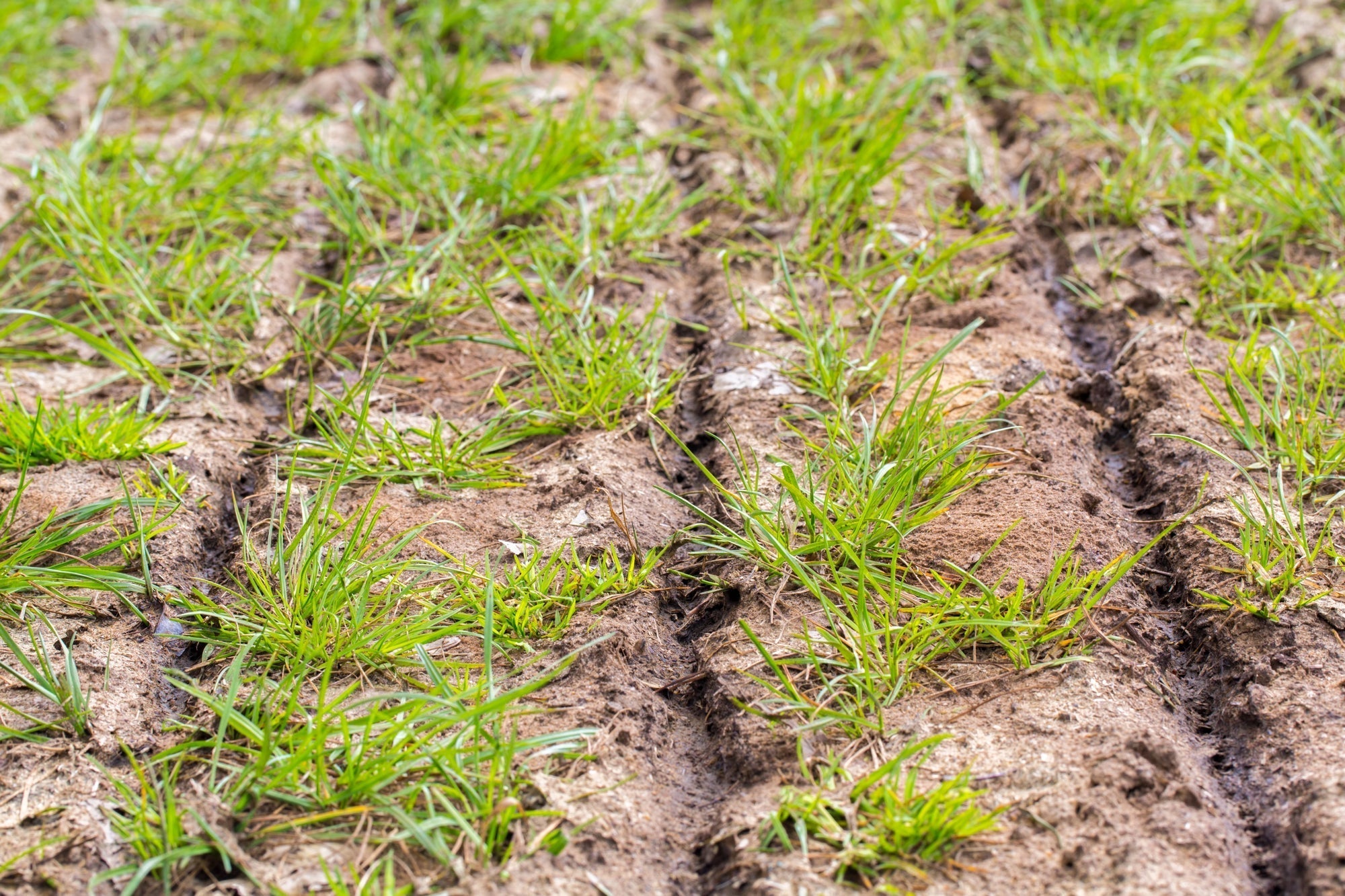
A freshly raked or aerated lawn can look a bit rough at first. Clear away the last of the debris and check whether any genuinely bare patches have appeared. Where there was previously just dead material, open patches of soil may now be visible. Our guide to properly repairing bare patches shows you how to work suitable seed into these areas.
Top-Dressing With Sand: Mainly Worth Checking After Core Aeration
The combination of "raking, top-dressing and reseeding" is often recommended as a blanket routine. It's more sensible to decide based on actual need. After hollow-tine treatment, suitable washed, fine-grained lawn sand can help fill the newly opened pores. Grain size and quantity need to suit your existing soil profile. Spread it thinly and work it in with a broom without burying the grass blades. A thick layer of generic building sand won't automatically improve heavy soil.
Feeding and Watering According to Need
If a nutrient is lacking, mechanical treatment alone won't fix that. Whether you should feed depends on previous feeding history, the time of year and, ideally, a soil test. Choose a fertiliser to match and stick to the manufacturer's dosage. For the start of the season, see our further advice on spring nutrition.
Water the treated lawn according to what the soil needs. For established grass, moisture should reach the root zone. Fresh seed, on the other hand, needs an evenly moist surface until the young plants have established themselves. Avoid puddling and washing seed away. Our article on watering during summer heat explains watering established areas in more detail.
Moisture for young plants
Square Sprinkler FX-VRG1
This adjustable sprinkler helps you water rectangular areas. When watering fresh seed, check surface moisture and adjust the water flow so seed isn't washed away.
- 18 nozzles for water distribution
- adjustable flow rate and range
- covers up to 220 m² at 4 bar
What Mistakes Hold Back Healthy Growth?
A tool set too deep can damage healthy grass. When scarifying a lawn, the blades should only lightly touch the soil surface; deep tilling has no place in this job. Guidance from turf care bodies such as the STRI draws the same distinction between combing out loose debris and removing a troublesome thatch layer.
Impatience doesn't help either: if the ground is wet, extra foot and machine traffic may compact sensitive areas even further. And if you've just raked or aerated gently, the lawn needs time to recover. Treating it more often isn't a shortcut to a healthier lawn.
Keep an eye on your lawn regularly, rather than automatically repeating every treatment. A lush, green lawn comes from the right mowing routine, a suitable spot and consistent care. For a lawn that stays green all year round, this steady routine usually matters more than the next particularly intensive bout of machine work.