




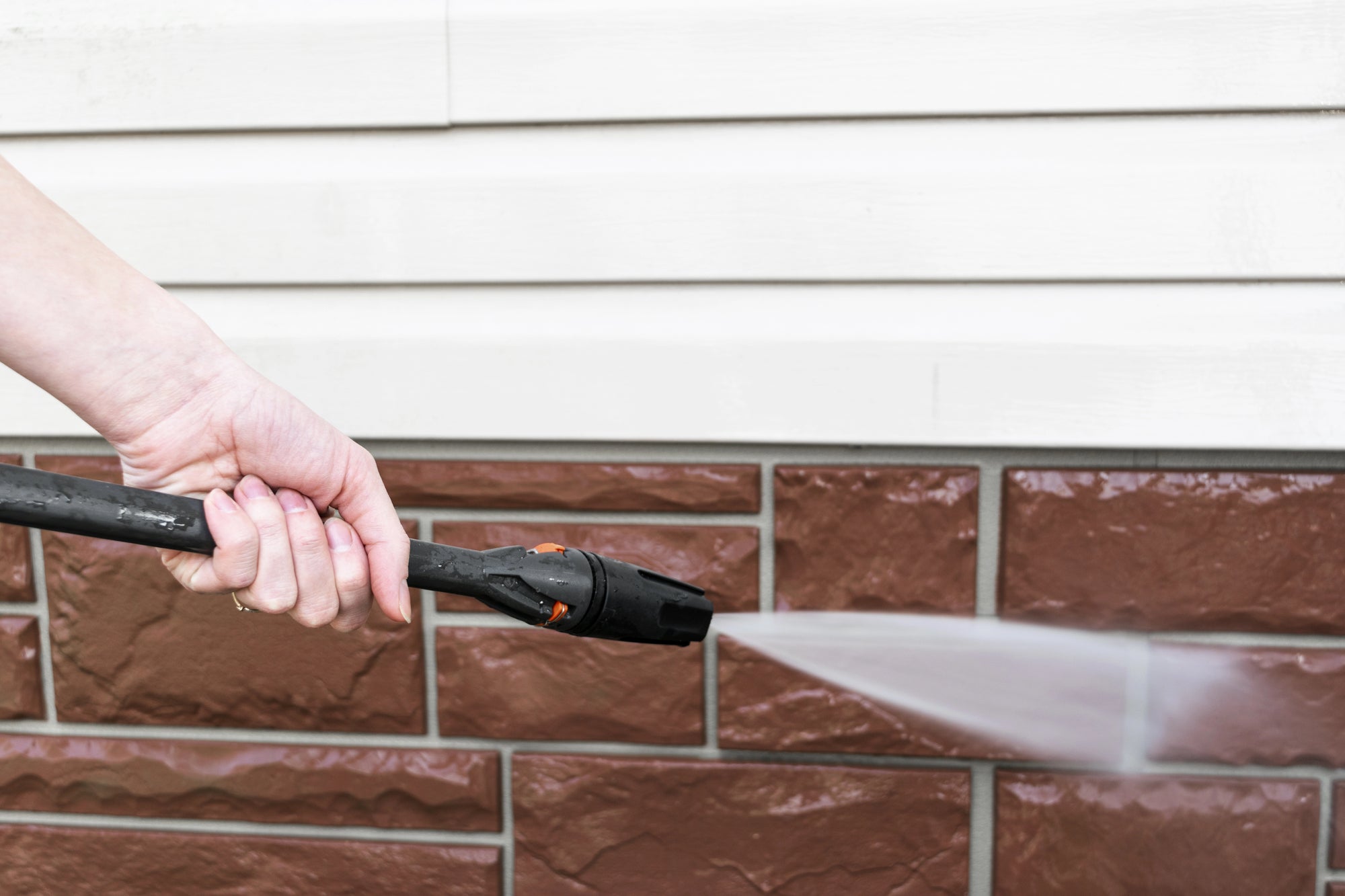
Fassade reinigen Titelbild
Clean Your House Facade with a Pressure Washer
- Wie stark ist Deine Fassade verschmutzt?
- Fassade reinigen mit dem Hochdruckreiniger – so geht’s
- Die besten Reinigungsmittel für verschiedene Fassadentypen
- Die richtige Technik: So wendest Du den Hochdruckreiniger an
- Diese Reinigungsmittel helfen bei hartnäckiger Verschmutzung
- Diese Fehler solltest Du unbedingt vermeiden
- Schritt-für-Schritt-Anleitung: So reinigst Du Deine Fassade richtig
- Fazit: Saubere Fassade leicht gemacht
- FAQ
Your facade is the first thing visitors notice about your home. Over the years, all manner of grime builds up – dirt, moss, algae, and other deposits take hold. Rendered and brick facades in particular can suffer considerably over time.
But don't worry: with the right know-how and a suitable pressure washer, you can remove even stubborn build-up quickly and thoroughly – and do so gently and efficiently.
In this guide, you'll learn how to clean your facade thoroughly, which cleaning products and equipment are genuinely worth using, and what to watch out for when cleaning with high pressure.
How dirty is your facade?

Before you get started, take a good look at the condition of your facade. Depending on the type of soiling and the material, a different cleaning method will be appropriate.
Broadly speaking, soiling can be divided into three categories:
-
Light soiling: Dust, fine dirt, cobwebs – often plain water and a brush will do the job.
-
Moderate soiling: Moss and algae or early dark deposits. A facade cleaner and a gentle jet of water will usually help here.
-
Heavy soiling: Deep-set dirt, algae and moss growth that has often accumulated over many years – this is where the pressure washer comes into its own.
Tip: Test the pressure washer on an inconspicuous spot before tackling larger areas. This lets you gauge how sensitive the surface is and whether the water pressure is set correctly.
Cleaning your facade with a pressure washer – here's how
Using a pressure washer is ideal for stubborn cases – if you know what you're doing. A word of caution though: working with high pressure requires know-how to avoid damaging the facade.
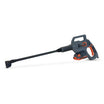
Our models such as the FUXTEC FX-HDR1800 or the cordless battery-powered pressure washer FX-E1HDR20 are perfectly suited for flexible and targeted use on house facades.
How to go about it:
-
Keep your distance: At least 30–50 cm to protect the surface.
-
Work from top to bottom: This prevents dirt and grime from running back down over already cleaned areas.
-
Start with low pressure: Begin gently first – only increase the pressure if needed.
-
Choose your nozzle: A flat-spray nozzle is ideal for sensitive facades.
-
Work in sections: Always clean small areas at a time, then rinse with clean water.
Our recommendation: The FX-E1HDR20 Set is mobile, powerful, and delivers pressure of up to 200 bar – ideal for pressure washing facades.
The best cleaning products for different facade types
Not every facade reacts the same way to chemicals or mechanical pressure. That's why it's important to use the right cleaning products – or sometimes to avoid them altogether.
Quick overview – which products are suitable?
| Facade type | Recommended cleaning product | Notes |
|---|---|---|
| Rendered facade | Algae remover, mild household remedies | Not suitable for high pressure – sensitive! |
| Brick facade | Facade cleaner, bicarbonate of soda, vinegar | Very robust, but avoid the pointing |
| Timber cladding | Specialist wood cleaner, gentle use only | Particularly sensitive – no pressure washing |
| External wall insulation (EWI) | Clean water only, brush if necessary | Particular care required here |
Fancy a home remedy?
For many light soiling jobs, a mixture of diluted white vinegar or bicarbonate of soda is sufficient. For sensitive facades in particular, you should avoid aggressive products. Alternatively, there are also specialist facade cleaners tailored to specific materials.
Tip: With algae, always make sure the surface can dry out thoroughly after cleaning – this helps prevent regrowth.
The right technique: how to use a pressure washer correctly

The correct technique when using a pressure washer is crucial to cleaning the facade without causing damage. Always start from top to bottom – this prevents already-clean areas from being dirtied again by run-off water.
Make sure to move the jet in smooth, even strokes across the surface and avoid lingering too long in one spot – particular care is needed with sensitive materials such as timber cladding or external wall insulation (EWI).
Also work at a shallow angle (approximately 45 degrees to the surface) and keep a sufficient distance from the wall. For sensitive facades, use low pressure and a wide flat-spray nozzle.
Our FUXTEC pressure washers – such as the FX-HDR1800 – feature steplessly adjustable pressure output and various nozzle attachments, so you can clean your facade with care.
You should also always pay attention to your own safety when cleaning facades: wear non-slip footwear and safety goggles, and make sure your working area is free of trip hazards. If working from a ladder, always ensure it is properly secured.
Cleaning products that tackle stubborn soiling
Not all dirt can be removed with water alone. Especially when moss, algae, or atmospheric pollution (such as soot or dust) has taken hold, the right cleaning product can work wonders.
For use with a pressure washer, specialist facade cleaners are recommended, matched to the material of your facade.
These include, among others:
-
Algae and moss remover: For biological soiling, generally suitable for rendered or brick facades.
-
Grease and soot remover: For industrial settings or properties near busy roads with high levels of air pollution.
-
Neutral cleaner: For sensitive surfaces such as timber cladding or EWI.
Make sure to apply the cleaning product with water before the main cleaning process and allow it to soak in briefly – but don't let it dry out!
Afterwards, you can effortlessly remove the loosened dirt with your pressure washer. Our FUXTEC FX-E1HDR20 Set is ideal for tasks like this, as it features an external suction hose for cleaning products.
A small tip: test the product on an inconspicuous spot first to make sure it doesn't cause any discolouration. And: avoid using harsh household products such as undiluted vinegar or acetic acid – these can damage sensitive surfaces and harm the environment.
Common mistakes to avoid
When cleaning your house facade with a pressure washer, things can go wrong – often with costly consequences. To help you steer clear of problems, here are the most common mistakes and how to avoid them:
Too much pressure
Many people think: more is more. But with facades, the opposite is true. Excessive water pressure can damage render, timber or even insulation materials beneath the surface. The result: moisture can penetrate – and over time this leads to damp, mould, or frost damage.
Tip: For sensitive facades, work at a maximum of 80 bar and keep a distance of at least 30–50 cm. Use a flat-spray nozzle and regulate the pressure with a rotary attachment.
Working too close to the surface
Holding the jet too close to the wall can not only damage the surface but also drive dirt deeper into the pores. This is particularly problematic with rendered facades or brickwork with open pointing.
Tip: Always maintain an even distance and move the jet in gentle, overlapping passes. This ensures an even result – without any pressure marks.
Cleaning in direct sunlight
If you clean the facade in strong direct sunlight, the water and cleaning product can dry too quickly – before the dirt has been loosened. This leaves unsightly streaks and significantly reduces cleaning effectiveness.
Tip: Plan the cleaning for early morning or late afternoon – or choose an overcast day with mild temperatures.
Using unsuitable cleaning products
Aggressive or unsuitable products can damage the facade – or even cause discolouration. Environmental impact is also a concern: many cleaners contain substances that should not enter the water table.
Tip: Use environmentally friendly facade cleaners that are suited to the material. Look out for labels such as "biodegradable" or "suitable for pressure washers".
Improper disposal of waste water
During cleaning, pollutants can be released (e.g. from moss remover, oil residues, etc.) that should not simply be washed into the lawn or down the drain.
Tip: Use collection mats or redirect the water carefully. Some local councils have specific regulations regarding facade cleaning and waste water disposal – it's worth checking with your local authority beforehand.
If you avoid these mistakes, there's nothing standing in the way of a successful facade clean – and your walls will soon look as good as new.
Step-by-step guide: how to clean your facade properly

You now have the right equipment, you know when the perfect time is – and you're aware of the most common pitfalls. Now it's time to get stuck in: the actual cleaning. Here's the best approach:
Step 1: Preparation is everything
-
Remove loose items: Flower pots, garden furniture, or wall decorations near the facade should be stored safely out of the way.
-
Cover electrical fittings: Protect outdoor sockets or lights on the wall with plastic sheeting and tape.
-
Close windows and doors – obvious, but easily forgotten.
Tip: Check the facade for cracks or crumbling render – repair these areas before cleaning, or avoid them during the process.
Step 2: Apply the cleaning product
-
Use a suitable facade cleaner. Apply the product using a foam sprayer or a specialist cleaning attachment.
-
Allow time to soak in: Usually 5–10 minutes – depending on the level of soiling.
Important: Don't let it dry out! It's best to work in sections.
Step 3: Rinse with high pressure
-
Set your nozzle: Use a flat-spray nozzle with gentle pressure.
-
Keep your distance: 30–50 cm – as described in Part 3.
-
Spray from top to bottom – this prevents streaking and stops dirt from being spread back over already cleaned areas.
-
Clean in even, overlapping passes – this ensures no streaks are left behind.
Tip: Particularly stubborn patches can be tackled with a rotary nozzle or a cleaning brush (but take care with render!).
Step 4: After-treatment (optional)
-
For very porous facades, a facade sealant can be worthwhile – it seals the surface and protects against future soiling.
-
Polish windows, rinse cleaning accessories, and store equipment properly.
Step 5: Check the result
Step back – and enjoy! If everything has been done correctly, your house facade should now look fresh, clean, and well-maintained – without a lick of new paint or any renovation costs.
By the way: Many of our customers report that their facade looks freshly painted after cleaning – all without any paint or a decorator.
Summary: a clean facade made easy
With the right pressure washer and a bit of preparation, you can achieve professional results – without expensive contractors. And the best part: it's actually satisfying watching the dirt disappear!
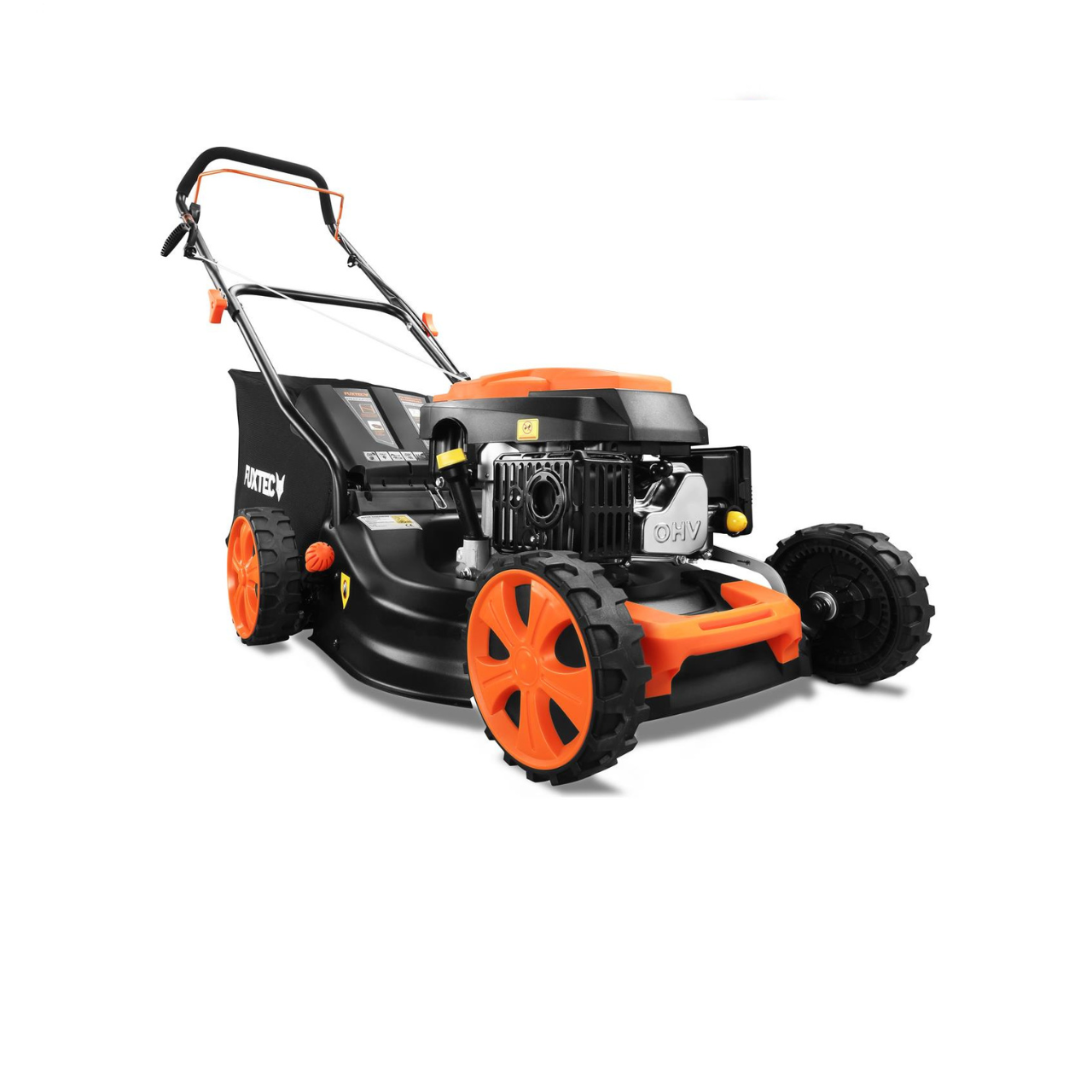
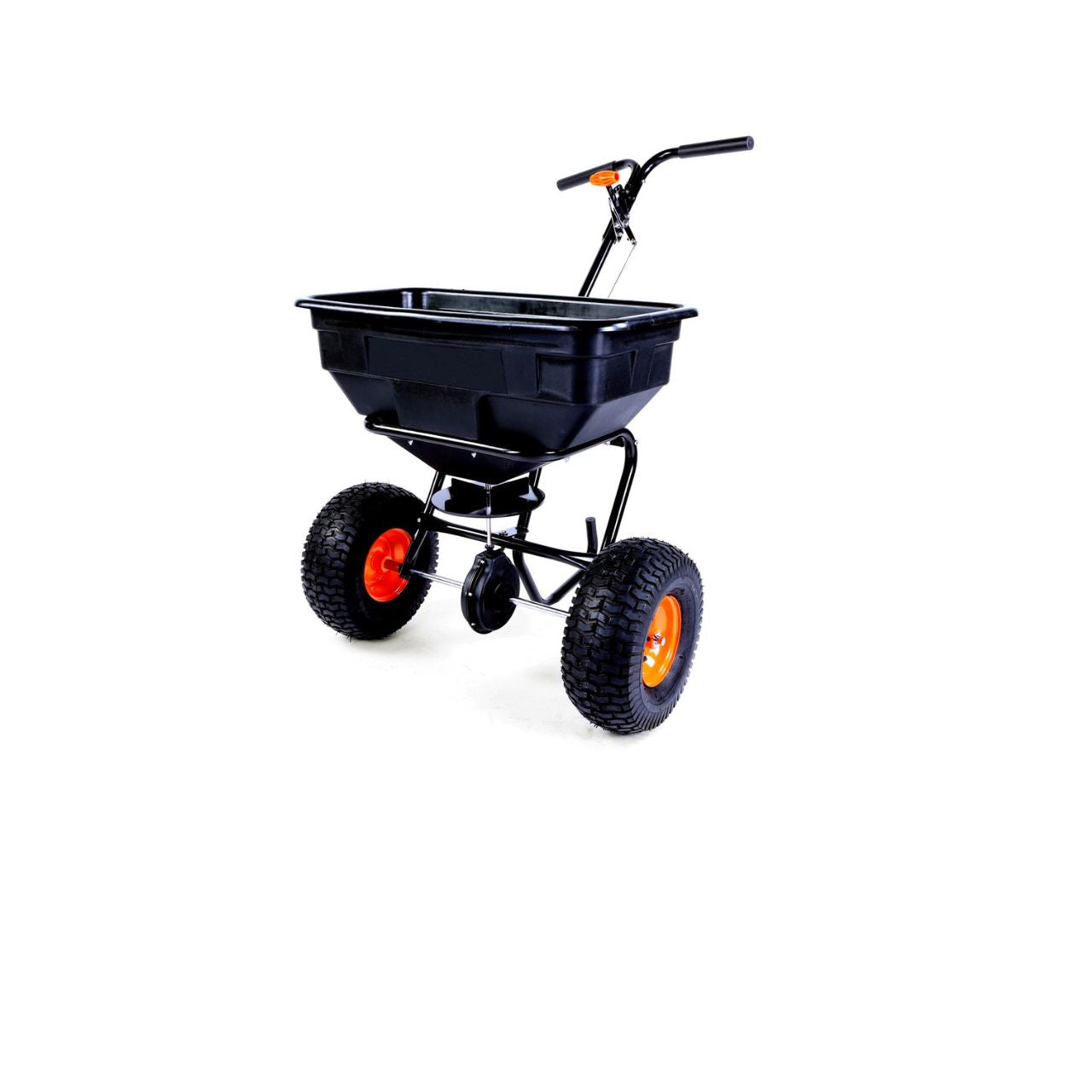
Discover our range of garden tools

What's the safest distance to hold the pressure washer from my facade?
Keep a distance of at least 30–50 cm from the surface to protect it from damage. Always start with low pressure and increase gradually only if needed, using a flat-spray nozzle on sensitive facades.
Can I use a pressure washer on rendered facades?
Rendered facades are sensitive and should not be cleaned with high pressure. Instead, use low pressure (maximum 80 bar), a flat-spray nozzle, and gentle products like algae remover or mild household remedies such as diluted vinegar.
Which cleaning products work best for moss and algae?
Specialist algae and moss removers are ideal for biological soiling on rendered or brick facades. Apply the product with water, allow it to soak for 5–10 minutes (but don't let it dry out), then rinse with the pressure washer. Always test on an inconspicuous spot first.
Why shouldn't I clean my facade in direct sunlight?
Water and cleaning products dry too quickly in strong sunlight before the dirt has been loosened, leaving streaks and reducing effectiveness. Clean early morning, late afternoon, or on an overcast day instead.
Is it safe to use vinegar or acetic acid on my facade?
Avoid undiluted vinegar or acetic acid as they can damage sensitive surfaces and harm the environment. Use environmentally friendly facade cleaners labelled as biodegradable or suitable for pressure washers instead.
What should I do before starting to clean my facade?
Remove loose items like flower pots and garden furniture from the area, cover electrical fittings with plastic sheeting, close windows and doors, and check for cracks or crumbling render that should be repaired first or avoided during cleaning.
Can timber cladding be cleaned with a pressure washer?
Timber cladding is particularly sensitive and should not be pressure-washed. Clean it gently using only a specialist wood cleaner and soft brush instead, as high pressure can cause irreversible damage.
More articles about garden care

Trockenheit im Garten: Boden lockern, richtig gießen und mit Mulch Wasser sparen
Du gießt das Beet, doch das Wasser bleibt auf der harten Erdoberfläche stehen oder läuft zur Seite ab. Schon nach kurzer Zeit wirkt der Boden wieder trocken, obwohl Du gerade erst zur Gießkanne g...
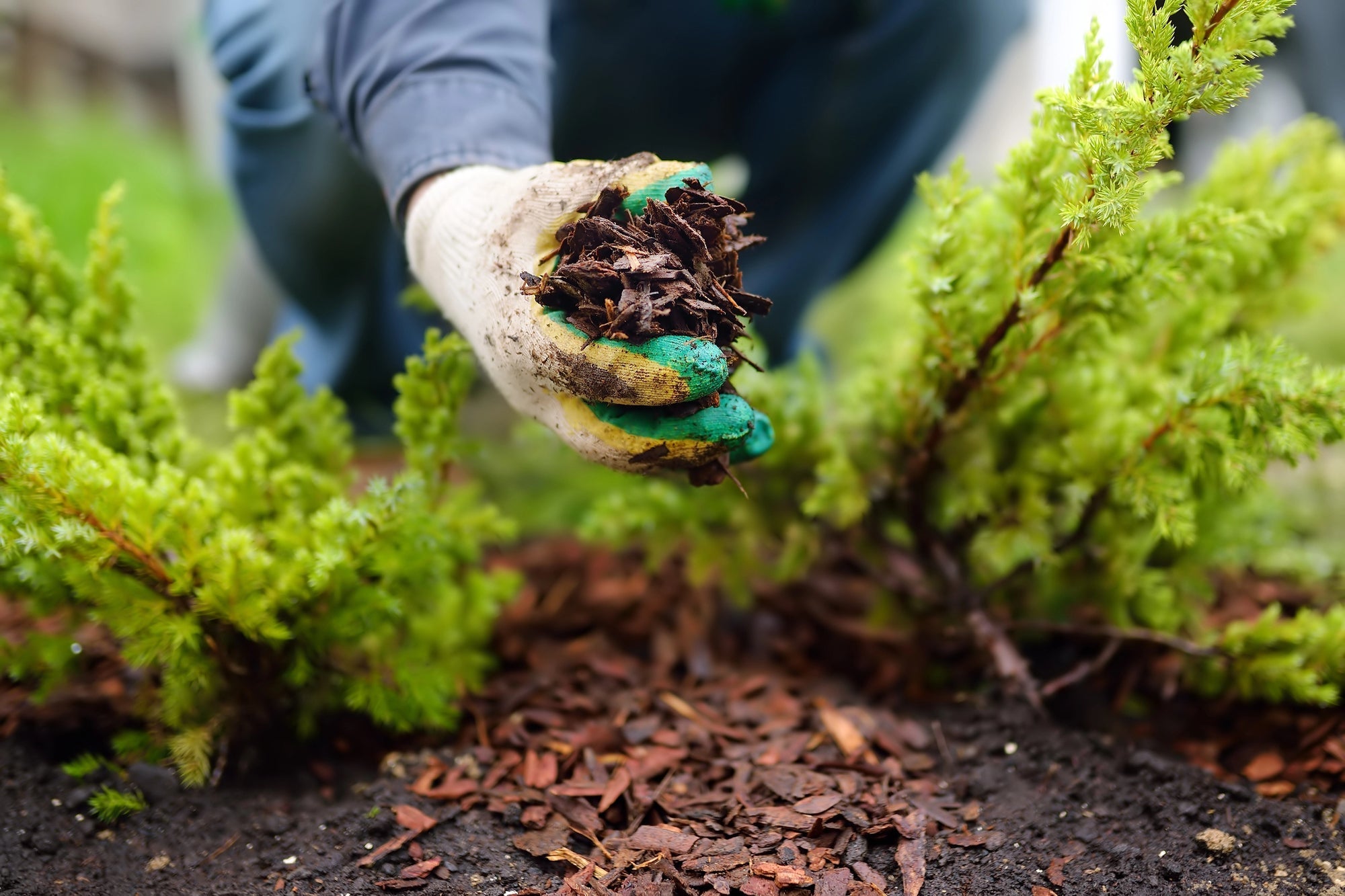
Pine Bark Mulch: The Complete Gardening Guide
Mulching with pine bark is one of the most effective methods in modern gardening and sustainable horticulture. A layer of mulch material is applied to the soil surface to protect and improve the so...
Spring Soil Improvement: Prepare Your Garden Soil
Inhaltsverzeichnis Warum Bodenverbesserung im Garten im Frühjahr so wichtig für einen gesunden Gartenboden ist Gartenboden nach dem Winter prüfen: Bodenstruktur, Verdichtung und Bodenart erke...


