

Dachrinne reinigen Titelbild
How to Clean Gutters: Tips & Tricks | Guide
- Warum die Dachrinnenreinigung so wichtig ist
- Wann und wie oft solltest Du die Dachrinne reinigen?
- Dachrinnen selbst reinigen – so geht’s Schritt für Schritt
- Dachrinne und Fallrohr reinigen – typische Probleme und Lösungen
- Hilfreiche Werkzeuge für die Reinigung der Regenrinne
- Vorbeugen statt ständig reinigen – praktische Tipps für Hausbesitzer
- Fazit – so bleibt Deine Dachrinne sauber und frei von Schmutz
- FAQ
How to Clean Gutters: Tips & Tricks You Can Try at Home
Clean gutters are more than just a visual bonus – they protect your home from damp damage, blockages, and even frost damage. When leaves and debris are left to build up unchecked in your guttering, costly repairs can follow.
The solution? Simple: clean your gutters regularly and remove dirt and residue before it becomes a problem.
In this guide, we'll show you why cleaning your gutters is so important, how you can do it yourself, and which tools will make the job easier!
Why Gutter Cleaning Is So Important

Many homeowners only think about their gutters when water is visibly overflowing or the downpipe is already blocked. Yet guttering plays a vital role: it channels rainwater reliably away from your roof and protects your home from damp.
If gutters aren't cleaned regularly, leaves and debris can quickly block the pipes. This is especially true in autumn, when large quantities of leaves and twigs fall.
A blocked downpipe can no longer drain water properly. It backs up, overflows the edge, and saturates the render and brickwork of your home.
Things get particularly tricky in winter: if water freezes inside the gutter, it can cause frost damage or even dangerous icicles.
Moss and other deposits also contribute to the build-up and can permanently damage your guttering. The rule is simple: the sooner you start cleaning, the better you protect your home.
Key Takeaway:
Cleaning your gutters regularly is essential – otherwise you risk costly damage from water, frost, and debris!
When and How Often Should You Clean Your Gutters?
A question many homeowners ask is: when is the best time to clean gutters? As a general rule, experts recommend giving them a thorough clean at least once a year.
In areas with many trees, or if your roof is particularly prone to leaf fall, you should clean them twice a year – ideally in spring and in late autumn.
It's especially important to check them before the first frost, as frozen water can split or crack the guttering.
Weather is another factor to bear in mind. After heavy storms or prolonged periods of rain, it's worth taking a look inside the gutter. Leaves and twigs can accumulate faster than you'd expect.
To stay on top of things, you can set fixed reminders in your calendar. That way, you'll avoid leaves and debris causing unnoticed damage.
One more tip: a leaf guard can significantly reduce how often you need to clean, as coarse debris won't enter the gutter in the first place.
Cleaning Gutters Yourself – A Step-by-Step Guide

If you want to clean your gutters yourself, the most important thing is: a secure footing.
Never climb a ladder without thinking it through first – make sure it's stable and properly secured against slipping.
For manual cleaning, basic tools are usually sufficient: a small trowel, a hand brush, or a hand broom. Use these to remove coarse debris, leaves, and twigs from the gutter section by section.
It's best to use a bucket or collection container to dispose of the gathered material straight away. This prevents the muck from dirtying your garden or patio when dropped. Smaller deposits such as moss can be tackled with a brush or cloth.
The job becomes far more efficient with water. A connected garden hose – or, even more powerfully, a FUXTEC pressure washer – will flush out even stubborn dirt from the gutter. Our models such as the FX-HDR1800 pressure washer or the professional FX-HDRP2500 are ideal for this.
With a suitable telescopic lance, you can even work comfortably from ground level without having to climb the ladder every time.
To help you get started, here are the most important tools for the job:
- Trowel and hand brush: for coarse debris
- Bucket or collection container: for leaves and twigs
- Brush: for stubborn deposits
- Pressure washer: for a thorough flush
- Telescopic lance: for working from ground level
Cleaning Gutters and Downpipes – Common Problems and Solutions
Even when the gutter itself looks clean, the downpipe often remains problematic. This is where blockages tend to occur most frequently, as leaves, moss, and small twigs get stuck in the narrow pipework.
You can tell a downpipe is blocked when water no longer drains properly and backs up in the gutter. In such cases, you need to act before damage occurs.
Clearing a downpipe isn't as complicated as it sounds. Using a drain rod or a specialist gutter spiral, you can manually dislodge the blockage.
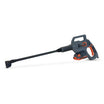
Alternatively, a powerful jet of water does the trick – and this is where the pressure washer comes in again. Holding your FUXTEC cordless pressure washer FX-E1HDR20 with a suitable nozzle into the downpipe will quickly shift the blockage. For lighter debris, a garden hose may well be sufficient.
To prevent future blockages, it's worth fitting a leaf guard at the top of the downpipe. This stops leaves and debris from entering the downpipe in the first place.
If your downpipe is completely blocked and you can't clear it yourself, you can always call in a professional. For homeowners and landlords alike, this saves time and effort while giving you the peace of mind that the pipe is clear again.
Useful Tools for Cleaning Your Gutters

Working on gutters can be hard going – unless you use the right tools. Alongside traditional aids such as a trowel and hand brush, there are now a wide range of handy helpers that make cleaning much easier.
Particularly useful are gutter cleaning attachments, designed specifically for hard-to-reach areas. A hosepipe attachment such as a gutter flusher can also help rinse the guttering clean.
For even greater convenience, a telescopic lance lets you reach gutters from ground level. Combined with a pressure washer, you can remove leaves and dirt quickly and thoroughly without needing to go up a ladder.
Our FUXTEC pressure washers are built exactly for this: whether light dirt or stubborn deposits, the right pressure will clear any gutter.
A quick overview:
| Tool | Application | Benefit |
|---|---|---|
| Hand brush / trowel | Coarse debris, leaves, and twigs | Simple and quick to use |
| Brush | Moss and ingrained dirt | Thorough cleaning |
| Telescopic lance | Working from ground level | No ladder required |
| Pressure washer | All dirt and debris in the gutter | Fast, effective, and thorough |
| Leaf guard | Prevention of new build-up | Less cleaning required |
This lets you decide whether you prefer the traditional approach with a trowel or a more modern method with professional tools.
Prevention Over Constant Cleaning – Practical Tips for Homeowners
While cleaning is important, it's even better if you can prevent blockages in the first place.
The easiest way to do this is with a leaf guard. It stops leaves and twigs from getting into the gutter at all. This saves you many hours of work – all you need to do is occasionally check that everything is clear.
Another tip: check your gutters regularly, particularly after storms or before the first frost. This ensures rainwater can drain away properly.
For homeowners, it can also be worthwhile having the cleaning done by a professional contractor. If your house is tall or has hard-to-reach areas, professional equipment and expertise will give you peace of mind.
By the way, the leaves and debris you remove can be put to good use sustainably: you can compost them and turn them into valuable fertiliser for your garden. That way you're killing two birds with one stone – your gutters stay clean and your garden benefits.
Summary – Keeping Your Gutters Clean and Clear

Regular gutter cleaning is essential to protect your home from damage caused by water, frost, and blockages.
With the right tools – from trowel and brush through to our powerful pressure washers – you can remove all deposits quickly and thoroughly.
It's especially important to keep an eye not just on the gutter itself, but also on the downpipe, so that rainwater can drain away freely.
If you take preventative measures – for example fitting a leaf guard – you'll save yourself a great deal of work and can be confident your guttering will stay clean for longer. Aim to clean at least once a year – in many cases, it's worth doing it twice a year. This way you prevent leaves and debris from ever getting the chance to cause damage.
For even more home maintenance tips, take a look at our other guides – for example, how to properly clean a timber decking, how to clean a rendered wall with a pressure washer, or how to design a terraced house garden. You'll be well equipped to keep your home in great shape all year round.
Discover our range of garden tools
How often should I clean my gutters?
Experts recommend cleaning your gutters at least once a year, though twice a year is ideal if you have many trees nearby or in spring and late autumn. It's especially important to check them before the first frost to prevent freeze damage.
What tools do I need to clean gutters myself?
For basic cleaning, you'll need a trowel, hand brush, and a collection bucket for debris. For more thorough cleaning, a pressure washer with a telescopic lance is highly effective and lets you work from ground level without a ladder.
Why is gutter cleaning important?
Clean gutters protect your home from damp damage, blockages, and frost damage by channelling rainwater away from your roof. When gutters become blocked with leaves and debris, water backs up and saturates your home's render and brickwork, leading to costly repairs.
How do I clear a blocked downpipe?
You can use a drain rod or gutter spiral to manually dislodge blockages, or use a powerful jet from a pressure washer or garden hose to flush the debris out. If the blockage is severe, it's best to call a professional.
What should I do to prevent gutter blockages?
Installing a leaf guard at the top of your gutter and downpipe stops leaves and debris from entering in the first place, significantly reducing how often you need to clean. Regular checks, especially after storms or before winter, also help prevent problems.
Is it safe to clean gutters myself?
Yes, as long as you use a secure and stable ladder that's properly braced against slipping. A safer option is to use a pressure washer with a telescopic lance, which lets you work from ground level without climbing.
Can I use my gutter debris for anything useful?
Yes, leaves and debris removed from your gutters can be composted and turned into valuable fertiliser for your garden, making it a sustainable way to maintain both your gutters and grow your plants.
More articles about garden care
Trockenheit im Garten: Boden lockern, richtig gießen und mit Mulch Wasser sparen
Du gießt das Beet, doch das Wasser bleibt auf der harten Erdoberfläche stehen oder läuft zur Seite ab. Schon nach kurzer Zeit wirkt der Boden wieder trocken, obwohl Du gerade erst zur Gießkanne g...
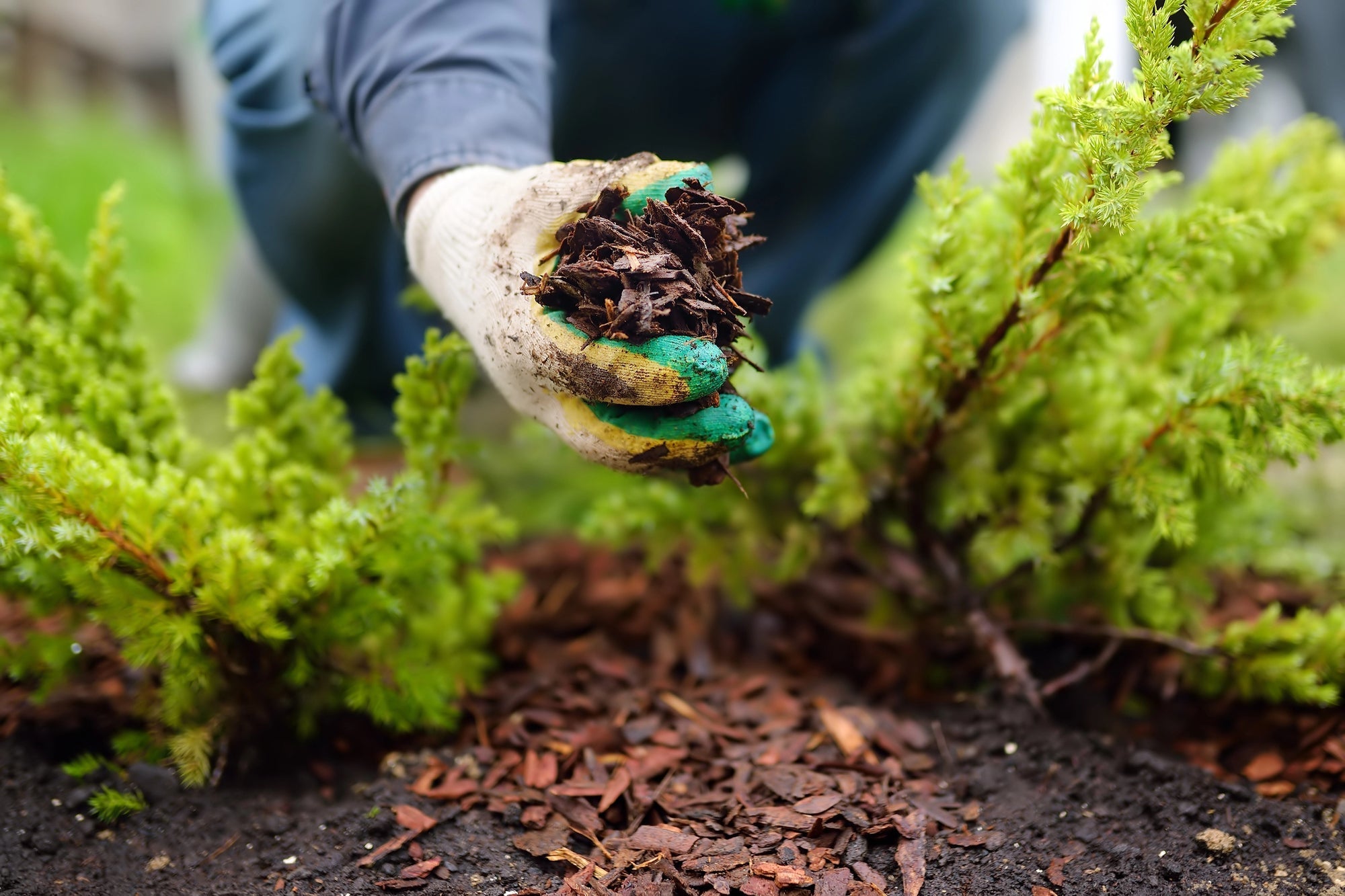
Pine Bark Mulch: The Complete Gardening Guide
Mulching with pine bark is one of the most effective methods in modern gardening and sustainable horticulture. A layer of mulch material is applied to the soil surface to protect and improve the so...
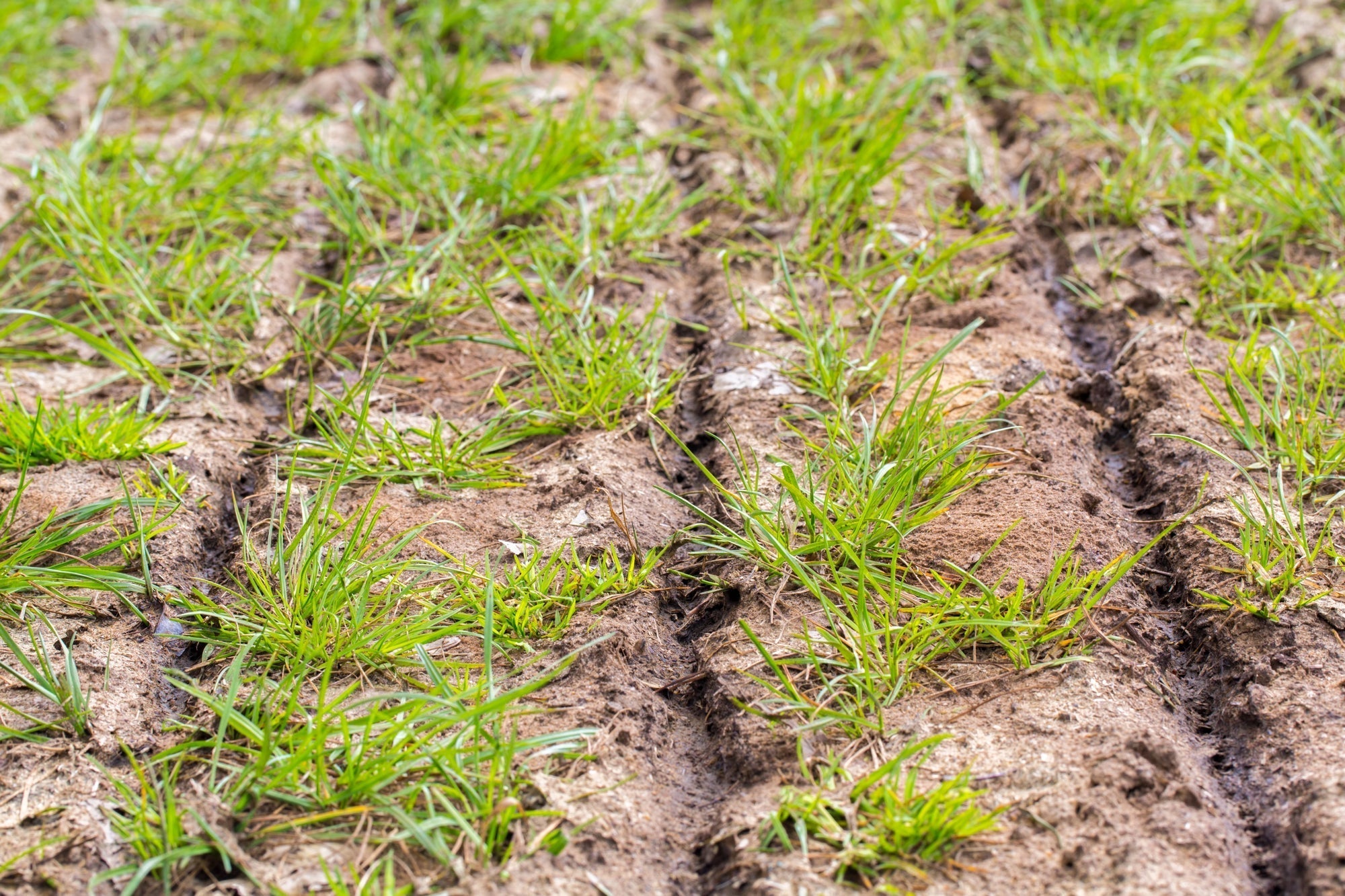
Spring Soil Improvement: Prepare Your Garden Soil
Inhaltsverzeichnis Warum Bodenverbesserung im Garten im Frühjahr so wichtig für einen gesunden Gartenboden ist Gartenboden nach dem Winter prüfen: Bodenstruktur, Verdichtung und Bodenart erke...


