




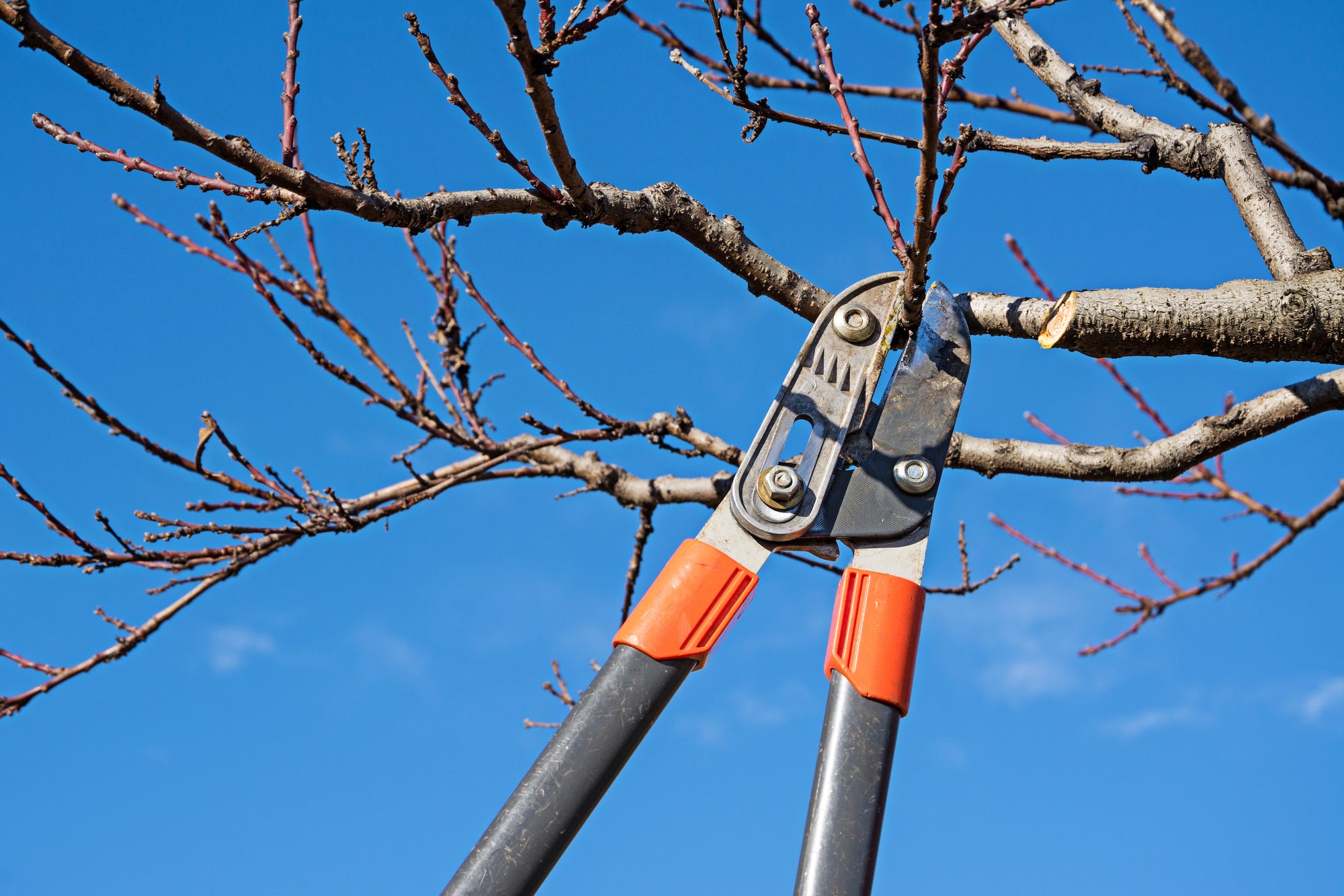
Obstbäume zurechtschneiden im Winter: So gelingt es!
Winter Pruning Guide: Trees & Shrubs | FUXTEC
Winter pruning is one of the most important tasks you can do to maintain the long-term health and productivity of your garden. Whether you prune in December or wait until the end of winter is not a random decision — there is a clear strategy behind it, guided by the biological rhythm of your plants. During dormancy, fruit trees and shrubs produce no new growth, sap flow is significantly reduced, and pruning wounds can heal more effectively. Pruning during this period reduces stress on the plant, lowers the risk of fungal infections, and lays the foundation for strong new growth in spring. In this FUXTEC Garden Guide, you'll find a step-by-step breakdown of everything that matters when it comes to winter pruning.
Why Winter Pruning Is So Important
During the cold months, many fruit trees and shrubs enter a dormant phase. At this point, the plant significantly slows its metabolism. Chlorophyll production stops, sap flow slows, and the plant concentrates its energy on the root system. This is precisely why winter is so well suited for pruning. The intervention places far less stress on the plant than it would during active growing periods.
Removing surplus, damaged, or diseased branches during dormancy creates clean conditions for the coming season's growth. At the same time, without foliage in the way, the structure of the tree is much easier to assess. Branches that cross, grow inward, or unnecessarily crowd the canopy are clearly visible now. Targeted winter pruning encourages balanced development, supports the formation of productive new shoots, and ultimately improves fruit quality. Neglecting this task often results in a cluttered canopy come spring, poor light penetration within the tree, and a weaker harvest.


Which Plants Can Be Pruned in Winter
Not every plant benefits equally from winter pruning. It is important to know each species well, so that you neither weaken the blossom nor unnecessarily reduce fruit set.
Stone Fruit
Peach, cherry, apricot, and plum all belong to the stone fruit group. These species require a little more care. Winter pruning here is best carried out later in the season — from January through to the end of winter. November and December are often less favourable, particularly in colder or more exposed areas, as very low temperatures can impair wound healing. The peach in particular requires regular and fairly hard pruning, as it bears its fruit predominantly on the previous year's wood. Without consistent renewal of the fruiting shoots, yields will quickly decline.
Top Fruit (Pome Fruit)
Apple, pear, and quince are very well suited to classic winter pruning between December and February. Apple trees in particular often respond very positively to clear, structural intervention. Removing inward-growing shoots and steeply upright, unproductive water shoots opens up the canopy, allowing more light and air to circulate. This has a direct impact on fruit quality. FUXTEC recommends paying close attention to the centre of the canopy, where congestion frequently develops and blocks both light and airflow.
Pruning in December: Opportunities and Risks
December is a transitional month. Many plants are already dormant, yet temperatures can fluctuate considerably. Pruning in December is most suitable in regions with milder winters, such as much of southern and western England, where the risk of severe frost damage is lower. In more exposed, upland, or consistently colder areas — such as northern England, Scotland, or elevated sites — it is generally better to wait until January or February.
One advantage of early winter pruning is that it leaves more time for the plant's wound response before spring growth begins. Cut surfaces can stabilise over several weeks before new shoots emerge. The risk arises if hard frosts follow immediately after pruning, as exposed tissue can be damaged. You should therefore avoid pruning when temperatures fall below around -5°C. For larger cut surfaces — more than about 3 cm in diameter — you can apply a suitable wound sealant for additional protection.
Late Winter: The Best Time for Many Woody Plants
For many fruit trees and ornamental shrubs, the period from late February through to early March is ideal. The plants are still dormant but are on the verge of breaking into growth. As a result, the tree or shrub responds with particular vigour to pruning. The remaining shoots receive a stronger supply of energy, and new growth often develops more evenly and robustly.
Particularly for apple, pear, and peach, pruning at the end of winter frequently delivers better results than cutting in autumn. The plant channels its stored energy precisely into the remaining shoots and buds. This improves both shoot development and subsequent flower formation. As this FUXTEC Garden Guide makes clear: timing is almost as important as technique when it comes to winter pruning.
Removing Branches Correctly: Technique and Tools
A clean cut depends not only on timing but also on execution. Cutting incorrectly weakens the plant and creates unnecessary entry points for disease.
As a rule, always cut just above a bud or branching point. The cut should be made at a slight angle so that rainwater can run off. This keeps the wound drier and reduces the risk of rot.
Sharp, clean tools are equally important. Secateurs, hand saws, and telescopic loppers should be cleaned regularly and, crucially, disinfected when moving between different plants. Methylated spirits or a suitable disinfectant solution works well for this purpose. This prevents pathogens from being transferred from one plant to another.
Never leave stubs behind. Branches should be removed cleanly at the branch collar or flush with the parent branch. If dead stubs are left in place, they can dry out and become problem areas later on. Always begin by removing dead, diseased, or damaged wood. Then address crossing shoots, and only afterwards carry out the main thinning of the canopy.
For thick branches over about 5 cm in diameter, work in several stages. First, make an undercut slightly further out from the trunk to relieve tension. Then make a cut from above, a few centimetres further out, so that the branch breaks in a controlled manner without tearing the bark. Finally, remove the remaining stub cleanly at its base. This method reliably protects the trunk and main branches from bark damage.
What Winter Pruning Should Achieve Structurally
Every cut should have a clear purpose. The aim is not to remove branches at random, but to bring the plant into a sensible shape — or to maintain one. A well-structured fruit tree grows sturdily, produces higher-quality fruit, and is generally less susceptible to disease.
Depending on the species, an open crown form or a slim, centrally led shape may be appropriate. Winter pruning serves to maintain or correct this structure. The goals may include limiting tree height so that maintenance and harvesting are easier; achieving a balanced distribution of the main framework branches so the tree remains structurally sound and does not grow one-sidedly; and regularly renewing old, unproductive fruiting spurs, which on many species decline noticeably in performance after a few years. At the same time, sufficient light must reach the interior of the canopy — light and air are essential for flowering, fruit set, and even ripening.
Pruning Ornamental Shrubs in Winter
Many ornamental shrubs also benefit from pruning during the colder months. Roses are traditionally cut back at the end of winter. At this point, you remove dead and crossing shoots and shorten the stronger main stems down to a few well-placed buds. Summer-flowering shrubs such as buddleja (butterfly bush) and dogwood also respond well to pruning at this stage.
Caution is needed, however, with species that set their flower buds on the previous year's wood. Forsythia is a prime example. If you cut these shrubs back hard in winter, you will often be removing the flower buds that have already formed, significantly reducing the spring display. Always check which type of wood a plant flowers on before you prune.
A similar principle applies to formal hedges. After winter pruning, a targeted feed can be beneficial. FUXTEC recommends viewing pruning as part of a broader care programme. It is the right combination of pruning, nutrition, and site management that produces dense, vigorous plants.
Common Mistakes When Winter Pruning
Even experienced gardeners repeatedly make similar mistakes when it comes to winter pruning. One of the most common is pruning too early in autumn, before the plant has fully entered dormancy. At this stage the plant is more sensitive and pruning wounds are under greater stress.
Another mistake is being too tentative. If too many old, weak, or awkwardly placed shoots are left in the tree, even a pruning session will deliver little real benefit. Equally problematic is the opposite extreme: cutting back too hard without a clear structural goal. In this case, the plant often responds with strong, unruly regrowth.
Leaving large cut surfaces entirely unprotected can also be problematic, particularly with sensitive species or in unfavourable weather. Blunt tools create ragged wounds that heal more slowly. And pruning during a hard frost is never a good idea — frozen wood can crack unpredictably, and healing is significantly delayed.
Year-Round Pruning Calendar
| Plant Type | Best Time | Pruning Notes |
|---|---|---|
| Apple tree | December – February | Thin the canopy, remove water shoots, build structure |
| Pear tree | December – February | Similar to apple; aim for an open, airy canopy |
| Quince | January – February | Prune sparingly; sensitive to heavy cutting |
| Peach | January – March | Prune hard; fruits on one-year-old wood |
| Cherry | January – February | Prune moderately; avoid large wounds |
| Plum | January – February | Maintain structure; avoid over-pruning |
| Roses | February – March | Shorten strong stems; remove old and weak growth |
| Summer-flowering shrubs | February – March | Encourages strong new growth |
| Formal hedges | February (light trim) | Maintain shape; avoid heavy cutting before the nesting season |
| Forsythia | After flowering (spring) | Do not prune in winter; flowers on old wood |
Tips for a Strong Display After Pruning
After winter pruning, a few simple measures can make a real difference to the coming season's growth. A targeted feed with a slow-release fertiliser containing potassium and phosphorus supports the start of the new season, providing the plant with exactly the nutrients it needs for flowering, root activity, and fruit development.
It is also important to clear away all prunings. Branches and twigs should not be left lying beneath the tree, especially if there has been any sign of disease. Fungal spores or pests can overwinter in the debris. Diseased wood should be removed from the garden completely and disposed of responsibly — do not compost it.
If you have been working on plants affected by diseases such as peach leaf curl or bacterial canker, disinfect your tools carefully between cuts. This also applies to delicate ornamental shrubs. In some cases, a preventative treatment with a plant oil-based winter wash or a copper-based product may be worth considering to reduce the pressure from overwintering pests and diseases.
Winter pruning is one of the most worthwhile investments you can make in the long-term health of your garden. Whether it is an old apple tree, a young peach, or an ornamental shrub: pruning during dormancy means working with the plant's natural rhythm, not against it. With the right tools, a clean technique, and an understanding of each plant's individual needs, you lay the groundwork for strong blossom, healthy new growth, and a good harvest. As this FUXTEC Garden Guide makes clear, it is not the quantity of cuts that matters — it is their quality.
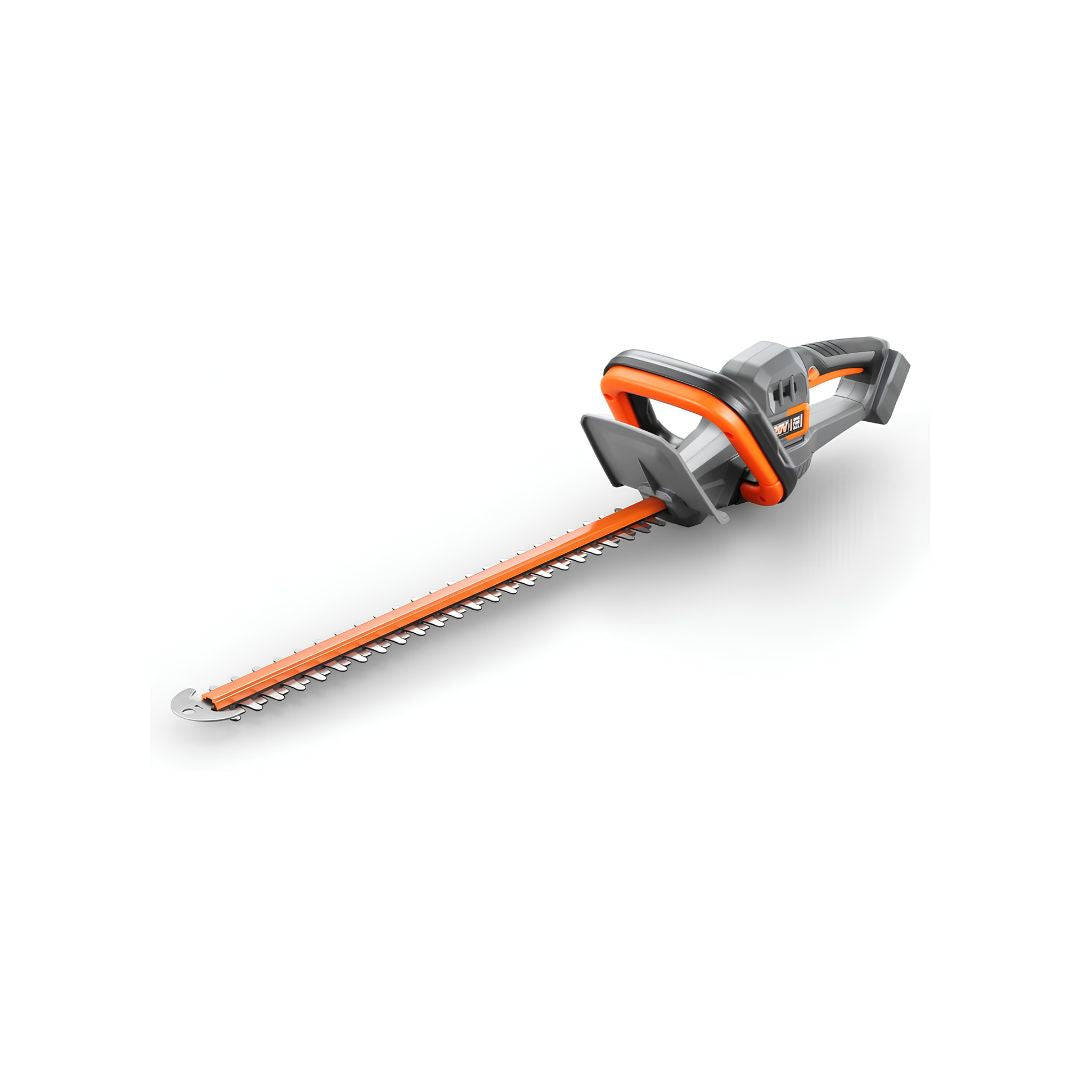
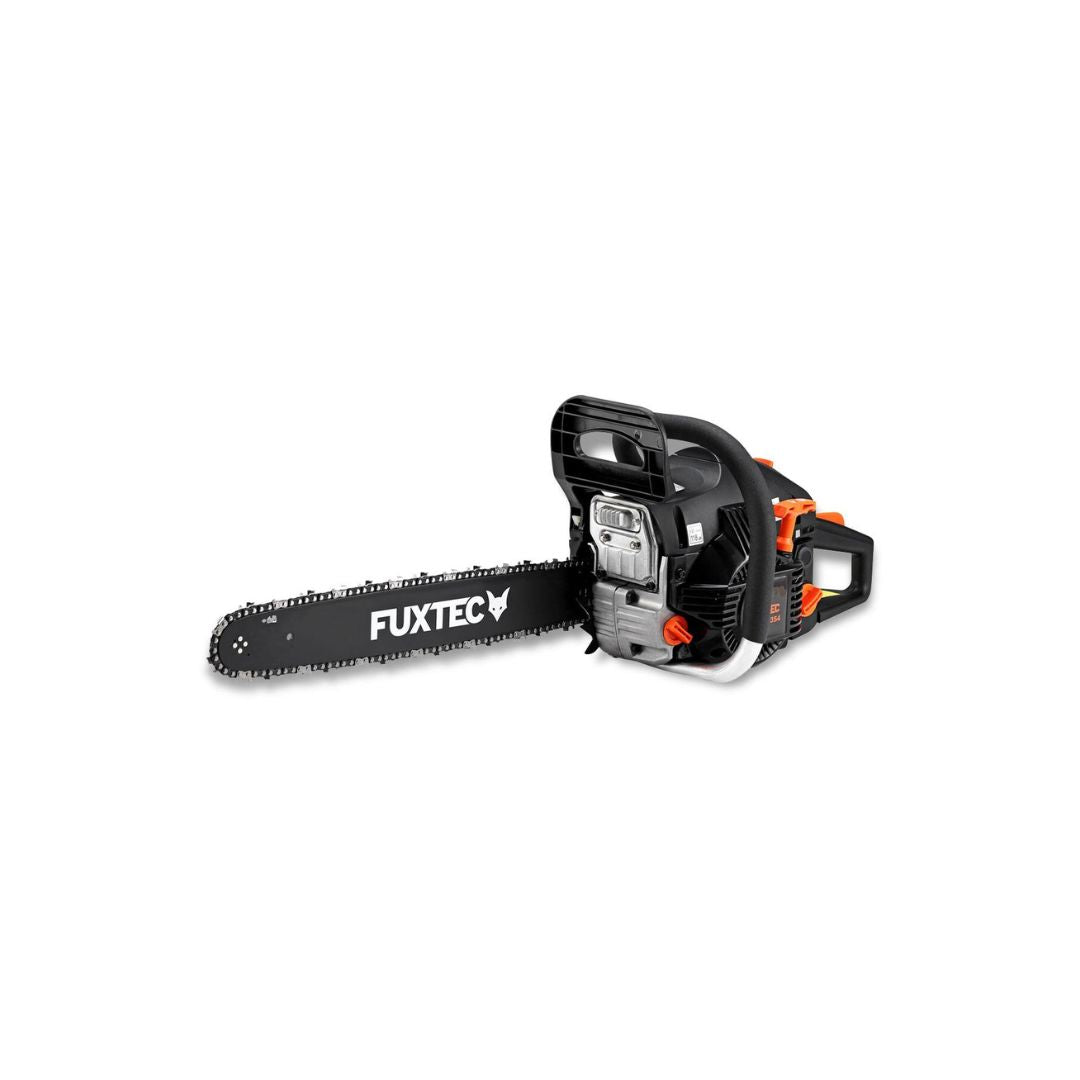
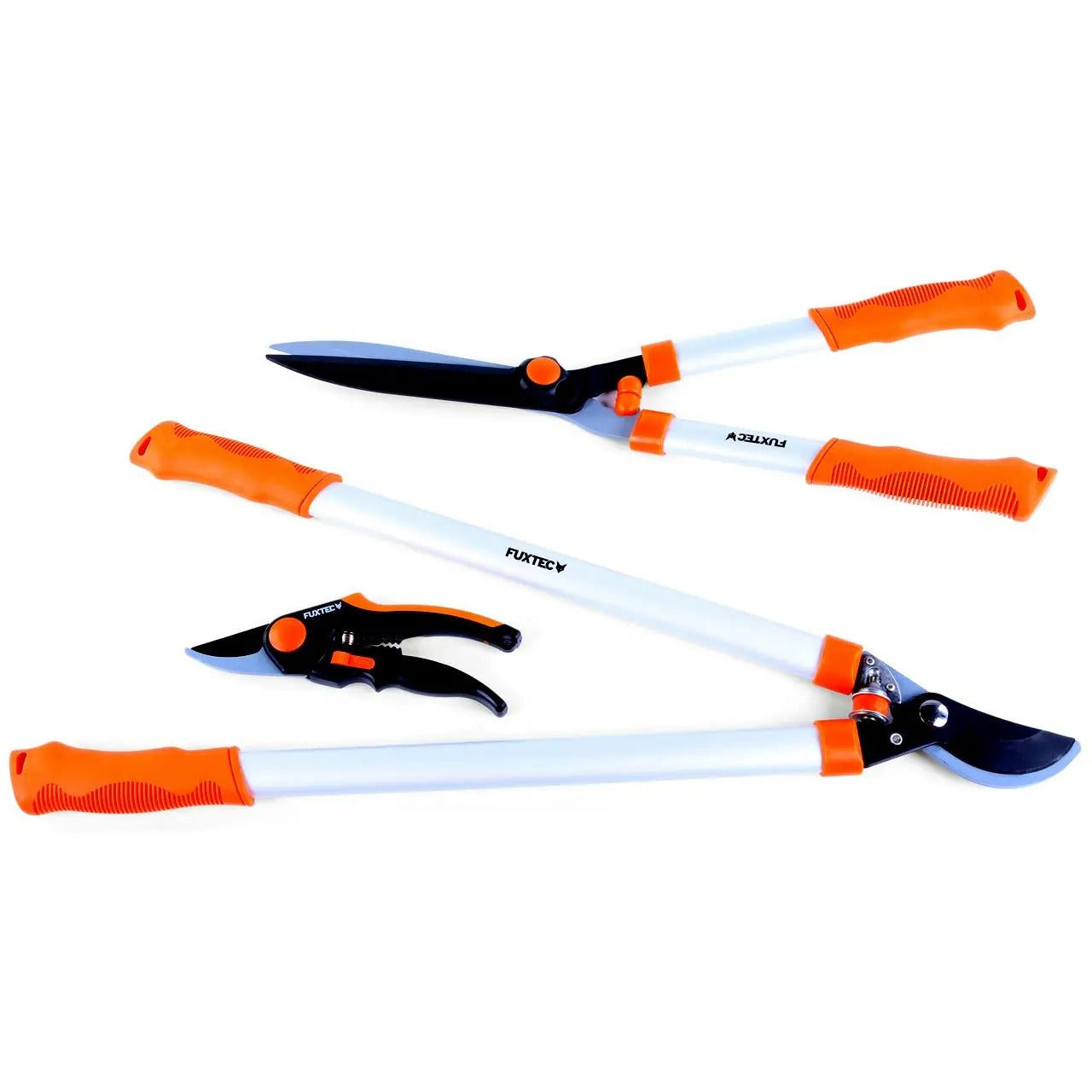
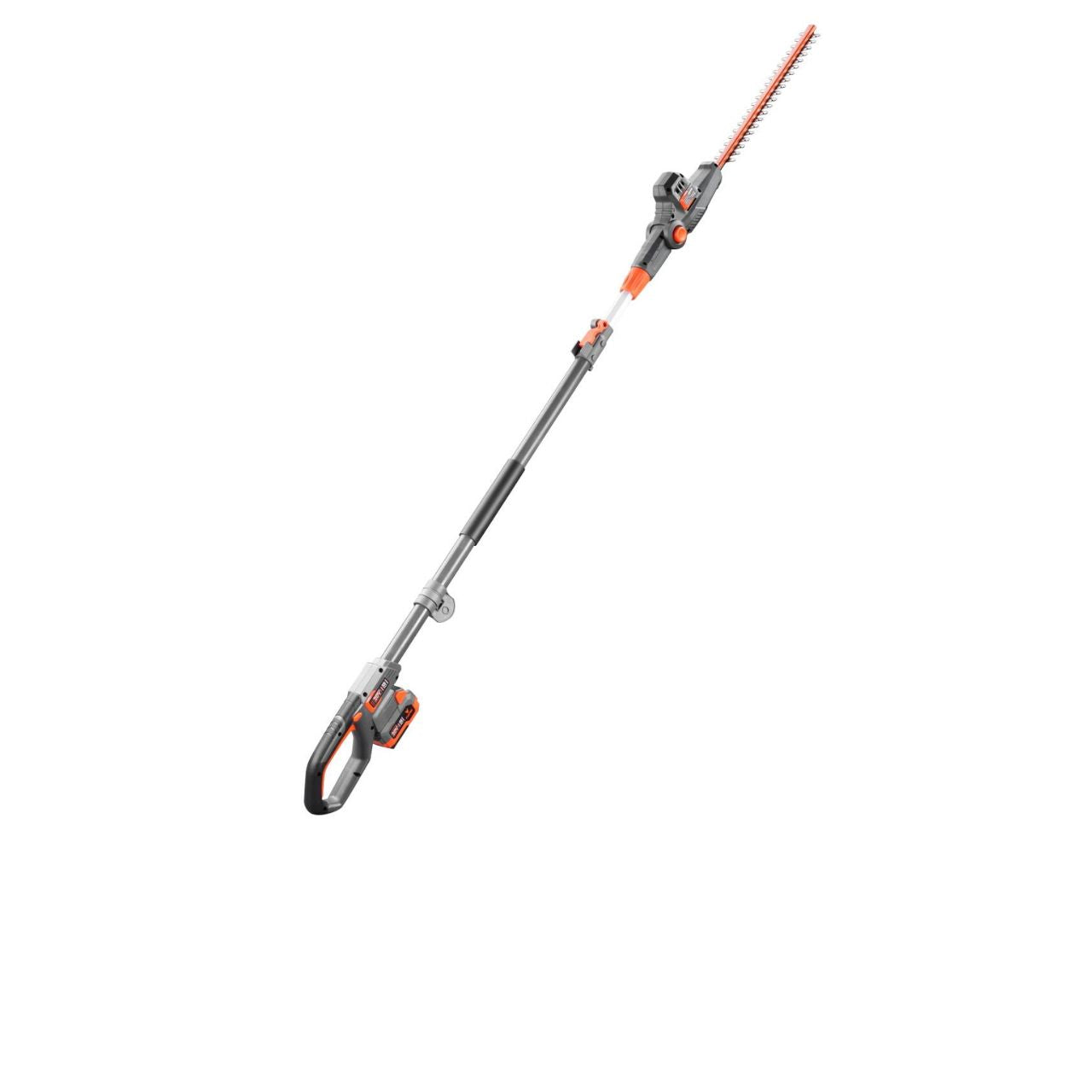
The best tools for caring for trees and hedges
More articles about tree and hedge care
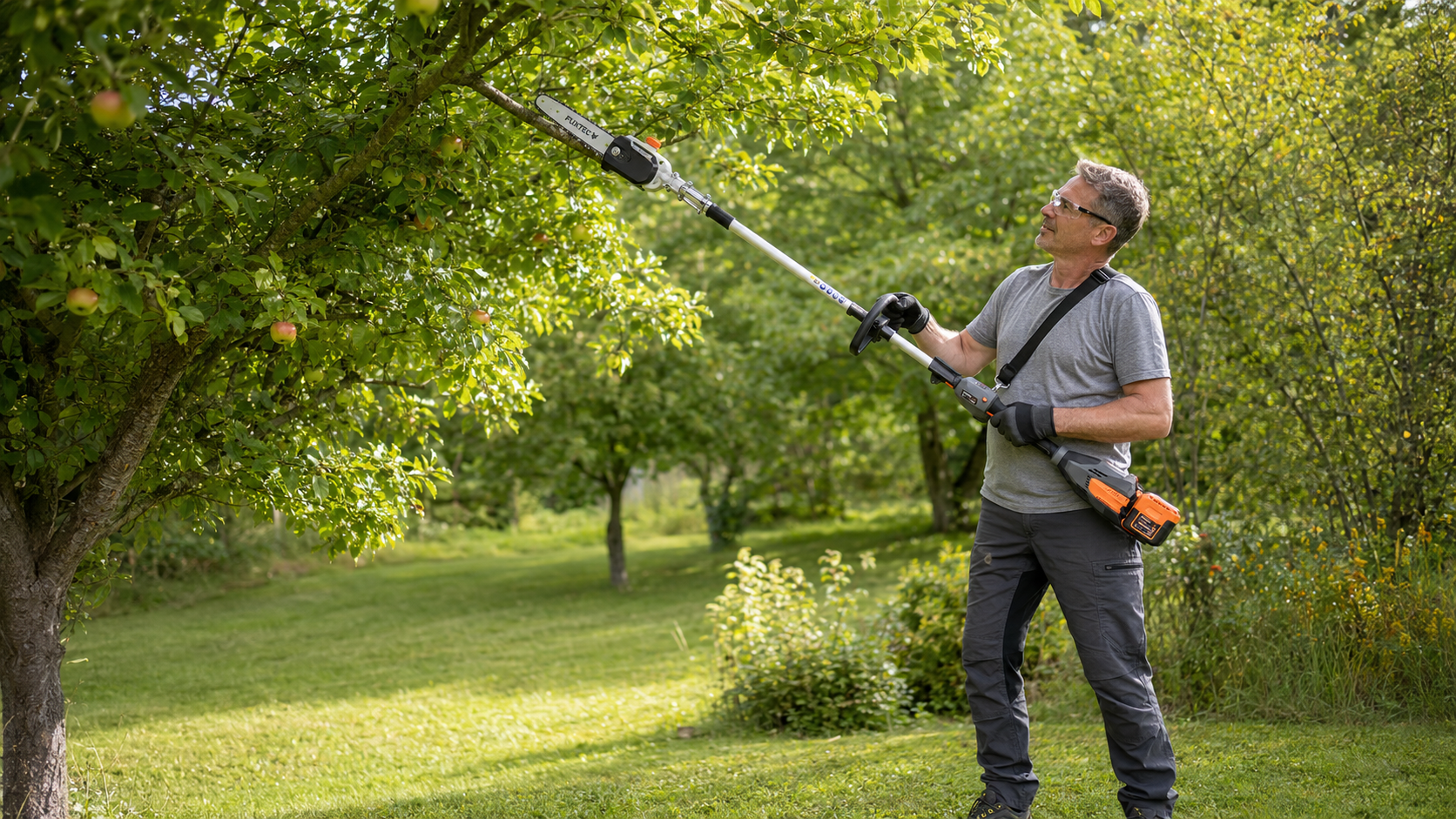
Summer Pruning Fruit Trees: The Complete UK Guide
Inhaltsverzeichnis Vorteile des Pflegeschnitts Schnittkalender für Obstgehölze So gehst Du Schritt für Schritt vor Äpfel und Birnenbäume Kirsche, Pflaume, Aprikose und Pfirsichbäume Jungbäume und ...
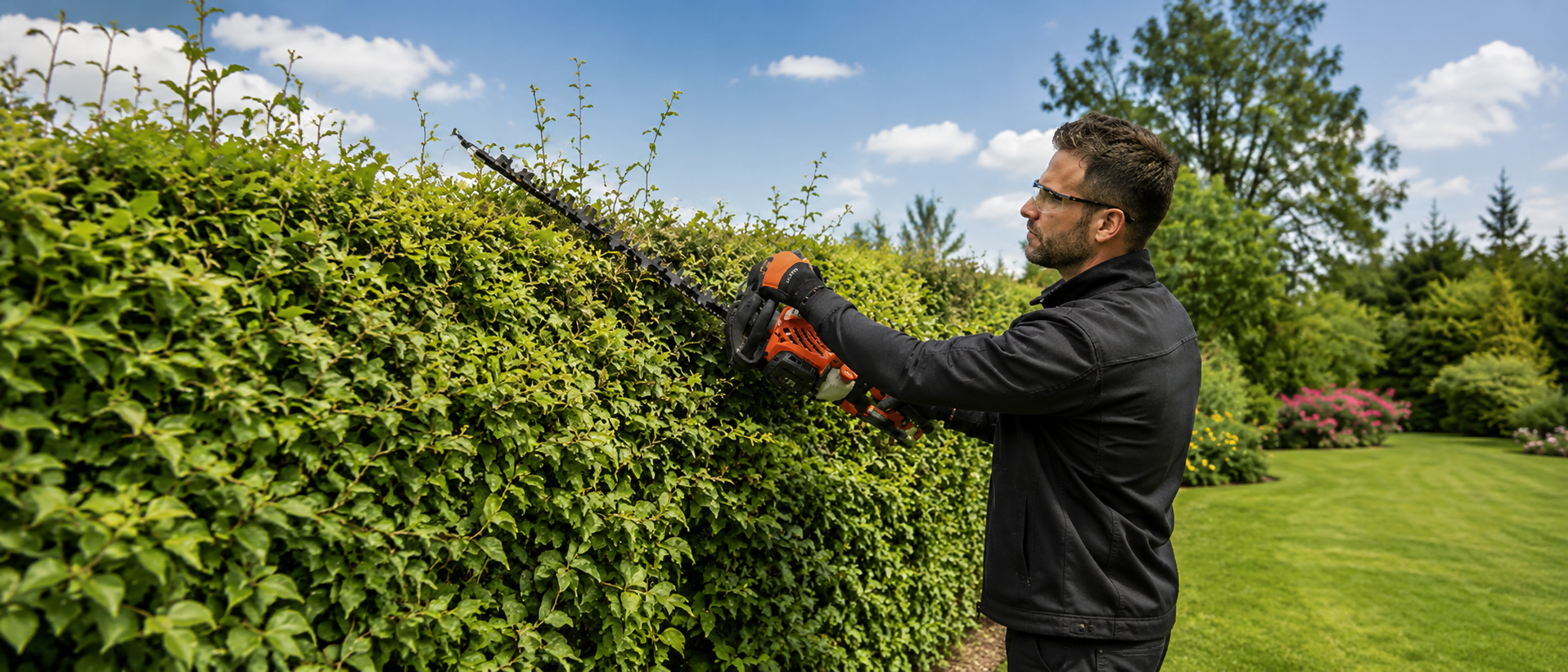
How to Cut an Overgrown or Tall Hedge | FUXTEC
An overgrown hedge can become too wide, patchy in places and riddled with thick branches. If it has also grown several metres tall, a quick trim with a standard hedge trimmer is no longer enough. ...
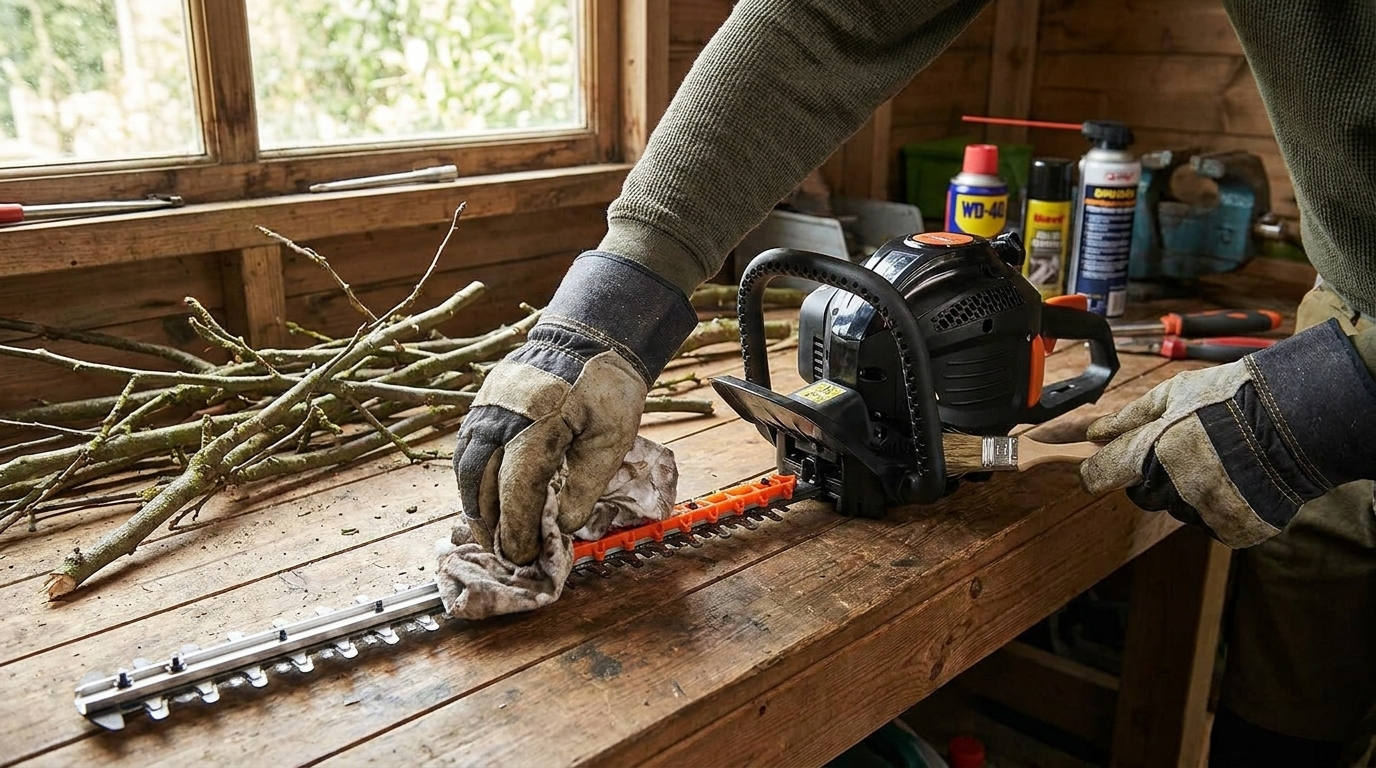
How to Clean & Maintain Your Hedge Trimmer
A well-maintained hedge trimmer is essential for a tidy garden. If you want to keep your hedges looking their best, you need a tool that works reliably – with clean, sharp blades. Yet many gardener...


