
Premium secateurs set FX-SPS3
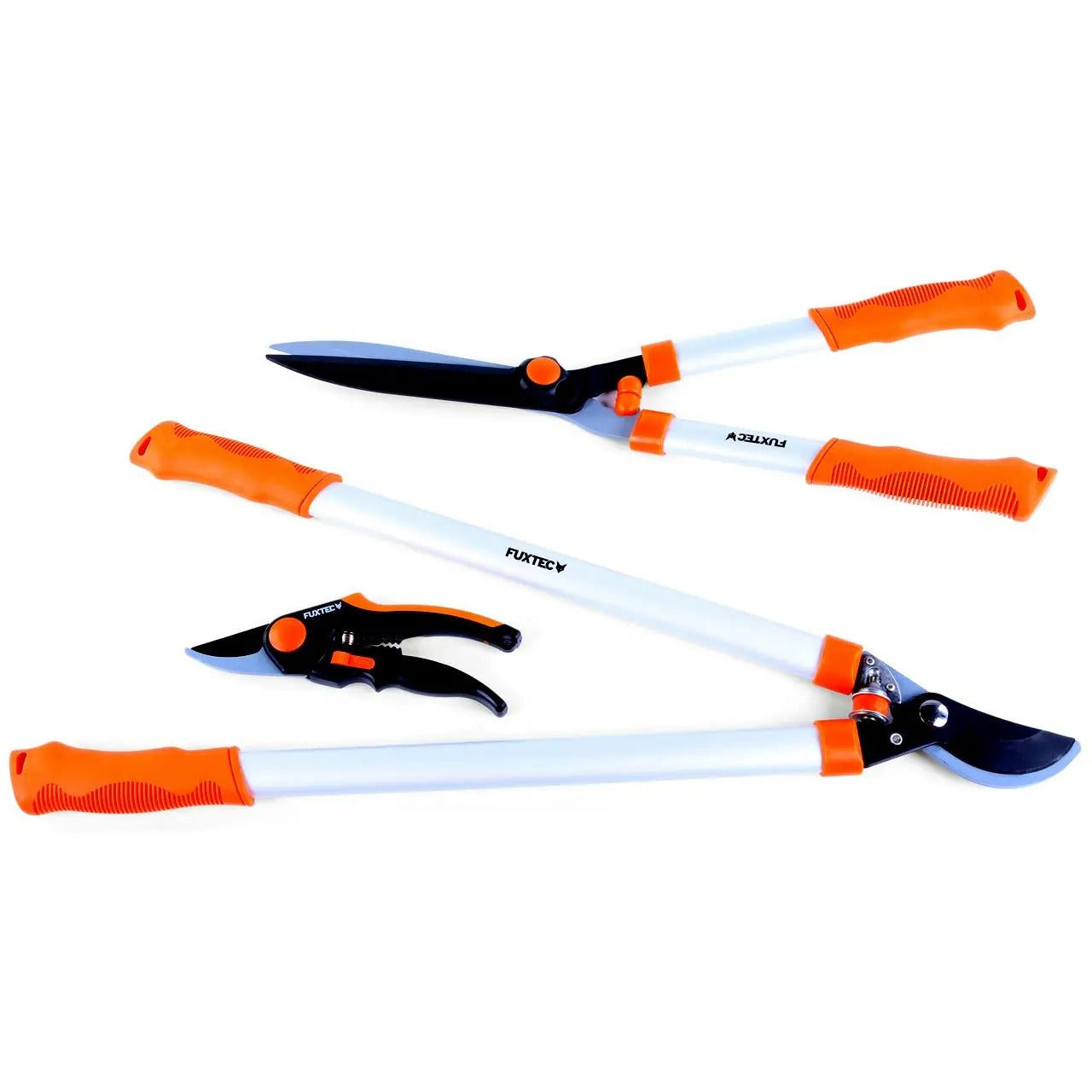
This trio of pruning shears, loppers and hedge shears takes you from delicate maintenance cuts through to sturdier wood.
- Pruning shears up to 24 mm
- Loppers up to 43 mm
- Ergonomic, non-slip handles

Für gesunde und vieltragende Obstbäume!
Inhaltsverzeichnis
When the canopy looks lush and dense in the warm light, it's easy to spot which young shoots are shading the fruit, growing inwards, or sapping the tree's energy unnecessarily. This is exactly where summer pruning comes in. It isn't a radical overhaul of the fruit tree, but targeted care: you only remove enough to let light and air find their way back through the foliage.
For apples and pears, the right window usually falls between early summer and August. Cherry, plum, apricot and peach trees are often tidied up straight after harvest. Grapevines, kiwi and berry bushes also benefit from a bit of summer attention. In this guide, you'll learn which plant needs attention at which point, which shoots should stay, and which tools make for a clean, controlled cut.
Pruning in summer slows growth more noticeably than the same job done during dormancy. The tree has already invested energy into leaves and this year's shoots. If some of that growth is carefully removed, the tree can settle down and regrowth tends to be more moderate. At the same time, more light reaches into the canopy. This helps existing fruit ripen and supports the formation of well-lit flower buds for the following year.

Another advantage is wound healing. During the growing season, the tree can seal a small pruning wound fairly quickly. That doesn't mean bigger interventions are automatically a good idea now, though. Focus on removing young, awkwardly placed wood, and save any major crown restoration for a more suitable time of year.
Before you start, take a good look through the branches. Occupied bird nests, nesting holes and other breeding sites are strictly off-limits. Under the Wildlife and Countryside Act 1981, it's an offence to intentionally damage or destroy the nest of any wild bird while it's in use or being built, and light, gentle shaping cuts in the garden are only acceptable as long as birds and other wildlife are not disturbed and nests aren't damaged. It's also worth checking whether a Tree Preservation Order (TPO) applies to the tree, or whether it sits within a Conservation Area, as this can restrict what work you're allowed to carry out.
The ideal timing depends on the species, vigour, ripeness and the weather. Work on a dry, mild day. If it's baking hot or raining persistently, the secateurs are better off staying in the shed. The table below shows the usual timing for the main fruit types.
| Fruit type | Time window | Typical work |
|---|---|---|
| Top fruit: apples, pears, quince | July and August | Remove upright water shoots, gently open up the canopy to light |
| Sweet and sour cherry | During or immediately after picking | Thin the crown, redirect fruited wood |
| Plum, damson, mirabelle/gage | July to September, ideally after picking | Moderately thin dense or diseased wood |
| Apricot, peach, nectarine | During the growing season or after picking | Redirect fruited wood onto young replacement shoots |
| Walnut | August to early September | Only essential corrections, in dry weather |
| Kiwi | August to September | Shorten fruiting side shoots, remove tangling growth |
| Grapevine and berry bushes | From June depending on the plant, or after picking | Green pruning or removal of spent canes |
Walk around the tree once and look up into the canopy from underneath as well. Mentally mark deadwood, damaged sections, crossing branches and steep, over-vigorous shoots. A good pruning job doesn't start with the first branch within reach — it starts with a clear idea of what should stay.
Work through anything broken, dead or visibly diseased first. Clean your tools before moving on to the next tree if you spot anything suspicious. Always cut back into healthy wood, and dispose of infected material appropriately for the disease in question, rather than tipping it straight onto the compost heap without a second thought.
While water shoots are still soft, sturdy upright shoots can be pulled away from the base with a firm tug. This also removes the dormant buds at the base. Once the shoot has become woody, use sharp secateurs to cut it cleanly at the point of origin. Horizontal or slightly rising wood is usually left in place, as it's more likely to develop into valuable fruiting wood.
If a stronger branch needs shortening, cut it back to a suitable, outward-facing side branch. Young shoots should be cut a few millimetres above an outward-facing bud, without leaving a long stub. Don't just cut through strong wood at any random point: such stubbed cuts often respond with a cluster of new growth.
Never remove large portions of the leafy canopy in one go. The leaves feed the plant and shield developing fruit from sunscald. If an apple branch is overloaded, you can thin out small, diseased or damaged fruit. This takes pressure off the wood and lets the remaining fruit get more of the tree's energy.
Check that the canopy is evenly thinned and that no stubs have been left behind. Small wounds can usually be left to heal on their own. Large branches, rotten wood or structurally important parts of the crown should be left to a qualified tree surgeon. Once you're done, clean blades, joints and any saw chain, and store everything somewhere dry.
A clean cut, a healthy crown
Sharp blades let you work in a plant-friendly, controlled way. Choose your tool based on branch thickness and reach — not on how much force you can currently put behind it.
This trio of pruning shears, loppers and hedge shears takes you from delicate maintenance cuts through to sturdier wood.

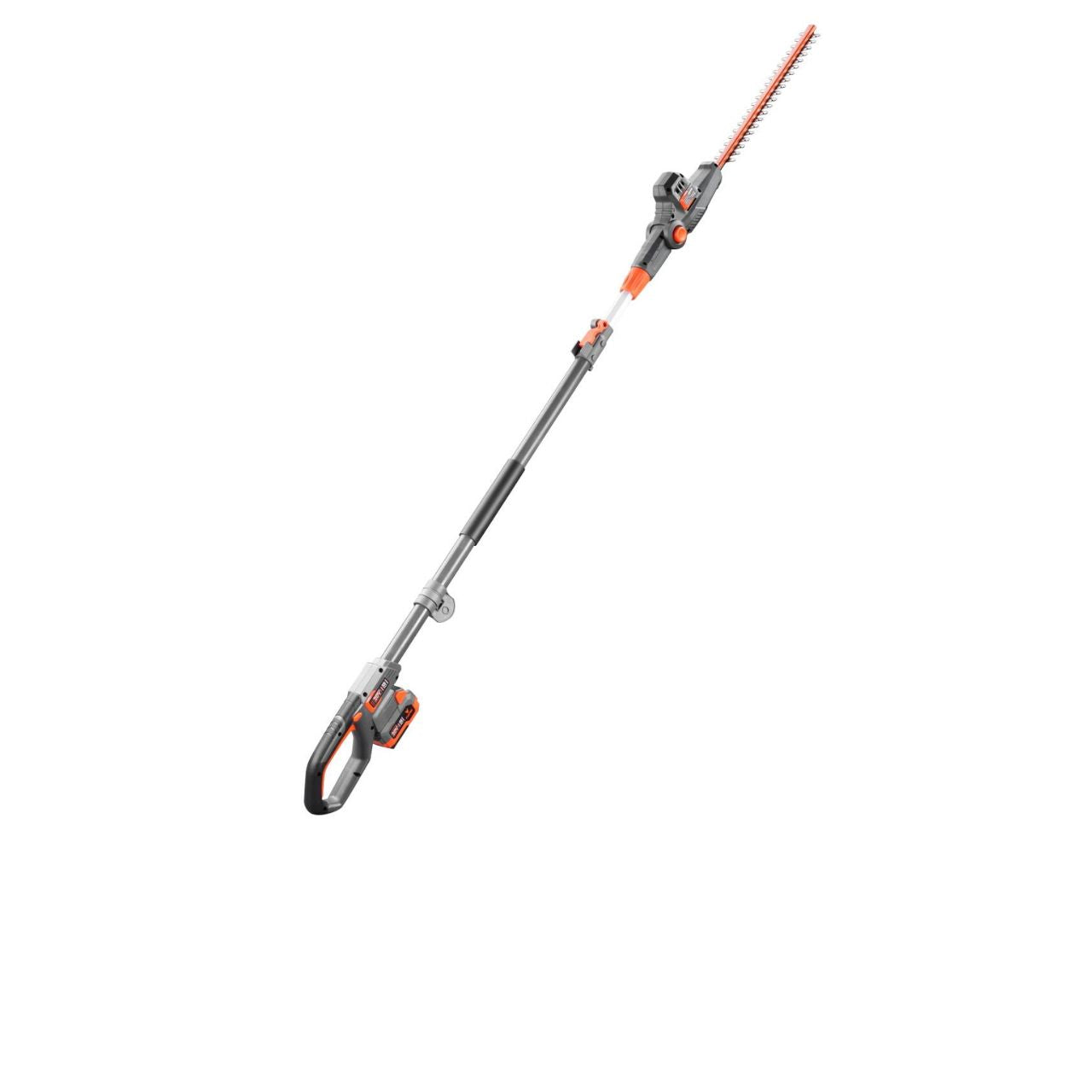
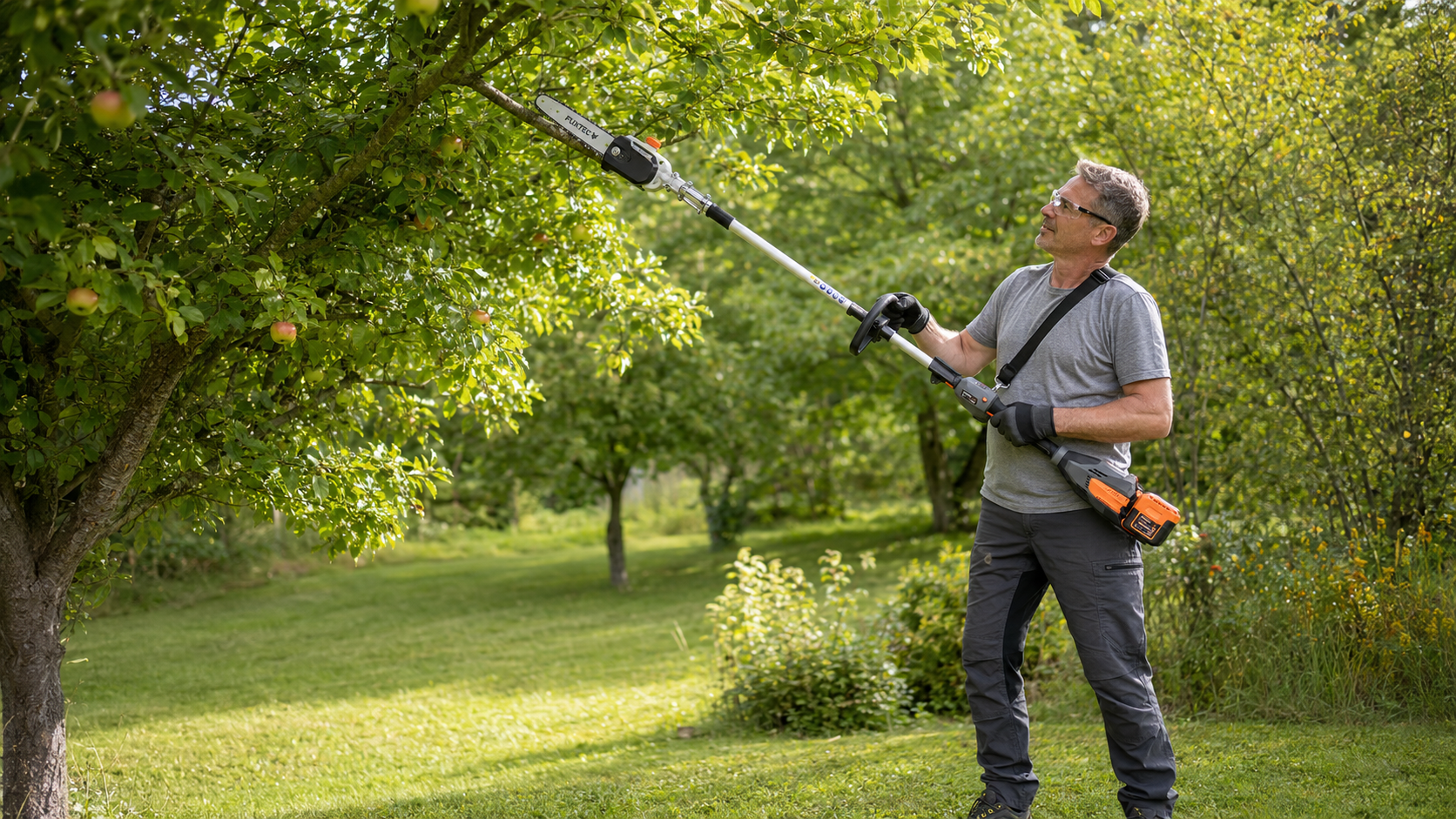
For higher branches, the extendable pole gives you extra reach while keeping your feet safely on the ground.
Apples and pears respond to summer care mainly by producing less vigorous growth. Around the end of June, the so-called "June cut" begins. Since only young shoots are removed, you can steer the tree's growth early on. Soft tips can be pinched or snipped out before they take up unnecessary energy and shade the fruit. Well-placed, more horizontal side shoots are left in place, as this is where new flower buds tend to form.
Use your judgement here. The wood in question is one year old. One-year-old shoots are only shortened where they're crowding the canopy, rubbing against other growth, or heavily shading fruit. If an apple tree is carrying a heavy crop, it's also worth thinning gently after the natural June drop. This allows the remaining fruit to ripen more evenly and reduces the risk of overloaded branches snapping.

With cordons and espaliers, shape can be given more weight. Any growing shoots poking out of the desired plane should be redirected onto a suitable bud or a flatter side shoot. A hard cut into old wood, however, has no place in this summer maintenance round.
Treat quince in a similarly restrained way. During the leafy season, remove only upright shoots along with any wood that's rubbing or diseased. The main shaping work remains a job for the dormant season, as quince can also react quite strongly to overly heavy pruning.
Cherries, plums, apricots and similar fruit are among the trees that are better pruned in summer. For sweet and sour cherries, pruning during or right after picking is practical: the crown is still in leaf, cuts can callus over quickly, and you can assess the tree's height at the same time as you're harvesting.
On sweet cherries, remove awkwardly placed wood and redirect overly long leaders onto younger, outward-facing growth. Sour cherries produce much of their fruit on last year's wood. Here, spent, drooping branches are cut back to young replacement shoots. Don't remove too much young wood, though, or you'll lose the basis for next season's crop.

Plums, damsons and gages are also opened up gently after picking. Apricots and peaches are sensitive to large wounds, so be especially restrained with them. These trees produce most of their fruit on the previous year's shoots. Redirect spent wood onto strong young replacement shoots, rather than trimming the whole crown into a neat round shape.
Walnut trees should be corrected as rarely as possible, and only when genuinely necessary. Any essential cuts are best made in August or early September, when sap pressure is lower and wounds can still respond well. Figs likewise don't need regular heavy pruning. Usually it's enough to remove frost damage, suckers from the base and crossing wood, along with a modest reduction in overall size where needed.
Do more, save your hands
When hand secateurs reach their limit, these cordless tools help you tackle shrubs, small trees and thicker wood.

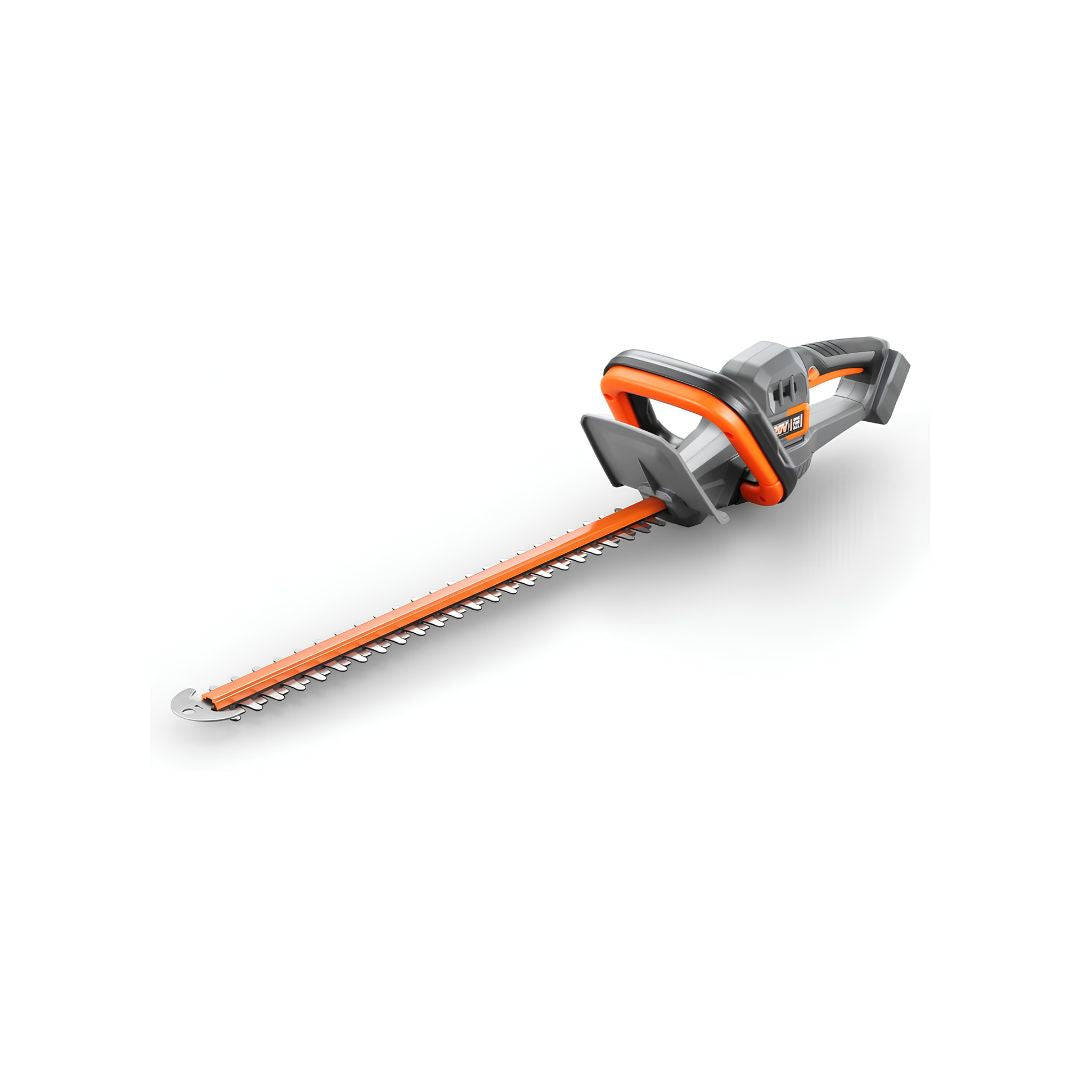
Light, quiet and quick to grab: ideal for controlled work on shrubs and smaller trees.

The handy solution for small trees, shrubs and ground-level wood work — cordless and fully equipped in a starter set.
In the first few years, the crown mainly needs a stable basic framework. Main branches should sit at a balanced angle, and the central leader should remain clearly dominant. If a steep shoot develops alongside it and starts competing with the leader, remove it early or tie it into a better position. That way, you'll avoid having to make large wounds later on.
Restraint is the rule for summer pruning on young fruit trees. Only remove clearly unfavourable competing growth, along with anything growing straight up or rubbing against other branches. Further shaping depends on the tree form, rootstock and variety. Especially on young fruit trees, tying in is often smarter than cutting back: branches trained to a flatter angle settle down and can start fruiting sooner.
For grapevines, summer leaf work doesn't replace the main dormant-season pruning. From June, rub off unwanted shoots growing from the trunk, tie in strong fruiting canes, and only shorten very long shoots that are getting in the way. From late July, some leaves around the bunches can be removed so they dry out faster after rain. Do this gradually, and don't strip the sun-facing side in one go, or you risk scorching the grapes.
Don't strip fruiting shoots bare, though. Leave several leaves beyond the last bunch to keep feeding the fruit. Strong side shoots (laterals) can be trimmed back, while weak growth, or growth needed to build the vine's structure, should be left to develop. The aim is an airy vine that's still well clothed in leaves.
For kiwi, in August or September, overly long side shoots are cut back to around five to seven leaves. Twining shoots that are strangling other growth are removed at the base. Where the plant is fruiting, leave enough foliage beyond the last fruit. A vigorous young plant should be allowed to build its framework first and shouldn't be cut back too hard too soon.
Summer-fruiting raspberries crop on last year's canes. As soon as they've been picked, remove exactly those brown canes at ground level, leaving the strong green young canes for next season. Blackberries follow a similar principle, with the new canes trained neatly onto their support.
Red and white currants fruit particularly well on two- and three-year-old wood, while blackcurrants tend to crop better on younger wood. After picking, remove some of the oldest framework branches at ground level, depending on their age. Gooseberries also benefit from being kept open, so sun and air can reach the centre of the bush, making the thorny job of picking a bit more pleasant later on.

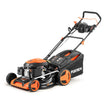
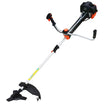
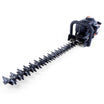
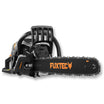
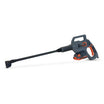
From the grass beneath your fruit bushes to a higher branch: with the quick-release coupling, you can swap between trimmer, hedge trimmer and chainsaw attachment to suit whatever job is next in the garden.
The two seasons serve different purposes. Summer maintenance calms shoot growth, improves light and airflow in a densely leaved canopy, and is particularly well suited to small corrections. Winter pruning is used on many top fruit trees to tidy up the basic framework and encourage stronger regrowth. For more on dormant-season work, see our FUXTEC guide on planning winter tree pruning correctly.
An old, long-neglected orchard won't be brought back into shape in a single season. Spread major corrections over several years, or bring in professional help. That way, canopy, roots and yield stay in balance.
For soft wood up to roughly thumb-thickness, a pair of sharp bypass secateurs is the first choice. For thicker growth, loppers give you more leverage, while a telescopic tool lets you reach awkward spots from the ground. A cordless pruning saw and cordless chainsaw take care of tougher wood. Always use motorised saws with both hands, wear full protective equipment, and follow the instruction manual at all times.
A top-handle saw is not simply a handy alternative to a standard chainsaw. It's specialist equipment for trained tree surgeons. We explain in detail which design suits which job in our article on the difference between arborist saws and standard chainsaws.

For trained users
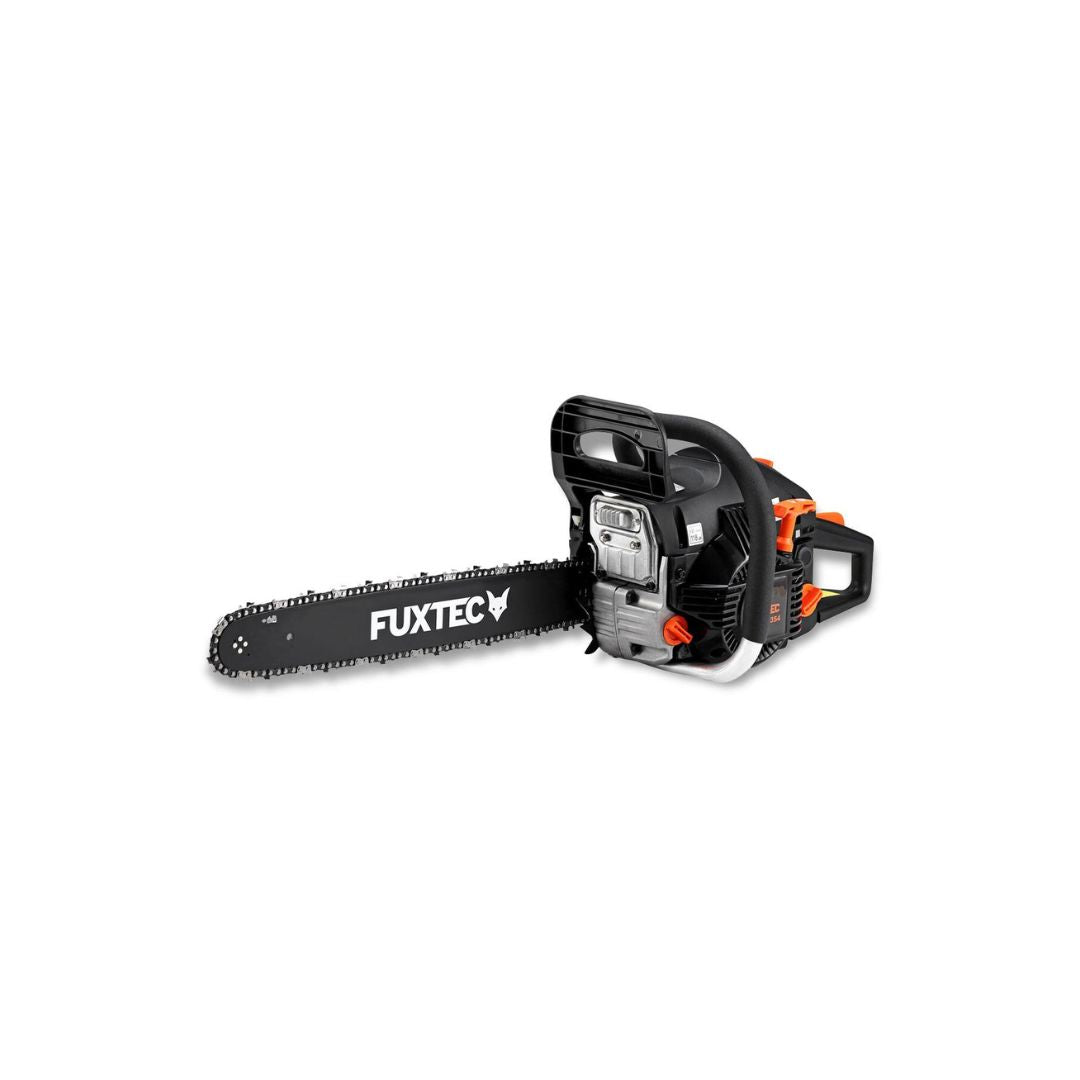
This compact 2-stroke saw is built for professional work up in tree canopies. Its low weight and short cutting attachment support agile handling when limbing.
Even a sun-loving orchard still needs its leaves. If the canopy is opened up drastically in one go, the tree loses both photosynthetic area and natural sun protection. It's better to work in small steps, stepping back now and then to check the overall shape.
Not every vertical shoot is useless. In a bare spot, a well-placed shoot can later become a new side branch. Judge each one on its position and future value, rather than on growth direction alone.
Extreme weather puts extra strain on the plant. Blunt tools crush the tissue, and dirty blades can spread disease. A dry, mildly warm day and well-maintained tools are the best foundation for clean cuts.
Don't lean out sideways from a ladder, and never operate a chainsaw from one. For heights you can reach safely, use a telescopic tool from the ground instead. For large crowns, heavy sections, or any work with a risk of falling, call in a qualified tree surgeon.
The best summer maintenance pruning is never a hard chop at the tree. You guide young growth, remove wood that's in the way, and leave enough leaf mass for the plant to keep feeding its fruit. For apples and pears, the focus is on upright shoots and light; for cherries and related fruit, it's care after picking. Grapes, kiwi and berries each follow their own rhythm.
Take your time, step back regularly to look at the canopy as a whole, and favour a few clean cuts over lots of hasty ones. With the right FUXTEC tool to hand, the job stays controlled — and your orchard can keep growing healthy, sunny, and full of promise for next season.
Apples and pears are best pruned between July and August. This is the right time to remove upright water shoots and gently open the canopy to light. Work on dry, mild days and avoid cutting during extreme heat or wet conditions.
Yes, cherries are ideally pruned during or immediately after picking. At this time, the crown is still leafy, cuts heal quickly, and you can assess the tree's height as you harvest. Remove awkwardly placed wood and redirect long leaders onto younger growth.
Summer pruning calms shoot growth, improves light and air circulation in a dense canopy, and suits small corrections. Winter pruning is used to tidy up the basic framework and encourage stronger regrowth. Both have different purposes and suit different fruit types.
Never remove large portions of leafy canopy in one go. The leaves feed the plant and shield developing fruit from sunscald. Work in small steps, checking the overall shape regularly, and leave enough foliage for photosynthesis and fruit protection.
No, not every vertical shoot is useless. Judge each one on its position and future value. A well-placed upright shoot in a bare spot can later become a new side branch, so use your judgment rather than removing all vertical growth automatically.
From June, rub off unwanted shoots and tie in strong fruiting canes. From late July, gradually remove some leaves around the bunches to aid drying, but leave several leaves beyond the last bunch to feed the fruit and avoid scorching the grapes.
For soft wood up to thumb-thickness, use sharp bypass secateurs. For thicker growth, choose loppers or a telescopic tool for high branches. A cordless pruning saw or chainsaw handles tougher wood. Always use motorised saws with both hands and wear protective equipment.
Summer Pruning Fruit Trees: The Complete UK Guide
Inhaltsverzeichnis Vorteile des Pflegeschnitts Schnittkalender für Obstgehölze So gehst Du Schritt für Schritt vor Äpfel und Birnenbäume Kirsche, Pflaume, Aprikose und Pfirsichbäume Jungbäume und ...
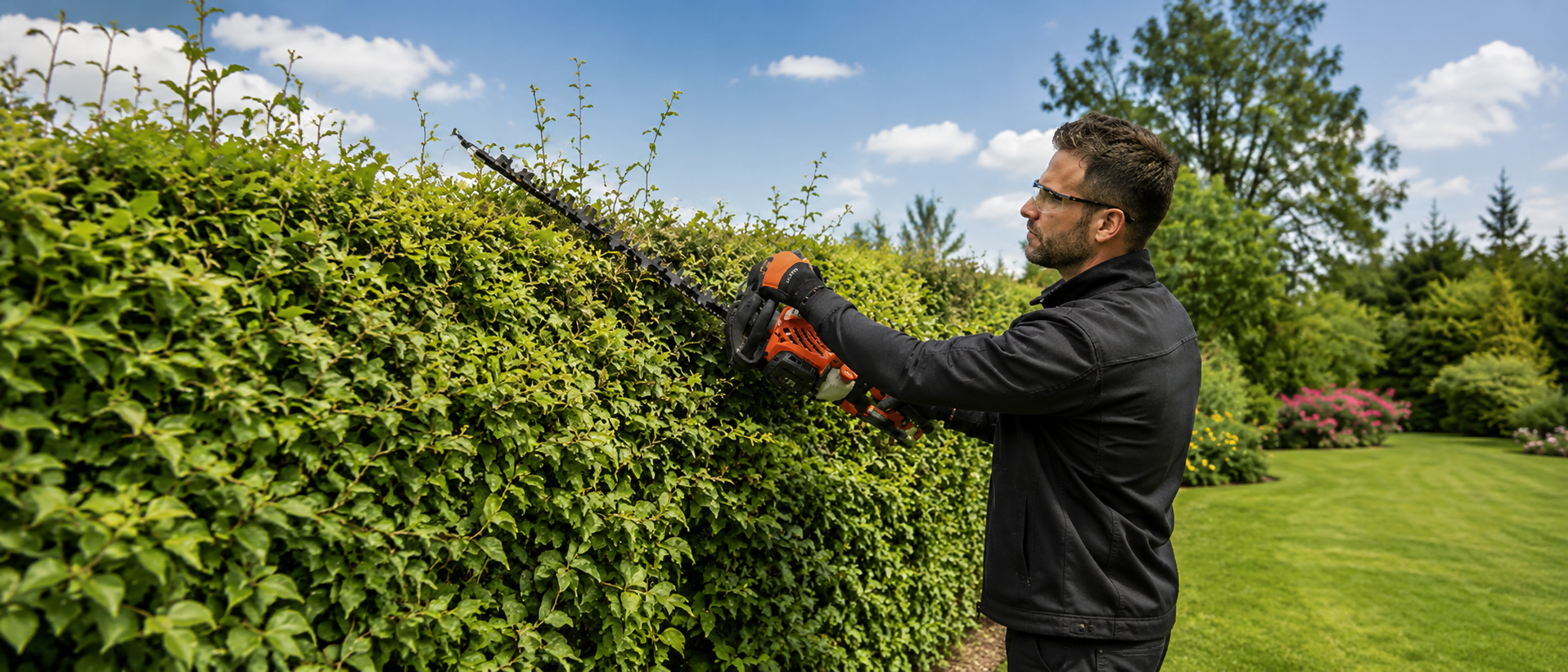
How to Cut an Overgrown or Tall Hedge | FUXTEC
An overgrown hedge can become too wide, patchy in places and riddled with thick branches. If it has also grown several metres tall, a quick trim with a standard hedge trimmer is no longer enough. ...
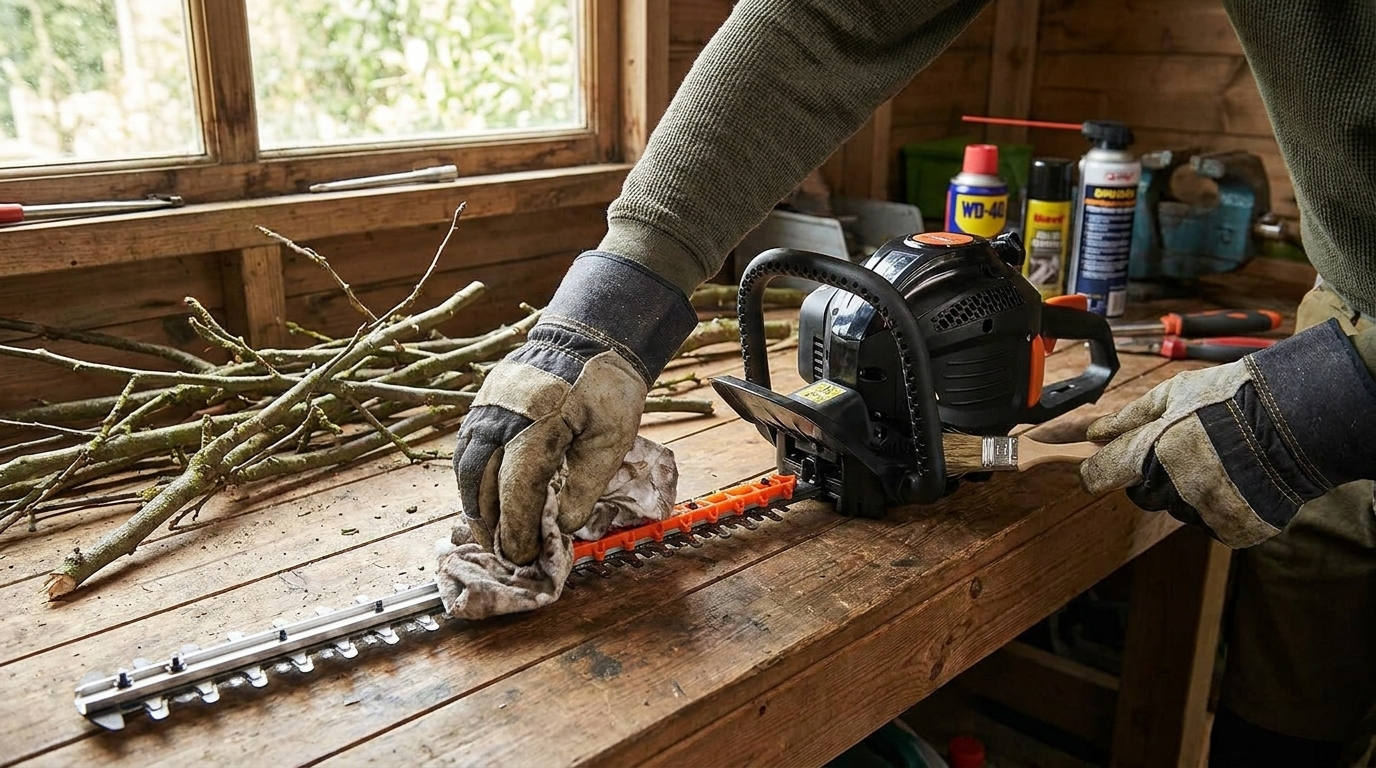
How to Clean & Maintain Your Hedge Trimmer
A well-maintained hedge trimmer is essential for a tidy garden. If you want to keep your hedges looking their best, you need a tool that works reliably – with clean, sharp blades. Yet many gardener...