


Thuja: Planting, Feeding & Pruning Guide
Everything about thuja: planting, feeding, pruning and pest control
The thuja, often known as the arborvitae or tree of life, tends to divide opinion. Some people are staunch supporters of this low-maintenance evergreen, while others simply can't stand it.
Thuja – a quick profile
Thuja occidentalis is a plant genus made up of five species in total. None of them is originally native to the UK: two come from North America and three from the Far East. Besides its appearance, you can also recognise it by its distinctive scent, which becomes especially strong when you rub the needles between your fingers. The essential oils released this way contain thujone, which is toxic and can cause skin irritation.
Thuja makes an excellent hedging plant partly because it doesn't lose its foliage in winter. It also copes very well with frequent trimming and branches out attractively. Critics point out that it offers little value to native flora and fauna and, due to its high water requirements, can even be a burden. Neither its flowers nor its seeds are popular with native wildlife. Only songbirds tend to make good use of dense thuja hedges, building well-hidden nests within them.
The different thuja species and varieties
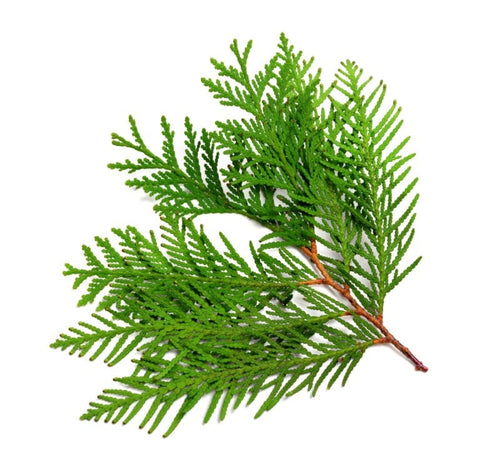
Fast-growing thujas are particularly popular for hedging. Some varieties can grow as much as 40 centimetres in a single year.
Thuja occidentalis 'Brabant'
Thuja 'Brabant' is one of the most popular varieties for hedges. This is because it's extremely hardy and shows strong growth in both height and width, quickly creating a dense, private screen. However, once it has reached the size you want, you'll need to keep this variety firmly in check, or it will end up not only too tall but far too wide as well. Unlike the original species, the leaves of Thuja 'Brabant' only take on a slight coppery hue in winter rather than turning brown. There are also varieties with different foliage colours, such as 'Golden Brabant', whose leaves range from golden to light green.
Thuja occidentalis 'Smaragd'
Thuja 'Smaragd' is really only suitable as a hedging plant to a limited extent, though its attractive foliage colour – or simply a lack of awareness – means it's sometimes used anyway. The trouble is that, although it grows relatively narrow, this variety needs plenty of space from its neighbours in order to thrive. Leave at least 60, ideally 80 centimetres of space when planting. This naturally means it takes longer for the hedge to become fully dense and private.
Thuja occidentalis 'Columna'
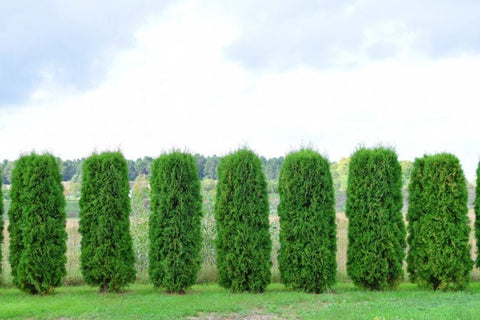
The columnar arborvitae grows more upwards than outwards. This means you'll need more plants per metre than with other varieties, but you'll also have less pruning work to do. Overall, this thuja variety grows fairly slowly, managing only 15 to 20 centimetres a year. It's therefore best suited to hedges that don't need to be too tall, or for gardeners with plenty of patience. Of course, you can also buy plants that are already quite large, though this usually comes at a price.
Thuja plicata 'Martin'
This variety of the giant arborvitae also grows more in height than in width, achieving up to half a metre of growth per year. Its needles are somewhat duller in appearance compared with most other thuja species. Thanks to its narrow growth habit, the giant arborvitae is also well suited as a hedge in smaller gardens.
Planning and planting a thuja hedge
You'll find general information on planting hedges in our guide on the subject. Here, we'll explain exactly what to bear in mind when planting a thuja hedge.
Choosing the right spot
Thuja grows best in sunny to partially shaded spots. In shade, the plants will only grow poorly, if at all. Freshly planted specimens also prefer a sheltered position out of the wind, though they become hardier as they establish. What thujas really can't tolerate is salt from gritted pavements or paths in winter, so make sure you plant them at a sufficient distance from these.
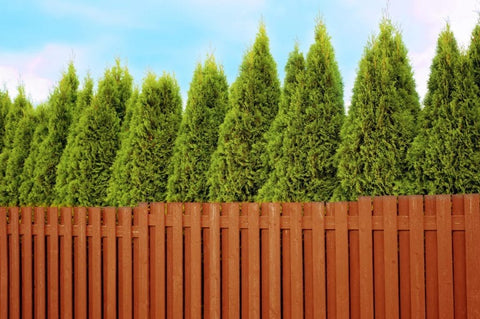
As for soil, thujas prefer it not to be too dry, though they also can't tolerate waterlogging. If your soil is very heavy clay, loosen it up with a bit of sand. If, on the other hand, the soil is too sandy, you can improve its water-retention capacity with some compost or topsoil. The soil also shouldn't be too acidic. If in doubt, have a soil sample tested and raise the pH with lime if necessary.
Planting thuja
The best time to plant thuja hedges is in spring or early autumn. Whichever you choose, you'll need to water the young plants generously during the initial period. Transplanting weakens the root system, which isn't yet well established, so the thujas can't draw water from deeper soil layers by themselves. If you plant in early autumn, you may also need to provide winter protection to prevent frost damage.
Caring for thuja hedges
Although thujas are relatively low-maintenance, they don't forgive major mistakes easily. In the worst case, large gaps can appear, or the plant may gradually start to die off. When it comes to regular watering, thuja is rather particular. The plants don't cope well with hard, lime-rich tap water, so use rainwater wherever possible. Waterlogging must be avoided at all costs, but the soil should always stay slightly moist, especially in the first period after planting.
Pruning thuja correctly
In principle, you can trim your thuja hedge all year round, as long as temperatures stay above freezing. The best time for a hard cut back is in late winter to early spring, around mid to late February. However, you should never cut thuja back into old wood. Always leave at least one green shoot in place, otherwise the plant won't sprout again from that spot. This leaves an unsightly gap that's very difficult to fill back in.

A second, lighter trim is usually carried out towards the end of June. This is only meant to tidy the hedge into shape and remove any dried-out shoots.
Feeding thuja
Besides organic fertilisers such as compost or dried blood and bone meal, garden centres also sell special conifer feed mixes. Since these usually contain fast-acting soluble minerals, always stick closely to the recommended dosage. Thujas are very sensitive to over-feeding and will show their displeasure with yellowing needles that then drop off. If this happens, try to reduce the nutrient concentration in the soil by watering generously. The best time to feed is in spring. Don't feed thujas in autumn, as any new growth produced then won't have time to harden off before winter and become frost-hardy.
Common problems with thuja hedges
Most thuja varieties are low-maintenance and very resistant to pests or fungal diseases. However, a few issues frequently cause headaches for gardeners with a thuja hedge.
Thuja turning brown
If a thuja isn't thriving, you'll usually notice the needles turning brown and eventually dropping off. This can be caused by:
- too much sun
- soil that's too dry
- waterlogging, leading to root rot
- over-feeding with mineral fertiliser
- pest infestation
Dried-out seed cones are also often mistaken for brown buds.
Depending on the variety, thujas also shed varying amounts of needles in autumn, which turn brown beforehand. This is a completely natural process, similar to that seen in native deciduous trees.
Pests
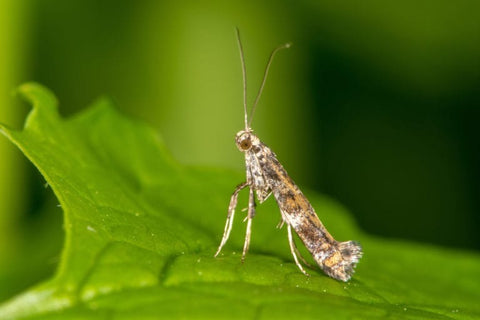
The only pest that can pose a real threat to thuja is the leaf-mining moth. You can identify it by the feeding tunnels within the shoots and droppings on the leaves. Usually, it's enough to cut off the affected shoots generously and dispose of them in your household waste. Only in cases of very heavy infestation might you need to resort to insecticides. A well-tolerated home remedy that also helps against these troublesome pests is nettle liquid feed.
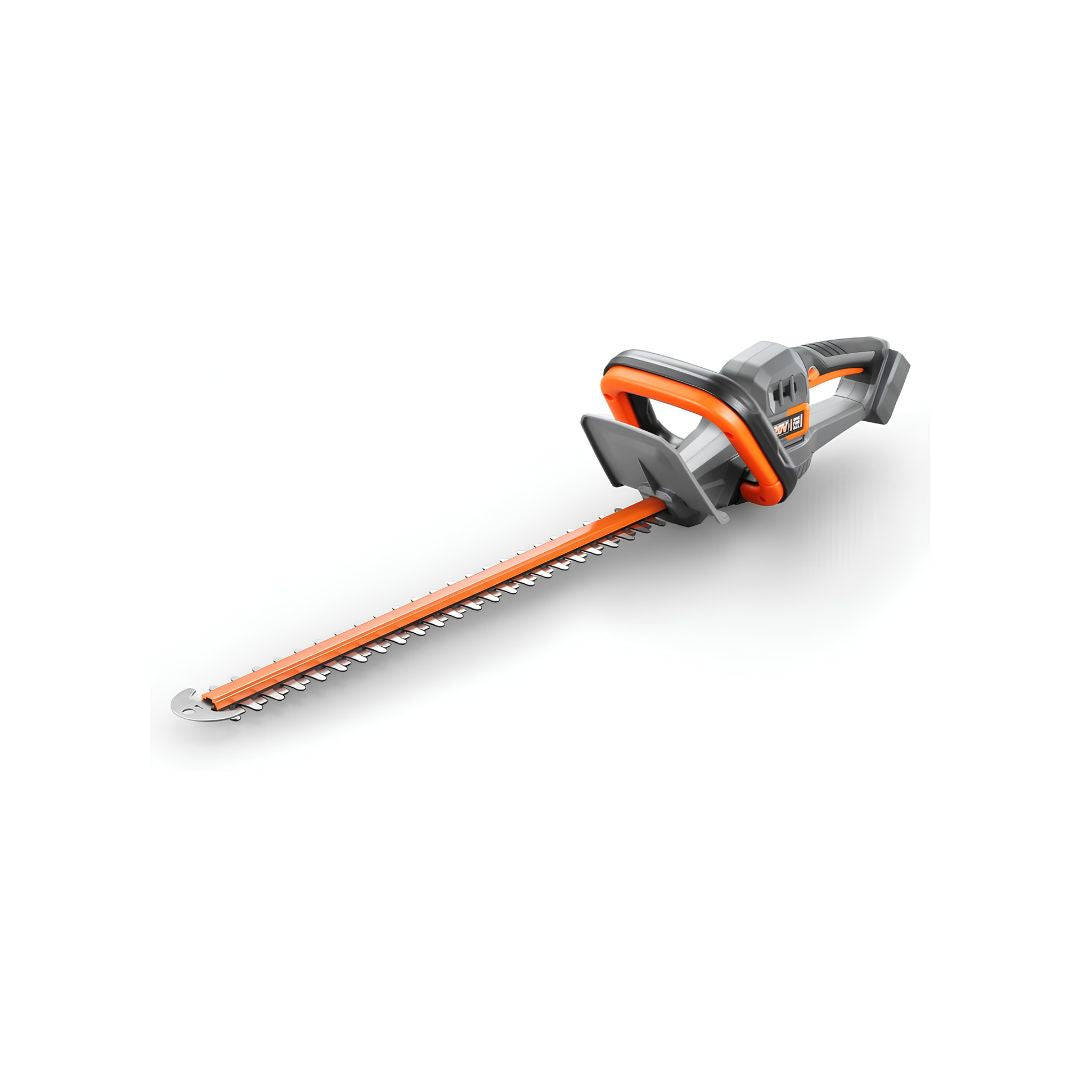
The best tools for caring for trees and hedges
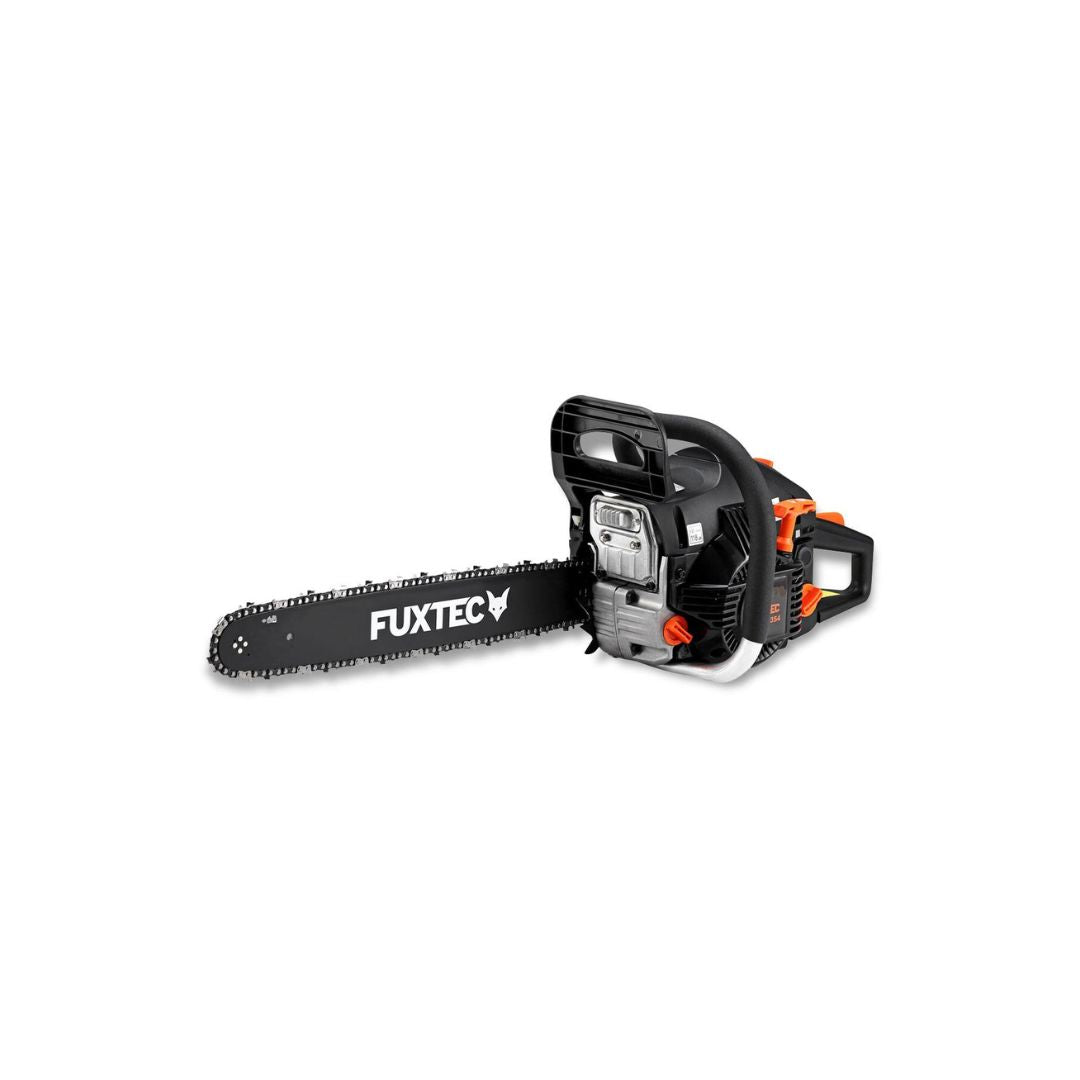
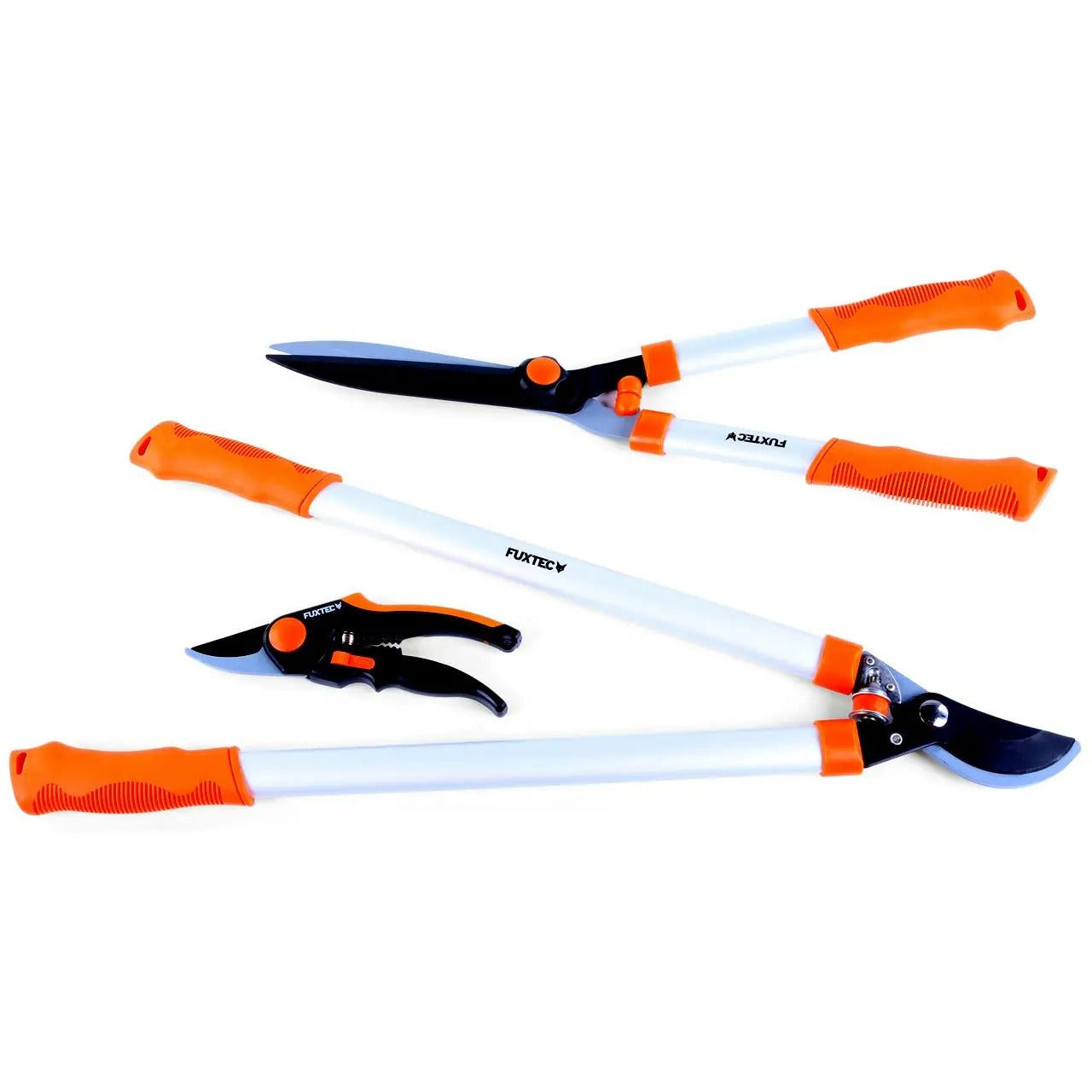
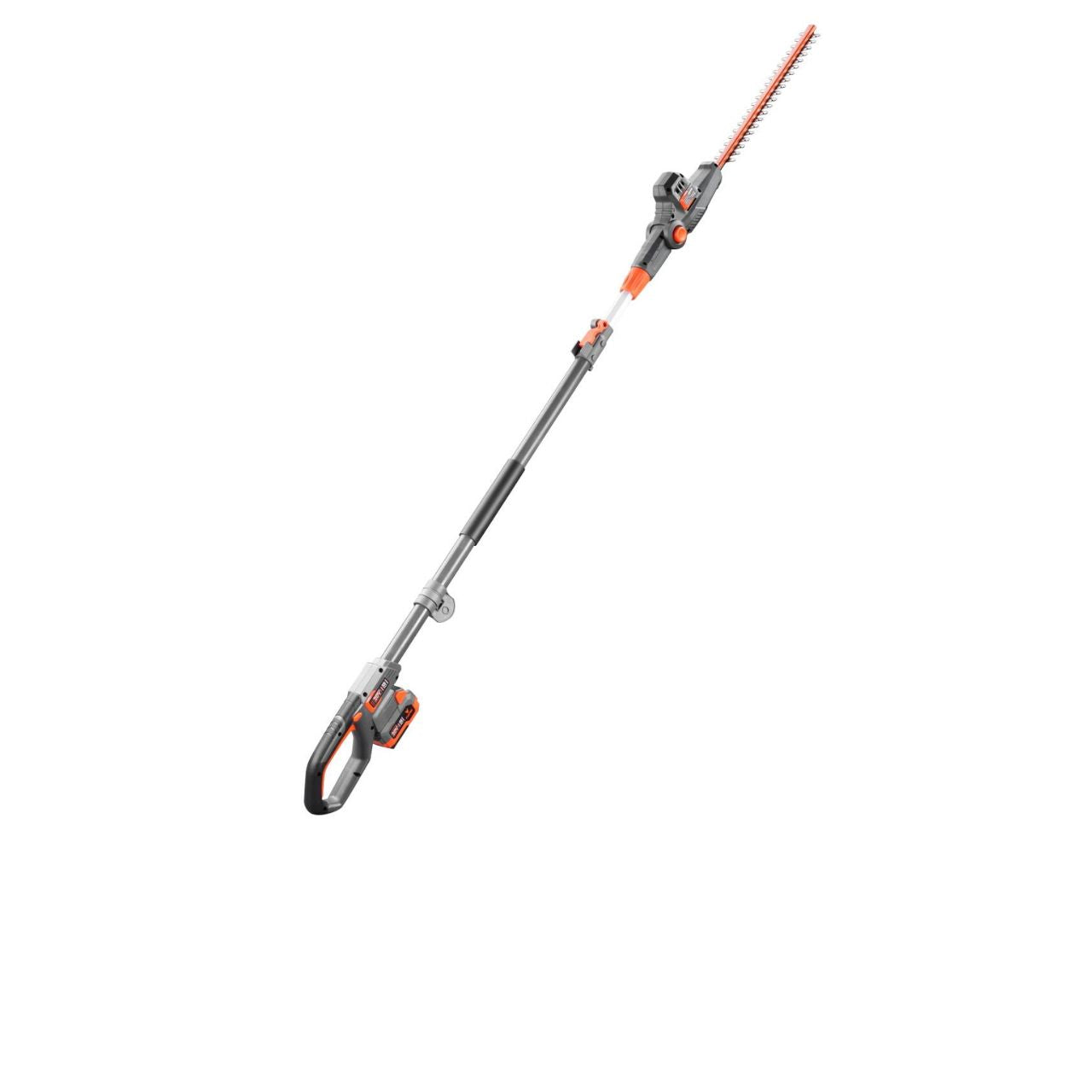
More articles about tree and hedge care
Summer Pruning Fruit Trees: The Complete UK Guide
Inhaltsverzeichnis Vorteile des Pflegeschnitts Schnittkalender für Obstgehölze So gehst Du Schritt für Schritt vor Äpfel und Birnenbäume Kirsche, Pflaume, Aprikose und Pfirsichbäume Jungbäume und ...
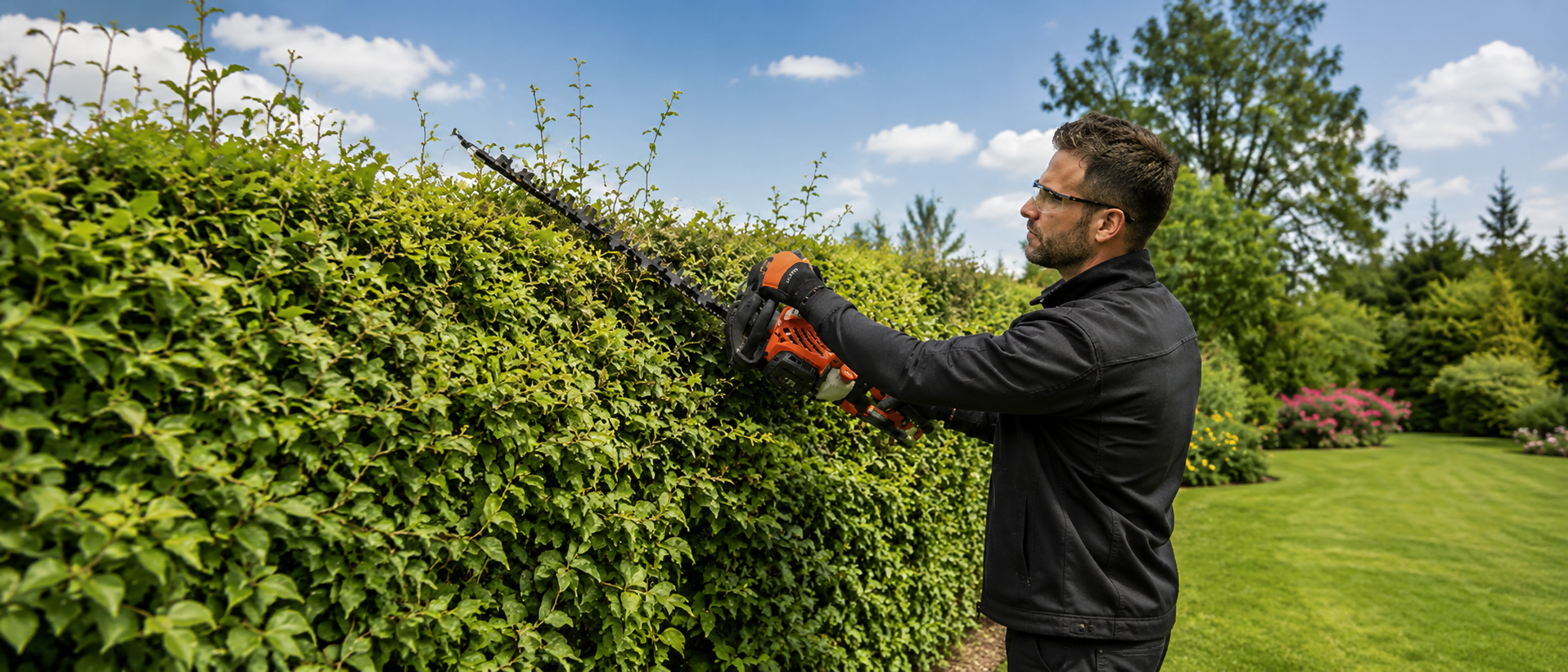
How to Cut an Overgrown or Tall Hedge | FUXTEC
An overgrown hedge can become too wide, patchy in places and riddled with thick branches. If it has also grown several metres tall, a quick trim with a standard hedge trimmer is no longer enough. ...
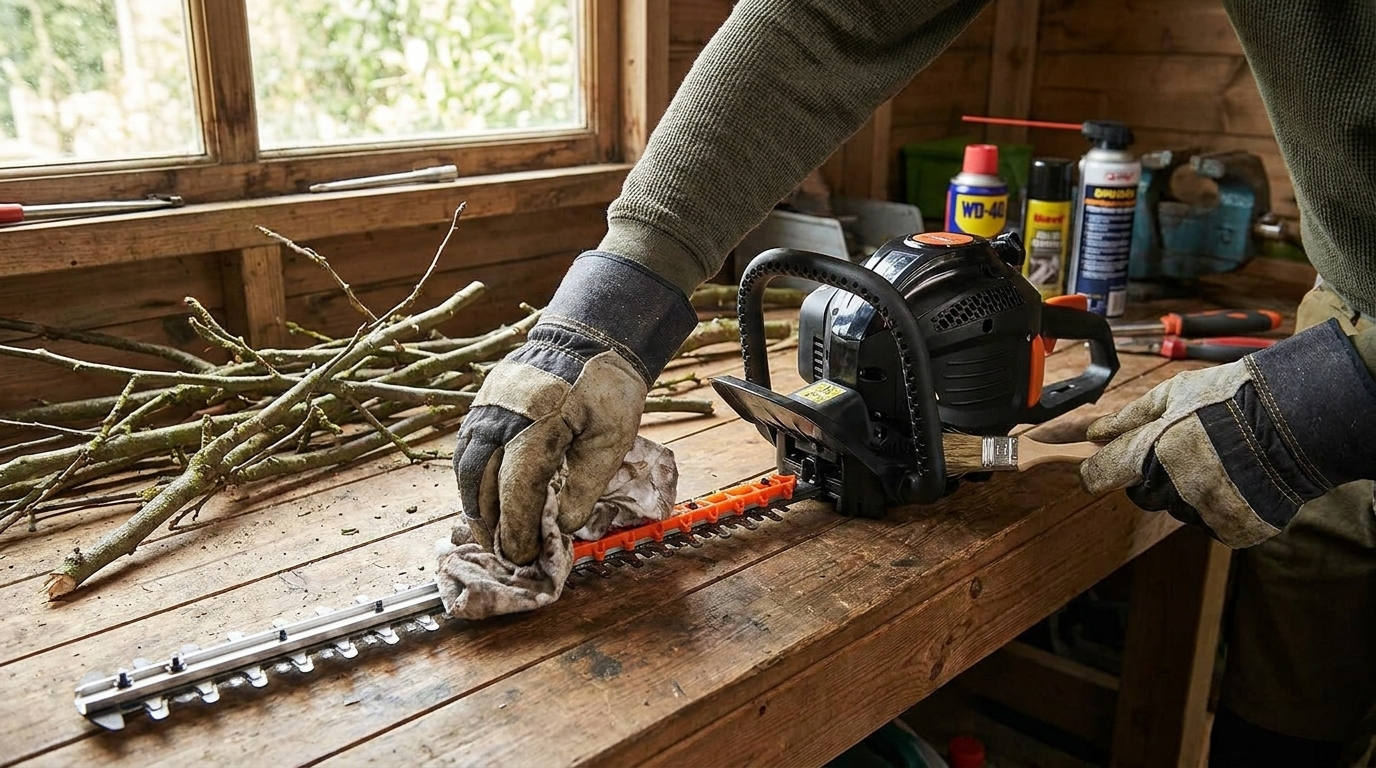
How to Clean & Maintain Your Hedge Trimmer
A well-maintained hedge trimmer is essential for a tidy garden. If you want to keep your hedges looking their best, you need a tool that works reliably – with clean, sharp blades. Yet many gardener...


