
Pruning Fruit Trees: The Complete Step-by-Step Guide
Pruning Fruit Trees: How to Prune Fruit Trees Correctly – A Step-by-Step Guide
A well-kept orchard starts with correct pruning. If you prune your fruit trees regularly and properly, you'll be rewarded with a bountiful harvest – year after year. Yet many amateur gardeners shy away from pruning because they're unsure when and how to reach for the saw or secateurs. This guide explains everything you need to know about pruning fruit trees: from the right timing and the different pruning methods to practical tips for various fruit types.
---
Why should you prune fruit trees?
Before we get into the details, it's worth asking: why prune at all? Fruit trees left to their own devices will keep growing – but they'll bear less and less fruit and become more prone to disease.
Regular pruning achieves several goals at once:
- Light and air reach into the canopy, giving fungal diseases and other pathogens little chance to take hold.
- Fruit production is encouraged, as the tree channels its energy into fewer but higher-quality fruits.
- The tree's vitality is preserved in the long term.
- Old and diseased branches are removed before they cause damage.
- You can shape the tree's crown and control its size – particularly useful if you want to keep your fruit tree compact.
In short: a fruit tree that isn't pruned gradually loses its fruitfulness, becomes unruly, and is harder to look after.
---
The right time to prune fruit trees
When is the best time to prune fruit trees?
The timing for pruning fruit trees depends heavily on the type of fruit and the aim of the pruning. As a rule of thumb: top fruit (pome fruit) such as apples and pears is best pruned in late winter or early spring, before the buds break. Stone fruit, on the other hand – including plums, peaches and sour cherries – should ideally be pruned in summer, after harvest or during the warm summer months, since open cuts made in winter are more prone to fungal disease and frost damage.
Pruning fruit trees in winter – yes or no?
Pruning fruit trees in winter is possible in principle, but not advisable for every type. Pome fruit trees can be winter-pruned without issue, as long as temperatures don't drop below –5°C. In frosty conditions, wood snaps more easily and wounds heal poorly. For stone fruit, the rule is: keep the secateurs away in winter, as these trees are sensitive to cold and particularly vulnerable to pathogens at that time.
For most fruit trees, the ideal pruning window falls between February and March – that is, late winter, once the hardest frosts have passed but before the trees have started into growth. Pruning in early spring, just before bud break, encourages the tree to put on vigorous new growth.
Summer pruning: when is it worthwhile?
Summer pruning is particularly useful for stone fruit and vigorous, fast-growing trees. Pruning after harvest in summer slows growth and encourages the formation of flower buds for the following year. Wounds also close more quickly in summer thanks to the warmer temperatures. Water shoots – vertical, vigorously growing shoots that rarely bear fruit – can also be removed in summer as soon as they appear.
---
The different types of fruit tree pruning
Formative pruning at planting: the first cut
Young fruit trees receive their first pruning – known as formative or planting pruning – right after they're planted. The aim is to build a stable framework of main branches. The trunk is cut to the desired height, and three to four evenly spaced main branches are selected. All other branches are shortened or removed. This first cut lays the foundation for the tree's future crown shape.
Training pruning: shaping the crown
In the years following planting, training pruning takes over. Its purpose is to guide the main branches into the right position and establish a good balance between growth and fruiting. Branches growing too upright are shortened, and shoots competing with the main branches are cut back. The goal of training pruning is to build a crown that is open and well-ventilated.
Maintenance pruning: for lasting yield, year after year
Once the tree has reached its desired shape, annual maintenance pruning follows. Old, spent shoots are replaced with younger fruiting wood, water shoots are removed, and the crown is thinned. Maintenance pruning ensures the tree continues to bear fruit reliably without the crown becoming too congested. This is especially important for pome fruit trees – apples and pears – and shouldn't be neglected.
Rejuvenation pruning: for old fruit trees
An old, neglected tree can be brought back into shape with rejuvenation pruning. Older, unproductive branches are gradually cut back over several years and replaced with younger shoots. A drastic, all-at-once rejuvenation cut is risky – it's better to spread the work over two to three years so the tree isn't weakened too much.
---
Pruning fruit trees: a step-by-step guide
Step 1: Prepare your tools
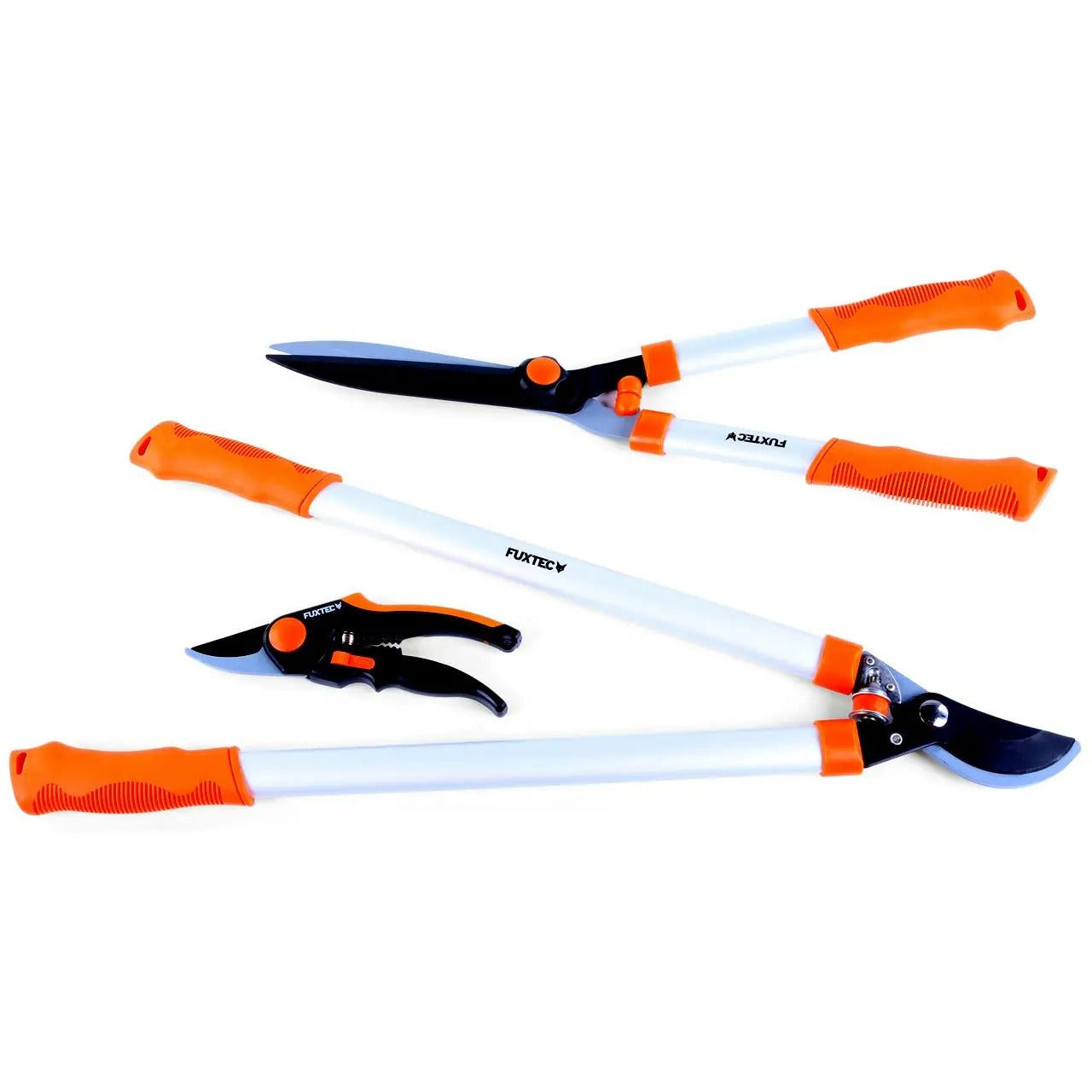
Before you start, make sure all your tools are clean and sharp. Blunt secateurs crush the wood rather than cutting it cleanly, which makes it easier for pathogens to get in. Use secateurs or loppers for thinner branches, and a pruning saw for thicker ones.
Step 2: Remove dead and damaged wood
Always start by removing dead, diseased or damaged branches. This gives you a clearer view of the crown structure and helps prevent fungal diseases from spreading.
Step 3: Cut out water shoots and competing branches
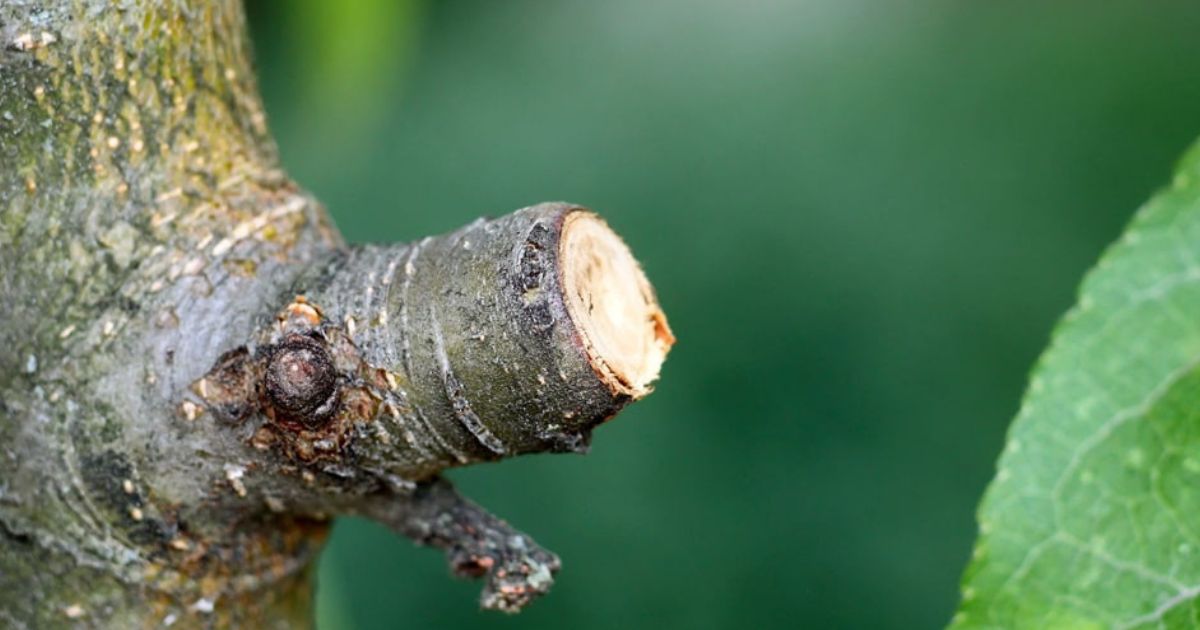
Water shoots are vertical, vigorously growing shoots that bear little fruit but steal a lot of light from the crown. They should be removed as close to their base as possible. Pay attention to the branch collar – the slightly thickened area where the branch joins the trunk or main limb. Cut just above the collar so the wound heals more quickly.
Step 4: Thin out the crown
The aim is a well-ventilated crown that lets light reach the inner branches. Remove crossing or rubbing branches and shorten overly long shoots. A good rule of thumb: several small cuts are better than one drastic intervention.
Step 5: Look after main branches and fruiting wood
The main branches form the tree's supporting framework and should only be shortened minimally. Fruiting wood – the younger shoots that carry flower buds – is treated differently depending on the type of tree. As a general rule when pruning fruit trees: the older and more spent a fruiting branch, the sooner it should be replaced with a younger one.
---
Special considerations by fruit type
Pome fruit: apples and pears
Apple and pear trees are among the easiest fruit trees to care for, provided you prune them every year. The best time is late winter to early spring. Pome fruit also tolerates cutting back into older wood well and reliably resprouts after a hard prune.
Stone fruit: plums, peaches and sour cherries
Stone fruit should always be pruned in summer – this applies to plums as much as to peaches and sour cherries. This type of fruit tree is particularly prone to fungal disease if wounds occur during damp weather. Whether March or summer is the right time really depends on the specific type of fruit.
---
The most common fruit tree pruning mistakes
1. Wrong timing: Pruning stone fruit in winter significantly increases the risk of infection.
2. Cutting too much at once: Removing too much in one go triggers a flush of vigorous water shoots.
3. Blunt tools: Crushed cuts heal poorly and give pathogens an easy way in.
4. Damaging the branch collar: Cuts made too close to the trunk or too far away disrupt the tree's natural wound-healing process.
5. Neglecting young trees: Especially with young fruit trees, training pruning in the first few years is crucial for future fruitfulness.
---
Conclusion: Regular pruning pays off
If you prune your fruit trees correctly – taking into account the right timing, the appropriate pruning method and the particular needs of each fruit type – you'll be rewarded with healthy, productive trees. Whether pome fruit or stone fruit, a young sapling or an old veteran in the garden, with the right pruning techniques and a bit of practice you'll master fruit tree pruning with confidence. So pick up your secateurs in late winter and give your fruit trees the care they deserve. The harvest will thank you for it.
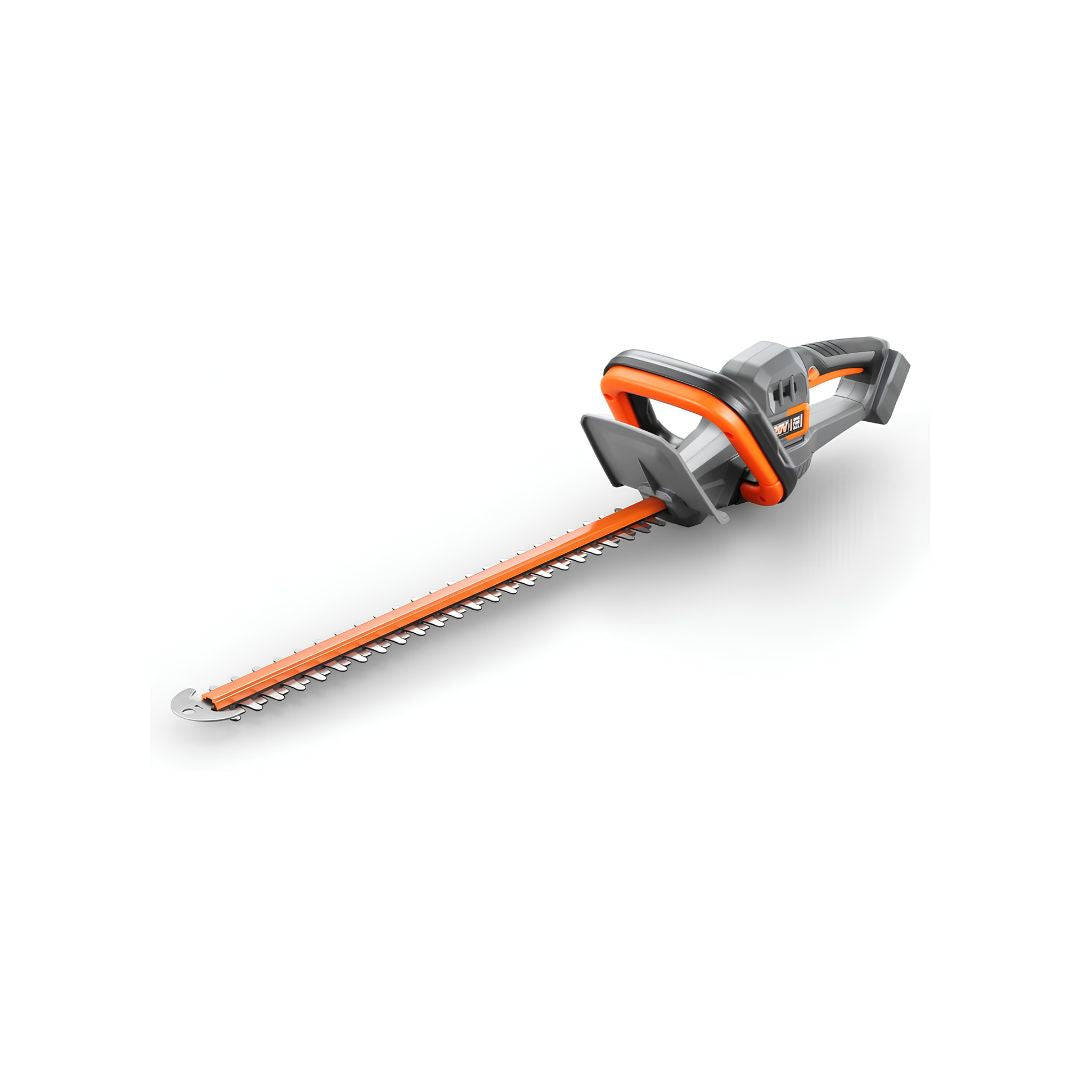
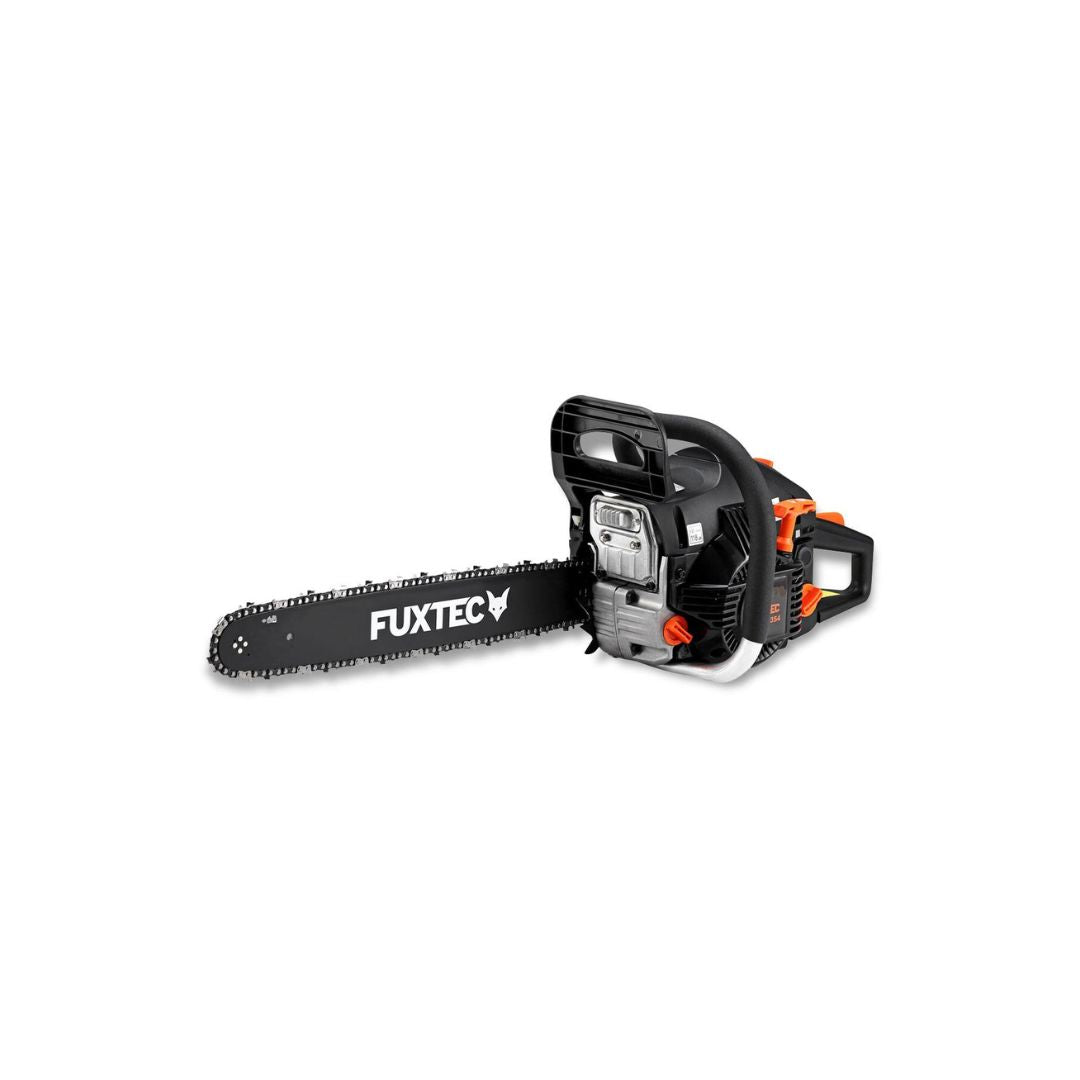
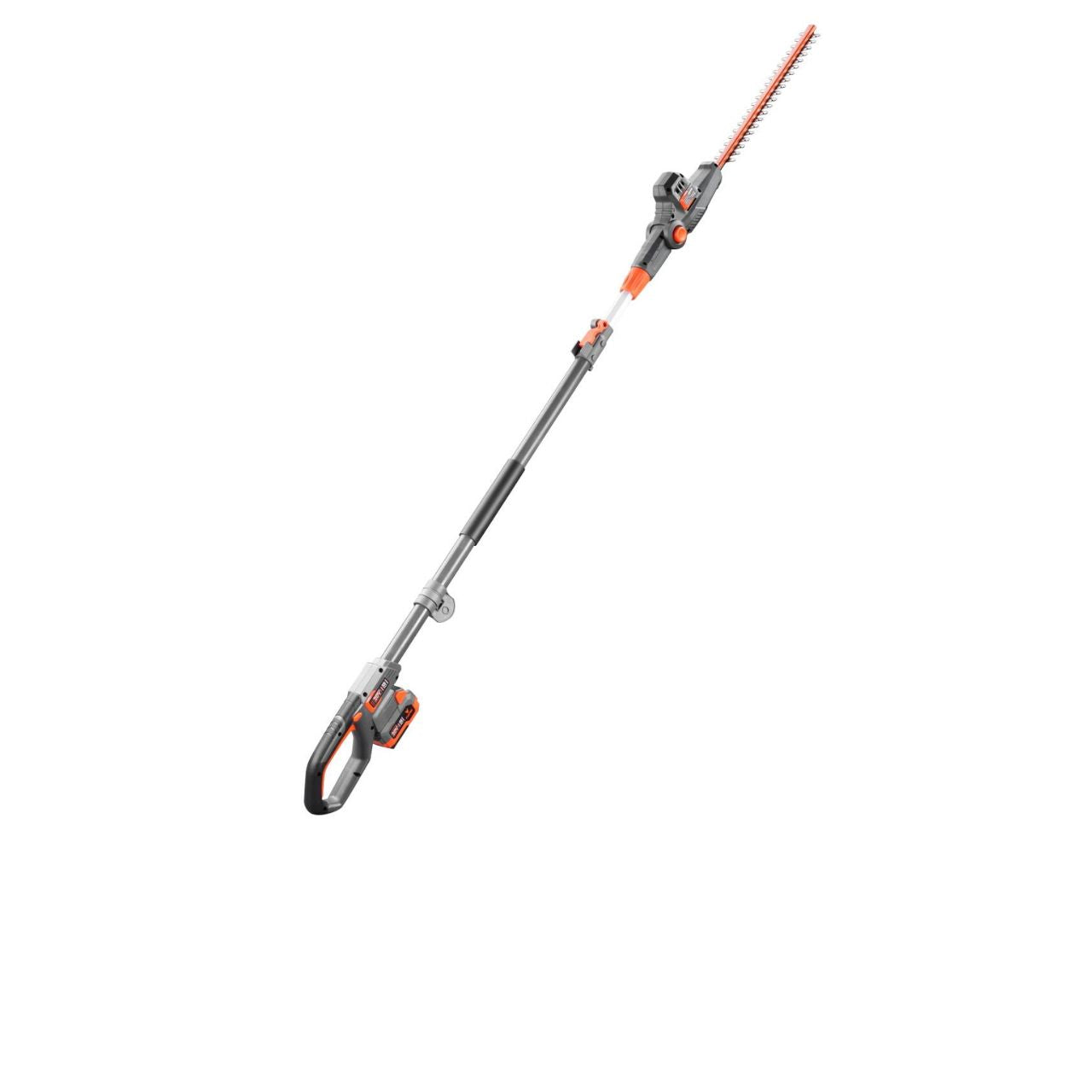
The best tools for caring for trees and hedges
More articles about tree and hedge care
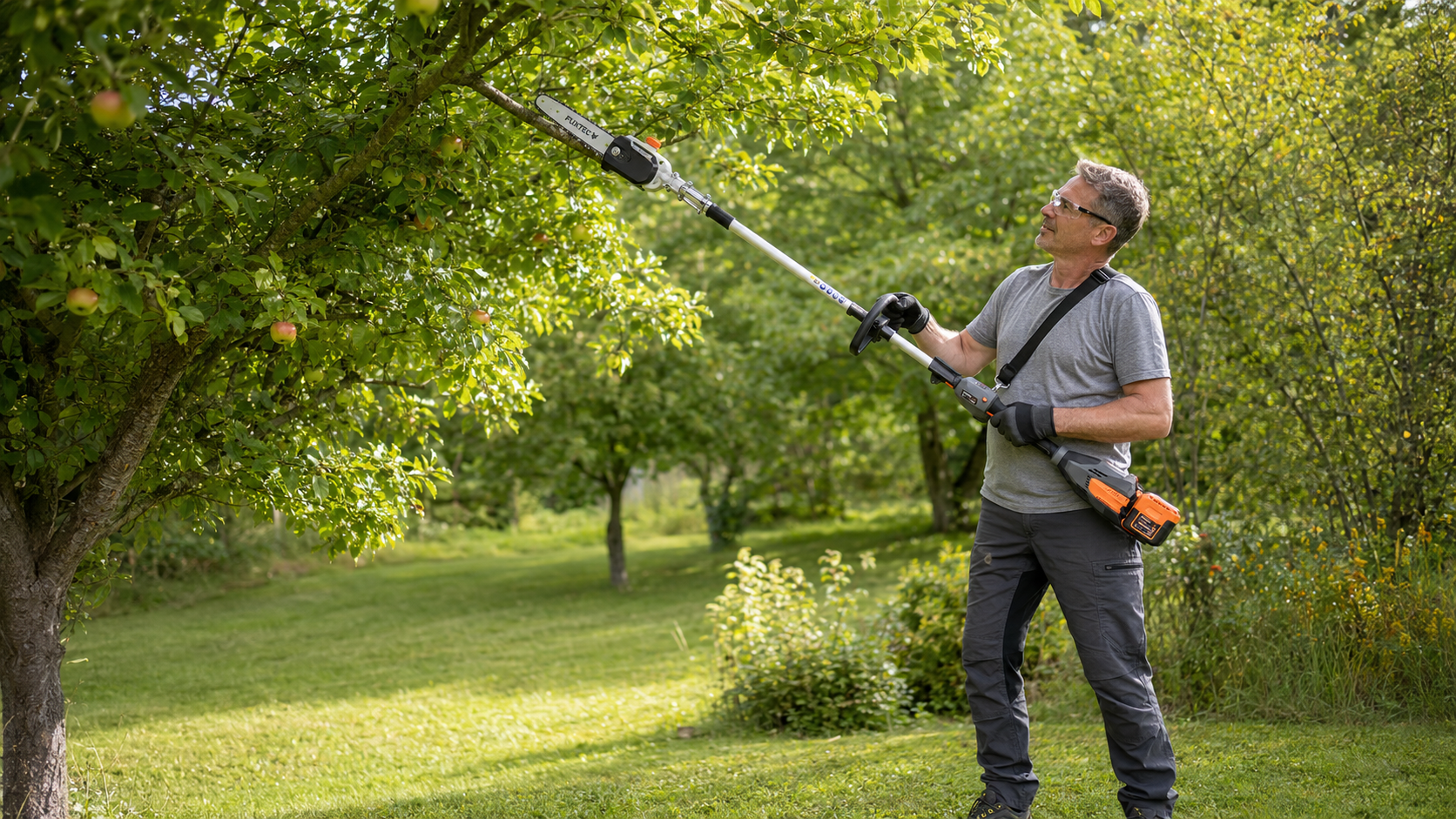
Summer Pruning Fruit Trees: The Complete UK Guide
Inhaltsverzeichnis Vorteile des Pflegeschnitts Schnittkalender für Obstgehölze So gehst Du Schritt für Schritt vor Äpfel und Birnenbäume Kirsche, Pflaume, Aprikose und Pfirsichbäume Jungbäume und ...
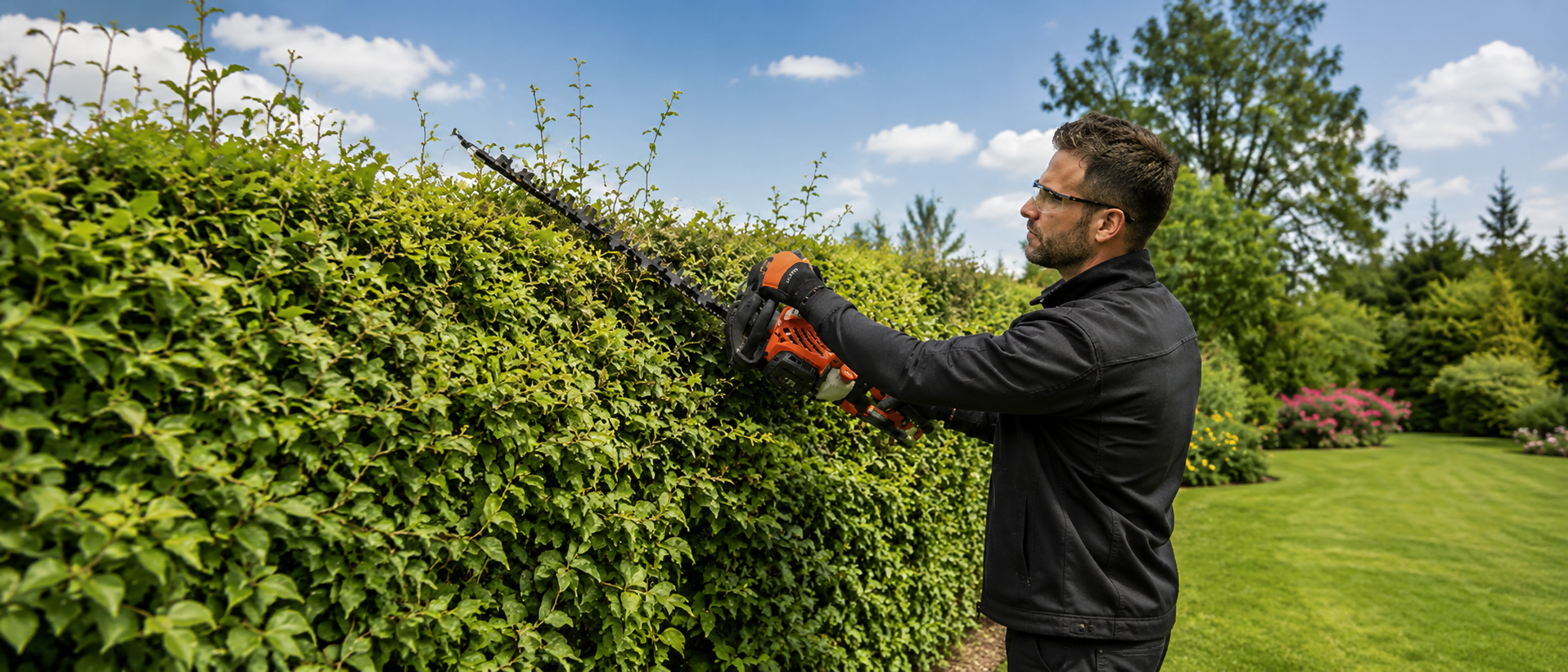
How to Cut an Overgrown or Tall Hedge | FUXTEC
An overgrown hedge can become too wide, patchy in places and riddled with thick branches. If it has also grown several metres tall, a quick trim with a standard hedge trimmer is no longer enough. ...
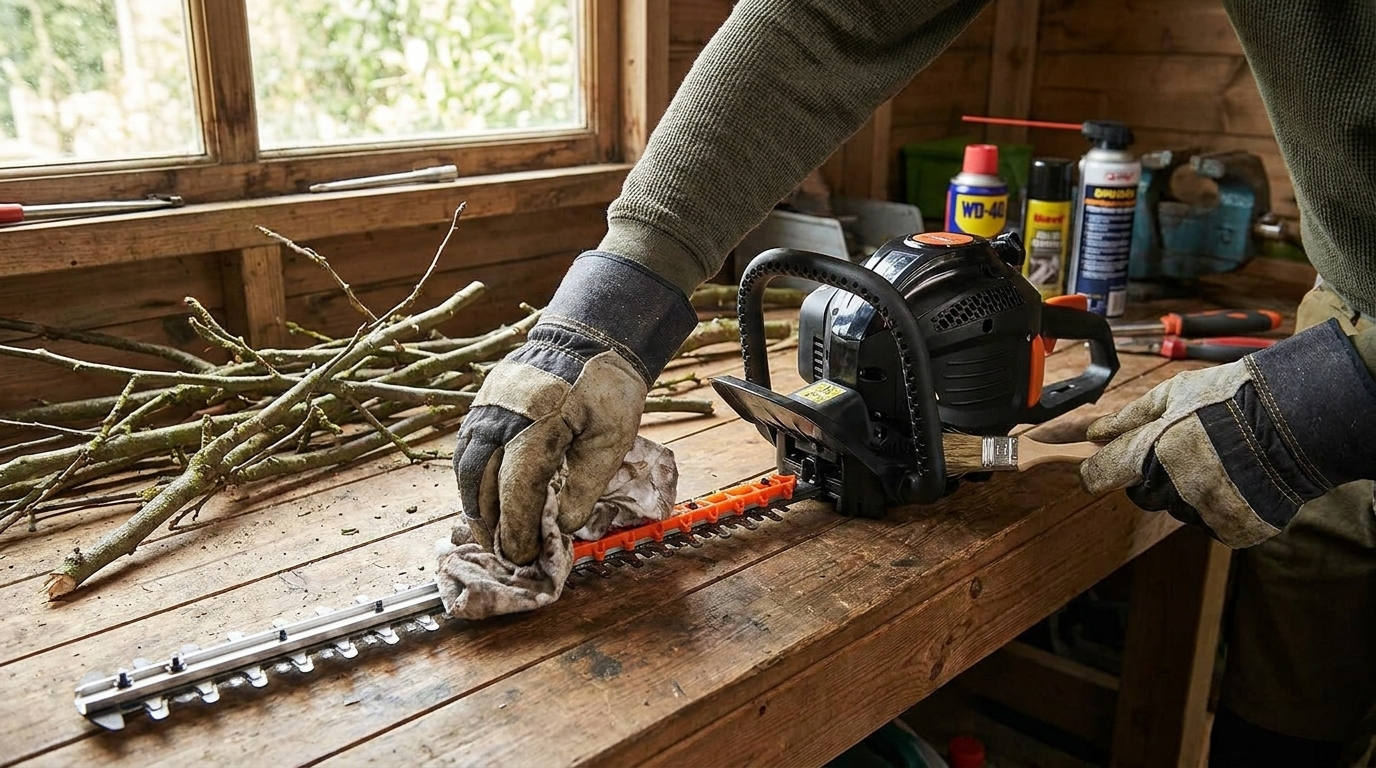
How to Clean & Maintain Your Hedge Trimmer
A well-maintained hedge trimmer is essential for a tidy garden. If you want to keep your hedges looking their best, you need a tool that works reliably – with clean, sharp blades. Yet many gardener...


