
Planting a Hedge – The Ultimate UK Guide
Planting a Hedge – The Ultimate Guide to Choosing the Right Hedge
The Right Hedge Plants for Your Garden
The selection of the right plants for your hedge is one of the most important steps in the planning process. After all, the entire success of the project ultimately depends on choosing hedge plants that you genuinely like and that are also well suited to the conditions in your garden. You can find detailed information on the characteristics and care of the most popular hedges here.
The Best Hedges for Different Locations
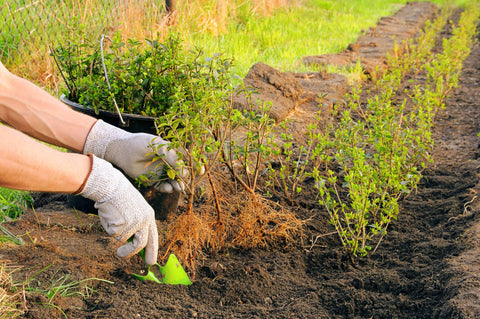
When deciding which hedge plants to order and plant, you should always take into account the intended location of your screening. Not all varieties are suited to full sun or shaded spots. The soil type is also crucial for successful establishment and the long-term health of your hedge. While some plants cope with a wide range of different soils, others require slightly acidic or slightly alkaline conditions to thrive. If soil type hasn't been something you've considered before, it's well worth investigating before selecting your hedge plants. It's a good idea to take a soil sample and have it analysed. This will also tell you which nutrients are present and in what quantities, so you know what you may need to add to support your plants.
Hedges for Different Light Conditions
While some hedge plants thrive in sunshine, too much light can actually be harmful to others. Sun-loving hedges include hornbeam, beech, and hazel. These deciduous hedges do need to be kept well watered if they are planted in a position that gets full sun. The same applies to cherry laurel, which makes a wonderful evergreen option for very sunny spots. Box also does well in bright positions but is equally happy in partial shade. Hibiscus hedges will only produce an abundance of their large, pleasantly fragrant flowers if they receive enough sunshine.
Plants in shade receive less sunlight for photosynthesis and therefore generally grow more slowly than those in sunny positions. Yew, privet, and holly are among the most shade-tolerant options and will, given a few years, form an attractive screen even in shadier spots. Berberis and rhododendron are also shade-tolerant. If you want quick results, consider planting an ivy hedge. As a woodland plant, ivy thrives in shade, is low-maintenance, and grows rapidly. However, it does need to be cut back regularly, otherwise it can quickly become invasive.
Hedges for Different Soil Types
Most hedge plants cope well with soil pH values ranging from mildly acidic to mildly alkaline. So unless your soil is very acidic or heavily limed, this factor is unlikely to cause you problems. However, the nutrient content of the soil is also important for a healthy, thriving hedge. At the very least, you should know whether your soil is sandy or clay-heavy. Sandy soils retain minerals less effectively, meaning you may need to fertilise more frequently to ensure your hedge plants have everything they need. Relatively undemanding and therefore popular all-rounders include hornbeam, thuja, privet, and box.
The Best Hedges for Reliable Privacy Screening
There are both evergreen hedge plants and those that shed their leaves in autumn. In winter, deciduous hedges naturally offer less dense screening than they do in summer. This is a factor you should bear in mind when selecting the right hedge plants. It's also worth thinking about how tall you want the hedge to grow when you're buying your plants. If the hedge is to run directly alongside your neighbour's property, height may be subject to local restrictions. In the UK, neighbour disputes over hedges are primarily governed by the Anti-social Behaviour Act 2003 (Part 8), which covers high hedges that adversely affect a neighbour's enjoyment of their property. Permitted development and boundary rules vary, so it's advisable to check with your local planning authority. The permitted species for hedging may also be subject to local planning conditions.
Evergreen Hedges
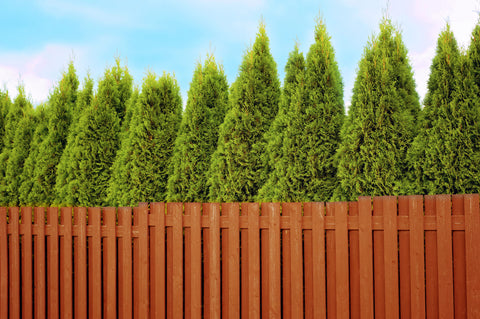
Evergreen hedges look the same throughout the year and provide reliable screening in all seasons. The slight drawback is that they tend to shed a few leaves or needles year-round. Nonetheless, they are the first choice if you want a hedge that offers impenetrable privacy screening even in winter. The most popular evergreen hedge plants include thuja, certain privet varieties, cherry laurel, and box. Bamboo, which is becoming increasingly popular as a contemporary screening option, is also green all year round. Pyracantha (firethorn) varieties not only retain their leaves over winter but also their vivid berries, providing attractive seasonal highlights. Furthermore, all coniferous hedging plants are evergreen, including cypress, pine, and yew.
Deciduous Hedges
Deciduous hedges that shed their leaves in autumn bring more variety throughout the year. Because they have larger leaves compared to conifers, they often provide very good screening in summer. They include most hedge plants that you would also recognise as trees, such as hornbeam, copper beech, and purple beech, the various maple species, and amelanchier. Common privet also sheds its leaves over winter, as do dogwood and berberis.
The Best Hedges for Native Wildlife
Sustainability in the garden is becoming ever more important. Many garden owners consciously choose plants that support native insects through nectar-rich flowers. Planting berry-bearing shrubs or trees can also benefit local wildlife by securing and extending their food supply. This applies equally to certain hedge plants, with which you can create not only an attractive screen but also make a valuable contribution to conservation.
Native Hedge Plants
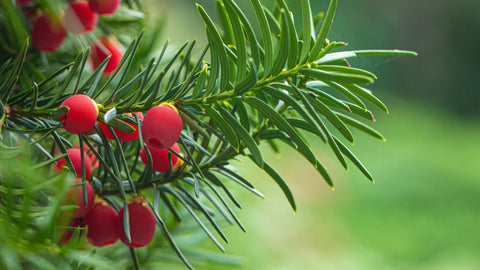
Native plants are often particularly valuable for local wildlife, as animals are familiar with them and can make use of the food they provide. For neat, clipped hedges, native species are particularly well suited – including hornbeam, hawthorn, field maple, yew, beech, and holly. Almost all of them produce berries or fruits that are eaten by native songbirds in autumn. Privet is also native to the British Isles and provides excellent nesting and roosting cover for birds, though its berries are toxic to both humans and animals.
An alternative to a neatly clipped formal hedge is a mixed, free-growing wildlife hedge. These are planted in two staggered rows and typically consist of a variety of native shrub species. Wildlife hedges make a particularly valuable contribution to biodiversity. Suitable plants include: blackthorn, dogwood, cornelian cherry, hazel, rowan, elder, hawthorn, berberis, and wild roses.
Flowering Hedges
Flowering hedges are a real feast for the eyes, especially in spring, and add beautiful accents to the garden. Many species delight not only people but also bees, bumblebees, and butterflies that feast on their nectar-rich blooms. These include, for example: forsythia, jasmine, dog rose, buttercup shrub, hibiscus, deutzia, and hawthorn.
Fruit-Bearing Hedges
Hedges with berries and fruits look particularly attractive in autumn and provide valuable food for songbirds well into winter. If you'd like to support native bird species that overwinter in the UK, consider planting: elder, amelanchier, blackthorn, hawthorn, dog rose, cornelian cherry, and hazel. You can also plant berry bushes such as blueberry, blackberry, raspberry, and redcurrant close together to create a screen with an edible bonus.
The Best Time of Year to Plant a Hedge
To ensure your new hedge establishes well and thrives, you should not only choose a species suited to the site but also plant it at the right time of year. In principle, both autumn and spring are suitable. The best timing depends partly on the specific hedge plant and partly on the form in which the plants are purchased or delivered.
Planting Container-Grown Hedge Plants
Container-grown plants are what you'll most likely find at a garden centre or DIY store. The roots are typically in a plastic pot with compost, where the hedge plant has spent its entire life so far. Container-grown stock is usually only available up to a certain size, so the plants will need to put on a good deal of growth after being planted in the ground before they provide reliable screening. On the plus side, they are not particularly fussy about when they are planted. You can therefore plant them at any time of year.
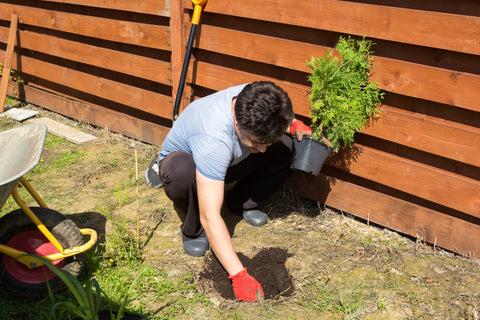
Because container-grown hedge plants start out at their new location with a well-developed root system, they can immediately take up enough water and nutrients to sustain themselves. You can give them a helping hand by trimming them back slightly. This allows them to put more energy into root growth rather than maintaining the upper parts of the plant, and they will be reliably established in the ground after about a year. Until then, give them a little extra care and make sure they are watered sufficiently, particularly during summer. Whether container-grown plants need a planting fertiliser depends on whether a slow-release fertiliser is already present in the pot compost – if in doubt, ask the supplier.
Planting Root-Balled Hedge Plants
Root-balled plants are grown in the open ground, typically at a nursery, and are lifted for delivery. Because their roots are extensive, only a portion of them can be retained with the rootball. Root-balled plants are available in larger sizes, meaning that if they establish well, you'll have a functional screen more quickly. However, these plants can only be lifted without detriment during their dormant period, from autumn through to early spring. The planting season for root-balled stock therefore begins in October and runs through to approximately April. Evergreen hedges should ideally be planted in September or October, as this gives them enough time to develop sufficient roots to take up adequate water over winter. For deciduous plants, this is less critical, as they use very little water during winter.
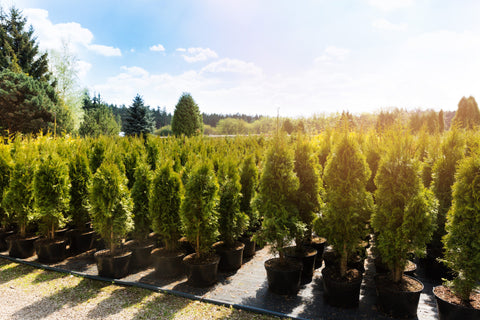
Due to root loss during lifting, the hedge will struggle to support its existing top growth. You'll do the plants a great favour by trimming them back after planting, which helps them to establish more successfully. Make sure to water the hedge thoroughly after planting – even during winter if necessary. Because they are not yet deeply rooted, they cannot yet access the ample water reserves in the deeper soil layers.
Planting Bare-Root Hedge Plants
Bare-root transplants are delivered without any soil, with roots only. This has the advantage that the plants are comparatively light and, for example, well suited to postal delivery. Depending on the quality of the hedge plants, the root system may be more or less well developed. In any case, the very fine root hairs responsible for water uptake are likely to have suffered during transit. Bare-root hedges should therefore ideally be planted when the weather is not too warm, as they will otherwise dry out further. However, very low temperatures with frozen ground are equally far from ideal.
During and after planting bare-root hedges, ensure they always have enough water. If they still have leaves, trim them back a little to reduce water loss through transpiration. Evergreen plants are rarely available as bare-root stock, as they generally establish poorly in this form.
Can You Plant a Hedge in Frosty Weather?
Autumn and winter are the best times of year to plant a hedge. This gives the plants plenty of time to begin establishing before they put on their first flush of growth in spring. However, it's best to avoid planting during a hard frost. For one thing, it makes the job considerably harder for you, as frozen ground is much more difficult to dig. For another, plants that are not yet well rooted will find it particularly difficult to take up water in frosty conditions.
Legal Considerations When Planting a Hedge
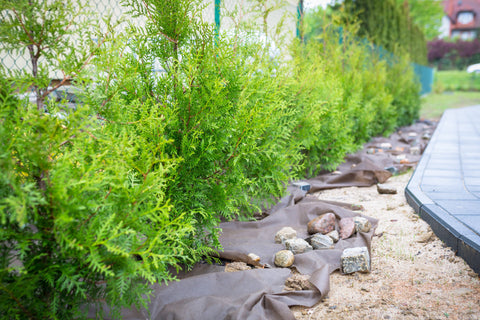
In most cases, hedges are planted at the edge of your garden, forming the boundary between your property and your neighbour's. In the worst case, this can lead to disputes if your neighbour feels the hedge is encroaching on their land, is too tall, or is dropping too many leaves, for example. Here's what to bear in mind when planting your hedge to avoid falling out with even the most particular of neighbours.
The Correct Distance from the Boundary
In England and Wales, boundary and hedge disputes are primarily governed by common law and the Party Wall etc. Act 1996, as well as the Anti-social Behaviour Act 2003 (Part 8) for high hedges. Rules can vary between local authorities, so it is always worth checking with your local council before planting.
In general, it is important that you do not plant your hedge directly on the boundary line. Leaving a small margin inside your own property is advisable to ensure branches and roots do not encroach. If a hedge grows too tall and adversely affects a neighbour's enjoyment of their property, your neighbour may be entitled to ask the council to intervene under the high hedges legislation. The roots of your hedge must not damage your neighbour's property, for example by interfering with underground pipes or other buried installations.
Planting a Hedge as a Tenant
If you own your home with a garden, you are clearly free to decide on the planting. The situation is different, however, if you are renting. In principle, you may plant a hedge as a tenant – but your landlord can require you to remove it and restore the garden to its original condition when you leave. This can obviously mean a great deal of hassle and hard work. It is therefore far better to plant a hedge only with your landlord's consent. Bear in mind that if you invest a significant amount of money in buying plants but cannot take them with you when you move out, you have no automatic right to financial compensation. If the hedge is being planted at the landlord's request, they should also cover the costs.
Step-by-Step Guide to Planting a Hedge
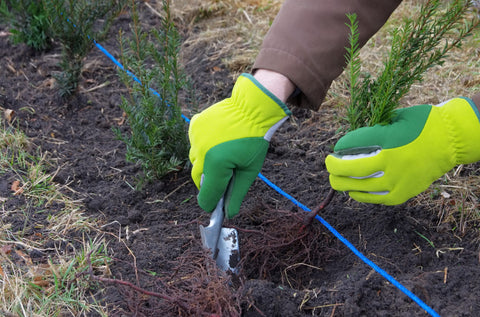
Once you've decided what kind of hedge will adorn your garden and give you the privacy you're looking for, it's time to plan the details, order the plants online or from your local nursery, and get planting. With our detailed guide, you can't go wrong.
Planning Your Hedge
Before you buy your hedge plants, you need to know how many you'll need. Measure out the intended position of your hedge. Make sure you allow the correct distance from the boundary! The number of plants you need also depends on the type of hedge and the size of the plants you buy:
- Small young plants up to 60 cm: 4 plants per linear metre
- Medium-sized plants up to 80 cm: 3 plants per linear metre
- Large plants up to 1 m in height: maximum 2 plants per linear metre
- Plants taller than 1 m: 1 plant approximately every 90 cm
Flowering hedge plants need particularly generous spacing. Plant no more than one per metre of hedge. Hedge plants that are naturally trees will also appreciate a little more room.
Preparing the Soil
To ensure your hedge grows in a straight line, you can stretch a string line from one end to the other. Along this line, you then dig a planting trench or individual holes. Which approach is better depends mainly on the size of your hedge plants. If the plants are fairly small and close-spaced, it's often easier to dig a continuous trench. If you're only planting one plant per metre, individual holes will suffice.
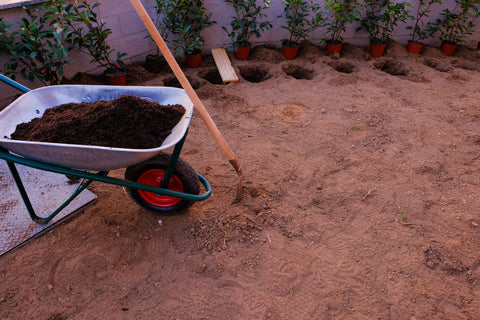 The trench or holes should be twice as wide and deep as the pot or rootball. This ensures that not just a small patch but all the surrounding soil around the plants is well loosened and enriched with nutrients. If you only dig a hole just large enough for the rootball, the plants can be placed in, but they will struggle to expand their root system.
To give your hedge plants a good start in their new home and to support their first burst of growth, it's a good idea to add some garden compost and bonemeal or a general slow-release fertiliser to the planting hole. You can also mix the organic matter into the soil you've removed. Note: container-grown plants generally do not need additional planting fertiliser, as the pot compost usually already contains a slow-release feed – if in doubt, check with the supplier. To improve the soil, mix in some organic matter or compost if it is too sandy. If the soil is heavy and poorly drained, work in some horticultural grit or sharp sand.
Planting the Hedge
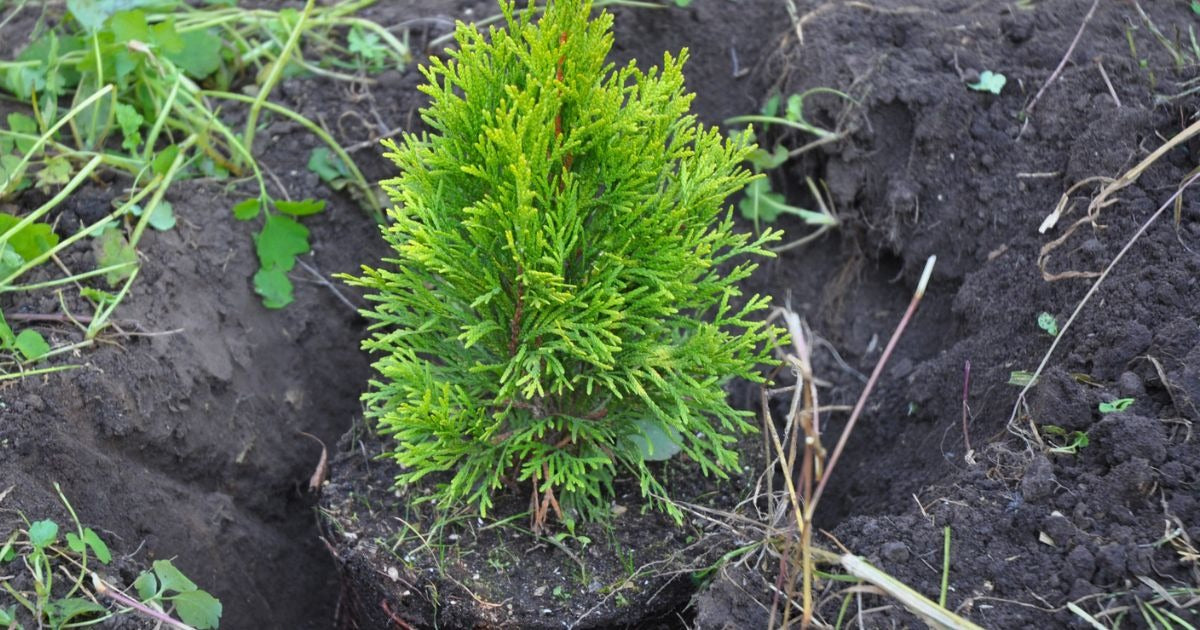
If your hedge plants are container-grown or root-balled, place each one in a bucket of water until no more air bubbles rise to the surface before planting. This ensures they are well hydrated before going into the ground.
Then place the plants in the prepared planting holes and backfill with the prepared soil. After filling the hole halfway, give the plant a gentle shake to eliminate any air pockets between the roots. Firm the soil down at the end, but take care not to apply too much pressure, which could damage the roots. Form a shallow watering well around the root zone and give each plant a thorough soaking, even if it is raining. This initial thorough watering eliminates any remaining air pockets in the soil and ensures good contact between the roots and the surrounding earth.
Once the water has fully drained away, loosen the soil surface gently and cover it with bark chippings, wood chip, or other organic mulch. The mulch layer reduces moisture evaporation from the soil beneath, keeping your hedge plants moist for longer. This has a positive effect on growth, as does the release of nutrients by micro-organisms breaking down the organic material – a process that also generates a little warmth, which benefits your plants further. Not least, bark chippings and similar mulches reduce the growth of weeds around your new hedge.
After planting, don't forget to trim your new hedge plants back a little. They may look a bit sparse afterwards, but they will reward you with noticeably stronger, healthier growth the following spring.
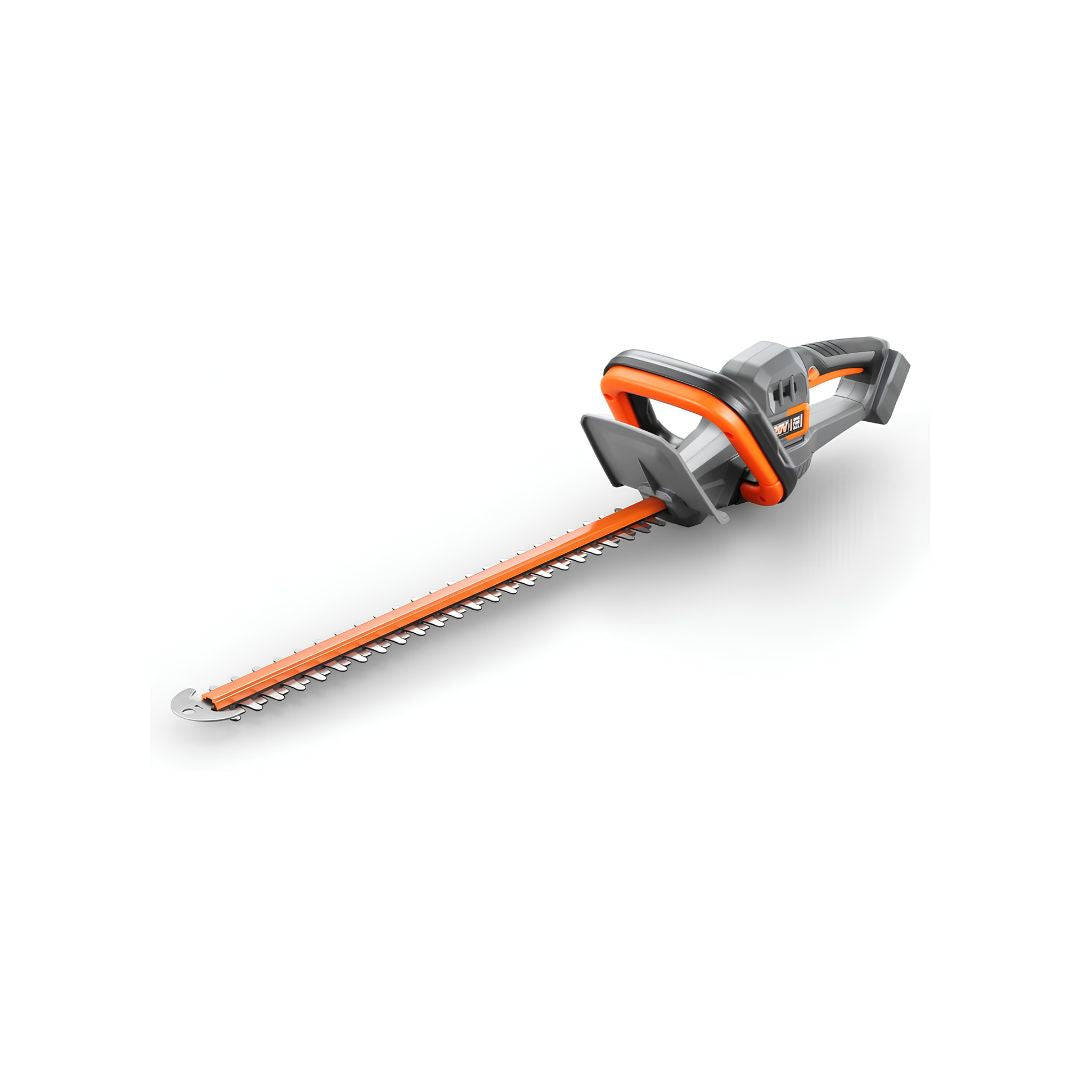
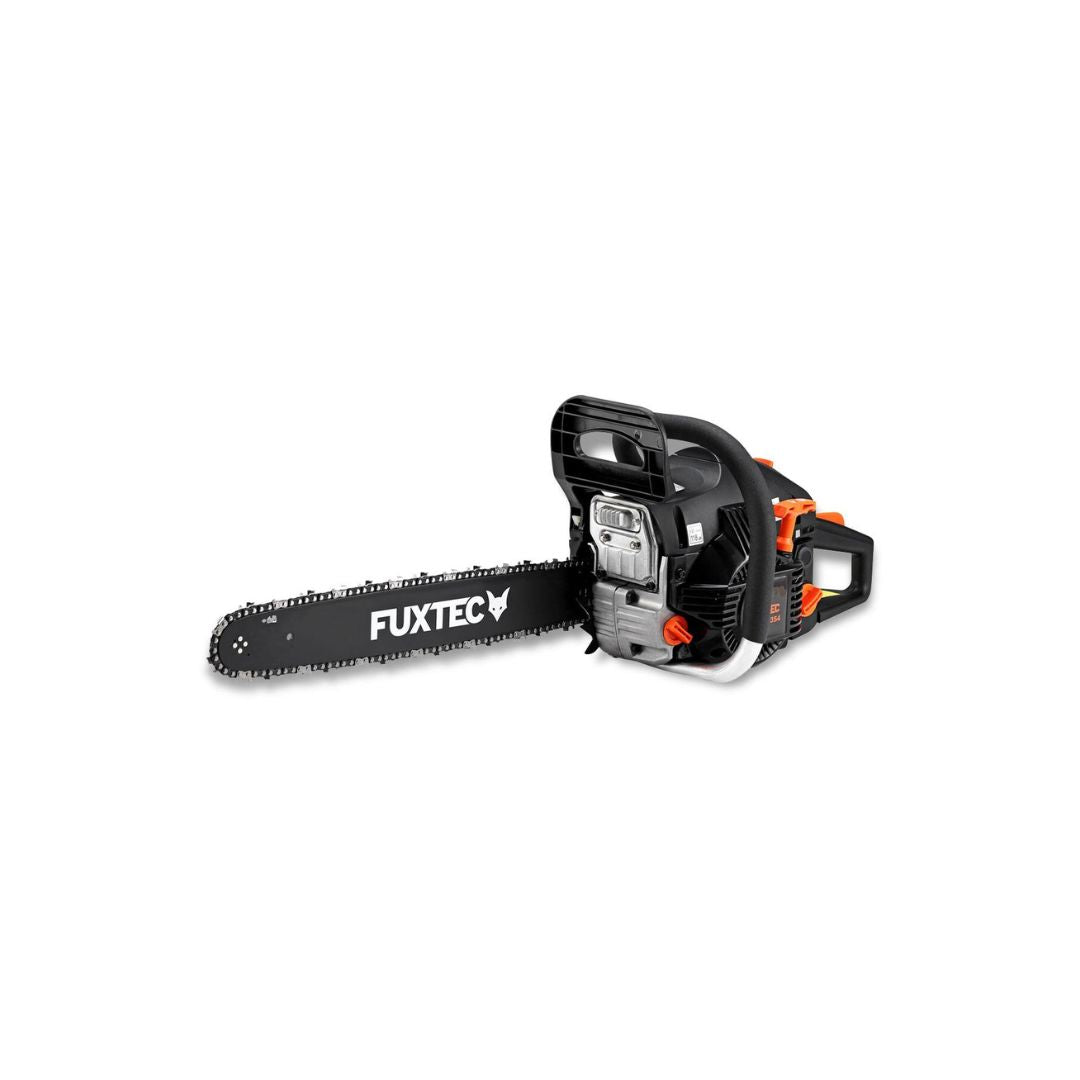
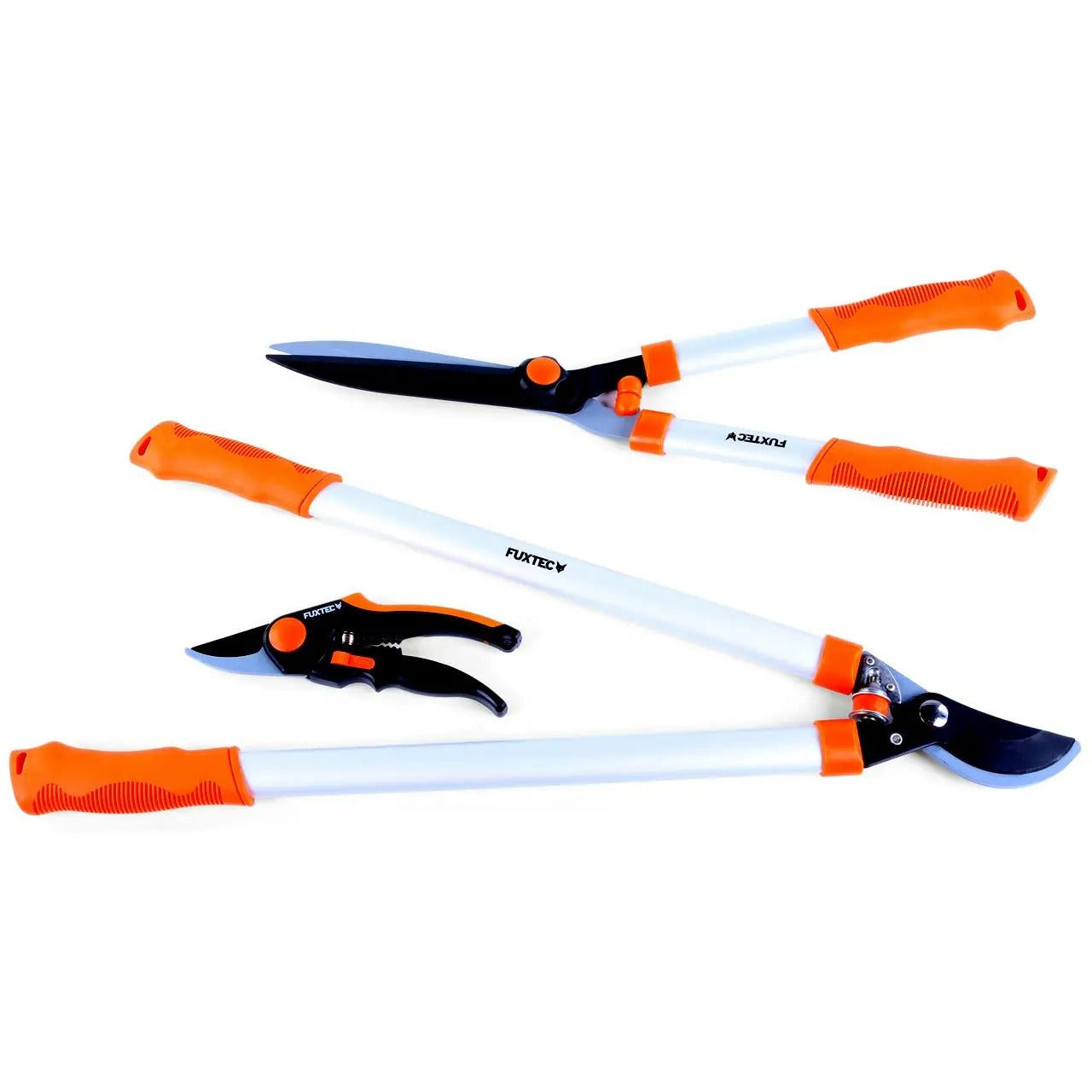
The best tools for caring for trees and hedges
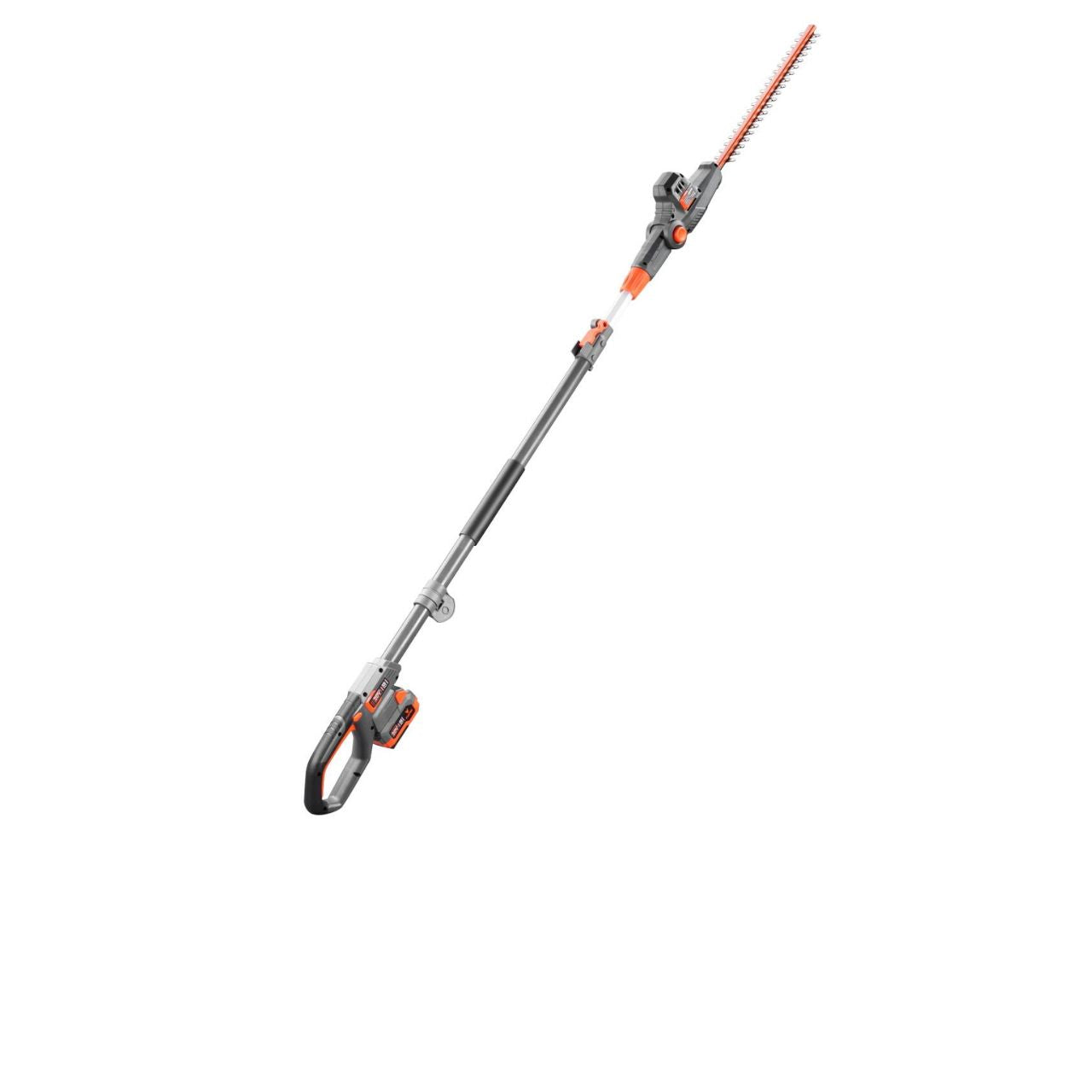
More articles about tree and hedge care
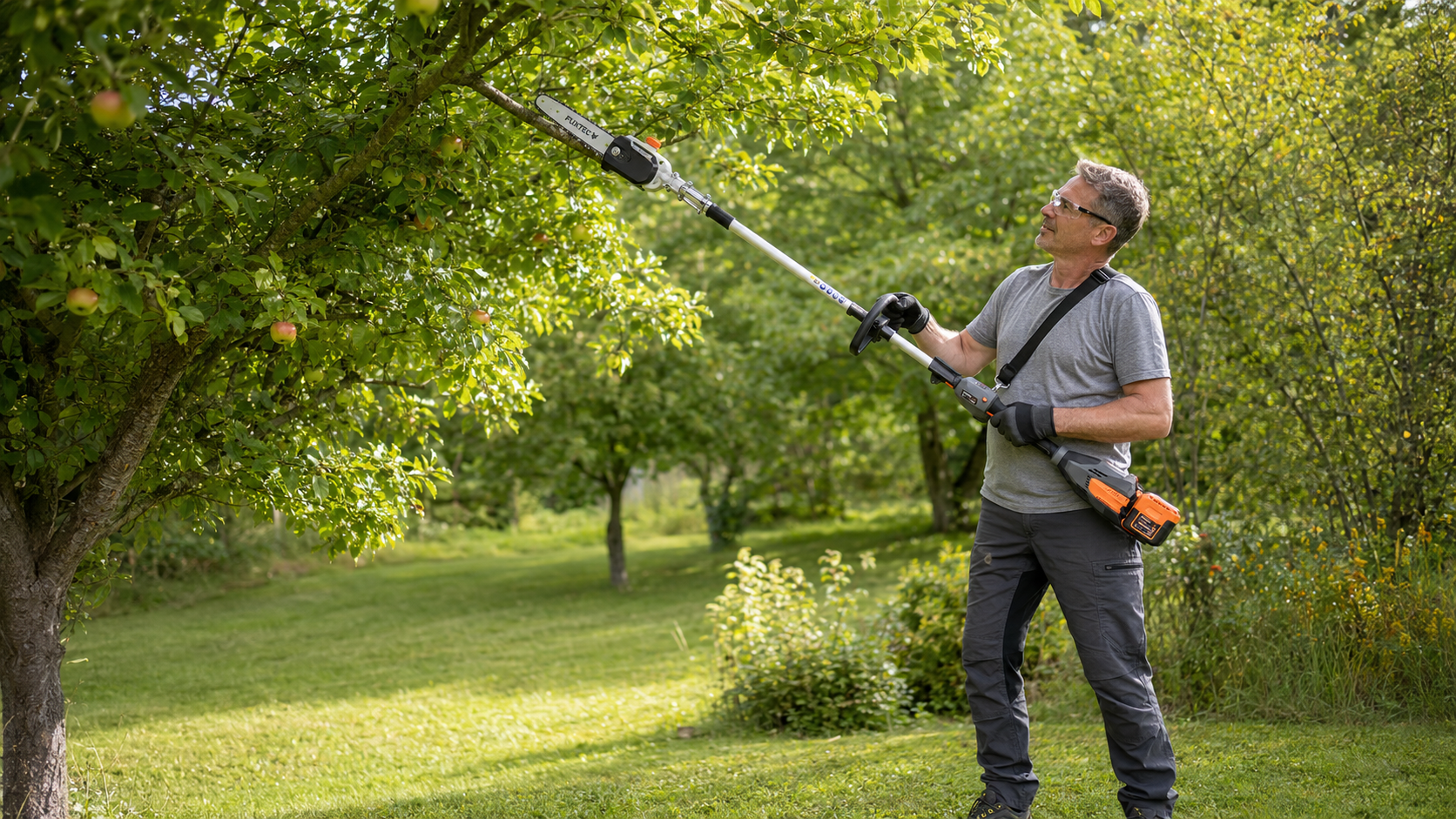
Summer Pruning Fruit Trees: The Complete UK Guide
Inhaltsverzeichnis Vorteile des Pflegeschnitts Schnittkalender für Obstgehölze So gehst Du Schritt für Schritt vor Äpfel und Birnenbäume Kirsche, Pflaume, Aprikose und Pfirsichbäume Jungbäume und ...
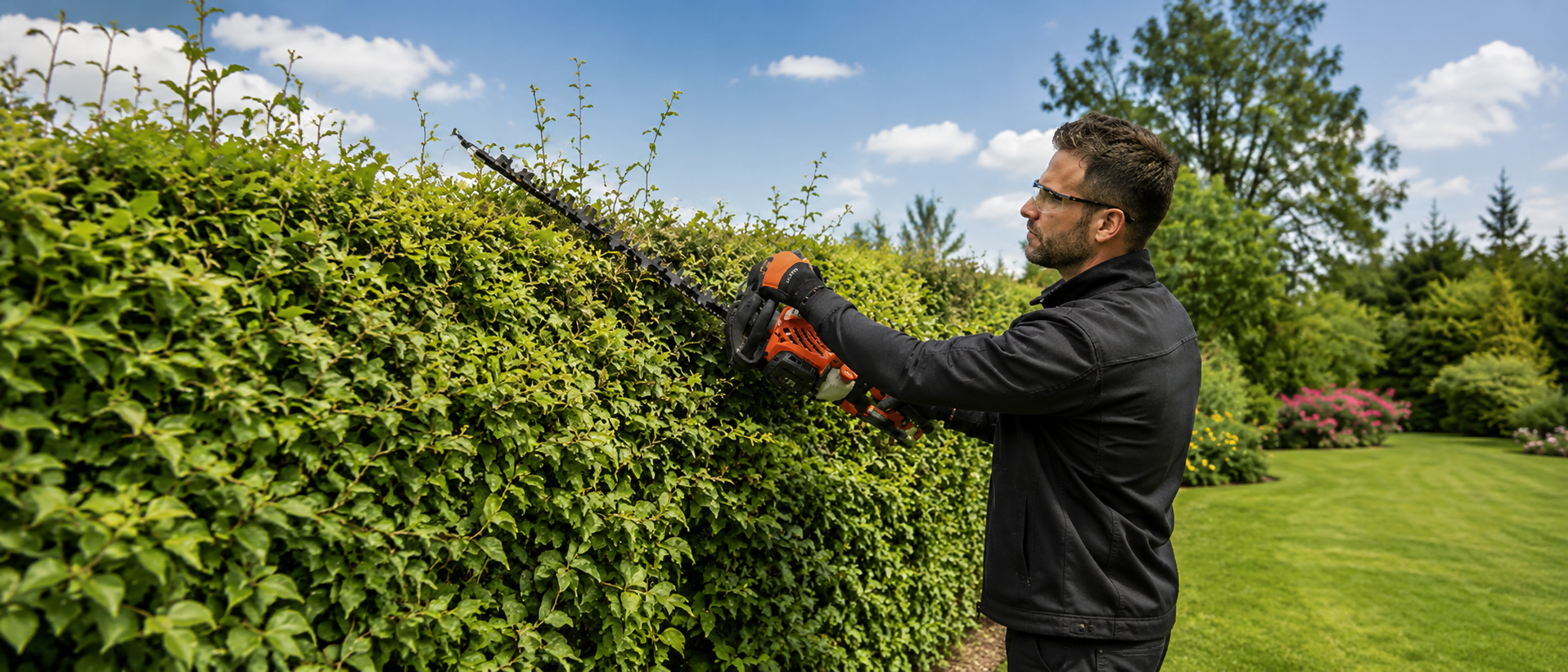
How to Cut an Overgrown or Tall Hedge | FUXTEC
An overgrown hedge can become too wide, patchy in places and riddled with thick branches. If it has also grown several metres tall, a quick trim with a standard hedge trimmer is no longer enough. ...
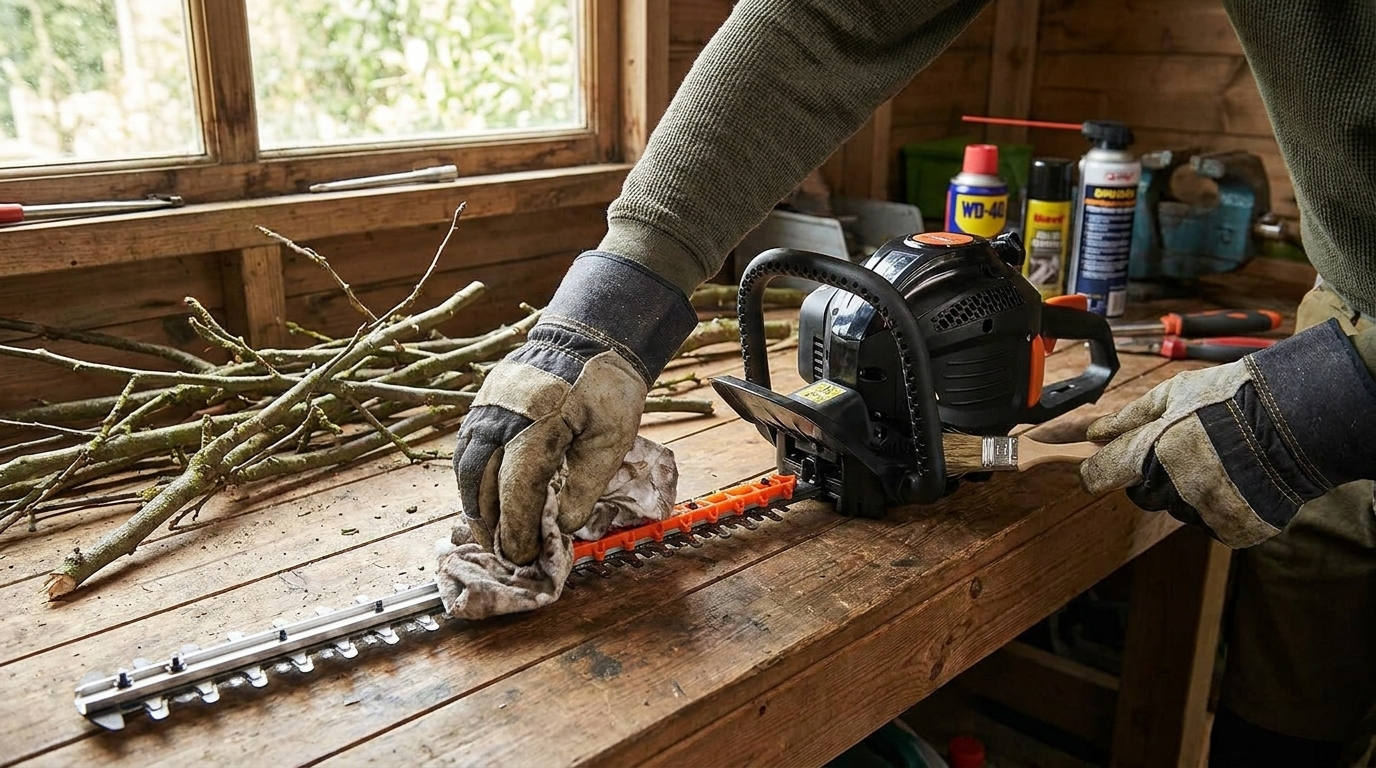
How to Clean & Maintain Your Hedge Trimmer
A well-maintained hedge trimmer is essential for a tidy garden. If you want to keep your hedges looking their best, you need a tool that works reliably – with clean, sharp blades. Yet many gardener...


